
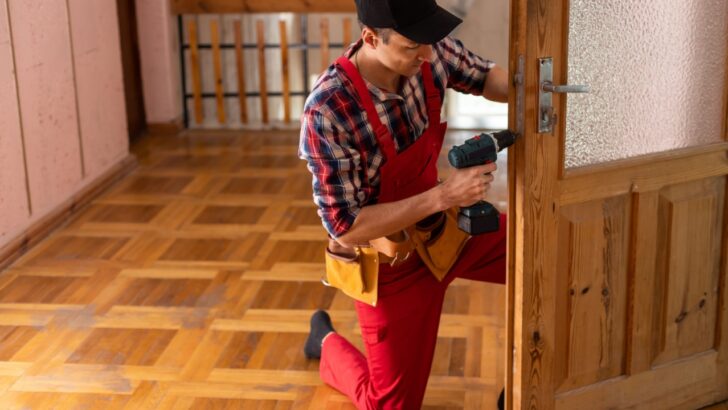
Ever dreamt of converting your humble home into a DIY masterpiece? The temptation of rolling up your sleeves and tackling home renovations yourself is unquestionably strong. But before you reveal your inner handyman (or woman), remember that not all home improvements were created equal in the eyes of the law. Some projects, while seemingly plain and simple, actually require the expertise and licensing of qualified professionals.
Why the restrictions, you ask? Well, these regulations are in place to protect your well-being, maintain the value of your property, and ensure that all work aligns with strict building codes. Tackling these projects without the proper skillset and credentials can uncover a Pandora’s box of issues, from hefty fines and costly repairs to possible safety hazards for you and your loved ones.
So, before you set off on your next DIY adventure, let’s consider 14 home improvements that could land you in legal hot water if you tackle them alone. We sourced our ideas from home contractors who have seen it all and know better.
1. Electrical Wiring and Upgrades
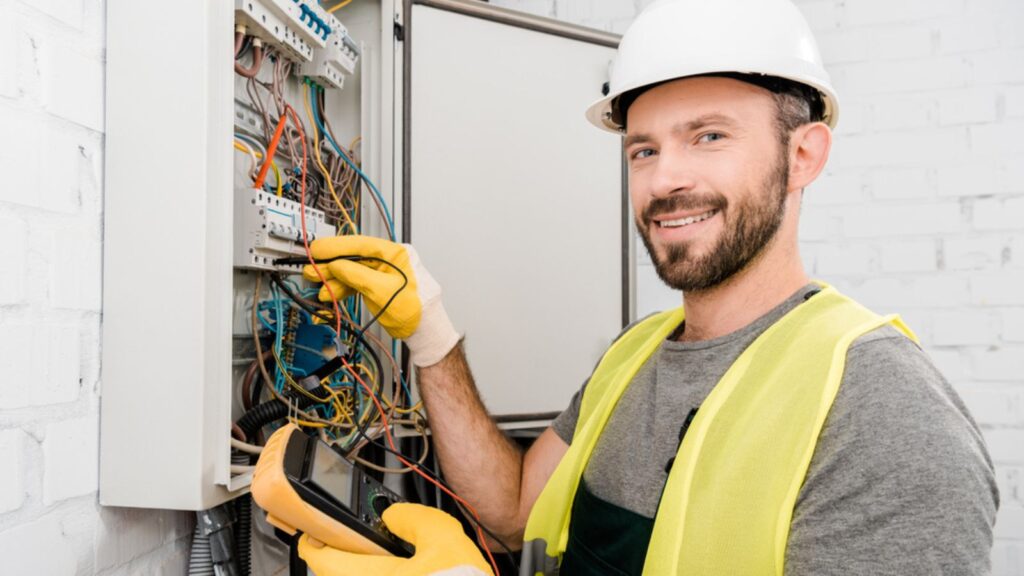
Image Credit: Depositphotos.com.
Each state in the U.S. has strict electric codes that all property owners must adhere to, and for good reason. These codes are designed to protect both residents and property from potential electrical hazards. In fact, some states take it a step further, preventing homeowners from performing DIY electrical work altogether.
Even if you are in a state that allows DIY wiring, it’s a good idea to call in a licensed electrician. They possess the expertise to handle electrical systems safely, ensuring that your home remains hazard-free and in compliance with local building codes. Remember, when it comes to electricity, it’s always better to err on the side of caution.
2. Major Plumbing Overhauls
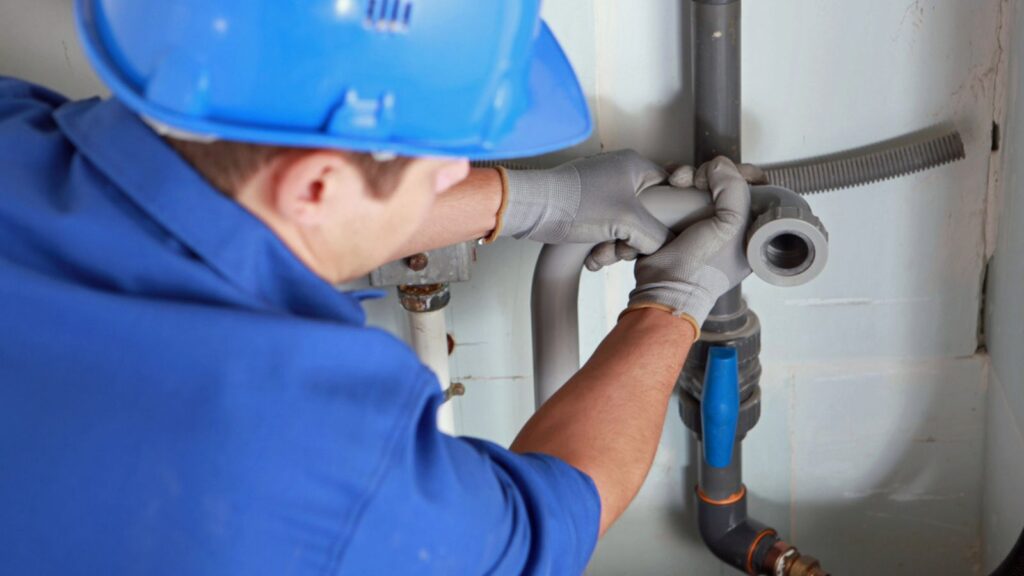
Image Credit: Depositphotos.com.
Dabbling in DIY plumbing projects without the proper know-how can be a risky endeavor. Shoddy workmanship can lead to hazardous leaks, mold growth, and even structural damage, putting both your safety and your home’s value at risk. But the consequences don’t stop there. Botched plumbing can also void your home warranty, complicate future resales, and even jeopardize your insurance claims.
In fact, some complex plumbing projects, such as changing out the gas line in a cooktop, are outright illegal to DIY. So, before you reach for that wrench, consider the potential pitfalls and ensure you’re equipped with the necessary expertise, or call in a licensed professional to handle the job.
3. HVAC Installation and Repair

Image Credit: Depositphotos.com.
Homeowners who undertake DIY furnace installations or repairs without proper qualifications may face legal consequences due to negligence. In the worst-case scenario, a botched DIY furnace repair could lead to an explosion or fire, resulting in serious injuries or even fatalities, and the homeowner could be held liable for the damages and harm caused.
Attempting a DIY furnace repair can also be a costly mistake, potentially voiding the manufacturer’s warranty and leaving you with hefty repair bills. If your tinkering results in further damage, the manufacturer might wash their hands of the issue, refusing to cover the repairs under warranty.
4. Roofing Projects

Image Credit: Depositphotos.com.
Embarking on a major roofing project? Hold your horses! Before you start tearing off shingles, it’s crucial to check with your local building department. Some locales, particularly in states like Georgia and Tennessee, require permits for major roofing work, especially when structural changes or a complete shingle replacement are involved.
These permits are to ensure your roofing project aligns with local building codes and safety standards. However, the requirements for obtaining a permit can vary significantly, not just from state to state, but even from county to county. To avoid any unwelcome surprises or potential fines, do your due diligence and contact your local building department.
5. Structural Modifications

Image Credit: Depositphotos.com.
Dreaming of an open-concept living space? Knocking down a wall might seem like a straightforward way to achieve it, but don’t grab your sledgehammer just yet. Before you start swinging, consult a structural engineer. Why? Because tampering with your home’s structure isn’t a DIY project.
Most jurisdictions mandate that any structural modifications, like removing a wall, be designed or overseen by a licensed professional. This ensures that your renovation is not only aesthetically pleasing but, more importantly, structurally sound and safe. So, resist the urge to go it alone and bring in an expert to guide your open-concept transformation.
6. Gas Line Installation and Repair

Image Credit: Depositphotos.com.
Thinking of tinkering with your gas lines? Think again! In most states, it’s not just inadvisable, it’s downright illegal for anyone but a licensed professional to handle gas line work.
And it’s not just about avoiding a run-in with the law, it’s also about keeping your home and loved ones safe. Gas leaks are no joke, posing risks of explosions, fires, and deadly carbon monoxide poisoning. That’s why it’s crucial to enlist the help of a qualified plumber with the proper certifications, licensing, and insurance to tackle your gas line needs.
7. Tree Removal and Major Pruning

Image Credit: Depositphotos.com.
Removing a tree might seem like a simple task, but don’t be fooled! Depending on your location, you might need to navigate a maze of rules and regulations before that tree comes down, and hiring a licensed professional is the safest bet.
Some states and cities have strict ordinances in place to protect trees, either for environmental preservation or to maintain the urban landscape. Even if your state doesn’t have specific tree removal laws, you’re not entirely in the clear. Utility companies have their own set of rules when it comes to trees and power lines, which a pro would be familiar with.
8. Septic System Installation and Repair

Image Credit: Depositphotos.com.
Thinking of installing your own septic system? Hold that thought! In some states, unless you’re a regulation-exempt property owner working on your own single-family residence, the law dictates that a registered contractor or a state-licensed plumber must handle septic tank installation.
Some states provide a registry of licensed professionals in your area. Whether you’re a homeowner, business owner, or even a farmer, this registry can help you find the right expert for the job. So, leave the septic system to the experts and ensure your project is done safely, correctly, and legally.
9. Installing or Replacing a Water Heater
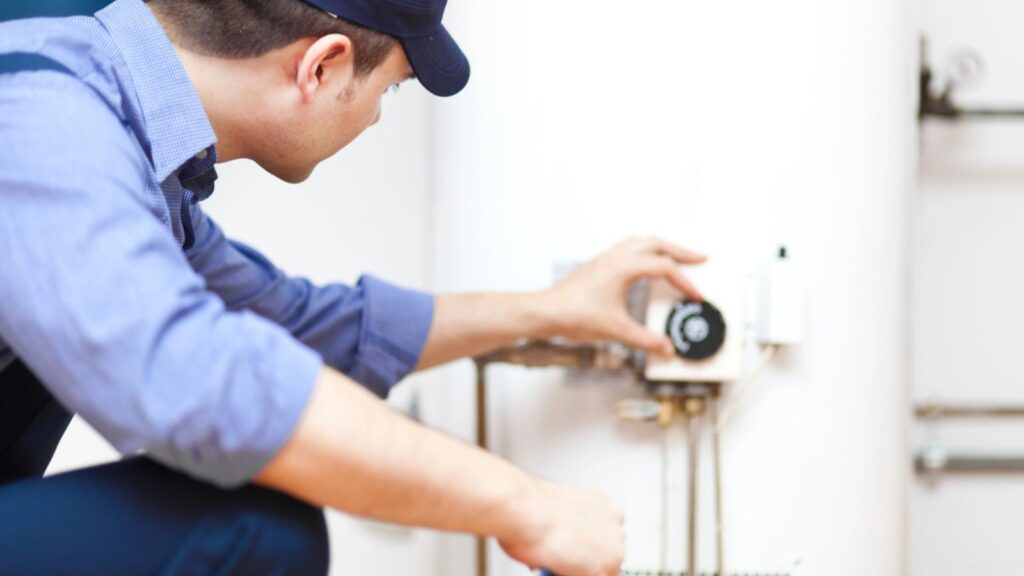
Image Credit: Depositphotos.com.
In most cases, the installation of a water heater requires the expertise of a licensed plumber to ensure safety and compliance with regulations. However, there are exceptions. In some jurisdictions, homeowners may be able to obtain a Homestead Exemption permit, allowing them to perform plumbing, electrical, and mechanical work on their own homes.
Exemptions come with specific requirements. Before starting any work, the homeowner must sign an affidavit confirming ownership and occupancy of the property, take responsibility for adhering to code specifications, provide proof of ownership from the relevant authorities, and pay all necessary permit fees. It’s important to note that this exemption typically does not apply to rental or commercial properties.
10. Pool Installation and Major Repairs

Image Credit: Depositphotos.com.
Pool installation and major repairs are not typically legal to DIY in the USA. Most states and local jurisdictions have strict regulations requiring licensed professionals to handle these projects due to the complexity and potential safety hazards involved.
However, there might be exceptions for minor repairs or maintenance tasks that don’t involve complex systems or structural changes. It’s always best to check with your local building department to confirm the specific regulations in your area before embarking on any DIY pool project.
11. Fence Installation
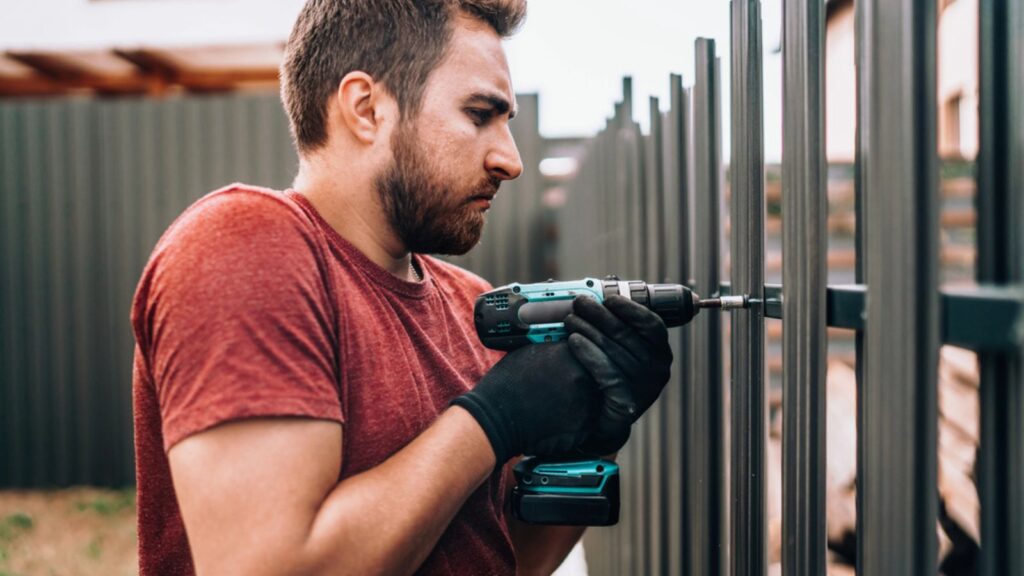
Image Credit: Depositphotos.com.
In most states across the USA, installing your own fence is only legal under specific conditions. However, these conditions can vary significantly depending on local regulations and the nature of the project.
Generally, smaller fences that don’t exceed a certain height (often around 6 feet) and don’t involve complex structural elements may be permissible for DIY installation without a permit. However, larger, more complex fences, or those located near property lines, may require permits and potentially professional installation to ensure compliance with local zoning laws and safety regulations.
12. Fireplace or Wood Stove Installation

Image Credit: Depositphotos.com.
In some areas, homeowners may be allowed to install prefabricated fireplaces or wood stoves themselves, but they must still adhere to local codes and obtain necessary permits. However, more complex installations, such as masonry fireplaces or those requiring venting modifications, typically require the expertise of a certified professional.
It’s crucial to check with your local building department and fire marshal’s office to determine the specific regulations in your area before attempting any DIY fireplace or wood stove installation. Failure to comply with these regulations can result in fines, insurance complications, and potential safety hazards for you and your family.
13. Installing a Backflow Preventer

Image Credit: Depositphotos.com.
In most jurisdictions within the USA, installing a backflow preventer requires a permit from the local government. Additionally, many areas require that the installation be carried out by a licensed plumber to ensure it’s done correctly and meets local plumbing codes. This is to prevent potential cross-contamination of the water supply, which could have serious health consequences.
Improper installation of a backflow preventer can lead to leaks, water damage, and, most importantly, the failure to protect against backflow. This means contaminated water could flow back into your home’s water supply, posing a significant health risk.
14. Well Installation and Maintenance

Image Credit: Depositphotos.com.
In the USA, the legality of DIY well installation and maintenance varies significantly from state to state, and even within counties or municipalities. Some states may allow homeowners to install or maintain their own wells, while others strictly require licensed well drillers or pump installers for all well-related work.
It is crucial to consult your state’s regulations and local ordinances to determine the specific requirements and restrictions in your area before attempting any DIY well work. Beyond the legal considerations, it’s important to remember that well installation and maintenance are complex tasks that require specialized knowledge and equipment.