Recognize These from Grandma’s? 7 Home Items Making a Comeback
You probably remember walking into your grandmother’s house and being greeted by a very specific aesthetic. It was a mixture of comfort, history, and items you were terrified to touch because they looked breakable. For a long time, the design world moved toward minimalism, pushing all those intricate details into storage bins and garage sales. We wanted clean lines, gray walls, and empty surfaces.
Lately, the pendulum has swung back. We are craving warmth and character again. This article revisits seven vintage staples returning to modern living rooms and kitchens. We will look at why these specific pieces are finding their way back into our hearts and how you can incorporate them without making your home feel like a museum exhibit.
1. Quilts
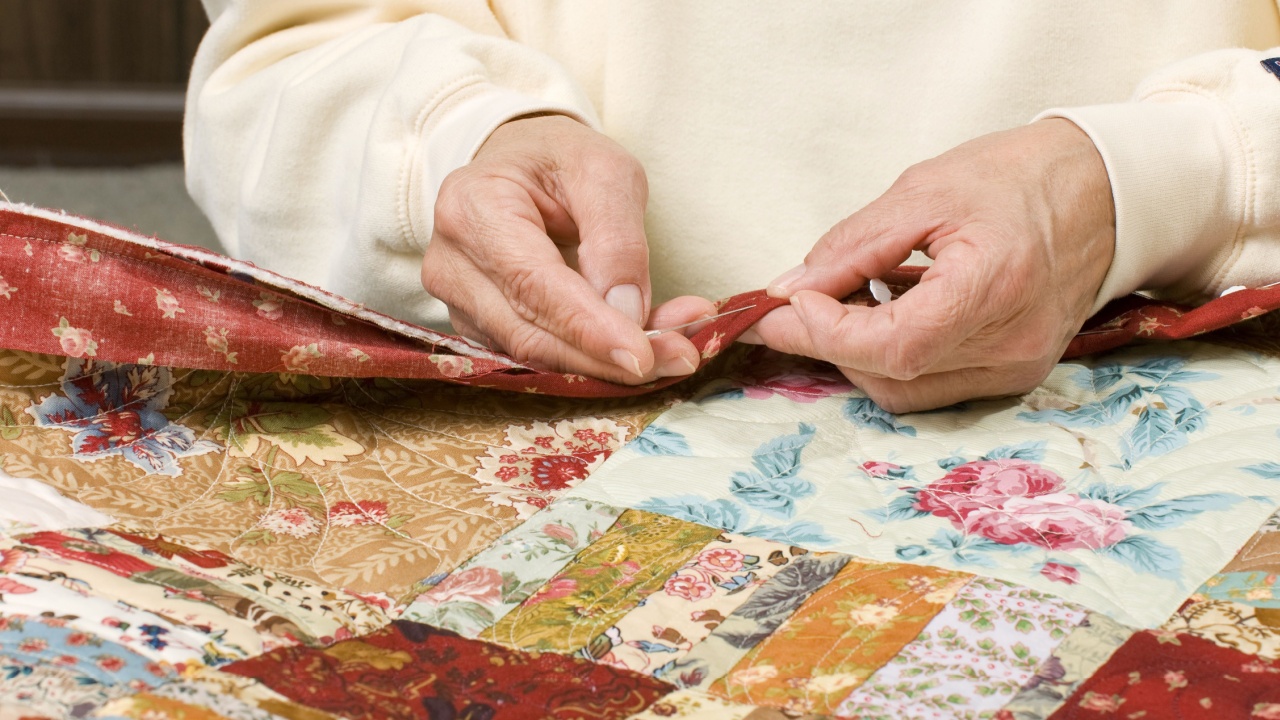
Quilts were often relegated to the back of the linen closet or used only when you were sick on the couch. Now, they are taking center stage as primary bedding and even wall art. The appeal lies in the texture and the obvious handiwork involved. In an era of mass-produced duvet covers, a quilt represents time, effort, and artistry. They offer a visual complexity that solid-colored comforters simply cannot match.
Adding a quilt to your space introduces instant warmth and color. You don’t need to go full farmhouse to make it work, either. A vintage patchwork quilt looks incredible against a modern, neutral bed frame. It acts as a statement piece, drawing the eye and adding a layer of coziness that feels intentional rather than cluttered. If you aren’t ready to swap out your bedding, try draping one over a sofa arm for a pop of pattern.
2. Tufting, Fringe, and Skirting
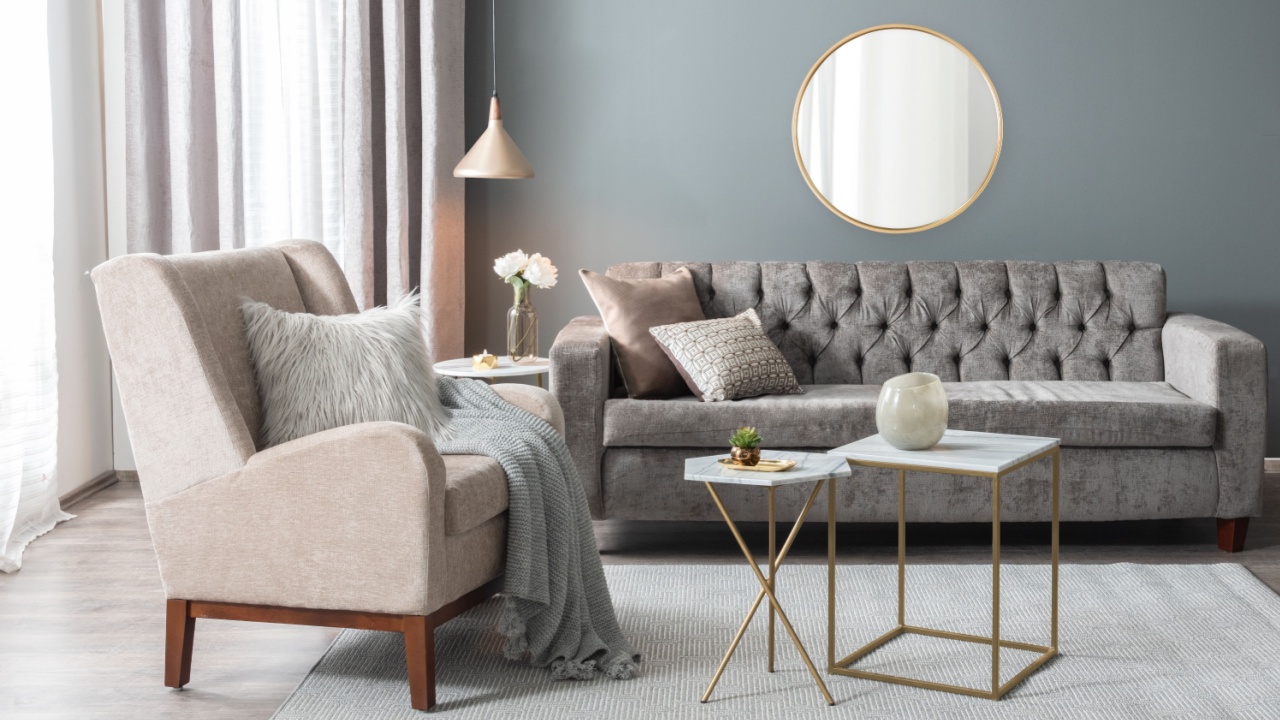
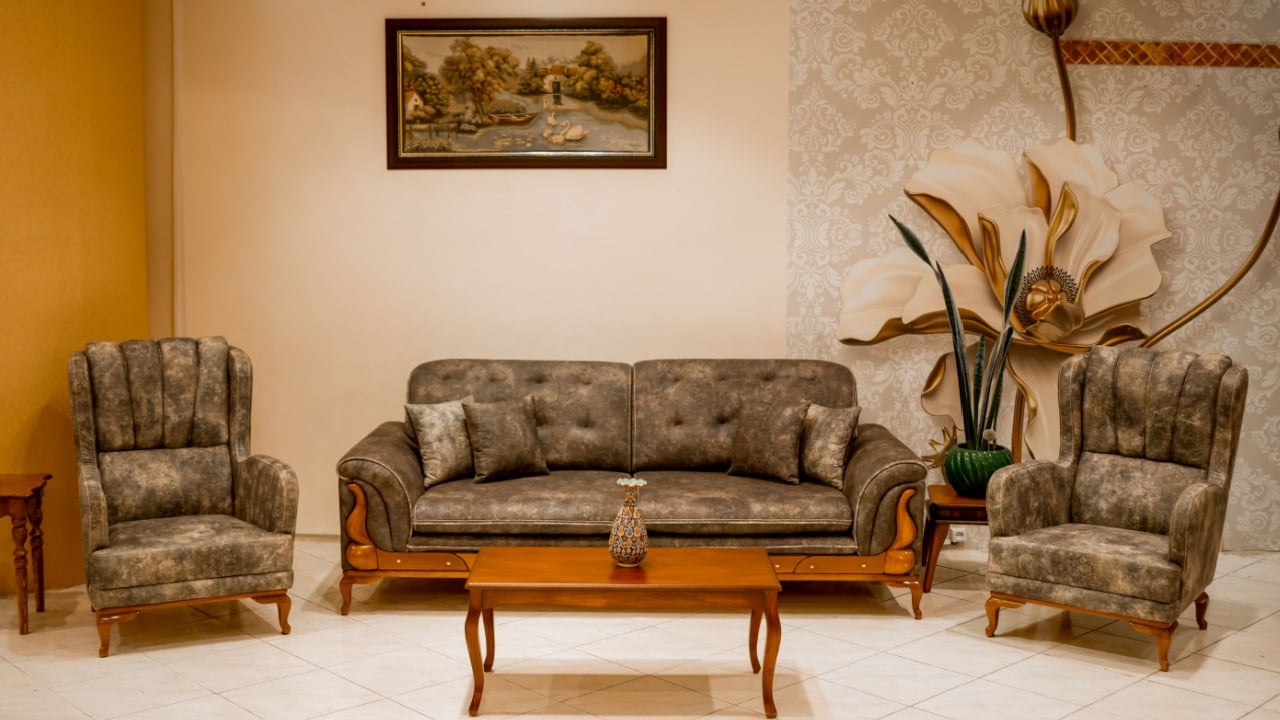
For years, furniture legs were exposed, and clean lines were the only acceptable option. Skirts on sofas felt fussy, and fringe was something you trimmed off. However, these “grandmillennial” details, such as tufted furniture, are resurfacing in a big way. Tufting adds depth and luxury to upholstery, while skirting can soften the hard edges of a room full of wood and metal. Fringe adds a playful movement that static furniture usually lacks.
These details bring a sense of softness back into our homes. A skirted armchair feels more inviting than a rigid mid-century modern chair. It suggests relaxation and comfort. When choosing pieces with these features, look for modern fabrics or bold colors to keep the look fresh. A velvet tufted ottoman or a sofa with a bullion fringe can serve as a sophisticated focal point that nods to the past while remaining firmly planted in the present.
3. Embroidery
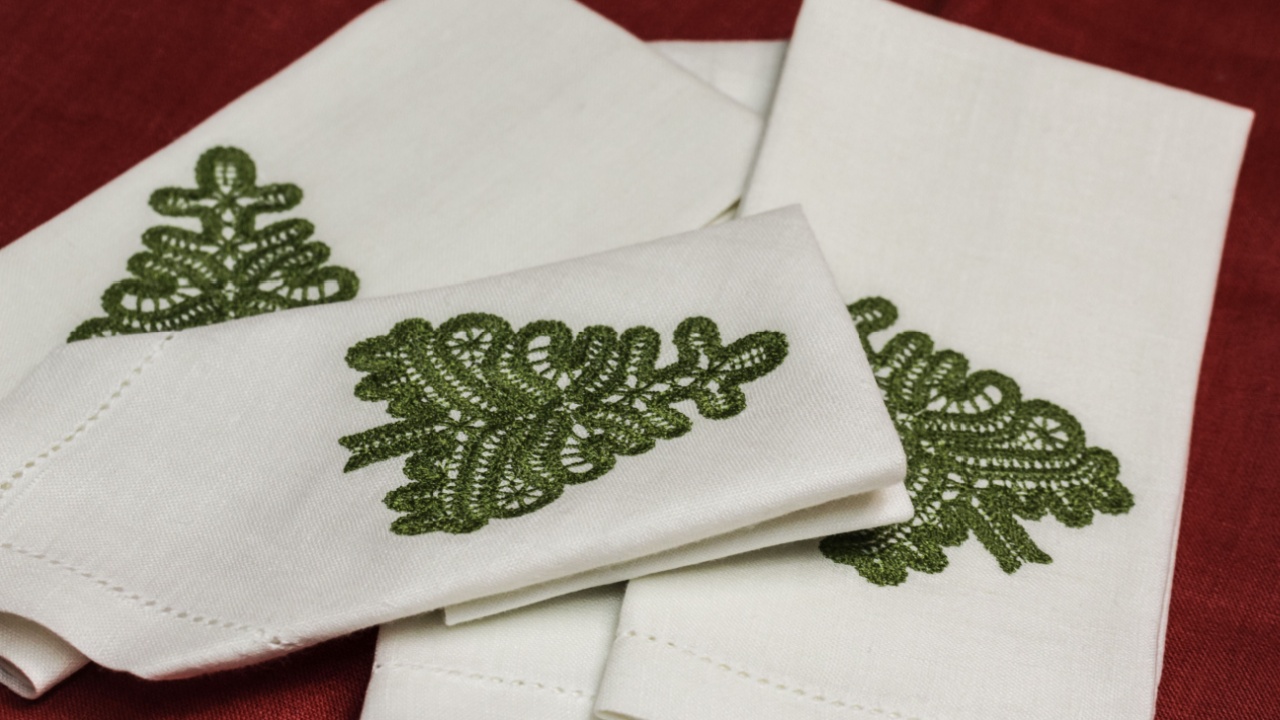
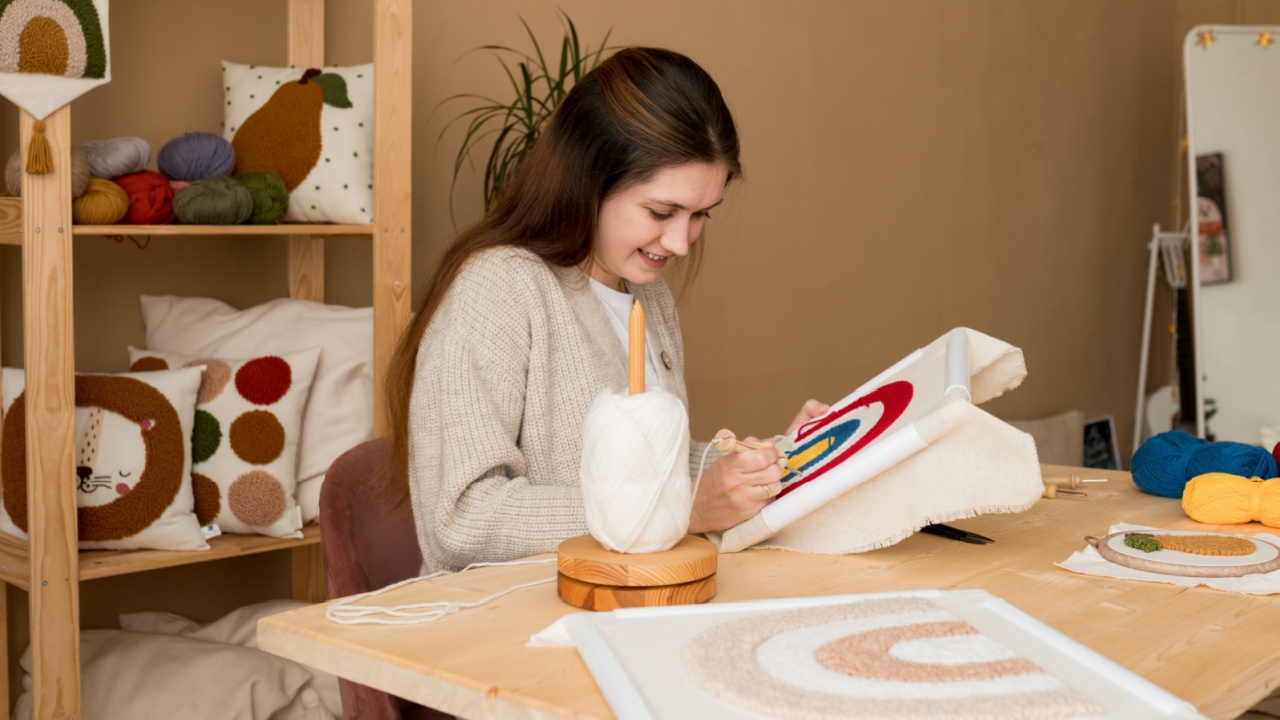
Embroidery used to be something you’d find on a handkerchief or a dusty sampler saying “Home Sweet Home.” Today, intricate needlework is appearing on everything from throw pillows to lampshades. This resurgence aligns with a broader appreciation for textile art and craftsmanship. People are tired of prints that fade; they want texture they can feel.
Incorporating embroidery allows you to add personality in small doses. You might find a set of vintage napkins with delicate floral stitching or a throw pillow with a bold, embroidered geometric design. These small touches add a layer of storytelling to your decor. They imply that someone sat down and created something beautiful by hand, which brings a human element to your living space that factory-made goods can’t replicate.
4. Footstools and Ottomans
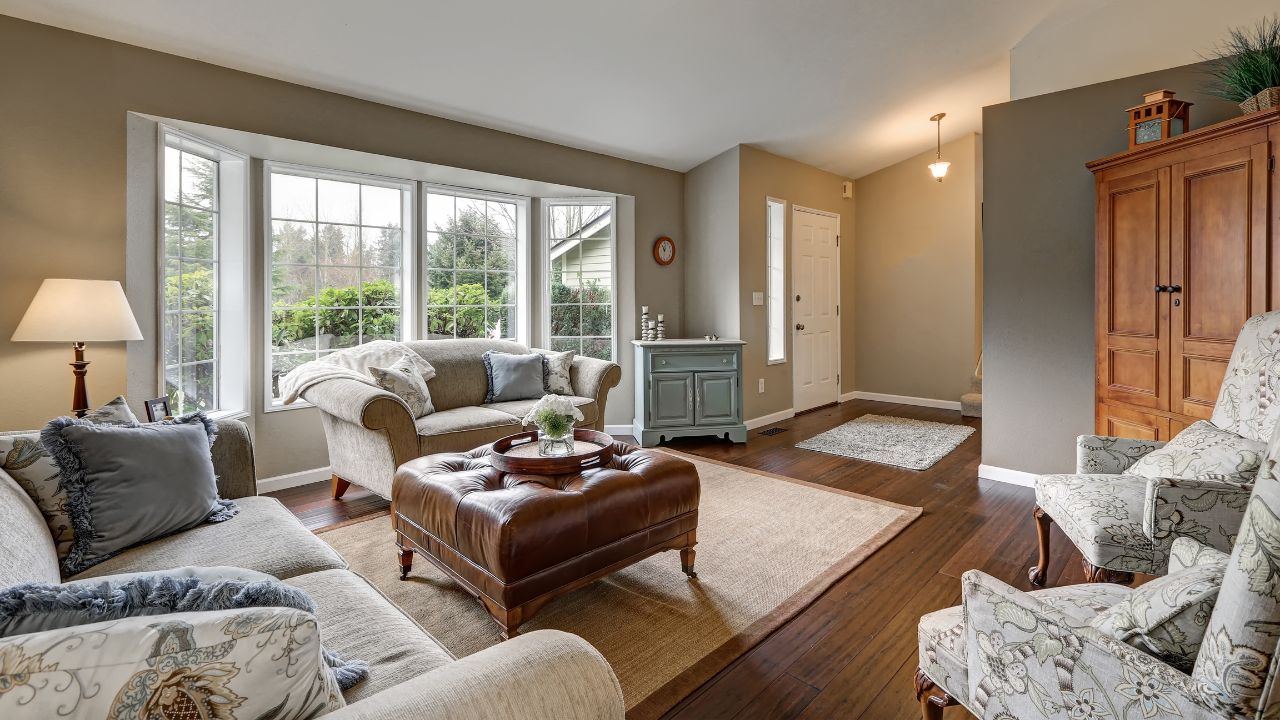
There was a period where the coffee table reigned supreme, often leaving us with nowhere comfortable to put our feet. The return of the footstool and ottoman corrects this oversight. These pieces serve as extra seating when guests arrive, a place to rest a tray of drinks, and, most importantly, a spot to prop up your legs after a long day.
Grandma always had a footstool nearby, and she was right to do so. They add versatility to a room layout. Unlike a heavy coffee table, you can easily move an ottoman around to suit the flow of conversation. Look for upholstered versions that introduce a contrasting fabric or color to your room. A vintage needlepoint footstool can add a quirky charm to a contemporary living room, bridging the gap between old and new styles.
5. Candy Dishes and Cookie Tins
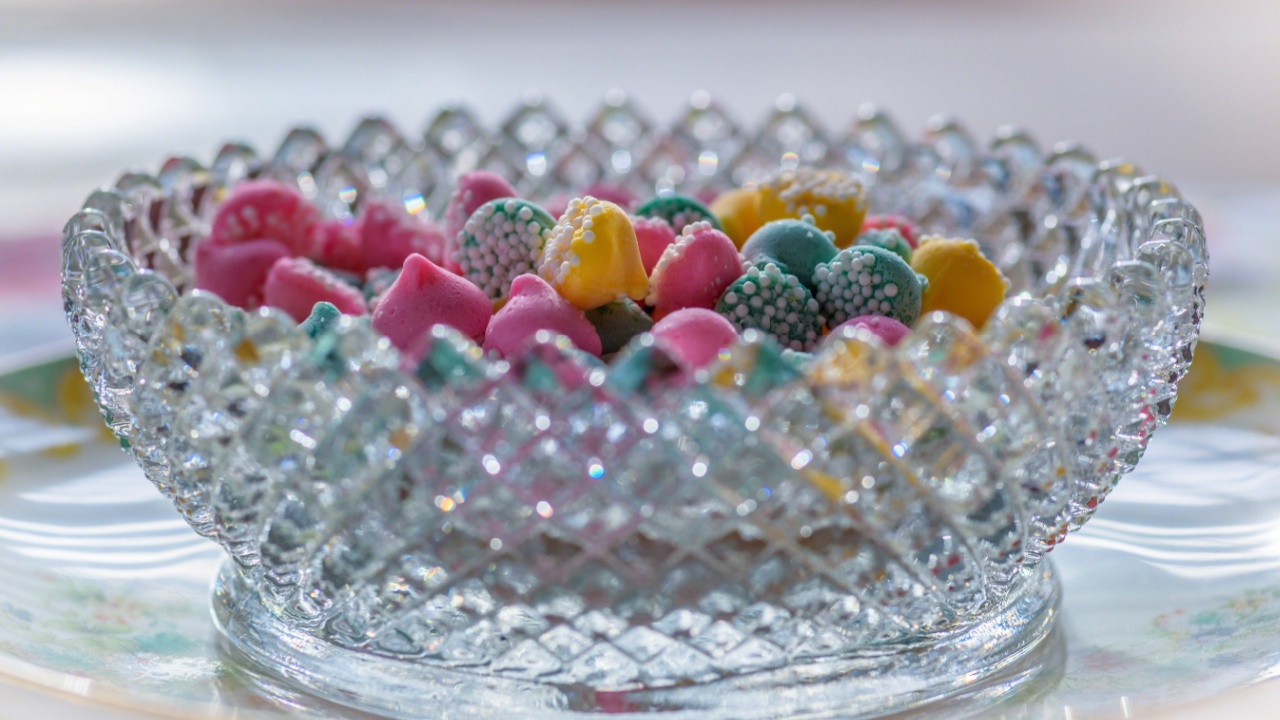
You likely recall the crystal bowl filled with ribbon candy or the tin that promised Danish butter cookies but actually held sewing supplies. These vessels are back, though we are using them a bit differently now. The resurgence of candy dishes and decorative tins speaks to a desire for organized clutter. We want our small items corralled, but we want the container to be beautiful.
These items are perfect for adding sparkle and interest to side tables and shelves. A cut-glass candy dish catches the light beautifully and can hold anything from jewelry to keys. Vintage tins offer great storage for remote controls or other unsightly necessities while adding a graphic, retro touch to your decor. They are functional art objects that serve a purpose while sparking a bit of nostalgia every time you use them.
6. Silverware
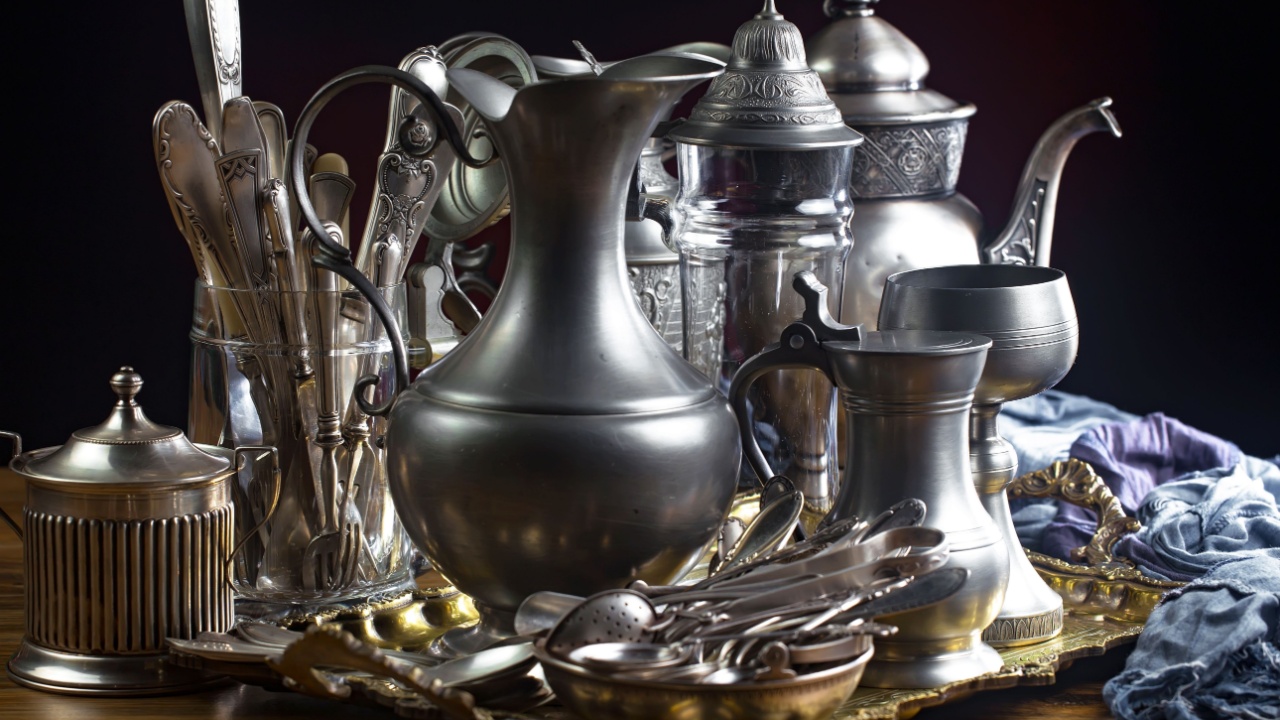
We are seeing a return to mismatched, vintage silverware on the dining table. Imagine mixing in a few ornate serving spoons or forks to elevate a Tuesday night dinner. The patina and weight of real silver (or silver plate) feel different in your hand and make a meal feel like an occasion.
You can easily find affordable vintage silverware at thrift shops. Mixing these intricate pieces with modern, simple plates creates a stunning contrast. It creates a table setting that feels collected and eclectic rather than bought in a single box. Using these pieces connects you to the ritual of dining, slowing you down enough to appreciate the details of the meal you are about to eat.
7. Candlesticks
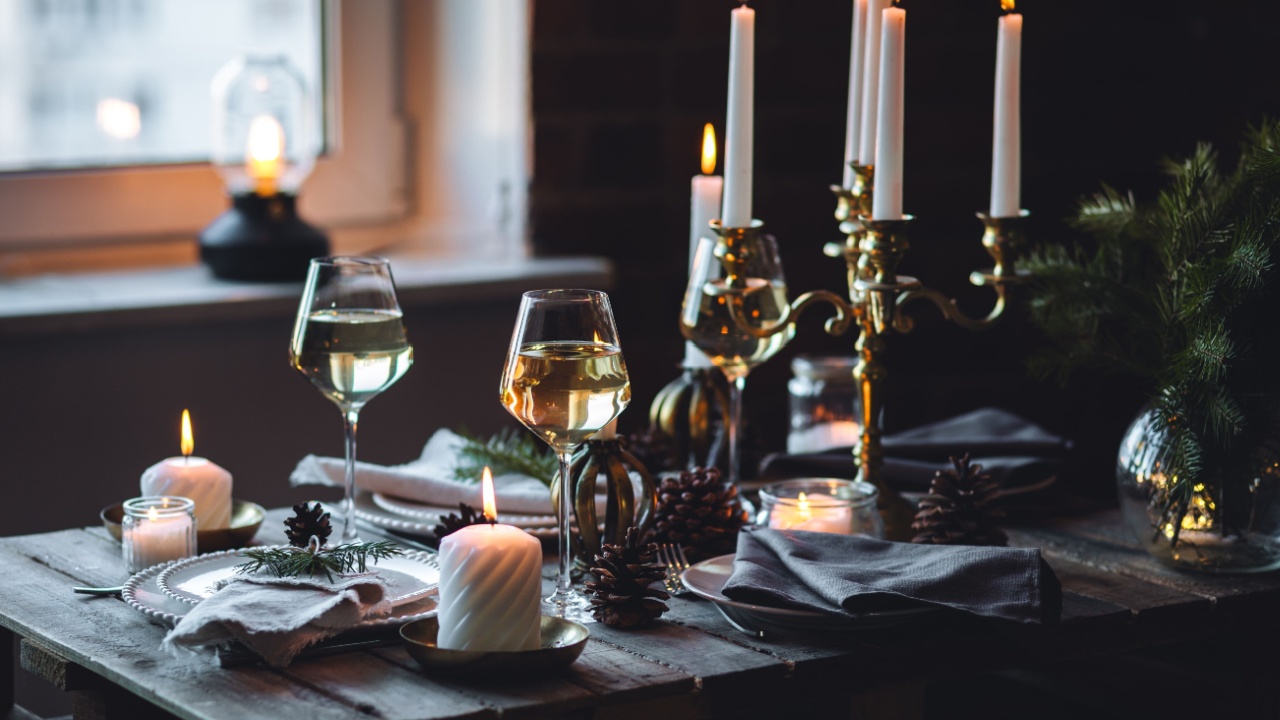
Ambient lighting is crucial for setting a mood, and nothing does it quite like a candlestick. While jar candles have been popular for decades, the classic taper candle and holder are experiencing a revival. Brass, silver, and glass candlesticks add height and drama to a table or mantle. They are sculptural elements that look good even when the candles aren’t lit.
Grandma’s dining table always had candlesticks, and for good reason. They draw the eye upward and create a sense of formality and intimacy. You can group mismatched brass holders for a centerpiece or place a pair of crystal ones on a sideboard. Lighting a taper candle changes the atmosphere of a room instantly, making it feel warmer and more deliberate. It is a small accessory that makes a significant visual impact.
Bringing It All Home
The return of these vintage items reclaims the comfort and quality that previous generations prioritized. We spent years stripping our homes down to the bare essentials, and now we are ready to let a little personality back in. Visit your local antique mall or, better yet, ask your family members if they have anything tucked away in the attic. You might be surprised at what treasures are waiting for a second life.