

Bringing a new plant home is an exciting moment. You find the perfect spot with just the right amount of light, you get it settled into a decorative pot, and you stand back to admire your new leafy roommate. But then comes the big question: what do you call it? Should you even be giving it a name? Yes. Giving your houseplant a name might seem like a small detail, but it can completely change your relationship with your indoor garden.
It transforms a simple decorative object into a living companion. This simple act of naming can lead to better care, a stronger connection, and a lot more enjoyment from your green friends.
Where We Got Our Data
We gathered our data by reviewing cultural trends, expert commentary, and reader anecdotes featured in a Los Angeles Times article about naming houseplants. We also drew from plant care forums and lifestyle blogs to confirm that naming often aligns with more attentive plant parenting. These sources helped us distill the most common and meaningful reasons people choose to name their leafy companions.
Here are ten reasons why naming your houseplants is a great idea, along with some creative inspiration to get you started.
1. It Boosts Emotional Connection

Image Credit: Shutterstock.
Giving your plant a name elevates it from just another piece of home decor to a valued member of the household. When a ficus is no longer just “the ficus” but is instead “Ferdinand the Ficus,” it gains a personality and a presence. This connection makes caring for it feel more personal and rewarding. It’s like having a very quiet, very green pet that just happens to produce oxygen.
Quick Look:
- Why it works: Personification is a powerful psychological tool. Assigning human-like qualities and a name makes us feel more empathetic and connected to the plant.
- Next Steps: Choose one plant, write its name on a tag, and place it in the soil. How cute does it look?
2. It Helps You Take Better Care of It
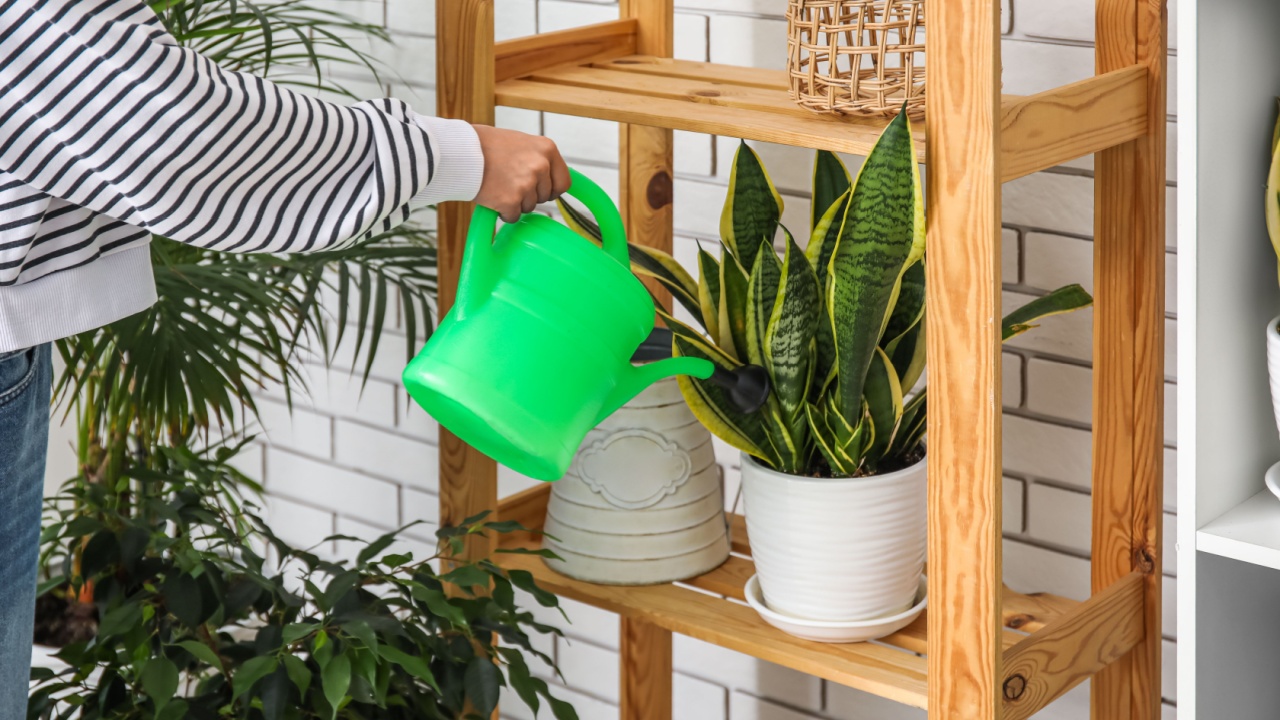
Image Credit: Shutterstock.
How many plants have met a tragic, dehydrated end simply because they were forgotten? Out of sight, out of mind can be a death sentence for a thirsty fern. But when “Penelope the Prayer Plant” is drooping, it’s much harder to ignore than an anonymous green thing in the corner.
A name makes the plant more memorable. You’re more likely to remember that “Cedric the Cactus” needs a drink once a month, or that “Ivy” is looking a little parched. It’s a mental trick that turns a chore into an act of caring for a named individual.
Quick Look:
- Why it works: Names stick in our memory better than generic labels. This mental flag makes it easier to incorporate plant care into your daily or weekly routine.
- Next Steps: Create a watering schedule and attach the plant’s name to it. For example, a calendar reminder that says “Water Walter the Watermelon Peperomia” is much more effective than a generic “water plants” alert.
3. It Makes Learning About Care Easier
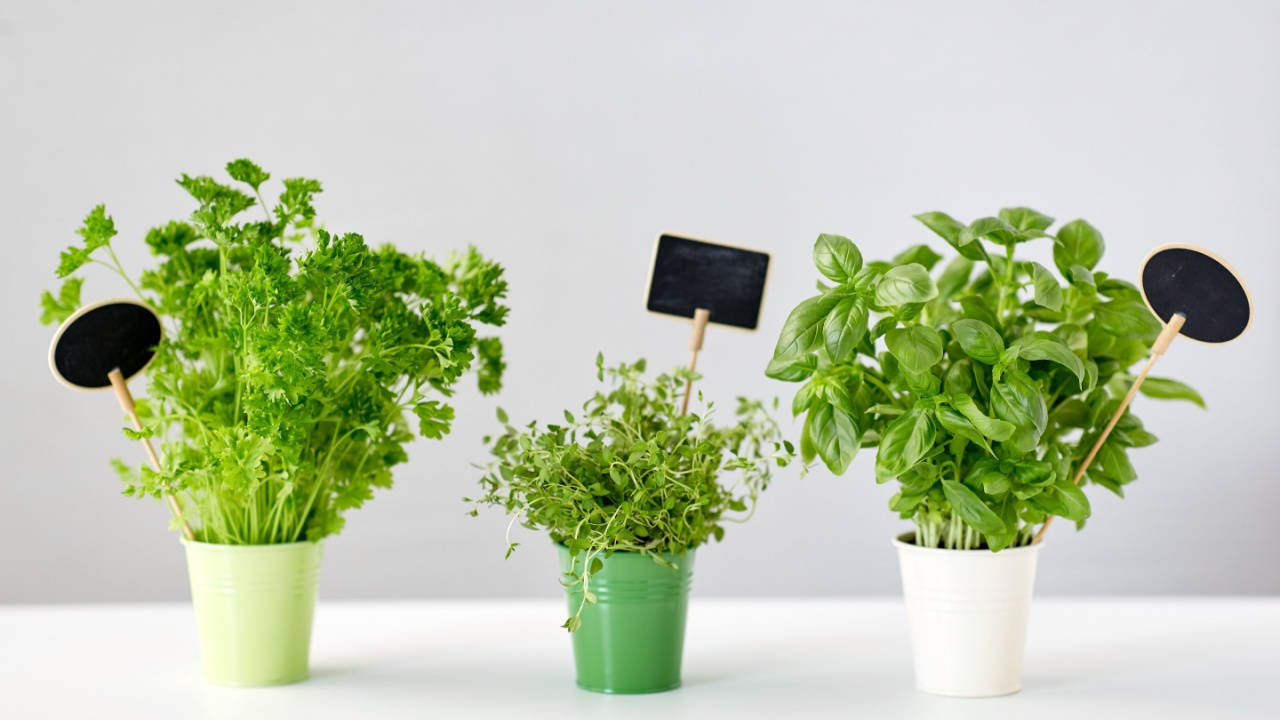
Image Credit: Shutterstock.
Once your plant has a name, you might feel more motivated to learn about its specific needs. Researching “how to care for a Monstera” is one thing, but learning how to keep “Maurice the Monstera” happy feels more personal and urgent.
Naming encourages you to invest time in understanding what a particular plant needs to thrive, from its preferred soil type to its humidity requirements. This personalized approach to research can make you a more knowledgeable and successful plant parent.
Quick Look:
- Why it works: The emotional investment created by naming a plant drives a desire for knowledge. You want your named companion to succeed, so you put in the effort to learn.
- Next Steps: Create a small “ID card” for your plant that includes its name, its species, and its basic care requirements (light, water, humidity). Keep it near the pot for a quick reference guide.
4. It’s a Great Conversation Starter

Image Credit: Shutterstock.
A plant with a clever name is an instant icebreaker. When guests visit, they might notice your beautiful snake plant, but they will definitely remember it if you introduce it as “Severus Snake Plant.”
It adds a layer of personality to your home and gives you a fun story to tell. Sharing the reason behind a name, whether it’s from a favorite book, a movie character, or a historical figure, invites conversation and shows off your creative side. Your home becomes a gallery of green characters, each with its own identity.
Quick Look:
- Why it works: Unique names are memorable and often humorous, making them an easy and lighthearted topic of conversation.
- Next Steps: When you have guests, casually introduce them to one of your named plants. “Have you met Bartholomew? He’s a bird of paradise, and he’s a bit of a drama queen about his sunlight.”
5. It’s an Expression of Intelligence and Love

Image Credit: Shutterstock.
Giving a houseplant a name is like showing off your big, beautiful brain and your even bigger heart, all in one move. Naming brings intention and care straight to the sunny windowsill. It signals you’re tuned in to the needs of another living thing, a person who notices details right down to your pothos’s sixth leaf.
Studies have suggested that those who name and nurture their plants are exercising empathy, observation, and a willingness to care for life. Naming a green buddy says, “Hey, I see you, and I’m invested in your well-being,” even if your chosen Monstera will never say it back.
Quick Look:
- Why it works: Naming reflects a thoughtful approach and sincere affection. It takes a touch of imagination and a willingness to nurture, both hallmarks of a plant enthusiast with heart and smarts.
- Next Steps: Take a moment to share a tidbit about your plant’s name with friends or fellow gardeners. It’s a great way to spread both knowledge and good vibes.
6. You Can Honor Someone You Admire

Image Credit: Shutterstock.
Naming a plant after a person is a wonderful tribute. It could be a beloved family member, a historical figure, a favorite author, or even a pop culture icon. A strong, sturdy rubber plant could be named “Ruth” after Ruth Bader Ginsburg, or a vibrant flowering plant could be named “Frida” after Frida Kahlo.
This gives the plant a layer of meaning and serves as a constant, living reminder of the person or character you admire. It’s a way to keep their spirit present in your daily life.
Quick Look:
- Why it works: Associating a plant with a respected individual adds sentimental value and makes caring for the plant a meaningful act of remembrance.
- Next Steps: Choose a plant whose characteristics remind you of the person. A resilient plant for a strong-willed person, or a beautiful, flowering one for a creative soul.
7. It Helps Differentiate Multiple Plants of the Same Species

Image Credit: Shutterstock.
If you have a passion for a particular type of plant, you might end up with several of the same species. How do you tell your three snake plants apart? By giving them names, of course. Naming them “Larry, Moe, and Curly” or “Athos, Porthos, and Aramis” is not only fun but also practical.
It helps you keep track of their individual watering schedules and monitor their health separately. It’s much easier to notice that “Larry” needs water when you don’t have to guess which of the three identical plants you watered last week.
Quick Look:
- Why it works: Names are unique identifiers that help you manage and care for a collection of similar-looking plants more effectively.
- Next Steps: Use different colored plant tags or pots for each named plant of the same species. This provides a visual cue to help you remember who is who.
8. Talking to Plants Has a Calming Effect

Image Credit: Shutterstock.
Science hasn’t handed out diplomas to chatty ferns yet, but several studies show that talking to plants may help people relax, ease anxiety, and spark a peaceful routine. It’s hard to feel frazzled while discussing the weather with Philodendron Phil.
Naming your plant lowers the barrier to whispering a quick hello and offering daily commentary. You can share life updates; no judgment from the green crowd.
Quick Look:
- Why it works: Regular interaction, even just talking, helps create mindful moments and strengthens your connection with the plant, benefiting both your mood and the plant’s health.
- Next Steps: Start a daily ritual—say good morning to your houseplants or narrate what you’re doing as you water them. Keep it light; your peace of mind (and possibly your plant’s happiness) will be grateful.
9. It Adds a Dose of Humor to Your Day

Image Credit: Shutterstock.
Plant parenthood can sometimes be stressful. A good pun or a silly name can bring a smile to your face, even when you’re dealing with a sudden pest infestation. Naming your spider plant “Peter Parker” or your money tree “Cash” adds a bit of levity to your plant care routine.
These little moments of humor can make the entire experience more enjoyable. Your indoor garden becomes not just a source of beauty and clean air but also a source of daily amusement.
Quick Look:
- Why it works: Humor is a great stress reliever. A funny plant name can lighten your mood and make chores feel less like work.
- Next Steps: Get creative with puns related to the plant’s species. A Ficus lyrata could be “Fiddle-Sticks,” and an Aloe vera could be “Aloe-nardo DiCaprio.”
10. You Can Create a Theme for Your Plant Collection
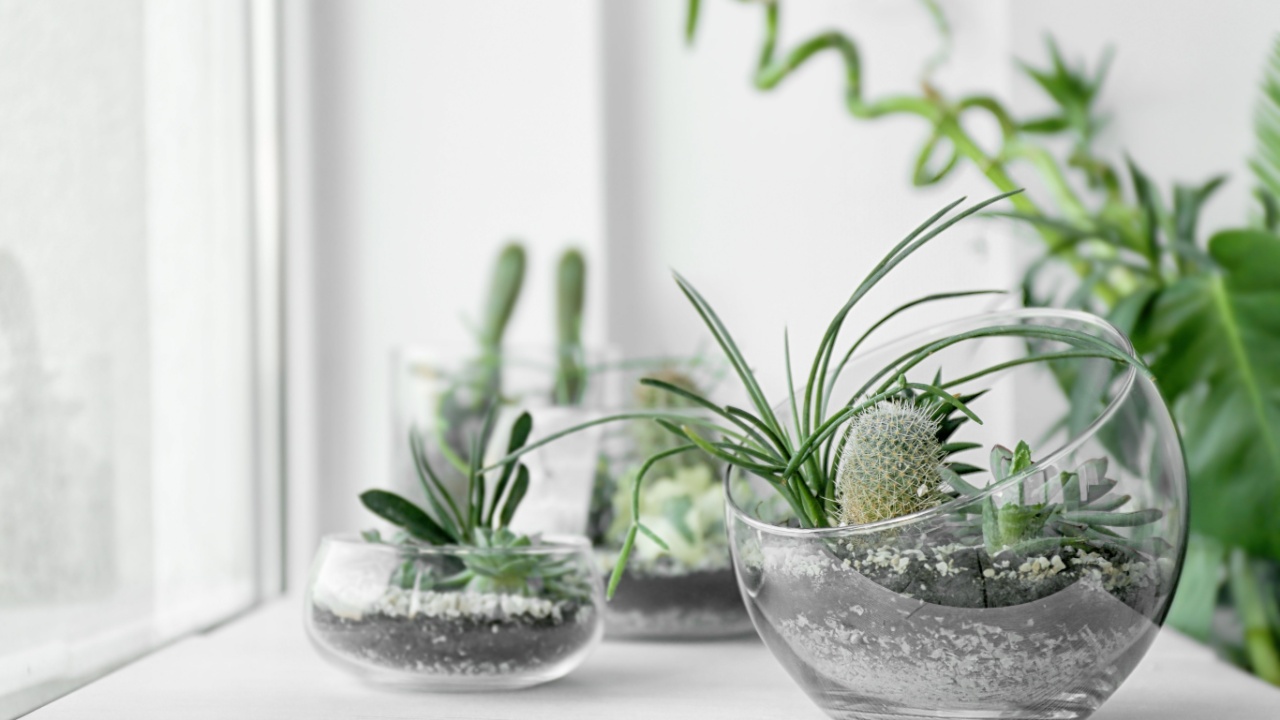
Image Credit: Shutterstock.
For those who love to organize and categorize, creating a naming theme for your plants can be incredibly satisfying. You could name all your plants after characters from a favorite TV show, Greek gods and goddesses, or famous scientists.
A collection of succulents might be named after planets: “Mars,” “Jupiter,” and “Saturn.” This approach turns your plant collection into a curated, cohesive group with a shared story.
Quick Look:
- Why it works: Themed naming adds a layer of creativity and intentionality to your collection, making it feel more like a personal art project.
- Next Steps: Brainstorm a few themes that you love. It could be anything from literary characters to musical artists. As you acquire new plants, have fun finding the perfect name to fit your chosen theme.
Inspiration for Plant Names

Image Credit: Shutterstock.
Still searching for that perfect name? Try picking from a theme that matches your plant’s style, your interests, or just your mood that day. Here are a few ideas to get you started:
- Literary Legends: Sherlock, Hermione, Gatsby, Scout, Huck, or Tolkien. Bonus points if your monstera is every bit as dramatic as a Brontë heroine.
- Nature-Inspired Picks: Willow, Moss, Fern, Clover, Pebble, River, Pine, or Sage. Sometimes a plant just looks like it could run wild in the great outdoors.
- Historical Figures: Cleopatra (for a regal snake plant), Darwin (for a plant that’s survived questionable care), or Tesla (if your spider plant multiplies with shocking speed).
- Pop Culture Charms: Yoda for a sage little succulent, Beyoncé for the showstopper of your collection, Pikachu, Spock, or even Groot.
- Humorous Puns: Tree Diddy, Aloe Vera Wang, Phil Leaf Collins, Fernie Sanders, Chris Pine, or Snake Gyllenhaal. The sillier, the better. Plants have thick skin.
- Food-Inspired: Pickle, Kale, Basil, Pepper, Peach. Great for plants that look a little good enough to nibble, though the snacking is best left to the imagination.
Finding a Name That Fits

Image Credit: Shutterstock.
You’ve got the reasons. Now take a moment with your plants. Look at how they reach for the light, how they settle into corners without asking for much. A name doesn’t need to be clever or poetic. It just needs to feel like it belongs.
When the next one comes home, don’t just drop it into a pot and walk away. Say something. Make space for it. Mix and match or let your plant inspire a one-of-a-kind title. Names can be poetic or practical, silly or sincere. If it brings a grin or feels just right, it’s a winner. That’s how it becomes part of your life. You may notice that the ones with names are the ones you remember.