

It’s tempting to look at a forecast full of snowflakes and groan about the upcoming shoveling, slippery driveways, and wet boots. But for your garden, a fresh blanket of snow is actually a blessing in disguise. While we huddle indoors, that white layer is hard at work outside, providing essential benefits to your soil, shrubs, and perennials.
If you’ve ever heard the old saying, “A good winter with snow makes all the plants grow,” you should know there is real science backing it up. From free fertilizer to insulation, here is why you should embrace the snow in your backyard this season.
1. Natural Fertilizer — Snow Delivers Nitrogen

Image Credit: Shutterstock.
You might be surprised to learn that snow is a natural fertilizer. As snow falls through the atmosphere, it collects nitrogen, a crucial nutrient for plant growth. When the snow eventually melts, it slowly releases this trapped nitrogen into the soil.
This process is sometimes called “poor man’s fertilizer,” and it’s incredibly effective. Unlike a heavy rainstorm that might wash nutrients away, melting snow provides a slow, steady trickle of moisture and nutrition right when the ground is thawing. This gives your spring garden a gentle, nutrient-rich kickstart without you having to lift a finger or spend a dime.
Care Tip: Avoid piling snow containing road salt onto your garden beds, as the salt can counteract the benefits of the nitrogen and harm your plants.
2. Insulation and Root Protection — Snow as a Soil Blanket
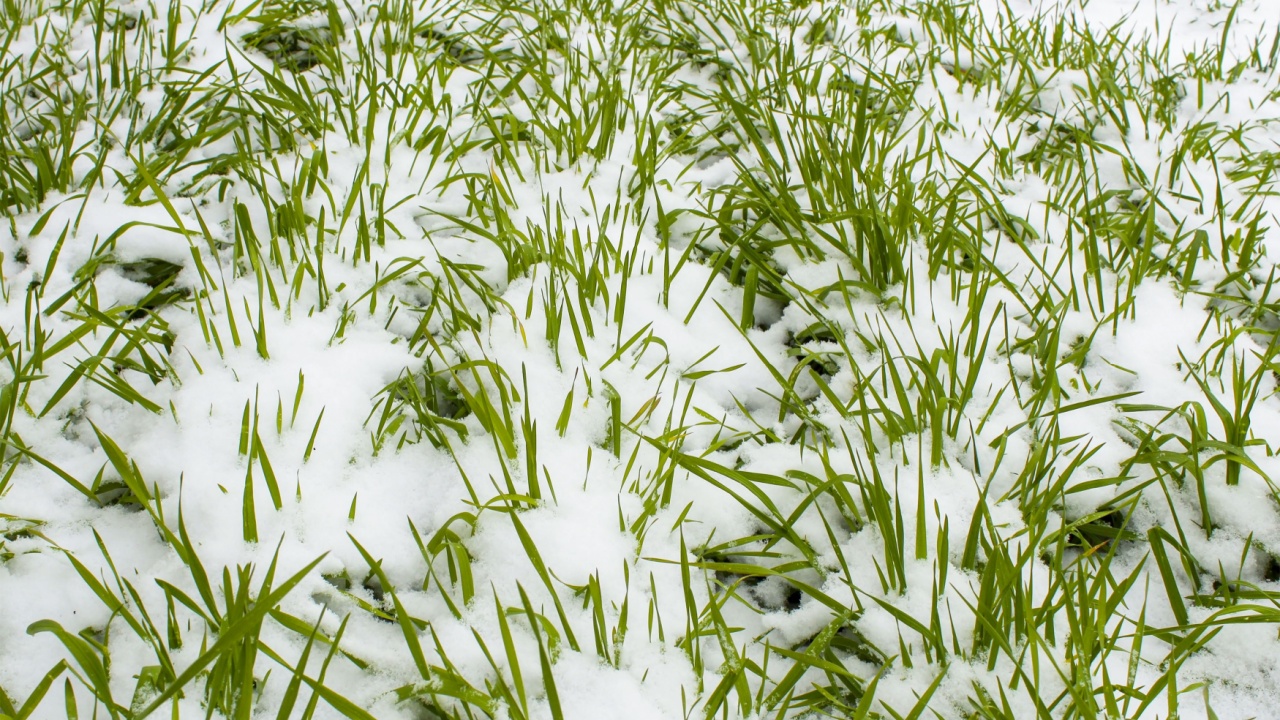
Image Credit: Shutterstock.com.
Though snow feels icy cold to us, for the soil, it can act like a soft, insulating blanket. That’s because snow is mostly trapped air and a little frozen water, and that structure helps trap a bit of warmth underneath. Thanks to this insulation, the soil and plant roots are protected from deep freezes.
Garden-care tip:
- Don’t rush to shovel snow off garden beds unless it’s dangerously heavy.
- Let that insulating layer stay; it’s working for you.
- For newly planted or young shrubs/trees, you can add a light mulch on top of the snow if you want an extra layer of protection.
3. Protecting Against Freeze-Thaw Damage and Soil Heaving
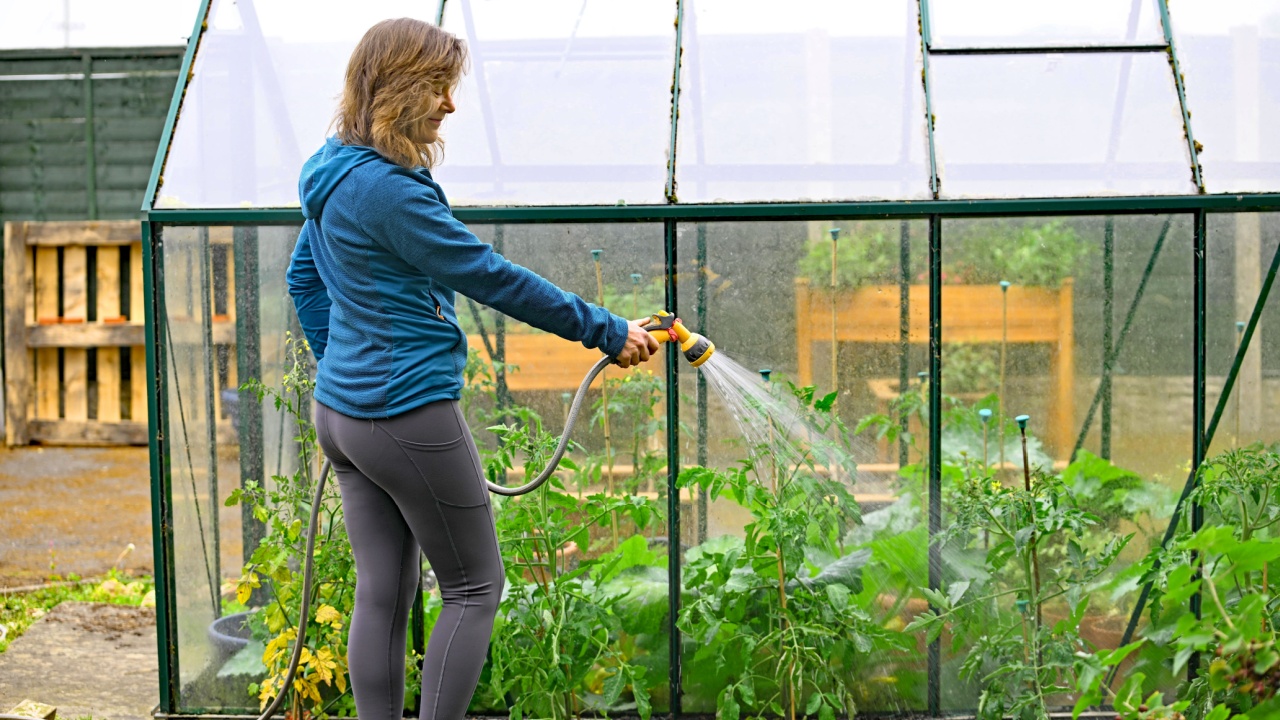
Image Credit: Shutterstock.
One sneaky danger in winter gardens is “freeze-thaw cycles.” On a warm day, the snow or ground might partially thaw, then a freeze the next night can refreeze that moisture, which will cause expansion and contraction in the soil. Over time, that can push up bulbs or roots (a process called “heaving”), damaging or uprooting plants.
Garden-care tip:
- Avoid disturbing the ground under the snow until spring.
- Give your beds a deep watering before the first freeze.
- Keep your last fertilizer application at least 6–8 weeks before your first frost date.
4. Moisture Reservoir — Slow Hydration from Snowmelt

Image Credit: Shutterstock.
When snow melts slowly, it soaks gently into the soil much more effectively than heavy rain, which can run off quickly or even erode soil. That slow melt delivers water deep down, helping soil retain moisture for roots, and recharges groundwater that plants will rely on later
Garden-care tip:
- After snowmelt begins, avoid heavy foot traffic in beds to prevent soil compaction.
- If you’re planning spring planting or seed sowing, check soil moisture: if it seems well-hydrated from snowmelt, you may not need additional watering immediately.
- Mix a thin layer of organic matter like compost, coconut coir, or leaf mold into the top 1–2 inches of soil.
5. It Helps Identify Wildlife Activity
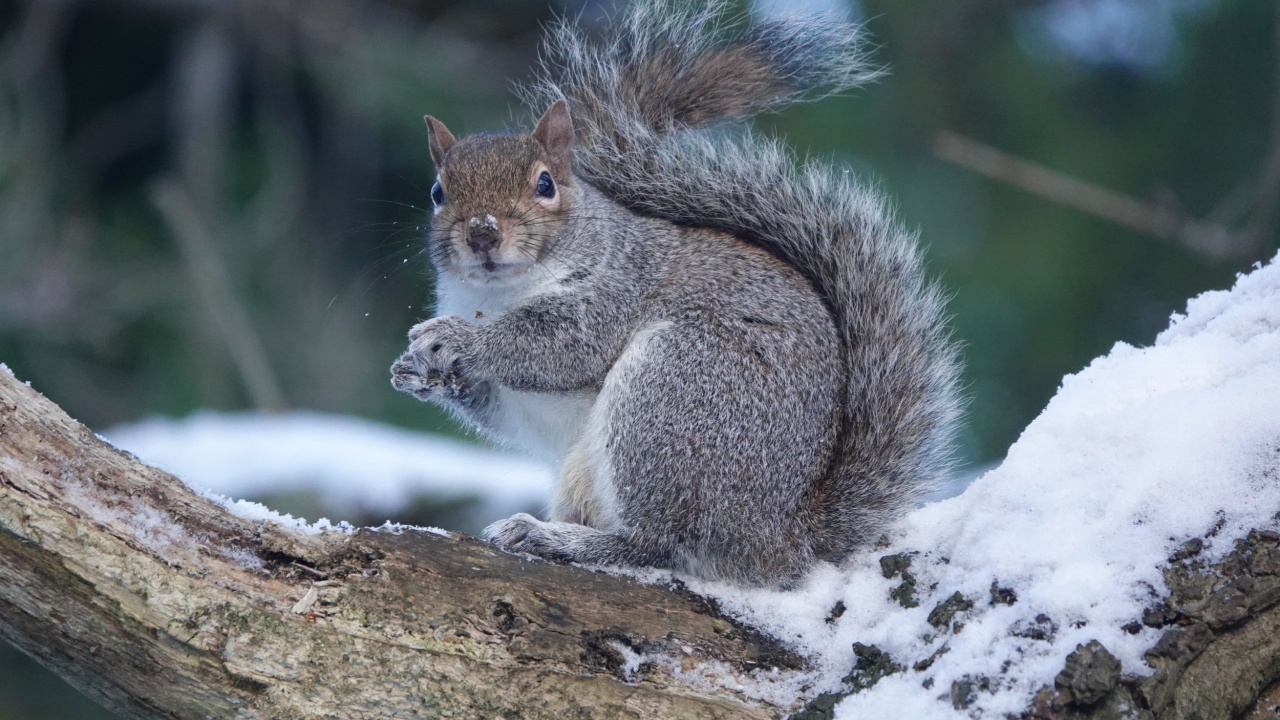
Image Credit: Shutterstock.
A snowy yard turns into a blank canvas that reveals exactly who is visiting your garden. In the summer, rabbits, deer, and other critters can move through your property unnoticed. In the winter, their tracks tell a story.
Identifying these tracks can help you manage your garden better. If you see heavy deer traffic near your arborvitae or rabbit tracks circling your fruit trees, you know exactly where you need to install protective fencing or guards before damage occurs.
Care Tip: Learn to identify the difference between rabbit and squirrel tracks. Rabbits place their hind feet ahead of their front feet when they hop, while squirrels usually have their front feet ahead of their rear feet.
Why Your Yard’s Snow Could Be Garden Gold
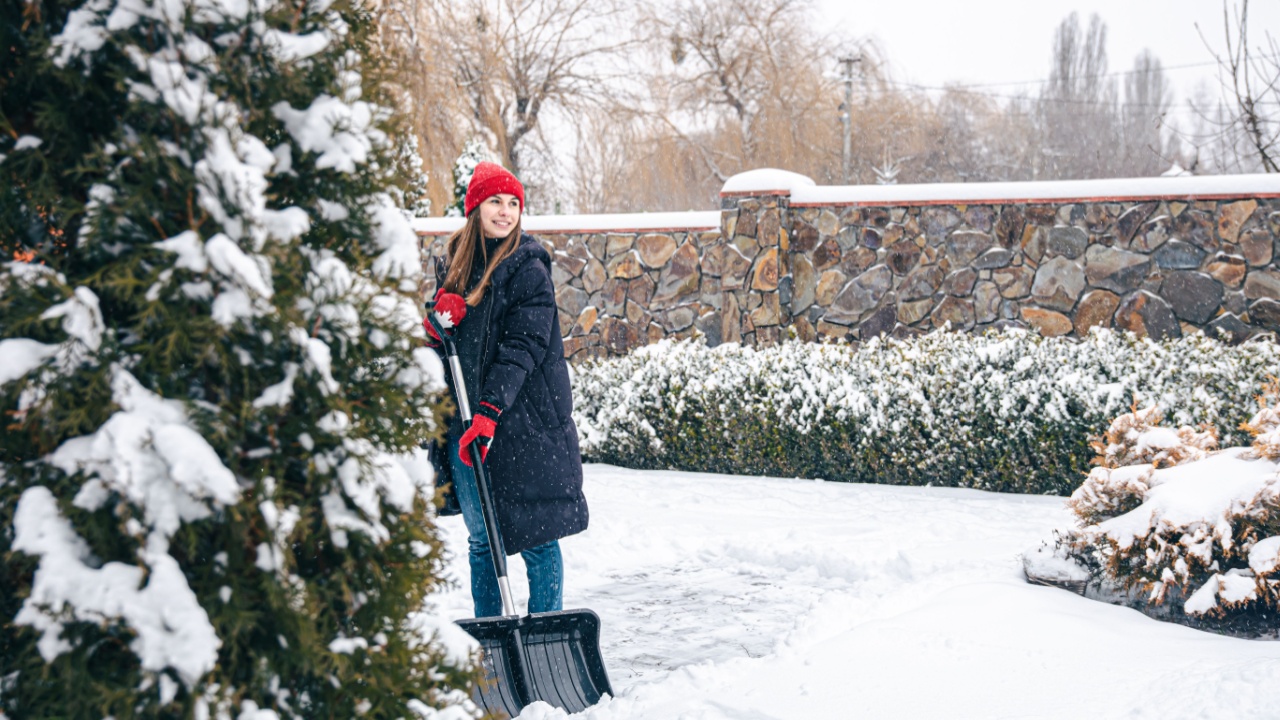
Image Credit: Shutterstock.
Snow is far more than just a weather event; it is a vital component of a healthy, thriving ecosystem. From insulating roots to providing a free dose of nitrogen, a snowy winter sets the stage for a lush spring. So the next time the flakes start to fall, pour yourself a hot drink and enjoy the view, knowing your garden is getting exactly what it needs.