

Why do some winter days feel colder indoors even when the thermostat is working overtime? It turns out that a common habit like shutting doors to “save energy” might actually be part of the problem. Intuition suggests that closed doors trap heat, but physics and modern heating systems tell a very different story.
Across homes, blocked airflow, uneven temperatures, and hidden heat losses can quietly push heating systems to work harder, using more energy rather than less.
Understanding how homes really heat in winter is the first step to smarter, cost-effective energy use and a cozier, healthier indoor environment.
1. Blocking Airflow Upsets Your Heating System’s Balance
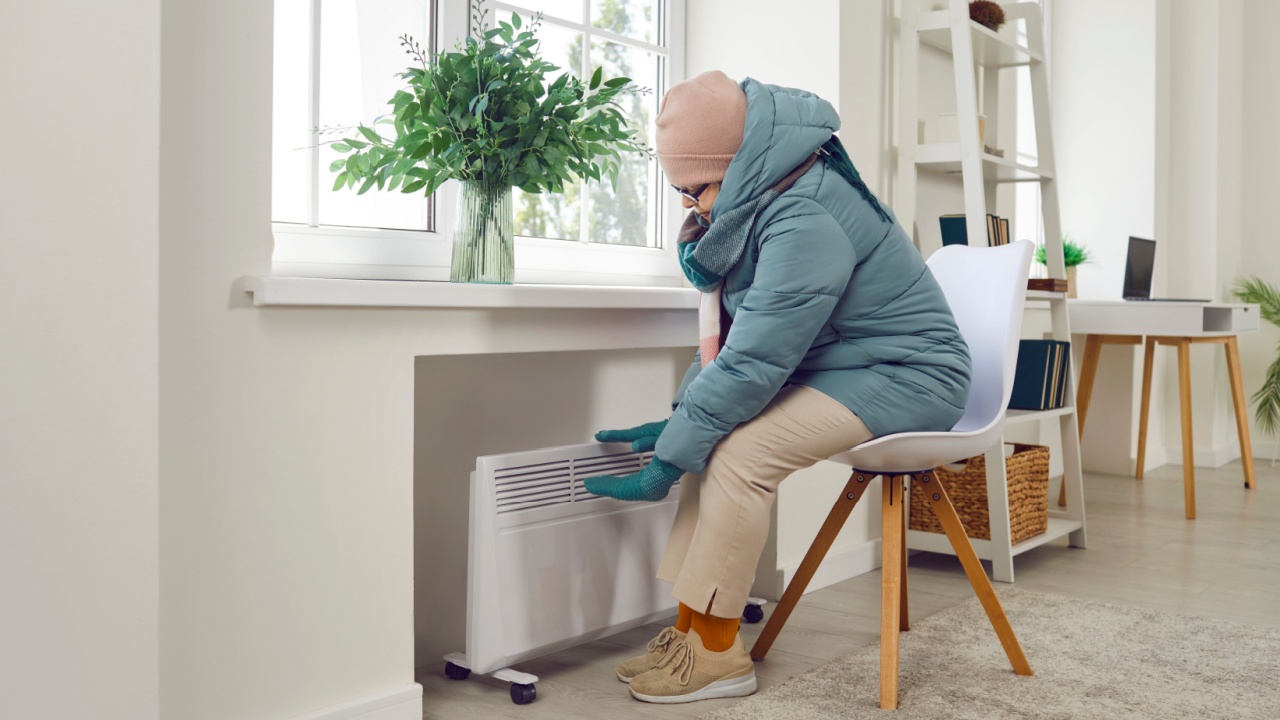
Image Credit: Shutterstock.
Most central heating or HVAC systems are designed to distribute warm air evenly through your home. When you close a door (or worse, also block vents), you disturb that balance. The system continues to push air, but with fewer open outlets, which eventually builds pressure in the ducts.
This blockage can lead to leaks, duct stress, and the system working harder than it should, which in turn increases energy consumption and can shorten the HVAC system’s lifespan.
2. Minimal Savings Compared to Bigger Insulation and Sealing Issues
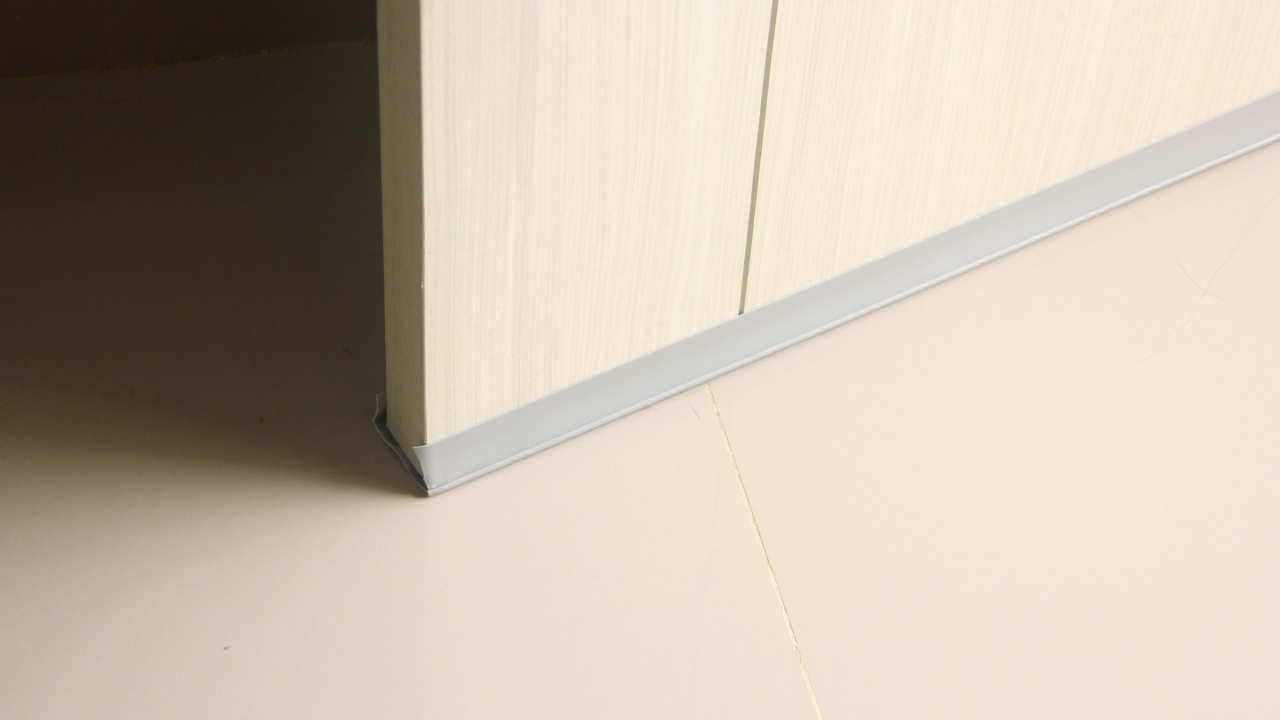
Image Credit: Shutterstock.
A lot of a house’s heat loss happens through windows, exterior doors, walls, ceilings, and floors, and not interior room divisions. Thus, by sealing and insulating these areas, you can get far greater energy savings than managing door positions.
So instead of stressing over interior doors, tackling drafts, insulation, windows, and gaps around doors/windows is often the smarter and more effective way to save energy.
3. Cold “Dead Zones” Can Draw Heat from the Rest of the Home
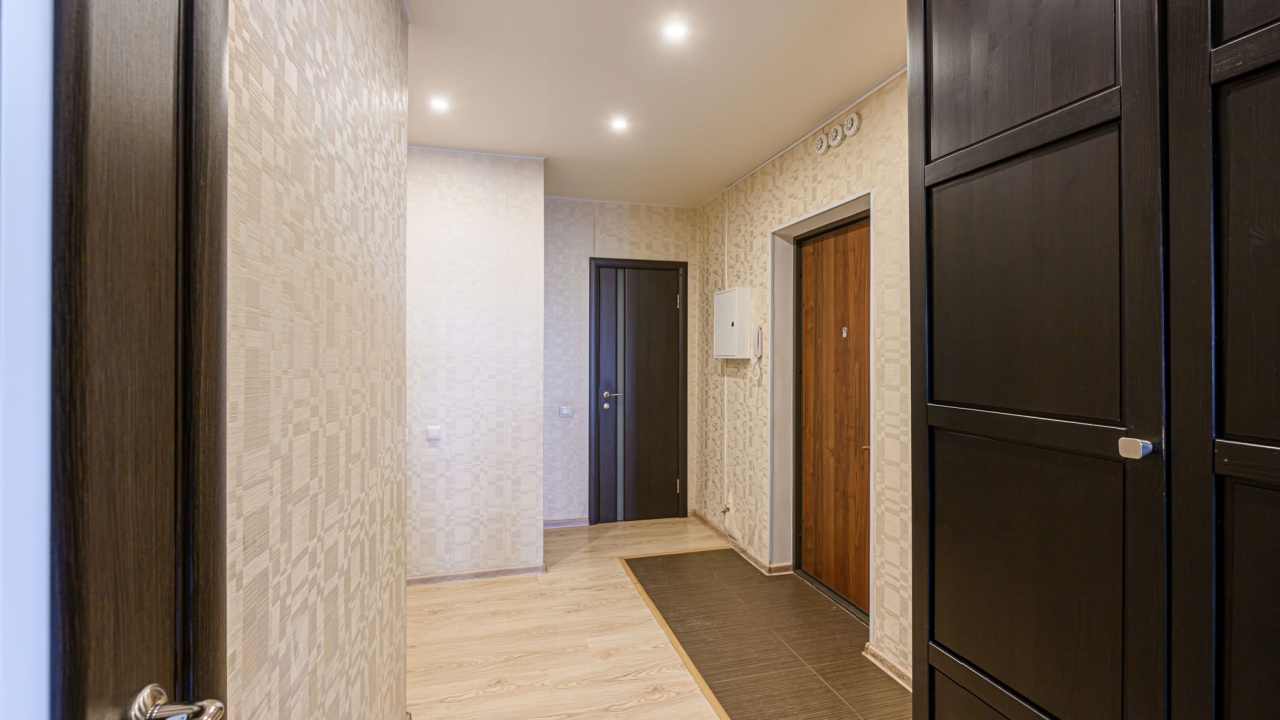
Image Credit: Shutterstock.
When you close off a room and let it get cold, the temperature difference between the cold room and the warm exterior walls increases.
Physics says heat flows from warmer areas to colder ones, so the exterior walls of that cold room lose heat faster to the outdoors. That extra heat loss actually forces your heating system to work harder, using more energy overall.
Instead of saving energy, closed doors in this case can increase energy consumption, because the home is effectively “leaking” more heat through poorly insulated walls in the cold zone.
Save Energy This Winter
Image Credit: Deposit Photos.
If you’ve been shutting room doors this winter, hoping to save on heating, you might want to rethink. It turns out that rather than helping, this habit often makes your heating system less efficient. The real energy-wasters are drafts, poor insulation, leaky windows, and lack of proper airflow, and not open doorways.
Start with sealing, insulation, and proper ventilation. Use thermostats smartly, and if needed, invest in heating “zoning” or better airflow solutions.