
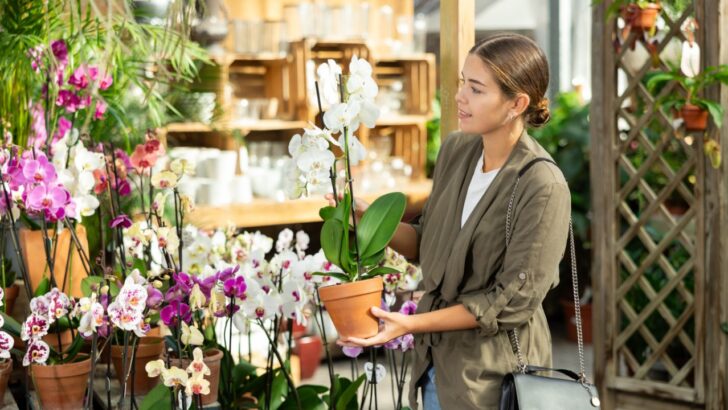
It’s a familiar story: you walk into a garden center and are immediately captivated by a perfect, lush plant. Whether it’s the vibrant blooms of an azalea or the dramatic leaves of a fiddle leaf fig, it seems destined to brighten your home or garden.
You bring it home with high hopes, only to watch it slowly decline. What went wrong? The truth is, many plants are grown in ideal, greenhouse-controlled conditions that are nearly impossible to replicate at home.
This guide will help you understand which popular plants are prone to this “crash and burn” cycle, why they struggle, and how you can increase your chances of success.
1. Fiddle Leaf Fig

Image Credit: Shutterstock.
The fiddle leaf fig is the darling of interior design, known for its large, violin-shaped, glossy leaves. In the store, it stands tall and perfect. However, it is notoriously sensitive to change, earning it a reputation as a true drama queen. The shock of moving from a stable greenhouse to a new home with different light, temperature, and humidity often causes it to drop leaves dramatically.
These plants detest drafts, whether from an air conditioner, heater vent, or even an open window. They also react poorly to being moved around. Finding the right spot and leaving it there is key. Their watering needs are also specific; they dislike both soggy soil and complete dryness, making consistency crucial. While its beauty is undeniable, be prepared for a period of adjustment and careful attention to keep this plant happy.
Quick Care Guide:
- Light: Bright, indirect sunlight. Direct sun will scorch the leaves.
- Water: Water when the top 2-3 inches of soil are dry. Ensure good drainage.
- Humidity: Prefers higher humidity; consider a humidifier or pebble tray.
- Problem: Dropping leaves due to changes in the environment, drafts, or improper watering.
2. Maidenhair Fern
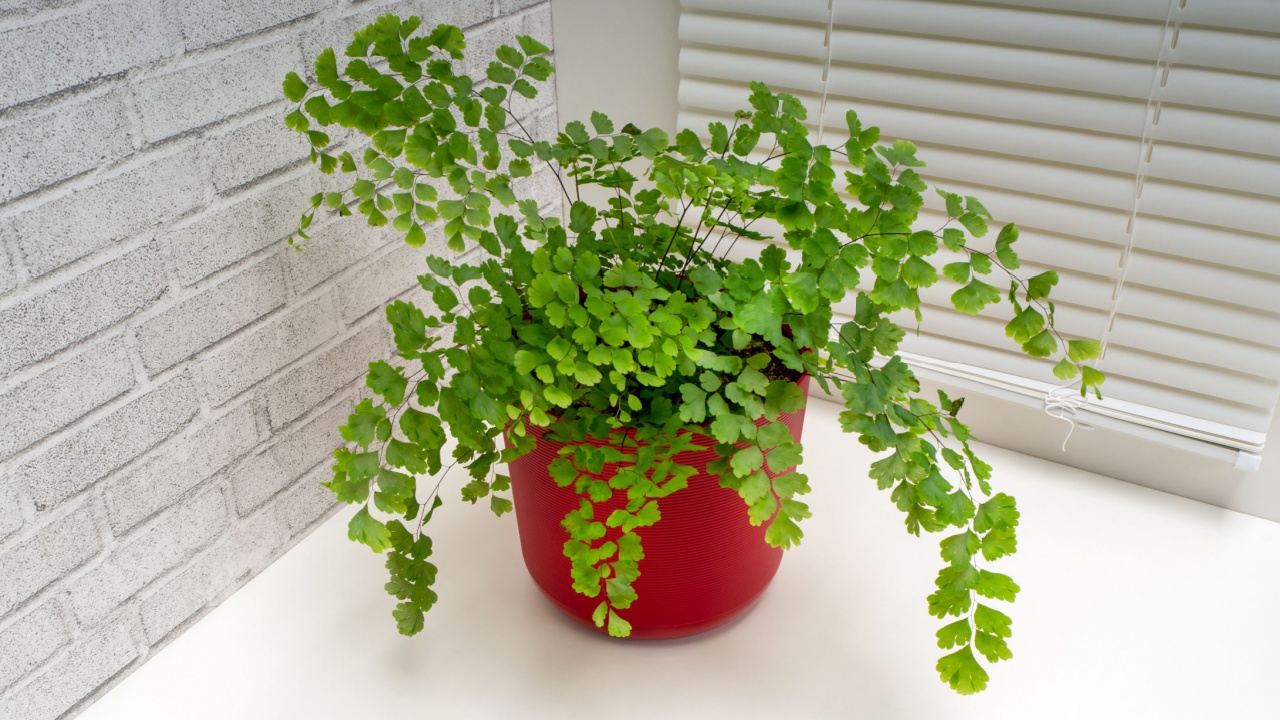
Image Credit: Shutterstock.
With its delicate, feathery fronds cascading gracefully, the maidenhair fern is enchanting. Its ethereal beauty makes it a popular impulse buy. Unfortunately, this elegance comes with high demands. Maidenhair ferns are incredibly particular about moisture and humidity, and the dry air in most homes is their worst enemy.
The moment they leave the humid greenhouse, their delicate leaves often begin to crisp up and turn brown. Success with this plant involves recreating its native forest floor habitat. This means providing constant, high humidity and ensuring the soil remains consistently moist but never waterlogged. Placing it in a bathroom where it can benefit from shower steam, using a humidifier, or grouping it with other plants can help meet its needs. Even a single day of dry soil can cause significant die-back, making it a challenge for even attentive gardeners.
Quick Care Guide:
- Light: Prefers low to medium indirect light. Avoid direct sun.
- Water: Keep soil consistently moist but not soggy. Never let it dry out completely.
- Humidity: Requires very high humidity. Ideal for terrariums or bathrooms.
- Problem: Fronds turn brown and crispy in low humidity or if the soil dries out.
3. Gardenia
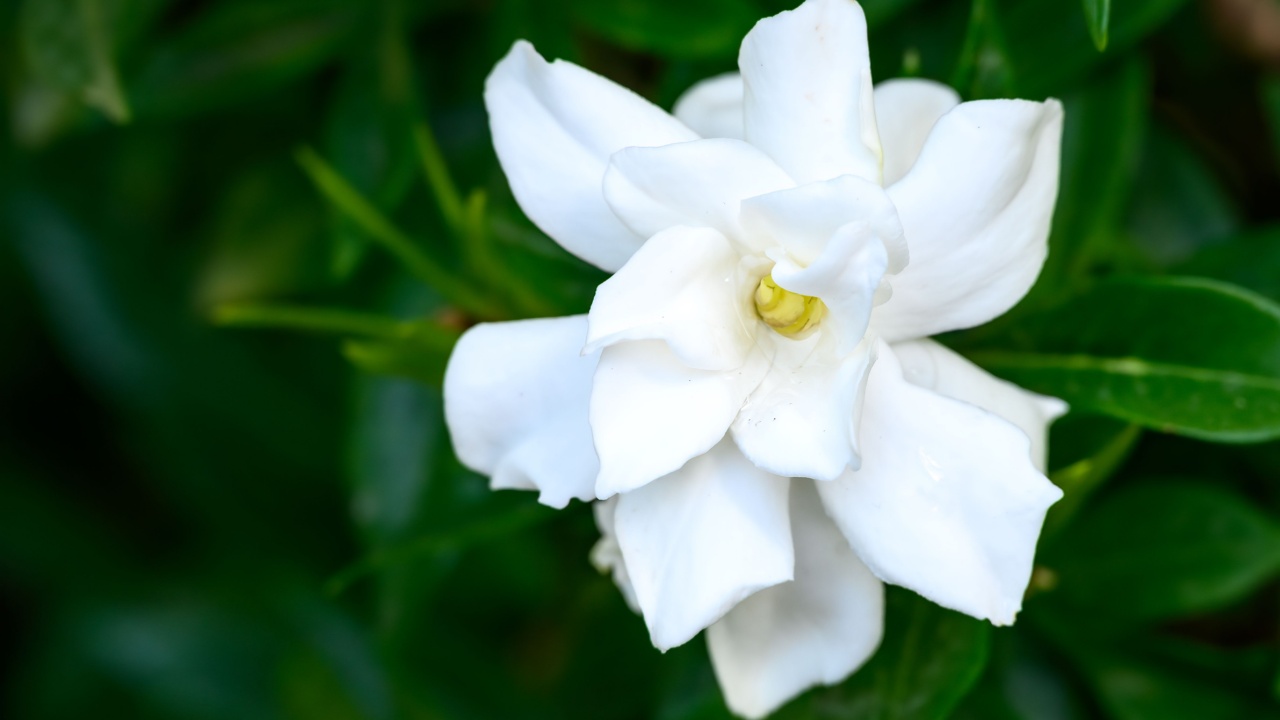
Image Credit: Shutterstock.
The intoxicating fragrance and perfect, creamy-white blossoms of the gardenia are hard to resist. In the garden center, it’s a picture of southern elegance. However, gardenias are notoriously finicky and often protest the move to a new home by dropping their buds and developing yellow leaves. They are highly sensitive to any fluctuation in their environment.
These shrubs demand high humidity, consistent temperatures, and acidic soil. They dislike drafts, dry air from heating or cooling systems, and the chemicals found in typical tap water. To keep a gardenia from dropping its buds, you must provide a stable environment that mimics the warm, humid conditions it loves. This often requires using filtered water, regular misting, and careful placement away from any sources of environmental stress.
Quick Care Guide:
- Light: Bright, indirect light.
- Water: Keep soil evenly moist. Use distilled or rainwater if your tap water is hard.
- Humidity: Needs high humidity to prevent bud drop.
- Problem: Dropping flowers, buds, and leaves turn yellow due to stress from environmental changes.
4. Lavender
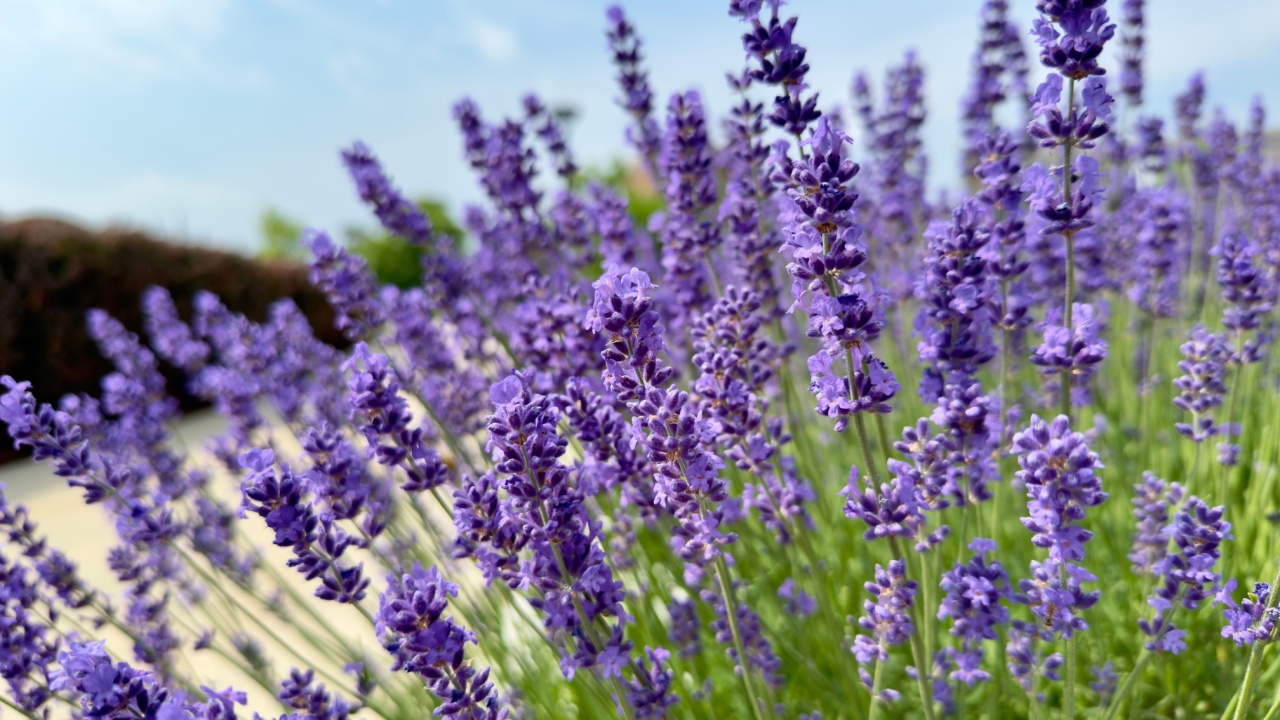
Image Credit: Shutterstock.
The vision of fragrant, purple spikes of lavender is a powerful draw for any gardener. It looks robust and beautiful in its pot at the store. The problem arises when well-meaning gardeners bring it home and treat it like other garden plants with rich soil and regular watering. Lavender is a Mediterranean native that thrives on neglect.
It craves full sun, excellent drainage, and poor, slightly alkaline soil. Overwatering is the most common cause of its demise, leading quickly to root rot. Rich, fertile soil holds too much moisture and can also cause the plant to become leggy and weak. For the best chance of success, plant lavender in a sunny spot with sandy or gravelly soil and water it sparingly only after it has established.
Quick Care Guide:
- Light: Full sun (6+ hours per day).
- Water: Drought-tolerant once established. Water deeply but infrequently.
- Soil: Requires well-draining, poor, or sandy soil. Avoid rich compost.
- Problem: Prone to root rot from overwatering and struggles in rich, dense soil.
5. Calathea (Prayer Plant)
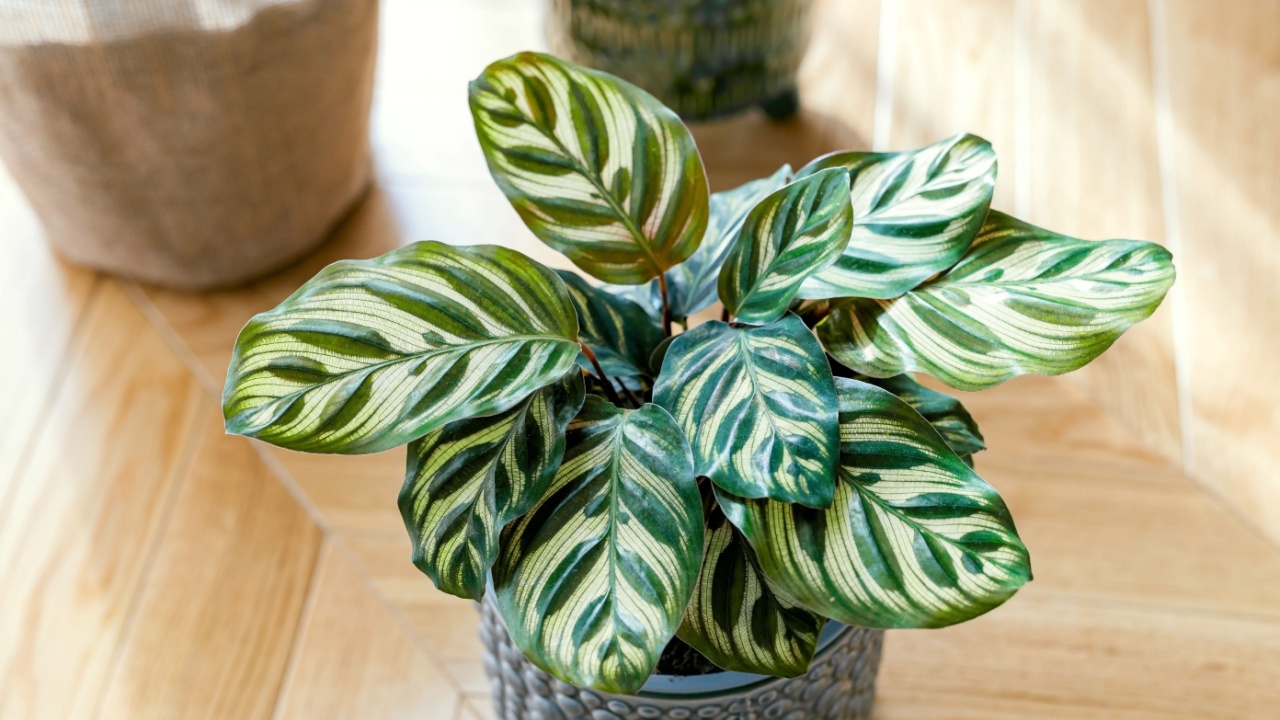
Image Credit: Shutterstock.com.
Calatheas, often called prayer plants, are showstoppers with intricate leaf patterns in shades of green, pink, and cream. In the controlled environment of a greenhouse, they look flawless. At home, they are quick to show their displeasure. The most common signs of trouble are crispy, brown leaf edges and curling leaves.
These tropical plants are extremely sensitive to low humidity and impurities in tap water, such as chlorine and fluoride. Their famous leaf movements folding up at night like praying hands, can become less pronounced when the plant is stressed. To keep a calathea happy, you need to provide high humidity with a humidifier or pebble tray and use filtered, distilled, or rainwater.
Quick Care Guide:
- Light: Medium to bright indirect light. Direct sun will fade the leaf patterns.
- Water: Keep soil lightly moist. Water with filtered or distilled water.
- Humidity: High humidity is essential.
- Problem: Leaf edges turn brown and crispy due to low humidity or chemicals in tap water.
6. Bonsai Trees
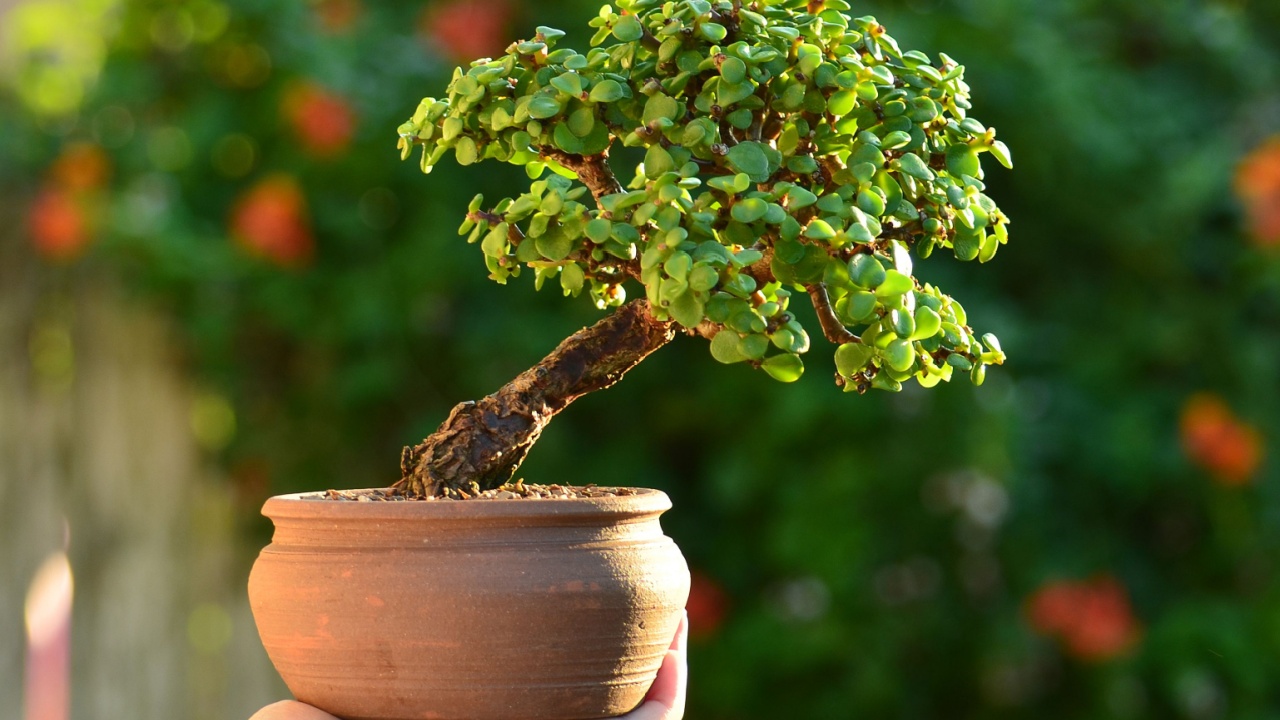
Image Credit: Shutterstock.
Bonsai trees are living sculptures, evoking a sense of age and tranquility. They are captivating at the store, but their specialized needs are often underestimated. Many bonsai sold at general garden centers are not suited for typical indoor conditions and require a level of care that goes beyond that of a normal houseplant.
Their shallow pots mean the soil dries out very quickly, often requiring daily watering. They also have specific light requirements that can be difficult to meet indoors without a grow light. Missing even a few waterings can be fatal. While Ficus or Chinese Elm bonsai are more forgiving, many other species need to live outdoors and experience seasonal changes. Without proper research into the specific tree species, these miniature artworks can quickly become expensive, dead twigs.
Quick Care Guide:
- Light: Varies by species, but most need bright light. Many need to be outdoors.
- Water: Soil dries out fast. Check daily and water thoroughly when needed.
- Care: Requires regular pruning, wiring, and repotting to maintain its shape.
- Problem: Dies quickly from improper watering, insufficient light, or being kept in the wrong environment (indoors vs. outdoors).
7. Orchids in Bloom
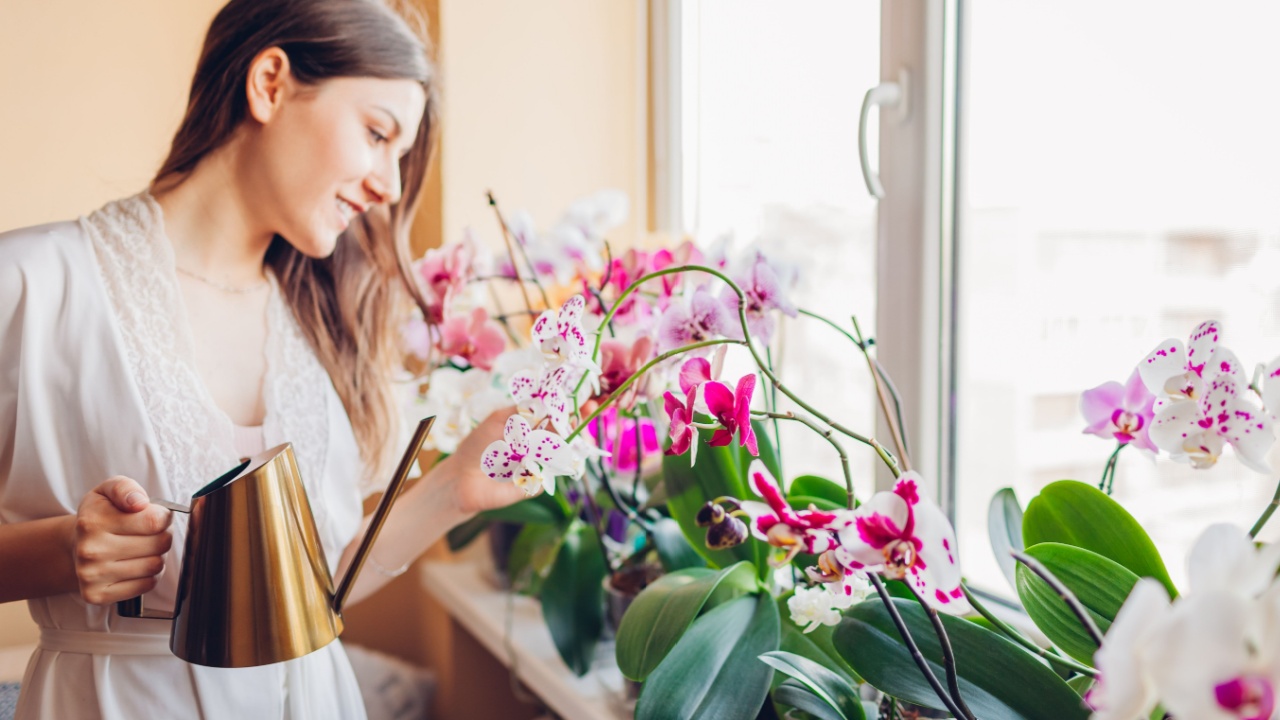
Image Credit: Shutterstock.
An orchid in full, glorious bloom is a breathtaking sight. Garden centers sell them at their peak to maximize their appeal. The disappointment comes when, a few weeks after bringing it home, all those beautiful flowers drop. Many new owners assume they have killed the plant.
In reality, the flower drop is often a natural response to the stress of moving. The plant is not dead, but simply finished with its current blooming cycle. The key to long-term success is to shift your focus from the flowers to the leaves and roots. Provide bright, indirect light and water appropriately for the species (usually by soaking the potting medium thoroughly and letting it dry out). With patience and proper care for the plant itself, it will reward you with new blooms in the future.
Quick Care Guide:
- Light: Bright, indirect light is best for the most common varieties.
- Water: Water thoroughly, then allow the potting medium to dry out almost completely.
- Care: Don’t panic when flowers fall off. Focus on growing healthy roots and leaves for future blooms.
- Problem: Blooms drop soon after purchase due to environmental shock.
8. Japanese Maple

Image Credit: Shutterstock.
With their elegant forms and stunning, deeply colored leaves, Japanese maples are a prized addition to any landscape. They look perfect in their containers at the nursery. However, young trees are particularly vulnerable to the harsh conditions of a typical backyard. They struggle with intense afternoon sun, strong winds, and inconsistent watering.
Leaf scorch, where the edges of the leaves turn brown and dry, is a common problem caused by too much sun or wind. Their shallow root systems also make them susceptible to drying out. Proper siting is critical for their survival. Choose a location that offers protection from the hot afternoon sun and drying winds, and provides consistent moisture, especially during their first few years in the ground.
Quick Care Guide:
- Light: Morning sun with afternoon shade is ideal. Protect from harsh winds.
- Water: Keep soil consistently moist, especially for young trees. Mulch helps retain moisture.
- Soil: Prefers well-draining, slightly acidic soil.
- Problem: Leaves scorch and the tree struggles from too much sun, wind, or dry soil.
9. Venus Flytrap
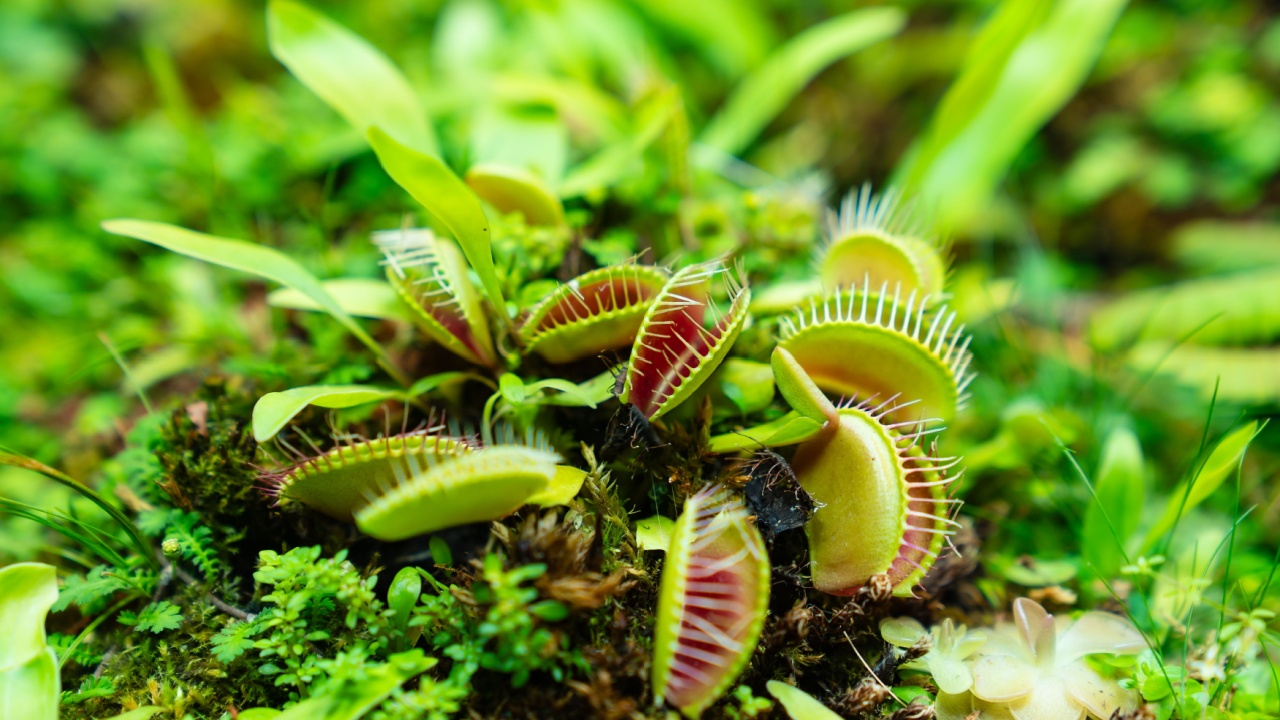
Image Credit: Shutterstock.
The Venus flytrap is a fascinating carnivorous plant that captures the imagination of adults and children alike. Often sold in small plastic “death cubes,” they rarely last long after purchase. These are not typical houseplants; they are bog plants with very specific needs that are almost the opposite of other plants.
Venus flytraps require distilled or rainwater, as the minerals in tap water will kill them over time. They need to sit in a small amount of water to keep their soil consistently wet. They also require intense, direct sunlight to thrive. A common mistake is to trigger their traps for fun or to feed them things like hamburger meat, which will exhaust and kill the plant. Without their unique needs being met, they quickly wither away.
Quick Care Guide:
- Light: Needs 4+ hours of direct sunlight per day.
- Water: Must use distilled water, rainwater, or reverse osmosis water. Keep the soil wet by setting the pot in a tray of water.
- Soil: Use a nutrient-poor medium like a mix of peat moss and perlite. Never fertilize.
- Problem: Dies from tap water, insufficient light, or improper feeding.
10. Azaleas
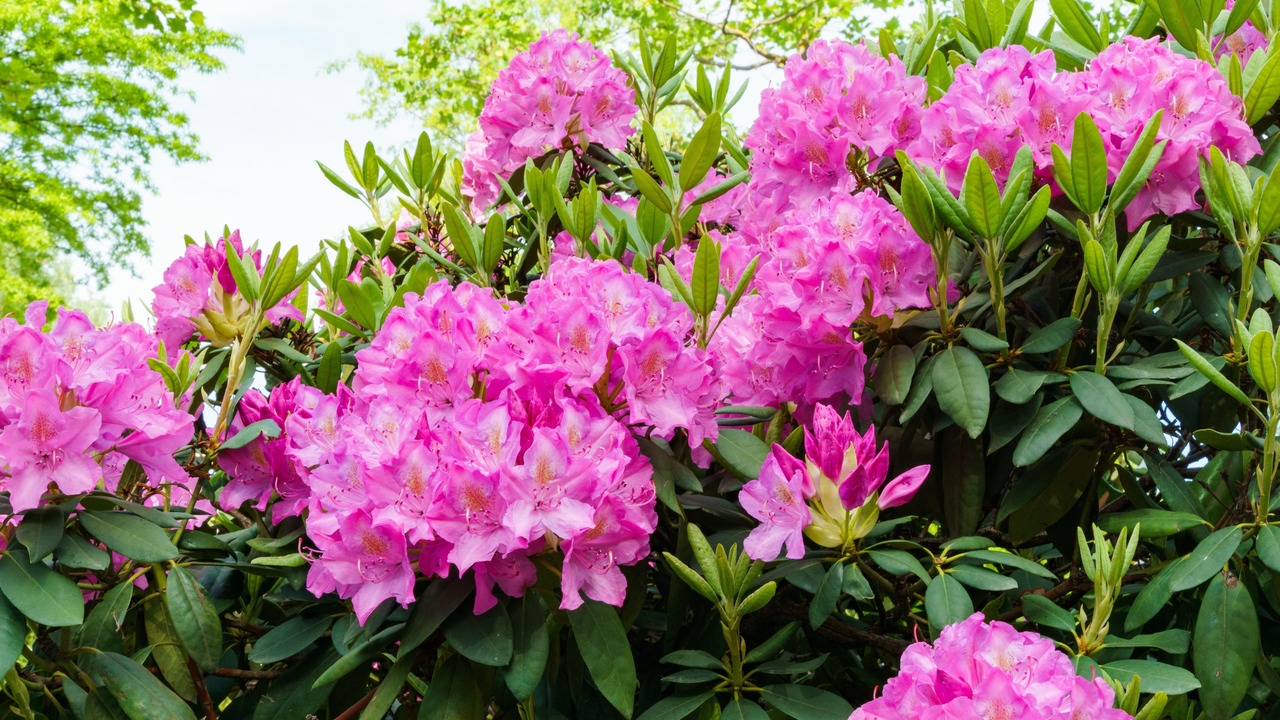
Image Credit: Shutterstock.
Covered in a profusion of bright flowers, potted azaleas are a popular gift and garden purchase, especially in the spring. They look spectacular at the store, but their performance at home can be lackluster. The primary issue is that most garden soils are not suitable for them. Azaleas are acid-loving plants.
If your soil is neutral or alkaline, the azalea’s leaves will turn yellow (a condition called chlorosis) as the plant is unable to absorb essential nutrients. They also have shallow roots that can easily rot if planted too deeply or in heavy, clay soil that doesn’t drain well. For long-term success, you may need to amend your soil with sulfur or peat moss to lower the pH.
Quick Care Guide:
- Light: Dappled sunlight or morning sun with afternoon shade.
- Soil: Must have acidic, well-draining soil.
- Water: Keep soil consistently moist, especially during dry periods.
- Problem: Leaves turn yellow and the plant fails to thrive in alkaline or heavy clay soils.
11. Boston Ferns
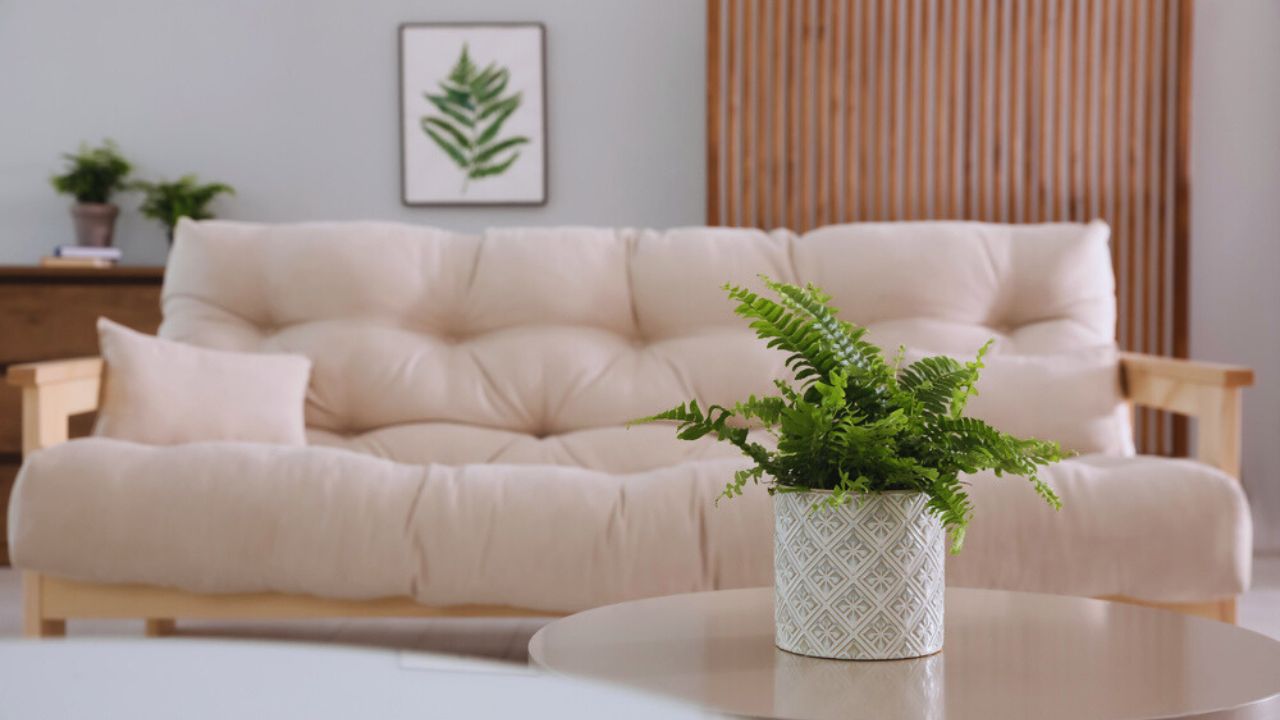
Image Credit: Shutterstock.
The lush, arching fronds of a Boston fern can instantly add a touch of the tropics to a room or porch. They are full and vibrant at the garden center, but often begin shedding and browning almost as soon as they get home. The reason is simple: a lack of humidity.
Boston ferns thrive in humid environments, and the dry air created by central heating and air conditioning is their nemesis. They also require their soil to be kept consistently moist. When the air is too dry or the soil dries out, the fronds will quickly turn brown and drop, creating a constant mess. To keep a Boston fern looking its best, you’ll need to provide supplemental humidity through regular misting, a humidifier, or by placing it on a pebble tray.
Quick Care Guide:
- Light: Bright, indirect light.
- Water: Keep the soil consistently moist.
- Humidity: High humidity is a must.
- Problem: Drops leaves and fronds turn brown in the dry air of most homes.
12. Roses in Containers
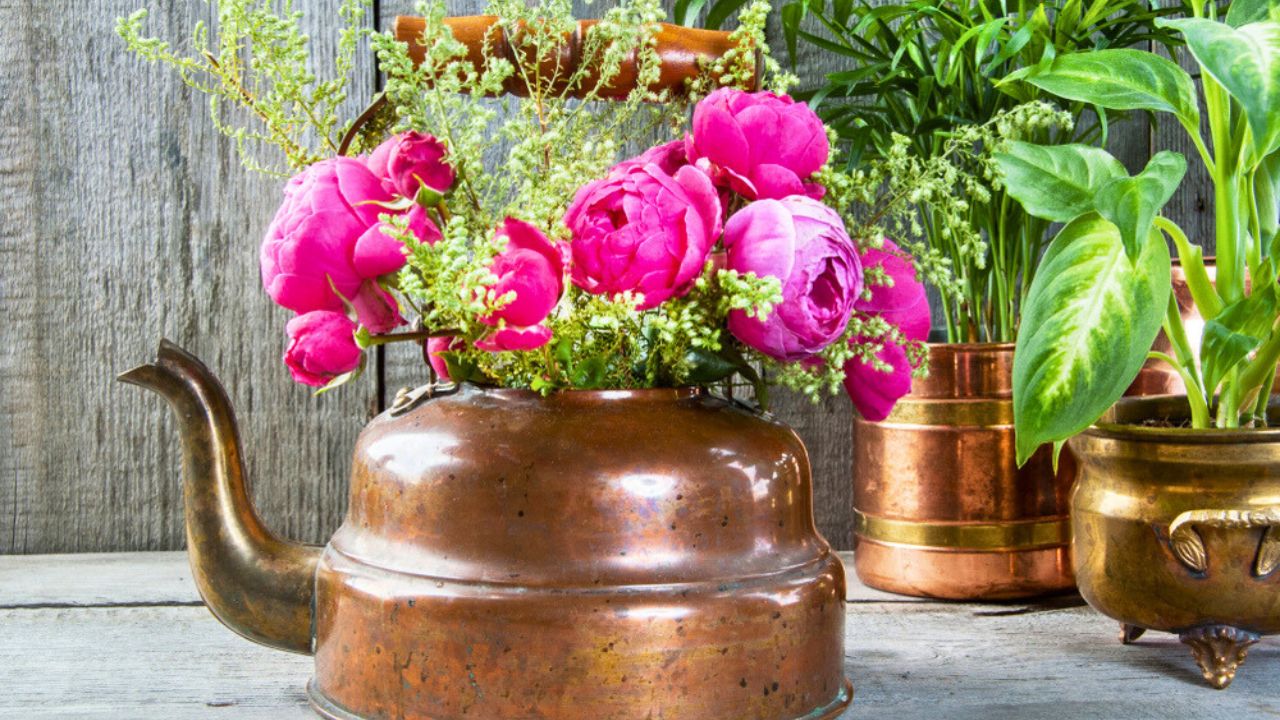
Image Credit: Shutterstock.
A miniature rose bush covered in perfect blooms is a classic romantic gesture. These container roses look beautiful for a short time, but often start to decline rapidly. The small pot they are sold in is not meant for long-term growth. The roots quickly become constrained, and the limited amount of soil cannot provide the nutrients a rose needs to keep blooming.
These roses are also often grown in greenhouses where they are protected from common diseases like black spot and powdery mildew. Once exposed to normal conditions, their stressed state makes them highly susceptible. For the best chance of survival, a potted rose should be transplanted into a larger container or into the garden as soon as possible.
Quick Care Guide:
- Light: Needs at least 6 hours of direct sun per day.
- Care: Transplant out of the small nursery pot into a larger pot or the garden.
- Water: Roses are thirsty plants and need consistent watering, especially in containers.
- Problem: Becomes root-bound and susceptible to disease once removed from greenhouse conditions.
13. Citrus Trees
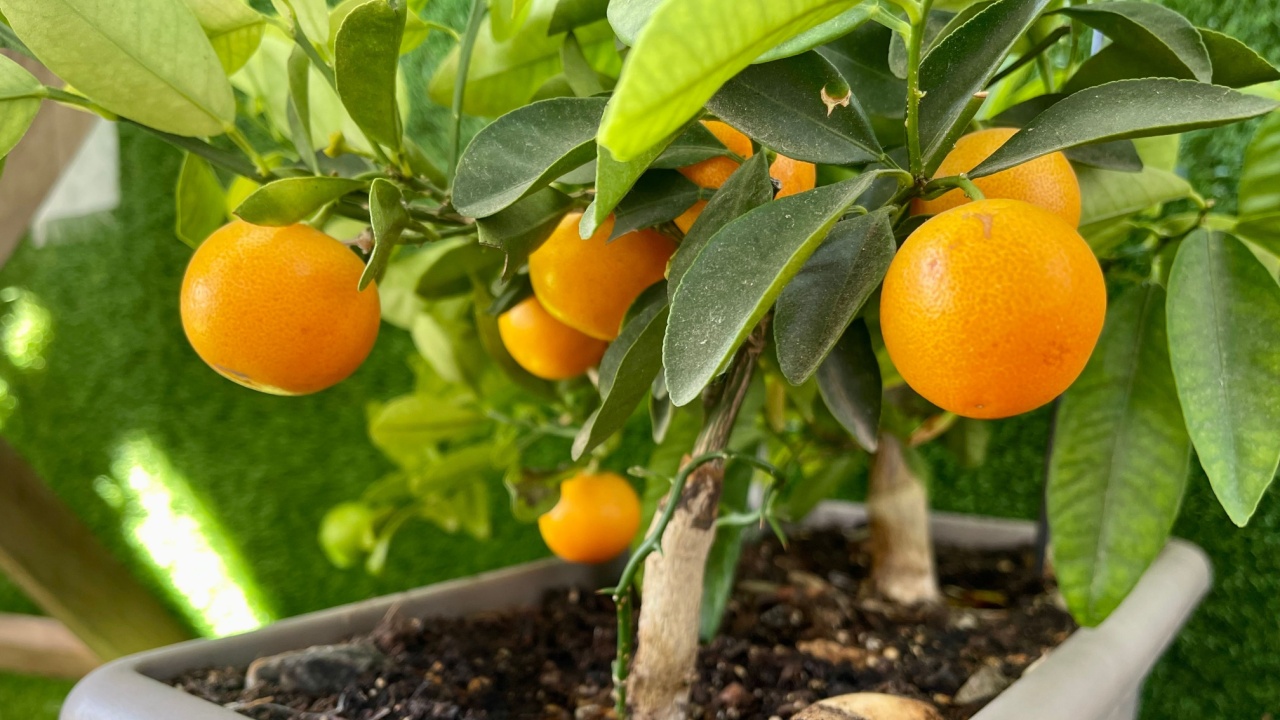
Image Credit: Shutterstock.
The dream of picking your own lemons or oranges is a powerful motivator for buying a dwarf citrus tree. Adorned with glossy leaves and fragrant blossoms, they look promising. However, growing citrus indoors is a significant challenge. The biggest hurdles are light and pests.
Citrus trees require a huge amount of direct sunlight, far more than a sunny window can typically provide. Without it, they will slowly drop leaves and will not have the energy to produce fruit. The dry indoor air also makes them magnets for pests like spider mites and scale, which can quickly infest and weaken the plant. Successful indoor citrus growing often requires a powerful grow light and diligent pest management.
Quick Care Guide:
- Light: Requires 8-12 hours of direct sunlight or a strong grow light.
- Water: Water thoroughly when the top few inches of soil are dry.
- Pests: Prone to spider mites and scale in dry indoor air. Inspect regularly.
- Problem: Drops leaves and fails to fruit due to insufficient light; attracts pests.
14. Poinsettias
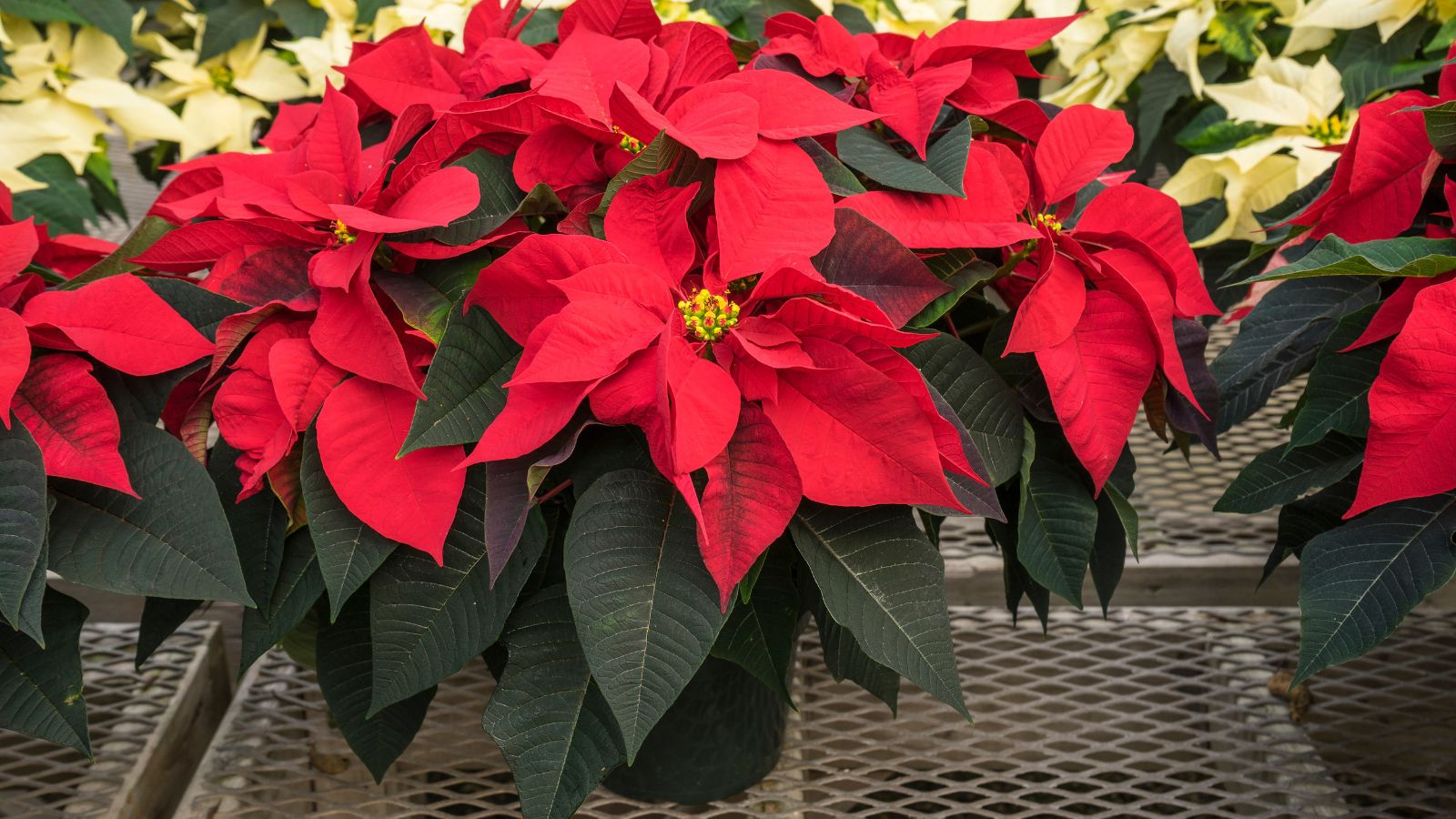
Photo Credit: Depositphotos.com.
Poinsettias are the undisputed floral icon of the holiday season. Most people treat them as disposable decorations, and for good reason, they tend to decline rapidly after the holidays. While they can be kept as long-lived houseplants, their care is more complex than it appears.
These tropical plants are sensitive to cold drafts and overwatering, two common issues in a home environment. Their biggest challenge, however, is getting them to rebloom. To develop their colorful bracts (the modified leaves that people think of as flowers), they require a strict regimen of 12-14 hours of complete, uninterrupted darkness every night for several weeks in the fall. Most people don’t have the patience for this, and the plant is discarded.
Quick Care Guide:
- Light: Bright, indirect light during the day.
- Water: Water when the soil feels dry. Avoid letting it sit in water.
- Reblooming: Requires a strict schedule of long, dark nights in the fall to color up again.
- Problem: Treated as temporary due to sensitivity to drafts and complex reblooming requirements.
15. Peace Lily
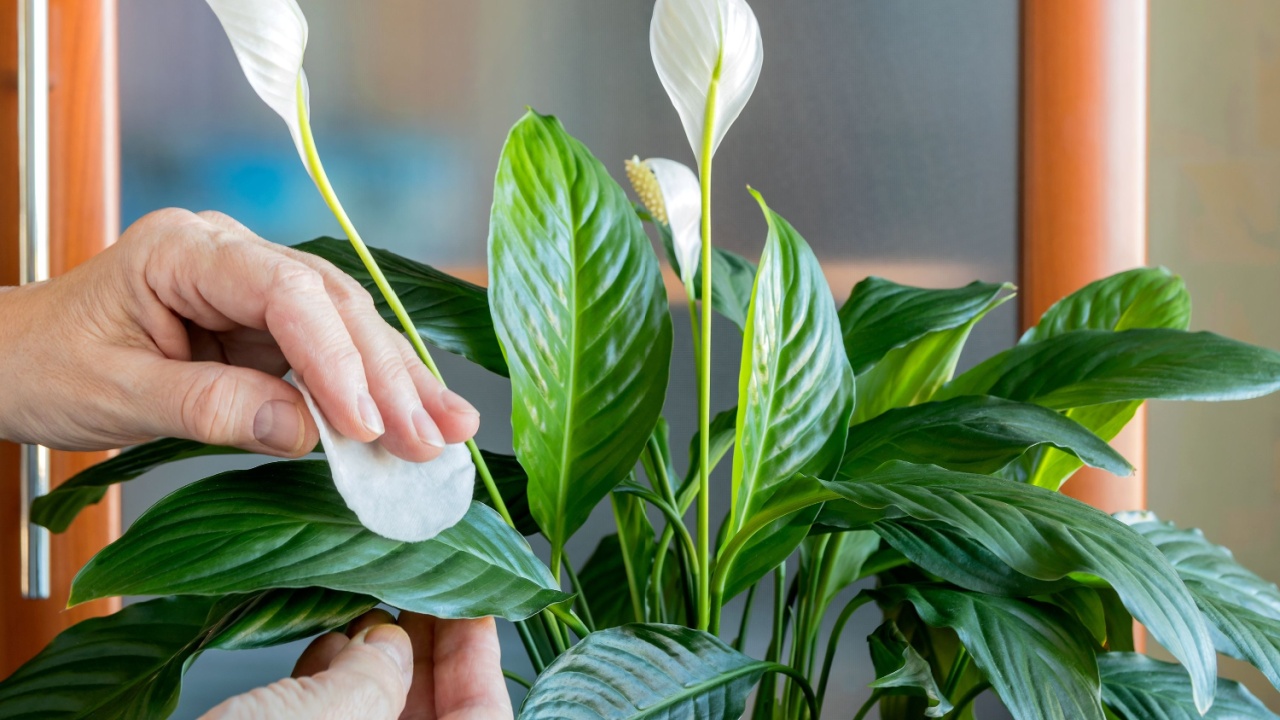
Image Credit: Shutterstock.
The peace lily is a popular and generally easy-care plant, but its dramatic behavior often alarms new owners. Known for its elegant white spathes and glossy leaves, it communicates its needs very clearly: when it’s thirsty, it wilts dramatically, with all of its leaves collapsing. Seeing this, many people panic and overwater.
While the plant perks up quickly after a drink, keeping the soil constantly soggy to prevent any wilting will lead to root rot, a much more serious problem. Peace lilies are also sensitive to the chemicals in tap water, which can cause brown leaf tips. It’s a plant that thrives on a bit of “tough love.” Let it tell you when it’s thirsty, then water it thoroughly.
Quick Care Guide:
- Light: Tolerates low light but prefers bright, indirect light to bloom.
- Water: Water thoroughly when the plant begins to droop slightly.
- Care: Brown leaf tips are often caused by tap water; try using filtered water.
- Problem: Dramatic wilting leads to panic and overwatering, causing root rot.
Considering What to Take Home from the Store Next Time
Image Credit: Shutterstock.
Bringing a new plant home doesn’t have to end in disappointment. Now that you know which plants require a little extra TLC, you can make smarter choices. Before you buy, take a moment to assess your home’s environment. Do you have a bright, sunny spot or a shadier corner? Is your air dry or humid? Match the plant to the conditions you can realistically provide.
If you do fall in love with a more challenging plant, be prepared to adapt your care routine. This might mean investing in a humidifier for a fern, finding the perfect draft-free spot for a fiddle leaf fig, or committing to a specific watering schedule for a bonsai. By starting with knowledge, you set yourself and your new plant up for a long and beautiful life together.