
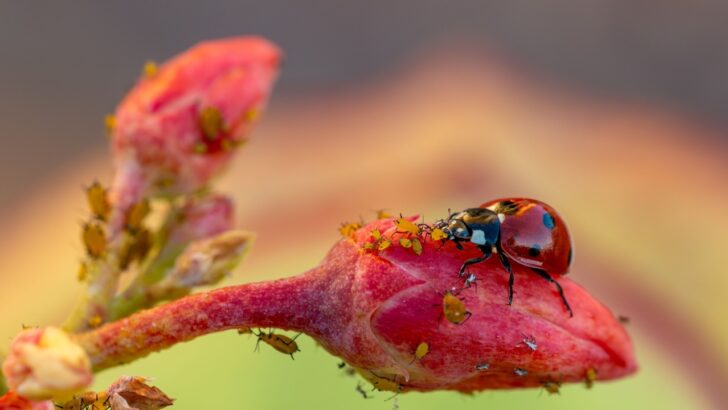
Inviting ladybugs into your garden is like hiring a tiny, dedicated security team that works for free. These iconic red and black beetles are more than just a charming sight; they are voracious predators of common garden pests. A single ladybug can eat up to 5,000 aphids in its lifetime, making them one of the most effective forms of natural pest control you can introduce to your green space. By creating a welcoming habitat, you not only reduce your reliance on chemical pesticides but also boost local biodiversity.
Cultivating a garden that attracts these beneficial insects is simpler than you might think. It involves planting a mix of flowers and herbs that provide them with food and shelter. Ladybugs are drawn to plants that offer either a steady supply of their favorite prey, like aphids and mites, or easily accessible pollen and nectar.
This guide will walk you through 15 excellent plant choices that will turn your backyard into a ladybug haven, helping you create a healthier, more balanced ecosystem right outside your door.
1. Cilantro (Coriandrum sativum)
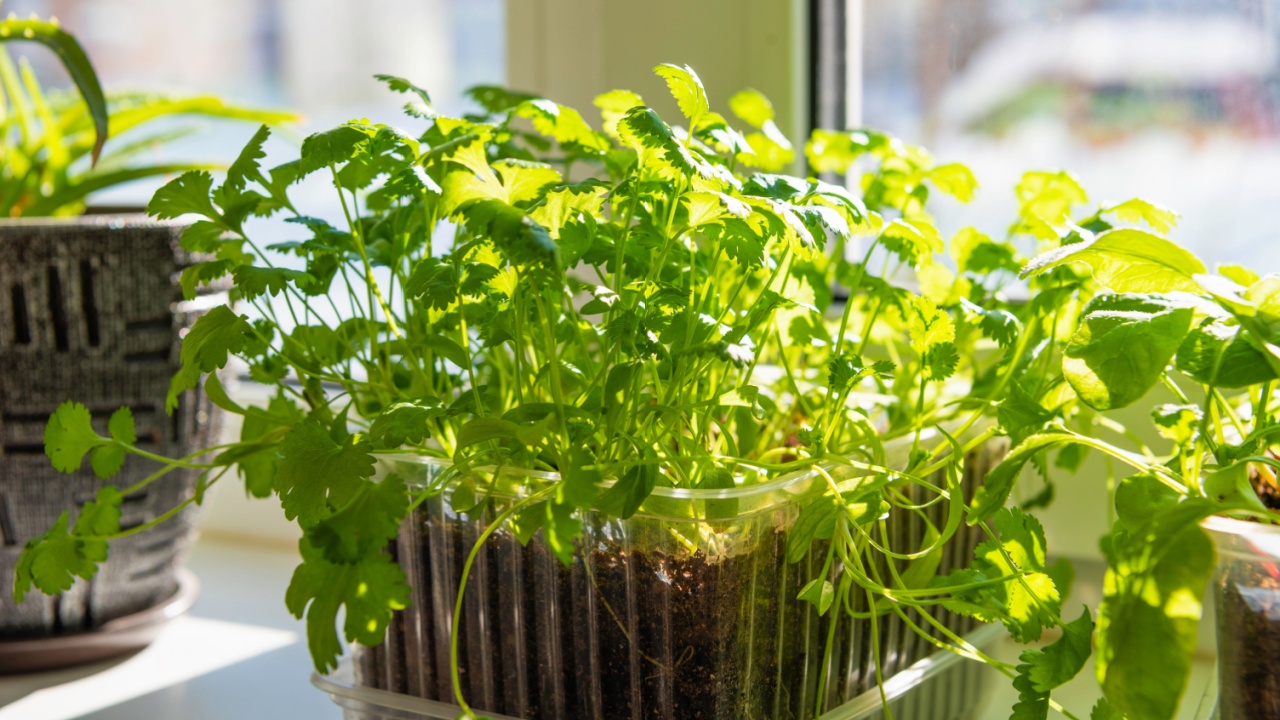
Image Credit: Shutterstock.
Cilantro is a popular herb that does double duty in a ladybug-friendly garden. It attracts pests like aphids, which in turn lures hungry ladybugs looking for a meal. When pest insects start to feed on it, cilantro releases specific chemical signals that act like a dinner bell for ladybugs and other beneficial predators. Additionally, its small, shallow flowers are a perfect source of nectar and pollen for adult ladybugs.
For the best results, plant cilantro in the cooler months of spring or fall. It thrives in well-draining, nutrient-rich soil and requires consistent watering. Be mindful that high summer heat can cause cilantro to “bolt,” meaning it flowers and goes to seed prematurely, which can affect the flavor of its leaves. However, for the purpose of attracting ladybugs, letting some plants flower is exactly what you want.
Quick Guide:
- Why it works: Attracts aphids (a primary food source) and provides accessible nectar.
- Planting: Spring or fall.
- Care: Full sun to partial shade, well-draining soil, regular watering.
- Bonus Tip: Let some plants go to flower to maximize their appeal to ladybugs.
2. Dill (Anethum graveolens)
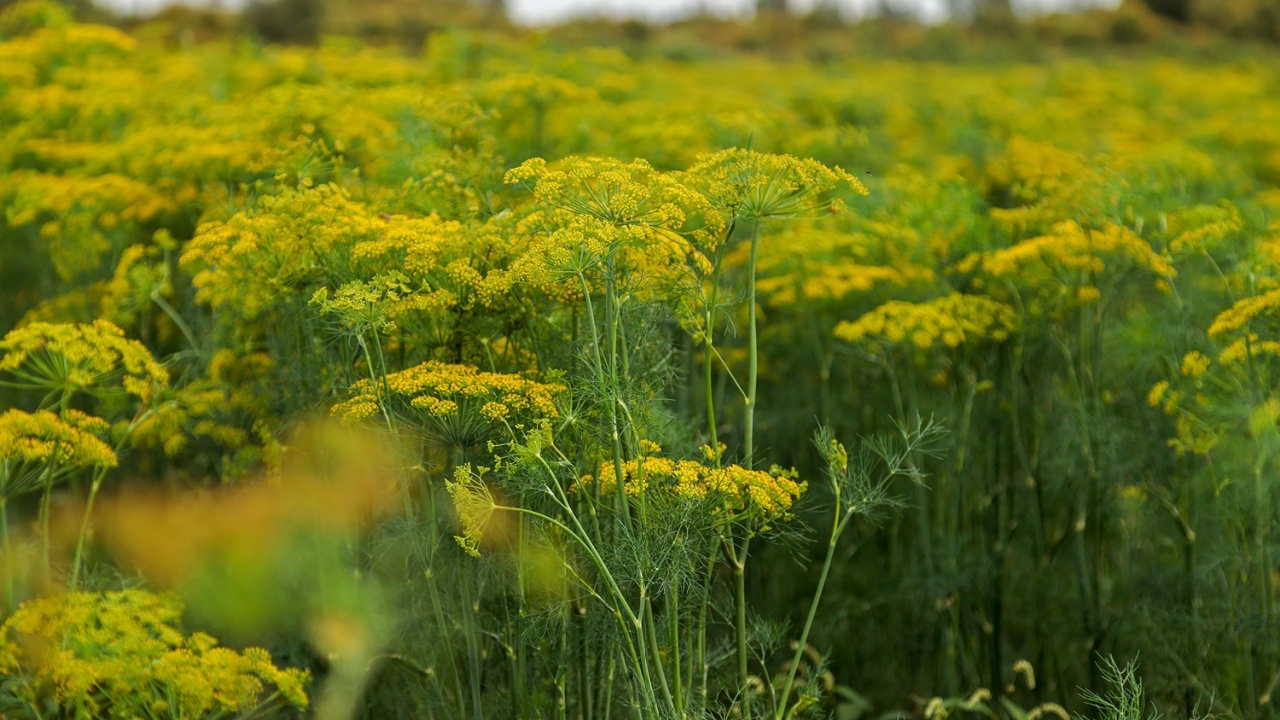
Image Credit: Shutterstock.
Dill is a powerhouse for attracting beneficial insects. Its large, umbrella-shaped flower heads, called umbels, are composed of hundreds of tiny, shallow blossoms. This structure provides an ideal landing pad and an easily accessible nectar source for ladybugs, lacewings, and parasitic wasps. These helpful bugs will happily patrol your garden, keeping pest populations in check.
This hardy herb is typically grown as an annual and is suitable for growing zones 2 through 11. Once it’s established, dill is remarkably low-maintenance and drought-tolerant. It prefers full sun and well-draining soil. Both the feathery leaves and the seeds are used in cooking, most famously for pickling, but its greatest value in the garden might be its ability to support a healthy population of pest predators.
Quick Guide:
- Why it works: Umbels provide easy access to nectar and pollen for ladybugs.
- Planting: After the last frost.
- Care: Full sun, well-draining soil, minimal care once established.
- Bonus Tip: Plant dill near vegetables like broccoli and cabbage to help protect them from aphids.
3. Fennel (Foeniculum vulgare)
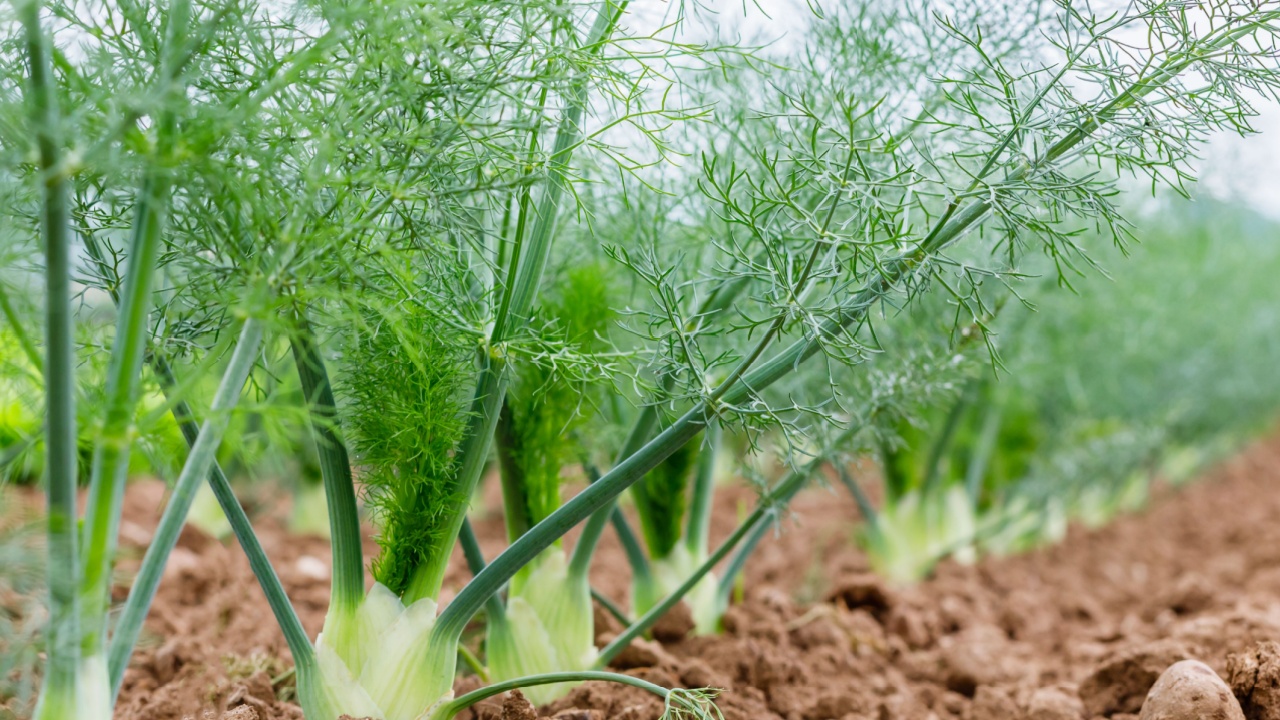
Image Credit: Shutterstock.
Similar in appearance to dill, fennel is another Mediterranean herb that ladybugs love. It produces the same type of umbel flower clusters, offering nectar and pollen to a wide range of beneficial insects. What makes fennel particularly interesting is its dual action: it attracts ladybugs while its strong scent simultaneously repels certain pests, including aphids and slugs.
Fennel is a perennial herb that requires similar care to dill, preferring full sun and well-draining soil. The entire plant is edible, from the bulbous base to the feathery fronds and seeds. The bulb has a mild licorice flavor and is wonderful when roasted or shaved into salads. Just be aware that fennel can sometimes inhibit the growth of nearby plants like tomatoes and beans, so give it its own space.
Quick Guide:
- Why it works: Flowers provide nectar, and their scent deters some pests.
- Planting: Spring.
- Care: Full sun, well-draining soil, drought-tolerant.
- Bonus Tip: Avoid planting fennel directly next to cilantro or dill, as they can cross-pollinate.
4. Marigold (Tagetes spp.)
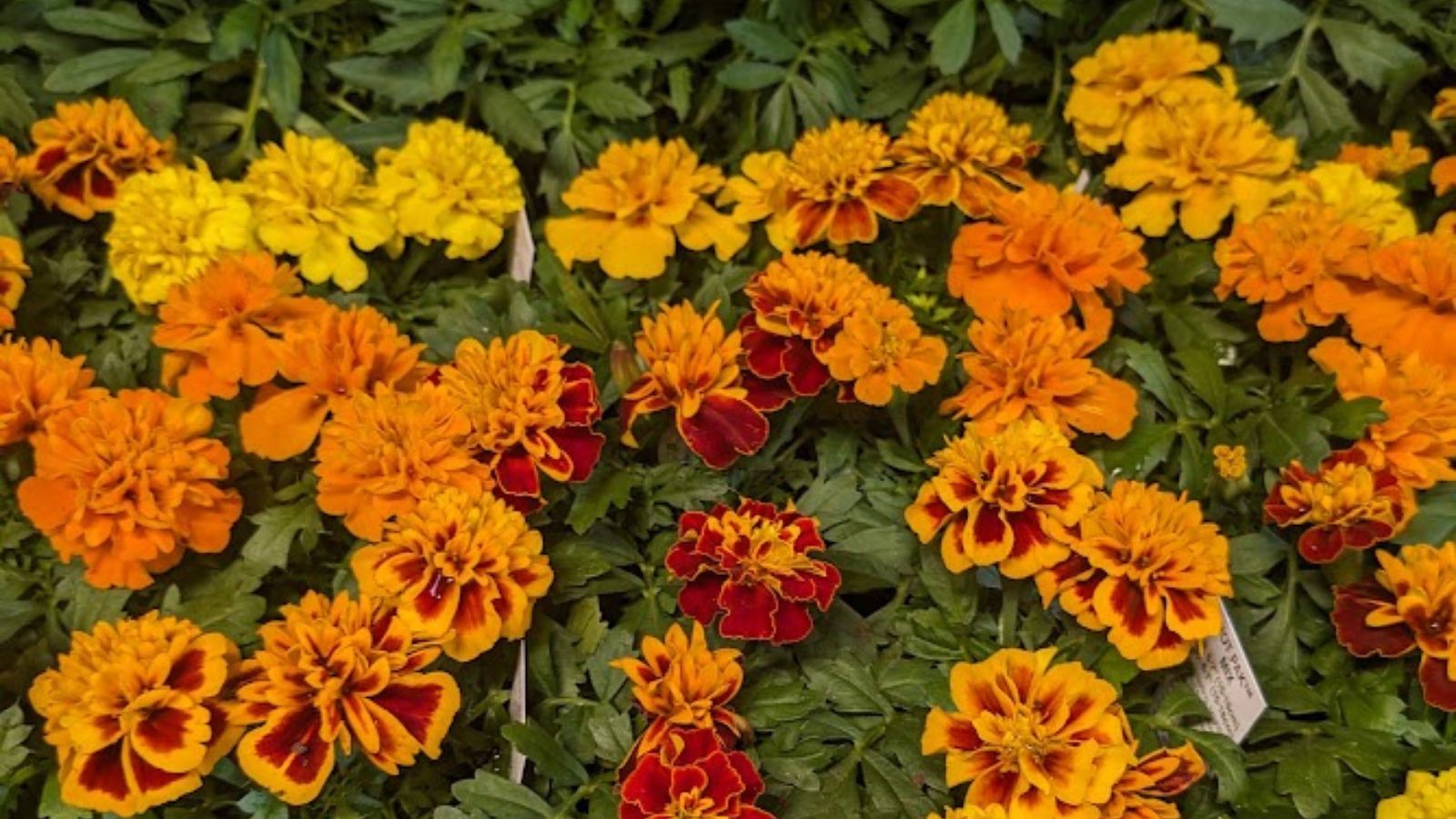
Image credit: Backyard Garden Lover.
Marigolds are cheerful, vibrant flowers that are incredibly easy to grow, making them a garden favorite. Their bright colors are visually attractive to ladybugs, but the real draw is the scent. Marigolds release organic compounds that signal a potential food source. They are also known to attract pests, effectively serving as a “trap crop” that lures aphids away from your more delicate plants and concentrates them for feasting ladybugs.
There are many varieties, from the large puffball blooms of African marigolds to the multicolored French marigolds. They all thrive in full sun and can tolerate a range of soil types, as long as the soil drains well. Marigolds are one of the simplest ways to add a splash of color and a team of pest-fighting predators to your garden.
Quick Guide:
- Why it works: Bright colors and scent attract ladybugs; it also serves as a trap crop for pests.
- Planting: After the last frost.
- Care: Full sun, well-draining soil, deadhead spent blooms to encourage more flowers.
- Bonus Tip: The scent of marigolds is also known to deter nematodes in the soil.
5. Yarrow (Achillea millefolium)
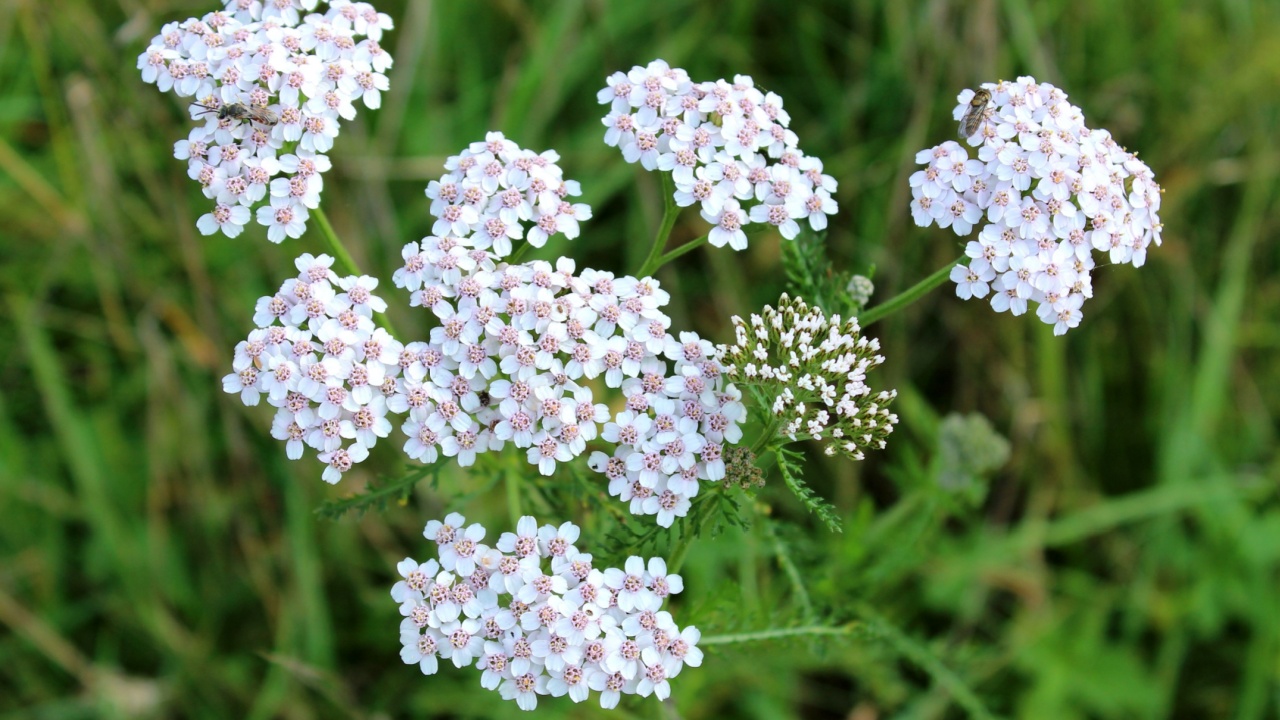
Image Credit: Shutterstock.
Yarrow is a hardy perennial that produces flat-topped clusters of tiny flowers, creating a perfect feeding station for ladybugs and other small beneficial insects like hoverflies and lacewings. The flowers come in a variety of colors, including white, yellow, pink, and red, and bloom from late spring through summer.
Native to many parts of North America, yarrow is exceptionally drought-tolerant and thrives in hot, sunny conditions. It’s not picky about soil and can grow in poor, dry ground where other plants might struggle. This makes it a fantastic, low-maintenance choice for adding beauty and ecological function to your garden. Its dense foliage also provides shelter for ladybugs and other insects.
Quick Guide:
- Why it works: Flat flower clusters offer accessible nectar and pollen.
- Planting: Spring or fall.
- Care: Full sun, thrives in poor soil, drought-tolerant.
- Bonus Tip: Yarrow can spread, so plant it where you don’t mind it naturalizing or be prepared to divide it every few years.
6. Sweet Alyssum (Lobularia maritima)
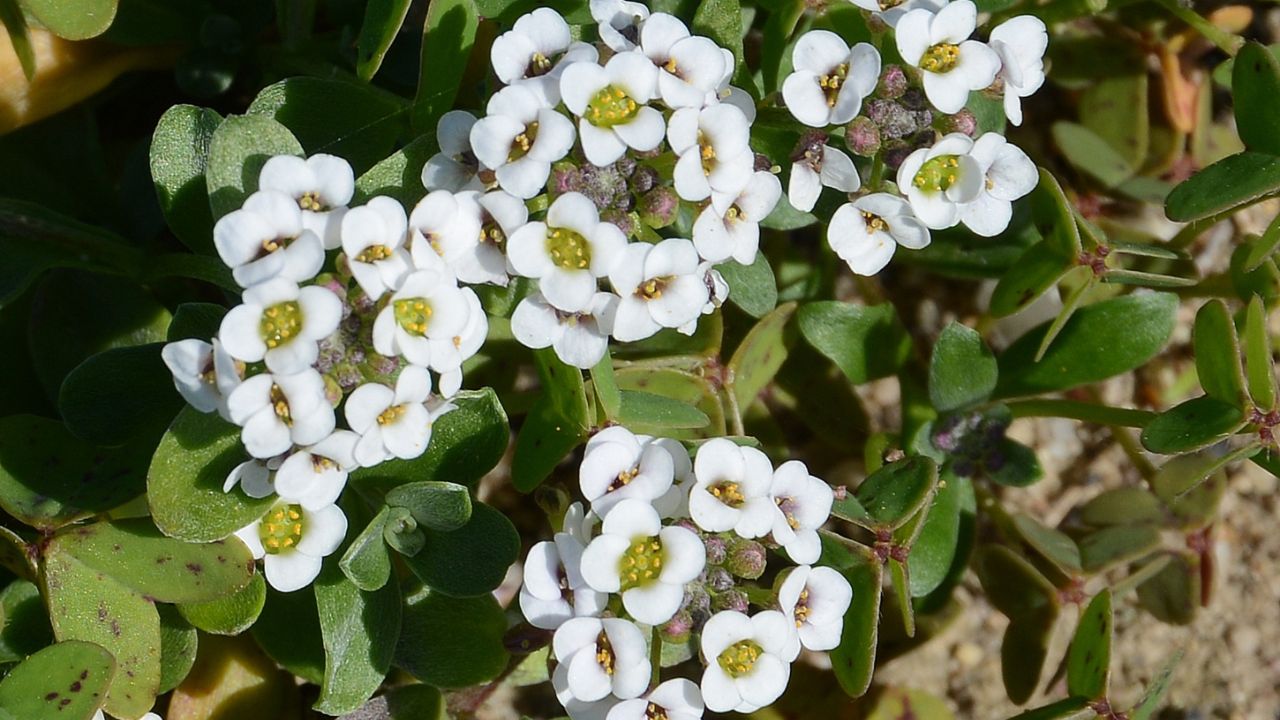
Image Credit: Alvesgaspar – Own work – CC BY-SA 4.0/Wiki Commons.
Sweet alyssum is a low-growing annual that produces dense mats of tiny, fragrant flowers. This groundcover is a magnet for ladybugs, hoverflies, and minute pirate bugs, all of which are excellent aphid predators. Its profusion of small blooms provides a continuous supply of nectar from spring until the first frost, making it a reliable food source for beneficials all season long.
This plant is incredibly easy to grow from seed and performs well in containers, as a border, or tucked into rock gardens. It prefers full sun to partial shade and well-draining soil. The sweet, honey-like fragrance is an added bonus, making it a delightful addition to any garden space.
Quick Guide:
- Why it works: Masses of tiny flowers provide a long-lasting nectar source.
- Planting: Early spring, as it tolerates light frost.
- Care: Full sun to part shade, average water, can be trimmed back to encourage a new flush of blooms.
- Bonus Tip: Plant sweet alyssum at the base of taller plants like roses or tomatoes to create a living mulch and a bug-attracting groundcover.
7. Calendula (Calendula officinalis)
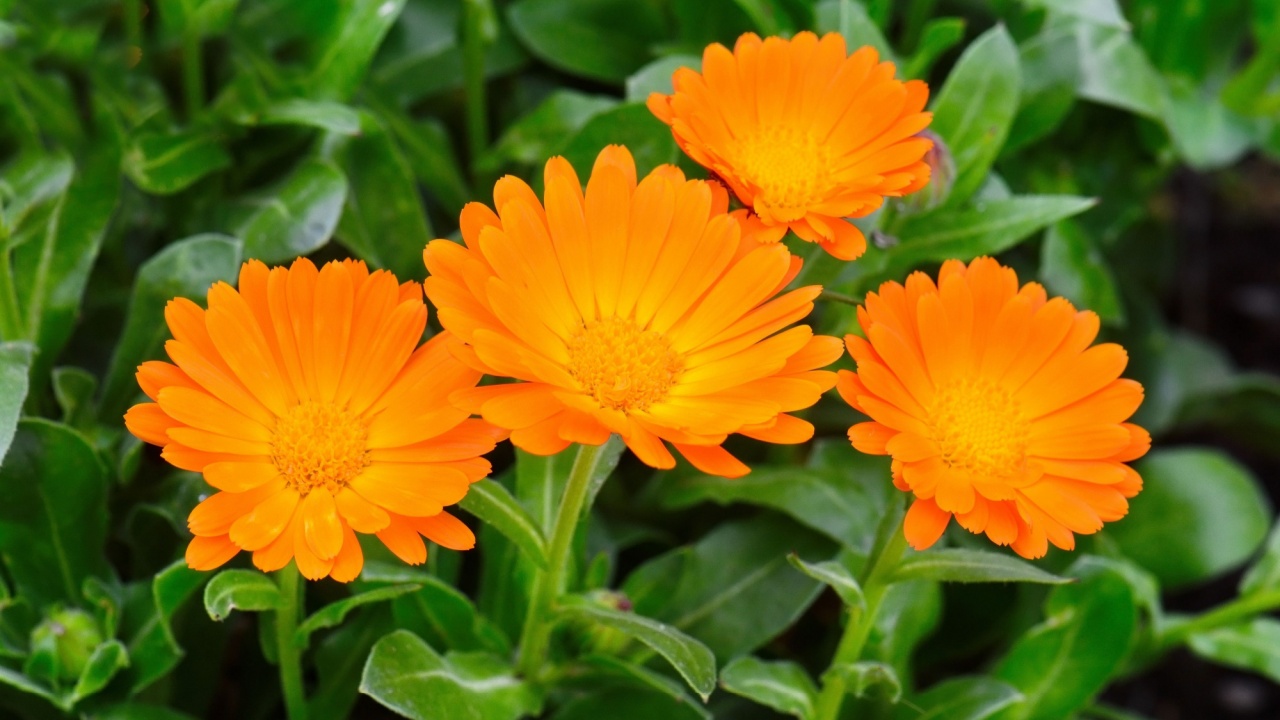
Image Credit: Shutterstock.
Also known as pot marigold, calendula is a cheerful, daisy-like flower that is irresistible to pests and their predators. Calendula is an excellent trap crop, drawing aphids, thrips, and whiteflies away from your vegetable garden. This concentration of pests creates a buffet for ladybugs, which are drawn to the plant to feast. The open-faced, sunny flowers also provide pollen for them to eat.
Calendula is a cool-season annual that is very easy to grow from seed. It prefers full sun and well-drained soil and will often reseed itself, returning year after year. The flower petals are edible and have been used for centuries in skin remedies and as a natural food coloring.
Quick Guide:
- Why it works: It acts as a trap crop for aphids and provides pollen.
- Planting: Early spring or fall.
- Care: Full sun, well-draining soil, deadhead regularly for continuous blooms.
- Bonus Tip: The petals can be dried and used to make soothing oils or salves.
8. Sunflower (Helianthus spp.)
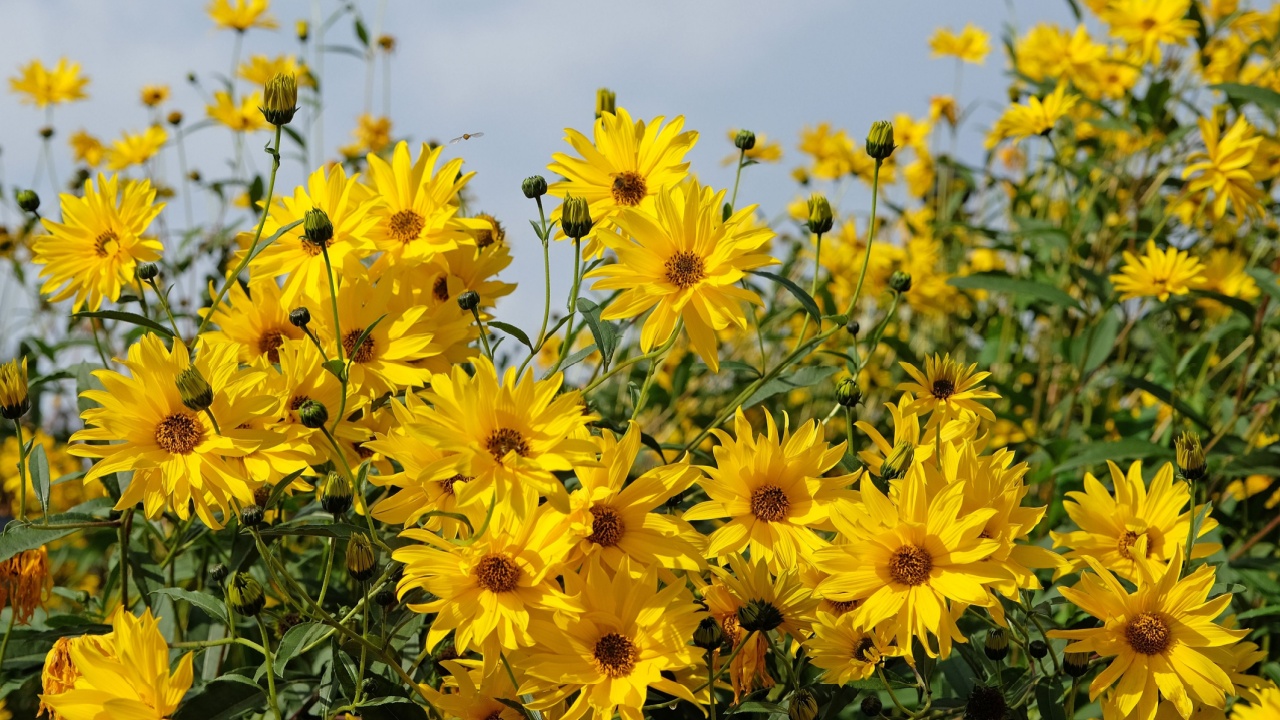
Image Credit: Shutterstock.
Sunflowers are iconic garden giants whose large, open-faced blooms are not just a delight to us, but also to pollinators and beneficial insects. The massive flower heads provide a huge surface area for ladybugs to find both pollen and nectar. Furthermore, sunflowers are often visited by aphids, especially on their stems and the backs of their leaves, providing a reliable food source for ladybug larvae and adults.
To grow sunflowers, choose a spot with full sun and well-drained soil. Timing is important; plant seeds after the last frost has passed. They need plenty of water to support their rapid growth. At the end of the season, the seed heads will provide a feast for birds like goldfinches and chickadees.
Quick Guide:
- Why it works: Offers abundant pollen and attracts aphids.
- Planting: After the last frost.
- Care: Full sun, plenty of water, may need staking for support.
- Bonus Tip: Choose multi-branching varieties to get more flowers over a longer period.
9. Purple Coneflower (Echinacea purpurea)
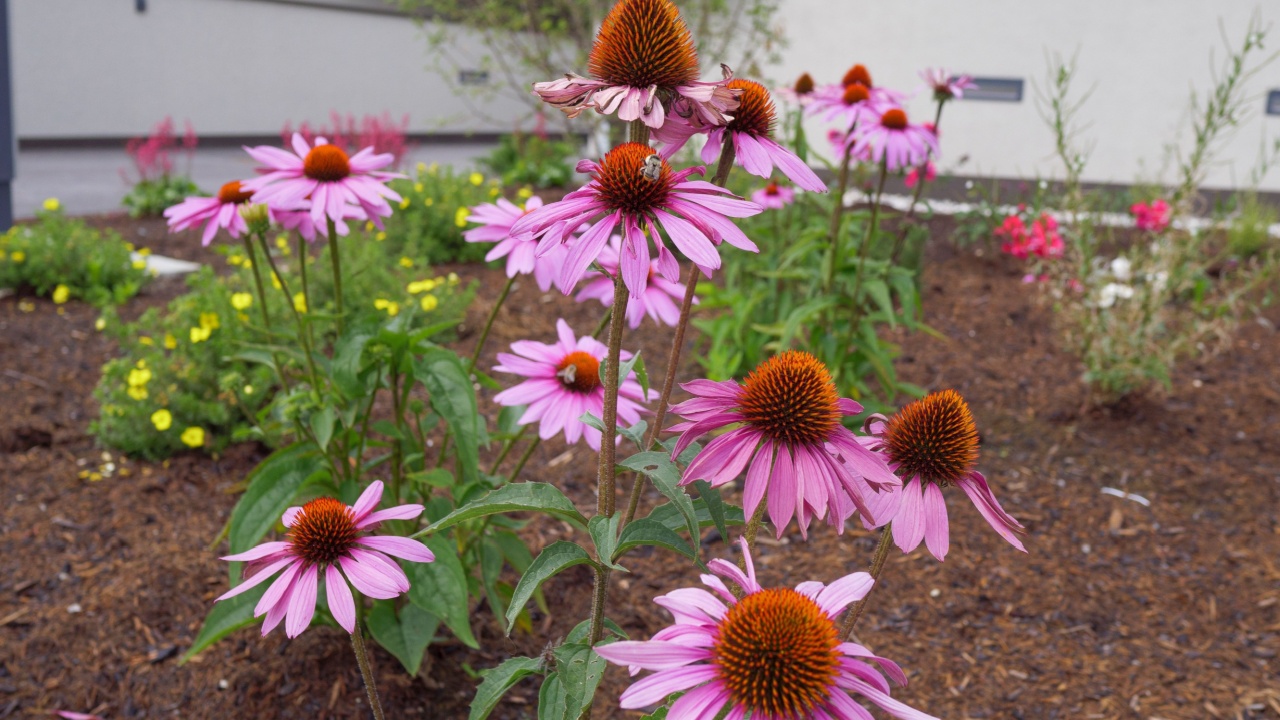
Image Credit: Shutterstock.com.
Purple coneflower is a North American native prairie plant that is beloved by gardeners, pollinators, and beneficial insects alike. The large, daisy-like flowers with their prominent central cones are perfect for ladybugs. The cone provides a sturdy platform for them to rest on while they feed on pollen.
This perennial is hardy, drought-tolerant, and thrives in full sun. It blooms from mid-summer into fall, providing color when many other plants are fading. Once the flowers are spent, leave the seed heads on the plant. They will provide a food source for birds during the winter and offer a place for ladybugs to shelter.
Quick Guide:
- Why it works: The central cone of the flower is a great source of pollen.
- Planting: Spring or fall.
- Care: Full sun, well-draining soil, drought-tolerant once established.
- Bonus Tip: Don’t deadhead all the flowers; the seed heads provide winter food for birds and shelter for insects.
10. Milkweed (Asclepias spp.)
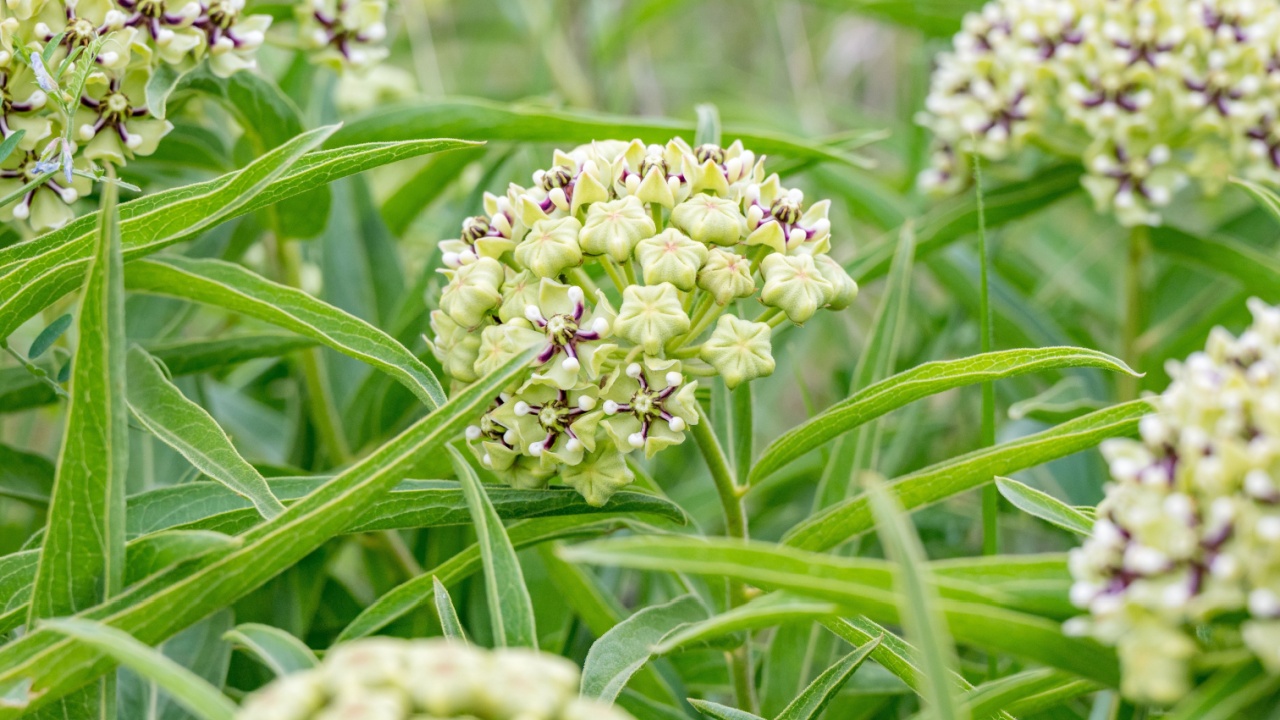
Image Credit: Shutterstock.
Milkweed is famous for being the exclusive host plant for monarch butterfly caterpillars, but its benefits don’t stop there. This plant is frequently infested with the bright yellow oleander aphid. While this might sound like a problem, it’s actually a huge benefit for attracting ladybugs. The aphids provide a consistent and plentiful food source, ensuring ladybugs will stick around and lay their eggs.
Choose a milkweed species native to your region for the best ecological results. Most species require full sun and well-draining soil. Once established, they are very low-maintenance. By planting milkweed, you support monarchs, ladybugs, and a host of other native pollinators.
Quick Guide:
- Why it works: Attracts a specific type of aphid, creating a feast for ladybugs.
- Planting: Plant seeds in the fall or cold-stratify them before spring planting.
- Care: Full sun, well-draining soil. Choose a native variety.
- Bonus Tip: Don’t be tempted to spray the aphids! They are the reason the ladybugs will come.
11. Queen Anne’s Lace (Daucus carota)
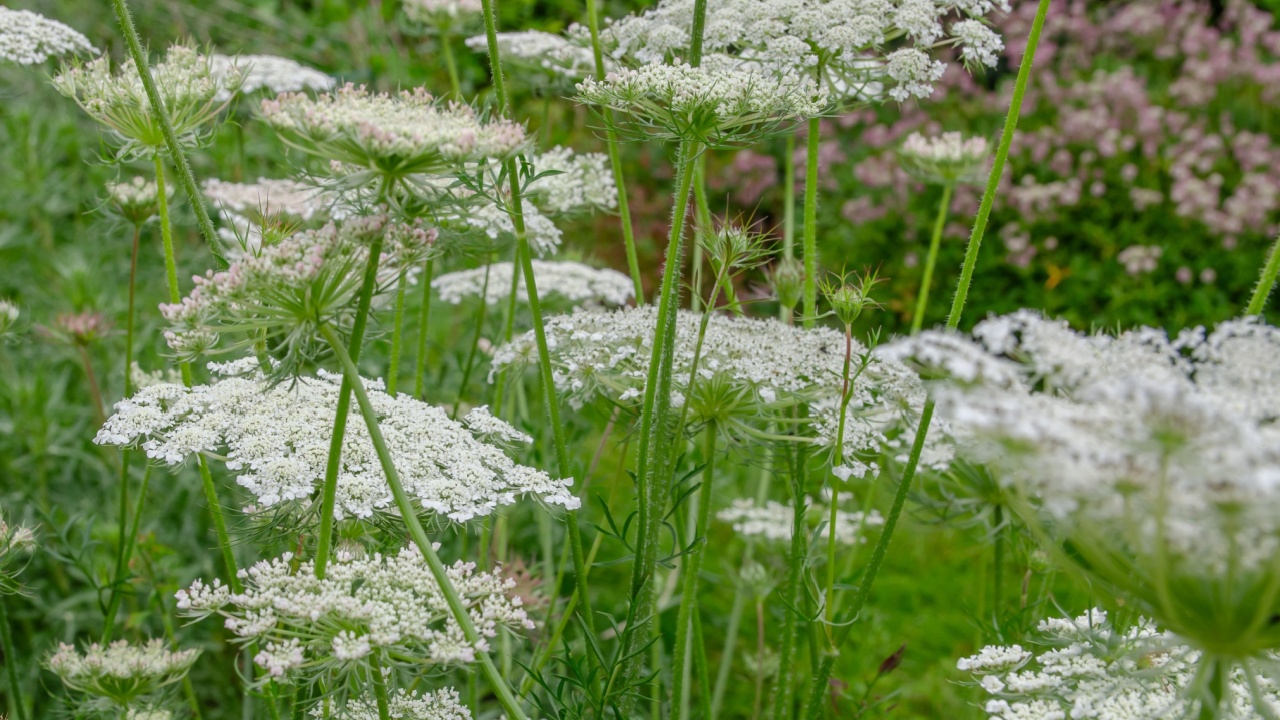
Image Credit: Shutterstock.com.
Queen Anne’s Lace, also known as wild carrot, is a beautiful biennial with delicate, lace-like white flowers. Like its cousins dill and fennel, it produces large umbels that are highly attractive to small beneficial insects, including ladybugs, parasitic wasps, and lacewings. The flat, accessible flower heads are a rich source of nectar.
This plant blooms in its second year, typically from summer into fall. It thrives in sunny spots and is not particular about soil. However, be aware that it can spread aggressively and is considered a weed in some areas. Plant it in a controlled space or a more naturalized, meadow-like part of your garden.
Quick Guide:
- Why it works: Umbels offer easily accessible nectar for many beneficials.
- Planting: Sow seeds in fall or early spring.
- Care: Full sun, tolerant of poor soil. Can be weedy, so manage its spread.
- Bonus Tip: It looks very similar to poison hemlock. Be absolutely certain of your plant’s identity before touching or attempting to eat it.
12. Dandelion (Taraxacum officinale)
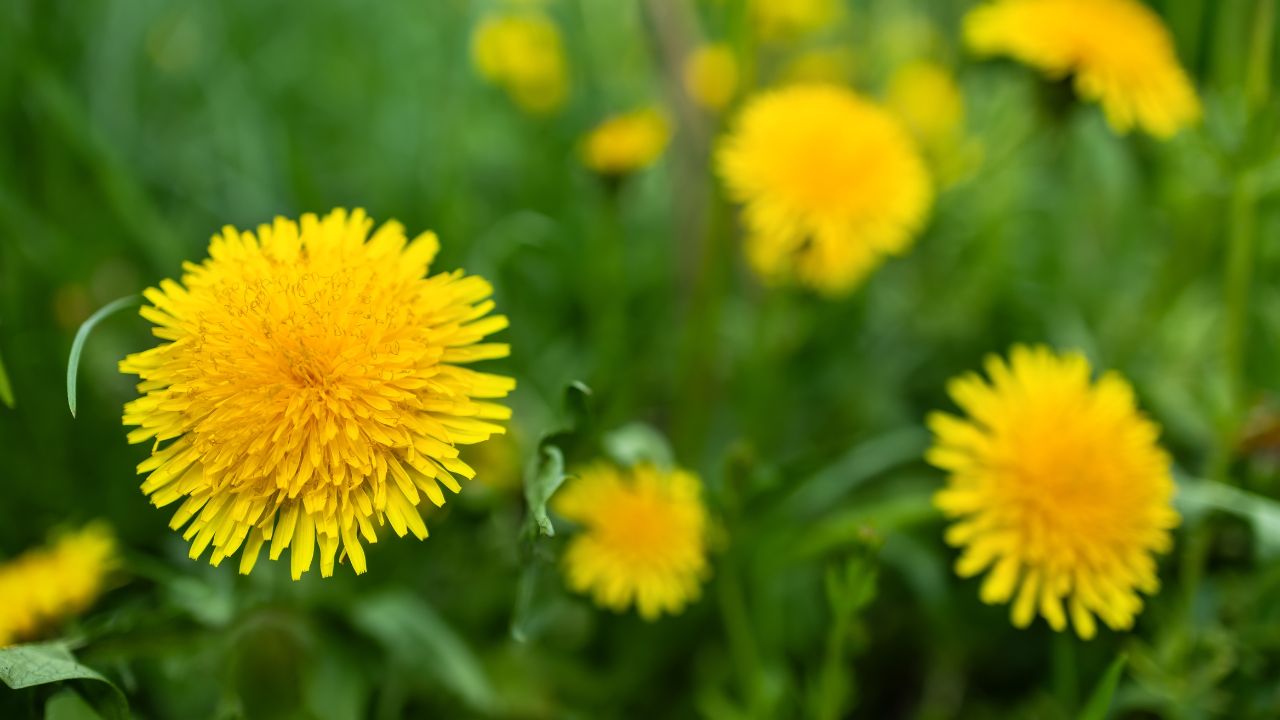
Image Credit: Shutterstock.
Often considered a pesky lawn weed, the common dandelion is actually a valuable early-season food source for many insects. Its bright yellow flowers provide some of the first available pollen and nectar for ladybugs and bees emerging in the spring. Dandelions are also hosts to specific aphid species, offering an early-season meal for hungry ladybugs.
Instead of trying to eradicate every dandelion, consider letting a patch grow in a corner of your yard. They are, of course, incredibly easy to grow; they’ll do all the work themselves. Their presence can help establish a population of beneficial insects early in the season that will then move on to protect your garden vegetables and flowers.
Quick Guide:
- Why it works: Provides early-season pollen and hosts aphids.
- Planting: No planting necessary! Just tolerate their presence.
- Care: None required.
- Bonus Tip: The entire plant is edible, from the roots (used as a coffee substitute) to the leaves (great in salads) and flowers (used to make wine).
13. Rattlesnake Master (Eryngium yuccifolium)
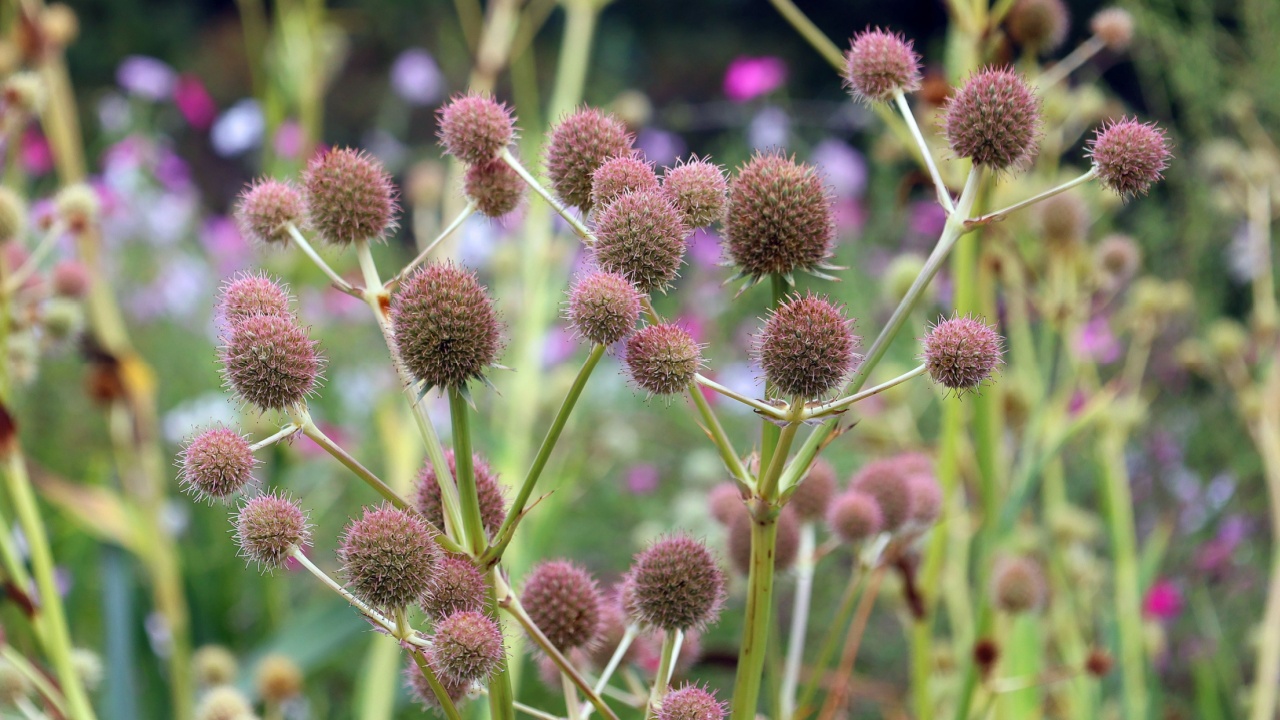
Image Credit: Shutterstock.com.
Don’t let the intense name fool you; this native perennial is a superstar in a wildlife-friendly garden. Rattlesnake master produces unique, globe-shaped, spiny white flowers that look like tiny sea urchins. These flowers are magnets for a huge diversity of native pollinators and beneficial insects, including many species of beetles, bees, wasps, and, of course, ladybugs.
A plant of the prairie, rattlesnake master is tough, drought-tolerant, and thrives in full sun and a variety of soil types. Its interesting texture and structure add visual appeal to the garden all year round. It is an excellent choice for a low-maintenance, high-impact native planting.
Quick Guide:
- Why it works: Unique flower structure attracts a wide diversity of beneficial insects.
- Planting: Spring or fall.
- Care: Full sun, tolerant of clay and rocky soils, drought-tolerant.
- Bonus Tip: Its fibrous leaves were traditionally used by Native Americans for making cords and woven goods.
14. Boneset (Eupatorium perfoliatum)
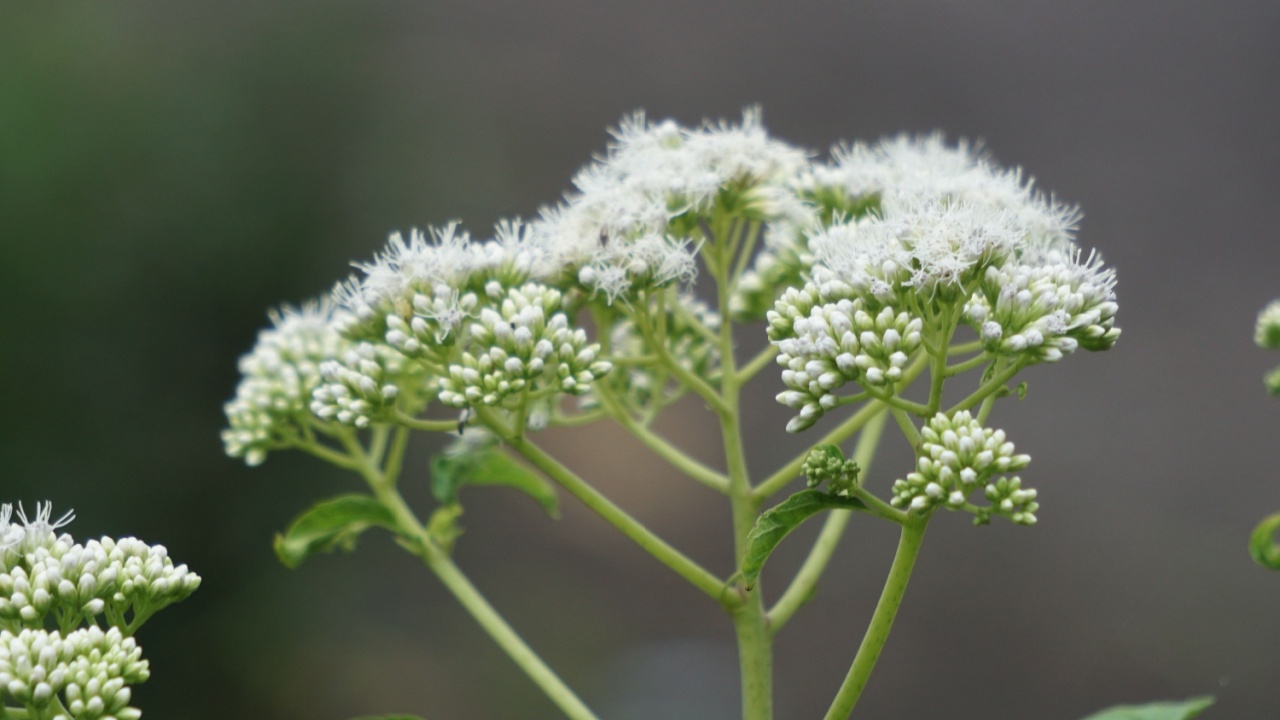
Image Credit: Shutterstock.com.
Boneset is a native perennial that produces large, fluffy clusters of small white flowers in late summer and fall. These flower clusters provide a late-season nectar source for ladybugs, butterflies, and bees, helping them fuel up before winter. It is particularly common in the eastern half of the United States.
This plant thrives in moist to wet soils and prefers full or partial sun, making it a great choice for rain gardens or damp spots in your yard. It’s a valuable addition for extending the bloom season and supporting wildlife late into the year. Its presence helps ensure that beneficial insects are well-supported throughout their entire life cycle.
Quick Guide:
- Why it works: Provides an important late-season nectar source.
- Planting: Spring or fall.
- Care: Full or partial sun, prefers moist soil.
- Bonus Tip: Boneset is a host plant for the caterpillars of several moth species, adding another layer of ecological value.
15. Aster (Symphyotrichum spp.)

Image Credit: Shutterstock.
Asters are another crucial late-season flower for supporting beneficial insects. These daisy-like perennials burst into bloom in the fall, providing a final, abundant source of pollen and nectar before the first frost. Ladybugs will flock to asters to feed before they seek out a place to overwinter.
Native asters come in shades of purple, blue, pink, and white and are a beautiful addition to the autumn garden. They are generally hardy, prefer full sun, and thrive in well-draining soil. Planting native asters alongside other late-bloomers like boneset and goldenrod creates a powerful, late-season resource hub for your local ecosystem.
Quick Guide:
- Why it works: Provides a critical late-season food source of pollen and nectar.
- Planting: Spring or fall.
- Care: Full sun, average soil, good air circulation to prevent powdery mildew.
- Bonus Tip: Choose a species native to your area, such as New England Aster or Smooth Blue Aster, for maximum wildlife benefit.
Creating Your Ladybug Sanctuary
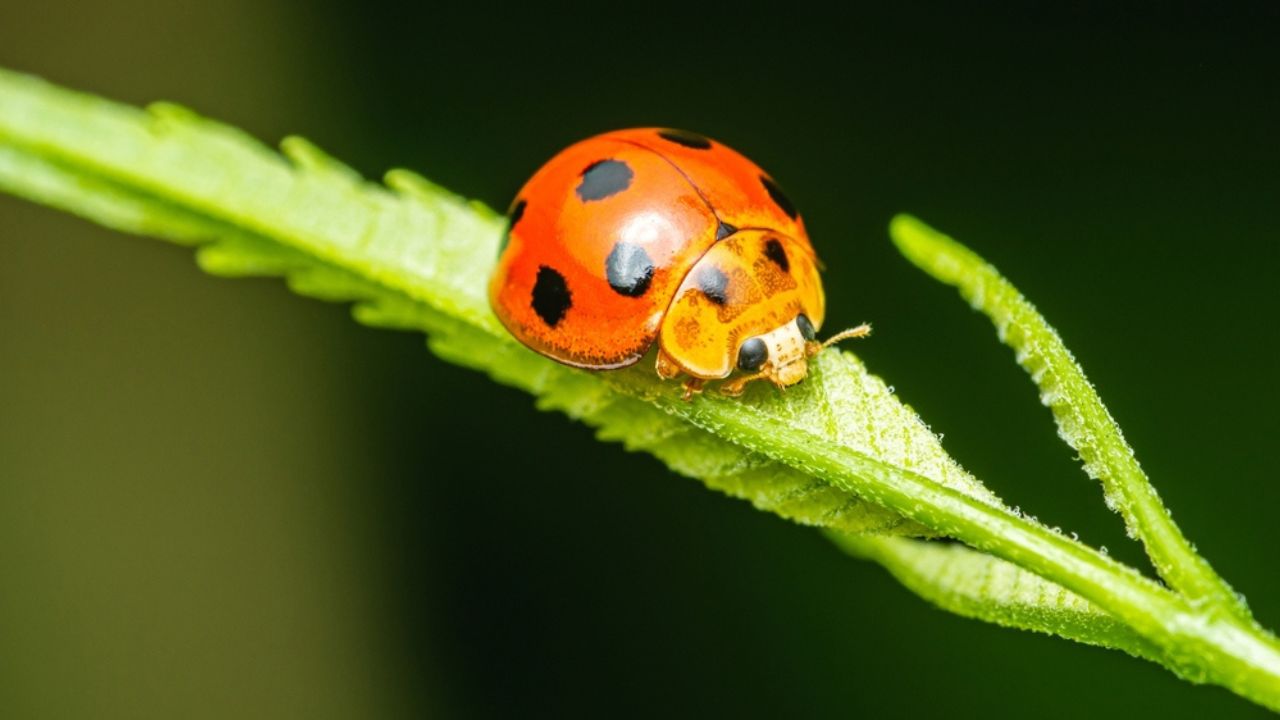
Image Credit: Shutterstock.
Now that you have a list of plants, it’s time to put your plan into action. The next step is to start incorporating some of these varieties into your garden beds, containers, and borders. A key principle is to plant in clusters or drifts rather than dotting single plants here and there. This creates a more visually impactful display and makes it easier for ladybugs to find what they need.
Most importantly, to keep your new ladybug population safe and healthy, you must avoid using broad-spectrum pesticides. These chemicals kill beneficial insects just as effectively as they kill pests. Instead, trust your new ladybug allies to handle pest issues naturally. By planting a diverse garden and skipping the sprays, you are taking a significant step toward creating a vibrant, self-sustaining backyard ecosystem.