
Creating a beautiful garden is a joy, but the last thing you want is for your perfect backyard retreat to become a haven for ticks. These tiny pests can carry diseases, making your outdoor space less safe for family and pets. Surprisingly, some of the most popular and beloved landscape plants create the exact environment where ticks thrive.
By understanding which plants are problematic and making smarter choices, you can design a garden that is both stunning and safer. This guide will walk you through 19 common plants that unintentionally roll out the welcome mat for ticks.
We will explore why these plants are so inviting to them and offer beautiful, practical alternatives (all sourced from experts like university extensions). With a few strategic swaps, you can reclaim your yard and enjoy your garden with greater peace of mind.
1. Japanese Barberry
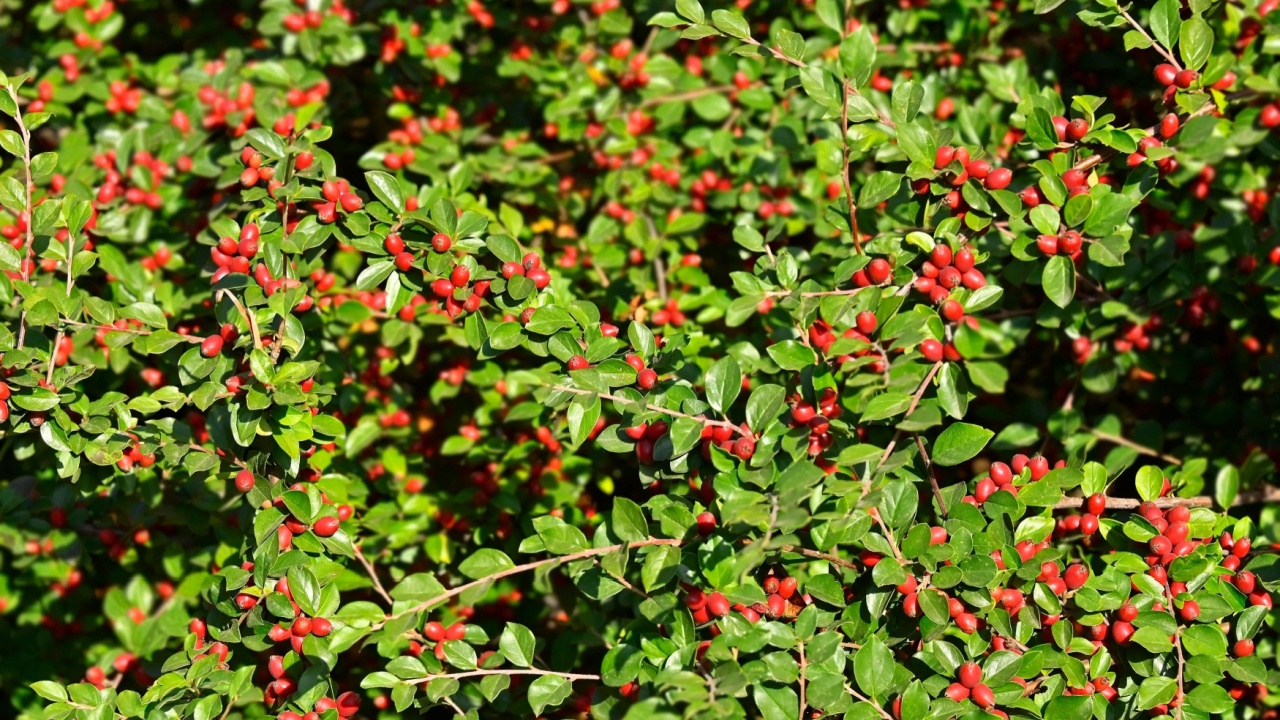
Image Credit: Shutterstock.
Japanese Barberry is a common landscaping shrub known for its hardiness and deep red foliage. However, its dense, thorny branches grow close to the ground, creating a humid, shaded microclimate underneath. This environment is perfect for ticks, protecting them from the sun and dehydration. Research has shown that areas with barberry infestations can have significantly higher populations of disease-carrying ticks compared to areas without it.
- Why it’s a problem: The shrub’s structure traps moisture and offers shelter for ticks and the small mammals that carry them, like mice.
- What to plant instead: Consider planting Ninebark. It offers beautiful foliage in various colors, from deep purple to bright gold, and has a more open structure that allows for better airflow, discouraging tick populations.
Quick Facts:
- Problem Plant: Japanese Barberry (Berberis thunbergii)
- Key Issue: Creates a humid, protected environment ideal for ticks.
- Smarter Alternative: Ninebark (Physocarpus opulifolius)
2. Tall Ornamental Grasses
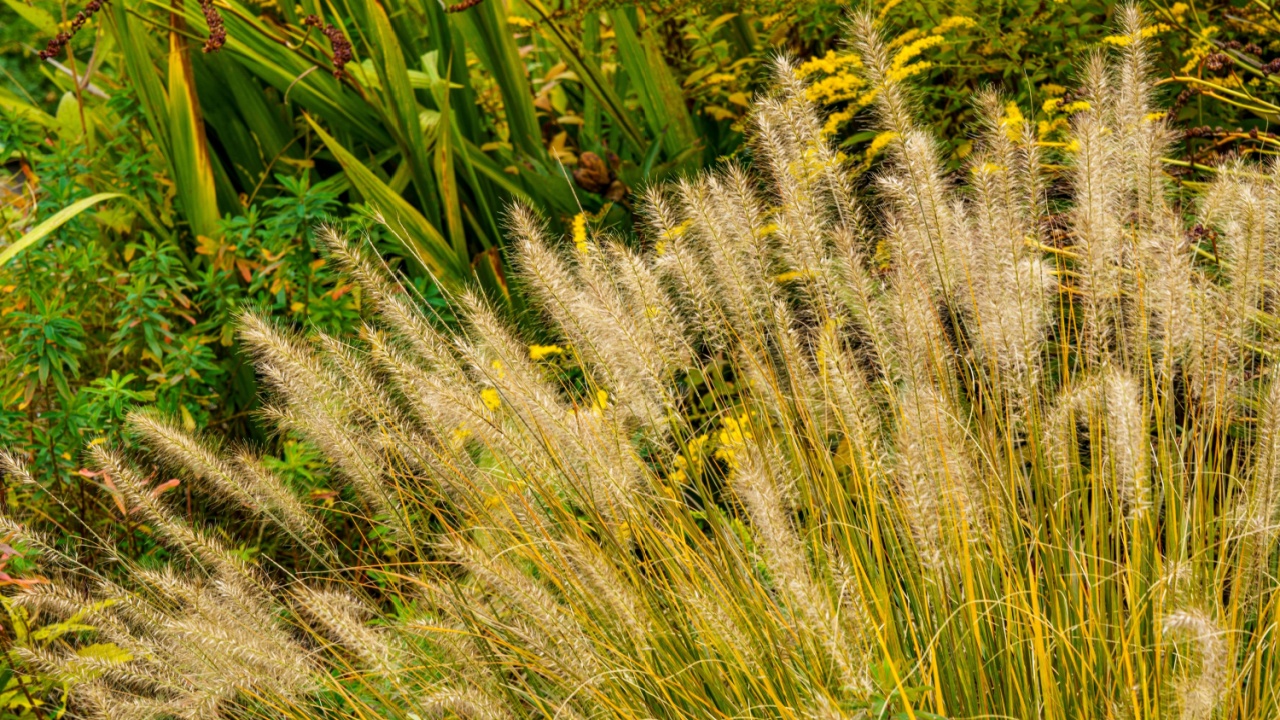
Image Credit: Shutterstock.
Grasses like Pampas Grass, Miscanthus, and Fountain Grass add texture and movement to a garden, but their height and clumping nature can be problematic. The dense base of these grasses traps moisture and creates a sheltered zone. Ticks climb the long blades, waiting at the perfect height to latch onto a person or pet brushing past. This behavior, known as “questing,” is made easy by tall grasses.
- Why it’s a problem: Tall blades provide a ladder for ticks to reach passing hosts, while the dense base offers a humid hiding spot.
- What to plant instead: Opt for shorter ornamental grasses like Little Bluestem or low-growing sedges. These provide a similar aesthetic without the height that gives ticks an advantage.
Quick Facts:
- Problem Plant: Tall Grasses (e.g., Pampas, Fountain Grass)
- Key Issue: Provides “questing” height and ground-level humidity.
- Smarter Alternative: Little Bluestem (Schizachyrium scoparium), Sedges (Carex spp.)
3. Forsythia
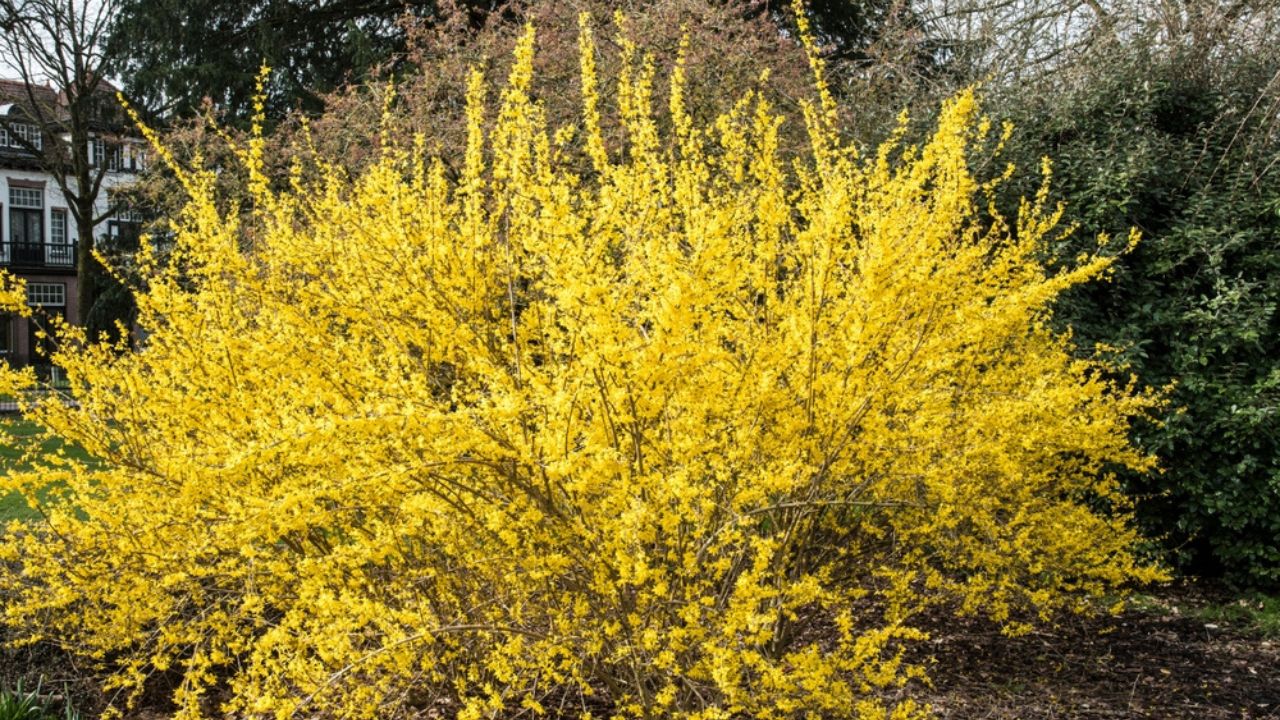
Image Credit: Shutterstock.
The cheerful yellow blooms of Forsythia are a classic sign of spring. Unfortunately, its arching branches and dense growth habit form thickets that are highly attractive to ticks. When left unpruned, Forsythia creates a dark, moist, and protected space underneath, which is exactly what ticks need to survive and reproduce.
- Why it’s a problem: Its dense, thicket-forming nature traps humidity and limits sunlight, creating a perfect tick habitat.
- What to plant instead: Winter Jasmine (Jasminum nudiflorum) offers similar early yellow flowers but has a more open, vining growth habit. This structure allows for better air circulation and sunlight penetration, making it less hospitable for ticks.
Quick Facts:
- Problem Plant: Forsythia
- Key Issue: Forms dense thickets that create shade and retain moisture.
- Smarter Alternative: Winter Jasmine (Jasminum nudiflorum)
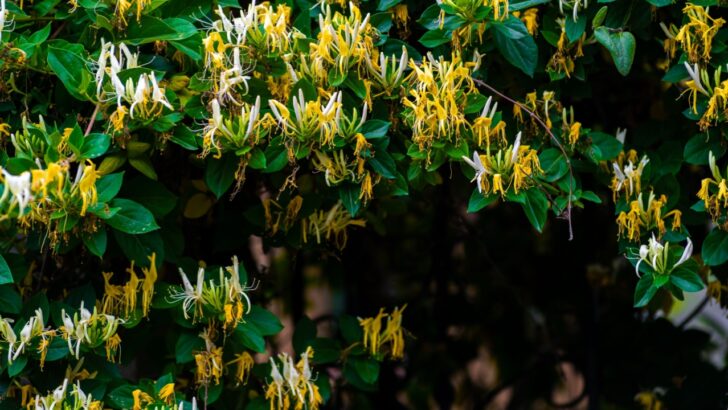
4. Japanese Honeysuckle
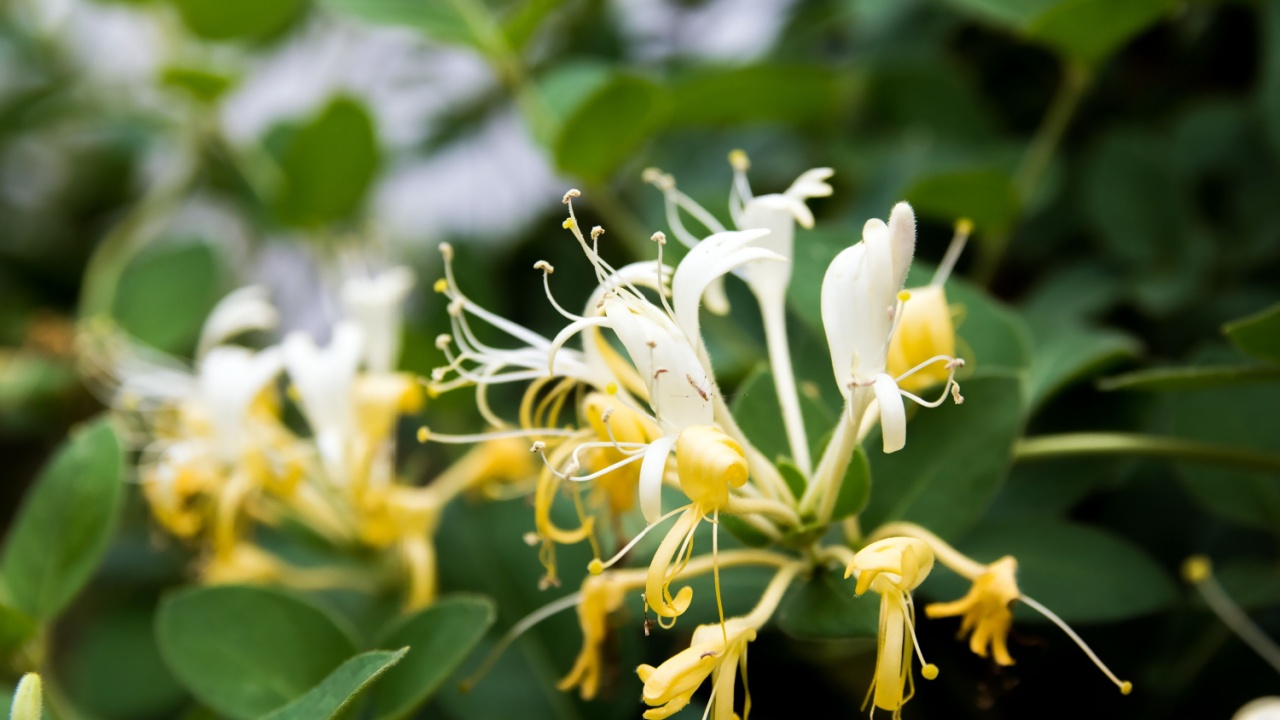
Image Credit: Shutterstock.
While its fragrance is intoxicating, Japanese Honeysuckle is an aggressive, invasive vine. It forms dense, tangled mats of vegetation on the ground and over other plants, trapping moisture and creating an expansive, sheltered environment for ticks. These mats also provide cover for rodents and other small animals that transport ticks.
- Why it’s a problem: This invasive vine creates thick ground cover that is a superhighway for ticks, keeping the ground moist and protected.
- What to plant instead: Choose the native Trumpet Honeysuckle (Lonicera sempervirens). It provides beautiful tubular flowers that attract hummingbirds, but is not invasive and has a much more manageable growth habit that doesn’t create the same tick-friendly thickets.
Quick Facts:
- Problem Plant: Japanese Honeysuckle (Lonicera japonica)
- Key Issue: Invasive growth forms dense, humid mats ideal for ticks.
- Smarter Alternative: Trumpet Honeysuckle (Lonicera sempervirens)
5. Pachysandra

Image Credit: Shutterstock.
Pachysandra is a go-to groundcover for shady areas, prized for its ability to form a lush, evergreen carpet. This same quality makes it a prime habitat for ticks. The dense layer of leaves shades the soil completely, trapping moisture and creating a continuously humid environment where ticks can thrive without fear of drying out.
- Why it’s a problem: It’s dense, carpet-like growth blocks sun and air, maintaining high humidity at the soil level.
- What to plant instead: Sweet Woodruff (Galium odoratum) is a great alternative. It spreads to form a groundcover but has a more delicate, airy structure that allows for better air circulation and light penetration, making the environment less suitable for ticks.
Quick Facts:
- Problem Plant: Pachysandra (Japanese Spurge)
- Key Issue: Creates a dense, humid carpet perfect for tick survival.
- Smarter Alternative: Sweet Woodruff (Galium odoratum)
6. English Ivy

Image Credit: Depositphotos.com.
English Ivy is another popular groundcover that can quickly become a tick paradise. Its thick, overlapping leaves create a sheltered, moist environment. When it climbs walls or trees, it provides a vertical ladder for ticks, allowing them to quest for hosts at various heights. The dense cover also offers a perfect hiding place for mice and other tick-carrying rodents.
- Why it’s a problem: Ivy provides both ground-level humidity and vertical pathways for ticks to climb and spread.
- What to plant instead: Consider Creeping Myrtle (Vinca minor). While still a vigorous groundcover, its smaller leaves and less dense habit allow for more airflow and light at ground level, creating a drier, less favorable environment for ticks.
Quick Facts:
- Problem Plant: English Ivy (Hedera helix)
- Key Issue: Dense, layered growth creates humid conditions and tick ladders.
- Smarter Alternative: Creeping Myrtle (Vinca minor)
7. Bamboo
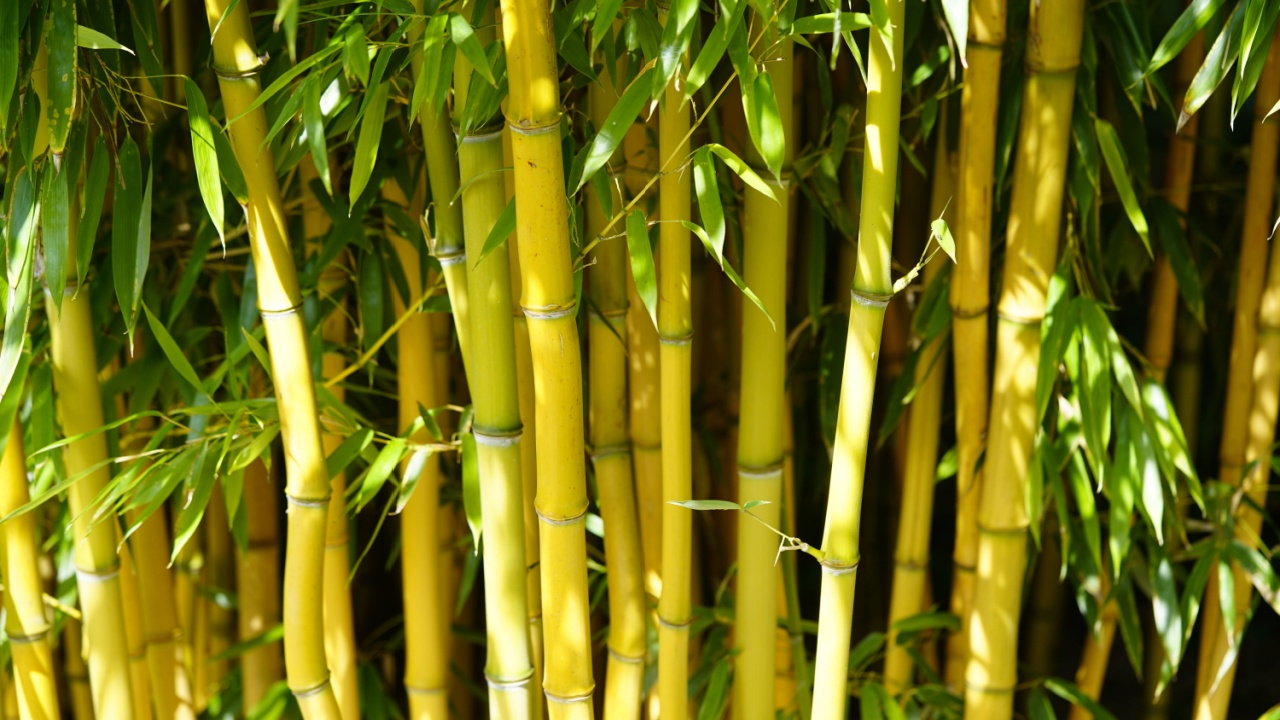
Image Credit: Shutterstock.
Whether you choose a running or clumping variety, bamboo groves can become major tick hotspots. The dense stand of canes and the thick layer of leaf litter that accumulates at the base create a permanently humid and protected zone. This environment is ideal for ticks to breed and hide. Deer, which are major tick carriers, are also attracted to bamboo shoots.
- Why it’s a problem: The dense canes and leaf litter create a shaded, moist microclimate perfect for tick survival and reproduction.
- What to plant instead: For a similar vertical screen effect, plant native Switchgrass (Panicum virgatum). It grows in upright clumps but has a more open structure that allows sunlight and air to reach the ground, discouraging ticks.
Quick Facts:
- Problem Plant: Bamboo
- Key Issue: Forms dense groves with heavy leaf litter, creating a tick nursery.
- Smarter Alternative: Switchgrass (Panicum virgatum)
8. Wisteria
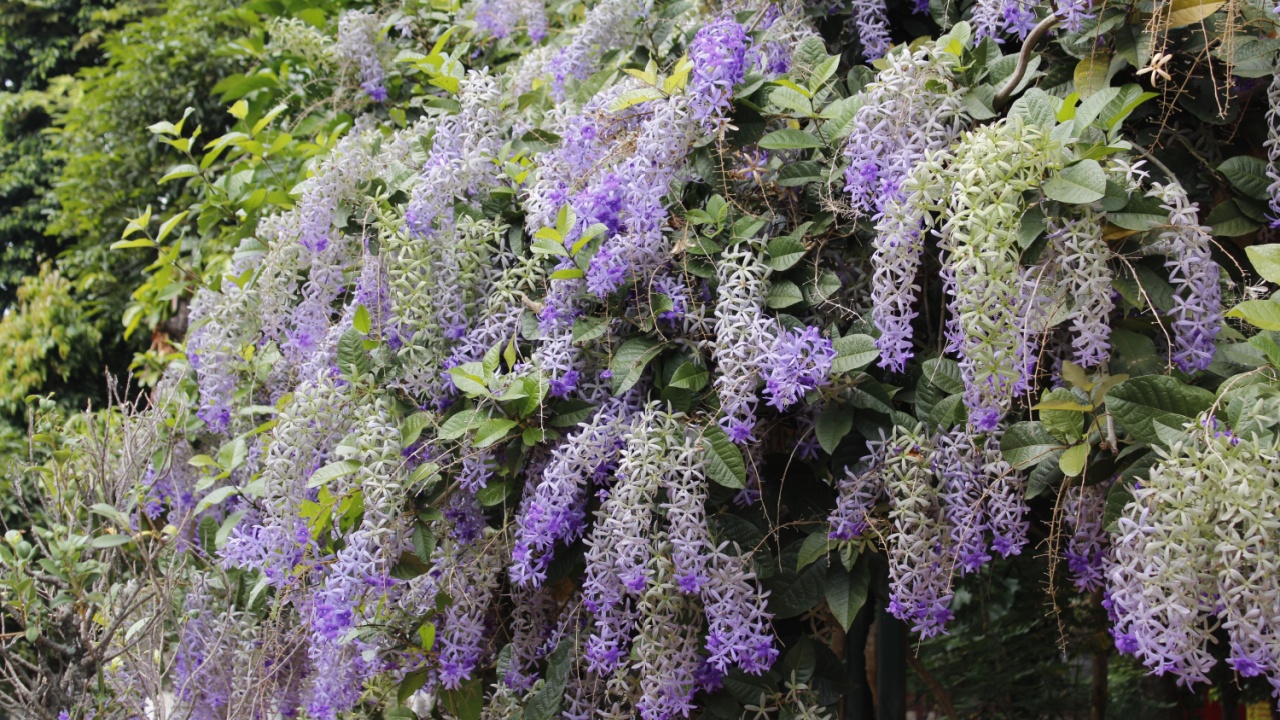
Image Credit: Shutterstock.
Known for its stunning, fragrant cascades of purple or white flowers, wisteria is a beautiful but powerful vine. Its dense canopy of leaves and tangled vines creates deep shade and high humidity underneath. The draping vines can also act as ladders, allowing ticks to position themselves at the perfect height to grab onto you or your pets as you walk by.
- Why it’s a problem: The thick, woody vines and dense foliage create a shaded, moist area underneath and provide questing ladders for ticks.
- What to plant instead: American Bittersweet (Celastrus scandens) is a native vine that offers beautiful fall color with its orange berries. Its growth is more open, allowing for better airflow and making it a less ideal home for ticks. Be sure to plant a native variety, as the Oriental version is invasive.
Quick Facts:
- Problem Plant: Wisteria
- Key Issue: Dense canopy and draping vines create shade, humidity, and tick ladders.
- Smarter Alternative: American Bittersweet (Celastrus scandens)
9. Rhododendron
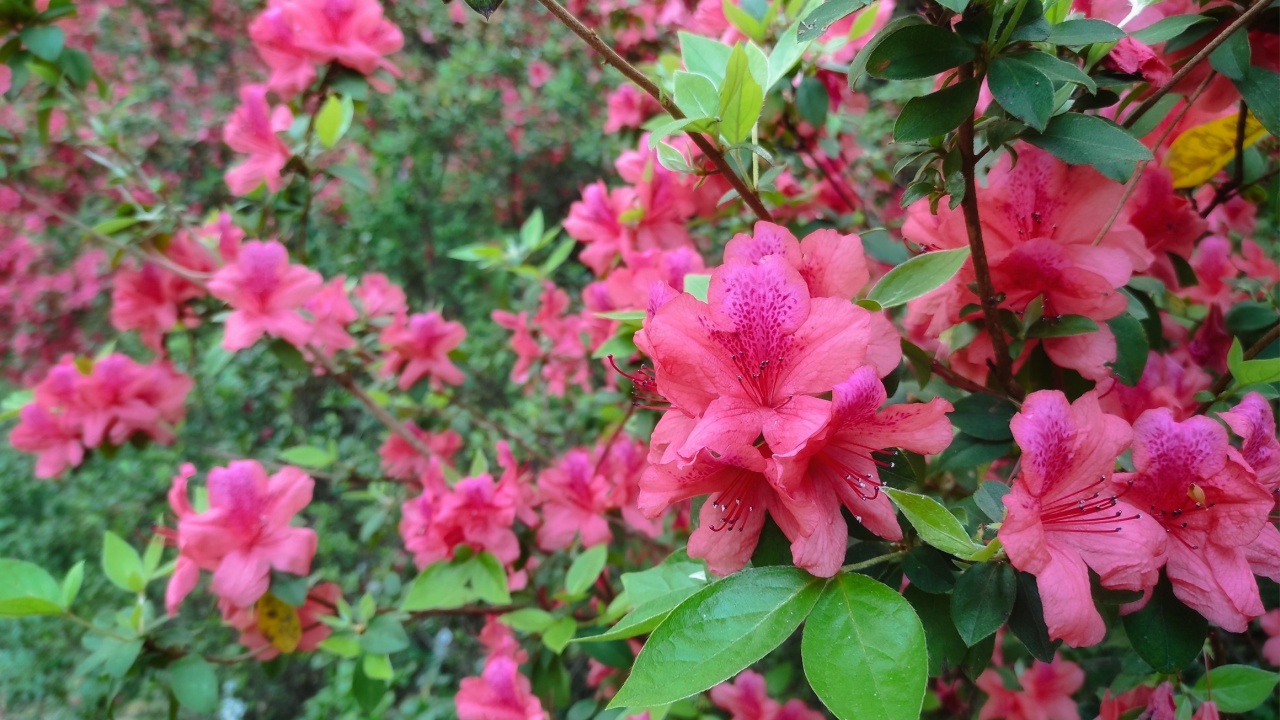
Image Credit: Shutterstock.
These broadleaf evergreen shrubs are staples in many gardens. However, their large leaves and dense branching structure create a sheltered umbrella over the ground. This canopy traps moisture and humidity, providing a stable, protected environment for ticks, especially during hot, dry weather.
- Why it’s a problem: The dense canopy of large leaves creates a humid, protected microclimate underneath.
- What to plant instead: Mountain Laurel (Kalmia latifolia) is a beautiful native alternative. While also an evergreen, its growth habit is typically more upright and open, allowing more light and air to circulate beneath its branches, making it less attractive to ticks.
Quick Facts:
- Problem Plant: Rhododendron
- Key Issue: Large leaves and dense form create a humid zone beneath the plant.
- Smarter Alternative: Mountain Laurel (Kalmia latifolia)
10. Hostas
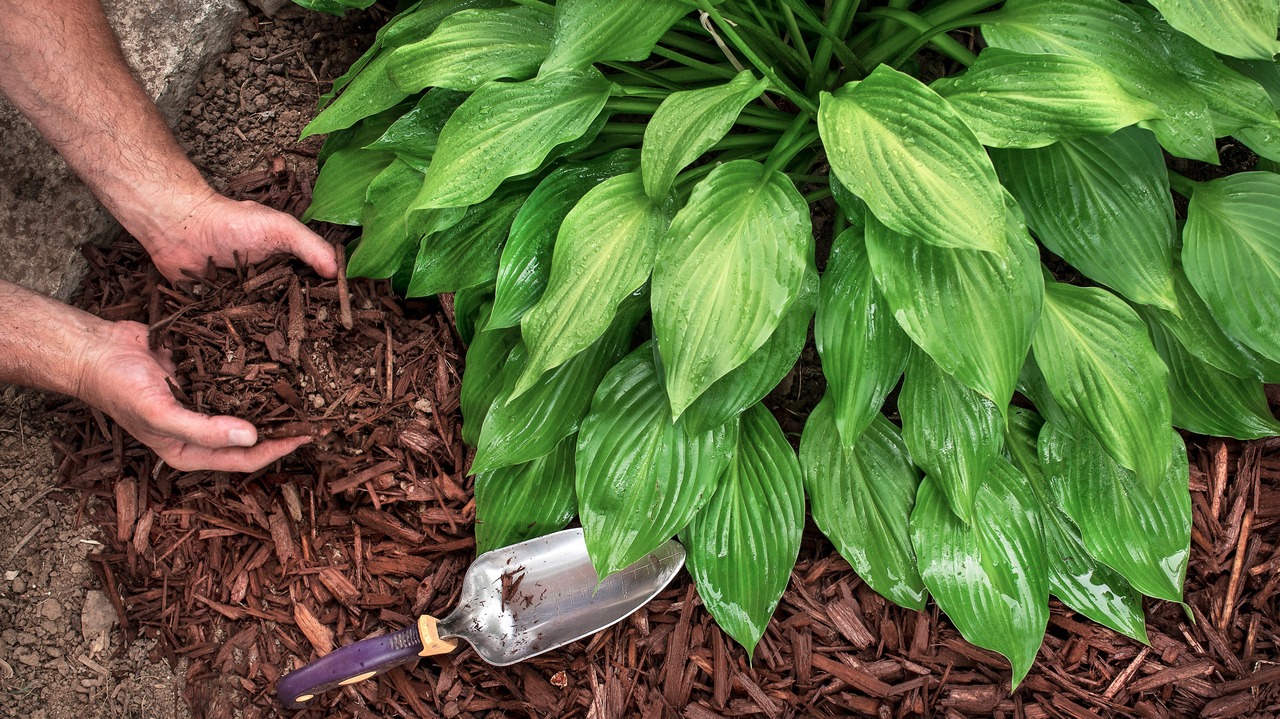
Image Credit: Shutterstock.
Hostas are the undisputed kings of the shade garden, but their broad, overlapping leaves create the perfect shelter for ticks. A bed of hostas forms a continuous canopy just above the ground, trapping moisture and blocking sunlight. This cool, damp environment is a five-star resort for ticks and the small creatures that carry them.
- Why it’s a problem: The large, overlapping leaves maintain high humidity at the soil level, ideal for tick survival.
- What to plant instead: Coral Bells (Heuchera) offer a stunning variety of foliage colors but grow in clumps with a more open habit. The space between plants allows for better airflow and sunlight, creating a drier environment that ticks avoid.
Quick Facts:
- Problem Plant: Hosta
- Key Issue: Broad leaves create a damp, shaded environment at ground level.
- Smarter Alternative: Coral Bells (Heuchera)
11. Miscanthus Grass
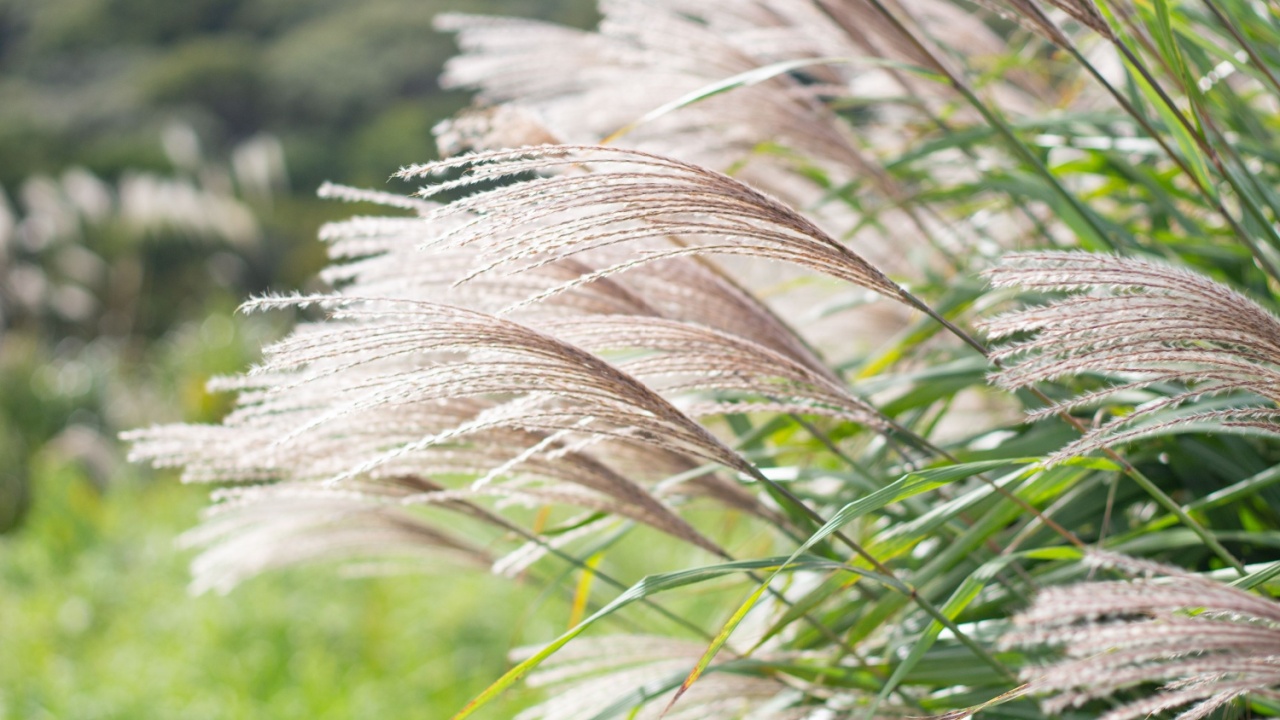
Image Credit: Shutterstock.
Often called Silver Grass, Miscanthus is a popular tall ornamental grass. Like other tall grasses, its dense clumping habit provides an ideal habitat for ticks. The base of the plant remains moist and sheltered, while the tall blades give ticks a perfect perch to wait for a host.
- Why it’s a problem: The combination of a humid base and tall blades makes it a prime “questing” ground for ticks.
- What to plant instead: Little Bluestem (Schizachyrium scoparium) is an excellent native grass that offers beautiful blue-green summer foliage and reddish fall color. Its form is more open and airy, reducing the humidity at its base.
Quick Facts:
- Problem Plant: Miscanthus Grass (Miscanthus sinensis)
- Key Issue: Tall, dense clumps provide humidity and questing opportunities.
- Smarter Alternative: Little Bluestem (Schizachyrium scoparium)
12. Cotoneaster
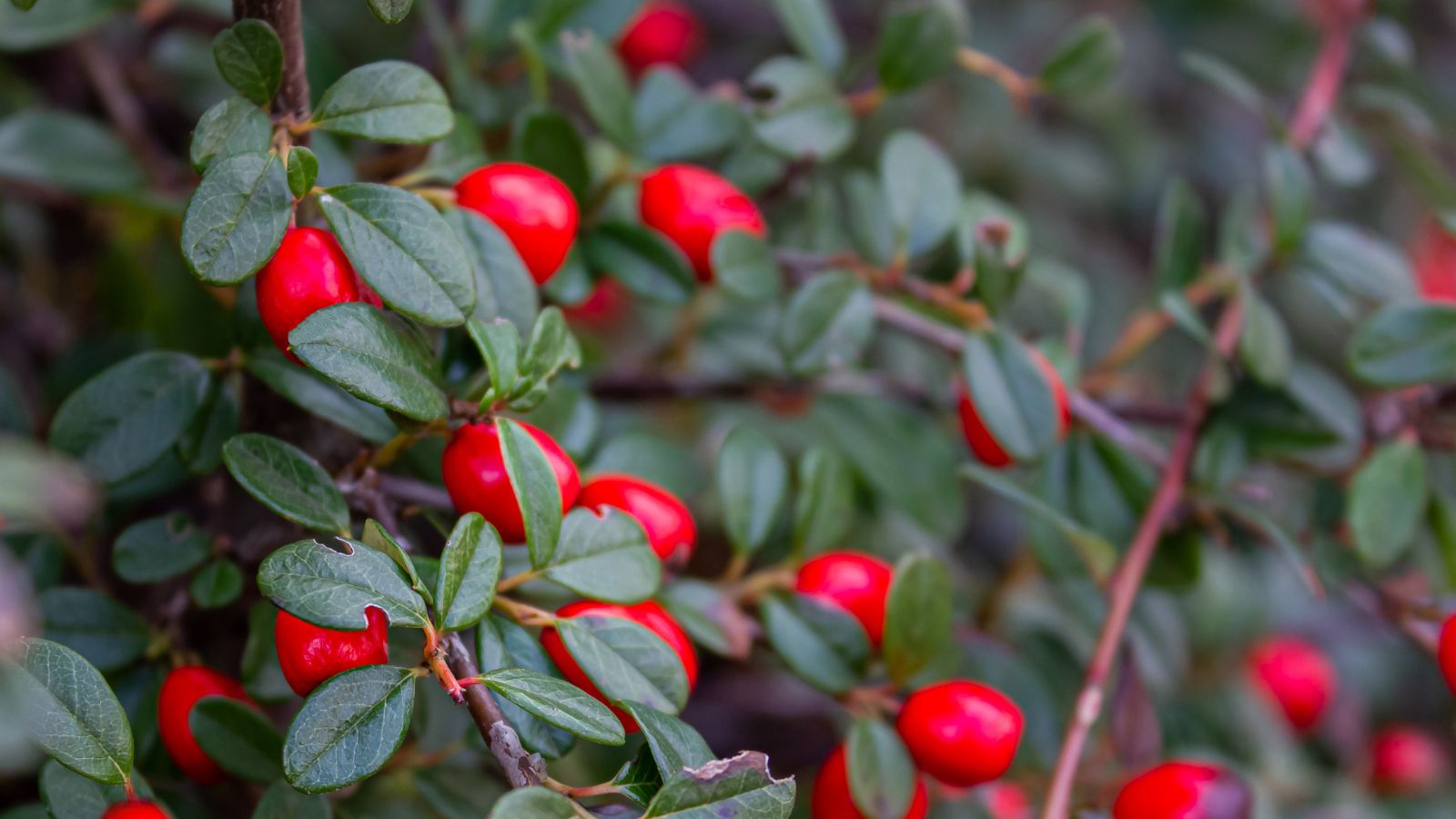
Image Credit: Depositphotos.com.
Often used as a sprawling groundcover or low hedge, Cotoneaster’s dense, crisscrossing branches create a protected tunnel system for small mammals. This, combined with the dense foliage that traps moisture, makes it a hotspot for ticks. Ticks can easily find shelter and hosts within the plant’s tangled structure.
- Why it’s a problem: The low, dense, and tangled branches create sheltered pathways for tick-carrying animals and retain ground moisture.
- What to plant instead: Bearberry (Arctostaphylos uva-ursi) is a native, low-growing groundcover that also has red berries. Its growth is more open, and its smaller leaves allow for better air circulation, making it a less suitable home for ticks.
Quick Facts:
- Problem Plant: Cotoneaster
- Key Issue: Tangled, low-growing branches provide cover and trap moisture.
- Smarter Alternative: Bearberry (Arctostaphylos uva-ursi)
13. Lamb’s Ear
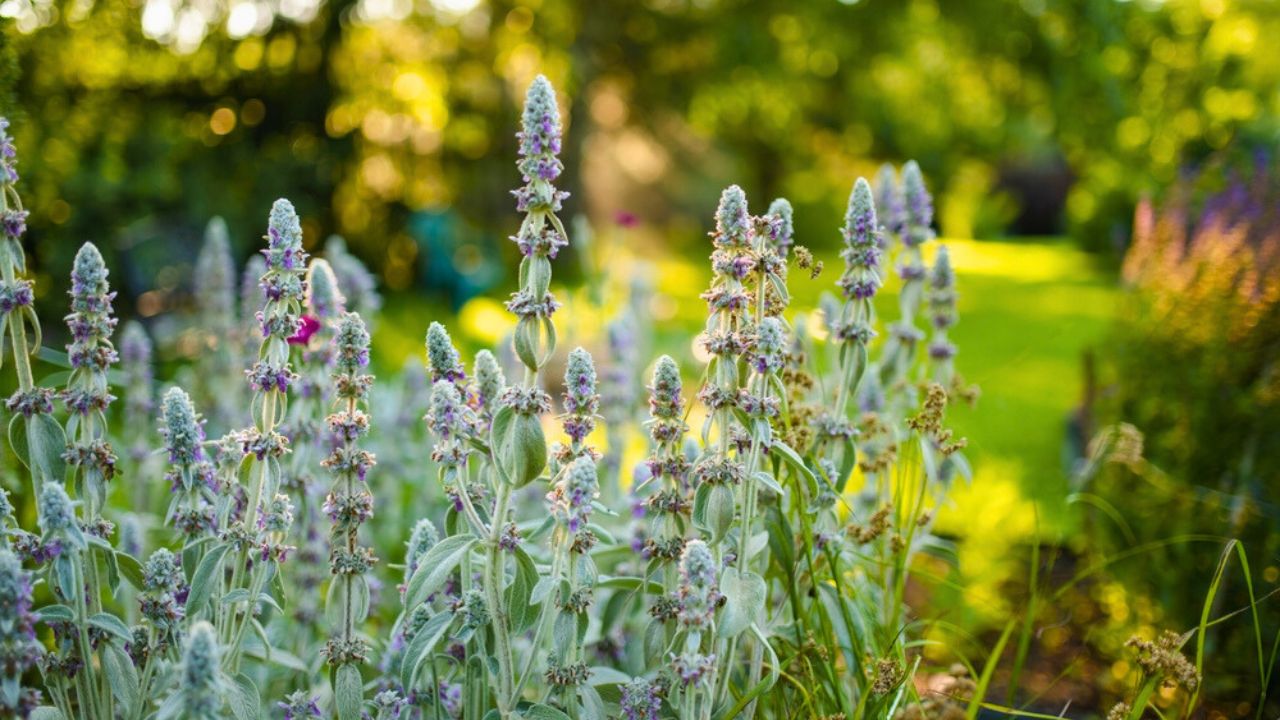
Image Credit: Shutterstock.
Valued for its soft, fuzzy, silver-gray leaves, Lamb’s Ear forms a dense mat over the soil. The fuzzy leaves are excellent at trapping dew and rainwater, creating a persistently humid layer right at ground level. This moisture is essential for ticks, especially during their larval and nymph stages.
- Why it’s a problem: The fuzzy, overlapping leaves form a dense, moisture-trapping mat on the ground.
- What to plant instead: For similar silvery foliage, try Russian Sage (Perovskia atriplicifolia). It has an upright, airy growth habit that promotes excellent air circulation and thrives in sunny, dry conditions that ticks hate. Its aromatic foliage may also help repel pests.
Quick Facts:
- Problem Plant: Lamb’s Ear (Stachys byzantina)
- Key Issue: Fuzzy leaves trap moisture and create a humid ground layer.
- Smarter Alternative: Russian Sage (Perovskia atriplicifolia)
14. Periwinkle
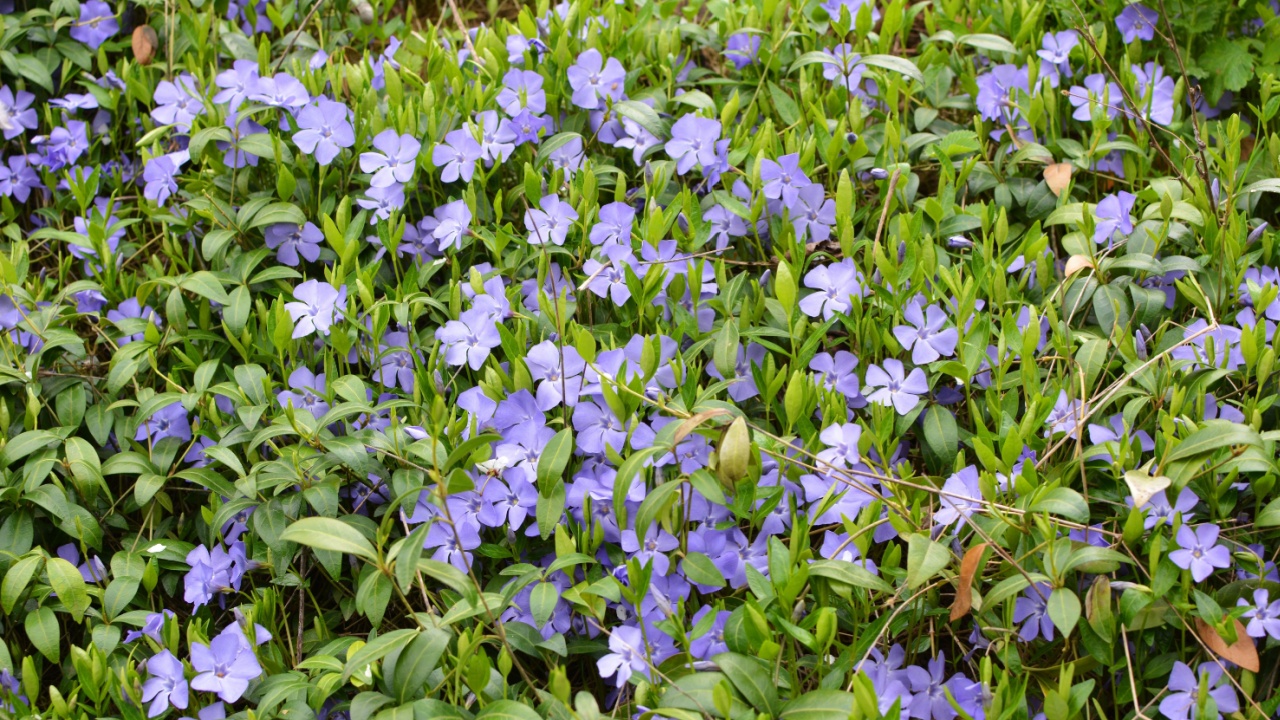
Image Credit: Shutterstock.
Also known as Vinca or Creeping Myrtle, Periwinkle is a fast-spreading groundcover that can create a dense, uniform mat. This uninterrupted layer of foliage traps moisture and provides a vast, protected area for ticks to live and move around. As it spreads, it effectively creates a tick-friendly blanket across your garden beds.
- Why it’s a problem: Forms a dense, moisture-retaining mat that serves as a massive tick habitat.
- What to plant instead: Creeping Thyme makes a fantastic groundcover, especially in sunny areas. It is low-growing but allows for more airflow. As a bonus, its aromatic oils are known to repel ticks, making it an actively beneficial choice.
Quick Facts:
- Problem Plant: Periwinkle (Vinca minor)
- Key Issue: Spreads into a dense, humid mat that harbors ticks.
- Smarter Alternative: Creeping Thyme (Thymus serpyllum)
15. Oakleaf Hydrangea
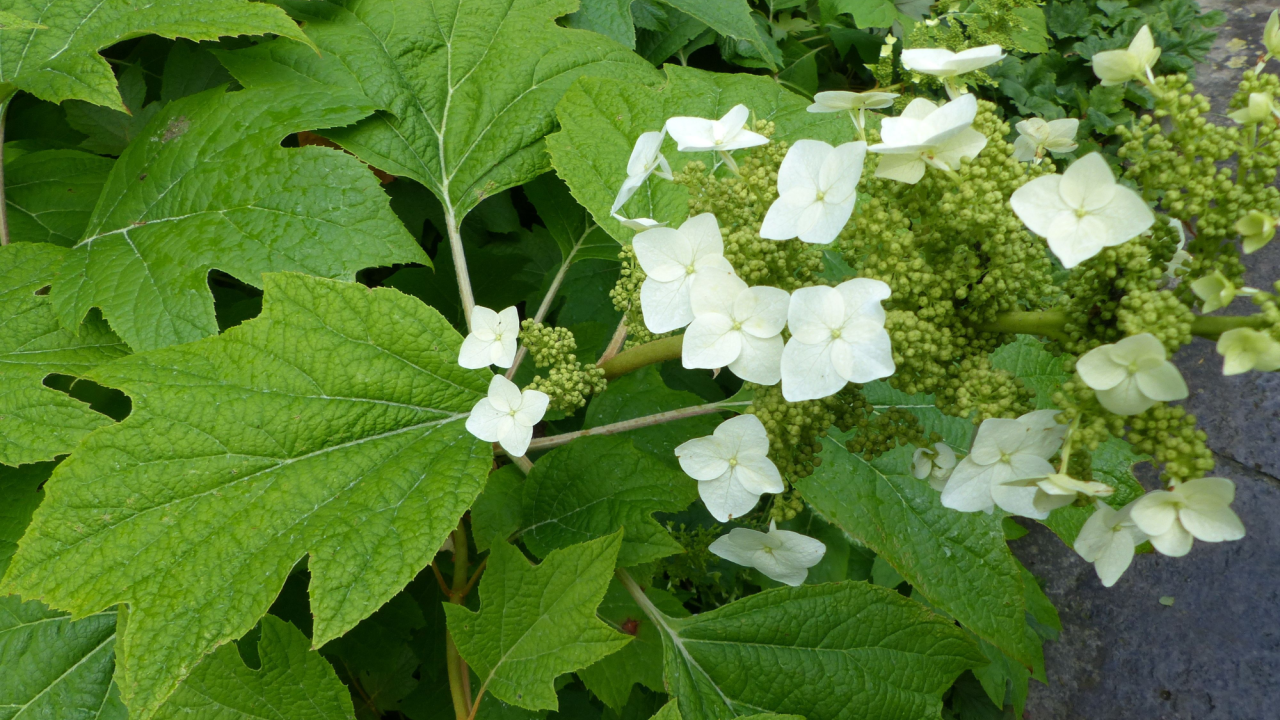
Image Credit: Shutterstock.
With its large, oak-like leaves and big summer blooms, the Oakleaf Hydrangea is a stunning shrub. However, its large leaves and multi-stemmed, dense growth habit create a shady, moist environment underneath. The decomposing leaves that fall to the base also add to the leaf litter that ticks love to hide in.
- Why it’s a problem: The combination of large leaves, dense branching, and accumulated leaf litter creates a perfect tick shelter.
- What to plant instead: Try Smooth Hydrangea (Hydrangea arborescens), like the popular ‘Annabelle’ variety. It has a more open structure and its leaves are less coarse, providing fewer hiding spots and allowing for better airflow.
Quick Facts:
- Problem Plant: Oakleaf Hydrangea (Hydrangea quercifolia)
- Key Issue: Large leaves and dense growth create shade and trap moisture.
- Smarter Alternative: Smooth Hydrangea (Hydrangea arborescens)
16. Ferns
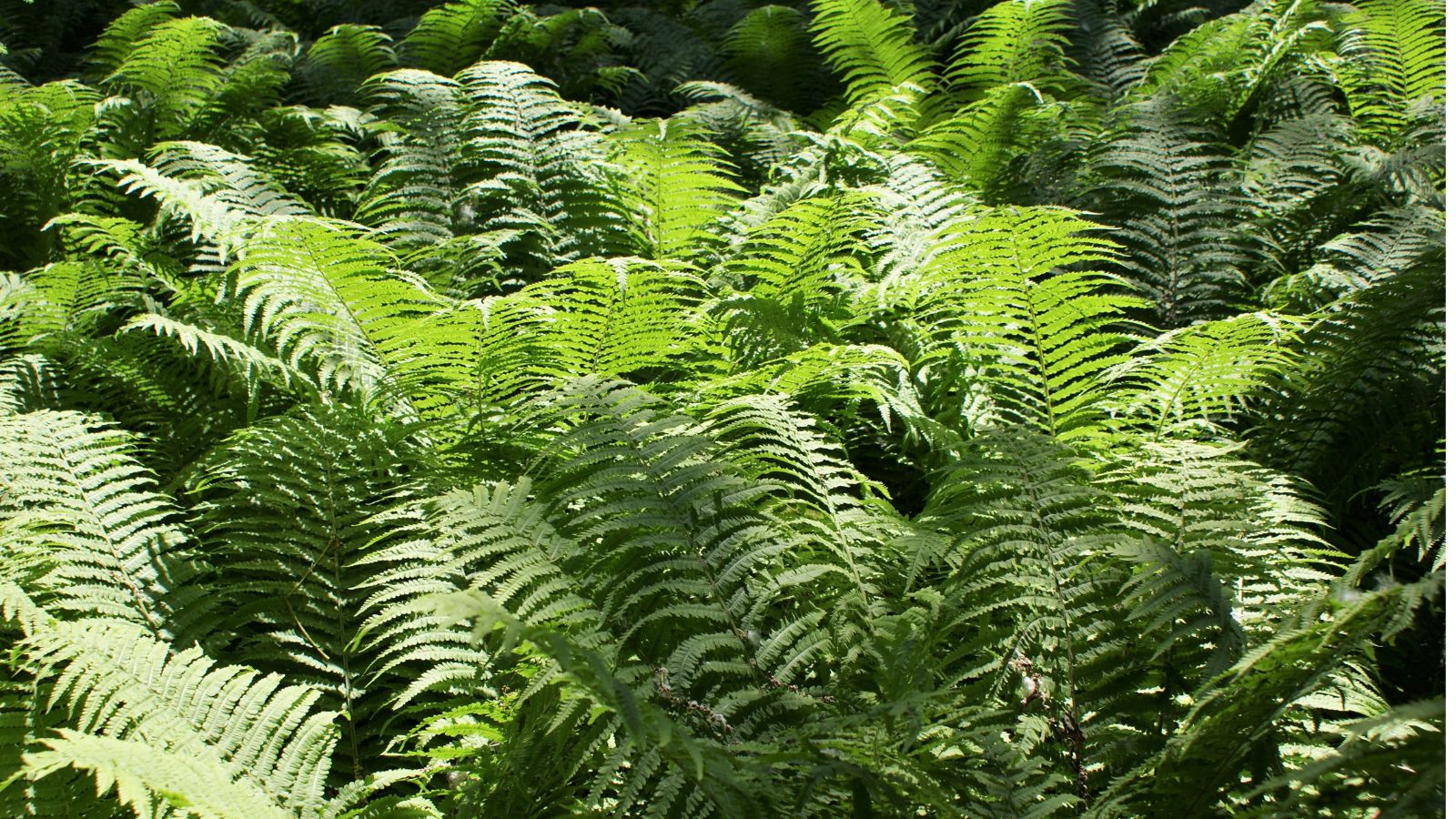
Image Credit: Krzysztof Ziarnek, Kenraiz – Own work, CC BY-SA 4.0/Wiki Commons.
Many fern varieties, especially those that form dense colonies like Ostrich Fern or Hay-scented Fern, create ideal tick habitats. Their layered fronds provide multiple levels of shade and protection, while their preference for moist, shady areas means the ground beneath them is always damp.
- Why it’s a problem: The layered fronds and high moisture requirements create a cool, damp, and shaded environment perfect for ticks.
- What to plant instead: Christmas Fern (Polystichum acrostichoides) is a better choice. It grows in distinct clumps rather than spreading into a dense colony and has a more upright, leathery texture, which allows for better air circulation around the base of the plant.
Quick Facts:
- Problem Plant: Dense, spreading Ferns
- Key Issue: Create a multi-layered, moist, and shaded environment.
- Smarter Alternative: Christmas Fern (Polystichum acrostichoides)
17. Mugwort
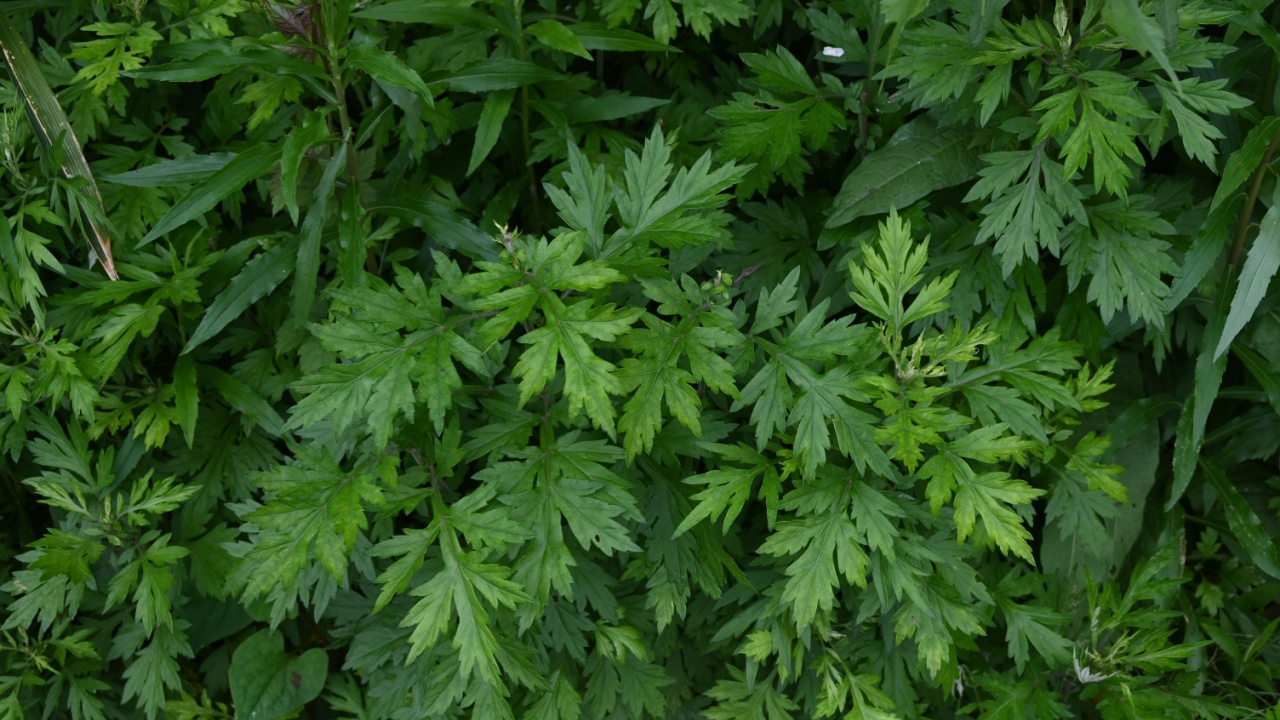
Image Credit: Shutterstock.
Mugwort is an invasive weed, but it often goes unnoticed in the wilder parts of a yard. It grows into dense stands with layered foliage, trapping moisture and providing excellent cover for ticks and small animals. Its aggressive spreading nature means a small patch can quickly become a large tick-infested area.
- Why it’s a problem: This invasive weed forms dense, humid stands that are perfect breeding grounds for ticks.
- What to plant instead: Remove mugwort and plant Yarrow (Achillea millefolium) instead. Yarrow has feathery foliage and thrives in the same sunny, disturbed areas as mugwort. It contains natural compounds that may help repel ticks and has a more open growth habit.
Quick Facts:
- Problem Plant: Mugwort (Artemisia vulgaris)
- Key Issue: Invasive growth creates dense, humid patches that harbor ticks.
- Smarter Alternative: Yarrow (Achillea millefolium)
18. Euonymus
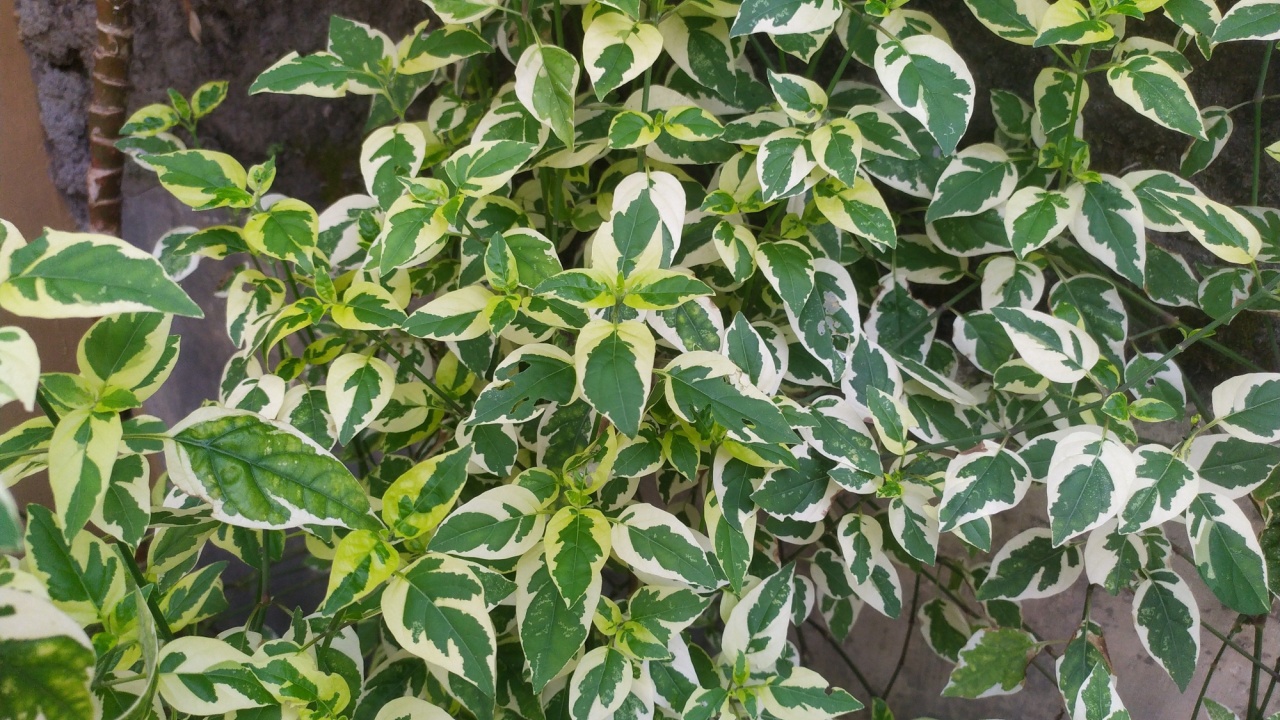
Image Credit: Shutterstock.
Often called Wintercreeper, many varieties of Euonymus are used as groundcovers or climbing vines. Much like English Ivy and Pachysandra, sprawling Euonymus forms a dense mat that suffocates the ground, preventing it from drying out. This creates a perpetually damp environment that is highly favorable for tick survival.
- Why it’s a problem: Forms a thick, moisture-trapping groundcover that is an ideal habitat for ticks to hide and breed.
- What to plant instead: For a tough groundcover in a difficult spot, try Allegheny Spurge (Pachysandra procumbens). Unlike its Japanese cousin, this native variety is a clumping plant, not a dense mat-former. This allows for space and airflow between plants, reducing humidity.
Quick Facts:
- Problem Plant: Wintercreeper (Euonymus fortunei)
- Key Issue: Creates a dense, evergreen mat that traps moisture.
- Smarter Alternative: Allegheny Spurge (Pachysandra procumbens)
19. Daylilies
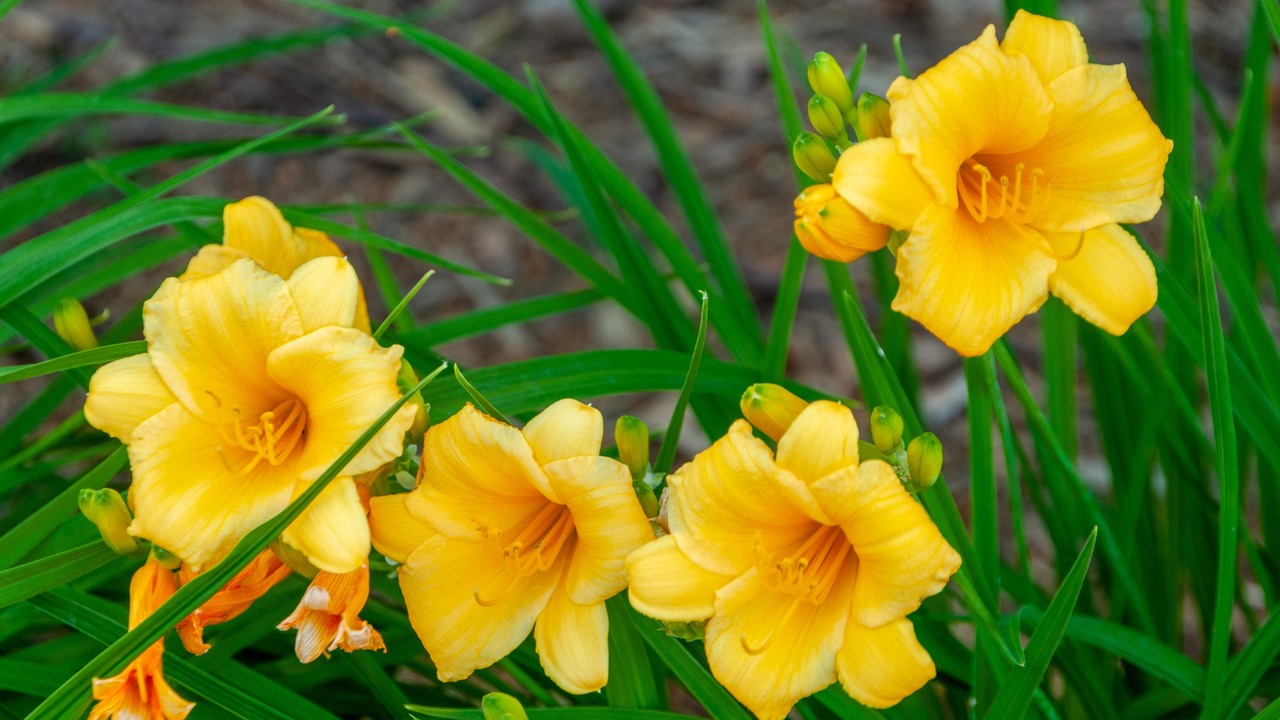
Image Credit: Shutterstock.
Daylilies are incredibly popular and easy to grow, but when planted densely, their overlapping, arching foliage creates a humid microclimate at the base of the plants. After they finish blooming, the foliage can become even denser and floppier, increasing the shade and moisture on the ground. The thick clumps also provide excellent cover for mice.
- Why it’s a problem: Dense clumps of foliage trap moisture and provide shelter for ticks and the small mammals that carry them.
- What to plant instead: Consider Black-Eyed Susans (Rudbeckia). They provide a similar burst of summer color but have an upright, open growth habit that allows plenty of sun and air to reach the base of the plant, keeping the area drier and less friendly to ticks.
Quick Facts:
- Problem Plant: Daylily (Hemerocallis)
- Key Issue: Dense, arching foliage creates a moist, sheltered base.
- Smarter Alternative: Black-Eyed Susan (Rudbeckia hirta)
How to Keep a Tick-Resistant Yard
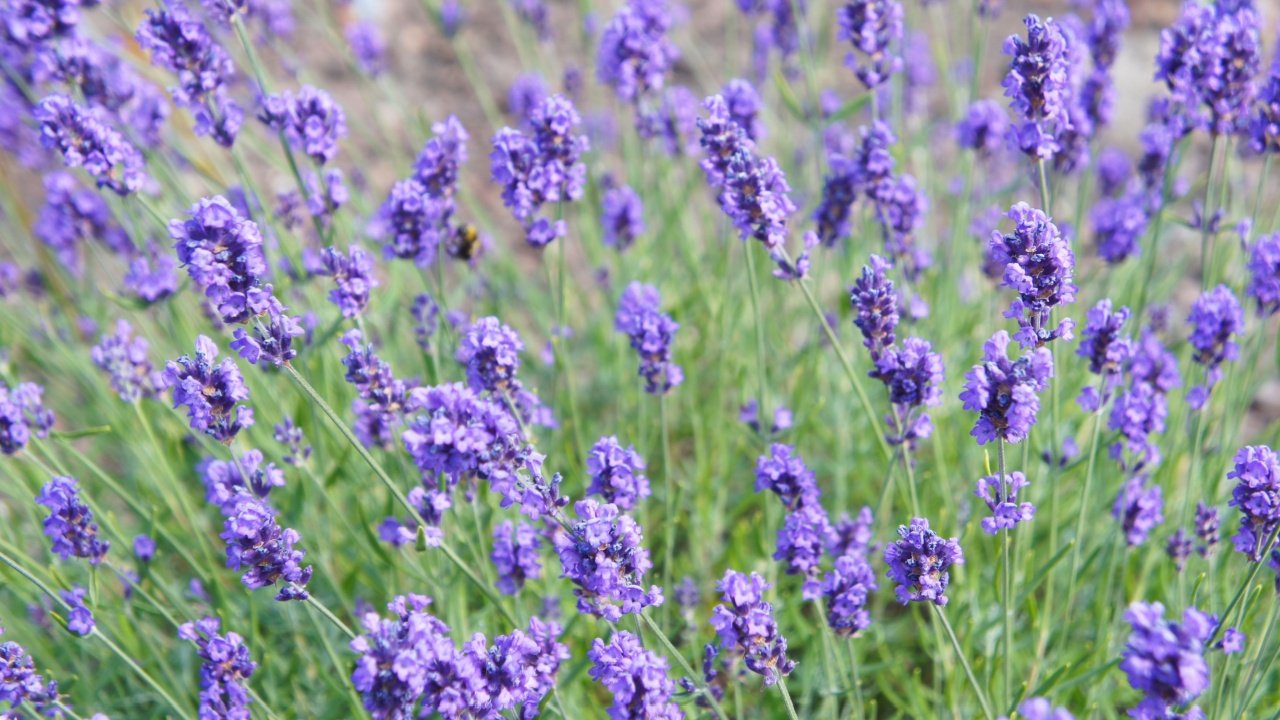
Image Credit: Shutterstock.
Now that you know which plants to avoid, you can take proactive steps to make your garden less inviting to ticks.
- Audit Your Garden: Walk through your yard and identify any of the problem plants listed above, especially if they are located near pathways, patios, or play areas.
- Plan Your Replacements: Before removing any plants, decide on suitable alternatives. Consider plants with aromatic foliage like lavender, rosemary, sage, and mint, as their strong scents can help repel ticks.
- Create Buffer Zones: Maintain a three-foot-wide barrier of wood chips, gravel, or mulch between your lawn and any wooded areas. This creates a dry, inhospitable zone that ticks are reluctant to cross.
- Maintain Your Yard: Keep your lawn mowed, remove leaf litter promptly, and prune shrubs to increase sunlight and airflow. The less damp, shady cover you have, the fewer places ticks will have to hide.
By making thoughtful plant choices and practicing good garden hygiene, you can significantly reduce the tick population in your yard. A beautiful garden should be a place of relaxation, not a source of worry. With these tips, you can create a safer, more enjoyable outdoor space for everyone.