
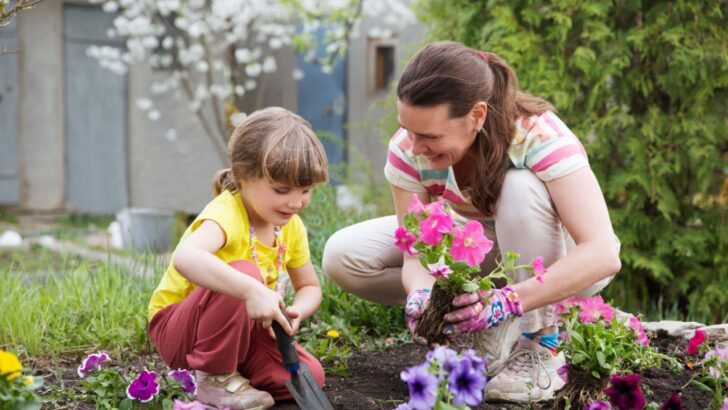
It may feel counterproductive to make plans for planting things when other flora around you is shedding leaves, but November offers a unique window of opportunity for planting. The soil often remains warmer than the air, creating a perfect environment for perennial roots to establish themselves without the stress of summer heat.
Planting now gives them a significant head start, leading to stronger, more resilient plants and a spectacular bloom come springtime. It also helps spread out your garden chores, so you are not overwhelmed when the new season arrives.
With these simple tips, you can confidently add these 14 perennials to your garden this November (of course, always check what’s right for your zone!).
1. Peonies
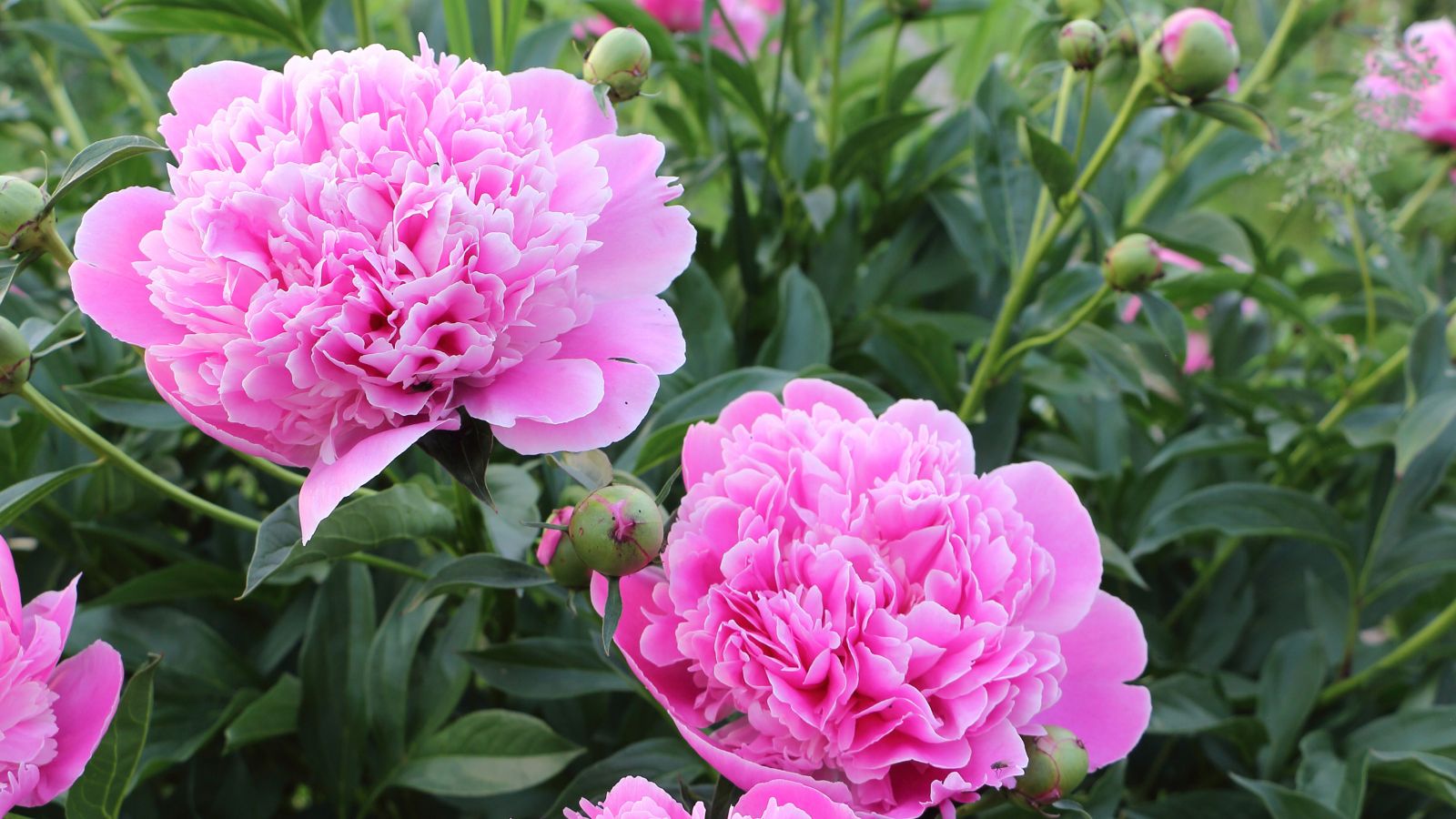
Image Credit: Depositphotos.com.
Peonies are classic garden darlings that truly benefit from a fall planting. These long-lived plants produce large, luxurious blooms in late spring, available in colors from pure white to deep red. Planting them in November gives their tuberous roots ample time to settle in before winter, which is essential for a reliable flower show next year.
Choose a location that receives at least six hours of direct sunlight and has well-drained soil. Peonies dislike “wet feet,” and soggy soil can lead to bud rot. If you have heavy clay, amend the planting area with compost to improve drainage. When planting, ensure the “eyes” or growth buds on the root are no more than one to two inches below the soil surface. Planting them too deeply is a common reason for a lack of blooms.
Quick Look:
- Sunlight: Full sun (6+ hours)
- Soil: Well-drained
- Planting Depth: 1-2 inches for the eyes
- Spacing: 3-4 feet apart
- Tip: Give them a permanent home; peonies resent being moved.
2. Daylilies
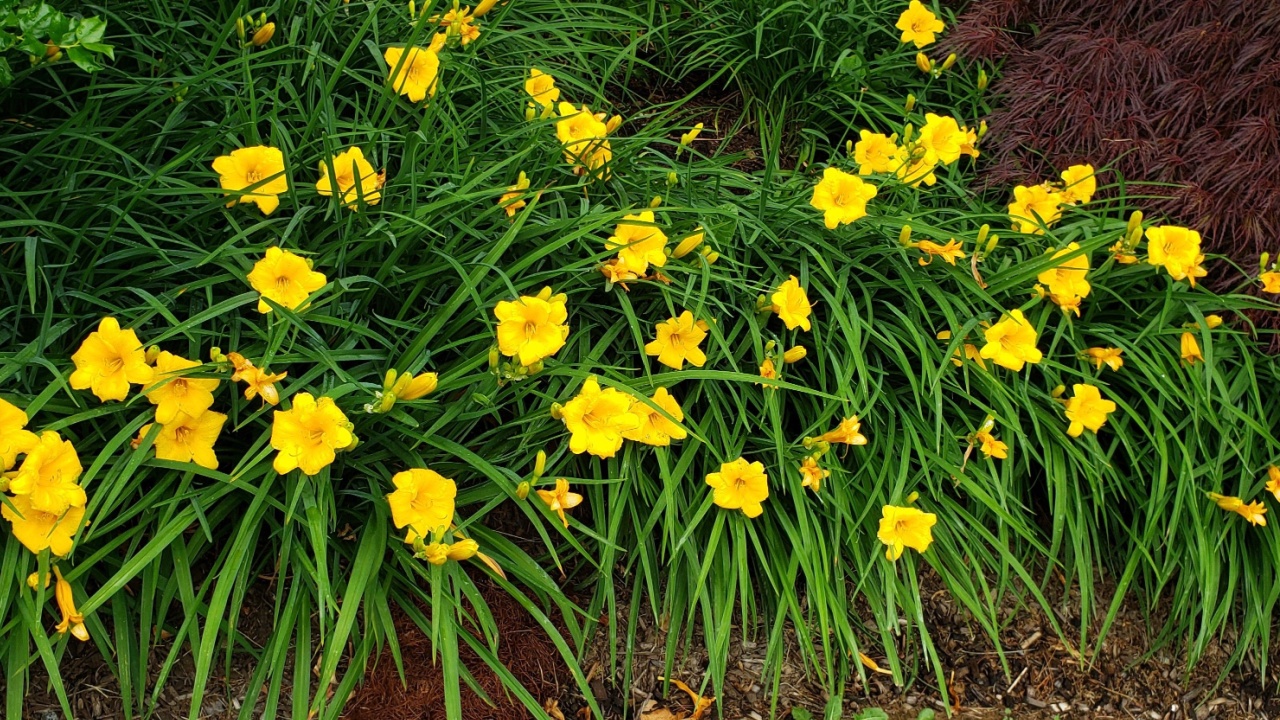
Image Credit: Shutterstock.
Daylilies are wonderfully forgiving perennials, making them a great choice for late-season planting. Their arching, grass-like foliage and trumpet-shaped flowers provide continuous color throughout the summer. Planting in autumn diverts the plant’s energy toward root development, helping it establish a strong foundation before it needs to produce leaves and flowers.
These hardy plants adapt to a wide range of soils but perform best in full sun with good drainage. When planting, create a small mound in the center of the hole. Place the crown on top of the mound and let the roots drape down the sides before backfilling with soil. Water well to eliminate air pockets and top-dress with a layer of compost.
Quick Look:
- Sunlight: Full sun
- Soil: Adaptable, but prefers good drainage
- Spacing: 18-24 inches apart
- Planting Tip: Set the crown right at soil level.
3. Purple Coneflower (Echinacea)
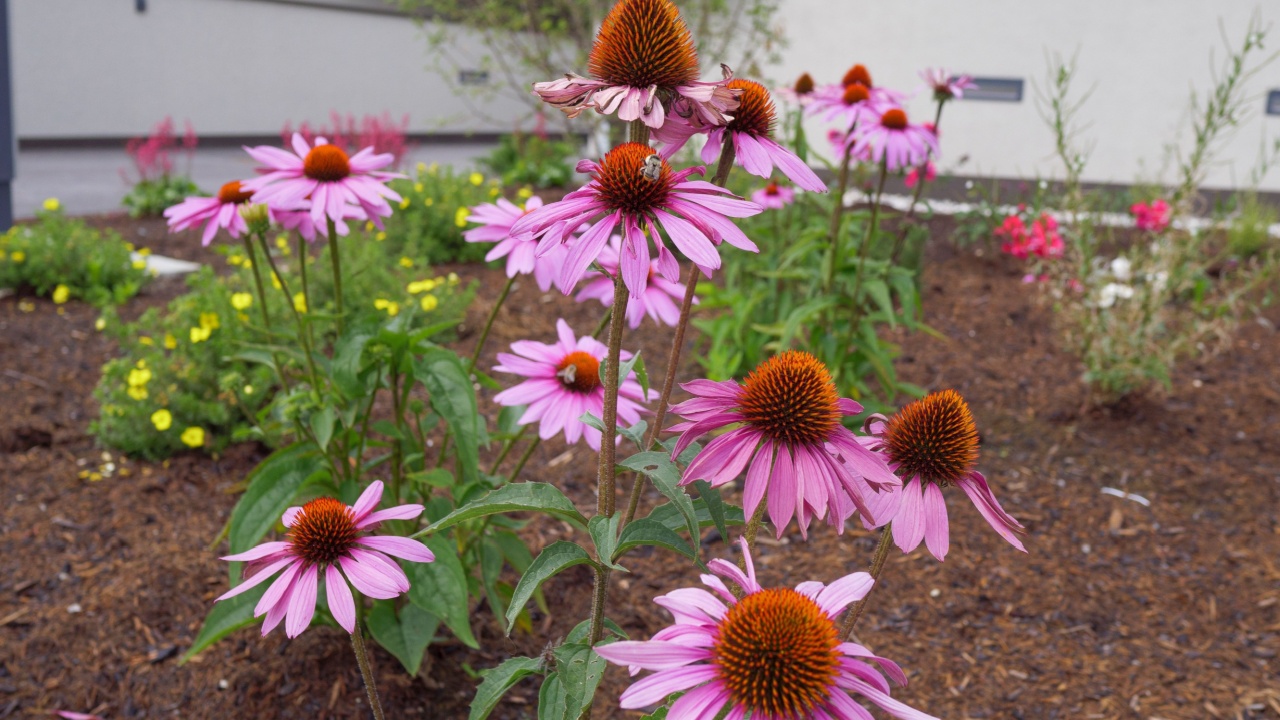
Image Credit: Shutterstock.com.
Purple coneflower is a pollinator favorite, attracting bees and butterflies with its daisy-like petals and prominent central cone. These plants are known for their long bloom time, often from early summer until the first frost. Planting them in November allows their roots to grow quickly in the cool soil, preparing them for the heat and potential drought of the following summer.
Once established, coneflowers are remarkably tough. They thrive in full sun and well-drained soil. Plant them at the same depth as they were in their nursery pot and water deeply. While they need consistent moisture for the first few weeks, they become quite drought-tolerant once their root system is in place.
Quick Look:
- Sunlight: Full sun
- Soil: Well-drained
- Benefit: Attracts pollinators and is heat-tolerant.
- Tip: Leave spent seed heads on the plant over winter to provide food for birds.
4. Black-Eyed Susan (Rudbeckia)
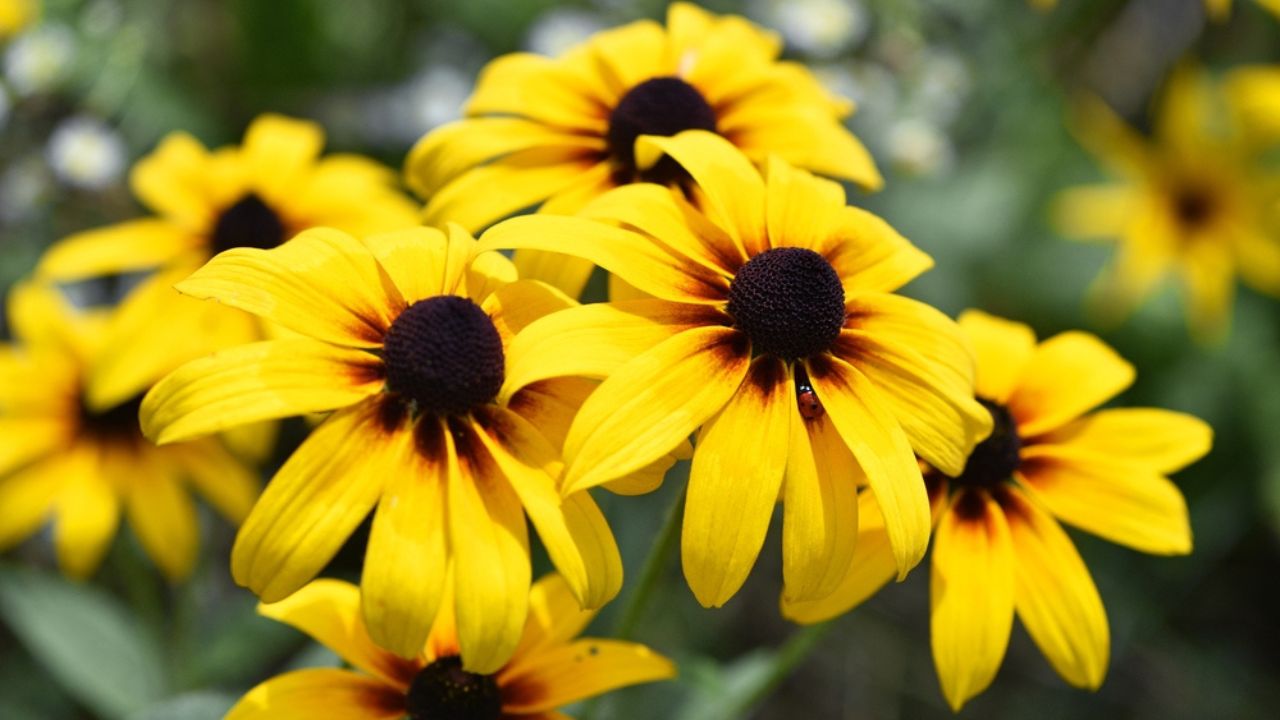
Image Credit: Shutterstock.
With their cheerful golden-yellow petals and dark brown centers, black-eyed Susans bring a burst of sunshine to any garden. They are excellent companions for purple coneflowers. Planting them in the fall helps varieties like ‘Goldsturm’ establish a robust root system, ensuring they rebound with vigor the following summer.
Black-eyed Susans flourish in full sun and well-drained soil. Once established, they can handle brief dry spells. If planting late in the season, be sure to add a generous layer of mulch after the first hard frost to protect the young roots from extreme cold and prevent frost heaving.
Quick Look:
- Sunlight: Full sun
- Soil: Well-drained
- Benefit: Long blooming season and drought tolerance.
- Tip: Deadhead spent flowers for a tidier appearance, or leave them for winter interest and bird food.
5. Coral Bells (Heuchera)
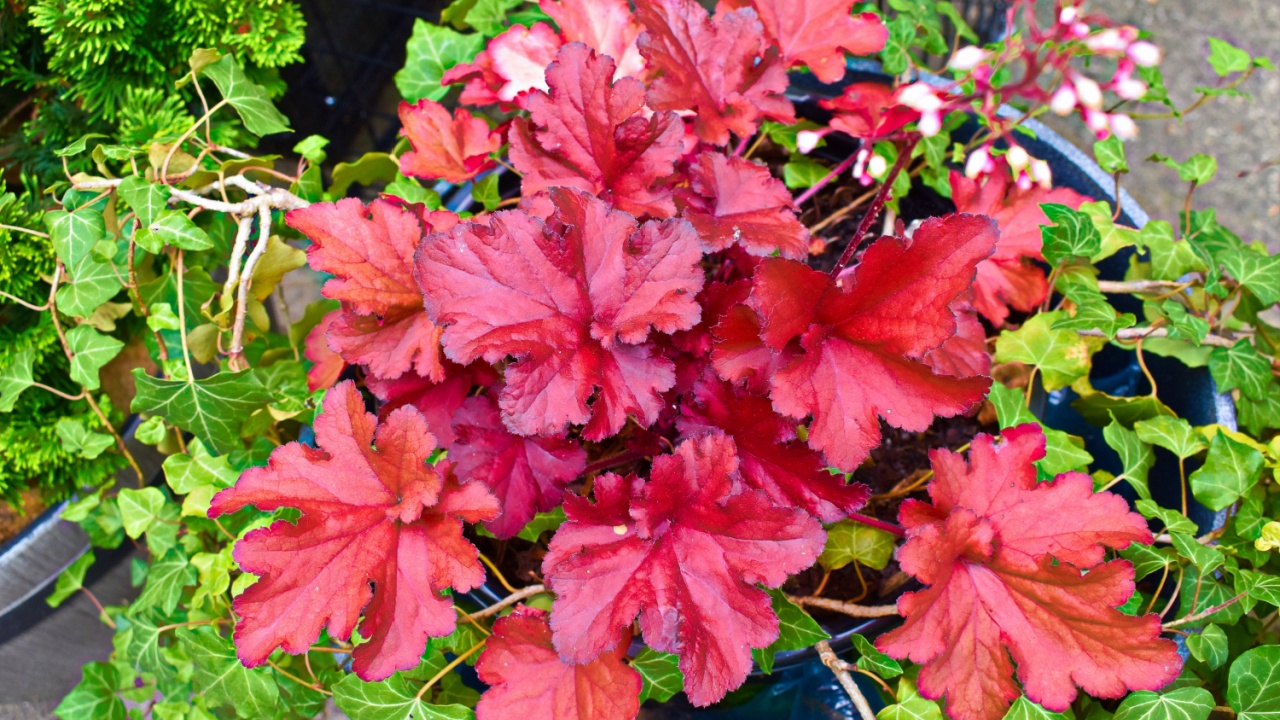
Image Credit: Shutterstock.
Coral bells are prized for their beautiful mounded foliage, which comes in an astonishing array of colors from lime green and amber to deep burgundy. In late spring, delicate wands of tiny bell-shaped flowers rise above the leaves. These plants are semi-evergreen, providing year-round interest.
Heuchera handles fall planting well but can be susceptible to frost heave because of its shallow root system. Plant in a spot with part shade and well-drained soil. Setting the crown at soil level is important to prevent rot. A good layer of winter mulch is highly recommended for first-year plants to keep them anchored in the ground.
Quick Look:
- Sunlight: Part shade to full sun (depending on variety)
- Soil: Well-drained
- Feature: Colorful foliage provides year-round interest.
- Tip: Avoid heavy, waterlogged soil, especially in winter.
6. Lenten Rose (Helleborus)
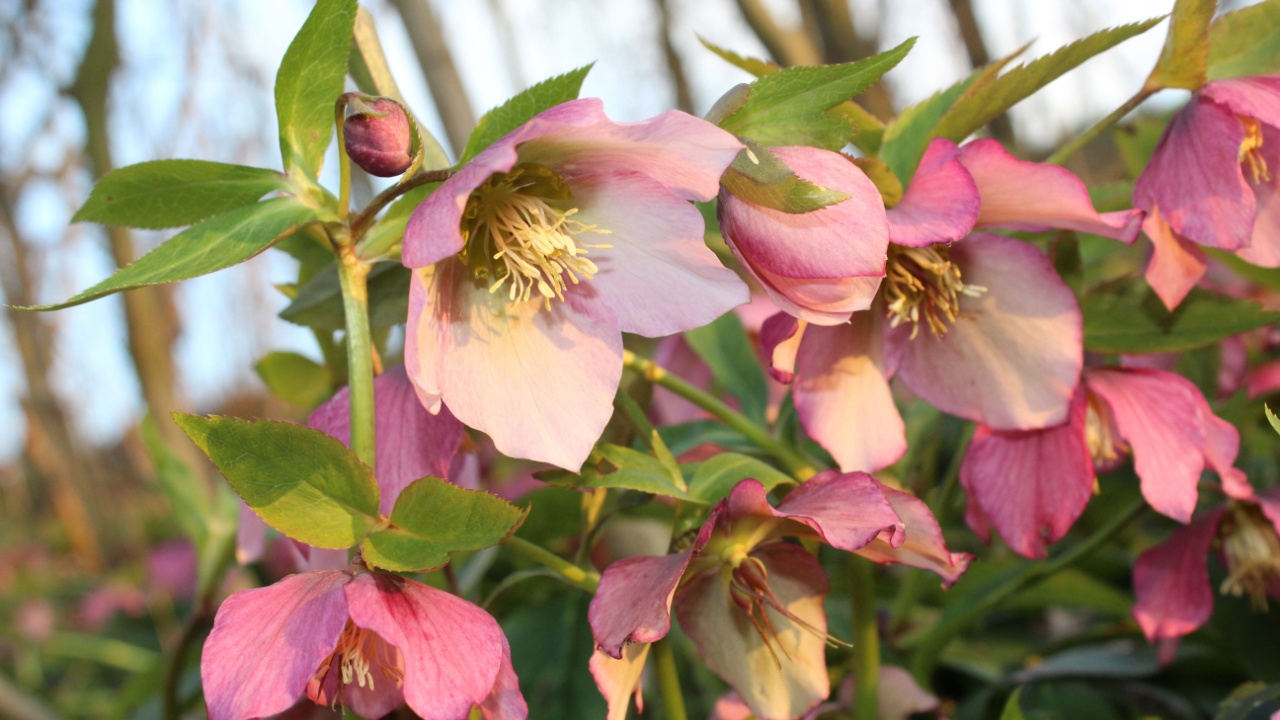
Image Credit: Shutterstock.
Despite its name, the Lenten rose is not a rose at all but a member of the buttercup family. Its leathery, evergreen leaves and downward-facing, cup-shaped flowers are some of the first to appear in late winter or early spring. Planting them in the fall gives these slow-growing perennials a chance to settle in before the ground freezes.
Lenten roses prefer partial shade and rich, well-drained soil. They are long-lived and do not like to be disturbed, so choose their location carefully. When planting, dig a roomy hole and make sure the crown is at or slightly above the soil line to avoid rot and encourage blooming.
Quick Look:
- Sunlight: Part shade
- Soil: Rich, well-drained
- Benefit: Early bloomer, often flowering when snow is still on the ground.
- Tip: Remove tattered older leaves in late winter to showcase the new flowers.
7. Catmint (Nepeta)
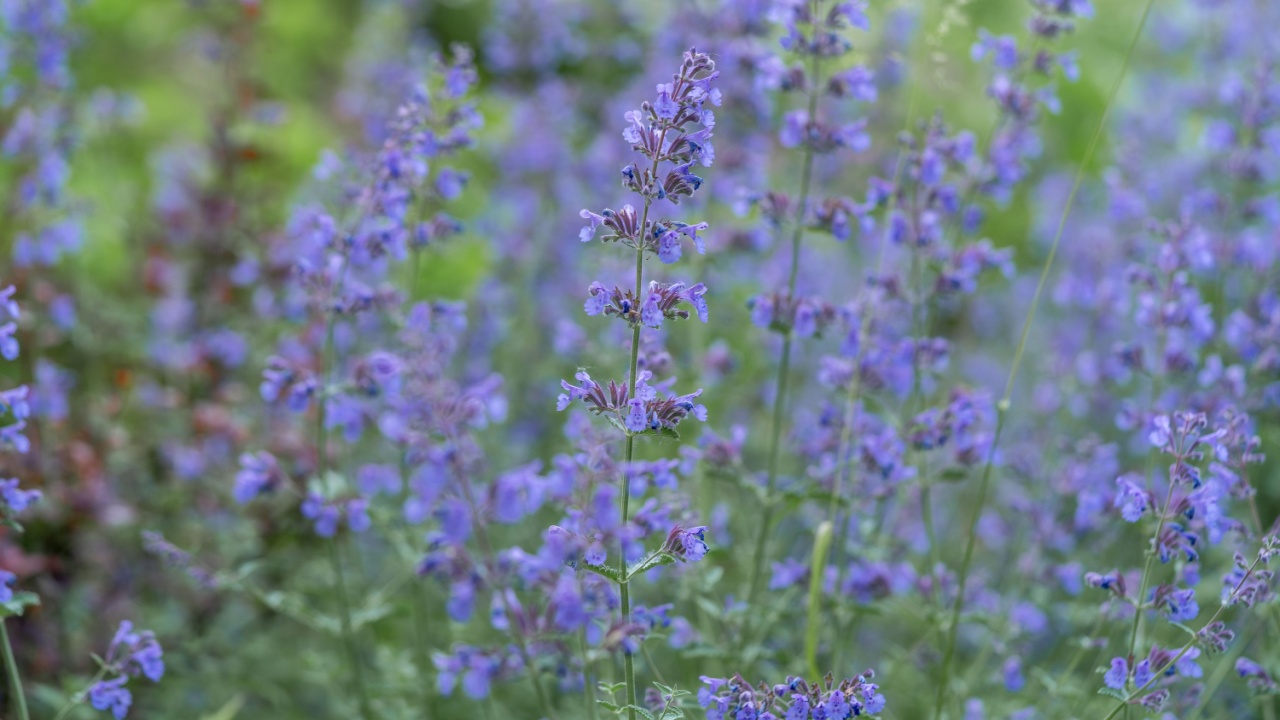
Image Credit: Shutterstock.
Catmint is a tough and reliable perennial with soft, gray-green foliage and spikes of lavender-blue flowers. It’s perfect for softening the edges of garden beds and pathways. The plant establishes quickly in cool weather, making November a practical time for planting in well-drained areas. Once its roots are established, it is exceptionally tolerant of heat and drought.
Plant catmint in full sun for the best flower production. Shear the plant back by about a third after its first major bloom to encourage a second flush of flowers. Be aware that, like its mint relatives, catmint can spread enthusiastically, so give it room or plant it where its spread is naturally contained.
Quick Look:
- Sunlight: Full sun
- Soil: Well-drained, average to lean
- Benefit: Drought-tolerant and deer-resistant.
- Tip: As the name suggests, it is very attractive to cats.
8. Siberian Iris
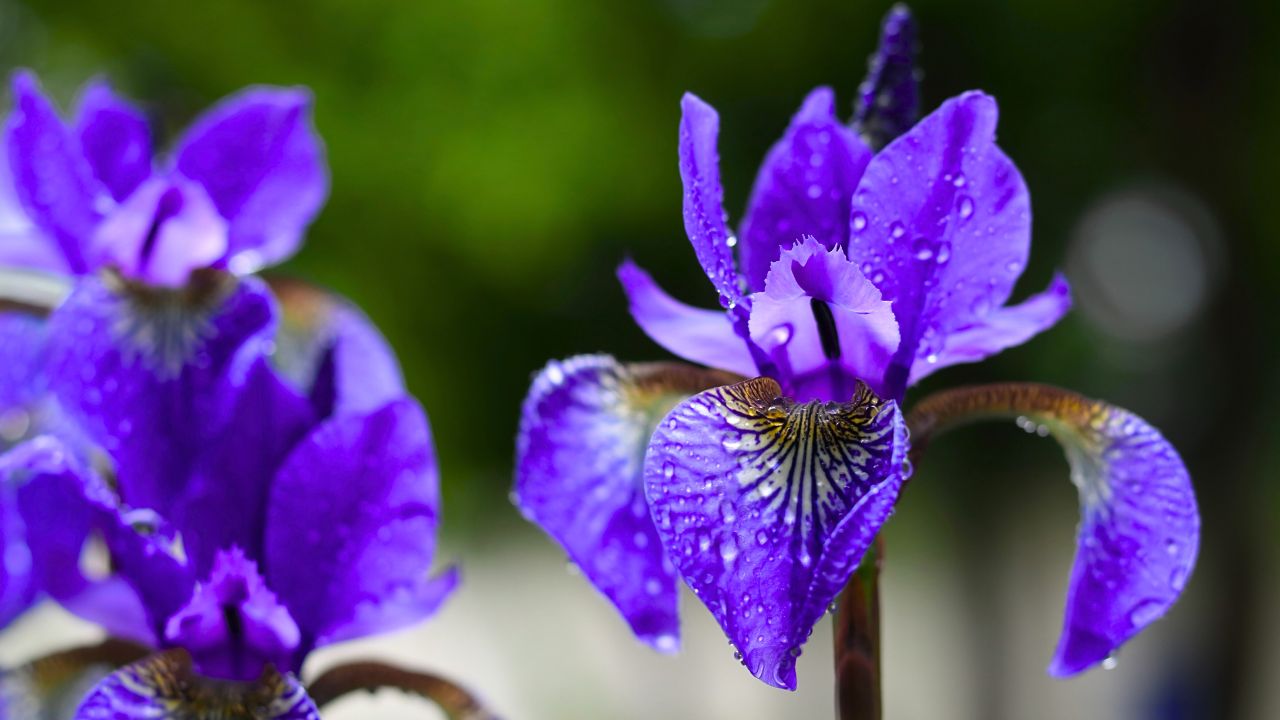
Image Credit: Shutterstock.
With elegant, grass-like foliage and intricate, beardless flowers, the Siberian iris adds a graceful touch to the garden. Unlike many other irises, it tolerates heavier, moister soils, making it a versatile choice. Flowers appear in late spring in shades of blue, purple, and white.
Late fall is an excellent time for dividing overgrown clumps or planting new container-grown specimens. This gives the rhizomes time to establish before winter. Plant them a few weeks before the first hard frost is expected. They prefer full sun to part shade and will reward you with a beautiful display year after year with minimal care.
Quick Look:
- Sunlight: Full sun to part shade
- Soil: Average to moist
- Benefit: Tolerates wetter soils better than bearded iris.
- Tip: Foliage remains attractive all season long, unlike some other iris types.
9. Shasta Daisy (Leucanthemum)
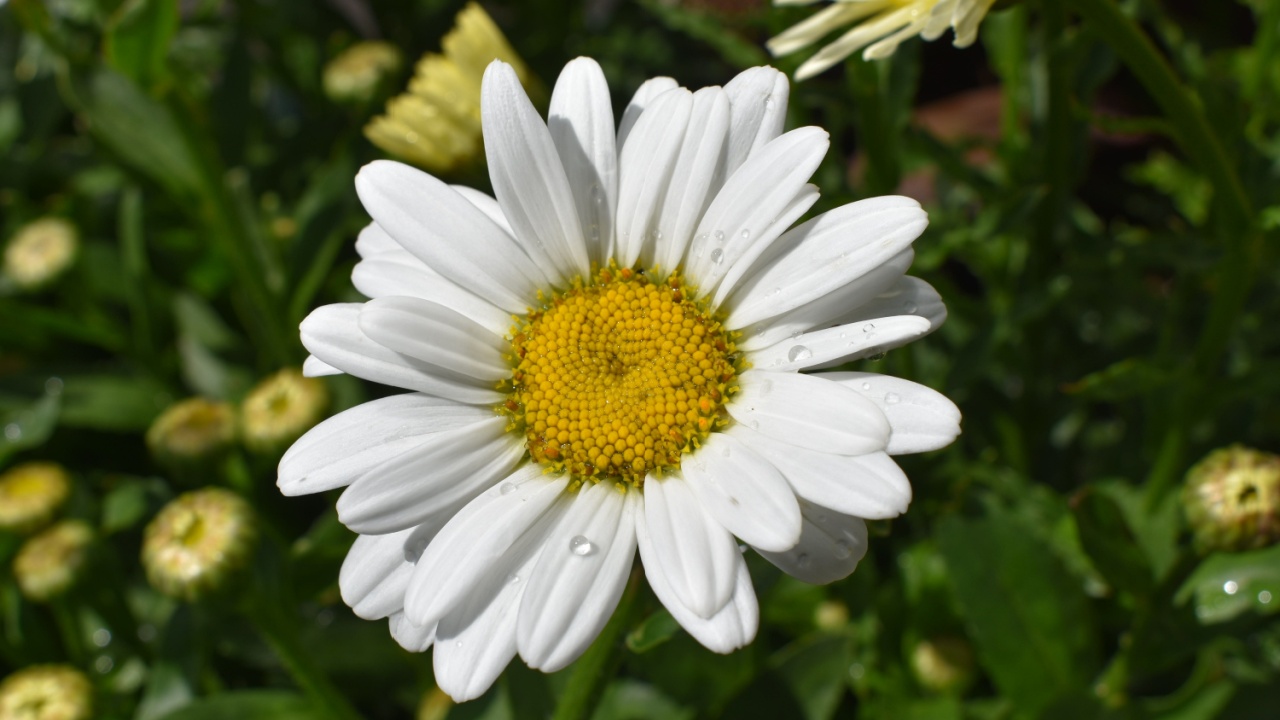
Image Credit: Shutterstock.
The Shasta daisy offers the simple charm of classic white daisies on a vigorous, hardy plant. Blooming from early summer through fall, these perennials form substantial clumps and produce an abundance of flowers. They transplant very well in cool weather, and a fall planting encourages strong root development for a fantastic bloom the following summer.
Shasta daisies need full sun and well-drained soil to thrive. Plant them at the same depth as they were in their nursery container, taking care not to bury the crown. Taller varieties make excellent cut flowers. To keep the plant healthy and flowering well, plan to divide the clumps every few years when you notice the center dying out.
Quick Look:
- Sunlight: Full sun
- Soil: Well-drained
- Benefit: Classic cut flower and long bloom time.
- Tip: Divide clumps every 2-3 years to maintain vigor.
10. Showy Stonecrop (Hylotelephium)
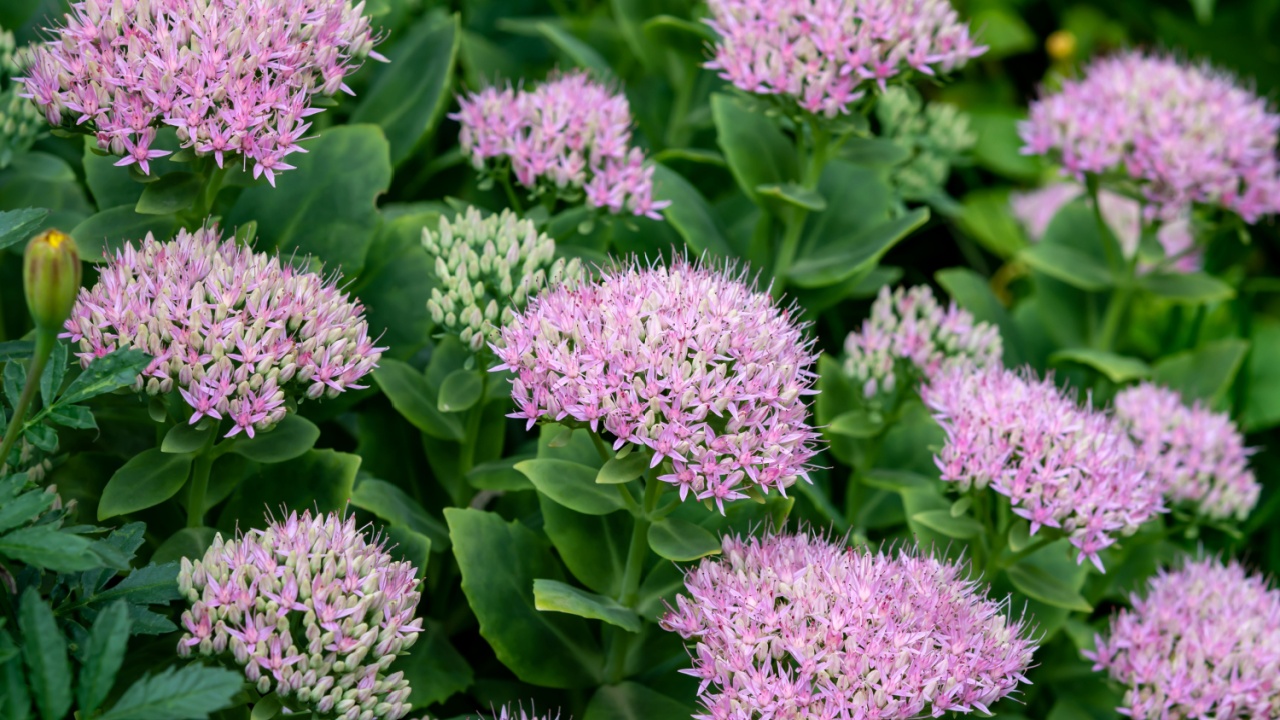
Image Credit: Shutterstock.
Formerly known as Sedum, showy stonecrop is a star of the late-season garden. Its succulent, gray-green leaves and large flower heads that age from pink to a rich rusty-red provide color and texture well into autumn. The dried seed heads remain attractive through winter, offering visual interest and food for birds.
These tough plants are easy to plant in the fall as long as the drainage is excellent. Their fleshy roots are prone to rot in wet soil, especially during winter. They prefer full sun and leaner soil, which helps keep their stems sturdy. Once established, they are very drought-tolerant.
Quick Look:
- Sunlight: Full sun
- Soil: Well-drained, lean
- Benefit: Excellent late-season color and winter interest.
- Tip: Avoid overly rich soil, which can cause the plant to become floppy.
11. Yarrow (Achillea)
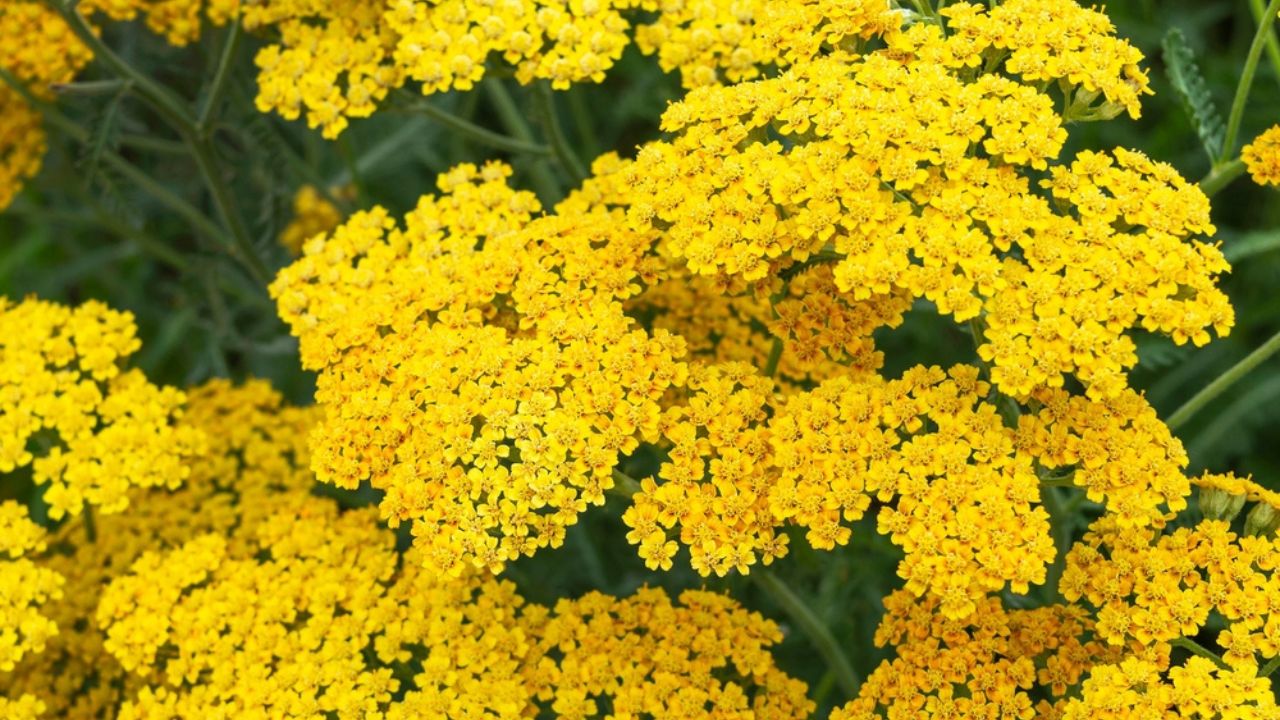
Image Credit: Shutterstock.
Yarrow is a hardworking perennial with feathery, aromatic foliage and flat-topped clusters of flowers in shades of yellow, white, pink, and red. It thrives in conditions that many other plants find challenging, including heat, drought, and poor soil. This makes it a great candidate for fall planting, especially in warmer zones.
For best results, plant yarrow about six weeks before your first expected hard frost. This gives it enough time to establish roots. Yarrow requires a spot with full sun and dry, well-drained soil. It spreads by rhizomes, so give it space to grow. It is a fantastic plant for attracting beneficial insects to the garden.
Quick Look:
- Sunlight: Full sun
- Soil: Well-drained, poor to average
- Benefit: Extremely drought-tolerant and attracts beneficial insects.
- Tip: Taller varieties may need staking if grown in rich soil.
12. Bleeding Heart (Dicentra)
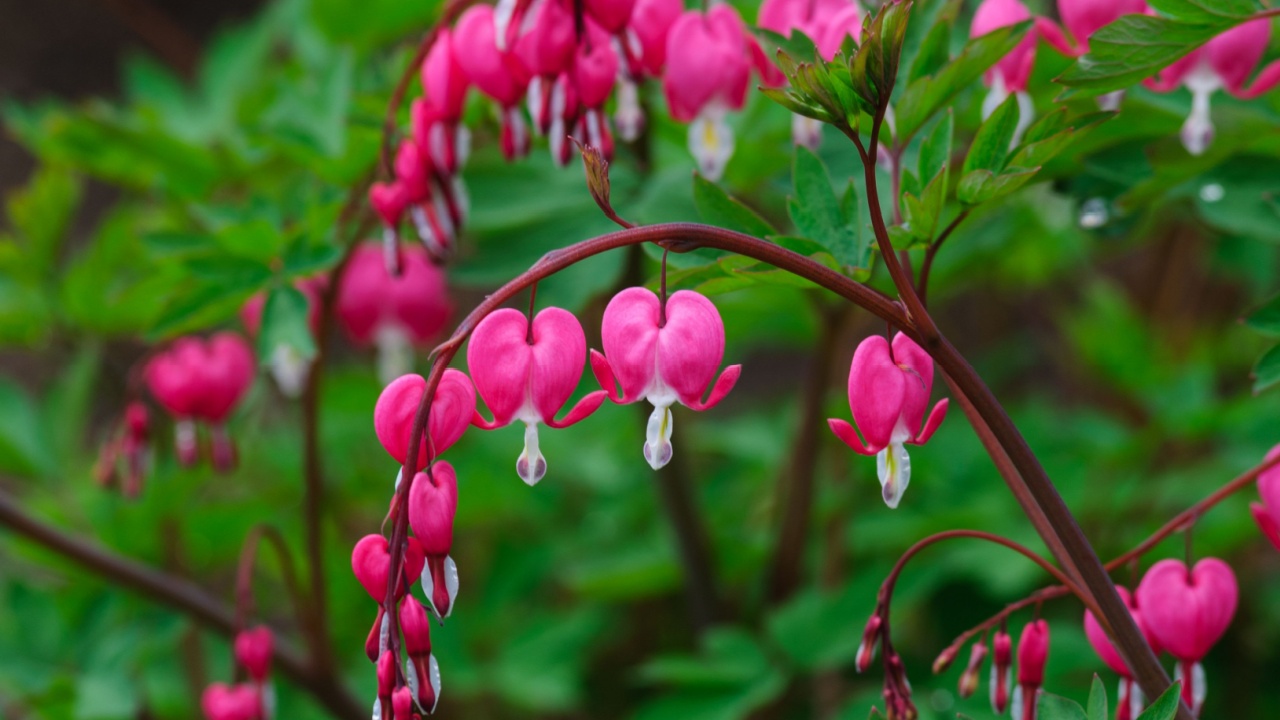
Image Credit: Shutterstock.
The delicate, heart-shaped flowers that dangle from arching stems make the bleeding heart a shade garden favorite. These plants emerge in early spring and put on a beautiful show before often going dormant in the summer heat. They are extremely cold-hardy, handling late-season planting as long as the soil is still workable.
Bleeding heart thrives in partial shade and humus-rich, consistently moist but well-drained soil. Fall planting allows the roots to settle in so the plant can emerge on schedule in the spring. After the flowers fade, allow the foliage to yellow and die back naturally, as this process recharges the roots for the next year’s growth.
Quick Look:
- Sunlight: Part shade to full shade
- Soil: Rich, moist, well-drained
- Benefit: Unique, heart-shaped flowers for the shade garden.
- Tip: Plant it with other shade lovers like hostas and ferns to fill the space when it goes dormant.
13. Perennial Salvia
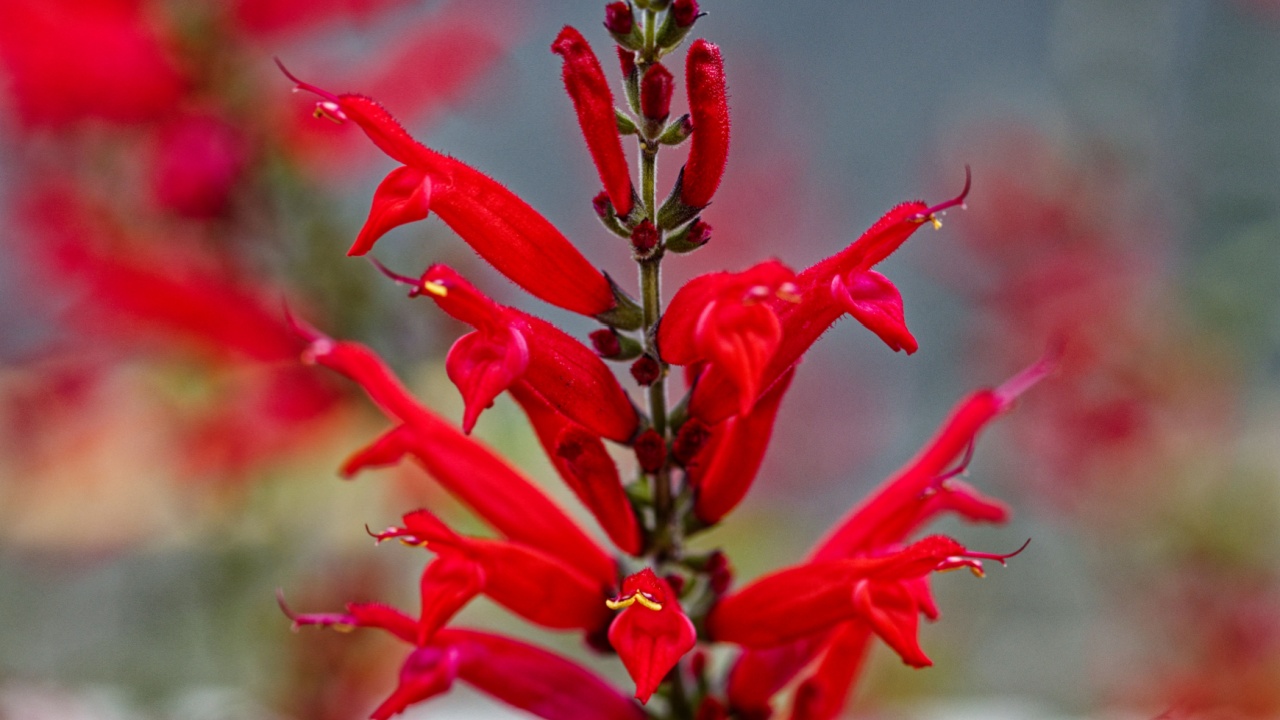
Image Credit: Shutterstock.
Perennial salvias are known for their vibrant spikes of flowers in shades of blue, violet, pink, and white. They are also highly resistant to deer and rabbits, which is a major advantage for many gardeners. Planting them in the fall is ideal in locations with full sun and average, well-drained soil.
Good drainage is crucial, as soggy winter conditions can cause crown rot. Many cultivars, like the popular ‘May Night’ or ‘Caradonna,’ will rebloom if you lightly prune them after their first wave of flowers. Salvia prefers leaner soil, so avoid over-fertilizing, which can lead to weak, floppy growth.
Quick Look:
- Sunlight: Full sun
- Soil: Well-drained, average
- Benefit: Deer- and rabbit-resistant, attracts hummingbirds.
- Tip: Lightly shear after blooming to encourage a second flush of flowers.
14. Threadleaf Coreopsis (Coreopsis verticillata)
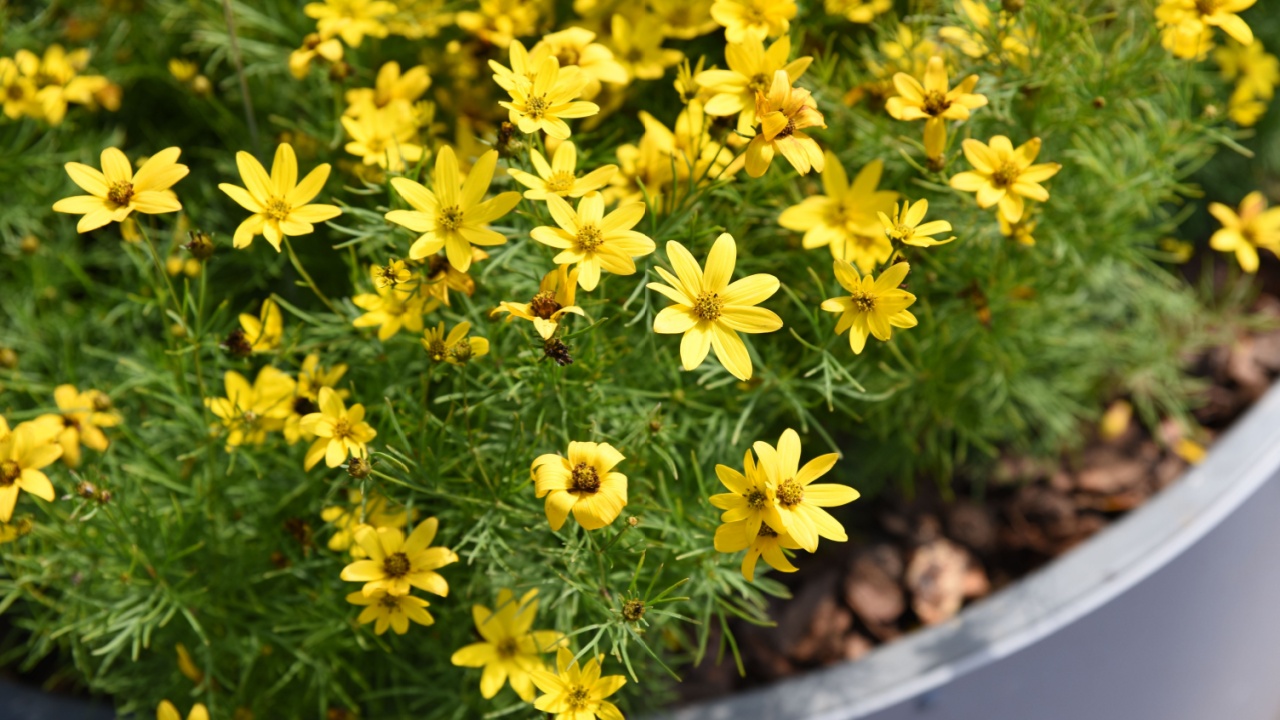
Image Credit: Shutterstock.
Threadleaf coreopsis offers a delicate, airy texture with its fern-like foliage and an abundance of small, bright yellow, daisy-like flowers. It has a long blooming season and brings a cheerful, meadow-like feeling to sunny borders. This plant adapts well to fall planting and is known for its tolerance of lean soils and summer drought once established.
Site your coreopsis in full sun and well-drained soil. It actually performs better in slightly poorer soils and may become floppy in overly rich, moist conditions. This plant spreads by rhizomes to form a dense patch, so keep an eye on it to ensure it doesn’t crowd out less vigorous neighbors.
Quick Look:
- Sunlight: Full sun
- Soil: Well-drained, lean to average
- Benefit: Drought-tolerant and long-blooming.
- Tip: Spreads to form a nice groundcover but may need to be managed in a small border.
Next Steps for Your Garden
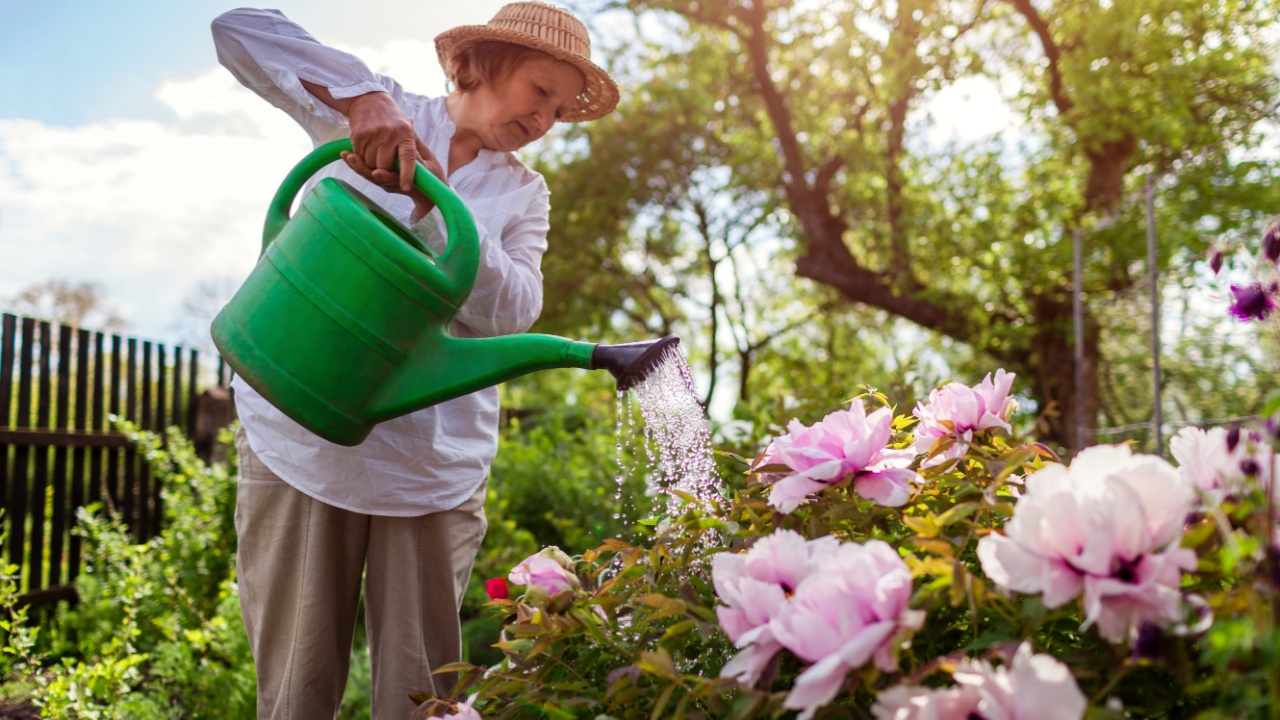
Image Credit: Shutterstock,
With your new perennials in the ground, your main task is to ensure they are well-prepared for winter. Water them deeply one last time before the ground freezes solid. Once the ground has frozen, apply a two- to three-inch layer of mulch, such as shredded leaves or straw, around the base of the plants. This helps regulate soil temperature and prevents the freeze-thaw cycle from pushing the plants out of the ground.
As winter settles in, you can begin dreaming and planning for the spring. Browse seed catalogs, sketch out new garden bed designs, and take stock of your tools. A little effort in November will reward you with a healthier, more vibrant garden next year.