
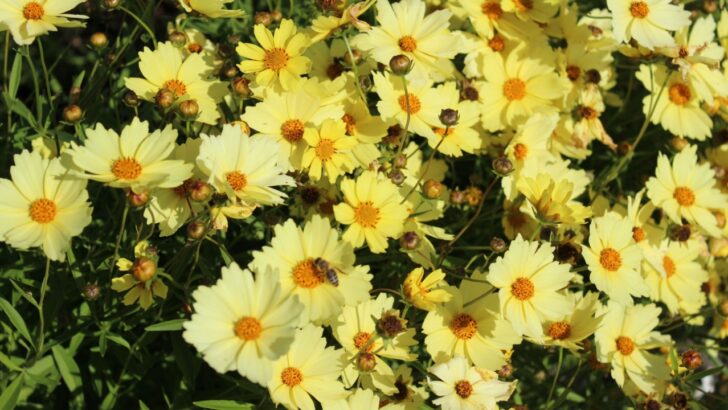
A beautiful garden buzzing with life is a joy to behold, but the constant battle against weeds can turn a relaxing hobby into a frustrating chore. What if you could design a garden that largely takes care of itself, where vibrant flowers form a living mulch that chokes out unwanted growth? By choosing the right plants, you can create a low-maintenance paradise that frees up your time and reduces your workload.
This guide explores 17 powerful perennial flowers that are experts at outcompeting weeds (by the experts at our favorite extensions). These plants use their vigorous growth, dense root systems, and spreading habits to dominate garden space, leaving little room for pesky intruders. Not only will they save your back, but they will also contribute to a healthier, more dynamic garden ecosystem by attracting pollinators and beneficial insects.
1. Daylily (Hemerocallis)
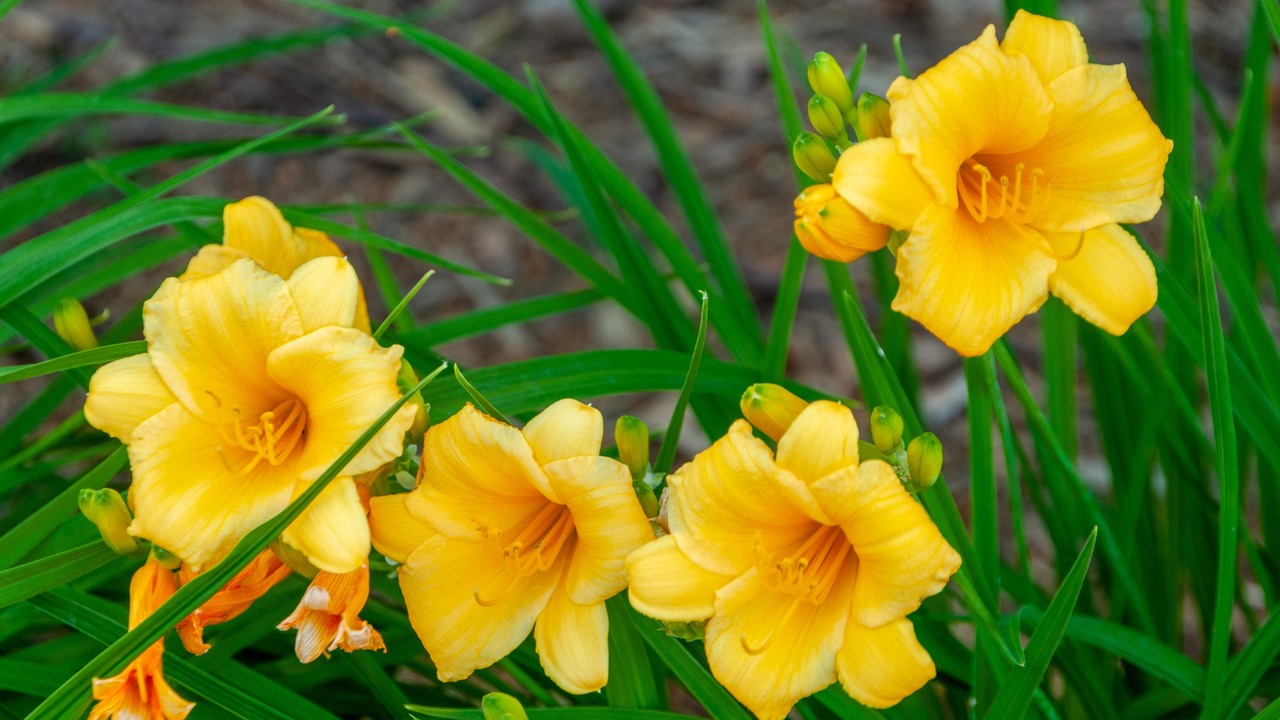
Image Credit: Shutterstock.
Daylilies are a classic choice for low-maintenance gardens for good reason. These tough, adaptable perennials form dense, arching clumps of foliage that effectively shade the soil, preventing weed seeds from germinating. Their thick, fleshy roots create a web just below the surface that makes it difficult for other plants to establish.
Their prolific blooms are the main attraction, with each flower lasting just a day but being quickly replaced by another. This continuous show of color from spring through summer creates a stunning visual display. Daylilies are not fussy and will tolerate a wide range of soil conditions, from clay to sand, though they perform best in well-drained soil. They are also drought-tolerant once established, making them a reliable choice for any garden.
Quick Guide:
- Why it works: Forms dense, soil-shading clumps and a thick root mat.
- Light: Full sun to part shade.
- Soil: Adaptable to most soil types; prefers well-drained soil.
- Care Tips: Water regularly during the first year. Divide clumps every 3-5 years to maintain vigor and share with friends. Deadhead spent blooms to encourage more flowers.
2. Hostas (Hosta)
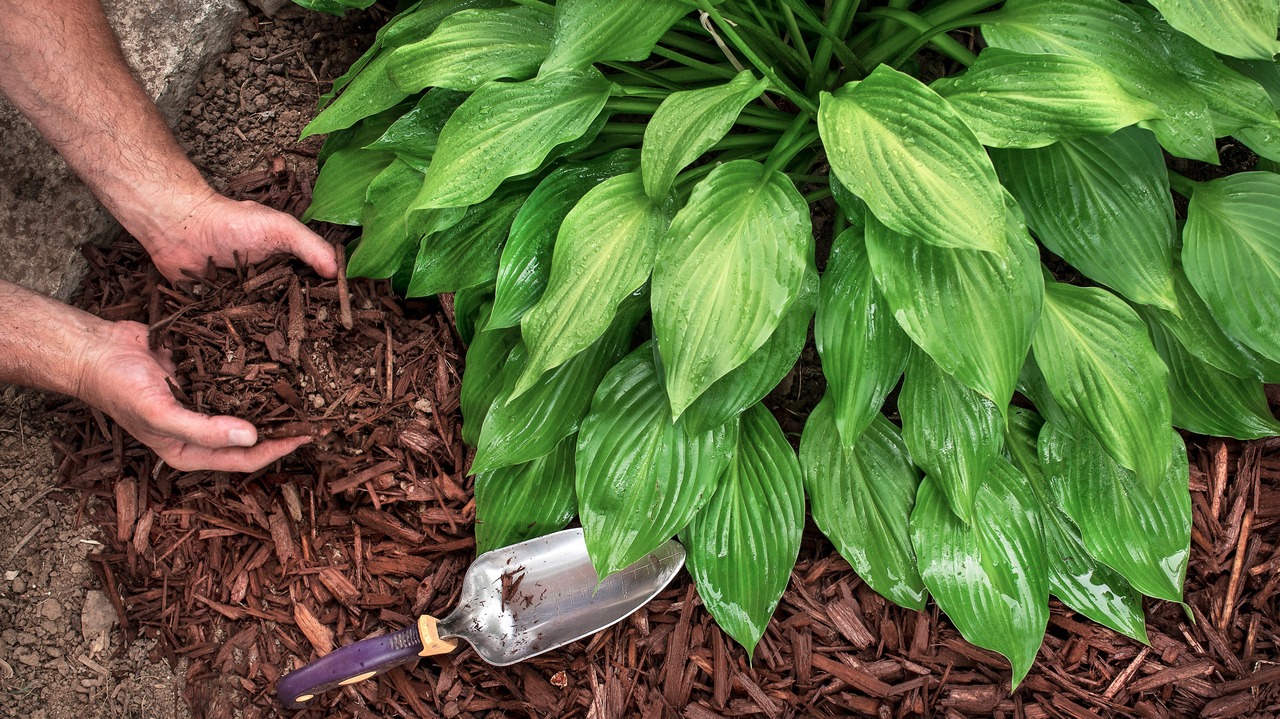
Image Credit: Shutterstock.
Often called the king of the shade garden, Hostas are champions at weed suppression. Their large, overlapping leaves create a dense canopy that blocks sunlight from reaching the soil below, effectively smothering any potential weed growth. Available in a vast array of sizes, colors, and textures—from deep blue-greens to vibrant chartreuse and variegated patterns—Hostas add structure and elegance to shady spots.
While they are grown primarily for their foliage, many varieties produce lovely spikes of lavender or white flowers in the summer that attract hummingbirds. Hostas thrive in moist, rich soil and are perfect for planting under trees or on the north side of your home where other plants might struggle.
Quick Guide:
- Why it works: Large, overlapping leaves create a dense shade canopy over the soil.
- Light: Part shade to full shade.
- Soil: Prefers rich, moist, well-drained soil.
- Care Tips: Keep soil consistently moist. Protect from slugs and deer, which find them delicious. Divide in spring or fall when clumps become overcrowded.
3. Sedum (Stonecrop)
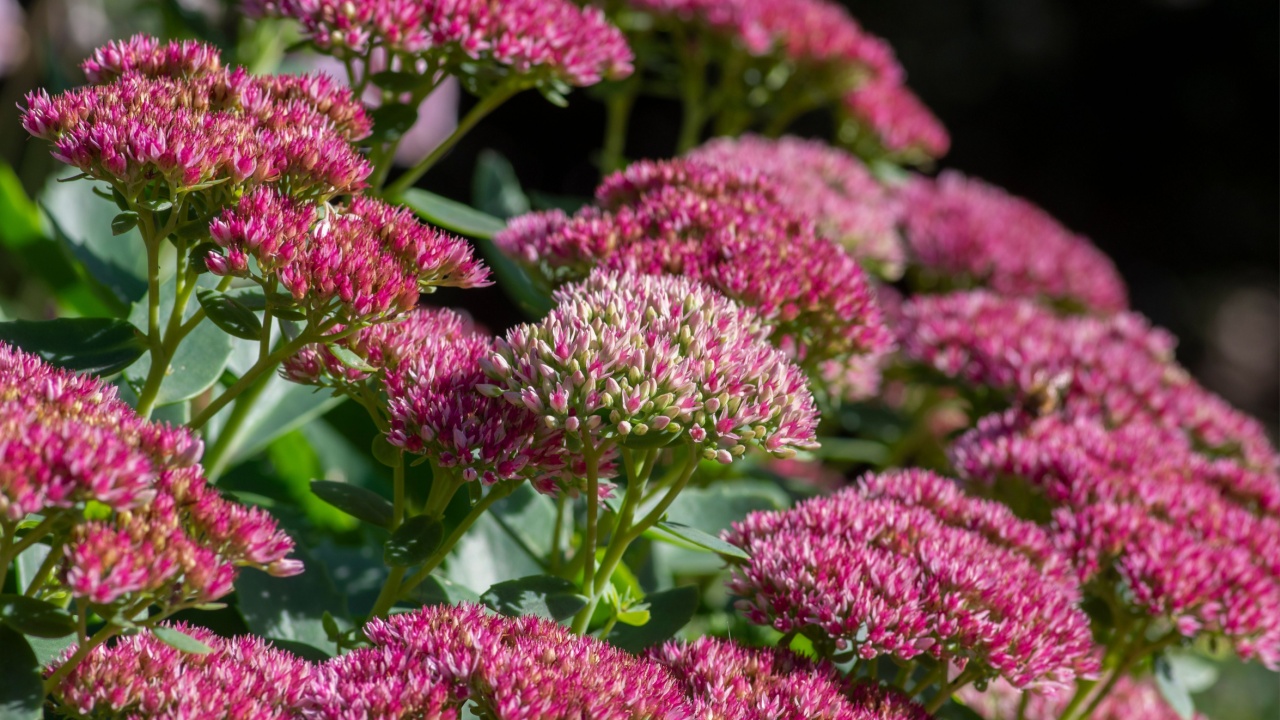
Image Credit: Shutterstock.
Sedum, or Stonecrop, is a tough succulent that excels in hot, dry, and sunny locations where other plants might fail. There are two main types: low-growing groundcovers and upright, clumping varieties. The groundcover types are particularly effective at weed control, forming a dense, spreading mat that leaves no space for weeds to sprout.
These plants are incredibly resilient, thriving in poor, rocky soil and requiring very little water once established. Their star-shaped flowers appear in late summer and fall, providing a crucial late-season nectar source for bees and butterflies. Sedum is a perfect choice for rock gardens, slopes, and sunny borders.
Quick Guide:
- Why it works: Forms a dense, spreading mat that covers the ground completely.
- Light: Full sun.
- Soil: Prefers poor, well-drained, sandy or gravelly soil.
- Care Tips: Avoid overwatering, as this can cause root rot. Upright varieties can be cut back in late spring to encourage sturdier stems.
4. Coreopsis (Tickseed)

Image Credit: Shutterstock.
With its cheerful, daisy-like flowers, Coreopsis brings a sunny disposition to any garden. Many varieties of this North American native spread readily through rhizomes or self-seeding, quickly forming a dense patch that can outmuscle weeds. Its fine, airy foliage adds texture while its fibrous root system holds the soil tightly.
Coreopsis blooms for an exceptionally long period, from early summer until the first frost, providing continuous color and a reliable food source for pollinators like bees and butterflies. It is drought-tolerant and thrives in full sun, making it a low-maintenance workhorse for perennial beds and meadows.
Quick Guide:
- Why it works: Spreads to form dense patches and has a tight, fibrous root network.
- Light: Full sun.
- Soil: Tolerates a range of soils but needs good drainage.
- Care Tips: Deadhead spent flowers to promote reblooming. Some varieties can be sheared back mid-summer to encourage a fresh flush of growth.
5. Black-Eyed Susan (Rudbeckia hirta)
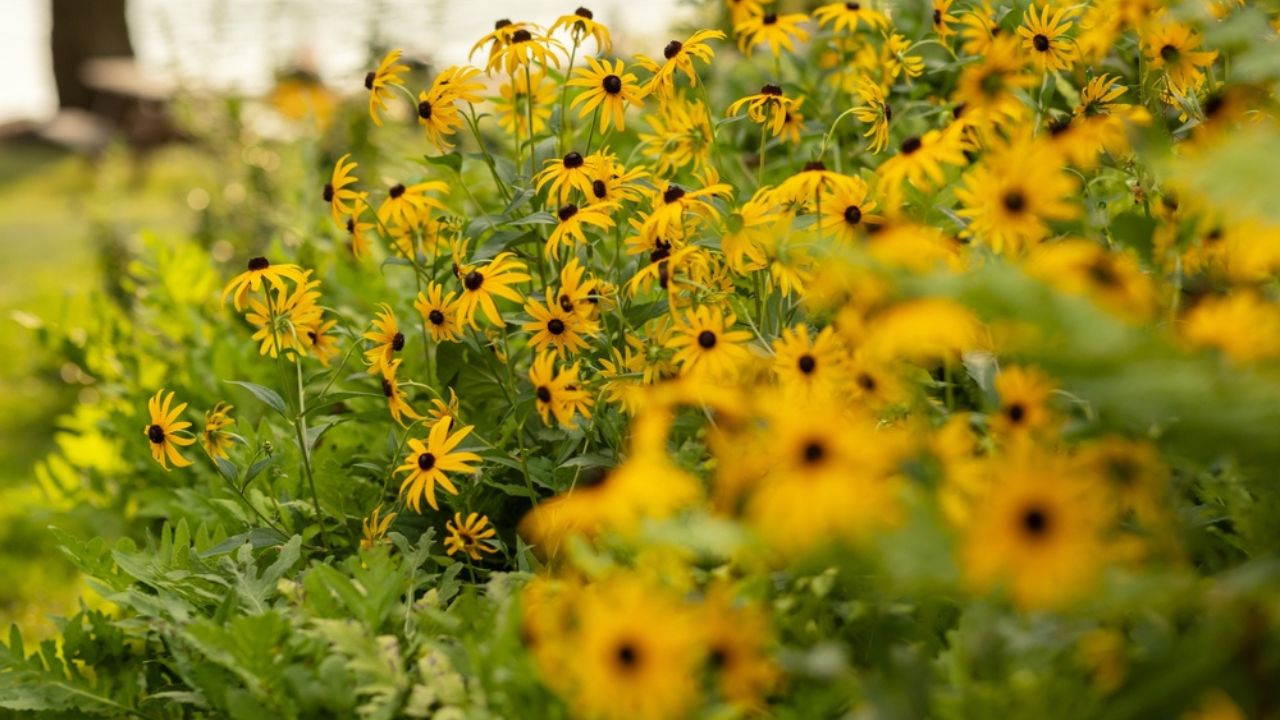
Image Credit: Shutterstock.
A quintessential prairie flower, Black-Eyed Susan is known for its bright golden-yellow petals and dark brown centers. These plants have a robust, clumping habit and can spread by self-seeding, creating a thick stand that suppresses weeds. Their vigorous nature allows them to establish quickly and fill in empty spaces in the garden.
Blooming from mid-summer to fall, Black-Eyed Susans provide a feast for pollinators and are a favorite of goldfinches, who enjoy eating the seeds. They are incredibly tough, tolerating heat, humidity, and clay soil. This makes them an excellent choice for adding bold, reliable color to any sunny spot.
Quick Guide:
- Why it works: Forms bushy, spreading clumps and self-seeds to create a dense stand.
- Light: Full sun.
- Soil: Adaptable but prefers well-drained soil.
- Care Tips: Leave seed heads on in the fall for birds and winter interest. Deadheading can prolong the blooming season.
6. Lavender (Lavandula)
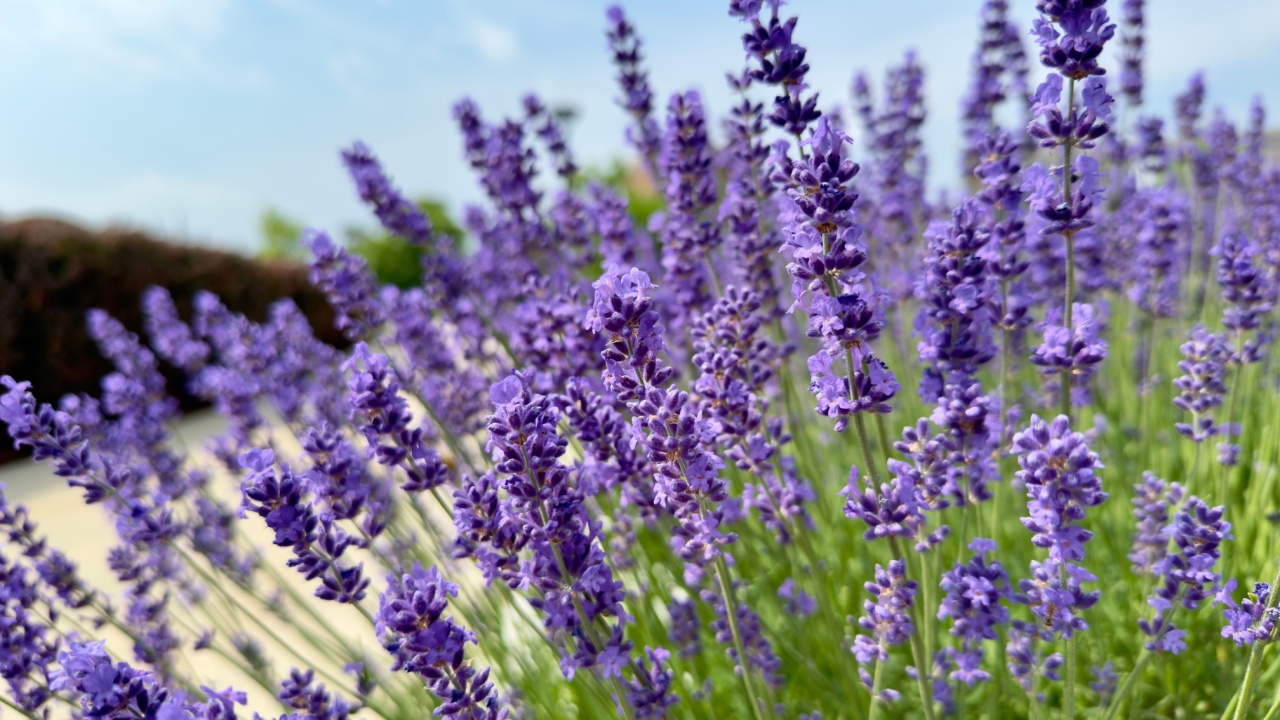
Image Credit: Shutterstock.
Beyond its famous fragrance and beautiful purple spikes, Lavender is also an effective weed suppressor. It forms a dense, woody clump with silvery-green foliage that crowds out competitors. Native to the Mediterranean, it thrives in conditions that many other plants find challenging: full sun, heat, and lean, well-drained soil.
Lavender‘s aromatic presence helps deter pests like deer and rabbits, while its flowers are a magnet for bees and other pollinators. Planting it along borders or in gravel gardens creates a stunning and functional display that requires minimal care once established.
Quick Guide:
- Why it works: Forms dense, woody clumps that smother surrounding weeds.
- Light: Full sun.
- Soil: Needs excellent drainage; prefers gravelly or sandy, alkaline soil.
- Care Tips: Prune back by about one-third in the spring after new growth appears to maintain a compact shape. Avoid overwatering.
7. Bee Balm (Monarda didyma)
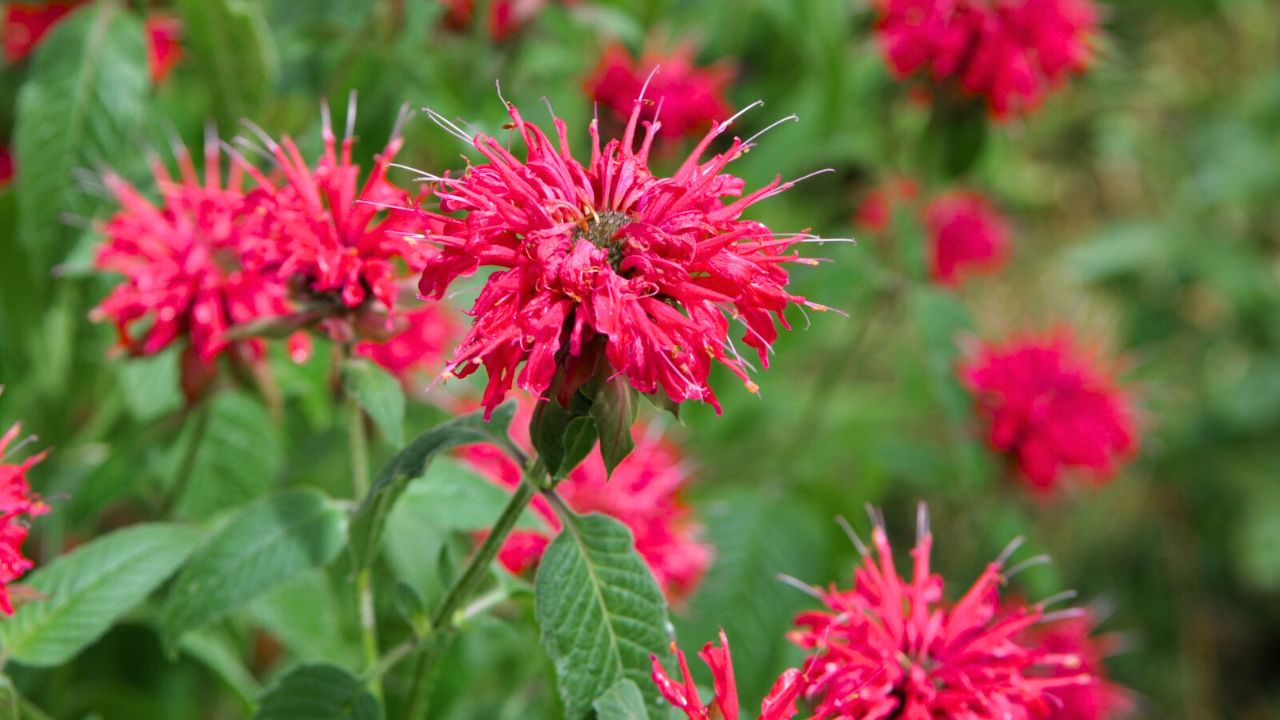
Image Credit: Depositphotos.com.
As its name suggests, Bee Balm is a favorite of bees, as well as butterflies and hummingbirds. This North American native has a vigorous, spreading growth habit, sending out underground rhizomes to form large colonies. This trait makes it an exceptional plant for outcompeting weeds in a moist, sunny area.
It’s unique, shaggy flowers come in shades of red, pink, purple, and white, adding a bold splash of color to the summer garden. While its aggressive nature is great for weed control, be sure to give it enough space or plant it where its spread is contained by paths or edgings.
Quick Guide:
- Why it works: Spreads quickly via underground rhizomes to form a dense colony.
- Light: Full sun to light shade.
- Soil: Prefers rich, consistently moist soil.
- Care Tips: Provide good air circulation to prevent powdery mildew. Divide clumps every 2-3 years to control spread and rejuvenate the plant.
8. Echinacea (Coneflower)
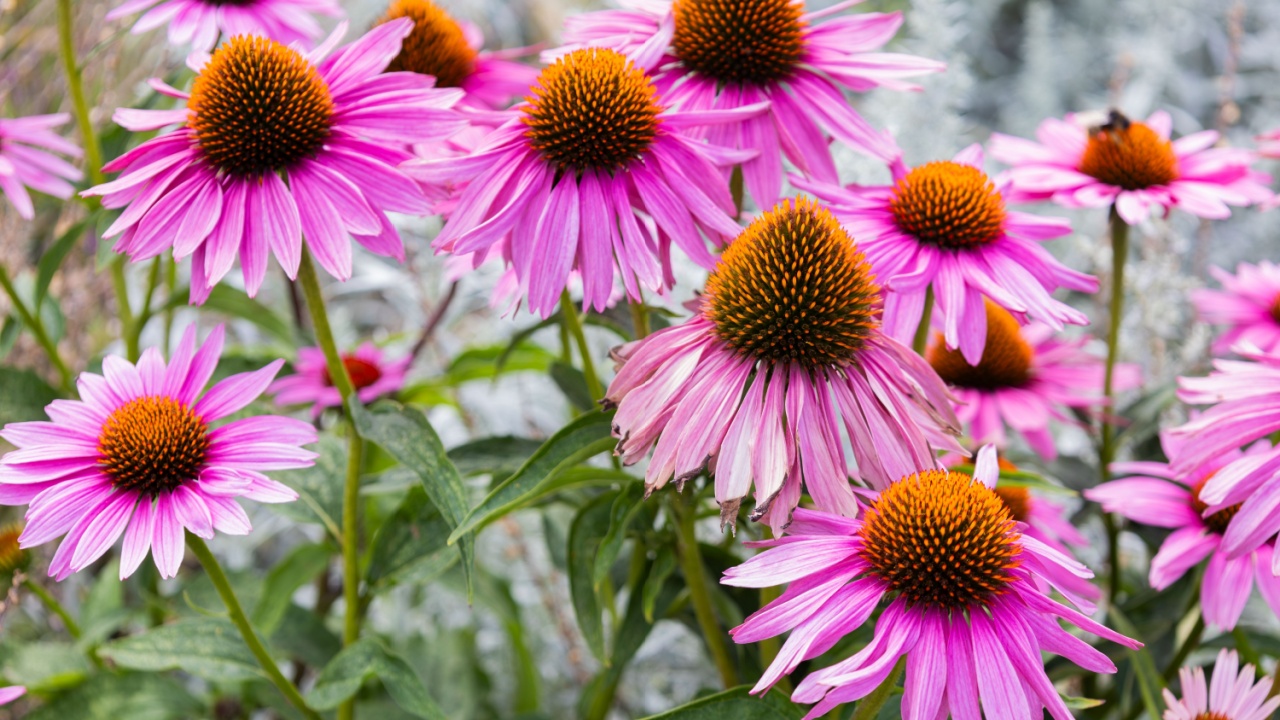
Image Credit: Shutterstock.
Echinacea, or Coneflower, is a prairie native celebrated for its medicinal properties and iconic, daisy-like flowers with prominent central cones. These plants develop a deep taproot, which makes them drought-tolerant and allows them to access nutrients deep in the soil, outcompeting shallow-rooted weeds. They form sturdy, upright clumps that gradually expand over time.
Blooming for months in the summer, Coneflowers are a pollinator paradise. After the petals fade, the seed-filled cones provide food for birds in the fall and winter. They are a tough, low-maintenance choice for a sunny border or a naturalistic planting scheme.
Quick Guide:
- Why it works: Develops large, sturdy clumps and a deep taproot that outcompetes weeds for water and nutrients.
- Light: Full sun.
- Soil: Adaptable to most soils, but prefers good drainage.
- Care Tips: Deadheading can encourage more blooms, but leaving cones provides food for birds. Very low maintenance once established.
9. Russian Sage (Perovskia atriplicifolia)
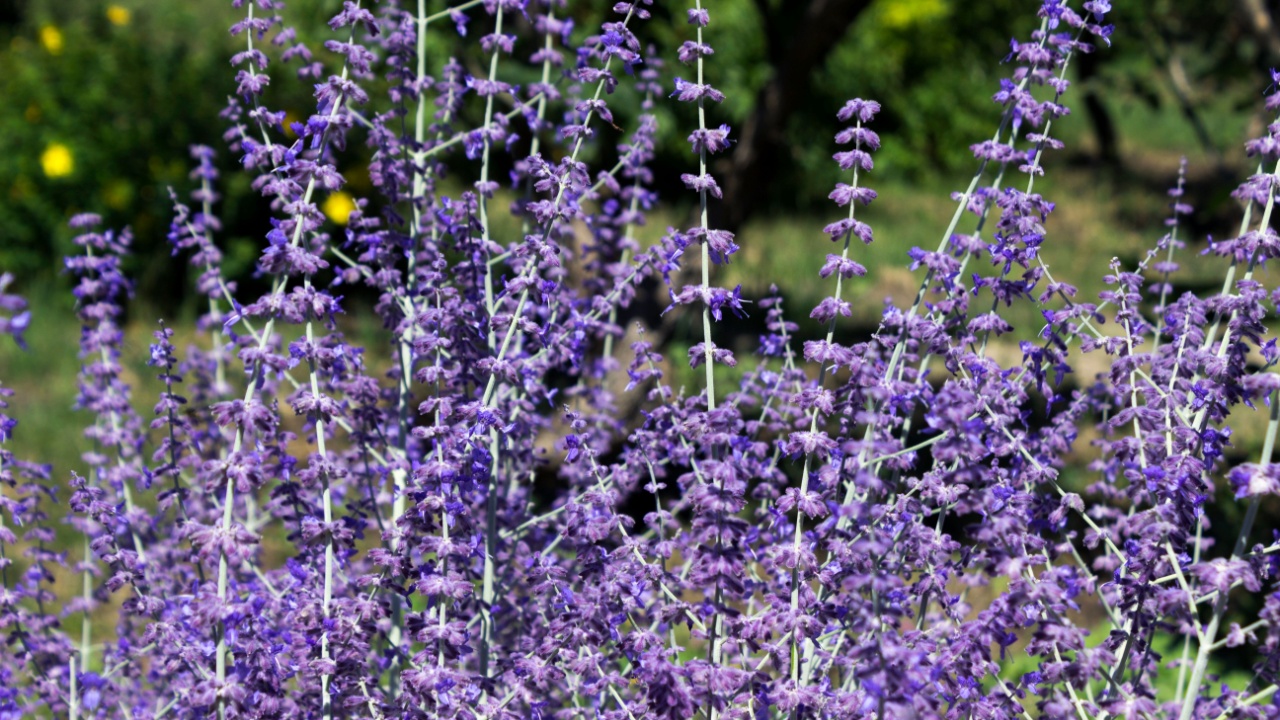
Image Credit: Shutterstock.
With its airy texture, silvery foliage, and clouds of lavender-blue flowers, Russian Sage adds a cool, ethereal quality to the garden. This plant has a wide, sprawling habit that can quickly cover a large area, forming a dense thicket that is inhospitable to weeds. It is incredibly tough, thriving in heat, drought, and poor soil.
The long bloom time, from mid-summer to fall, ensures it provides long-lasting beauty and a continuous food source for pollinators. Its aromatic leaves also make it resistant to deer and rabbits. Russian Sage is perfect for creating a dramatic, low-water backdrop in a sunny garden.
Quick Guide:
- Why it works: Sprawling, woody growth forms an impenetrable thicket.
- Light: Full sun.
- Soil: Requires well-drained soil; tolerates poor, dry, and alkaline conditions.
- Care Tips: Cut back to about 6 inches from the ground in early spring to encourage fresh, full growth.
10. Blanket Flower (Gaillardia)
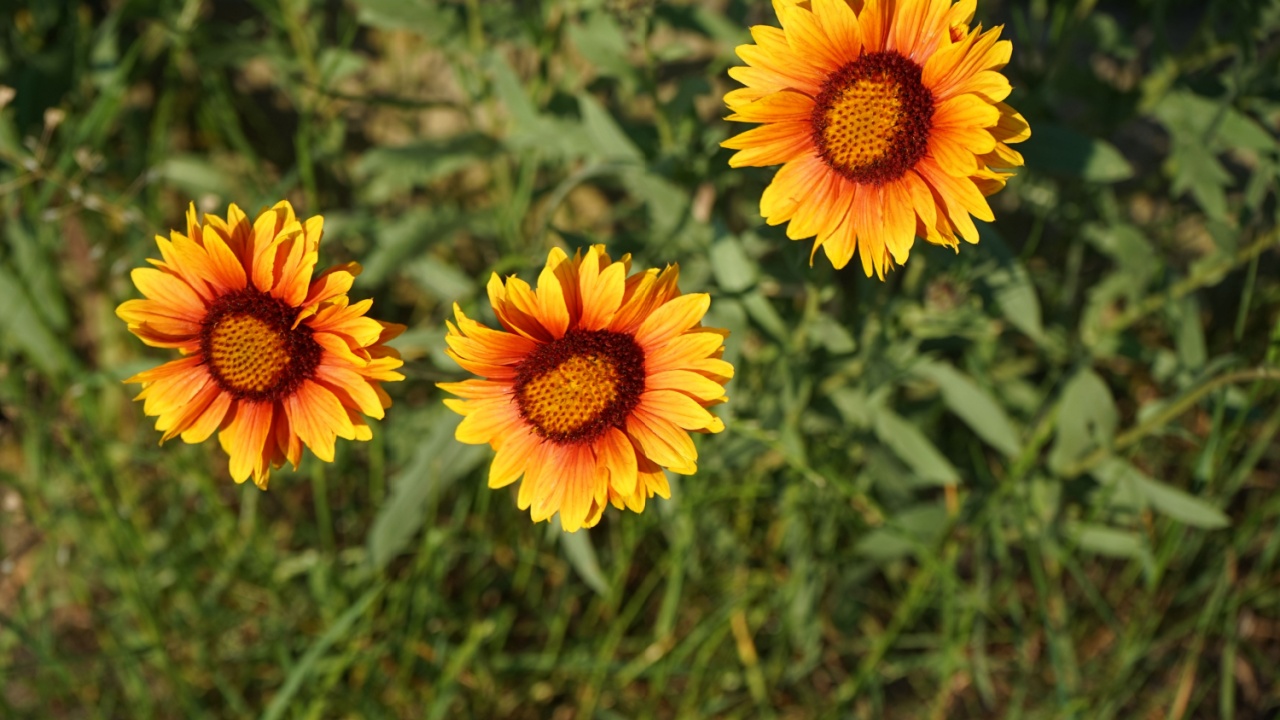
Image Credit: Shutterstock.
Blanket Flower is named for its ability to “blanket” areas with vibrant, fiery-colored blooms of red, orange, and yellow. This prairie native has a mounding, spreading habit and will often self-seed, filling in gaps to create a continuous carpet of color that effectively smothers weeds.
It is extremely drought-tolerant and loves the sun, blooming tirelessly from summer until frost with minimal care. The flowers are a magnet for bees and butterflies. Gaillardia is an excellent choice for hot, sunny borders, rock gardens, or any area where you want bold, non-stop color without the fuss.
Quick Guide:
- Why it works: Forms low, spreading mounds and self-seeds to create a dense ground cover.
- Light: Full sun.
- Soil: Needs excellent drainage; thrives in poor, sandy soil.
- Care Tips: Avoid rich soil and overwatering, which can lead to floppy growth. Deadheading is not necessary but can keep plants looking tidy.
11. Shasta Daisy (Leucanthemum × superbum)
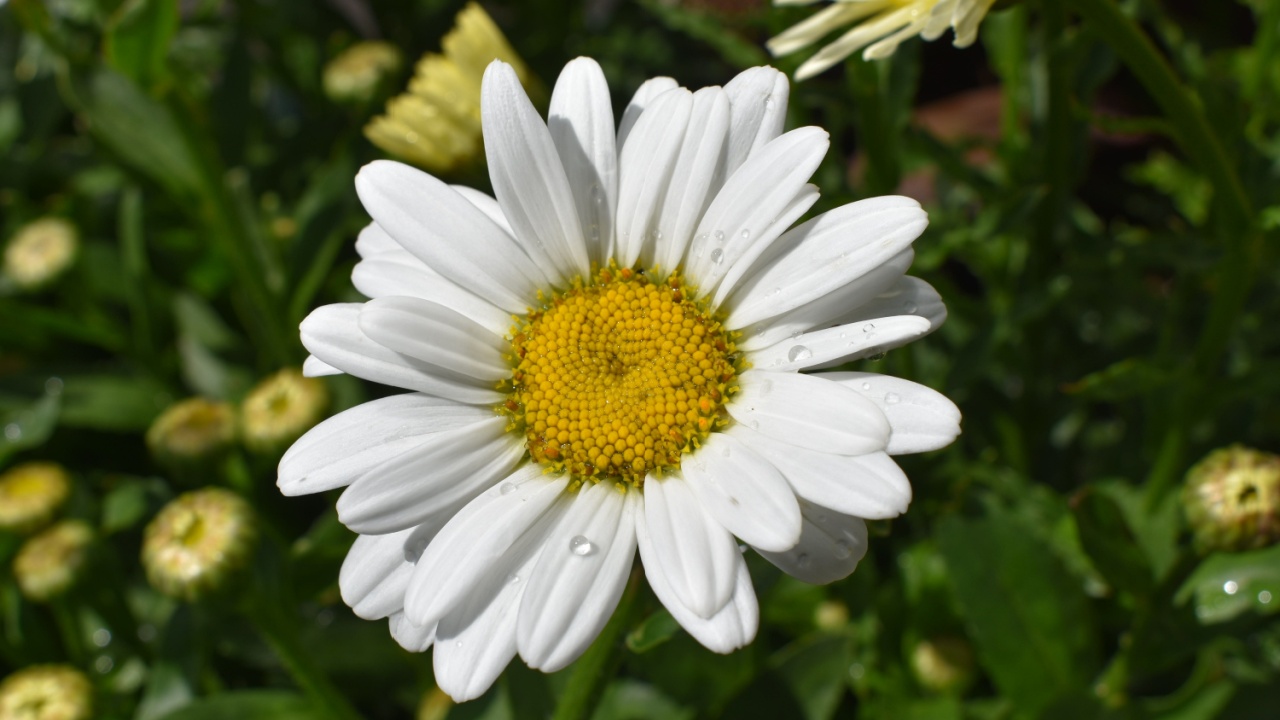
Image Credit: Shutterstock.
The Shasta Daisy offers a timeless, classic look with its cheerful white petals and sunny yellow centers. These perennials form robust, expanding clumps that effectively crowd out weeds. The dense foliage at the base of the plant shades the soil, while the strong root system competes for resources.
Blooming in summer, Shasta Daisies are excellent cut flowers and attract a variety of pollinators. They are reliable performers, returning year after year with more vigor. Plant them in drifts for a stunning visual impact and powerful weed suppression.
Quick Guide:
- Why it works: Forms dense, vigorous clumps that expand to crowd out weeds.
- Light: Full sun.
- Soil: Prefers well-drained, fertile soil.
- Care Tips: Divide clumps every 2-3 years to maintain plant health and vitality. Deadhead regularly to encourage a longer bloom period.
12. Catmint (Nepeta)
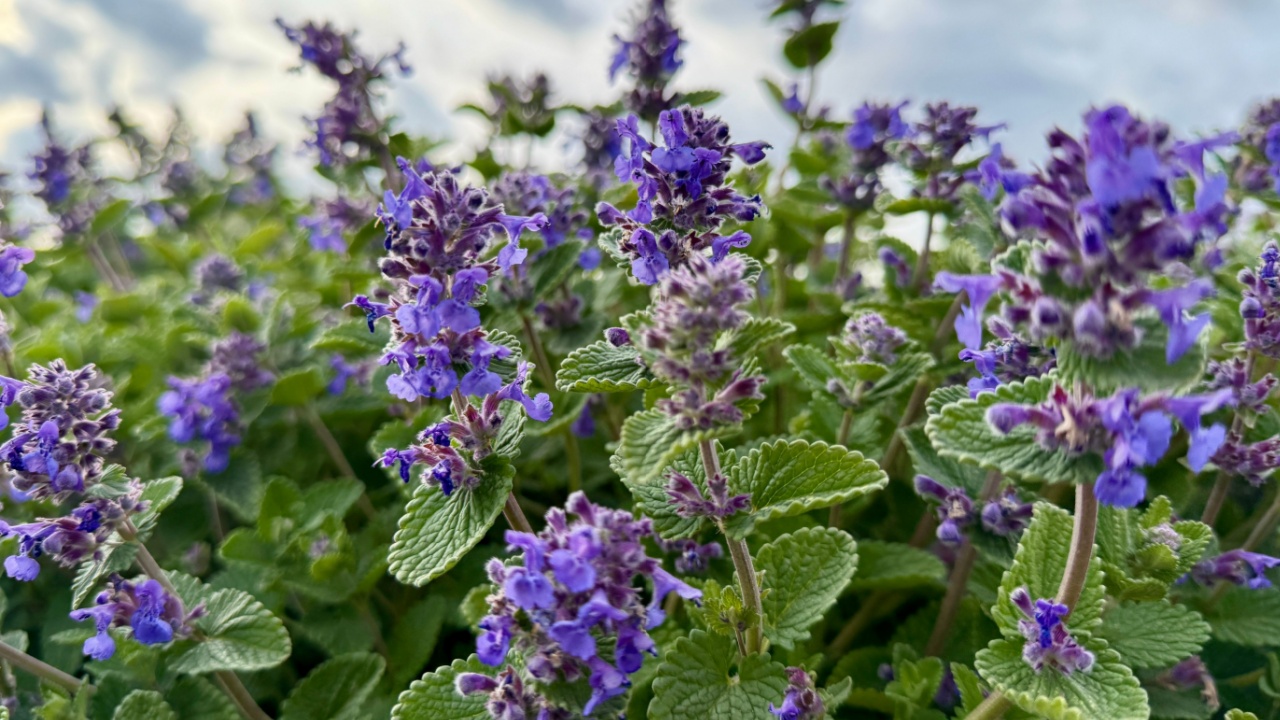
Image Credit: Shutterstock.
Catmint is a gardening superstar, prized for its soft, gray-green foliage and long-lasting spikes of blue or lavender flowers. It has a mounding, spreading habit that quickly covers the ground, creating a soft carpet that leaves no room for weeds. It is also exceptionally tough, tolerating drought, heat, and poor soil.
From late spring through summer, Catmint is abuzz with bees, making it one of the best plants for supporting pollinators. It is also deer and rabbit-resistant. Use it as an informal edging, a groundcover on a sunny slope, or as a filler in a mixed border.
Quick Guide:
- Why it works: Sprawling growth habit quickly creates a dense groundcover.
- Light: Full sun to part shade.
- Soil: Thrives in average, well-drained soil.
- Care Tips: Shear the plant back by half after the first flush of flowers to promote a second bloom and keep the plant compact.
13. Yarrow (Achillea millefolium)
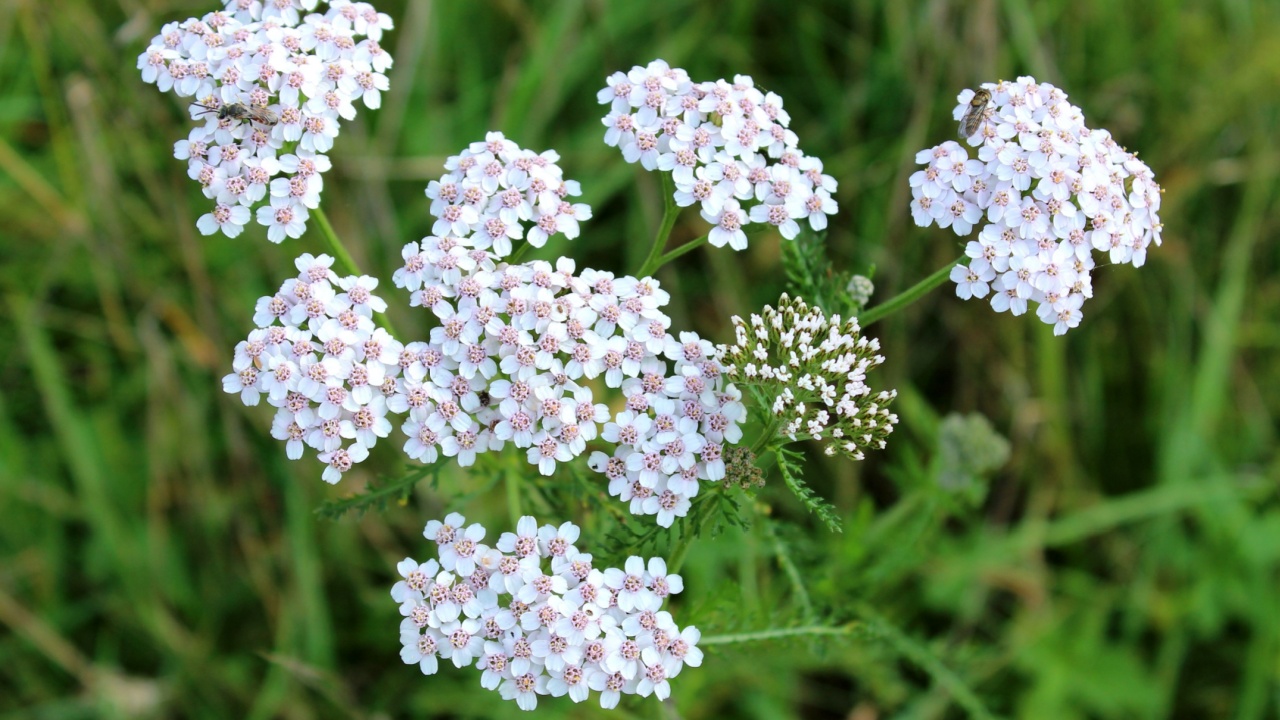
Image Credit: Shutterstock.
Yarrow is an incredibly resilient perennial with feathery foliage and flat-topped flower clusters in a range of colors, including white, yellow, pink, and red. It spreads by rhizomes to form a dense mat, making it an excellent weed suppressor, especially in tough, dry areas. Its extensive root system helps it outcompete other plants for water.
Yarrow is a fantastic plant for a wildlife-friendly garden, attracting predatory insects like ladybugs and lacewings that help control pests. It blooms for a long period in the summer and is highly drought-tolerant and deer-resistant.
Quick Guide:
- Why it works: Spreads via rhizomes to form a dense, weed-proof mat.
- Light: Full sun.
- Soil: Tolerates poor soil but must be well-drained.
- Care Tips: Some taller varieties may need staking. Deadhead to prevent self-seeding if you want to control its spread.
14. Salvia
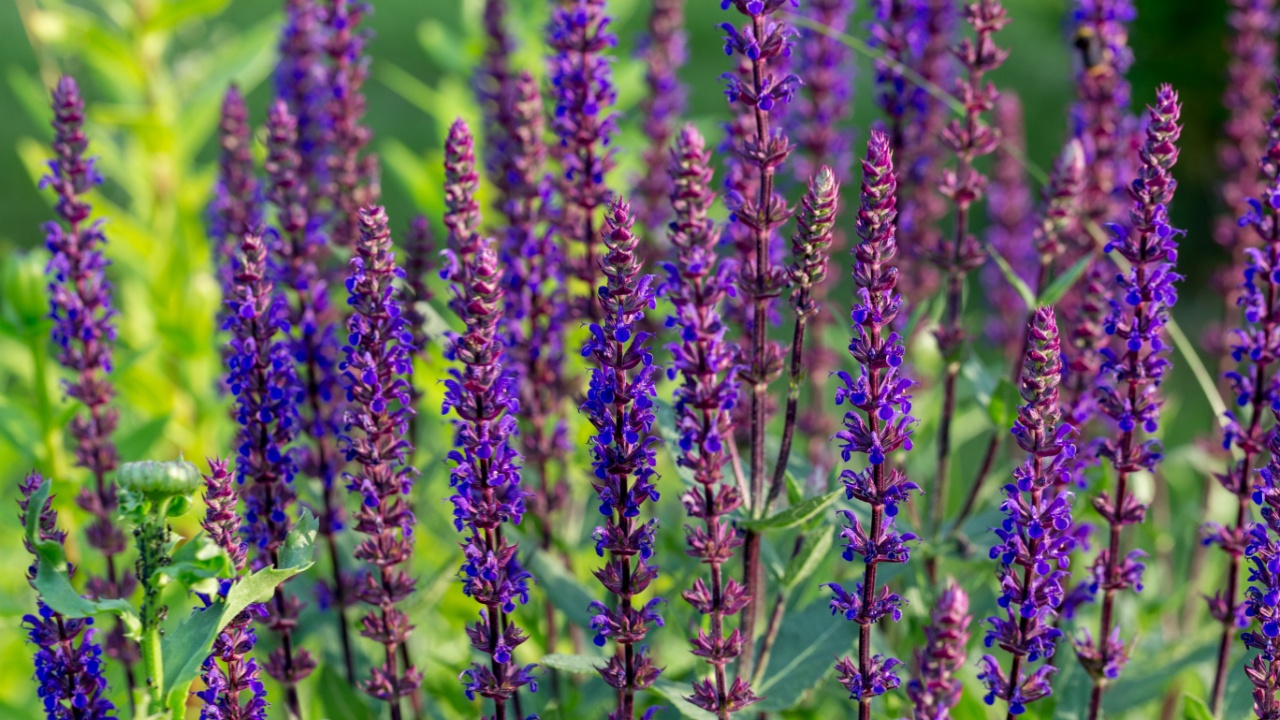
Image Credit: Shutterstock.
The Salvia family is huge and diverse, but many perennial varieties, like ‘May Night’ or ‘Caradonna’, are excellent at suppressing weeds. They form dense, upright clumps of aromatic foliage that quickly fill in space. Their profuse flower spikes rise above the foliage, creating a stunning vertical accent.
Salvias are a favorite of bees, butterflies, and hummingbirds. They are generally drought-tolerant and deer-resistant. Regular deadheading will reward you with repeat blooms throughout the summer, extending the season of interest and continuing to shade the soil.
Quick Guide:
- Why it works: Forms dense, bushy clumps that crowd out competitors.
- Light: Full sun.
- Soil: Prefers average, well-drained soil.
- Care Tips: Deadhead spent flower spikes promptly to encourage reblooming. Cut back hard in early spring.
15. Penstemon (Beardtongue)
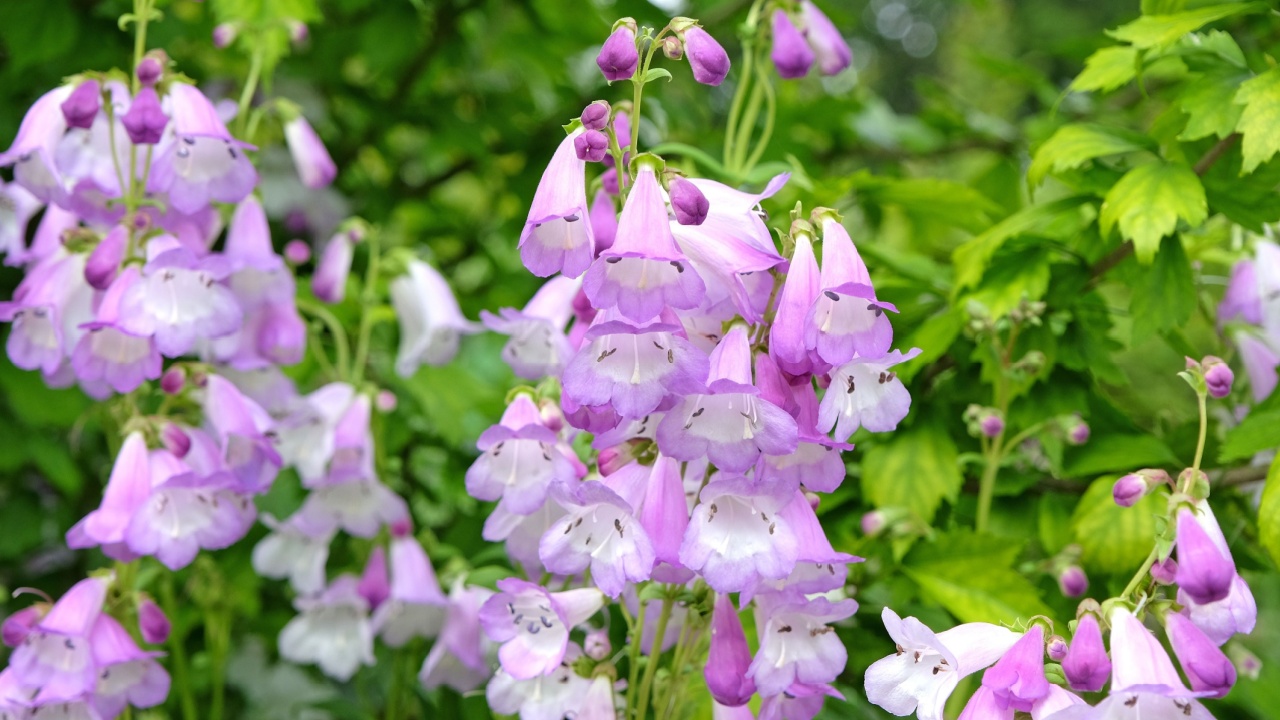
Image Credit: Shutterstock.
Penstemon is a large group of North American wildflowers known for their beautiful, tubular flowers that are perfectly shaped for hummingbirds. Many species form substantial clumps that expand each year, effectively occupying ground and preventing weed establishment. Their upright growth habit adds a wonderful vertical element to garden designs.
Penstemons are valued for their drought tolerance and preference for lean, well-drained soils. They come in a wide range of colors, from soft pinks and lavenders to vibrant reds and deep purples, blooming in late spring and early summer.
Quick Guide:
- Why it works: Forms large, dense clumps that compete for space and resources.
- Light: Full sun.
- Soil: Requires excellent drainage; many types prefer lean, gravelly soil.
- Care Tips: Avoid rich soils and excessive water, which can shorten their lifespan. Don’t mulch heavily around the base.
16. Dianthus (Pinks/Carnation)
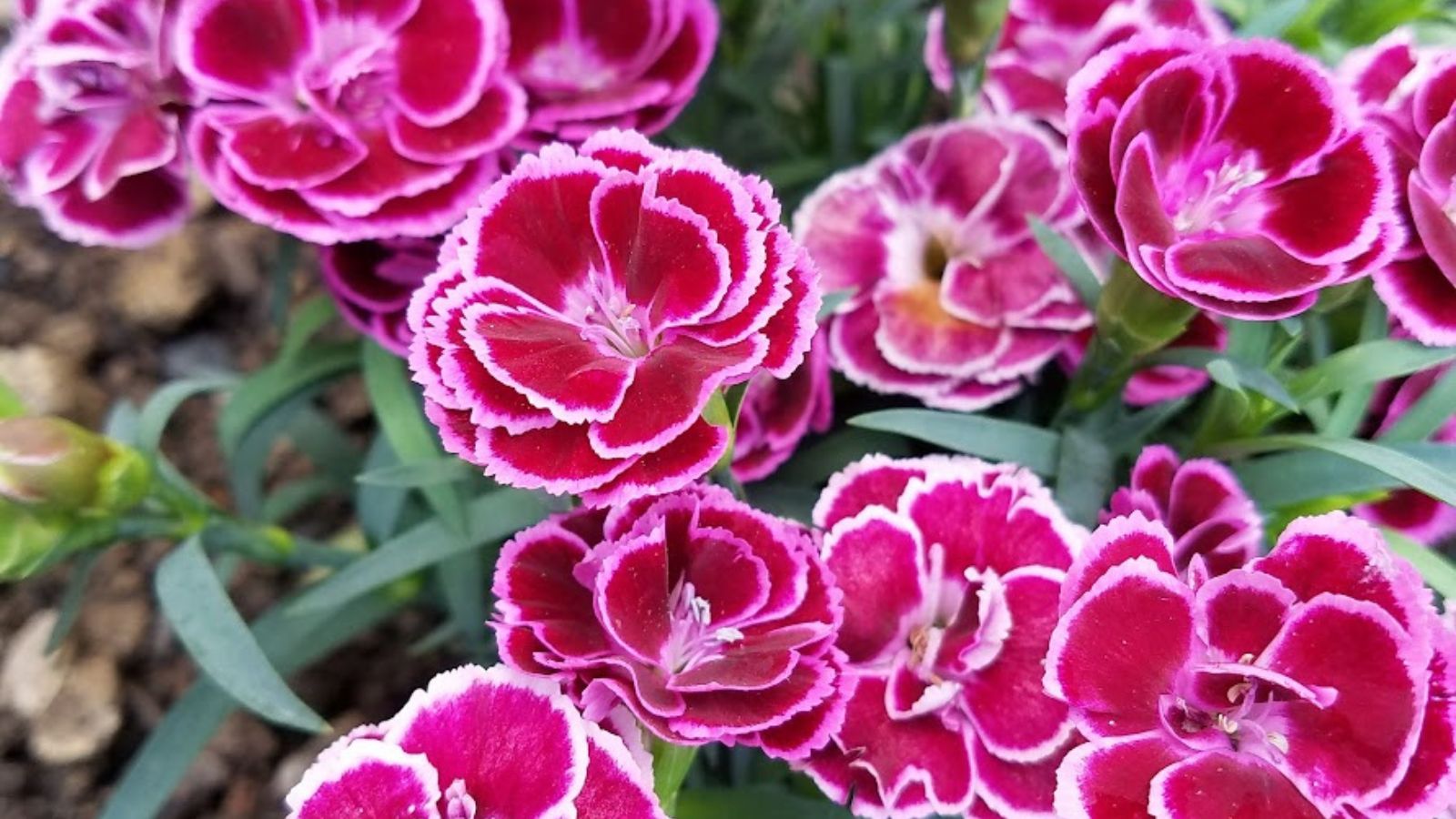
Image credit: Backyard Garden Lover.
Dianthus, often called Pinks, forms low, spreading mats of blue-green, grass-like foliage. This dense carpet is excellent for smothering weeds along the front of a border, in rock gardens, or between paving stones. The plants are topped with fragrant, fringed flowers in shades of pink, white, and red in late spring and early summer.
These charming perennials are tough and long-lived, thriving in full sun and well-drained, alkaline soil. Their spicy, clove-like scent is an added bonus. Once established, they are drought-tolerant and require very little maintenance.
Quick Guide:
- Why it works: Forms a low, dense mat of foliage that acts as a living mulch.
- Light: Full sun.
- Soil: Prefers well-drained, neutral to alkaline soil.
- Care Tips: Shear back after flowering to promote reblooming and maintain a tidy appearance. Good drainage is essential, especially in winter.
17. Geranium (Cranesbill)
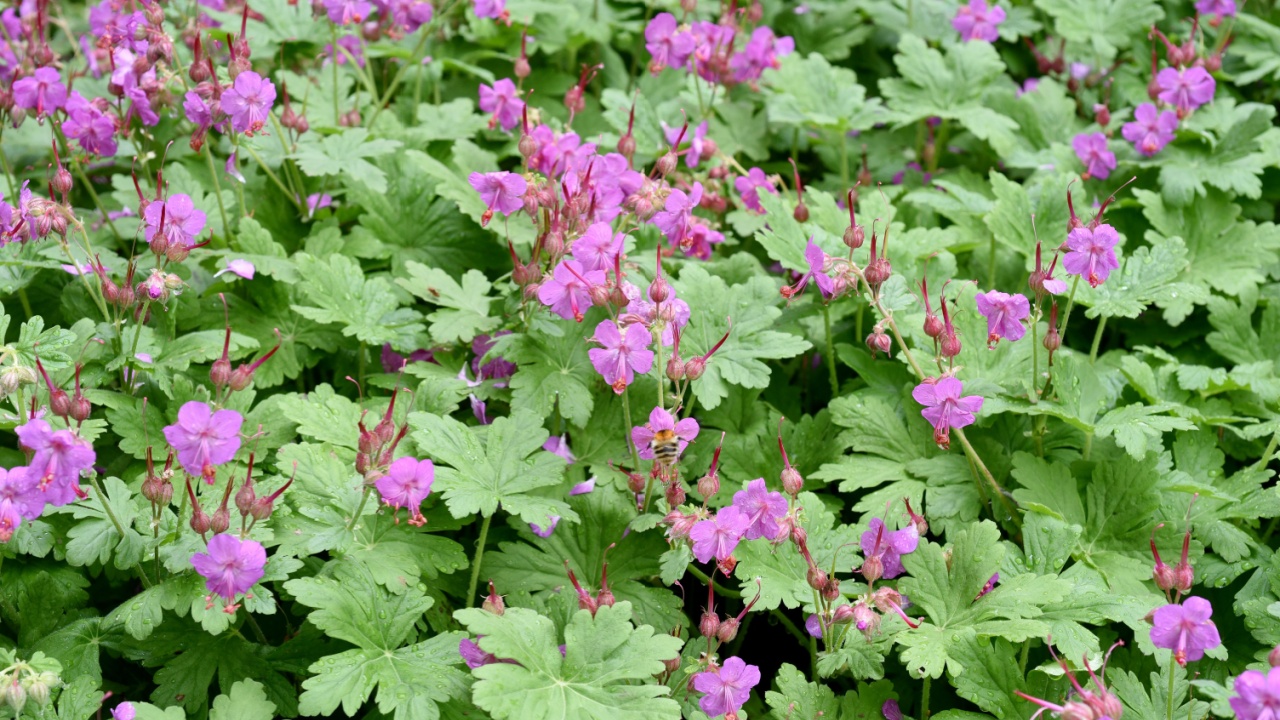
Image Credit: Shutterstock.
Hardy Geraniums, or Cranesbills, are one of the most useful groups of perennials for weed suppression. Many varieties, like ‘Rozanne’ or Geranium macrorrhizum, have a vigorous, spreading habit that weaves through and around other plants, filling every gap and creating a lush groundcover. Their dense foliage shades out weeds from spring until fall.
They produce a profusion of simple, saucer-shaped flowers for an incredibly long season, often from late spring until the first frost. Hardy Geraniums are adaptable, reliable, and available for almost any garden situation, from full sun to dry shade.
Quick Guide:
- Why it works: Vigorous, spreading habit fills gaps and creates a dense canopy of leaves.
- Light: Full sun to part shade, depending on the variety.
- Soil: Adaptable to most soils, but prefers moist, well-drained conditions.
- Care Tips: Shear back mid-season if plants become leggy to encourage a fresh flush of foliage and flowers.
Using Plants to Achieve a Weed-Free Garden: A Dream Come True
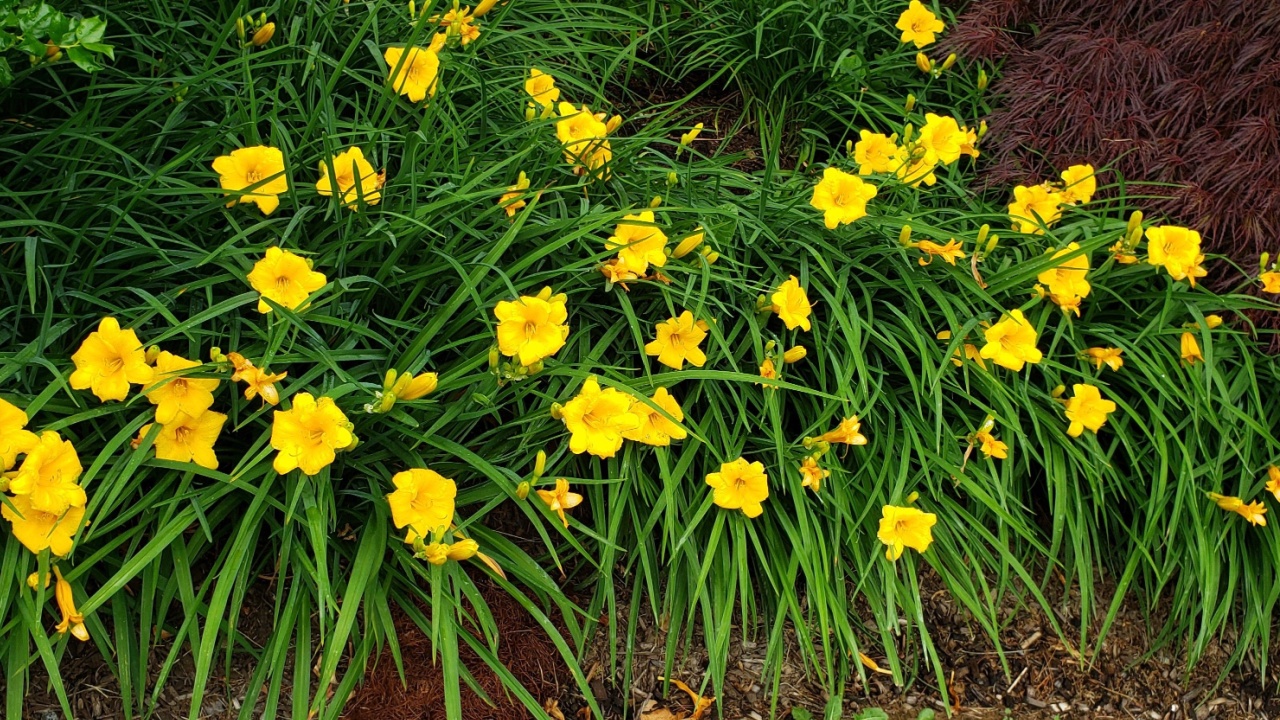
Image Credit: Shutterstock.
Ready to reclaim your weekends from weeding? Now you know it’s possible! The journey to a low-maintenance garden starts with planning. Begin by observing your garden and noting the conditions in different areas—how much sun do they get? Is the soil wet or dry?
Next, choose a few perennials from this list that match your garden’s conditions and your personal style. Start by planting them in a small, well-prepared bed. Plant them slightly closer together than usually recommended to encourage them to fill in quickly and form a solid, weed-suppressing mat. Water them well during their first season to help them establish strong roots. Finally, apply a layer of mulch between the new plants to control weeds while your perennials grow to fill the space.
By making smart plant choices, you can create a beautiful, thriving garden that works with nature, not against it. You’ll spend less time pulling weeds and more time enjoying the buzz of pollinators and the beauty of your flourishing flowers.