
Imagine walking through your garden, admiring vibrant blooms and lush foliage, knowing you haven’t lifted a watering can in weeks. This dream becomes reality when you choose perennials that actually prefer a hands-off approach. These resilient plants have evolved to survive harsh conditions, making them perfect for busy gardeners, weekend warriors, or anyone who loves beautiful flowers without the maintenance headaches.
The secret lies in understanding that many stunning perennials originated in challenging environments—prairies, mountainsides, and meadows where only the toughest survived. These hardy survivors developed deep root systems, drought tolerance, and disease resistance that make them thrive when left alone. In fact, too much attention often does more harm than good.
Native and adapted perennials typically require 50-70% less water than traditional garden plants once established. This collection of 22 neglect-loving perennials will transform your garden into a low-maintenance paradise that looks stunning year after year.
Sourced from the Experts
For each plant entry in our list, we did a full source check to ensure we bring you the best choices for low-maintenance options. We reviewed plant details from local extensions, botanical garden, and nurseries.
1. Purple Coneflower (Echinacea)
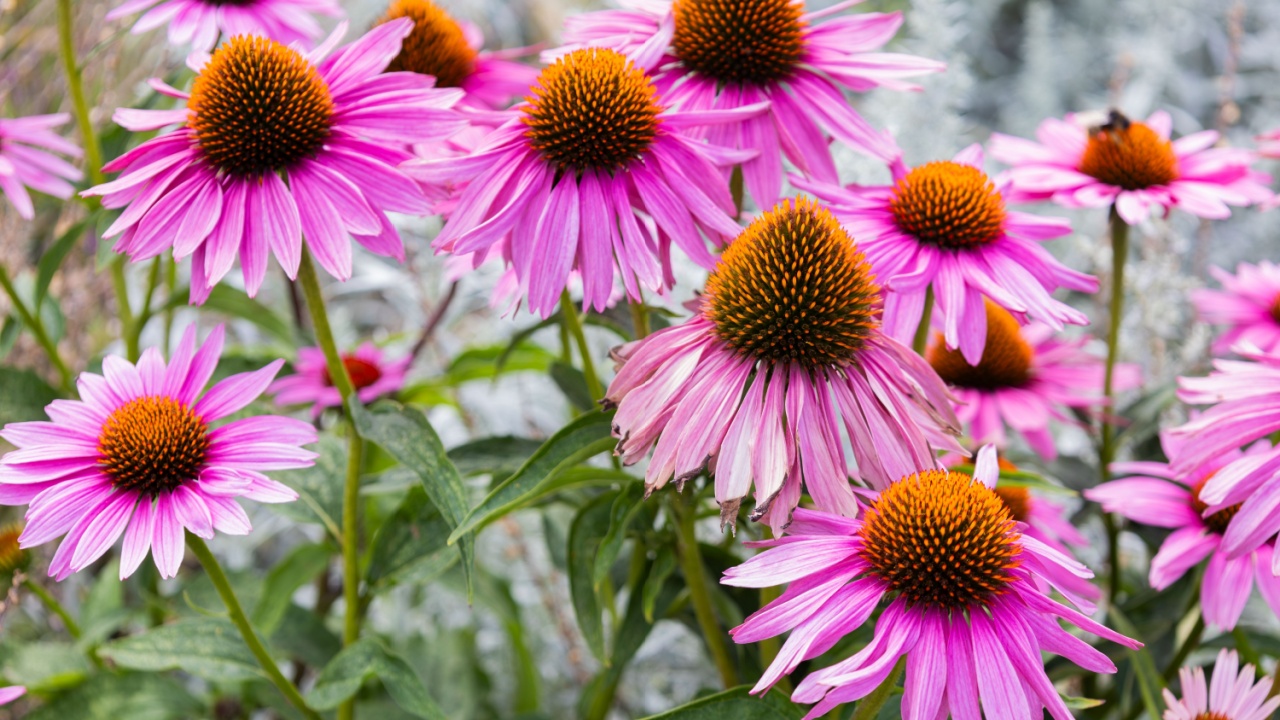
Image Credit: Shutterstock.
Purple coneflowers stand as the poster child for tough love gardening. These prairie natives developed their resilience through centuries of surviving scorching summers, frigid winters, and everything nature could throw at them. Their fibrous root system, often reaching deep, allows them to access water sources that surface-rooted plants never reach.
The distinctive cone-shaped center isn’t just for show—it’s packed with seeds that attract goldfinches and other songbirds throughout fall and winter. Leave the spent flowers standing, and you’ll enjoy both wildlife visits and natural reseeding that expands your display each year.
Why They Thrive on Neglect
- Deep root system accesses groundwater that other plants can’t reach
- Natural disease resistance prevents most fungal and bacterial issues
- Self-seeding ability creates new plants without intervention
- Native prairie genetics evolved for harsh, variable conditions
Planting and Care Tips
Plant in full sun with well-draining soil. Water regularly the first season to establish roots, then drastically reduce watering. These plants actually become more susceptible to crown rot when overwatered. Cut back in late winter or early spring, leaving 2-3 inches of stem. Divide clumps every 4-5 years only if the center begins dying out.
2. Black-Eyed Susan (Rudbeckia)
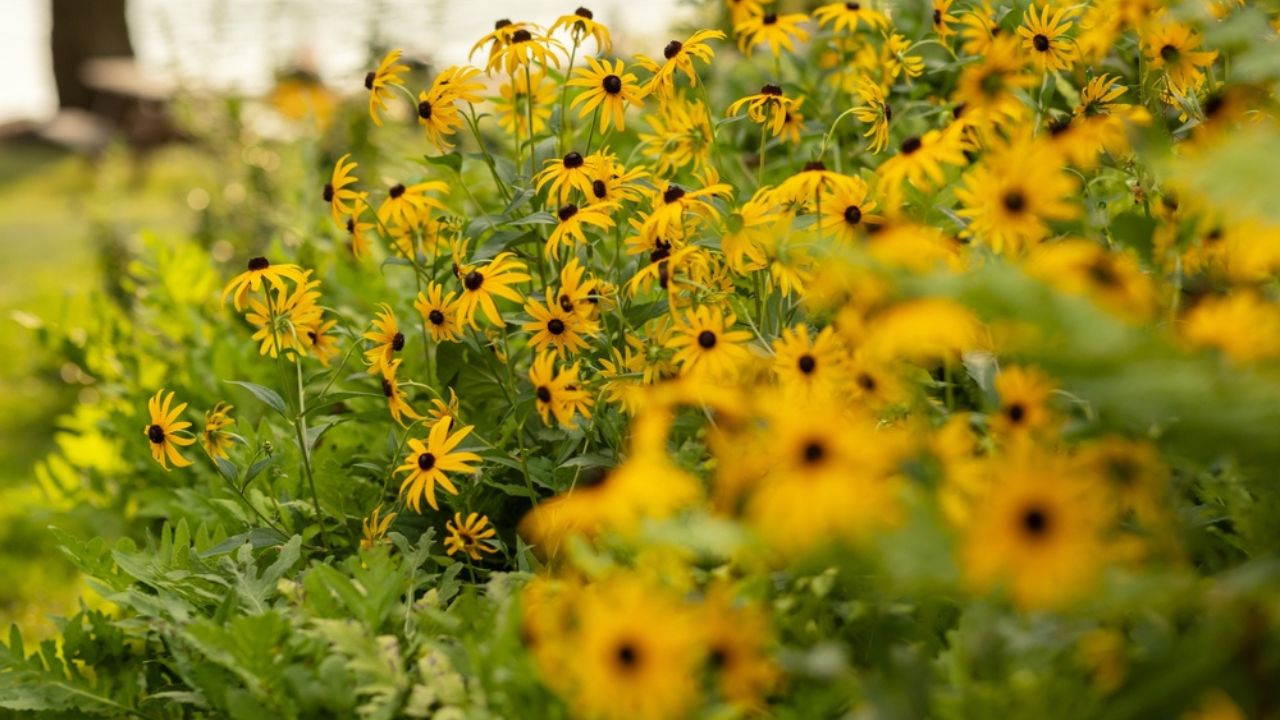
Image Credit: Shutterstock.
Known as pioneer plants, Black-eyed Susans are often the first flowers to colonize disturbed soil after fires or natural disasters. This resilience translates perfectly to neglected garden corners where their cheerful yellow petals and dark centers create months of continuous color from summer through fall.
According to the Missouri Botanical Garden, these members of the sunflower family can survive in temperatures ranging from -30°F to 110°F, making them suitable for virtually any climate in North America.
Why They Thrive on Neglect
- Pioneer plant genetics designed to establish in harsh conditions
- Extensive spreading ability through underground rhizomes and self-seeding
- Drought tolerance once established after first season
- Natural pest resistance deters most garden insects
Planting and Care Tips
Sow seeds directly in fall or early spring—they need light to germinate, so barely cover with soil. Plant transplants in spring after last frost. Water the first year to establish, then only during extreme drought. Deadhead for continuous blooms or leave seed heads for birds and natural spreading. These plants prefer lean soil and actually become leggy with too much fertilizer.
3. Yarrow (Achillea)
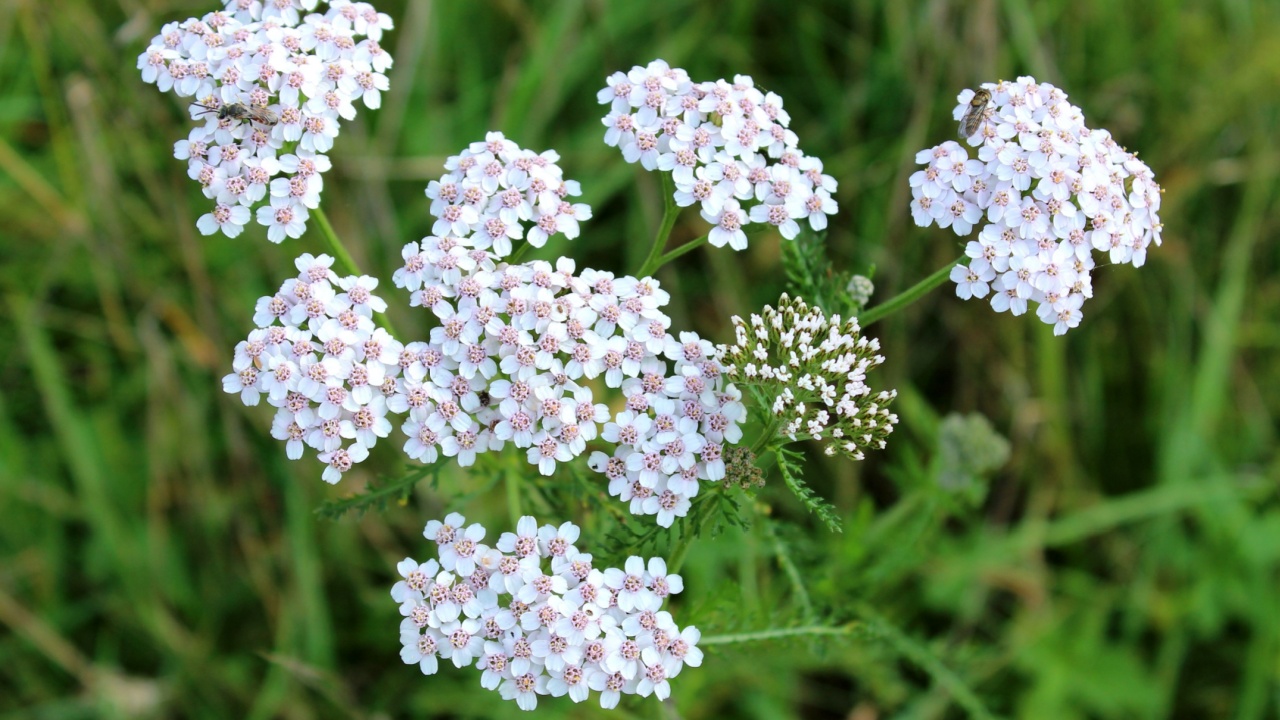
Image Credit: Shutterstock.
Named after the Greek hero Achilles, who supposedly used it to heal soldiers’ wounds, yarrow has been proving its toughness for millennia. This ferny-leaved perennial tolerates poor soil, drought, and neglect so well that it’s often considered weedy—but in the best possible way for lazy gardeners.
Why They Thrive on Neglect
- Extremely deep taproot (up to 9 feet) accesses deep water sources
- Natural allelopathy helps suppress competing weeds
- Beneficial insect magnet attracts predators that control garden pests
- Soil improvement qualities breaks up compacted earth naturally
Planting and Care Tips
Plant in full sun in poor to average soil—rich soil makes plants floppy and reduces flowering. Space 12-18 inches apart as they’ll spread to fill gaps. Cut back by one-third after first flush of blooms for second flowering. In mild climates, yarrow stays semi-evergreen. Divide every 3-4 years only if center dies out or you want more plants.
4. Sedum (Stonecrop)
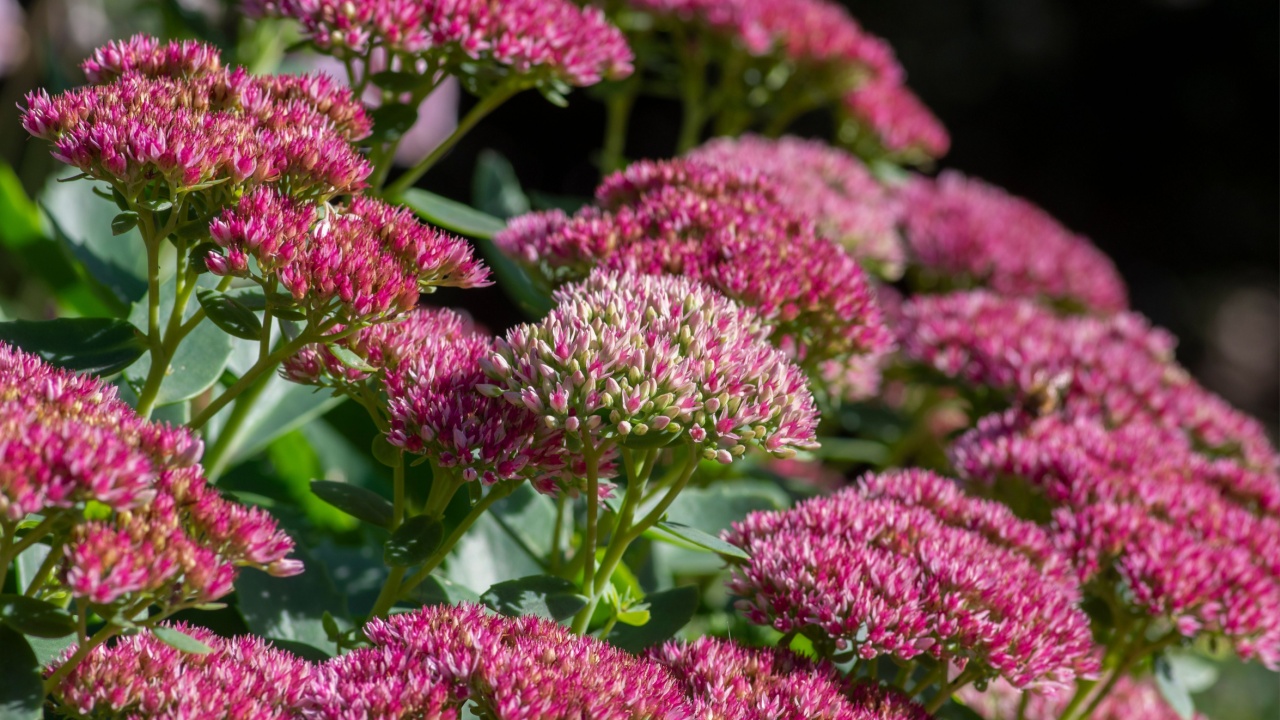
Image Credit: Shutterstock.
Sedum earns its common name “stonecrop” by literally growing in stone walls and rocky crevices where most plants would perish. These succulent perennials store water in their fleshy leaves, making them virtually drought-proof once established. The autumn-flowering varieties like ‘Autumn Joy’ provide crucial late-season nectar when few other flowers are blooming.
Why They Thrive on Neglect
- Succulent leaves store water for extended drought periods
- Shallow root system prevents transplant shock and establishes quickly
- Natural spreading habit fills in gaps without becoming invasive
- Late-season blooms when most other perennials have finished
Planting and Care Tips
Plant in full sun to part shade in well-draining soil—the only thing that kills sedum is wet feet. Even broken pieces dropped on soil will root and grow. Pinch tall varieties in early June to prevent flopping. Leave seed heads through winter for texture and bird food. Divide in spring by simply pulling apart sections.
5. Daylily (Hemerocallis)
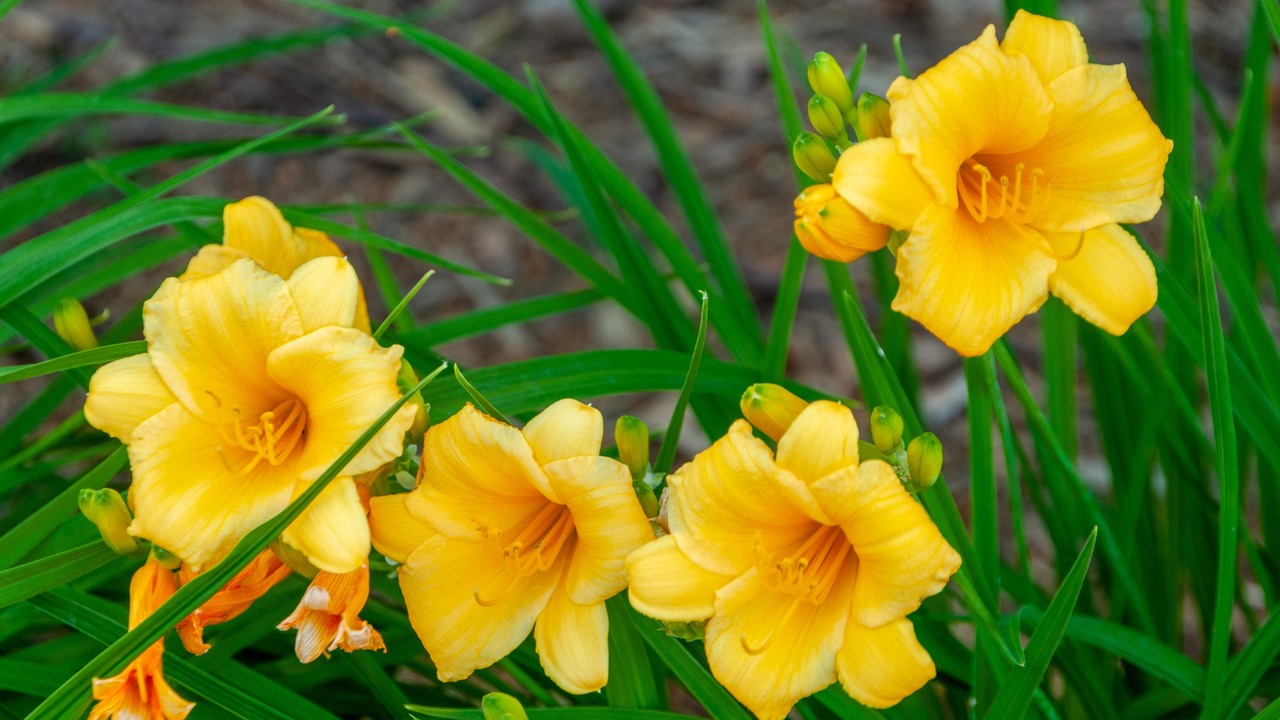
Image Credit: Shutterstock.
Despite their name, daylilies aren’t true lilies but rather members of the asparagus family. This relationship explains their incredible toughness and ability to thrive in various conditions. Each flower lasts just one day, but plants produce so many buds that blooming continues for weeks or months depending on the variety.
Why They Thrive on Neglect
- Fleshy root system stores water and nutrients for lean times
- Continuous blooming from numerous buds means brief flower life doesn’t matter
- Natural multiplication through underground growth increases display yearly
- Edible qualities mean nothing goes to waste—flowers, buds, and shoots are all edible
Planting and Care Tips
Plant in full sun to part shade in any well-draining soil. Space 18-24 inches apart as they’ll spread to touch. Water regularly first season, then only during extreme drought. Remove spent flower stalks if desired for appearance, but it’s not necessary for health. Divide every 5-7 years in spring or fall when clumps become congested.
6. Catmint (Nepeta)
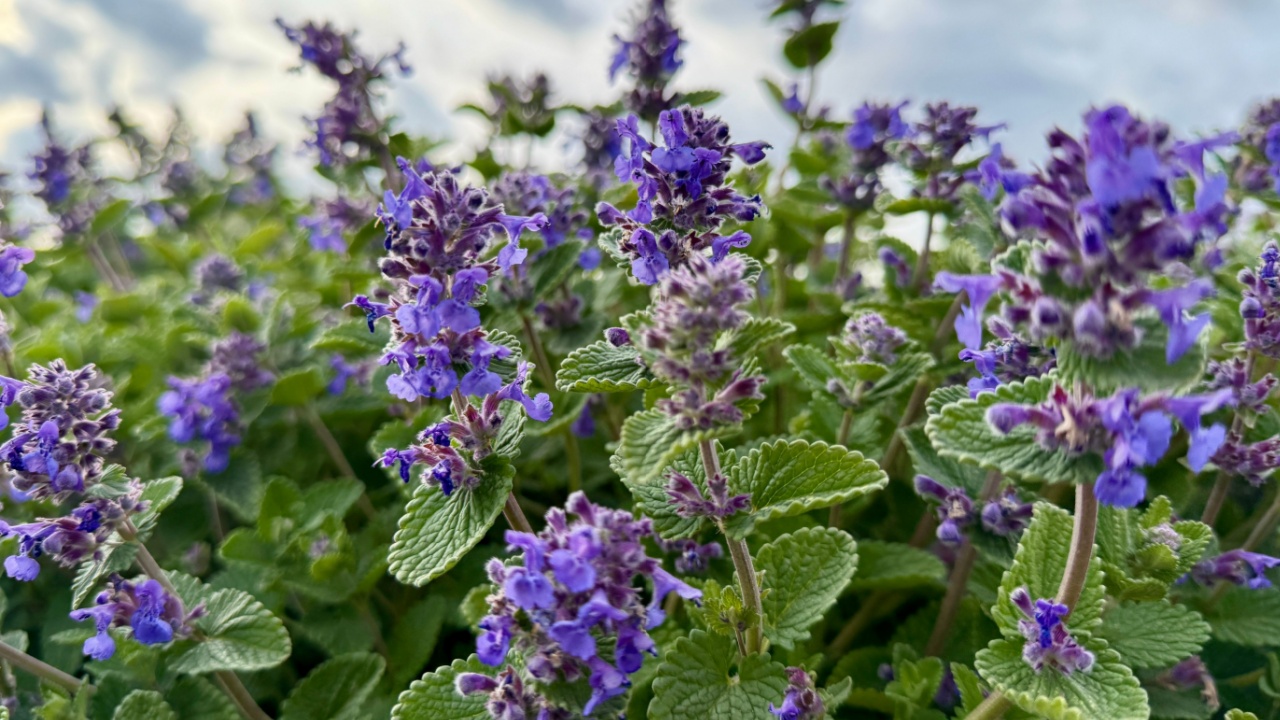
Image Credit: Shutterstock.
Don’t confuse catmint with catnip—while related, most catmints don’t drive cats crazy but do drive gardeners to distraction with their ease of care and non-stop performance. These gray-green mounded plants bloom from late spring through frost without deadheading, watering, or fertilizing.
Why They Thrive on Neglect
- Natural deer and rabbit resistance due to aromatic oils
- Continuous flowering without deadheading required
- Drought tolerance once established through Mediterranean heritage
- Self-cleaning flowers drop on their own maintaining neat appearance
Planting and Care Tips
Plant in full sun to light shade in average, well-draining soil. Rich soil causes floppy growth. Space according to mature size as they form neat mounds. Cut back by half in midsummer if plants look tired—they’ll quickly regrow and rebloom. No fertilizer needed. Divide every 4-5 years in spring if you want more plants.
7. Blanket Flower (Gaillardia)
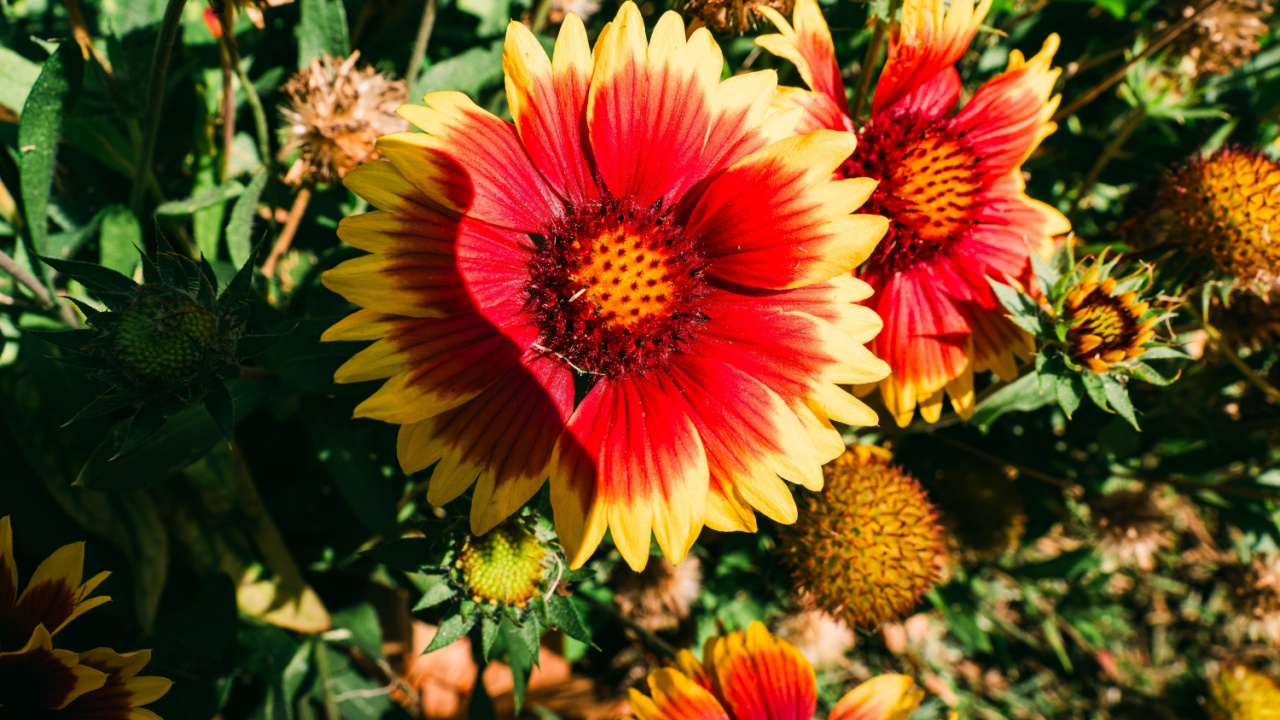
Image Credit: Shutterstock.
These wildflowers bring the colors of a Native American blanket to your garden with their red centers radiating to yellow-tipped petals. Native to the American prairies and Southwest, blanket flowers are genetically programmed to survive drought, heat, and poor soil while blooming non-stop from early summer through frost.
Why They Thrive on Neglect
- Prairie genetics evolved for extreme weather variations
- No deadheading required for continuous blooms
- Self-seeding ability creates new plants naturally
- Heat and drought tolerance thrives in conditions that stress other plants
Planting and Care Tips
Start from seed sown directly in fall or spring, or plant transplants after frost danger. Requires full sun and excellent drainage—will rot in wet soil. Avoid fertilizing as this reduces flowering. Plants are short-lived (2-3 years) but self-seed readily. Allow some seed heads to remain for natural reseeding and bird food.
8. Shasta Daisy (Leucanthemum)
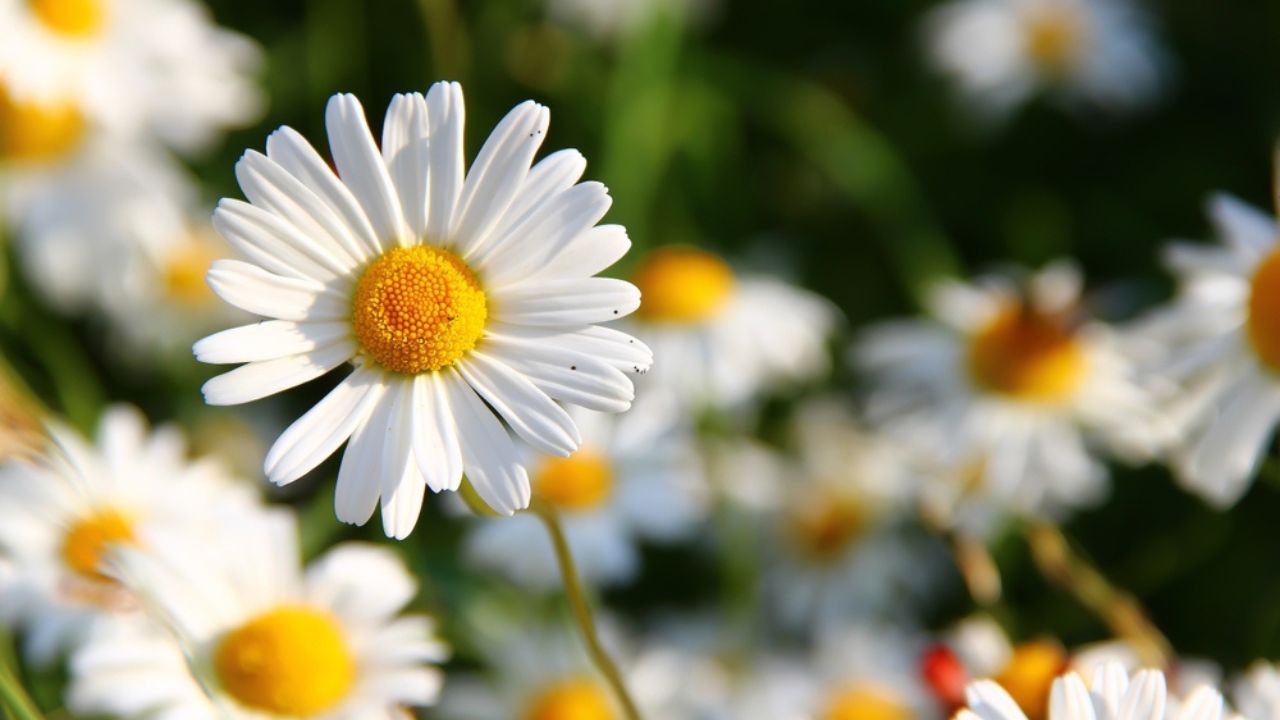
Image Credit: Shutterstock.
These cheerful white daisies with bright yellow centers represent the classic cottage garden flower that requires virtually no care once established. Developed in California by crossing several daisy species, Shastas combine the best traits of their parent plants into one nearly indestructible package.
Why They Thrive on Neglect
- Rhizomatous spreading creates new plants naturally
- Long cutting life means flowers serve dual purpose in garden and vase
- Cold hardy genetics survives harsh winters without protection
- Natural disease resistance prevents most common problems
Planting and Care Tips
Plant in full sun to light shade in average, well-draining soil. Space 12-18 inches apart as they spread to form clumps. Deadhead for extended blooming period or leave for self-seeding. Cut back after first frost or leave for winter interest. Divide every 3-4 years in spring or fall to prevent center die-out.
9. Coreopsis (Tickseed)
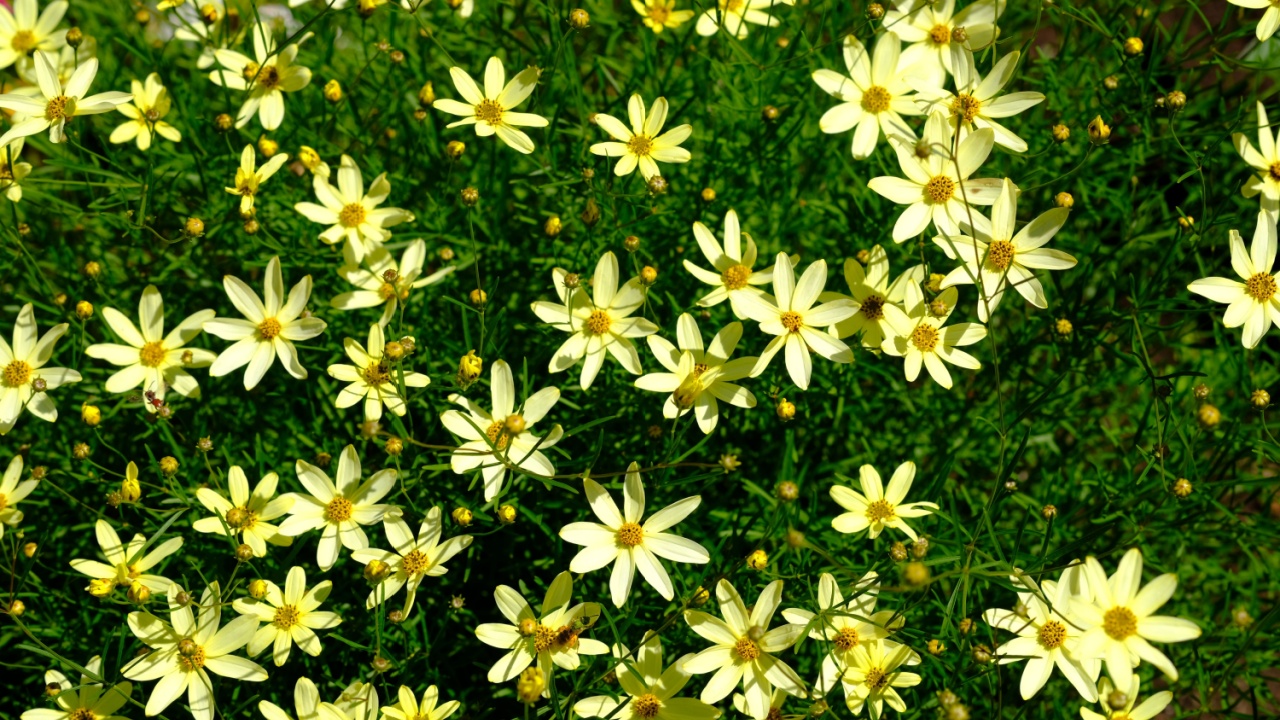
Image Credit: Shutterstock.
Despite the nickname “tickseed” (from the resemblance of seeds to ticks), coreopsis attracts only beneficial insects while repelling pests. These cheerful yellow flowers bloom continuously from early summer through frost with absolutely no deadheading required—a lazy gardener’s dream come true.
Why They Thrive on Neglect
- No deadheading needed for continuous 16-week bloom period
- Self-cleaning flowers maintain neat appearance automatically
- Natural pest deterrent while attracting beneficial insects
- Extreme heat tolerance actually prefers hot, sunny conditions
Planting and Care Tips
Direct seed in spring or fall, or plant transplants after frost danger. Requires full sun and good drainage—tolerates poor, sandy, or rocky soil better than rich, organic soil. Avoid fertilizer which causes weak, floppy growth. Allow self-seeding for natural colony expansion. Cut back in late winter if desired, though not necessary for plant health.
10. Russian Sage (Perovskia)
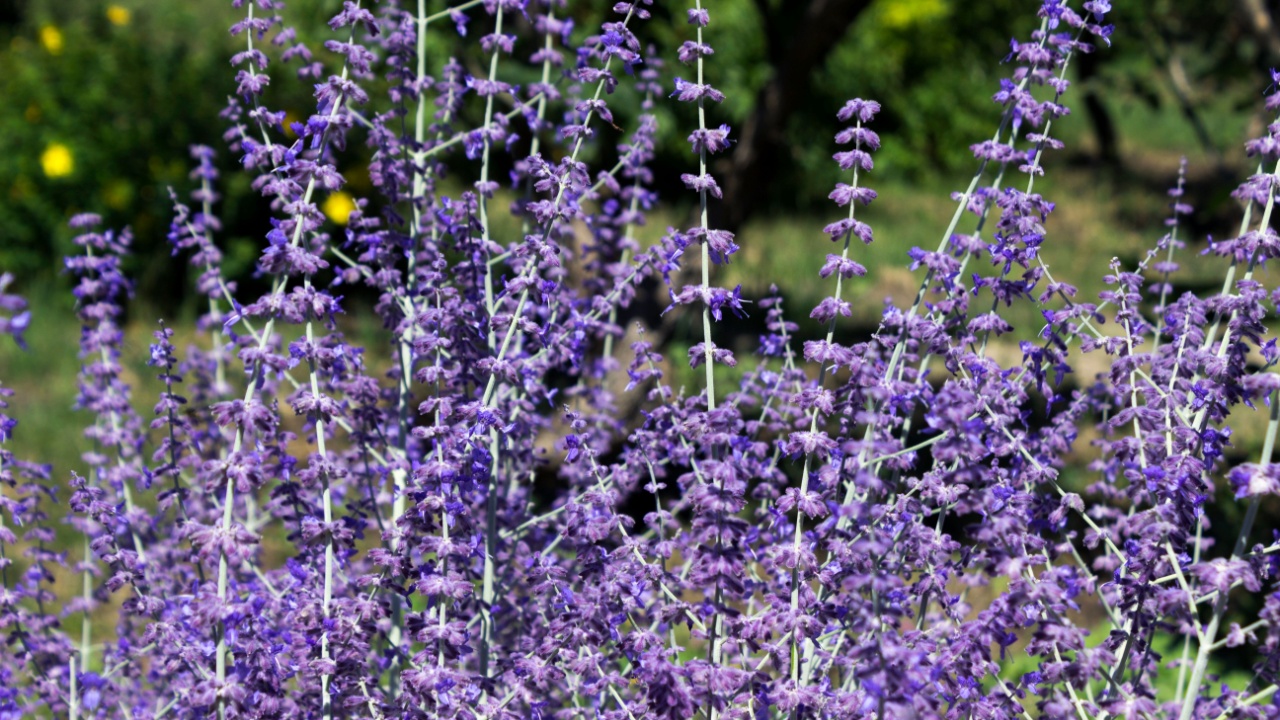
Image Credit: Shutterstock.
This silvery-leafed subshrub produces clouds of tiny purple-blue flowers that seem to float above aromatic, drought-resistant foliage. Native to Afghanistan and surrounding regions, Russian sage thrives in conditions that would kill less hardy plants—making it perfect for neglect gardening.
Why They Thrive on Neglect
- Extreme drought tolerance once established through desert genetics
- Natural pest resistance due to aromatic oils that repel insects
- Late-season interest continues looking good long after other perennials fade
- Deer and rabbit proof provides worry-free garden presence
Planting and Care Tips
Plant in full sun in well-draining soil—will not tolerate wet conditions. Space 3-4 feet apart as mature plants get quite large. Avoid rich soil which causes floppy growth. Cut to 6-12 inches in late winter for best shape. Never needs watering once established. Rarely needs division as plants maintain good shape for many years.
11. Salvia (Ornamental Sage)
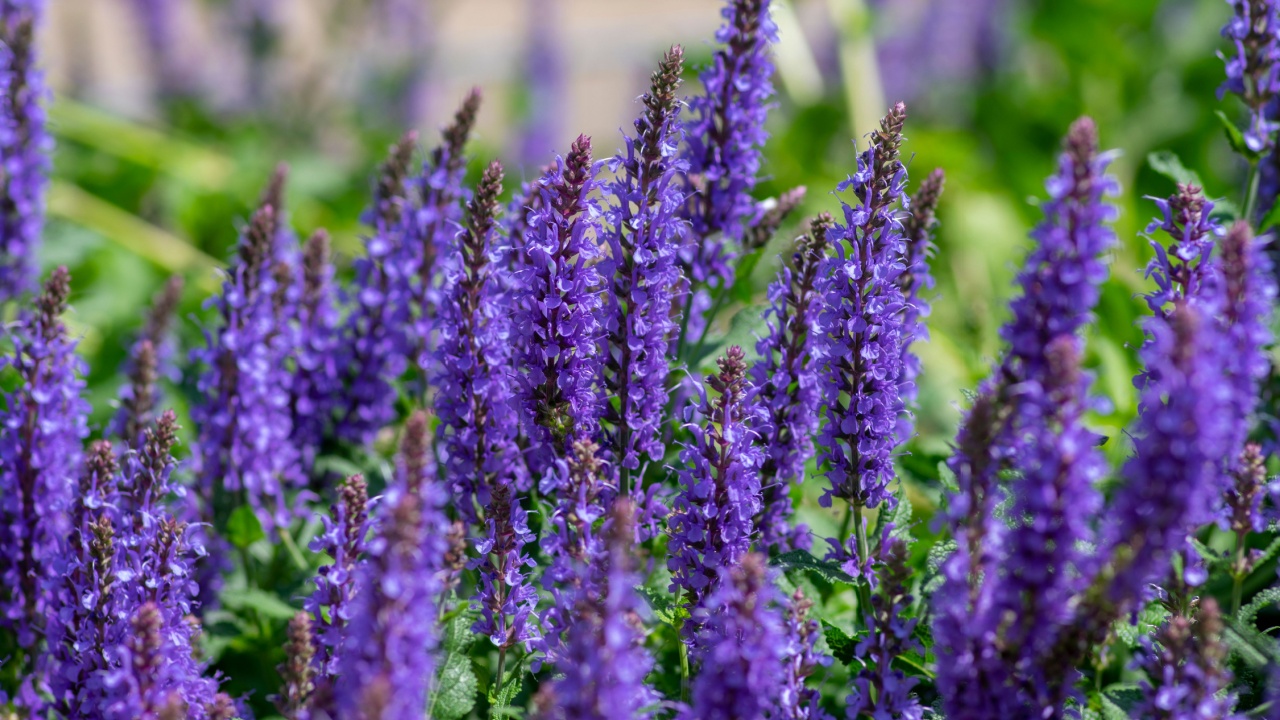
Image Credit: Shutterstock.
Ornamental salvias offer the same toughness as their culinary cousins but with showier flowers in colors ranging from deep purple to bright red. These members of the mint family inherited the drought tolerance and pest resistance that makes all sages garden winners.
Why They Thrive on Neglect
- Mint family genetics provides natural pest and disease resistance
- Extended bloom period from late spring through frost
- Hummingbird magnet tubular flowers perfectly sized for long beaks
- Heat and humidity tolerance thrives in challenging summer conditions
Planting and Care Tips
Plant in full sun to light shade in average, well-draining soil. Rich soil reduces flowering and increases susceptibility to fungal problems. Space according to variety size. Deadhead lightly for extended blooming or leave seed heads for birds. Cut back by half in late winter. Most varieties don’t require division.
12. Penstemon (Beardtongue)
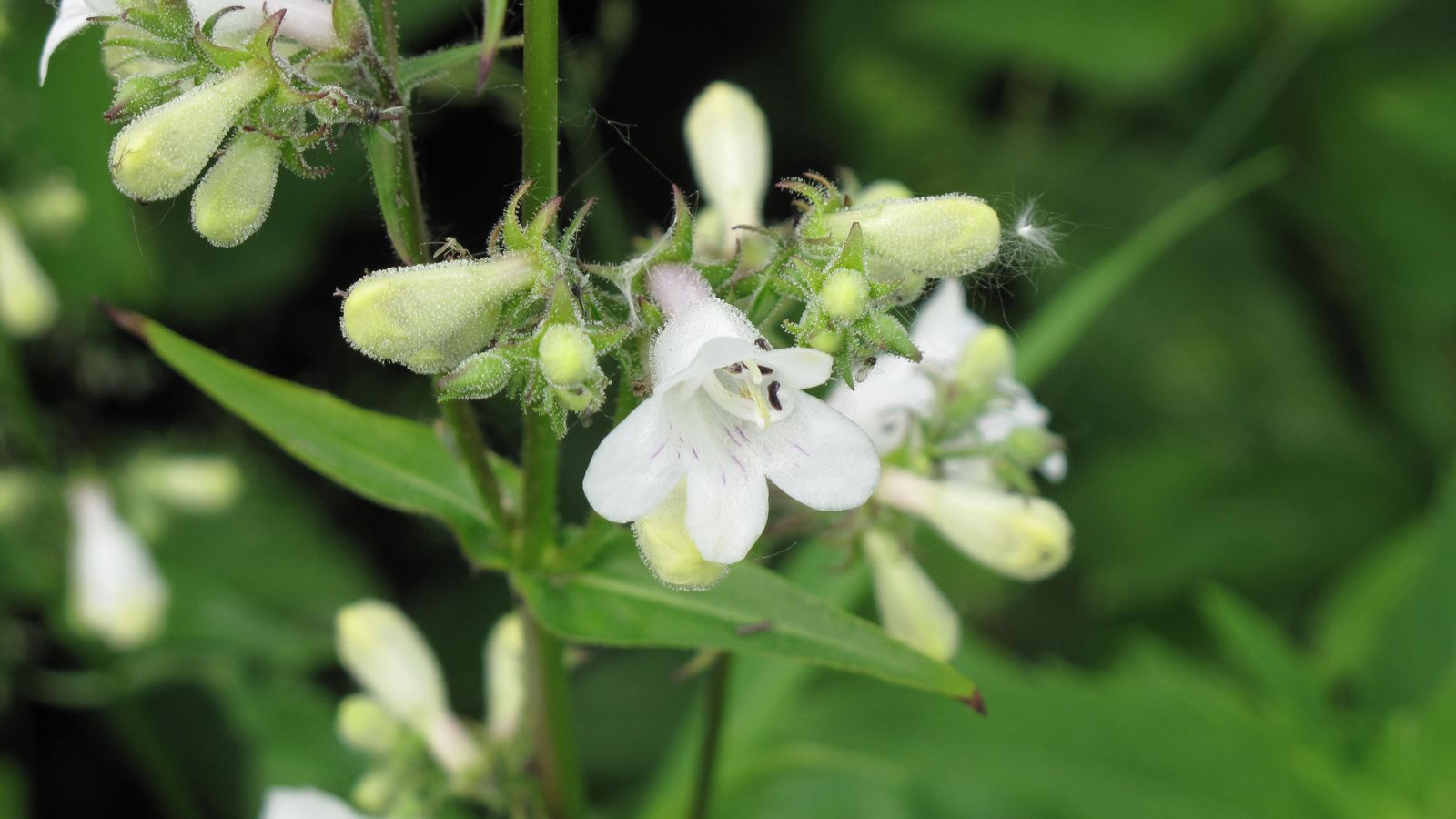
Image Credit: Ayotte, Gilles, 1948- – Bibliothèque de l’Université Laval, CC BY-SA 4.0/Wiki Commons.
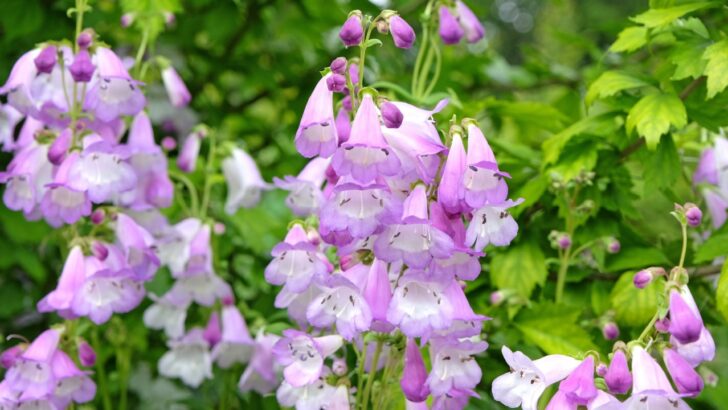
With over 280 species native to North America, penstemons offer incredible diversity while maintaining the drought tolerance that makes them perfect neglect perennials. Their tubular flowers create a hummingbird highway through your garden while requiring virtually no care from you.
Why They Thrive on Neglect
- Native genetics adapted to local climate conditions
- Natural hummingbird partnership ensures pollination without human intervention
- Lean soil preference performs better without fertilization or rich soil
- Self-seeding tendency creates natural colonies over time
Planting and Care Tips
Choose species native to your region for best performance. Plant in full sun in lean, well-draining soil—avoid amendments or fertilizers. Space according to mature size as most don’t require division. Allow some seed heads to remain for natural reseeding. Cut back in late winter. Water only during extreme drought in first year, then rarely.
13. Lamb’s Ear (Stachys byzantina)
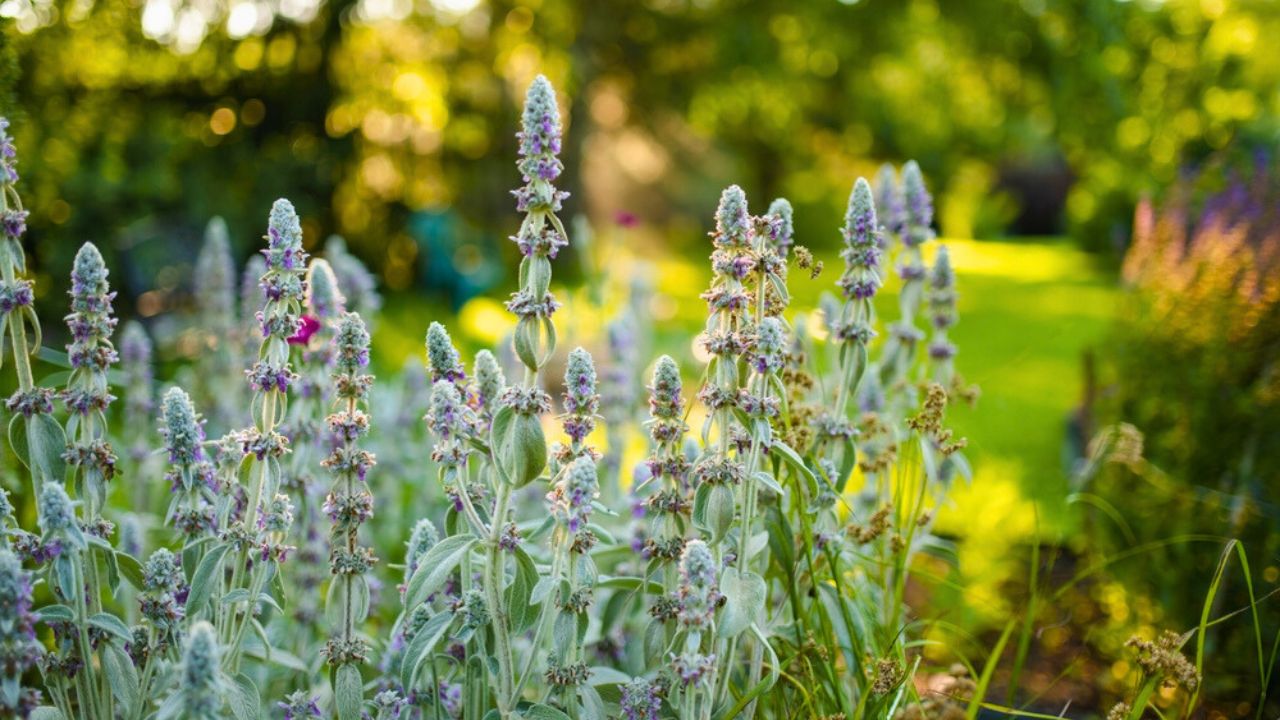
Image Credit: Shutterstock.
The silvery-soft leaves of lamb’s ear provide textural contrast in flower gardens while requiring absolutely no care once established. This Mediterranean native spreads to form attractive groundcover that suppresses weeds while providing a cooling visual effect in hot climates.
Why They Thrive on Neglect
- Silver foliage reflects heat and reduces water loss
- Natural weed suppression through dense spreading growth
- Deer and rabbit resistance due to fuzzy texture animals dislike
- Drought adaptation through Mediterranean genetics
Planting and Care Tips
Plant in full sun to part shade in well-draining soil. Will rot in wet or humid conditions. Space 12-15 inches apart as plants spread to form colonies. Remove flower spikes if grown primarily for foliage effect. Divide every 3-4 years in spring or fall. Never fertilize as this makes plants susceptible to fungal problems.
14. Joe Pye Weed (Eutrochium)
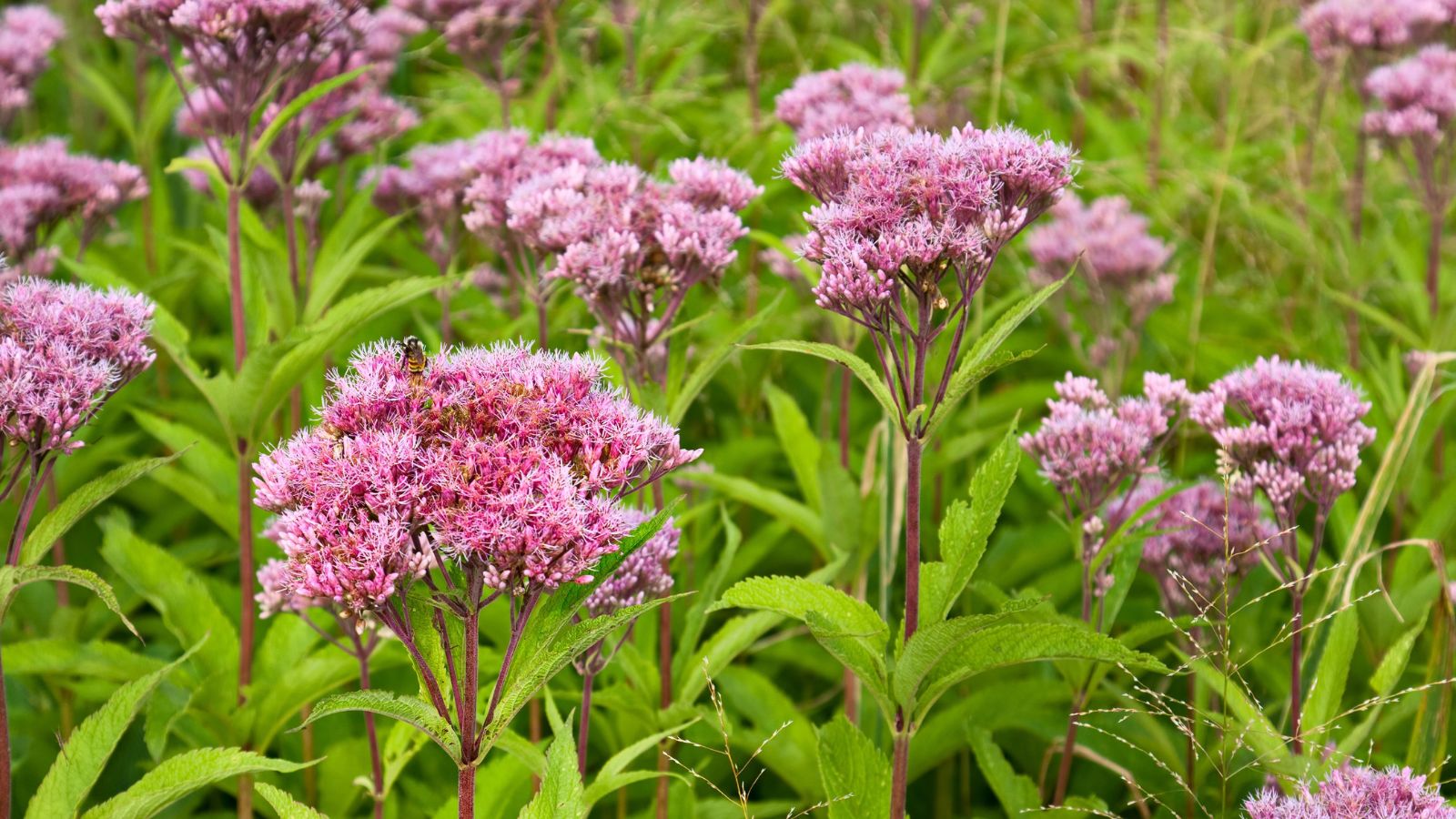
Image Credit: Depositphotos.com.
Despite its unfortunate name, Joe Pye weed produces magnificent clusters of mauve-pink flowers atop 4-8 foot stems that attract every butterfly for miles around. This native wildflower asks for nothing but provides spectacular late-summer displays that lesser plants can’t match.
Why They Thrive on Neglect
- Native wetland genetics handles both drought and moisture extremes
- Massive butterfly appeal creates living garden displays without effort
- Natural height variation provides vertical interest without staking
- Self-supporting stems rarely need staking despite impressive height
Planting and Care Tips
Plant in full sun to part shade in average to moist soil. Unlike most drought-tolerant plants, Joe Pye weed also tolerates wet conditions. Space 3-4 feet apart as plants get quite large. Cut back in late winter or early spring. Rarely needs division. Allow seed heads to remain for birds and natural reseeding.
15. Wild Bergamot (Monarda fistulosa)
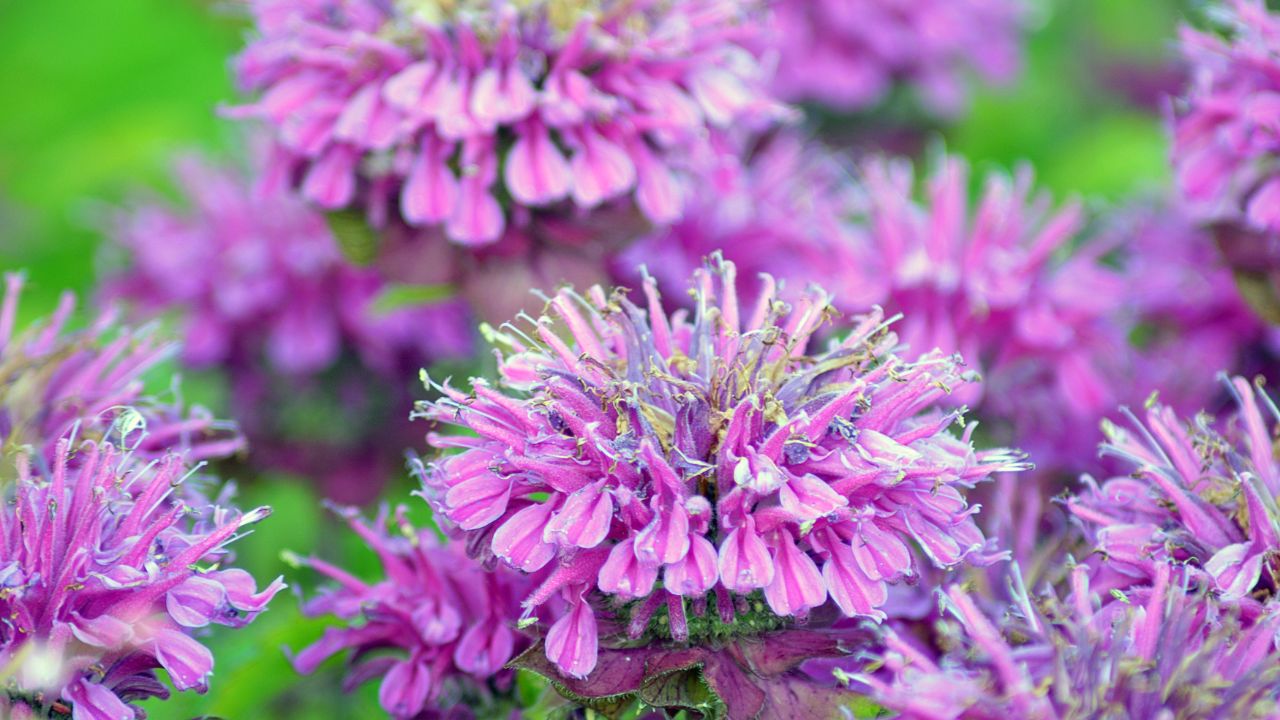
Image Credit: Shutterstock.
This native monarda offers the same ornamental value as garden bee balm but with significantly better disease resistance and drought tolerance. The lavender flowers attract hummingbirds and butterflies while the aromatic leaves can be used for tea—a true dual-purpose plant.
Why They Thrive on Neglect
- Native disease resistance prevents powdery mildew common in hybrid bee balms
- Natural spreading through underground runners creates expanding colonies
- Dual-purpose value ornamental flowers and edible/medicinal leaves
- Prairie adaptation handles drought, heat, and poor soil with ease
Planting and Care Tips
Plant in full sun to part shade in average, well-draining soil. Good air circulation helps prevent any fungal issues. Space 18-24 inches apart as plants spread naturally. Deadhead for extended blooming or leave seed heads for birds. Cut back in late winter. Divide every 3-4 years to control spread if needed.
16. Purple Prairie Clover (Dalea purpurea)
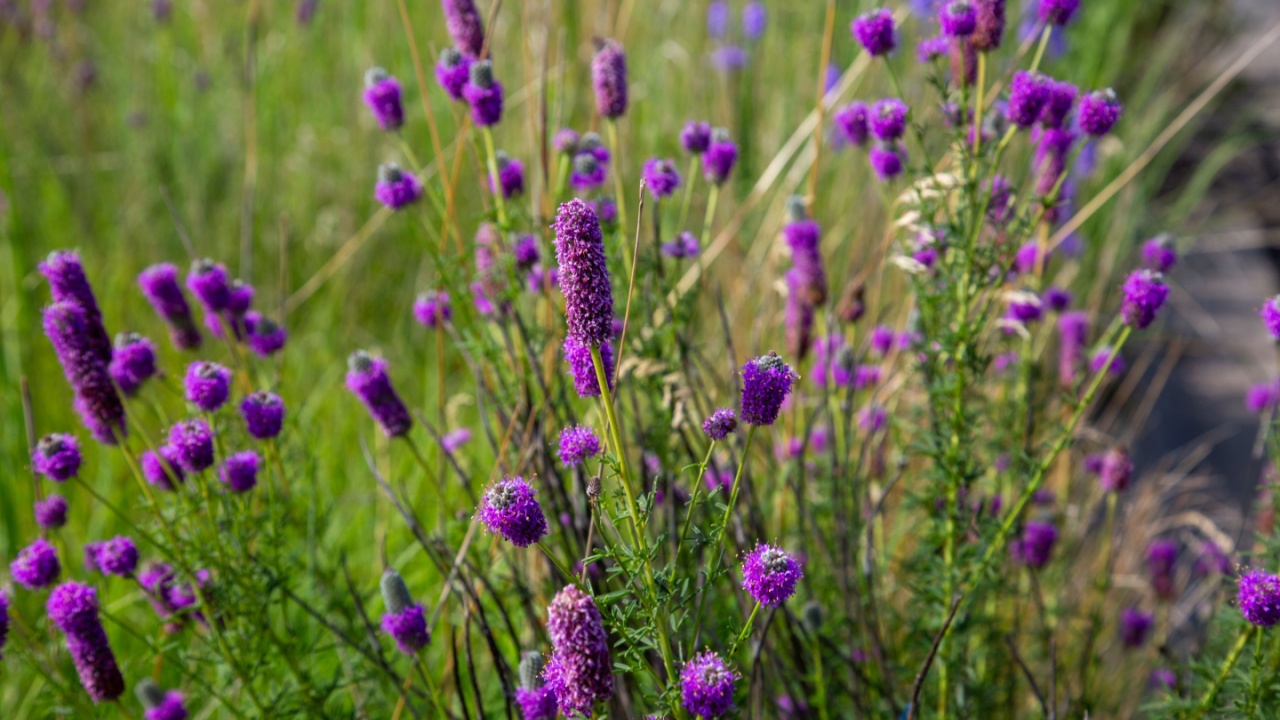
Image Credit: Shutterstock.
This graceful prairie native produces distinctive cone-shaped flowers that seem almost otherworldly rising above delicate, compound leaves. As a legume, it actually improves soil nitrogen levels while requiring no fertilizer itself—the ultimate low-maintenance plant.
Why They Thrive on Neglect
- Nitrogen-fixing ability improves soil for neighboring plants
- Deep taproot accesses water and nutrients others can’t reach
- Natural pest resistance evolved defenses against prairie insects
- Architectural form provides structure without staking or support
Planting and Care Tips
Start from seed sown in fall for spring germination, or plant seedlings in spring. Requires full sun and excellent drainage. Never fertilize as this reduces flowering and makes plants susceptible to problems. Allow natural self-seeding for colony expansion. Rarely requires division or special care once established.
17. Wild Ginger (Asarum canadense)
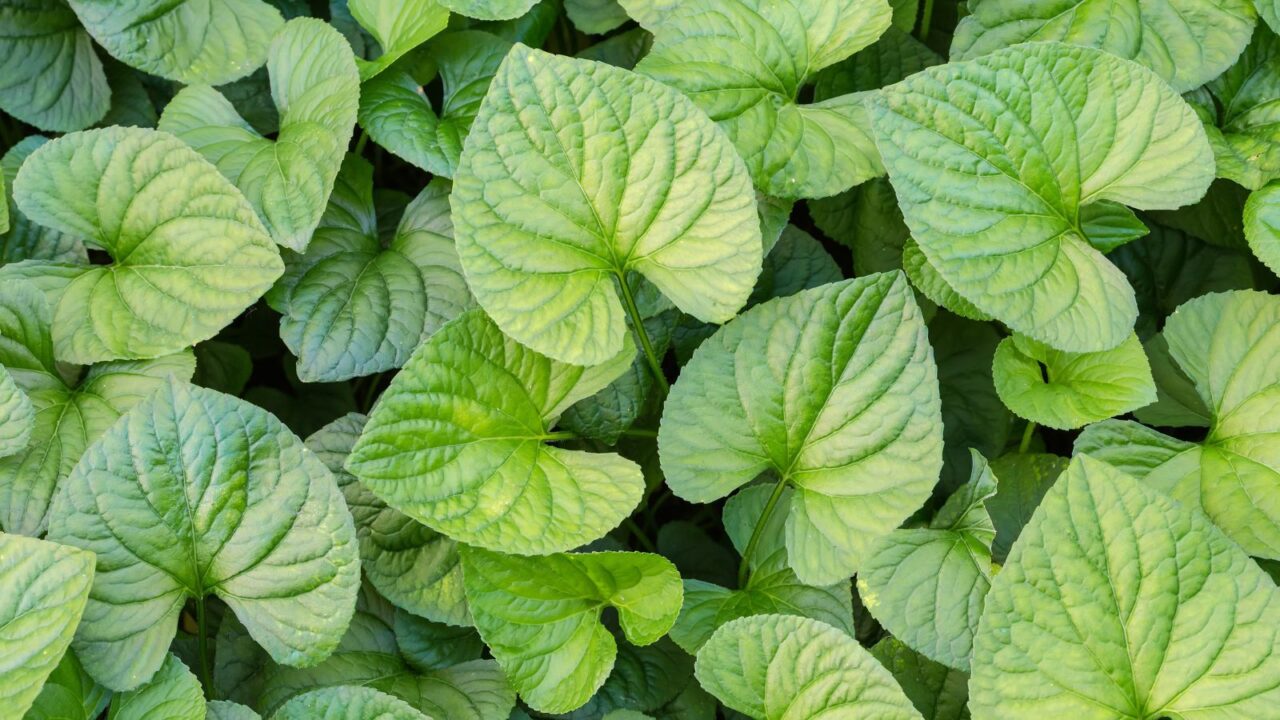
Image Credit: Depositphotos.com.
For shaded neglect gardens, wild ginger provides the perfect groundcover solution. This native woodland plant spreads slowly through underground rhizomes, creating dense colonies that suppress weeds while requiring no water, fertilizer, or special care once established.
Why They Thrive on Neglect
- Woodland adaptation thrives in challenging shade conditions
- Natural weed suppression through dense groundcover growth
- Rhizomatous spreading creates expanding colonies without reseeding
- Deer resistance keeps plantings intact without protection
Planting and Care Tips
Plant in part to full shade in moist, well-draining soil rich in organic matter. Space 12-15 inches apart as plants spread slowly but steadily. Mulch with leaf mold to mimic natural woodland conditions. Water first season to establish, then rarely needed except in extreme drought. Never needs fertilizer or division.
18. Culver’s Root (Veronicastrum virginicum)
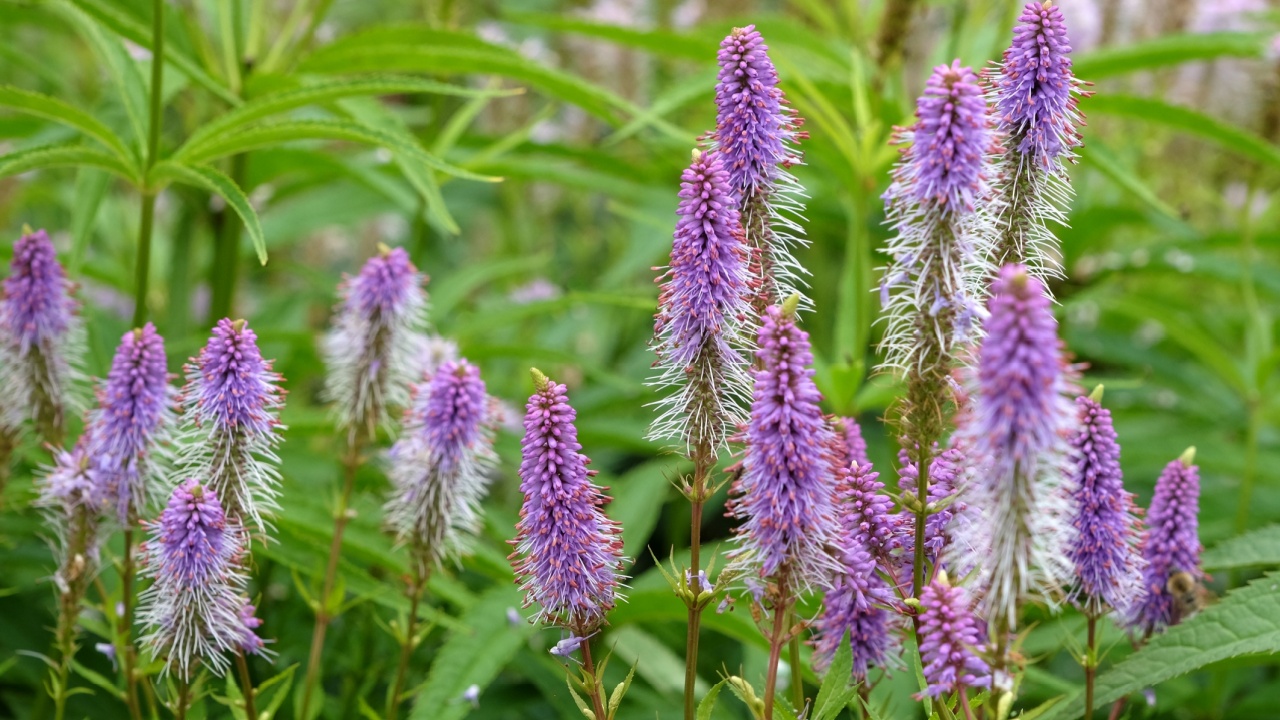
Image Credit: Shutterstock.
This stately native produces 4-6 foot tall spikes crowned with bottlebrush flowers in white or pale pink. The architectural form provides structure to wildflower gardens while requiring no staking, fertilizing, or special care—just pure vertical drama with zero maintenance.
Why They Thrive on Neglect
- Strong stem structure eliminates need for staking despite impressive height
- Native adaptability handles various soil and moisture conditions
- Late-season bloom provides nectar when many other sources are finished
- Natural pest resistance evolved defenses against common garden problems
Planting and Care Tips
Plant in full sun to part shade in average to moist soil. Tolerates clay soil better than most perennials. Space 2-3 feet apart as mature plants get quite wide. Cut back in late winter or leave seed heads for birds and winter interest. Rarely needs division but can be divided in spring if desired for more plants.
19. Nodding Onion (Allium cernuum)
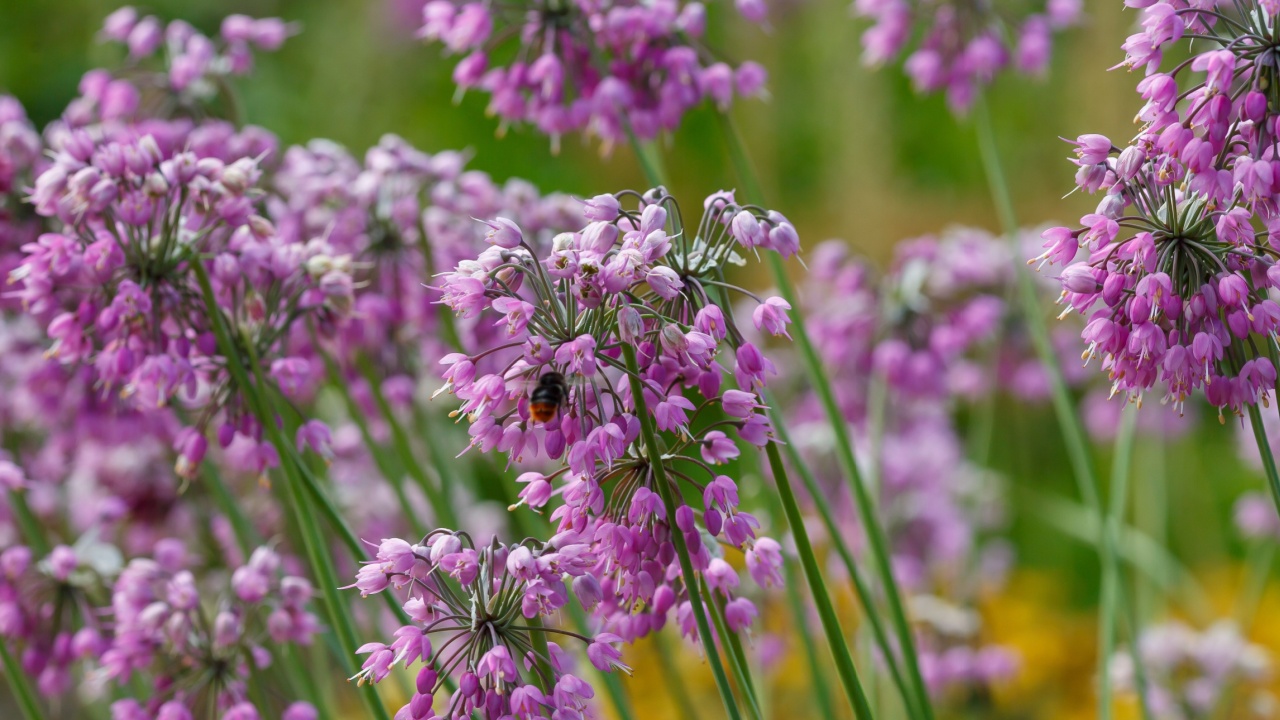
Image Credit: Shutterstock.
This graceful native allium produces drooping clusters of pink to white flowers that nod elegantly in summer breezes. Unlike many ornamental alliums that go dormant after blooming, nodding onion maintains attractive foliage throughout the growing season while naturalizing freely.
Why They Thrive on Neglect
- Bulbous storage provides drought insurance and eliminates watering needs
- Natural pest deterrent onion family genetics repel most garden pests
- Persistent foliage provides season-long garden interest
- Self-naturalizing creates expanding displays without replanting
Planting and Care Tips
Plant bulbs in fall 2-3 inches deep in full sun to part shade. Tolerates wide range of soil conditions from dry to moderately moist. Allow foliage to die back naturally to feed bulbs for next year’s display. Mark locations as plants go completely dormant in winter. Self-seeds readily for natural colony expansion.
20. Little Bluestem (Schizachyrium scoparium)
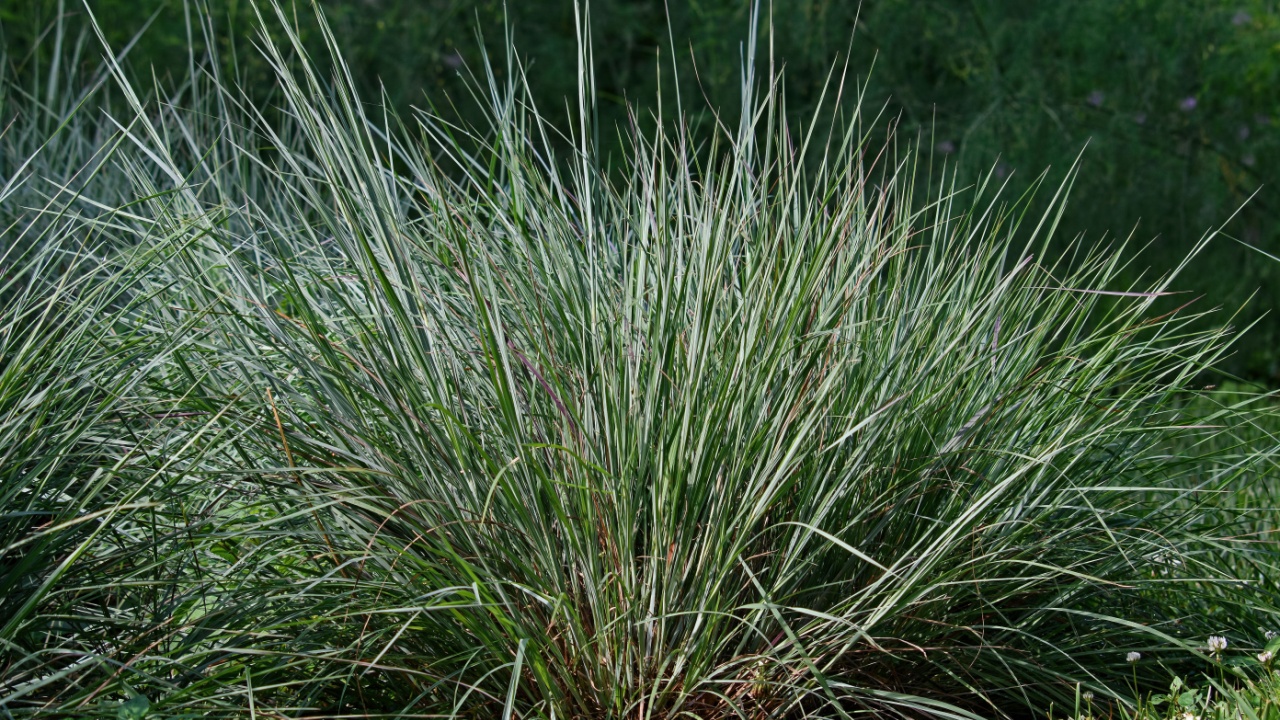
Image Credit: Shutterstock.
This native ornamental grass provides four seasons of beauty while requiring absolutely no care once established. The blue-green summer foliage turns brilliant orange-red in fall, then provides winter interest with its buff-colored seed heads that feed birds throughout the cold months.
Why They Thrive on Neglect
- Warm-season grass genetics handles heat and drought with ease
- Four-season interest provides garden value year-round
- Natural bird habitat seed heads feed wildlife through winter
- Fire adaptation actually benefits from occasional cutting or burning
Planting and Care Tips
Plant in full sun in any well-draining soil—actually prefers poor, sandy, or rocky soils over rich garden soil. Space 18-24 inches apart as plants form neat clumps that don’t spread aggressively. Cut back in late winter before new growth begins. Never needs fertilizer, water (after first season), or division.
21. New England Aster (Symphyotrichum novae-angliae)
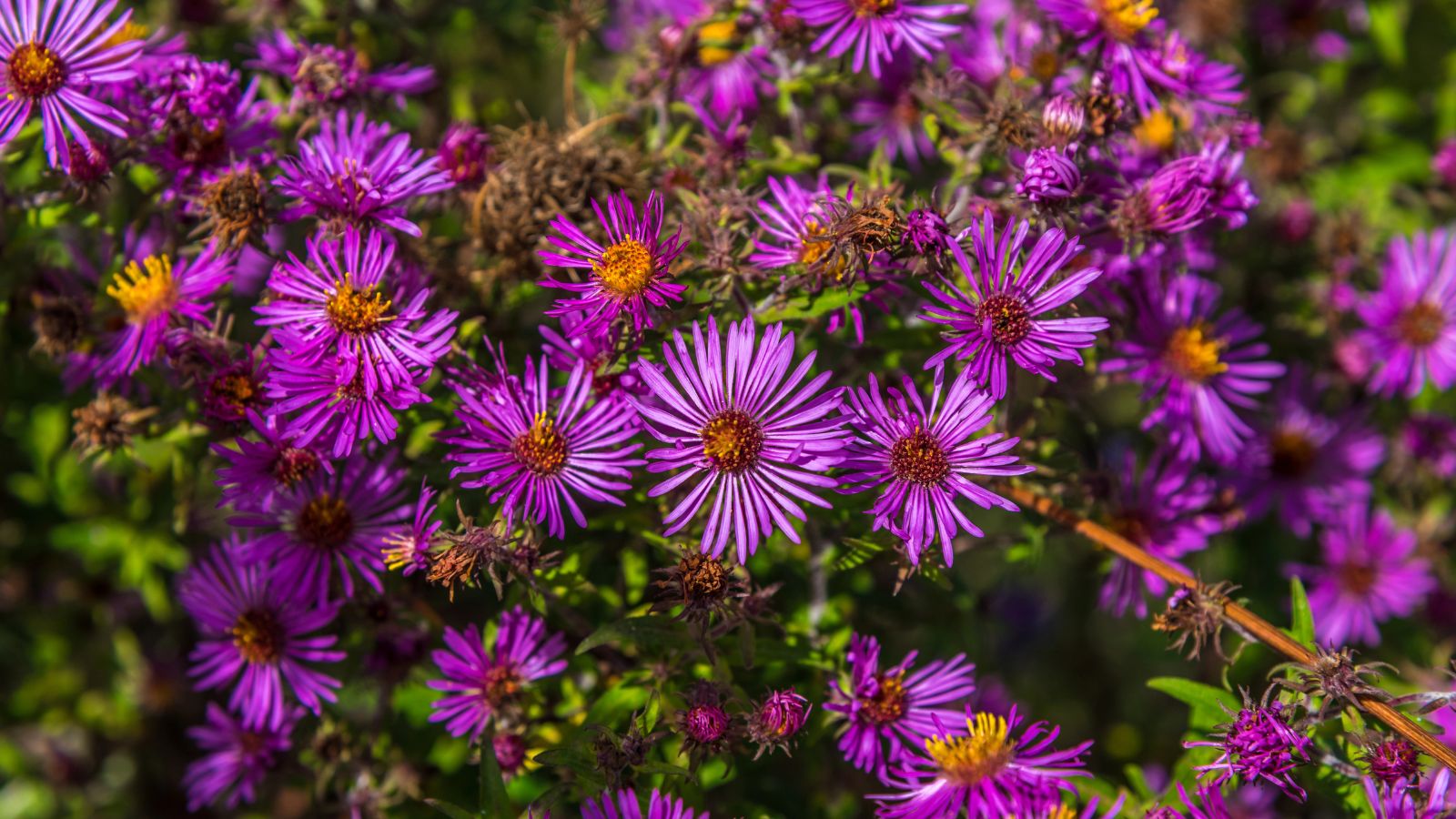
Image Credit: Depositphotos.com.
This fall-blooming native produces clouds of purple daisy flowers just when most gardens are winding down for the year. The timing makes it invaluable for late-migrating butterflies while providing spectacular autumn displays that rival any tree for color intensity.
Why They Thrive on Neglect
- Late-season nectar source supports migrating butterflies and other pollinators
- Natural spreading through underground runners and self-seeding
- Native adaptation handles local climate conditions without special care
- Spectacular fall display provides peak interest when other plants are declining
Planting and Care Tips
Plant in full sun to light shade in average soil. Tolerates both drought and occasional flooding better than most perennials. Space 2-3 feet apart as plants get quite large and spread naturally. Pinch stems in early June to prevent flopping if desired. Cut back in late winter. Allow natural self-seeding for expanding colonies.
22. Wild Columbine (Aquilegia canadensis)
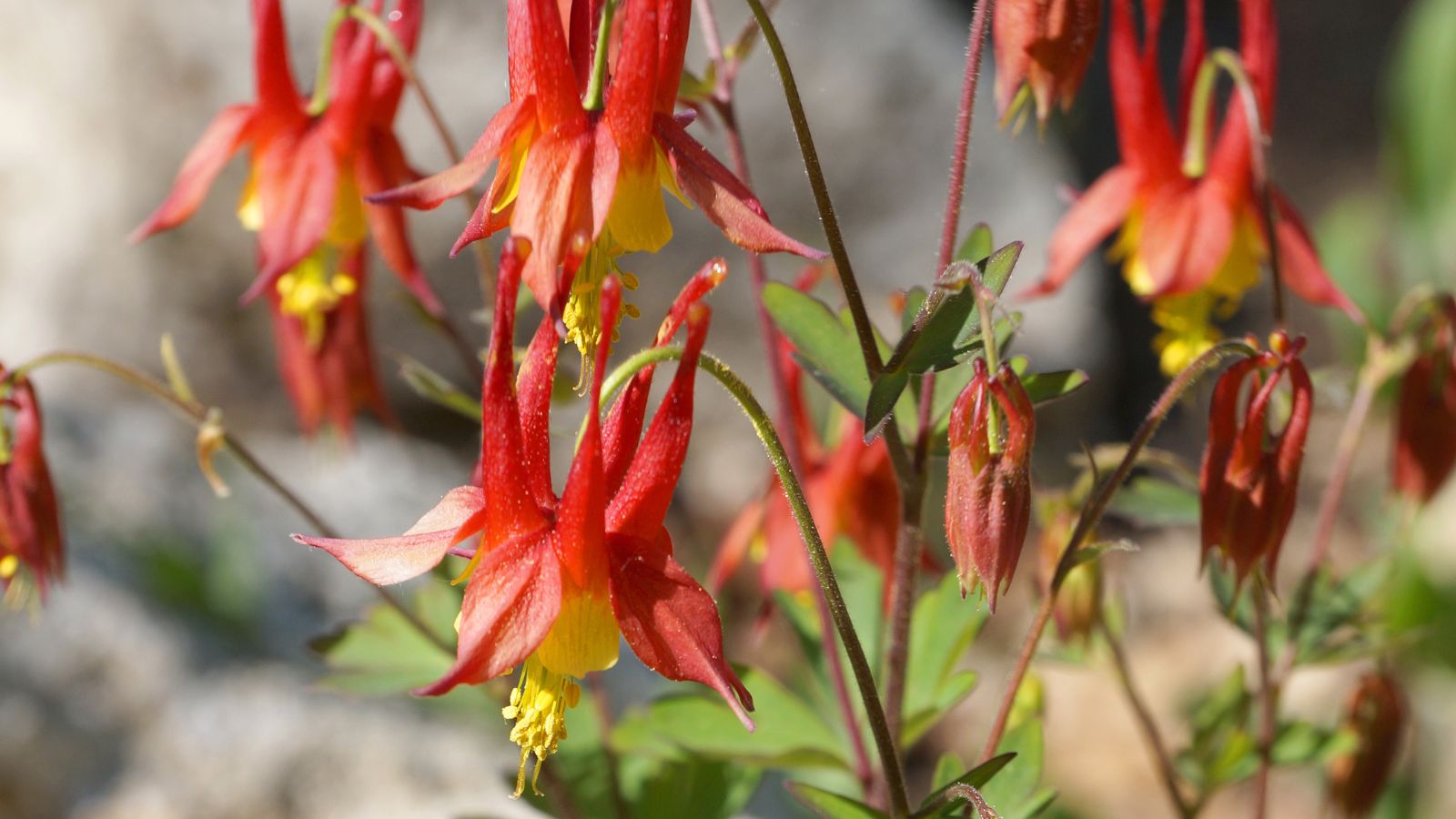
Image Credit: Depositphotos.com.
This delicate native produces nodding red and yellow flowers that seem almost too graceful for such a tough plant. Wild columbine self-seeds freely in suitable locations while requiring no special care, creating naturalized colonies that attract hummingbirds and specialized pollinators.
Why They Thrive on Neglect
- Woodland adaptation thrives in challenging shade and root competition
- Self-seeding ability creates natural colonies without replanting
- Specialized pollinator relationships ensures natural reproduction cycles
- Attractive to hummingbirds provides nectar source for migrating birds
Planting and Care Tips
Plant in part shade to full shade in well-draining soil with some organic matter. Sow seeds in fall for spring germination or plant seedlings in spring. Plants are short-lived (3-4 years) but self-seed readily to maintain colonies. Allow natural reseeding by leaving some spent flowers. Water first season only, then rarely needed.
Creating Your Low-Maintenance Paradise
Image Credit: Shutterstock.
These 22 perennials prove that spectacular gardens don’t require endless hours of maintenance. By choosing plants adapted to your local conditions and letting them follow their natural growth patterns, you’ll create displays that improve year after year with minimal intervention.
The key to success with neglect-tolerant perennials lies in proper plant selection and initial establishment. Choose species native to your region or with similar climate requirements, prepare the soil appropriately for each plant’s needs, and provide adequate water the first growing season to establish strong root systems.
Once established, these tough beauties will reward your benign neglect with years of reliable blooms, increasing wildlife activity, and the satisfaction of knowing your garden thrives through its own resilience rather than your constant attention. Sometimes the best gardening advice is knowing when to step back and let nature take the lead.