
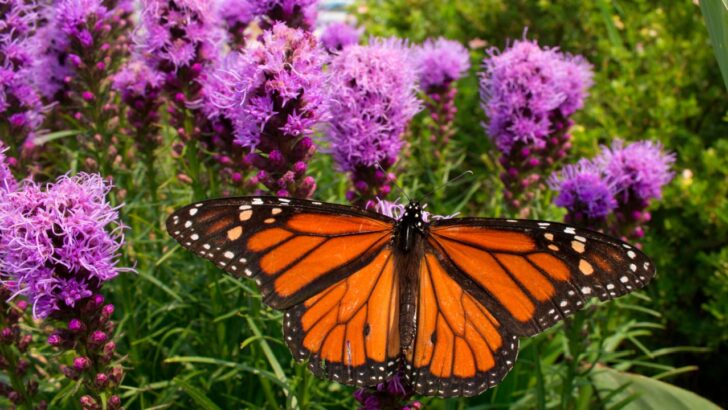
Turning your garden into a haven for local wildlife doesn’t just enhance its beauty—it also supports biodiversity and creates a lively, natural ecosystem. Perennials are a fantastic addition since they return year after year, providing consistent resources for pollinators, birds, and other creatures.
Here are 19 incredible perennials to bring life and color to your garden.
Be Mindful of Choosing the Right Variety from This List
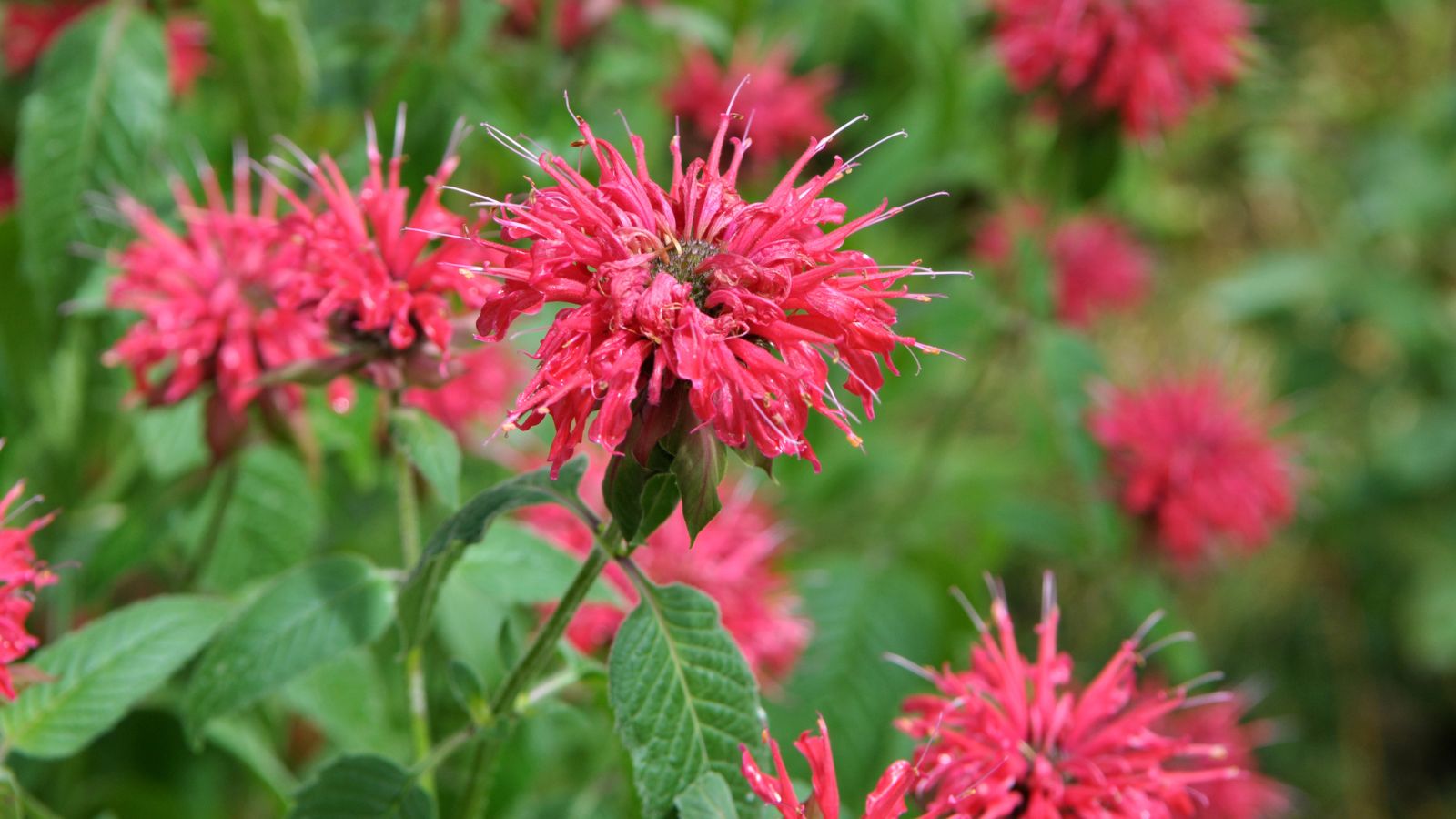
Image Credit: Depositphotos.com.
We chose these 19 options to give you the right dose of variety. When selecting perennials for a wildlife-supportive garden, experts recommend focusing on diversity in bloom time, flower form, and wildlife value to sustain pollinators and birds year-round.
Penn State Extension’s “Planting Pollinator-Friendly Gardens” guide stresses that diversity in nectar and pollen sources (including overlapping bloom times) is key to supporting pollinators year-round, yet it encourages gardeners to start with a manageable assortment of well-chosen plants: “Diversity is the key to a good pollinator garden.”
The University of Minnesota Extension similarly recommends selecting a variety of native and non-invasive species to supply continuous food and habitat while tailoring choices to site conditions so maintenance stays realistic. For further ecological grounding, the Xerces Society’s pollinator-friendly plant lists reinforce that thoughtful plant selection (not raw quantity) delivers the best results for biodiversity.
1. Coneflower (Echinacea)
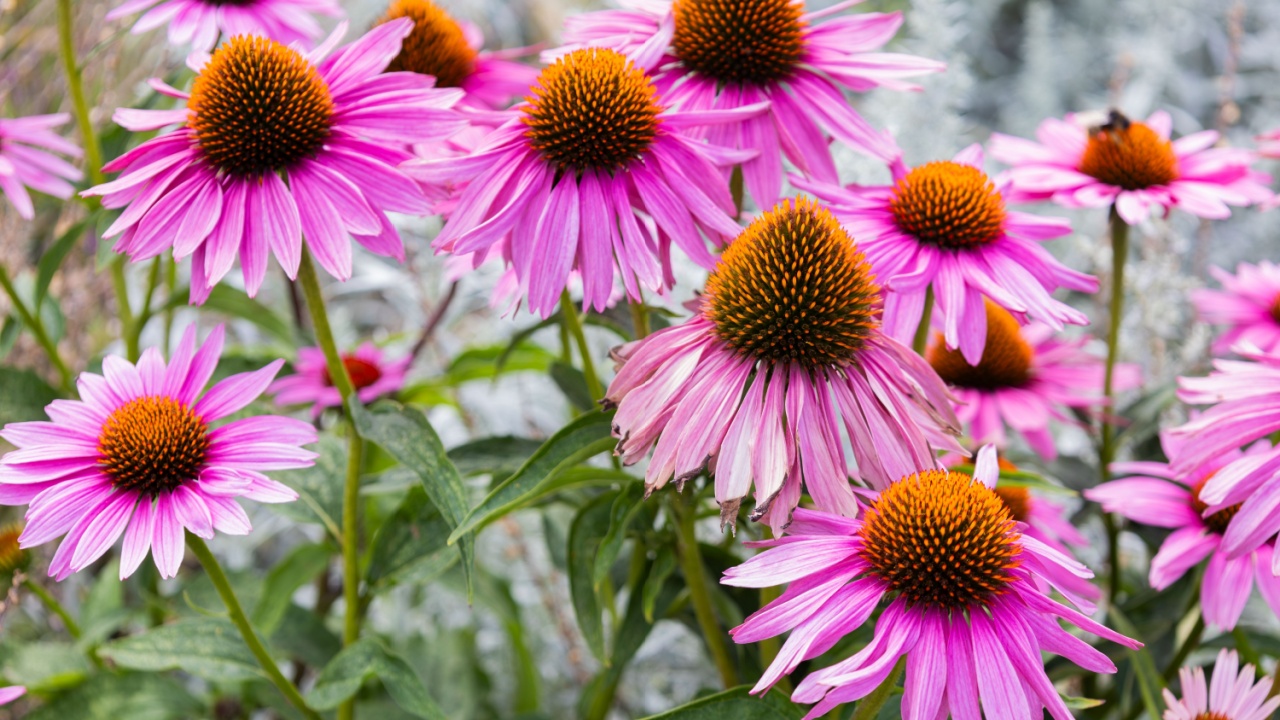
Image Credit: Shutterstock.
Coneflowers stand out with their bright, daisy-like petals in shades of purple, pink, and white. These hardy plants are a garden favorite due to their long blooming season and low maintenance.
Wildlife Attracted
Butterflies adore these flowers for their abundant nectar, while bees flock to them for their pollinating potential. Once the petals fade, goldfinches and other small birds enjoy feasting on the dried seed heads.
Care Tips
Plant coneflowers in full sun and well-drained soil. They can tolerate drought and thrive with minimal care. Leave the seed heads standing through fall and winter to feed wildlife and add garden interest.
2. Bee Balm (Monarda)
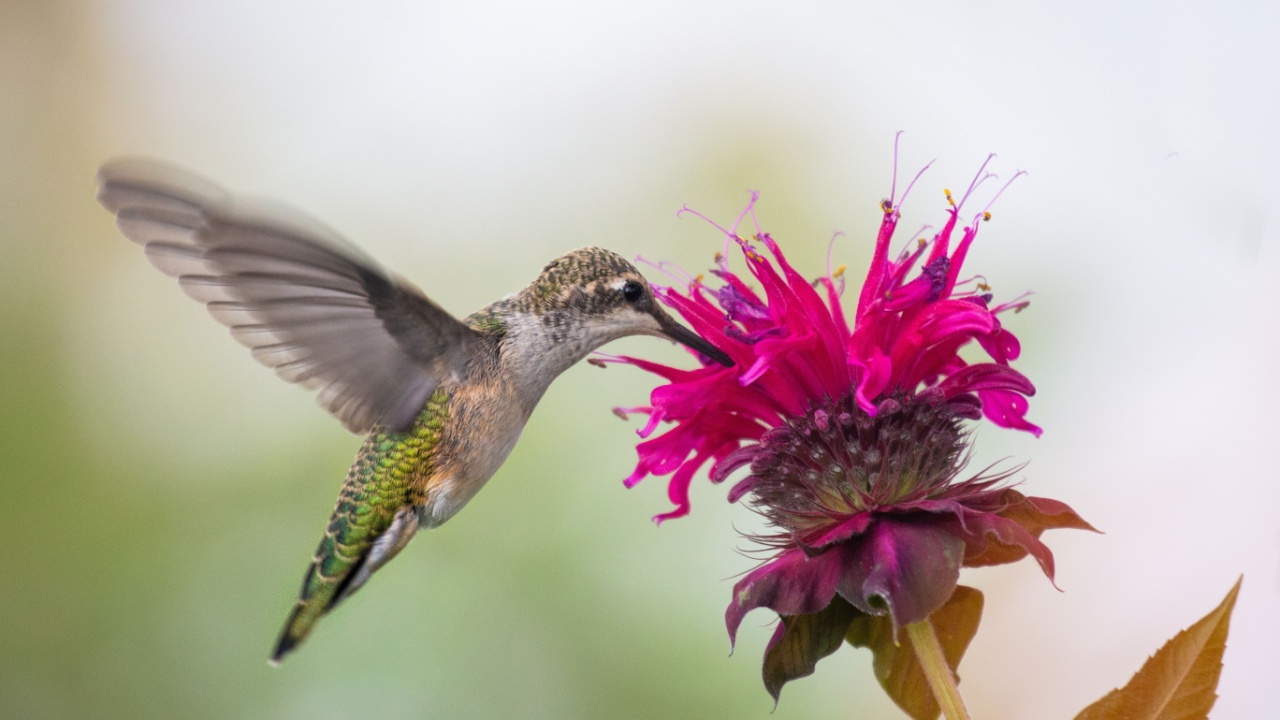
Image Credit: Shutterstock.
Bee balm is known for its vibrant, tubular flowers in shades of red, pink, and purple. Its spicy, mint-like fragrance is a delightful bonus.
Wildlife Attracted
Hummingbirds, butterflies, and bees can’t resist the nectar-rich blooms. The tubular flower shape is ideal for long-tongued pollinators, especially hummingbirds.
Care Tips
This perennial thrives in full sun with moist soil rich in nutrients. Regularly deadhead spent blooms for continued flowering, and trim it back after the growing season to encourage vigorous growth next year.
3. Milkweed (Asclepias)
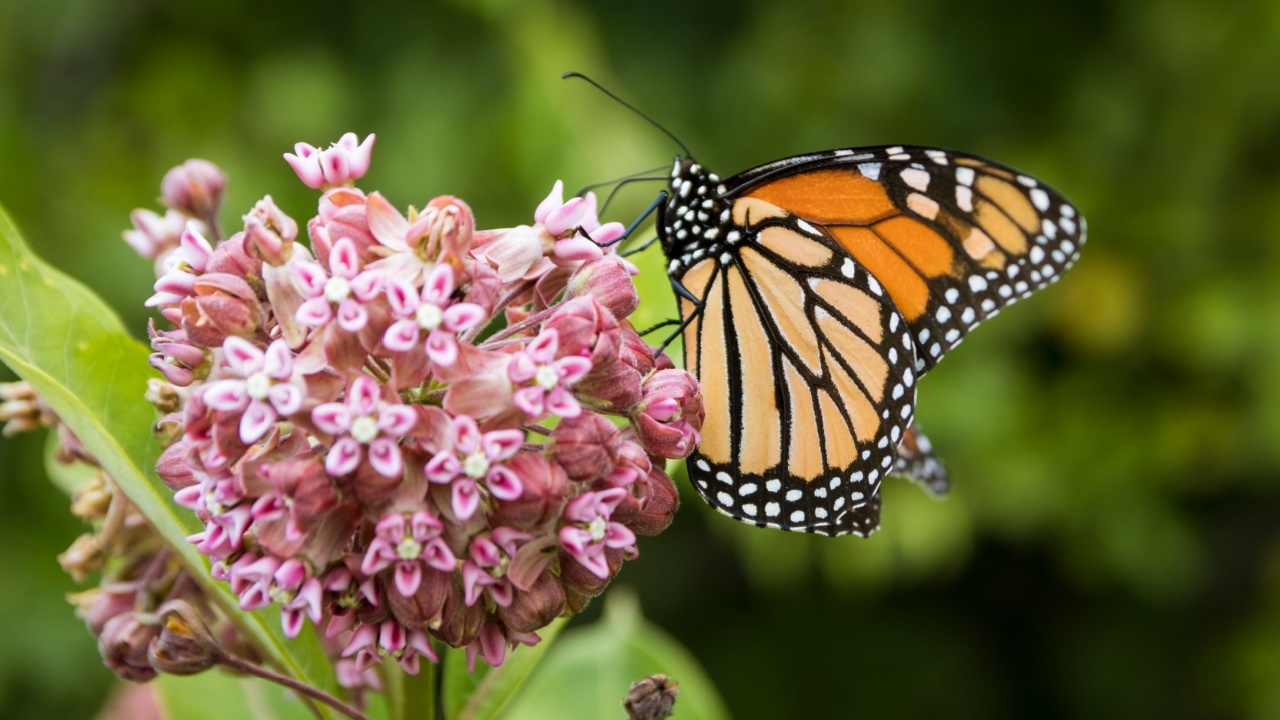
Image Credit: Shutterstock.
Milkweed features clusters of fragrant, star-shaped flowers in pink, orange, or white, making it both attractive and functional.
Wildlife Attracted
Critically important for monarch butterflies, milkweed serves as a nectar source and the only host plant for their larvae. It also attracts bees and wasps.
Care Tips
Plant milkweed in full sun and well-drained soil. This hardy perennial tolerates drought once established and self-seeds easily. Allowsome of its stalks to remain overwinter to provide shelter for insects.
4. Black-eyed Susan (Rudbeckia)
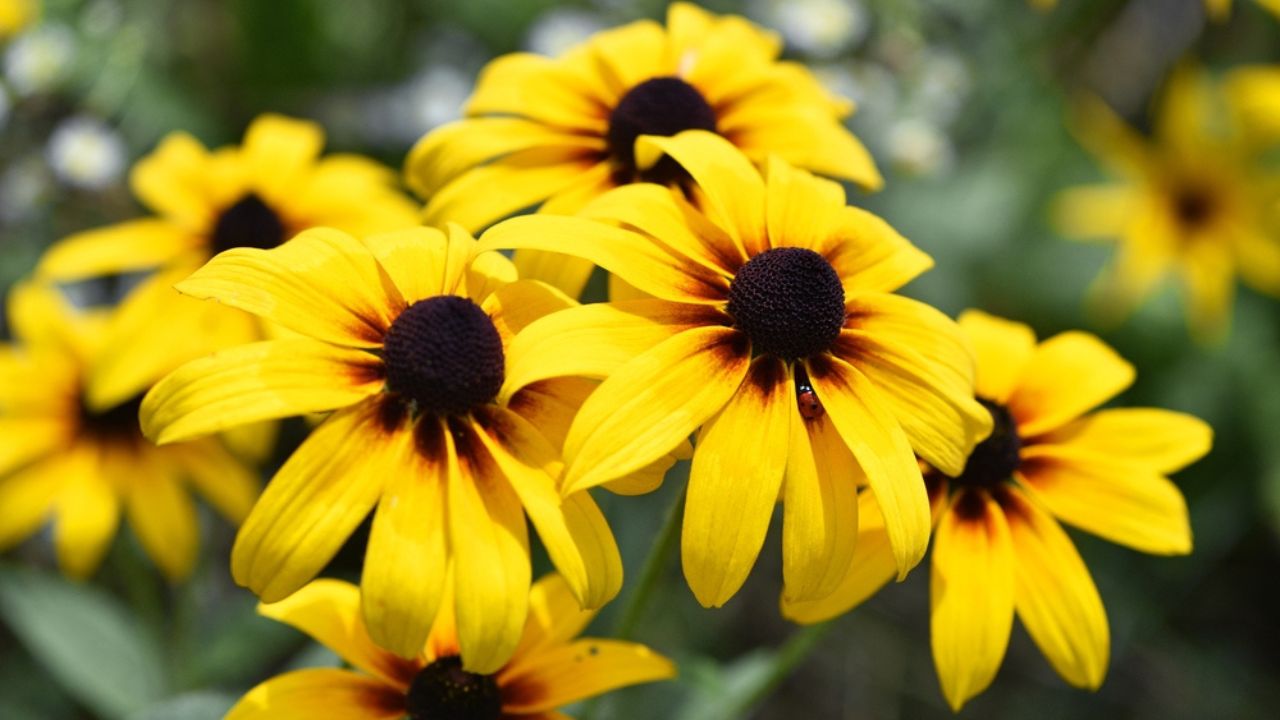
Image Credit: Shutterstock.
These cheerful flowers with golden-yellow petals and dark centers brighten up any space. Their sturdy stems ensure they hold their shape even in harsh weather.
Wildlife Attracted
Butterflies and bees are drawn to their nectar, while seed-eating birds such as sparrows and finches enjoy their seeds in the fall.
Care Tips
Black-eyed Susans thrive in full sun and tolerate poor soil and drought. Remove spent blooms to extend their flowering period, and divide clumps every few years to encourage healthy growth.
5. Lavender
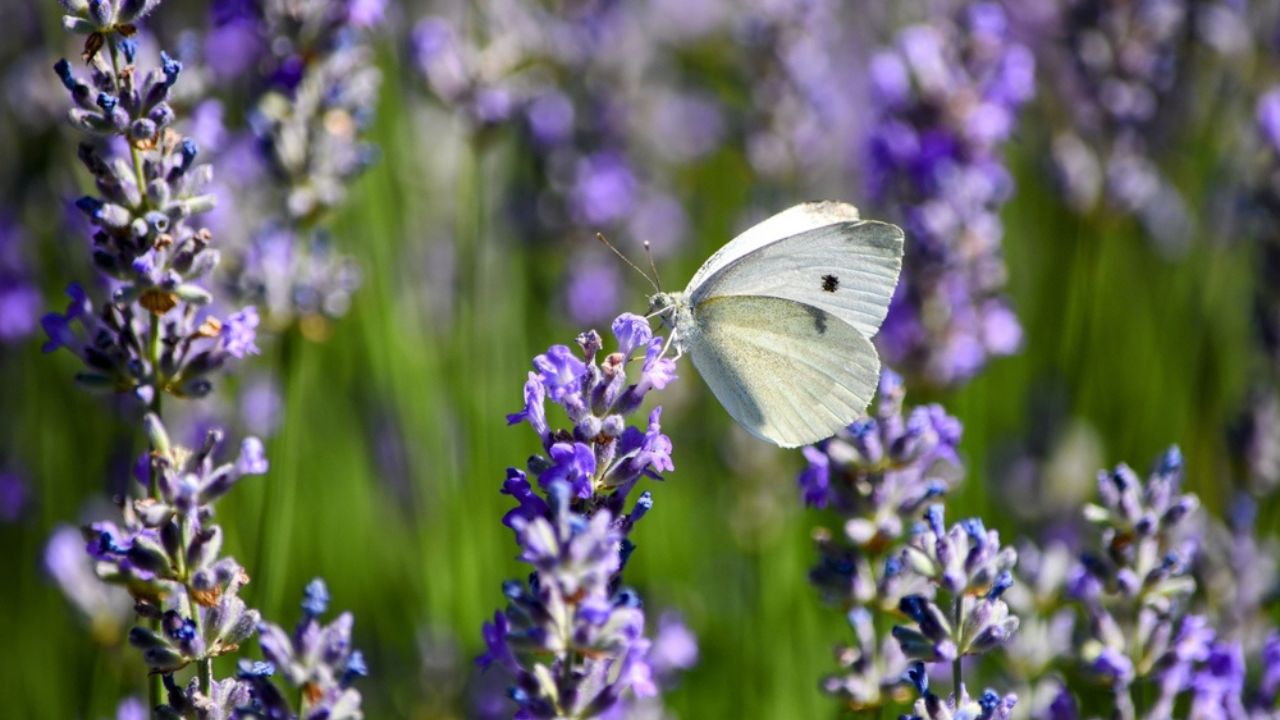
Image Credit: Shutterstock.
With fragrant purple flowers and silvery-green foliage, lavender is both stunning and practical.
Wildlife Attracted
Bees and butterflies are frequent visitors to lavender blooms, while birds sometimes use dried stems to build their nests. Its scent also mildly deters some garden pests like mosquitos.
Care Tips
Lavender thrives in full sun and well-drained soil. Avoid overwatering, and prune annually to maintain a tidy shape and promote new growth.
6. Goldenrod (Solidago)
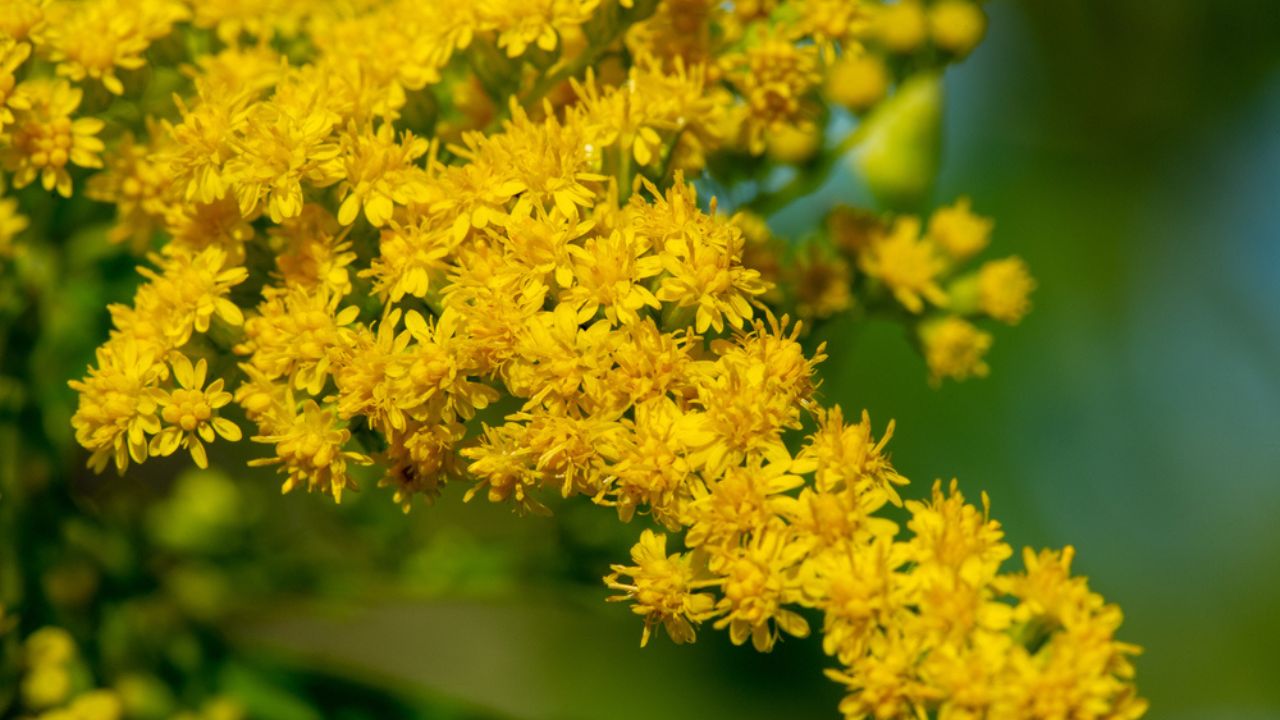
Image Credit: Shutterstock.
Goldenrod blooms late in the season, producing tall spikes covered in tiny, bright yellow flowers.
Wildlife Attracted
It’s a critical nectar source for bees and butterflies in late summer and fall. During migration, it supports birds and insects in need of extra energy.
Care Tips
This drought-tolerant plant does well in full sun and a variety of soil types. It’s very low-maintenance—just remove spent blooms to prevent over-seeding.
7. Aster

Image Credit: Shutterstock.
Asters produce clusters of star-shaped flowers in shades of purple, pink, and white, blooming well into autumn.
Wildlife Attracted
They are a vital late-season food source for bees and butterflies, including monarchs. Birds enjoy their tiny seeds in the colder months.
Care Tips
These hardy perennials grow best in sunny spots with well-drained soil. Deadhead for continued blooming, and cut back in late fall or early spring.
8. Shasta Daisy (Leucanthemum)
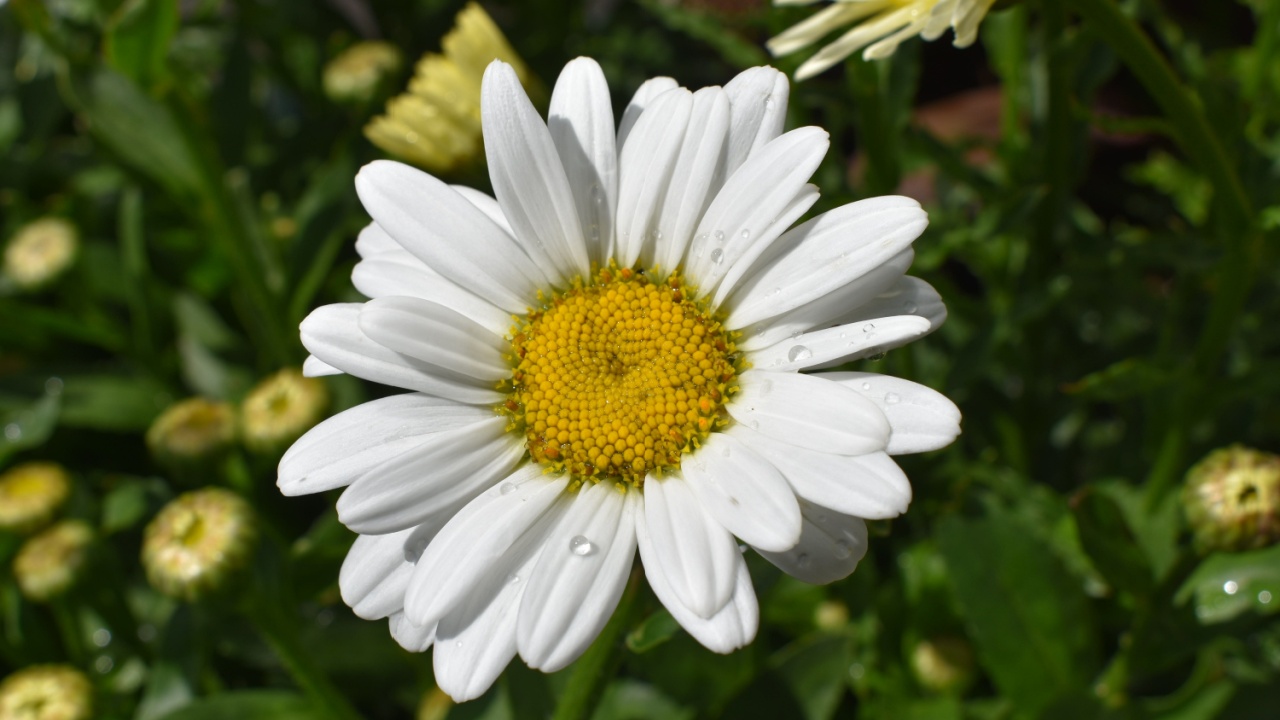
Image Credit: Shutterstock.
With their iconic white petals and sunny yellow centers, Shasta Daisies bring classic beauty to any garden. (Note: These are not a native species, but are a hybrid.)
Wildlife Attracted
Butterflies and bees flock to their nectar-rich blooms, and birds enjoy their small seeds after flowering.
Care Tips
Grow them in full sun and moderately fertile, well-drained soil. Regular deadheading will keep flowers blooming through summer.
9. Joe-Pye Weed
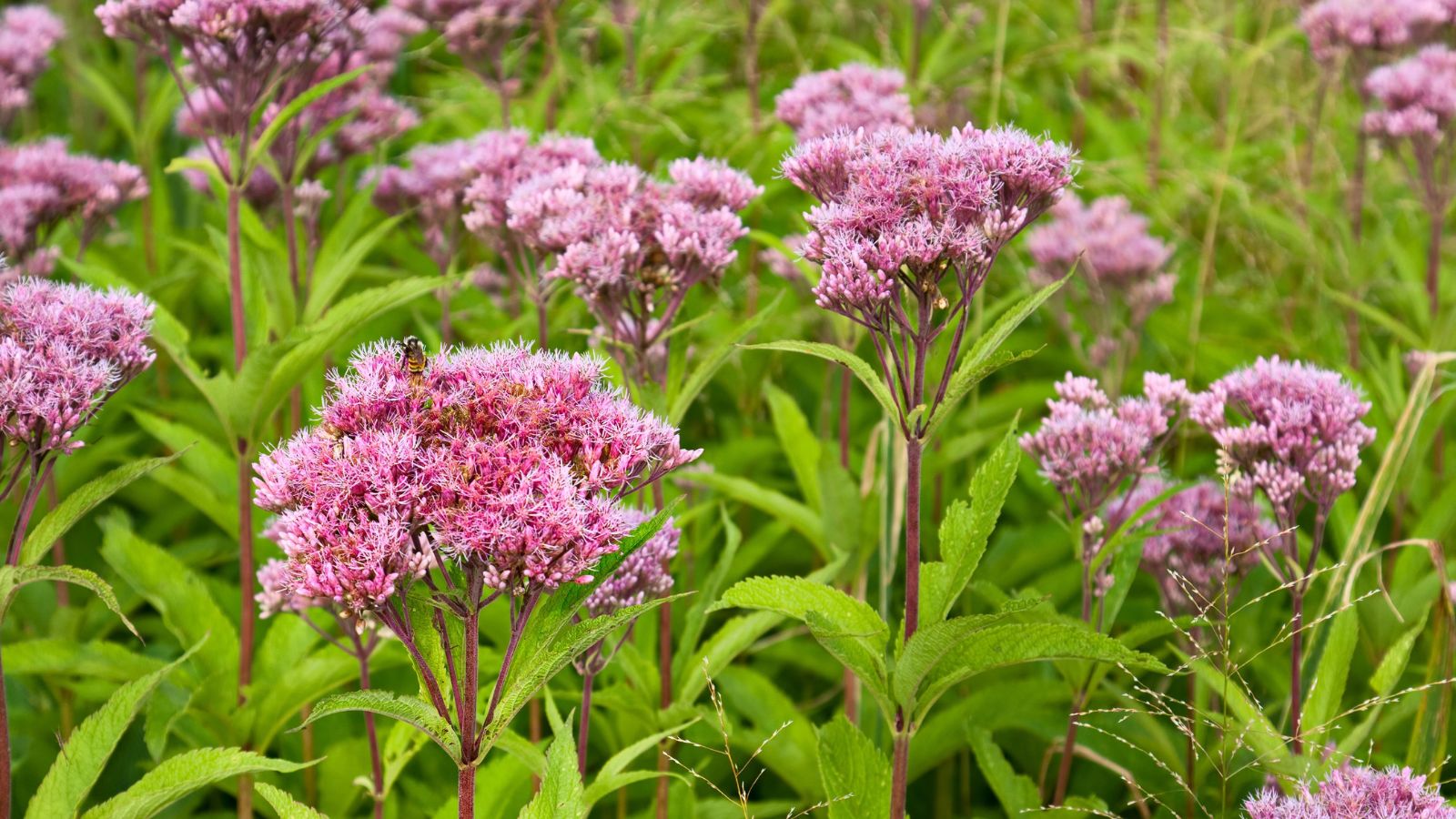
Image Credit: Depositphotos.com.
This tall perennial produces fluffy clusters of pink-purple blooms and adds a wild charm to gardens.
Wildlife Attracted
Swallowtail butterflies, bees, and other pollinators visit its nectar-rich flowers. Birds often perch on its tall stalks or hunt nearby insects.
Care Tips
Joe-Pye Weed loves moist soil and full sun but can tolerate light shade. Trim back the plant in early spring for revitalized growth.
10. Columbine (Aquilegia)
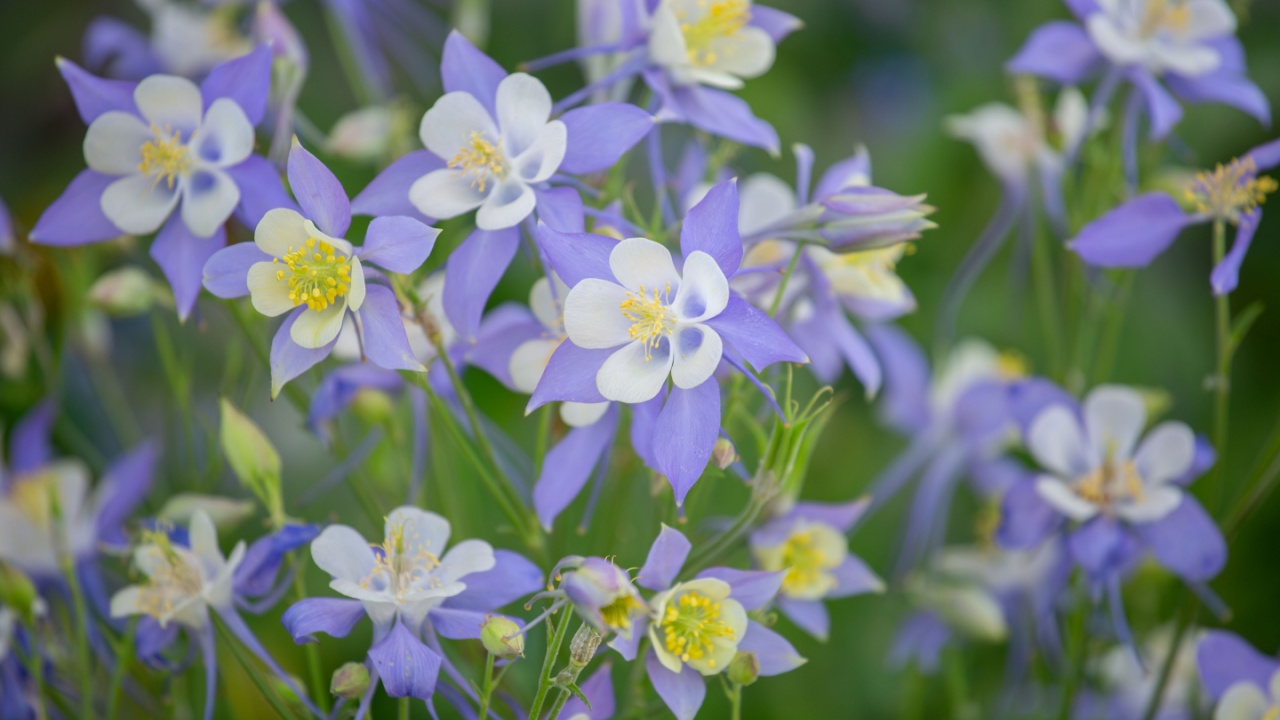
Image Credit: Shutterstock.
Known for their whimsical, nodding blooms, columbines come in a variety of shades and shapes.
Wildlife Attracted
Hummingbirds and long-tongued butterflies are particularly drawn to their unique flowers.
Care Tips
Plant in part shade for best results. Columbines self-seed easily, making them a low-maintenance addition to any garden.
11. Yarrow (Achillea)
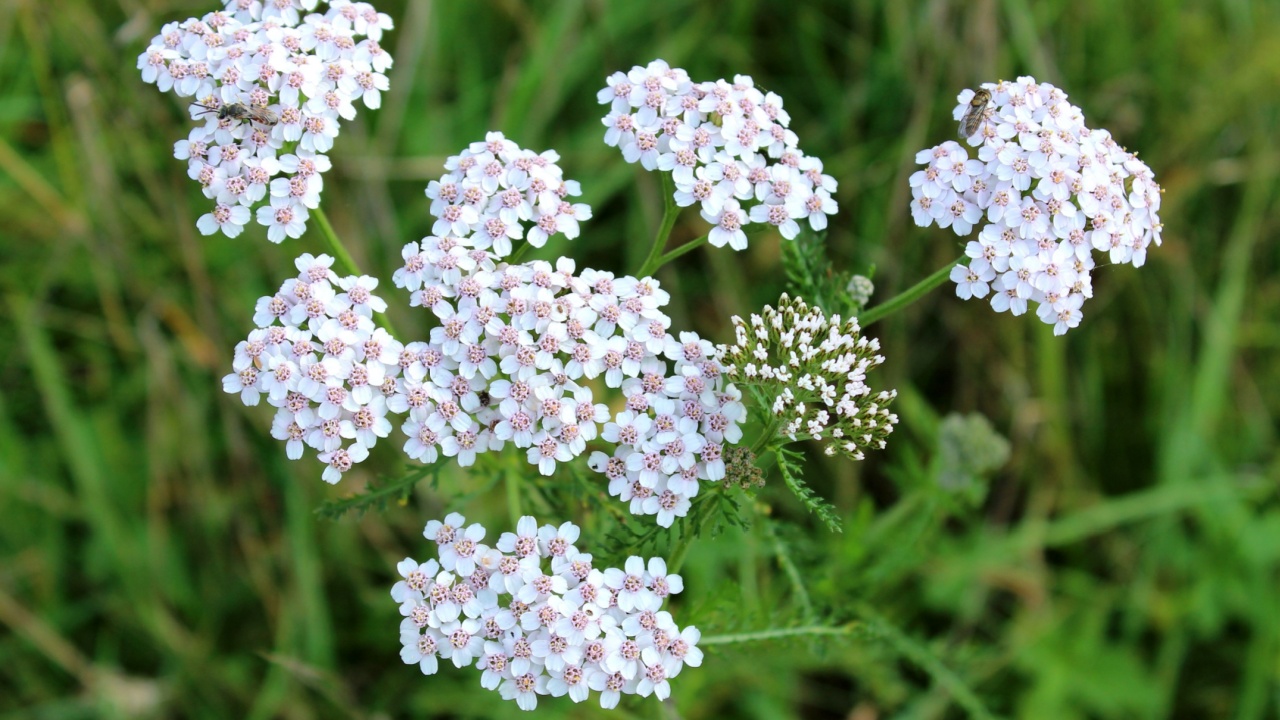
Image Credit: Shutterstock.
With flat, sturdy flower clusters, yarrow is a striking addition to sunny flower beds.
Wildlife Attracted
Bees, butterflies, ladybugs, and other beneficial predatory insects are frequent visitors.
Care Tips
This drought-tolerant plant thrives in full sun and lean, well-drained soil. Avoid over-fertilizing, as this can cause it to grow weak stems.
12. Coreopsis
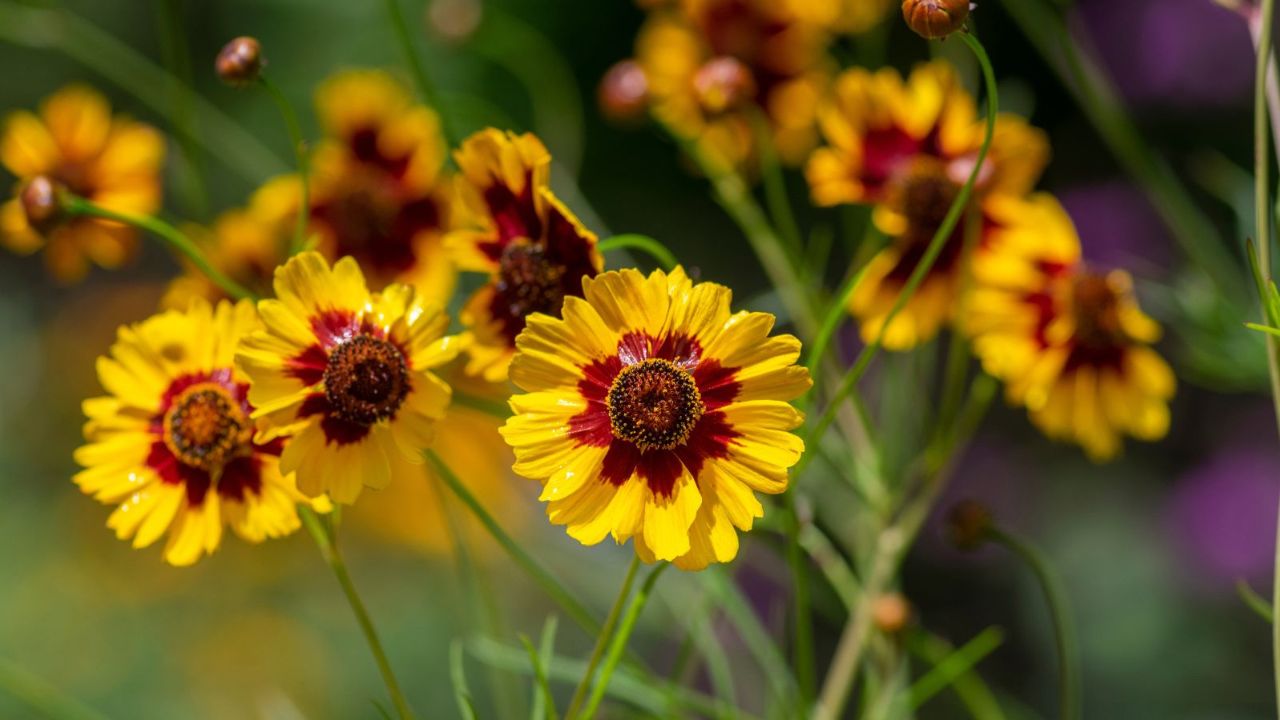
Image Credit: Depositphotos.com.
Coreopsis, also known as tickseed, is famous for its sunny yellow blooms that last all summer.
Wildlife Attracted
Butterflies are drawn to its nectar, while birds relish its seeds in the fall.
Care Tips
Plant in full sun and well-drained soil. Coreopsis boldly handles drought but appreciates occasional deadheading to extend the blooming season.
13. Sedum
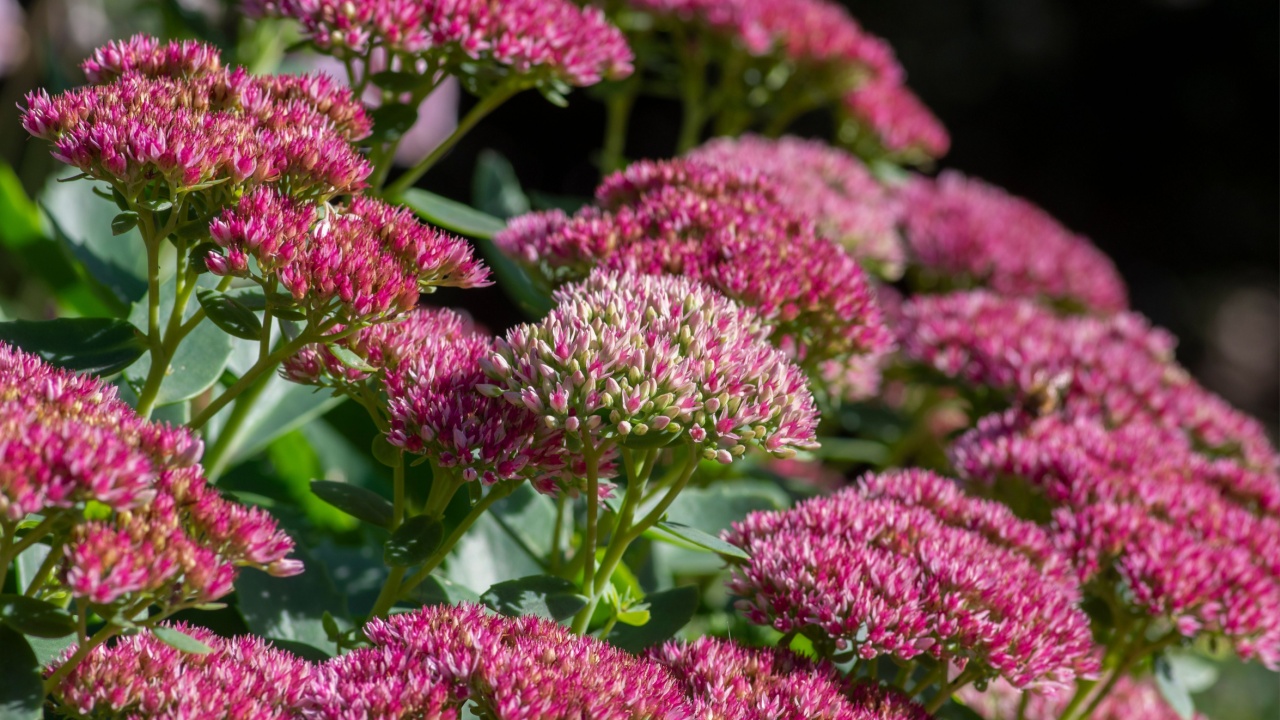
Image Credit: Shutterstock.
Sedum’s succulent leaves and clusters of tiny pink or red flowers add a unique texture to any garden.
Wildlife Attracted
Bees and butterflies are regular visitors to sedum flowers during their late-summer bloom.
Care Tips
This low-maintenance perennial grows best in full sun and rocky, poor soil. Avoid waterlogged areas, as it prefers dry conditions.
14. Blanket Flower (Gaillardia)
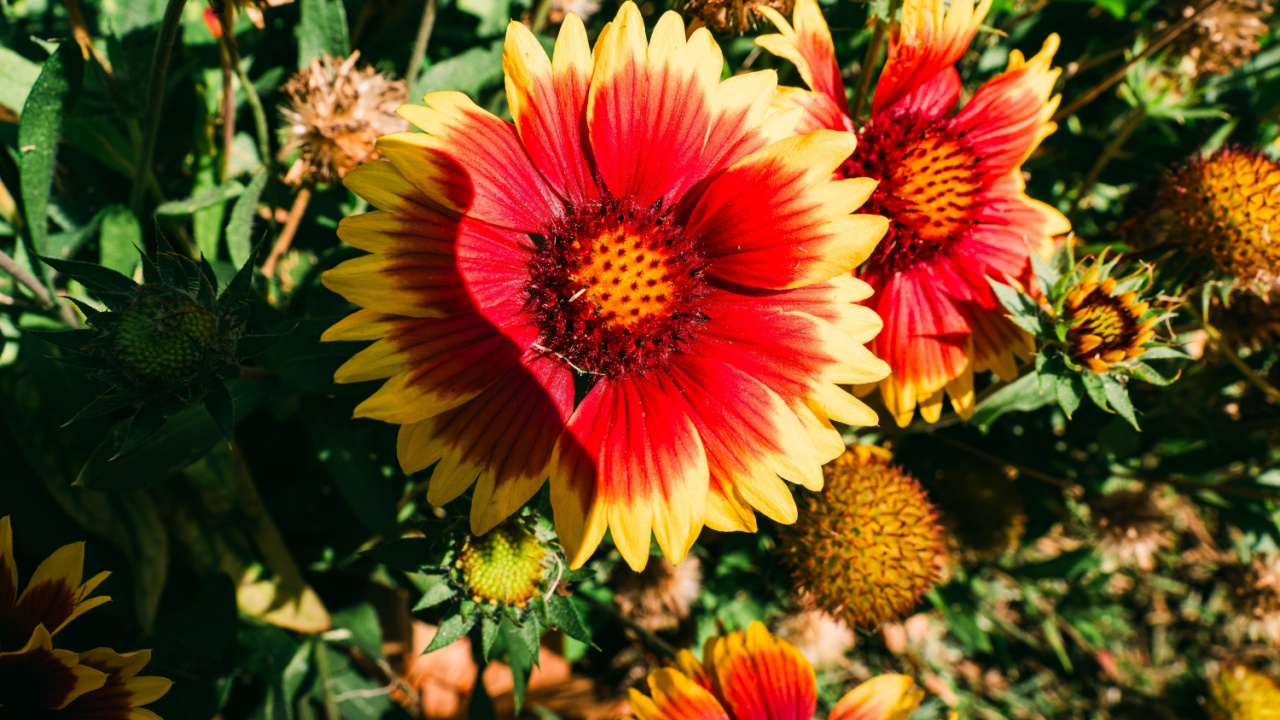
Image Credit: Shutterstock.
These vividly colorful flowers have a fiery red and yellow hue that adds warmth to your garden.
Wildlife Attracted
Butterflies flock to them for nectar, while birds take advantage of their seeds after blooming.
Care Tips
Offer full sun and well-drained soil. Deadheading flowers will encourage additional blooming throughout the season.
15. Lupine
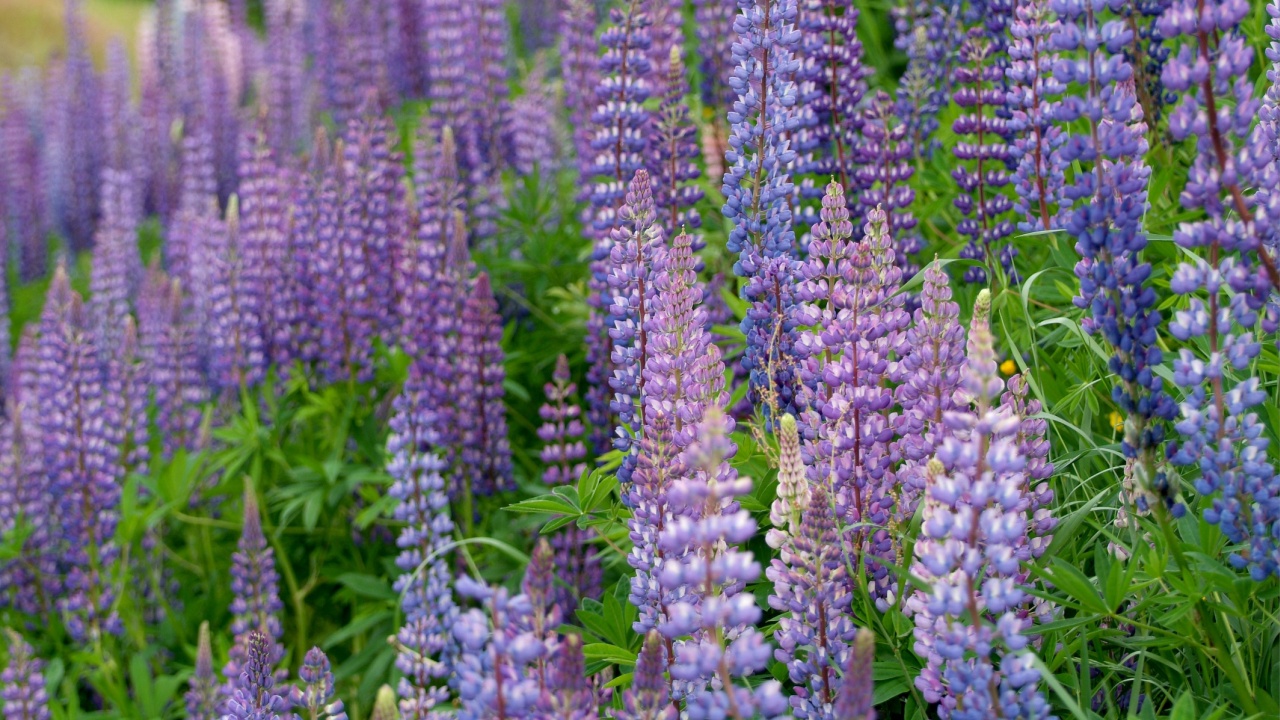
Image Credit: Shutterstock.
With tall spikes of blooms in striking colors, lupines not only dazzle but also improve soil by fixing nitrogen. (Warning: Toxic to animals, such as pets and livestock.)
Wildlife Attracted
Bees and butterflies love these early-season nectar sources.
Care Tips
Provide sandy soil and full sun or partial shade. Ensure good soil drainage to prevent root rot.
16. Blazing Star (Liatris)
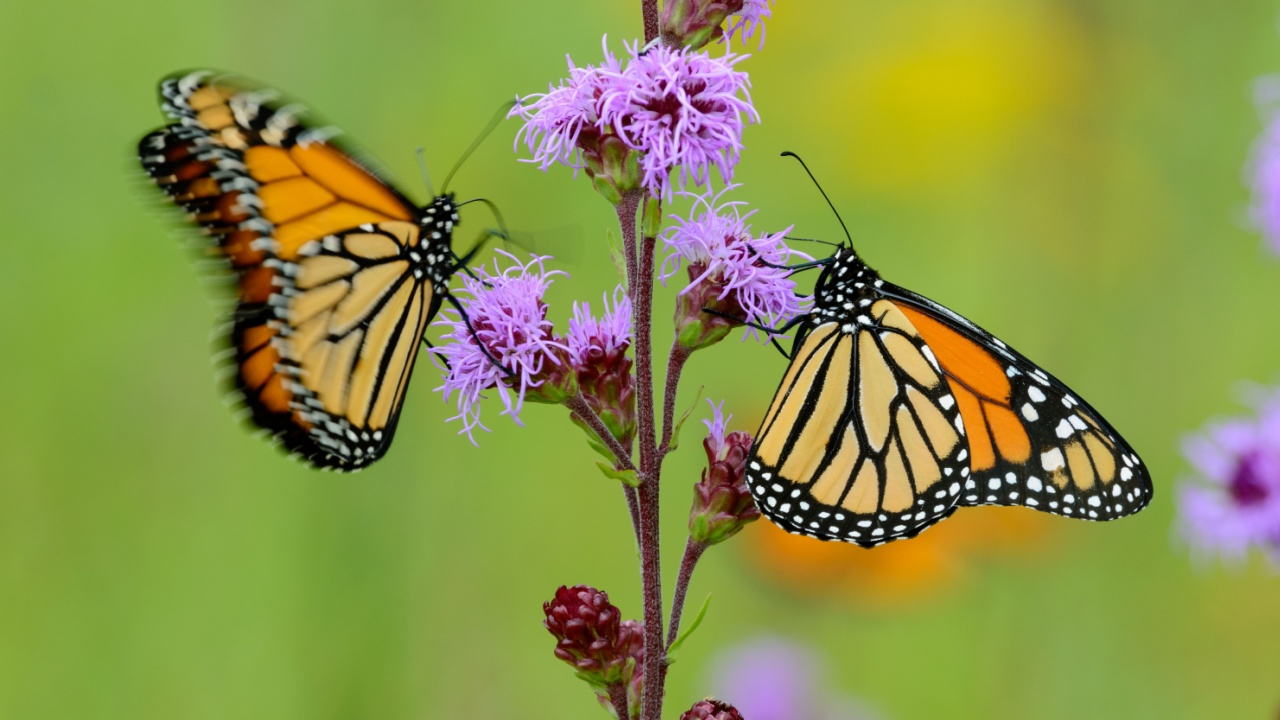
Image Credit: Shutterstock.
Blazing Stars produce tall spikes of fluffy, purple flowers, making them a highlight in any garden.
Wildlife Attracted
Butterflies, bees, and seed-eating birds like finches love this plant.
Care Tips
Grow Blazing Star in full sun and dry soil. Divide clumps every three years to promote healthy blooms.
17. Catmint (Nepeta)
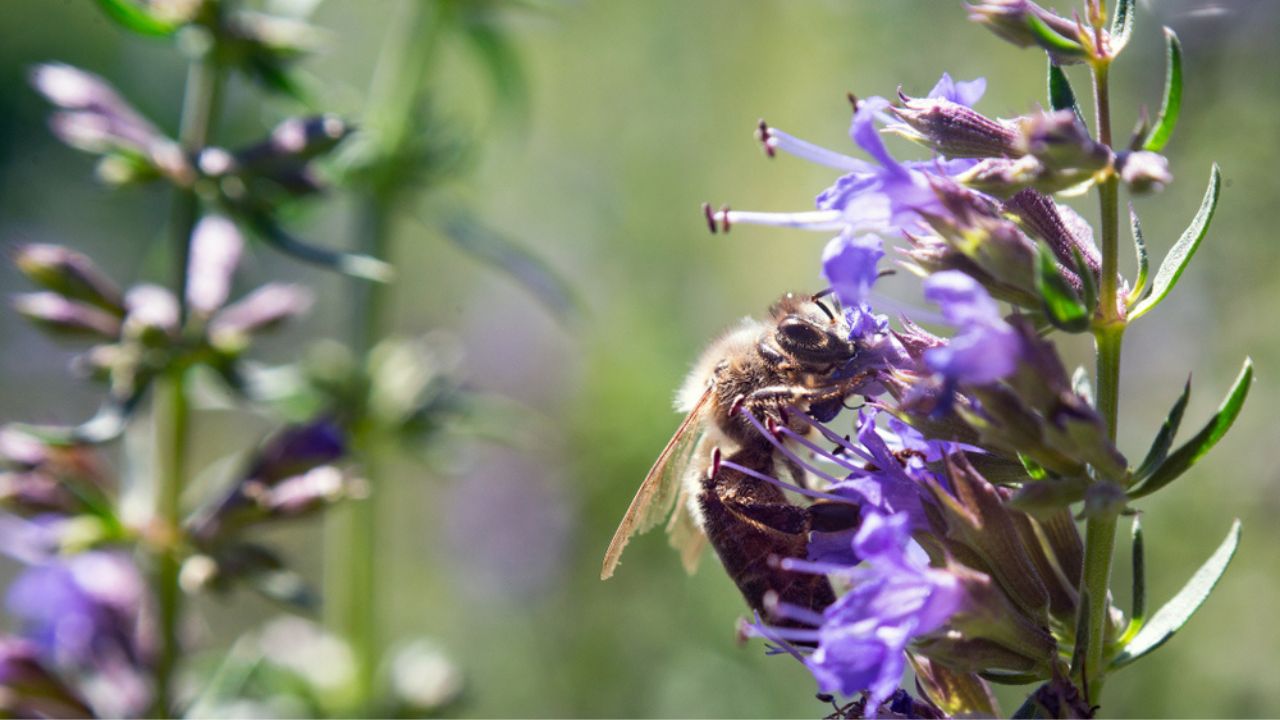
Image Credit: Shutterstock.
Catmint features fragrant, bluish-lavender flowers and delicate silvery foliage.
Wildlife Attracted
Bees, butterflies, and even the occasional hummingbird enjoy its nectar-rich blooms.
Care Tips
Plant in well-drained soil with full sun. Regular pruning after flowering encourages fresh blooms and a fuller shape.
18. Coral Bells (Heuchera)
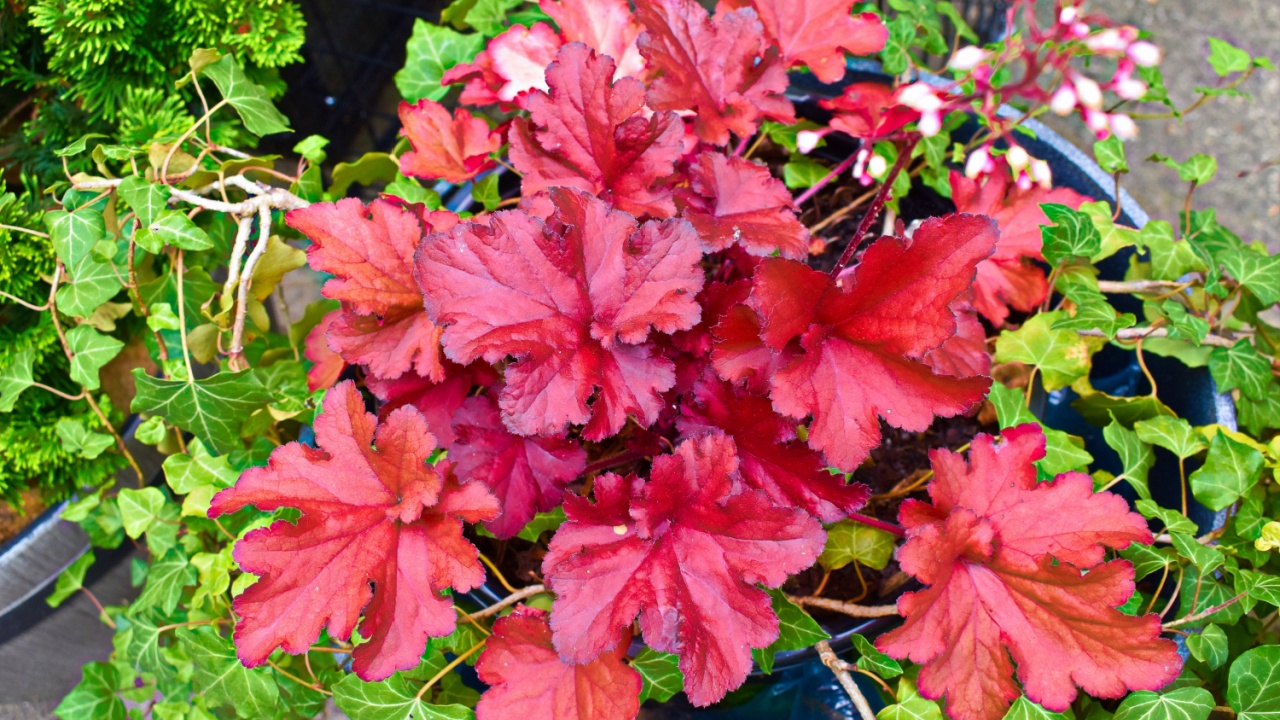
Image Credit: Shutterstock.
Known for its colorful foliage, coral bells also produce spikes of tiny, bell-shaped flowers.
Wildlife Attracted
Hummingbirds and small butterflies are especially drawn to these charming blooms.
Care Tips
Coral Bells thrives in part shade with well-drained soil. Keep it moist but not too wet, and remove old foliage to promote new growth.
19. Dianthus
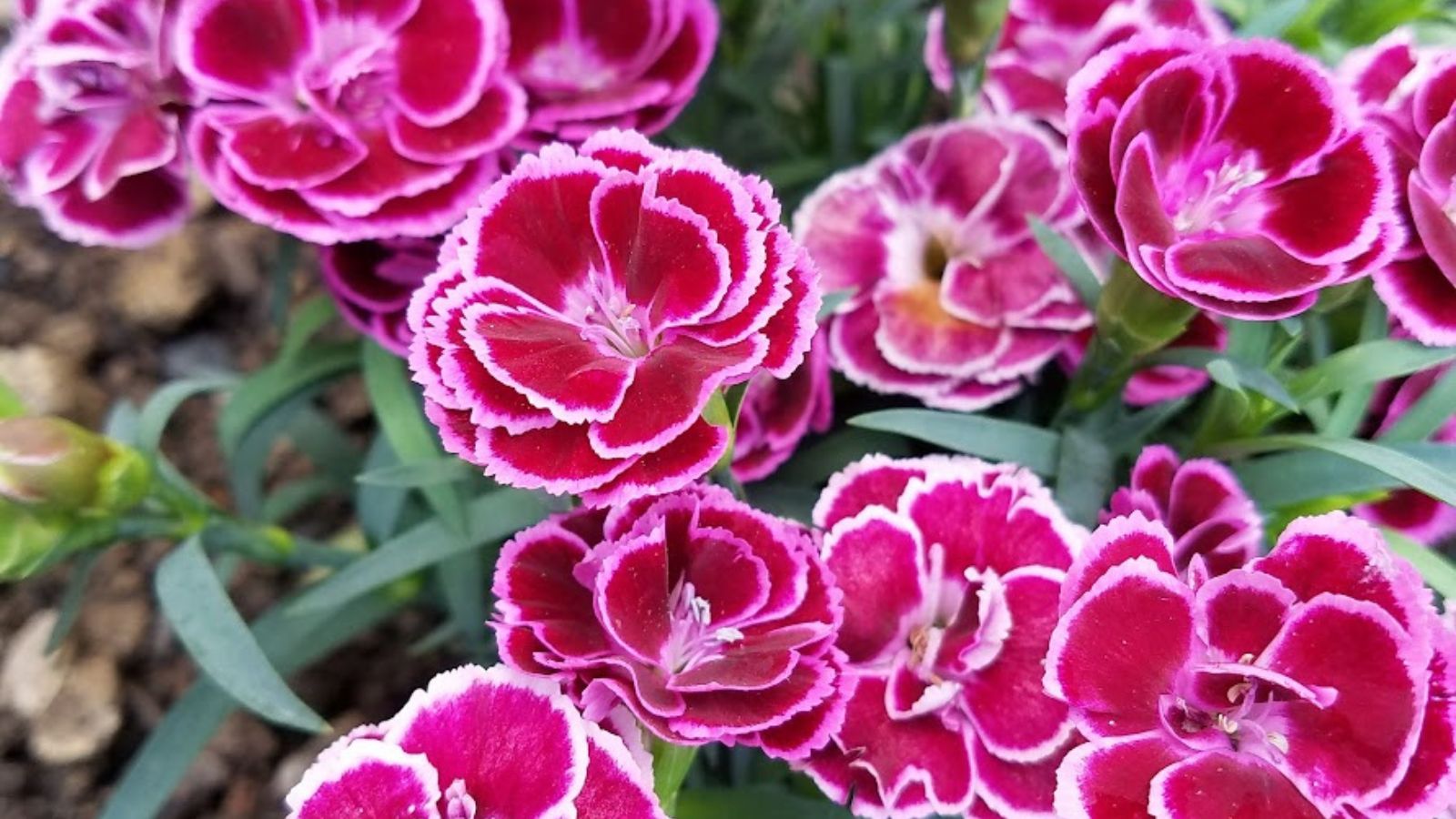
Image credit: Backyard Garden Lover.
Dianthus blooms in a variety of pinks and reds with a spicy-sweet fragrance.
Wildlife Attracted
Butterflies and bees find these flowers irresistible, while their scent adds to the garden’s sensory appeal.
Care Tips
Plant Dianthus in sunny, well-drained spots, and regularly deadhead for continuous blooms throughout the season.
By incorporating these perennials, your garden will buzz, chirp, and flutter with life year after year, creating a sanctuary for nature and a peaceful retreat for yourself.