One Lansing Homeowner’s Basement Flood Turned Into an $8,000 Wake-Up Call
Nobody wants an $8,000 lesson when it comes to their basement, but heavy rain doesn’t really care about convenience. Lansing, Michigan, property owner Lior Ron said one flooded basement left him paying thousands out of pocket, as he told FOX 47. Now he’s warning others to complete a prep checklist before heavy rain hits and causes potential (and costly) water damage.
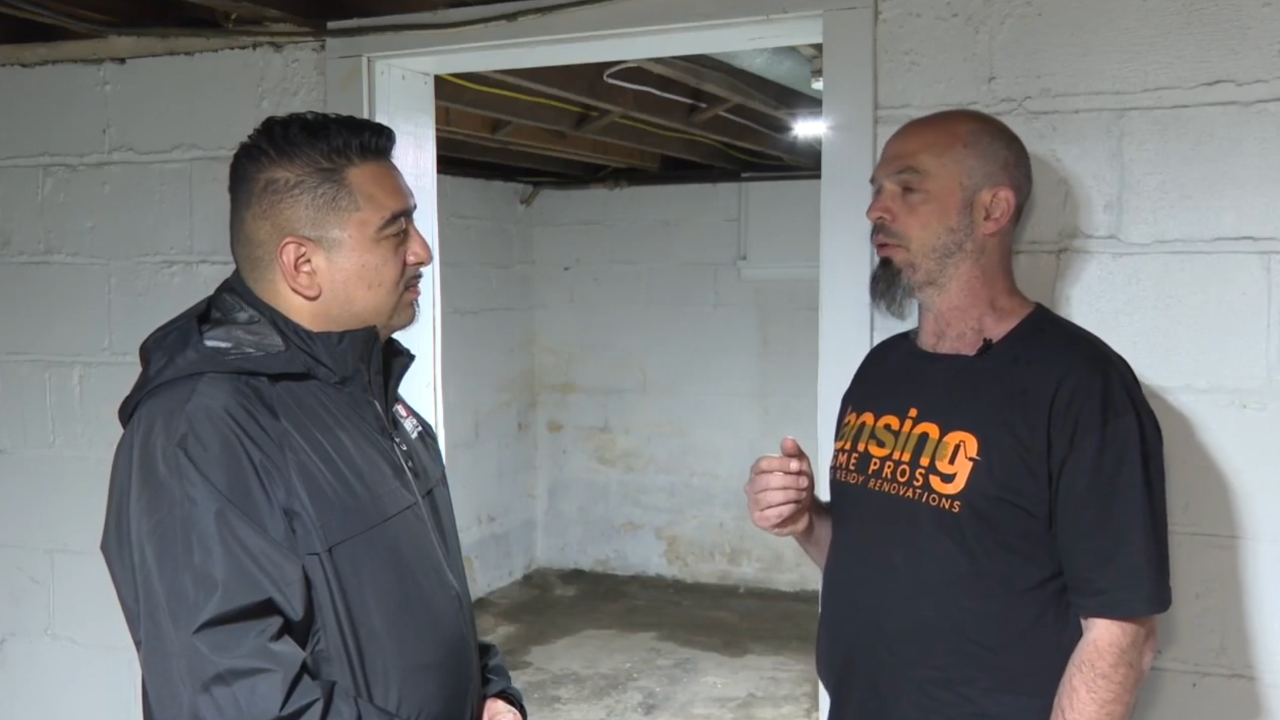
The problem is still visible at one of his homes on Chavez Avenue, where the groundwater is seeping into the corners of the basement during heavy rain. Ron is looking for a permanent fix to put the house up for rent. For now, he said a dehumidifier is running 24/7 so mold and mildew don’t turn into the next problem.
Ron is the CEO of Lansing Home Pros, which manages around 200 rental properties. He said he’s not trying to hide the basement problem from prospective renters, either. If people come through the property, he said, they’ll be shown what’s happening downstairs.
The $8,000 bill came after heavy rain flooded the basement of one of his properties in April. Ron said paying $8,000 to $10,000 out of pocket isn’t great, though it’s part of the business when you own and manage properties. For a regular homeowner, that kind of surprise bill can be much harder to absorb.
What Ron Says Homeowners Should Check Before the Next Heavy Rain
Ron’s advice includes walking around the property once a year and looking at the things most people ignore. That includes gutters, downspouts, the pitch of the yard, the roof, and sealed windows. All of those small things suddenly seem less small when facing down a massive bill.
Gutters should stay clear. Downspouts should extend at least three feet away from the house as well. That keeps water from dumping out right next to the foundation. It’s not the most exciting part of homeownership when a flood does happen, and you’re standing in a wet basement trying to figure out what insurance will cover isn’t either.
Why Basement Storage and Your Insurance Matter
You should also be careful about what you store on the basement floor, and make sure you add some height. Important items should go on shelves or stay off the ground if you can help it. A few inches of water can ruin boxes, documents, furniture, and equipment.
Also, keep insurance in mind. For example, the Chavez Avenue home in question isn’t in a floodplain, and water seeping in from outside because of rain wouldn’t be covered by insurance. Essentially, it’s all about prepping. Try to prevent what you can, know what your policy excludes, and don’t wait for the basement to choose what happens. You’ll be glad you prepared.