
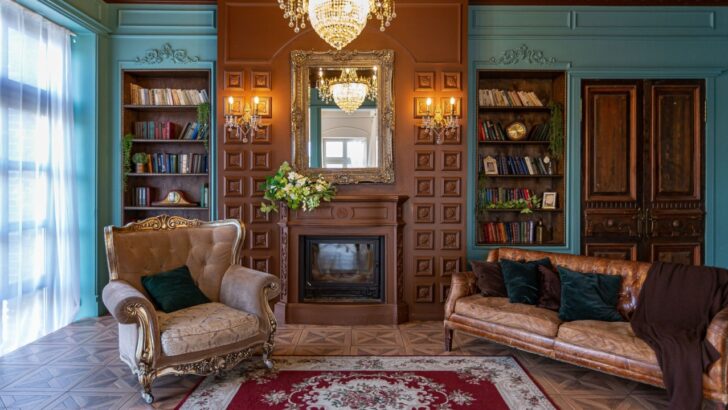
Stepping into an old home is like entering a time capsule. Hidden behind walls and tucked into unexpected spaces are ingenious features built out of necessity—functional relics that defined daily life before modern conveniences took over.
Whether you’re fortunate to live in a heritage home or simply admire historical creativity, understanding these features brings a deeper appreciation for architectural ingenuity. Below are 17 vintage home elements explained. They will likely never be used again, but understanding the history can be fun.
1. Ice Delivery Doors
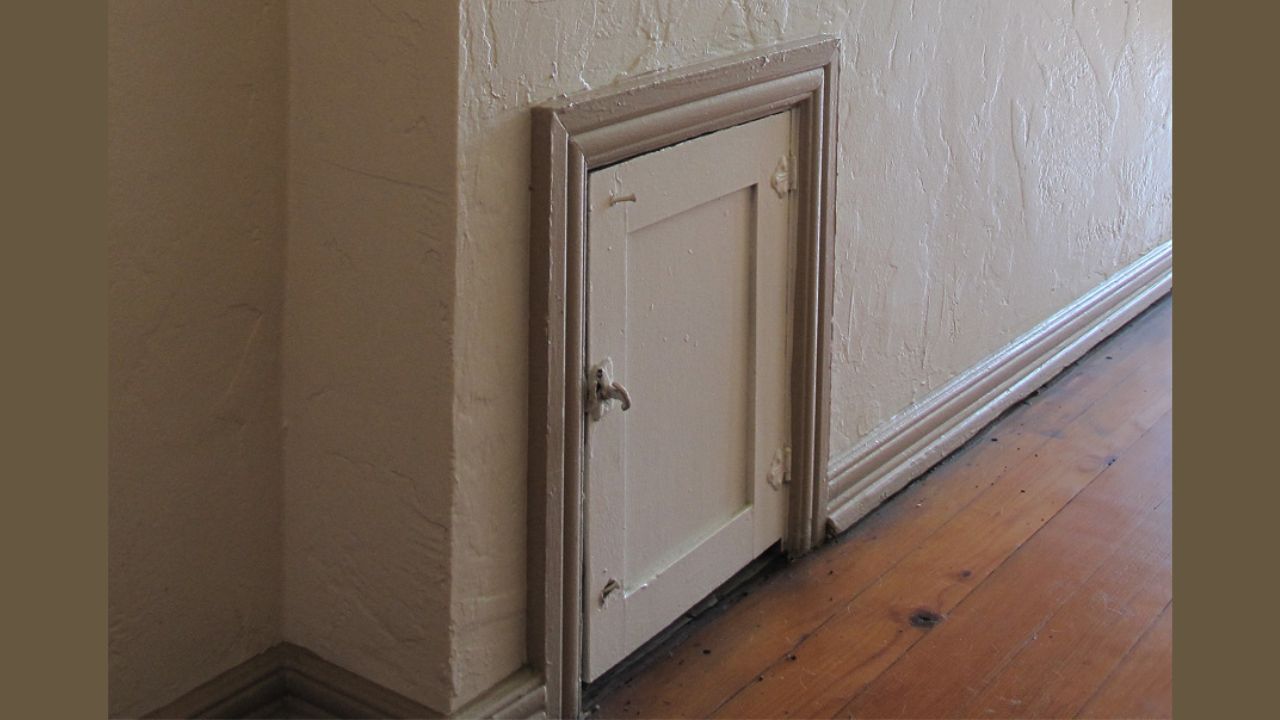
Image Credit: Downtowngal (Self-photographed)- CC BY-SA 3.0/Wiki Commons.
These small, insulated exterior doors led directly into pantry iceboxes, allowing icemen to deliver ice without entering the home. They revolutionized food preservation before refrigeration, maintaining cold air and privacy, and earned the nickname “Jealous Husband’s Door.”
Today: Often decorative reminders in restored homes, ice doors can be adapted for drop-off packages or even secret herb compartments.
2. Coal Chutes
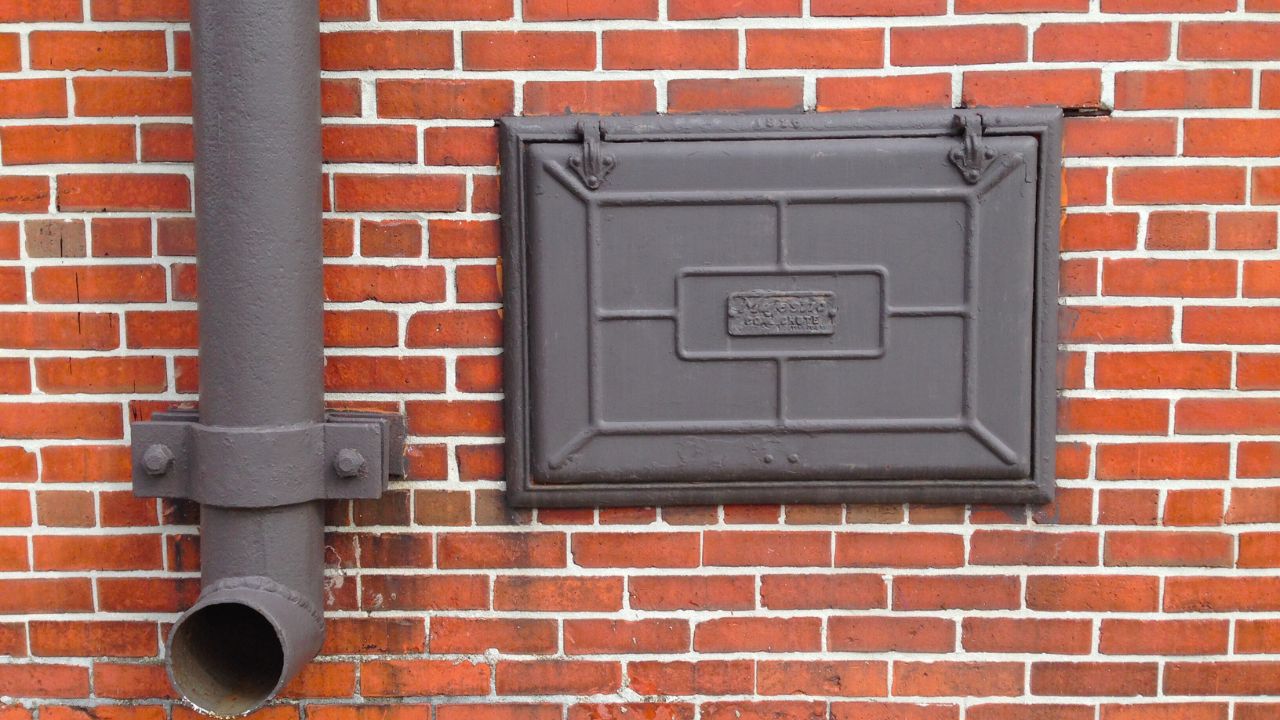
Image Credit: bsmalley (Own work)- CC0/Wiki Commons.
Coal chutes connected street-level doors to basement furnaces, streamlining heavy fuel delivery and reducing household labor.
Today: Frequently sealed, their remnants appear near basements; creative homeowners have repurposed them for laundry chutes or rainwater systems.
3. Milk Delivery Doors
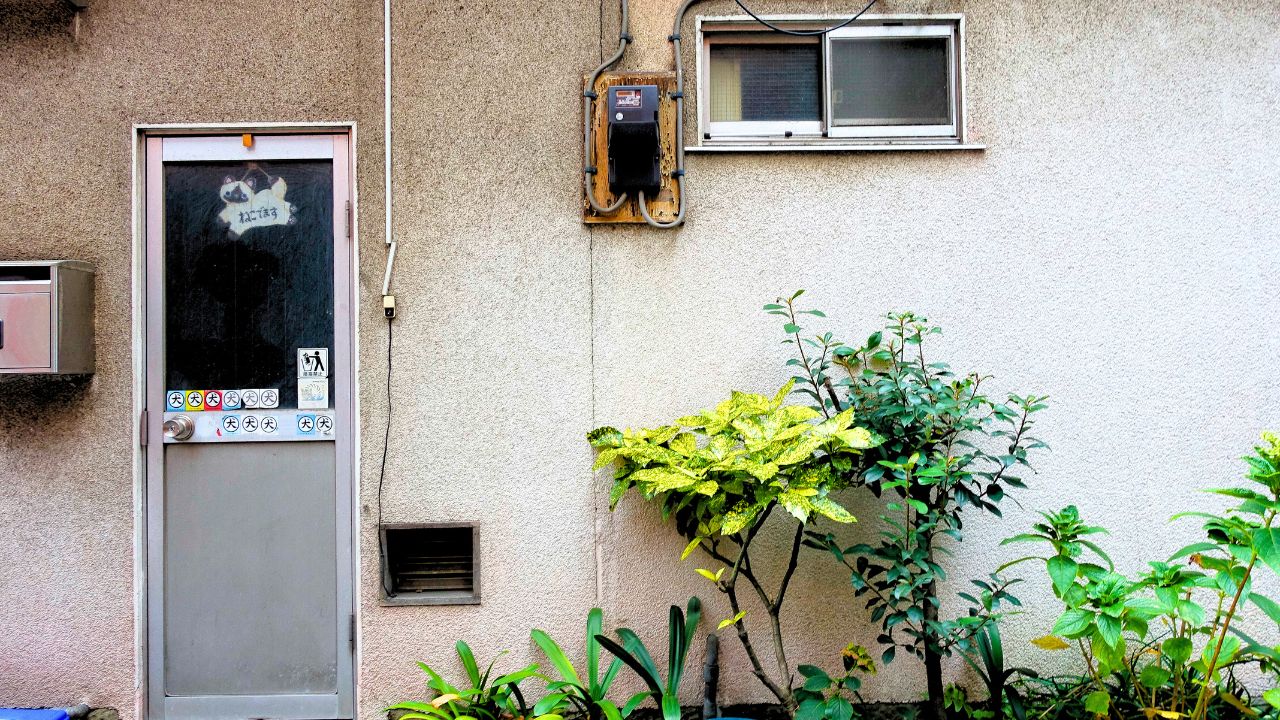
Image Credit: m-louis .®- CC BY-SA 2.0/Wiki Commons.
Yet another door in a home! Smaller than ice doors, these external hatches were once used by milkmen to deposit daily glass jug deliveries.
Today: Often sealed, a few survive as charming vintage features or discreet small-item drop-off points.
4. Root Cellars
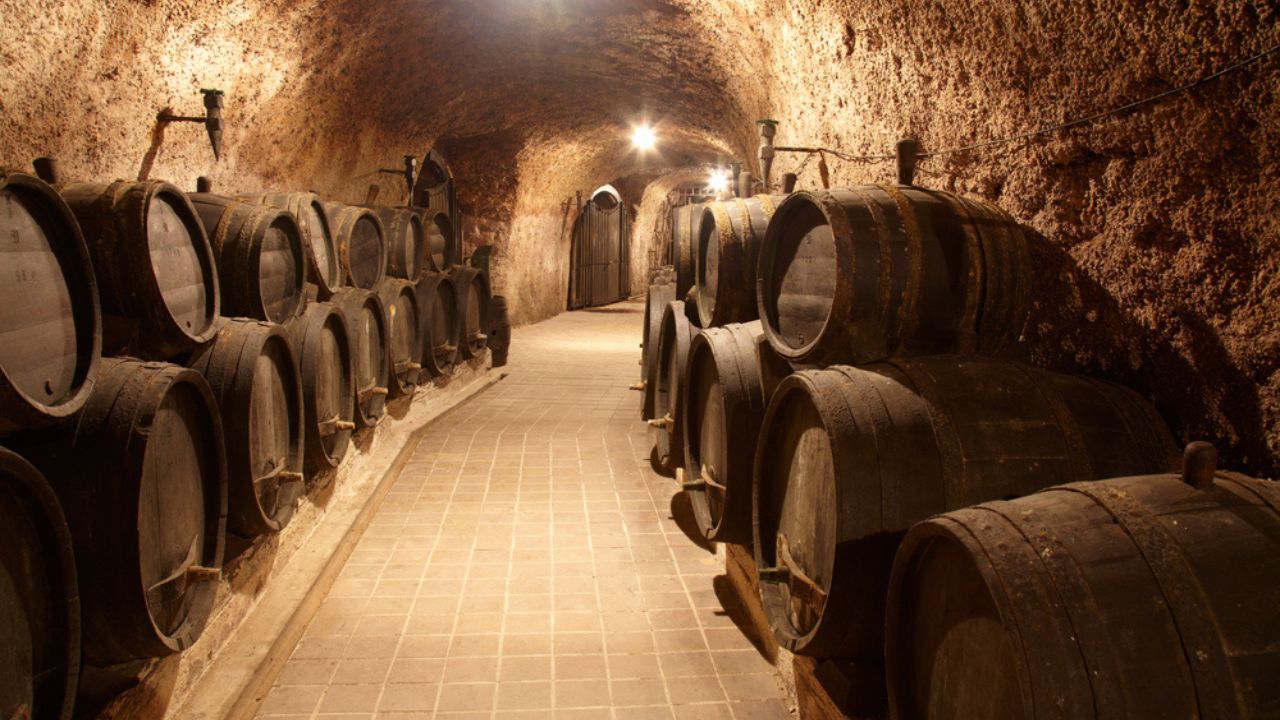
Image Credit: Depositphotos.com.
Built underground (under the home as a basement) or into hillsides, root cellars provide naturally cold storage for produce and preserves. When built right, they can keep food at around 40 degrees, basically as a large fridge.
Today: Their constant coolness makes them ideal for gardeners to store harvests or use as wine- or cheese-aging chambers. In many parts of the world, these are still very common.
5. Dumbwaiters
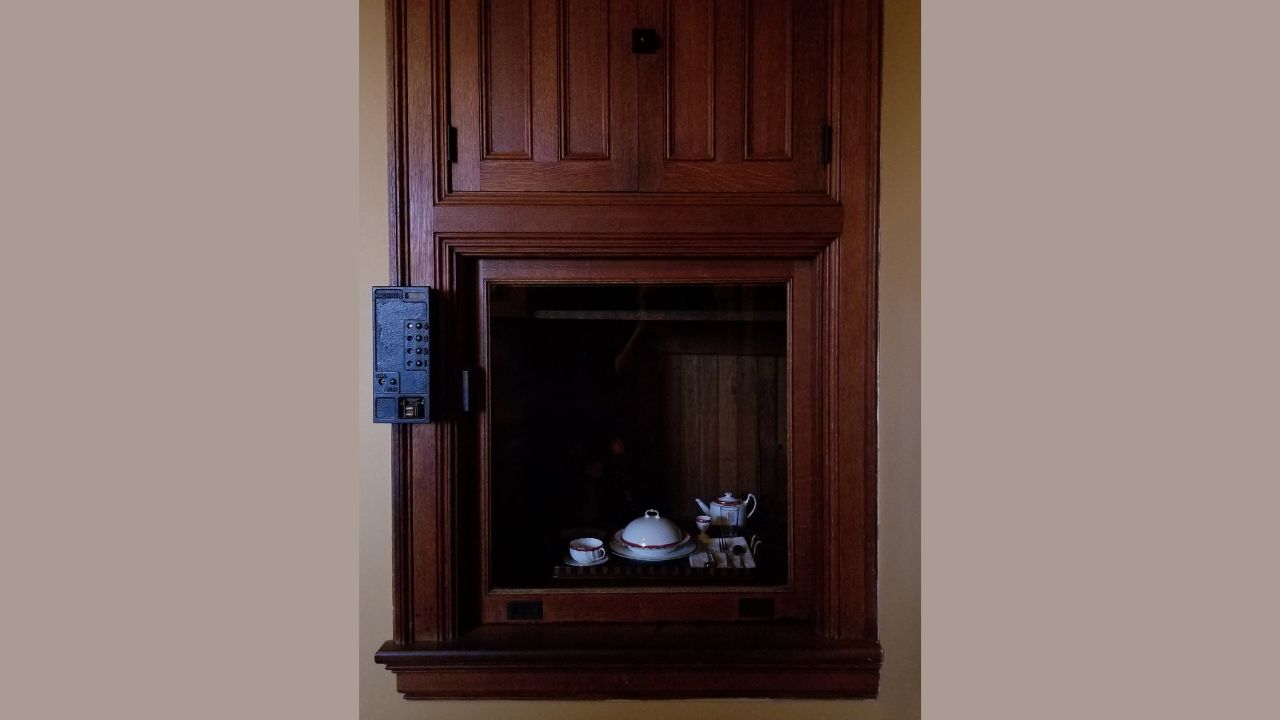
Image Credit: Comtesse d’Autodidactica (Own work)- CC BY-SA 4.0/Wiki Commons.
An interesting name that joins the ranks of lazy susans, a dumbwaiter was a way to freight items between floors, most often to kitchen, minimizing hte need to haul dishes between floors manually. Miniature service elevators could also shuttle firewood, or laundry between floors. (Why did these go out of style?)
Today: Often hidden in walls, some remain intact and have been converted into plant displays or pantry extensions. They can also be found in old restaurants and schools.
6. Speaking Tubes

Image Credit: Ammodramus (Own work)- CC0/Wiki Commons.
Common in affluent 19th-century homes, these voice pipes—often with whistles—connected rooms before telephones. I imagine it was a great way for mothers to summon their children from a living room or playroom for a meal or to get ready for bed.
Today: Still intact in historic homes, they make delightful conversation pieces—or even DIY intercoms.
7. Transom Windows
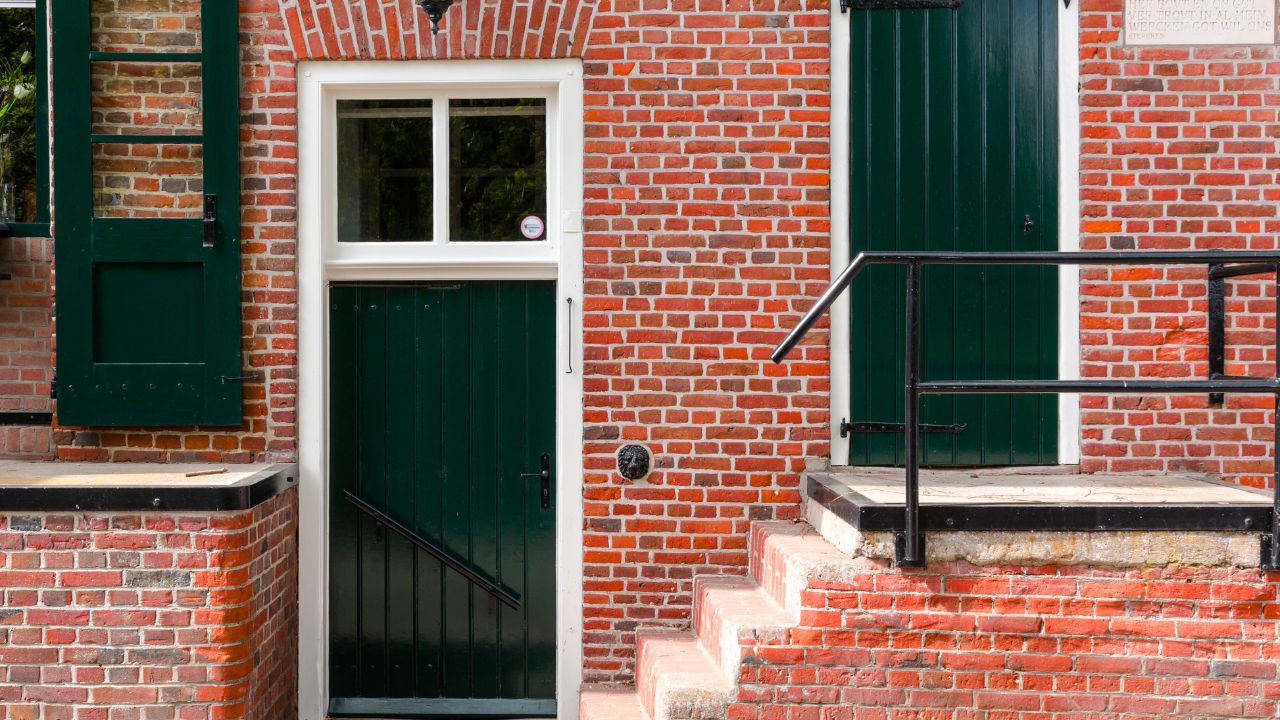
Image Credit: Dietmar Rabich- CC BY-SA 4.0/Wiki Commons.
Transom windows were hinged windows above doors, providing ventilation and daylight without compromising privacy—pre-HVAC era ingenuity.
Today: Preserved in many Craftsman or Victorian homes, they still allow airflow and light amid renovation.
8. Servant Staircases
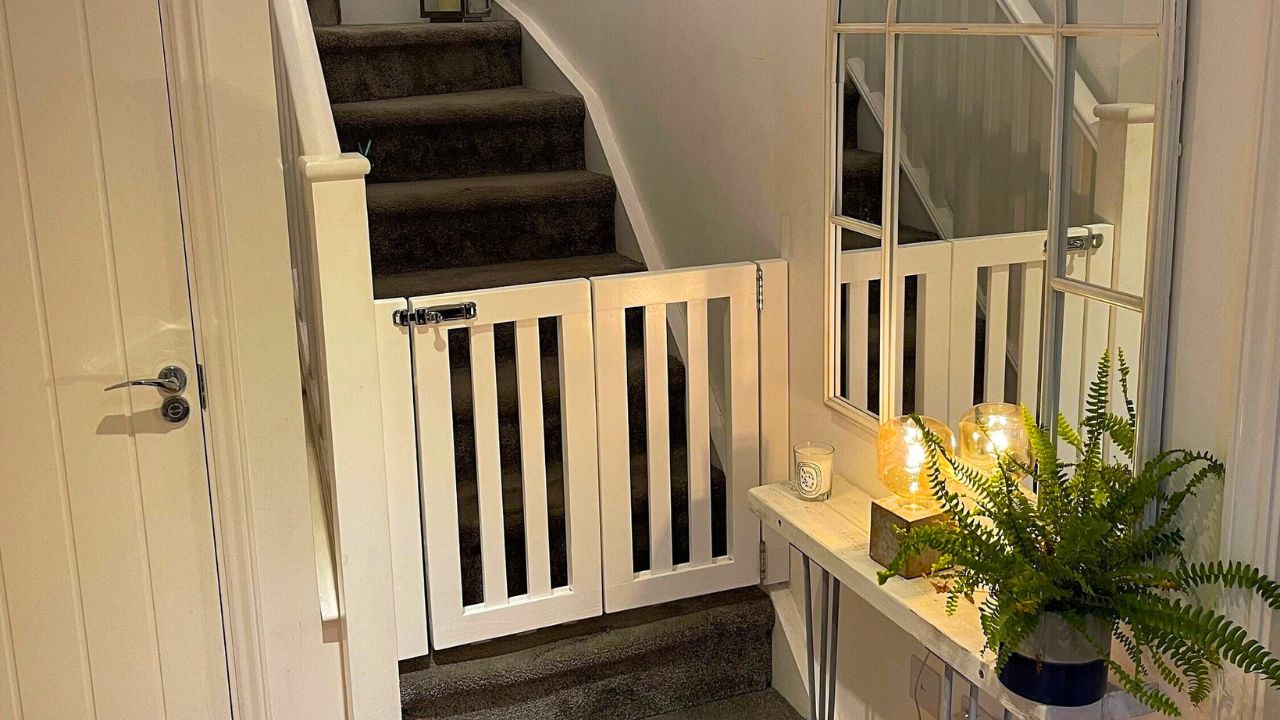
Image Credit: Penguinpappa (Own work)- CC BY-SA 4.0/Wiki Commons.
Discrete, narrow back stairs allowed staff to move unseen—a reflection of social norms from bygone eras during a time of harsh segregation. These stairs were most common in the 17th century.
Today: Often repurposed as private nooks or pet stairways (or removed to open up the space), these stairs add a classic charm to heritage homes.
9. Servant Floor Buttons
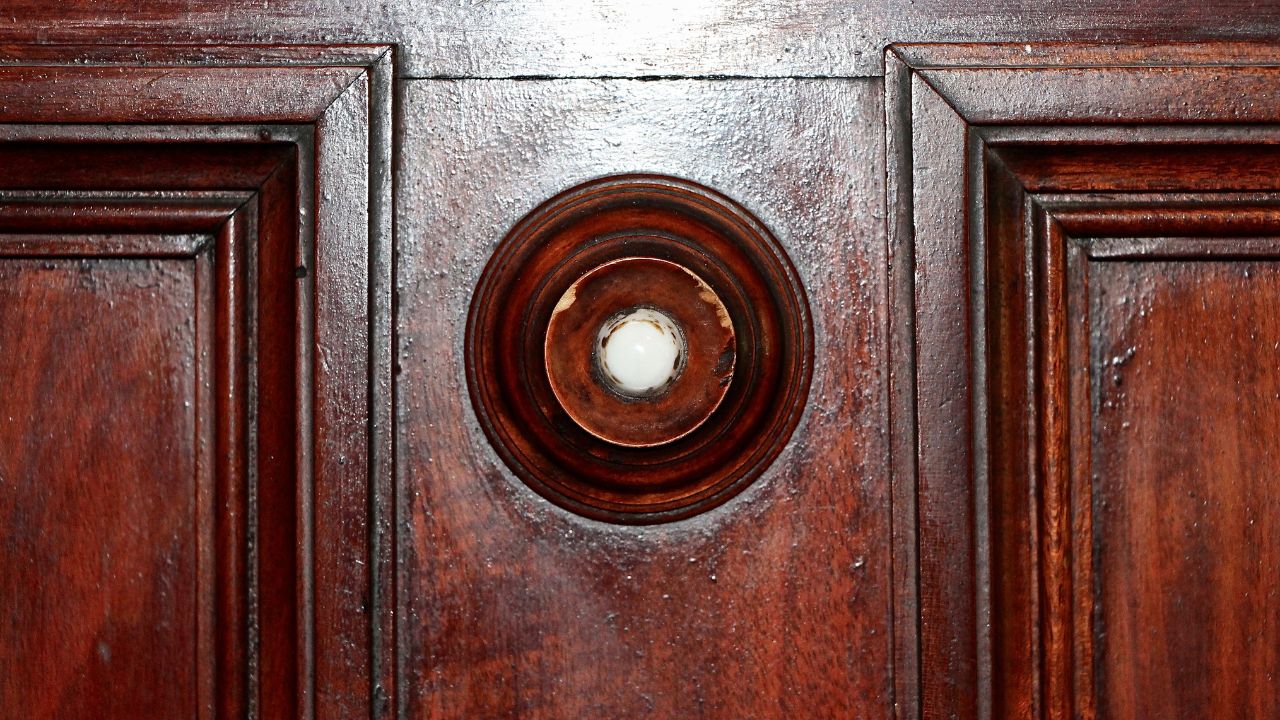
Image Credit: Thomas1313 – Own work – CC BY-SA 3.0/Wiki Commons.
Door or floor-mounted buzzers in dining areas signaled for staff—early “call-a-servant” systems.
Today: Hidden beneath rugs, they add historical intrigue—even if they’ve lost their function.
10. Boot Scrapers
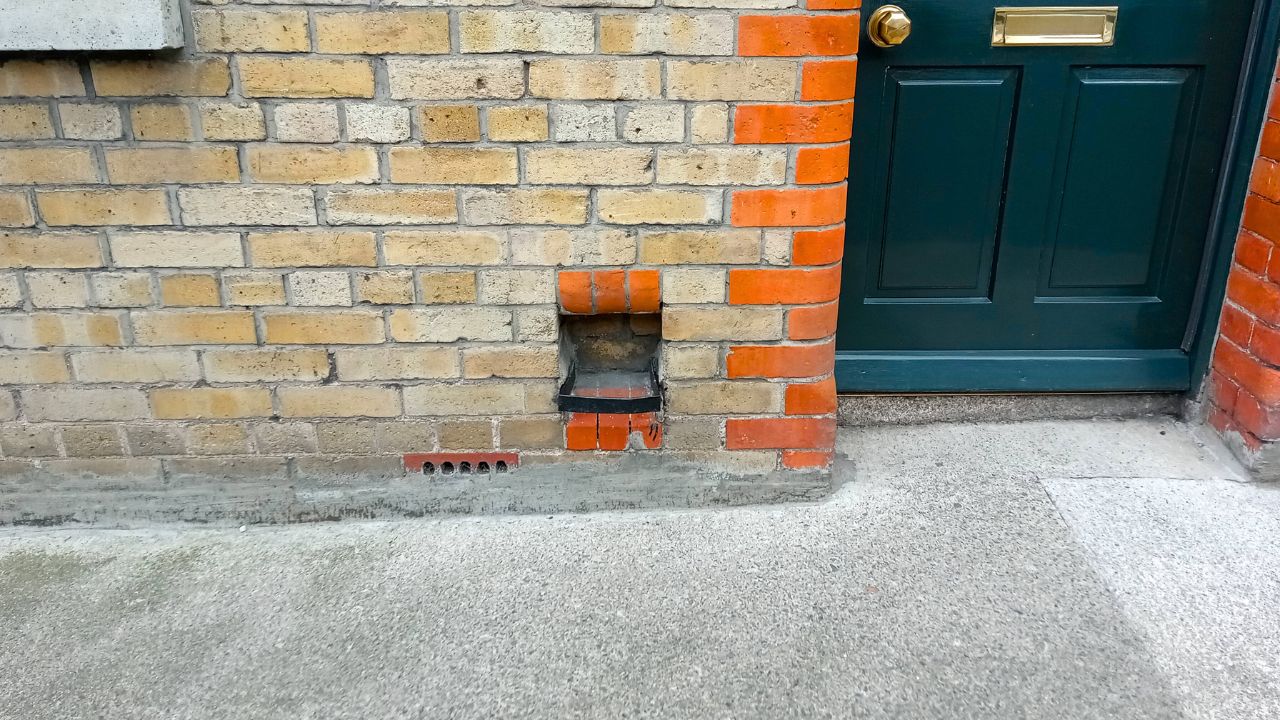
Image Credit: A.-K. D. (Own work)- CC BY-SA 4.0/Wiki Commons.
Placed by entryways, these iron scrapers cleaned mud and debris before walking in. These have lost popularity but stil make sense in muddy areas.
Today: Some remain, polished as decorative accents or restored for practical use.
11. Razor Blade Slots

Image Credit: Depositphotos.com.
Tiny slits in medicine cabinets meant safe disposal for used razor blades.
Today: Rarely seen, these slots delight history lovers and can even be repurposed as mini storage or magnet racks.
12. Knob & Tube Wiring
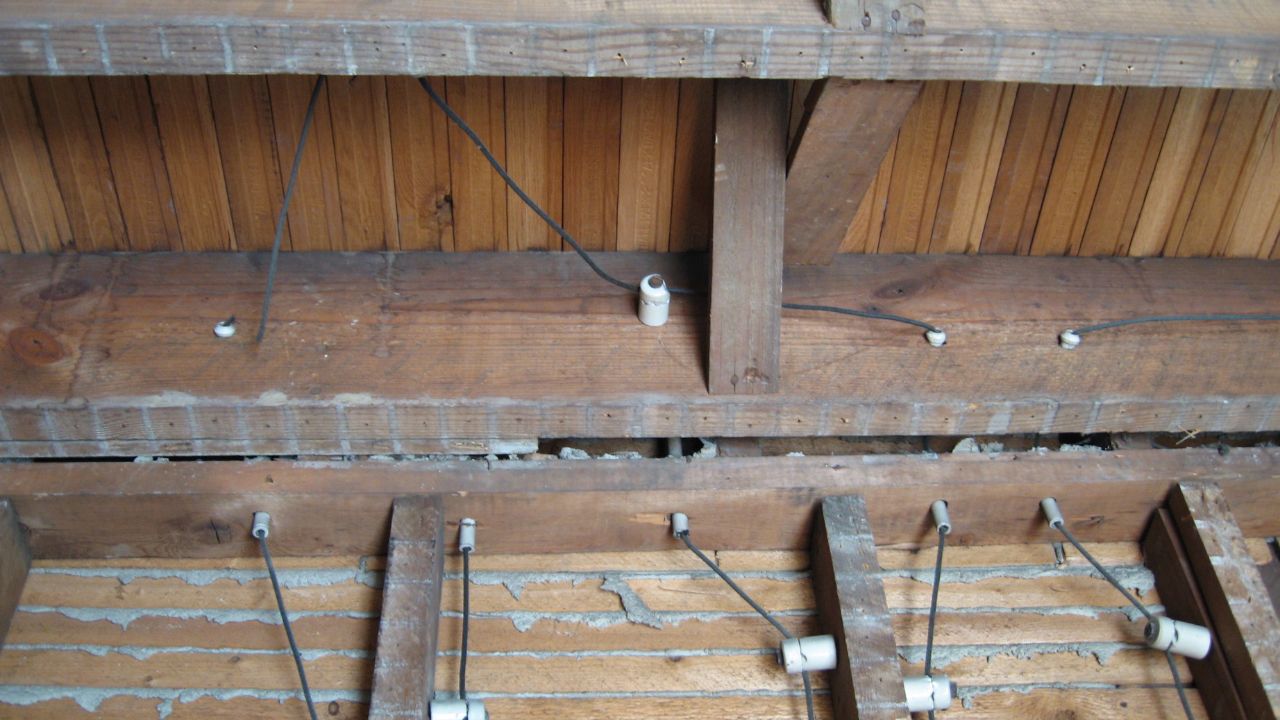
Image Credit: Laura Scudder – CC BY-SA 3.0/Wiki Commons.
Early electrical systems used porcelain knobs and tubes to insulate wires.
Today: Often replaced for safety, the remaining visible sections offer a tangible lesson in early electrification.
13. Telephone Niches
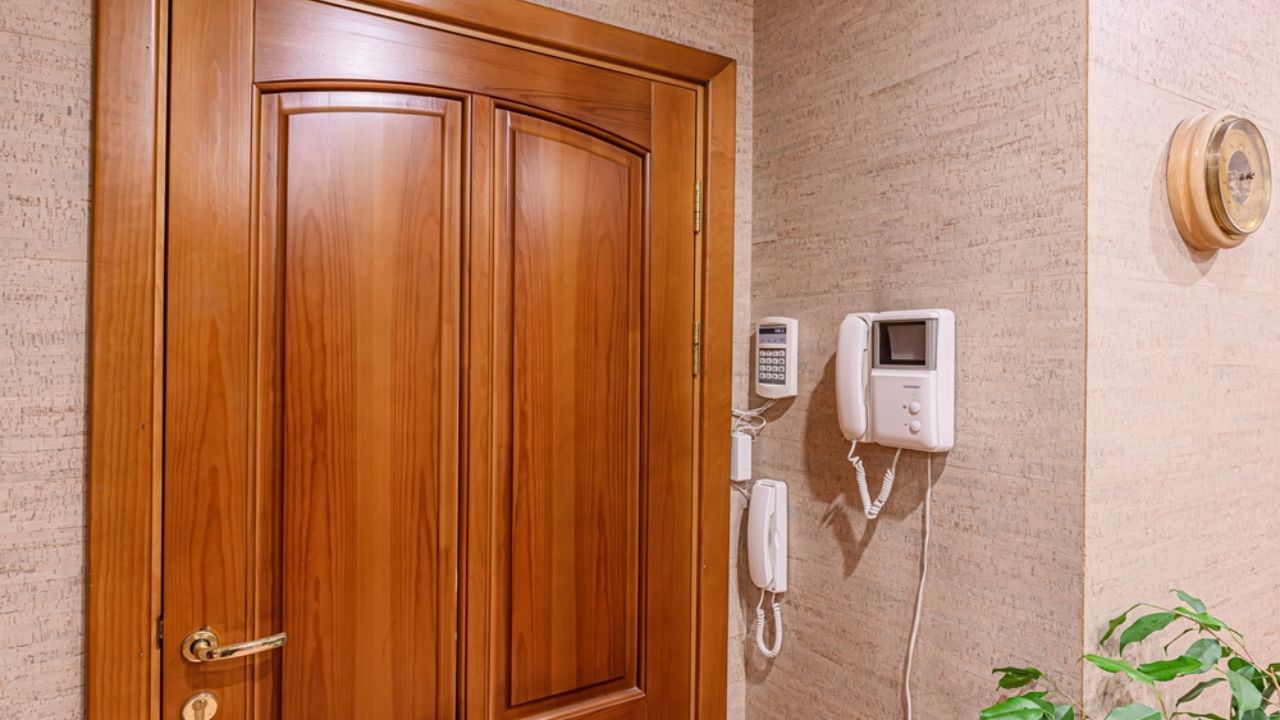
Image Credit: Shutterstock.
Recessed wall niches were built for bulky landlines and phone books. With landlines nearly obsolete, these are a reminder of how different it was to call someone even just a few decades ago.
Today: Handy for charging stations or decorative shelves in heritage-style homes.
14. Hoosier Cabinets
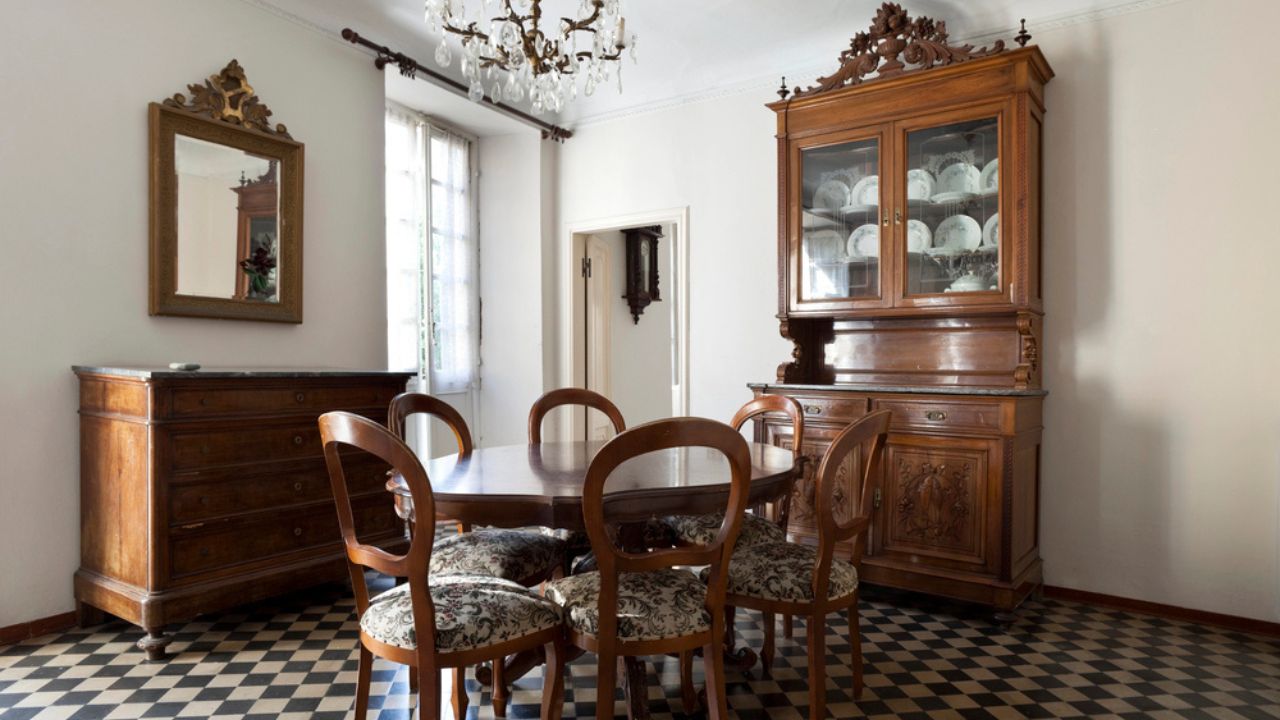
Image Credit: Depositphotos.com.
Freestanding kitchen cabinets with built-in flour sifters and workspace, before built-ins became standard.
Today: Treasured vintage items—ideal as artisan food prep stations or home command centers. These can still be found for sale in estate sales and online for vintage enthusiasts. People use them as china cabinets or extra kitchen storage still today.
15. Ceiling Beds (Sorlien Beds)

Image Credit: Depositphotos.com.
These early Murphy-bed rivals were ceiling-mounted using counterweights, patented in 1913. In the morning, home owners simply put their beds “back in the ceiling.”
Today: Vanishingly rare but intriguing restorations; some are preserved as loft beds or hidden storage platforms. (Editor note: No image could be found for this type of bed.).
16. Picture Rails

Image credit: Depositphotos.com.
Trim molding from which art hung—no need for nails or damage to plaster walls. These may be recognizable these days since this type of built-in shelving has become more popular for pictures and books.
Today: Popular in renovations—they’re stylish, flexible, and completely functional for hanging décor.
17. Tin Ceilings & Clawfoot Tubs
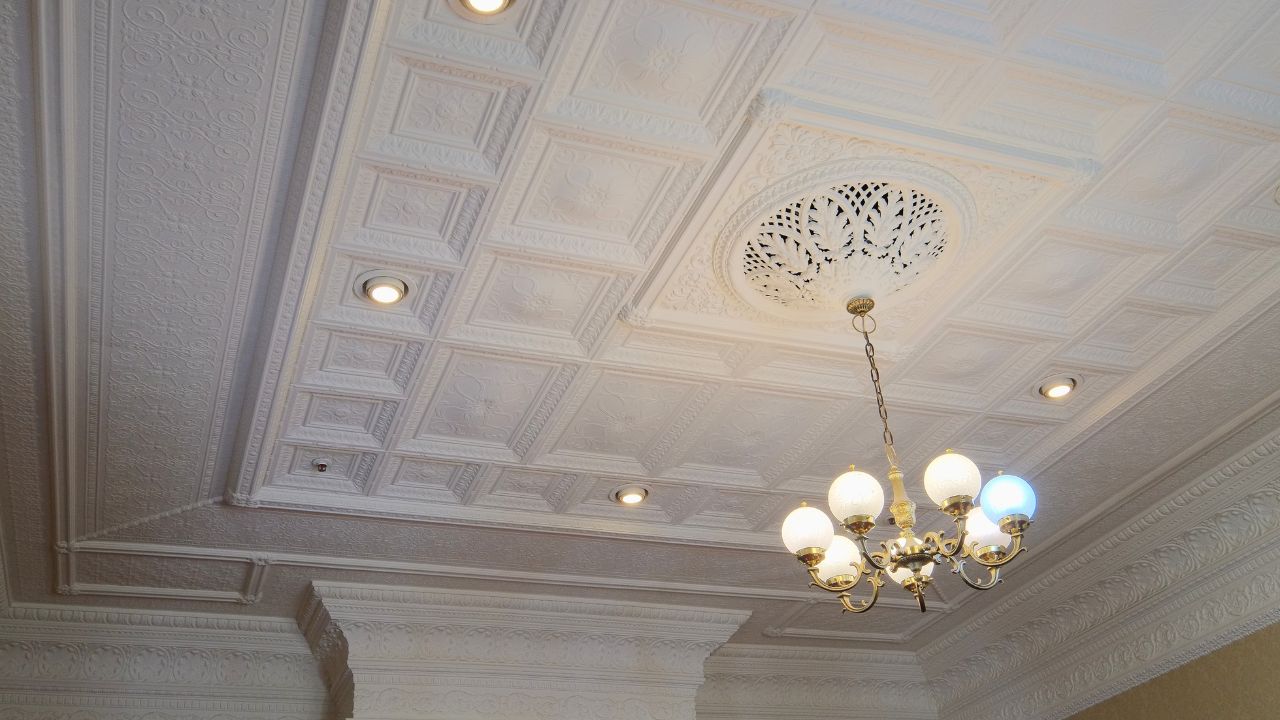
Image Credit: Pseudopanax (Own work)- Public Domain/Wiki Commons.
Stamped metal ceilings and freestanding tubs were hallmarks of Victorian luxury.
Today: Often prized by renovators, tin ceilings reflect light beautifully, and clawfoot tubs anchor vintage bathrooms.
Why These Features Still Matter

Image credit: Depositphotos.com.
These distinctive elements reflect periods when homes were practical solutions to everyday challenges—from ice storage to family communication. They survive in vintage and restored properties, where they are either functional, decorative, or repurposed with creativity. Embracing them enriches heritage spaces and deepens the connection to architectural history.
Historic homes are full of quiet ingenuity. Let them spark ideas for architectural preservation and inventive reuse.