
Winter often feels like a waiting game for gardeners. The seed catalogs pile up on the coffee table while the actual yard sits there, looking a bit gray and unimpressive. It is easy to assume nothing can happen until the frost lifts. That assumption misses a huge opportunity. The dormant season offers a rare chance to see the bare bones of a landscape without the distraction of blooming peonies or overgrown tomato vines.
You have a clear view of what works and what looks messy. This quiet period is the perfect window to tackle structural shifts that feel impossible when the weeds are growing a foot every day. You can move earth, plan routes, and fix soil issues without damaging active root systems or stepping on pollinators. Taking action now prevents that frantic scramble in April when everything needs attention at once.
Here are six garden layout changes you can do now.
1. Redesign Flower Beds and Color Schemes

Image Credit: Shutterstock.
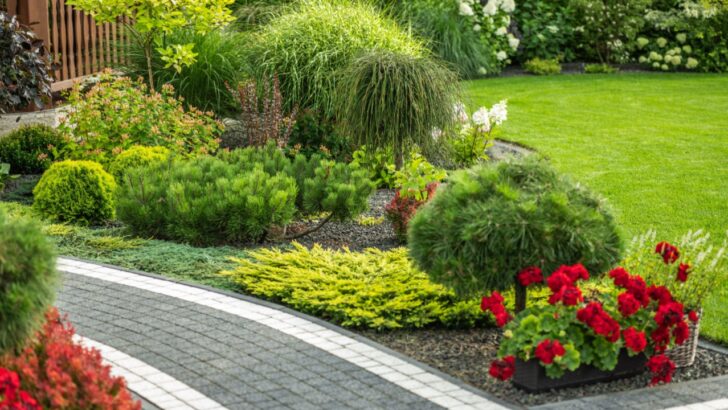
Looking at a garden in full bloom can be deceiving. Foliage hides gaps, and bright flowers distract from poor spacing. When plants die back, you see the truth. You might notice that the back left corner looks empty or that your perennials are crowded enough to cause mildew issues. Digging up and moving dormant plants causes far less stress to the root systems than moving them during the growing season.
You can rearrange hostas, daylilies, and shrubs to create better layering. Place taller varieties in the back and shorter ones in front. This is also the moment to address color clashes. Did the orange lilies look terrible next to the pink phlox last year? Mark those spots now. You can map out a new grouping strategy that relies on complementary foliage textures or a more cohesive color palette. Sketching this out on paper helps you visualize the flow before you even pick up a shovel.
2. Plan Pathways and Walkways Strategically
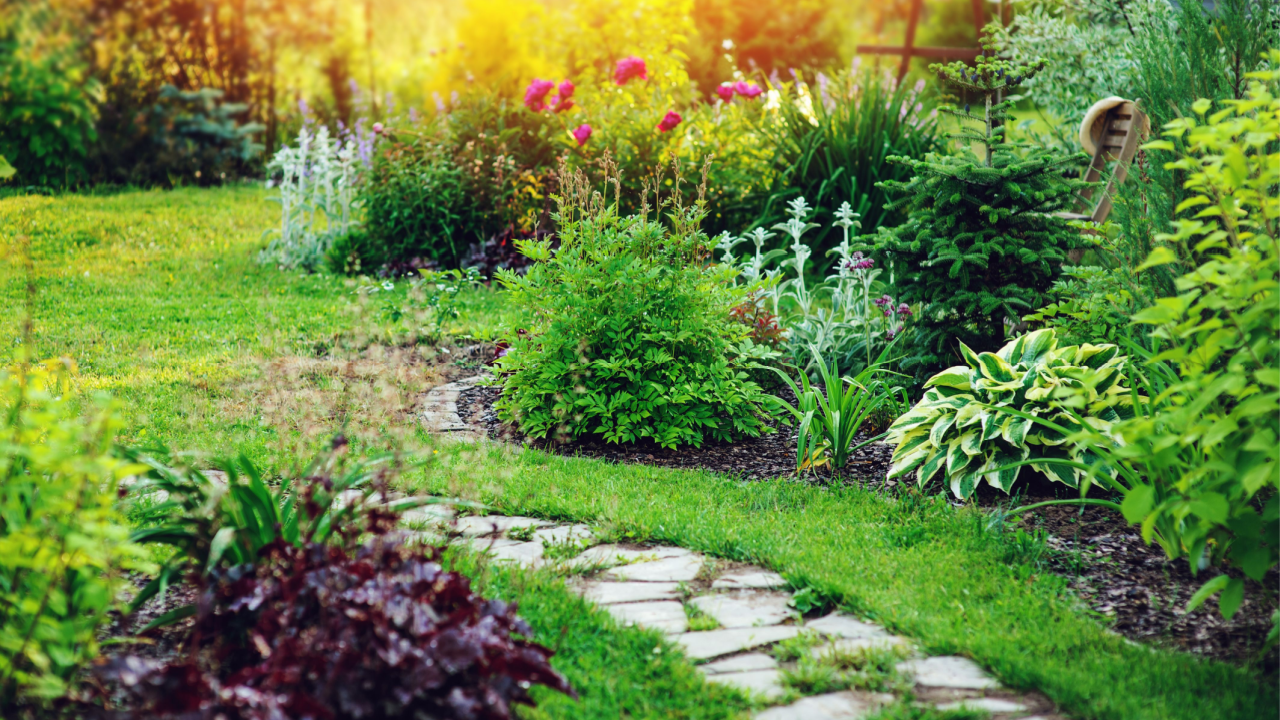
Image Credit: Shutterstock.
Mud is a surprisingly helpful design tool. During the wet and snowy months, you can clearly see where people and pets actually walk versus where you want them to walk. These desire lines often appear as worn-down grass or muddy tracks cutting across the lawn. Instead of fighting these natural routes, formalize them.
Installing a path over a high-traffic area saves your grass and keeps boots cleaner. Use this time to measure the width of potential walkways. A path should be wide enough for a wheelbarrow or two people walking side-by-side. Lying out hoses or ropes on the ground lets you test curves and angles. You want a route that guides visitors through the garden rather than rushing them to the back fence.
3. Move or Add Decorative Features
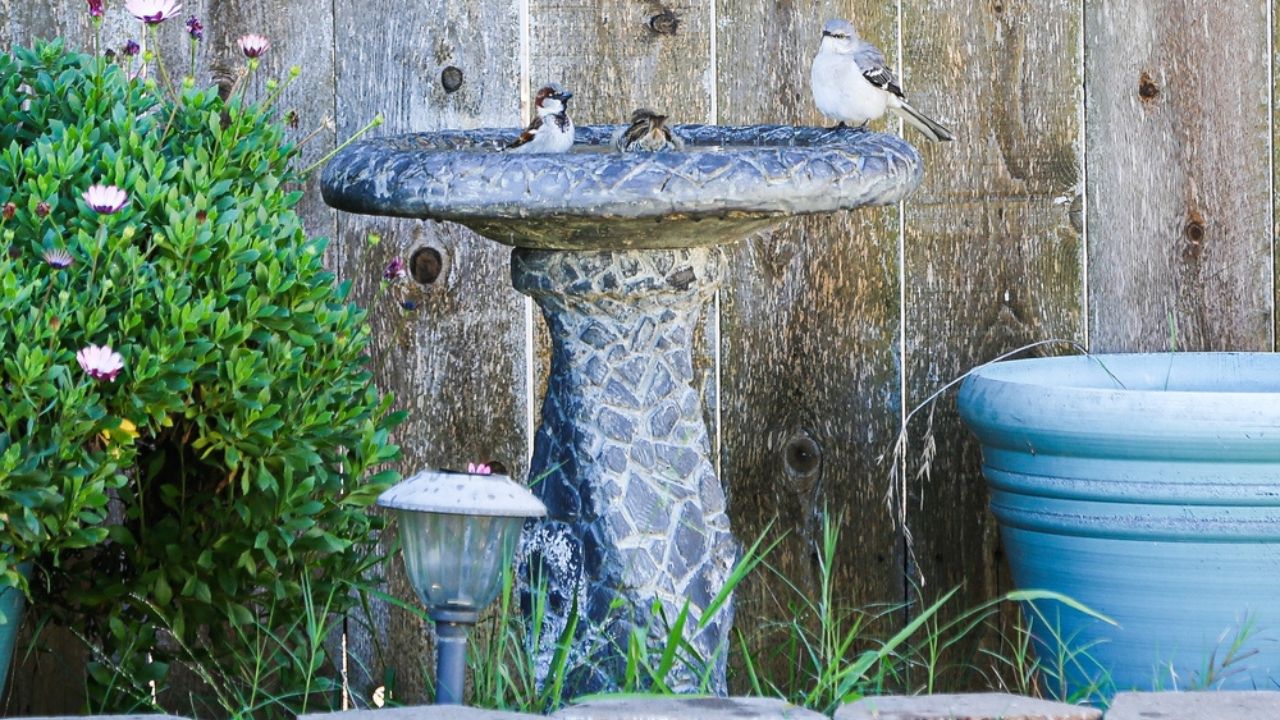
Image Credit: Shutterstock.
Garden ornaments often end up in the first spot we put them and stay there forever. Without the visual noise of summer growth, you might realize that the birdbath is invisible from the kitchen window or that the bench faces a view of the neighbor’s trash cans. The off-season allows you to drag heavy pots, statues, and benches to new locations without crushing delicate stems.
Try centering a fountain at the end of a sightline to create a focal point. Move a trellis to a spot where it can screen an ugly utility box. If the garden feels flat, adding vertical elements now gives the eye somewhere to rest. Even a simple obelisk or an empty large pot adds structure. Establishing these hardscape elements early means your plants will grow up and around them naturally, making the garden look established and intentional by summer.
4. Reassess and Adjust Vegetable Plots
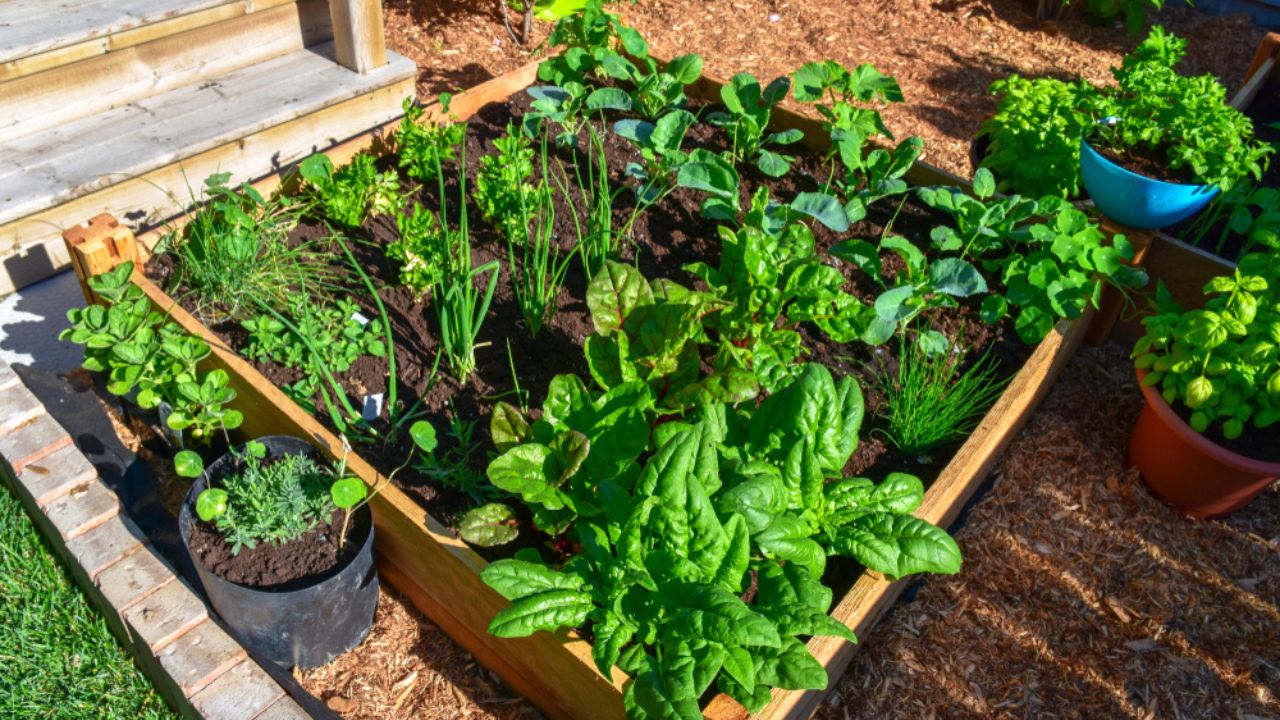
Image Credit: Shutterstock.
Vegetable gardens require strict efficiency. If you spent last summer tripping over cucumber vines or dragging a hose across three different beds, the layout needs work. The dormant season is the ideal time to fix these functional annoyances. Consider the sun exposure. The sun is lower in the sky now, which helps identify permanent shadows from trees or buildings.
If a bed stayed too shady last year, move it or dedicate it to leafy greens that tolerate less light. This is also when you should map out crop rotation. Planting tomatoes in the same spot every year invites disease and depletes specific nutrients. Sketch a plan that moves heavy feeders to new beds. If you use raised beds, check their condition. Replace rotting boards and tighten screws now so they are ready to hold soil when the ground thaws.
5. Evaluate Soil Quality and Mulch Zones
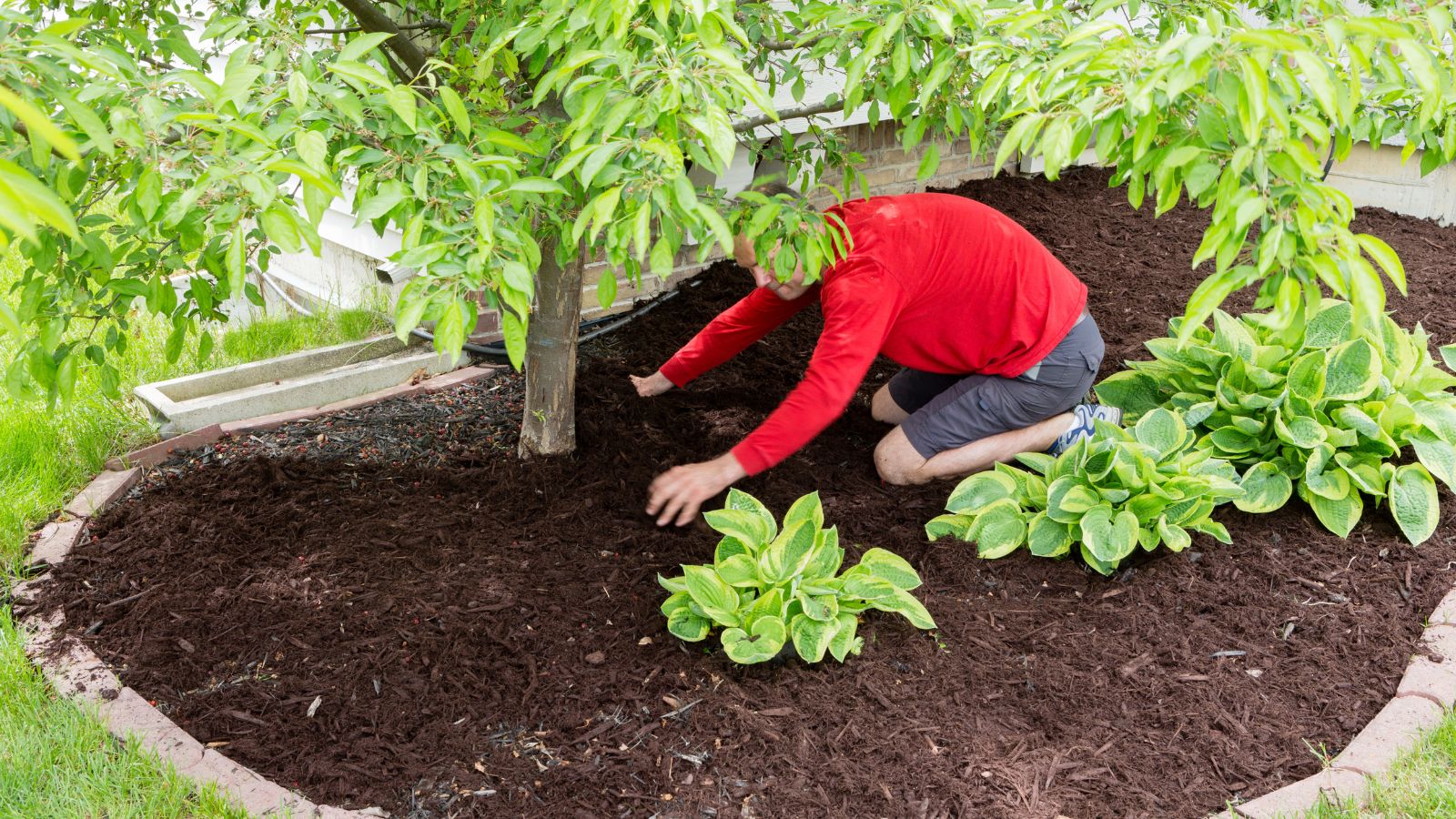
Image Credit: YAY Images.
Soil health determines everything, yet we often ignore it until we are ready to plant. Dealing with soil in the off-season gives amendments time to break down and integrate. Test the soil pH and nutrient levels. If the results show a need for lime or sulfur, applying it now allows months for the chemical reaction to occur. You can also spread a thick layer of compost or well-rotted manure over vegetable beds.
The freeze-thaw cycle will work this organic matter into the ground for you. Check your mulch levels as well. Bare soil invites winter weeds and erosion. Defining your mulch zones now creates a clean edge that separates the lawn from the garden beds. A crisp edge makes the whole yard look maintained, even if nothing is green.
6. Create Functional Zones for Living

Image Credit: Shutterstock.
Gardens are for people as much as for plants. If you never sit outside because there is no comfortable spot, change the design. Look for an area that receives nice morning light or offers protection from the wind. You might designate a corner for a fire pit or clear a flat space for a dining table. If you have kids or dogs, verify that they have a zone to run that does not intersect with your prize dahlias. Separating these functions keeps the peace.
Use stakes and string to outline a potential patio or seating area. Put a chair in that space and sit there for twenty minutes. Do you feel exposed to the street? Is it too windy? Adjusting the location by just a few feet can make the difference between a patio you use and one you ignore.
Get Ahead of the Game

Image Credit: Shutterstock.
Waiting for the perfect warm day usually means waiting until you are too busy to get anything done. Tackling these six layout changes while the garden sleeps puts you in control. You handle the heavy lifting and the strategic planning without the pressure of wilting transplants or swarming mosquitoes.
Pick the one change from this list that bothered you the most last year. Did the mud track into the house? Fix the path. Did the tomatoes fail? Rotate the veg bed. Addressing a single frustration now pays off exponentially when the sun comes out. You will walk into spring with a garden that functions better, looks sharper, and requires less emergency maintenance.