North Carolina Woman Exhausted from Neighbor’s Property Runoff That’s Drowning Her Home in Mud
The saying goes, “When it rains, it pours.” However, for one North Carolina homeowner, it does more than just pour when the rain comes falling down in her Gastonia neighborhood. That’s because the rain is also bringing a torrent of mud down from her neighbor’s property.
She told WSOC-TV about the issue recently, saying that she’s “exhausted” by just how much mud the rain is bringing with it. Things have been so bad that she’s even reached out to the local government for help, but they told her that this isn’t a job for them. Instead, they told her that it’s a civil matter, which means that she may need to put out some money to hire a lawyer to get some relief.
But Mary Humphreys tells the outlet that she’s already put a ton of money into this problem and has yet to find a solution.
Unfortunately, the law remains pretty clear in this situation, and her neighbor’s water (and mud) runoff may just be something that she has to get used to.
The Mud Has Been Piling Up Around Her Home
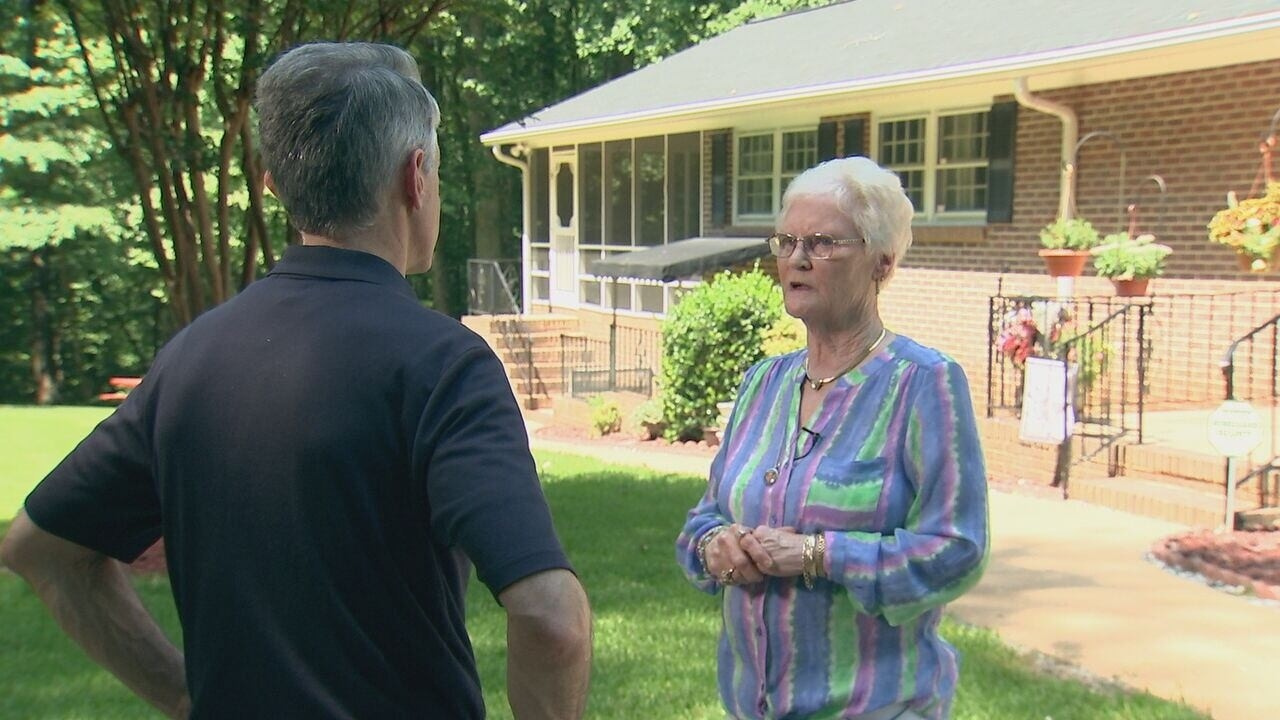
Humphreys talked to the Action 9 attorney about her situation for a segment on WSOC-TV. During the on-air conversation, she revealed how much of an ongoing issue this has been for her, both physically and financially. “It just has continued and continued and continued,” Humphreys told attorney Jason Stoogenke. “I have exhausted every asset that I have.”
The camera panned around her property, showing how mud and debris had been piling up all around her home. However, when Stoogenke reached out to Gaston County officials, he was told that the situation had already been investigated by both Natural Resources and Code Enforcement. Both agencies had determined that the issue wasn’t one that warranted their involvement, and instead told him that it was a civil matter to be handled between the neighbors themselves.
Is Your Neighbor Responsible for Water Runoff From Their Property?
Stoogenke explained that the legal aspect of this case is pretty clear, and that water has the right to follow whatever path it wants to, even if that means flooding a downhill neighbor’s property with the runoff. However, it sounds like there may be certain caveats to these rules. For example, in Pennsylvania, the Timoney Knox Attorneys at Law blog says surface water is allowed to follow its natural course from one property to another.
However, once a homeowner redirects, collects, or concentrates water so that it flows onto another person’s property, it becomes a different story. Not only could they get into trouble with local government officials for changes like this, but they could also be held liable for any damages the water may cause.
While Humphreys didn’t state whether the water and mud were due to the natural flow of the water or alterations her neighbor made to the property, hopefully investigators were satisfied that the neighbor wasn’t intentionally causing the damaging mud to flood her home after looking into her complaints.