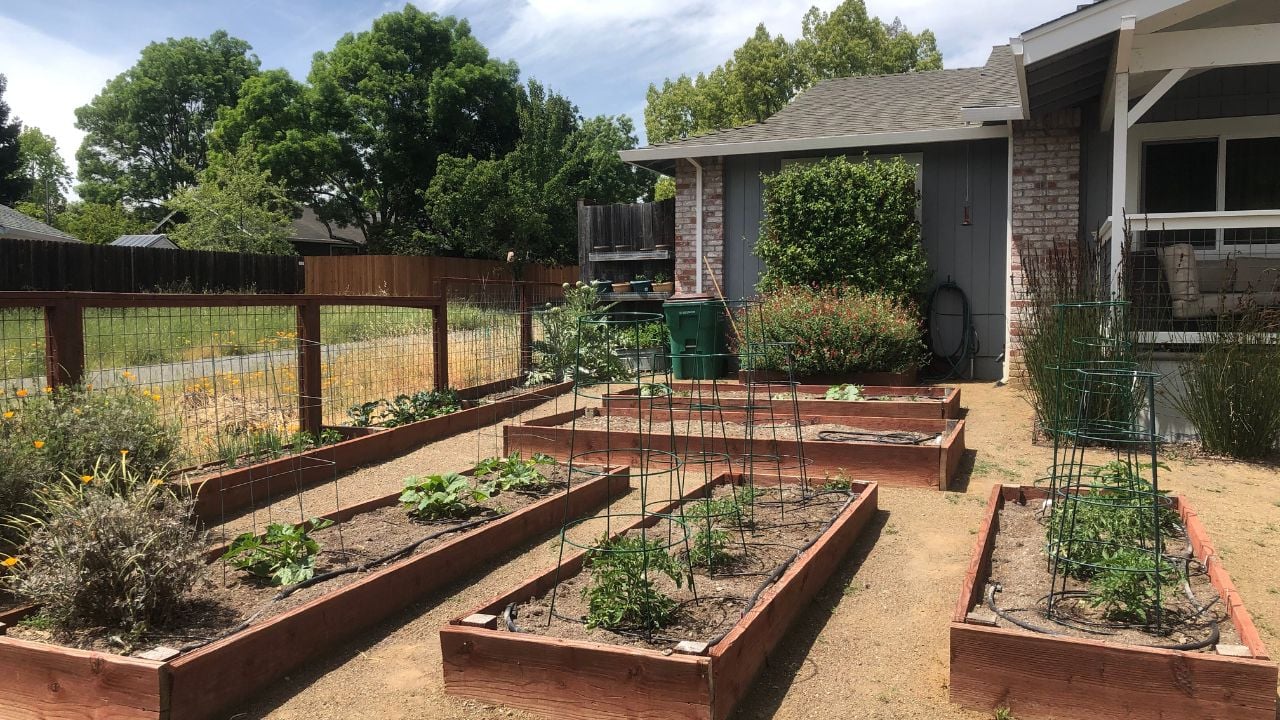
A Victory for Small Backyards— Newton Homeowners Can Now Put Raised Garden Beds Closer to Property Lines
Homeowners in Newton, Massachusetts, now have more flexibility to place raised garden beds in parts of their yards where city zoning rules previously treated them more like structures.
The City Council approved a zoning amendment on June 15 that removes raised beds from the ordinance’s general definition of a structure, according to Fig City News.
The measure passed 17-3, just one vote above the 16 votes required for a zoning amendment. Four councilors were absent.
For gardeners, the change gives clearer room to use small yards, front setbacks, and side areas for food growing, accessibility, and cleaner soil, as long as the beds follow the city’s new height, size, and distance rules.
Raised Beds Had Been Treated Like Structures
Newton’s previous rules treated raised beds as structures because they were considered an assemblage of materials built on the ground.
That meant they could fall under the same setback restrictions that apply to buildings and other structures, even when a homeowner was only trying to place a small garden bed near a property line.
Councilor Susan Albright told Fig City News that the city was not actively looking for raised beds to cite, but neighbor complaints could force enforcement. She cited cases involving families whose raised beds had been reported.
The New Rules Set Clear Yard Limits
Under the new ordinance, raised beds in front setbacks may be up to two feet high and must sit at least five feet from the front property line.
Raised beds in side setbacks may be up to four feet high and must remain at least 7.5 feet from neighboring property lines. Rear-setback beds may also be up to four feet high and must stay at least five feet from the rear property line.
Individual Beds Cannot Take Over the Setback
The rules also limit individual beds to 10 feet long and four feet wide.
Beds must be separated by at least three feet, and the total area of raised beds within any one setback may not exceed 80 square feet.
Trellises attached to raised beds may extend up to five feet above grade, giving gardeners some room for climbing plants without turning the bed into a larger yard feature.
Gardeners Argued the Old Rules Went Too Far
The proposal spent nearly six months in the Zoning and Planning Committee before reaching the full council. At a June 8 public hearing, most speakers supported loosening the rules.
Supporters said raised beds can help older adults and people with disabilities garden with less bending, allow residents to grow food in cleaner soil, and make small yards more useful.
One resident raised concerns about visibility near driveways, which helped shape the compromise limits now in place. Homeowners adding raised beds should still check sightlines, drainage, access paths, and local placement rules before building near sidewalks, driveways, fences, or neighboring lots.