Black Thumb? Here Are 7 Tricks to Keep Your Plants Alive While You’re On Vacation
There’s nothing worse than coming home from a relaxing trip to a lineup of wilted, yellowing houseplants.
The instinct before going out of town for a few days is often to drown everything “just in case.” However, the biggest mistake people can make before heading out on vacation is overwatering. As horticulturist Justin Hancock of Costa Farms explains, “Most plants can handle dry soil rather than soggy and wet soil. And for most plants, being too wet is more harmful to them than drying out a bit too much.” Root rot and fungus gnats are far harder to recover from than a few crisp leaves.
Most houseplants are far more resilient than we give them credit for. A few smart adjustments can carry them safely through a week, or even two, without drama.
1. Give Them a Deep Soak, But Don’t Drown Them
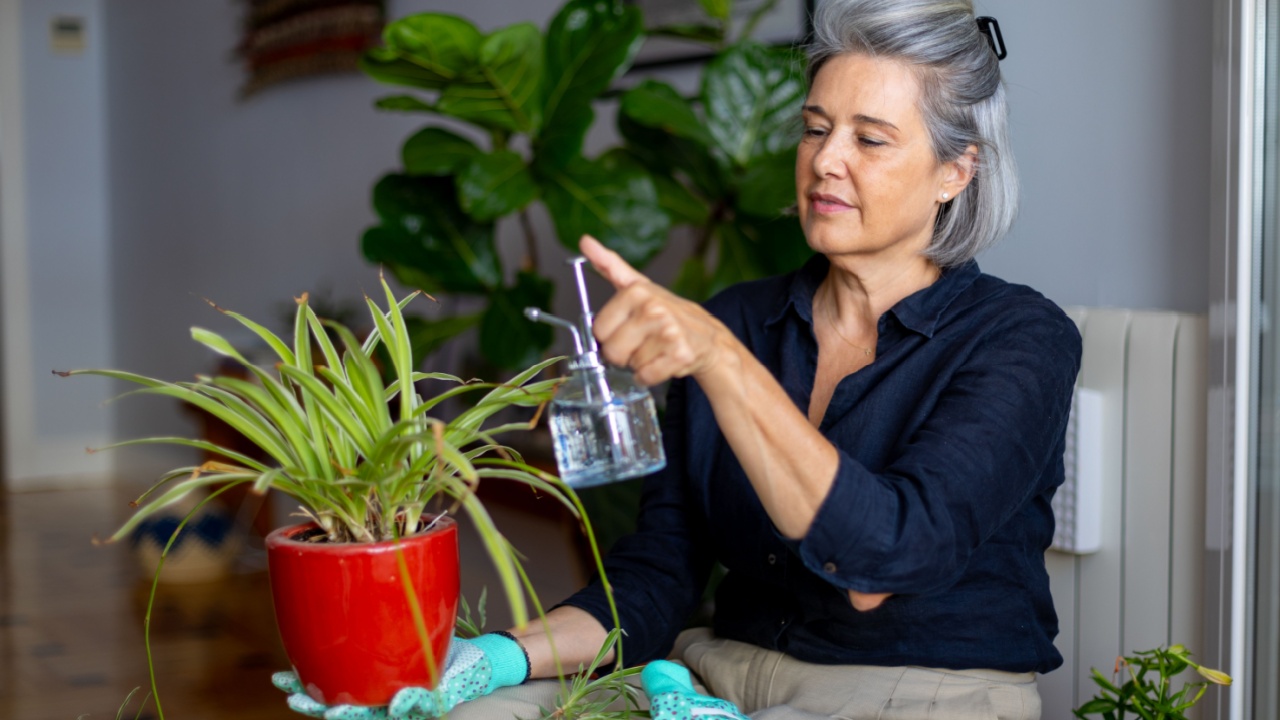
Before you leave, water your plants thoroughly. A bottom-watering method works beautifully: place pots in a sink or bucket with a few inches of water and allow them to absorb moisture for about 30 minutes. Then let them drain completely.
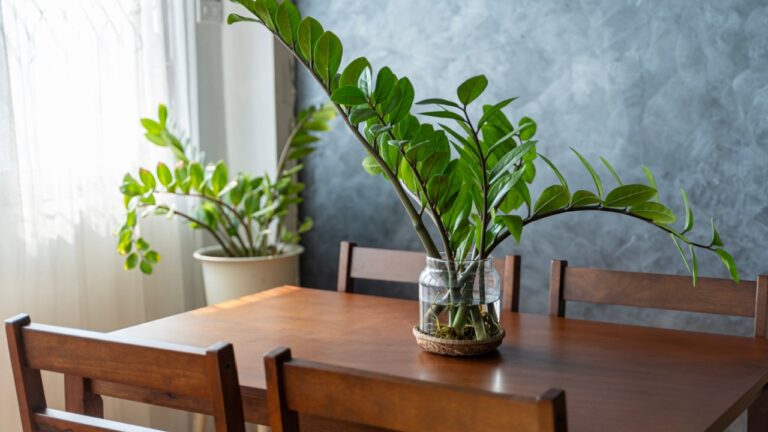
For drought-tolerant plants like snake plants or ZZ plants, stick to their regular watering schedule. They don’t need special treatment.
2. Reduce Light to Reduce Thirst
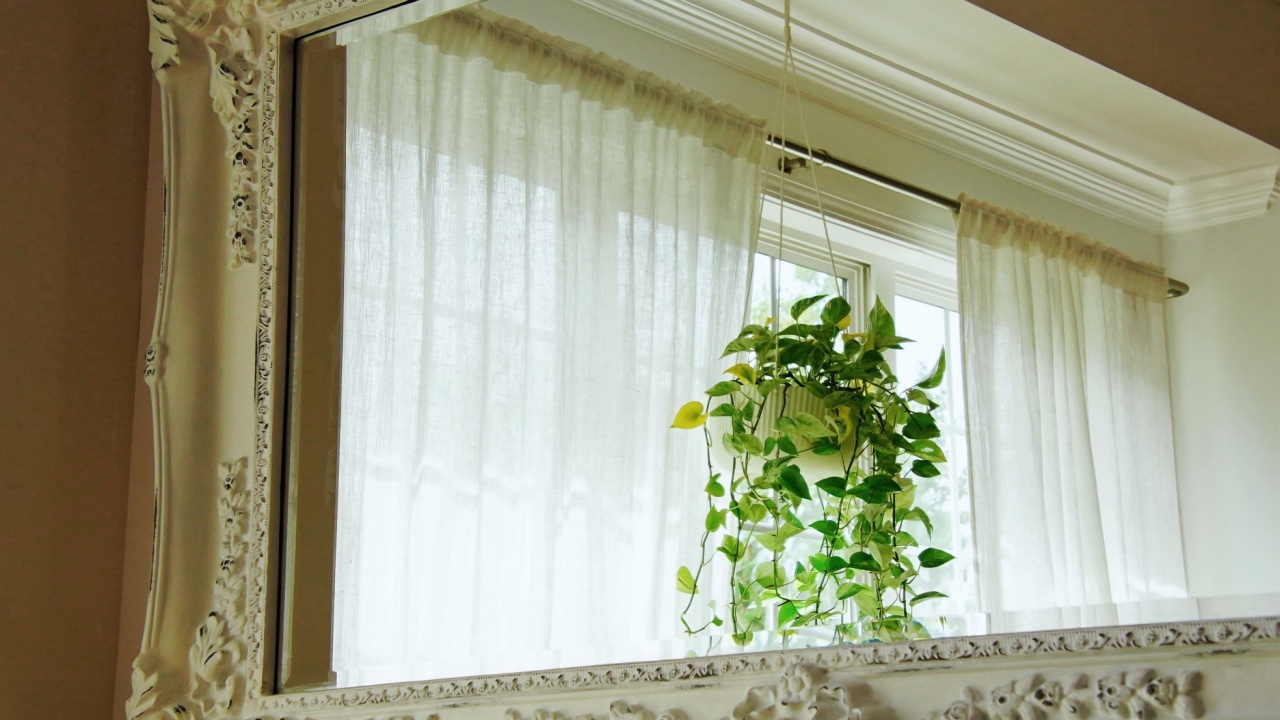
Light fuels growth, and growth fuels water consumption. Moving plants a few feet away from bright windows while you’re gone will slow evaporation significantly.
You don’t need to plunge them into darkness. Simply close blinds or relocate them to bright, indirect light. Even sun-loving plants can tolerate lower light for a short period of time.
3. Group Plants to Create a Humidity Microclimate
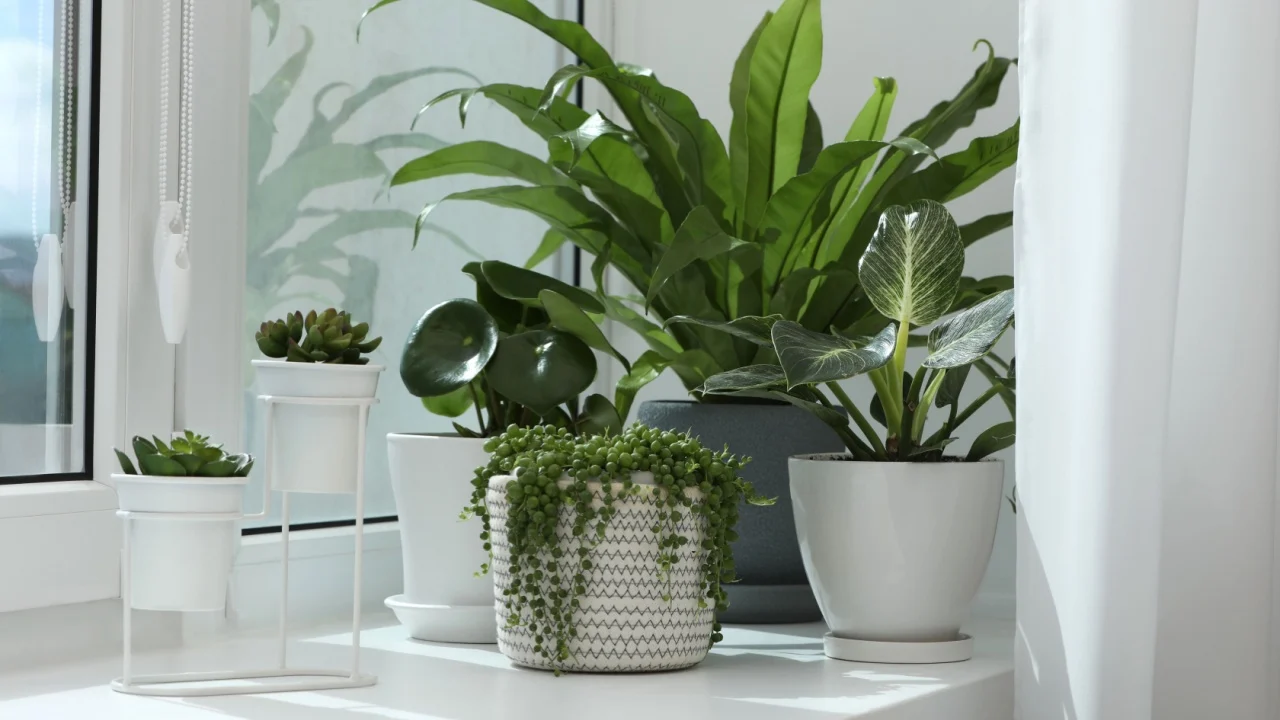
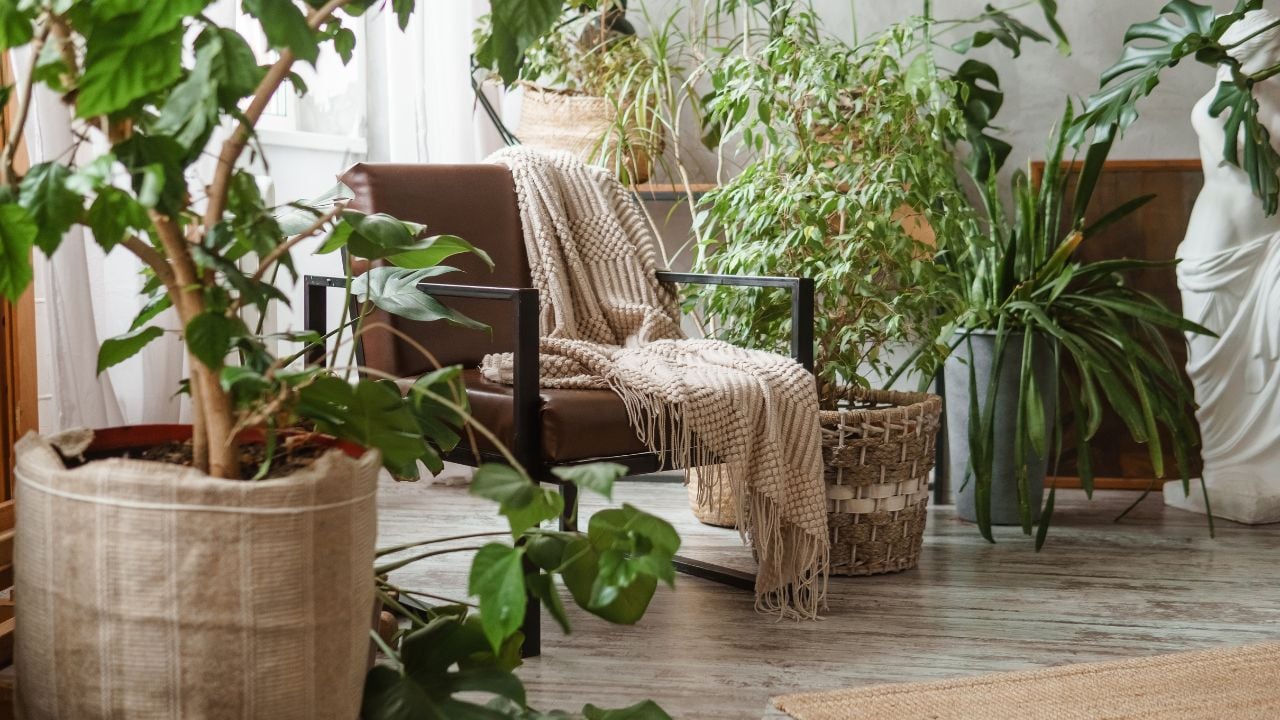
Grouping plants helps them share humidity and reduces overall moisture loss.
Horticulturists Amanda Gillahad and Mark Waldroop from the Biltmore Estate Conservatory explain, “Grouping plants in an area with less direct light for a few days will help keep the humidity up around each plant and reduce the need for water.”
You can also place your plants on pebble trays filled with water (pots sitting above the waterline), or cluster them in a bathroom where humidity naturally runs higher.
4. Add Moisture-Retaining Layers
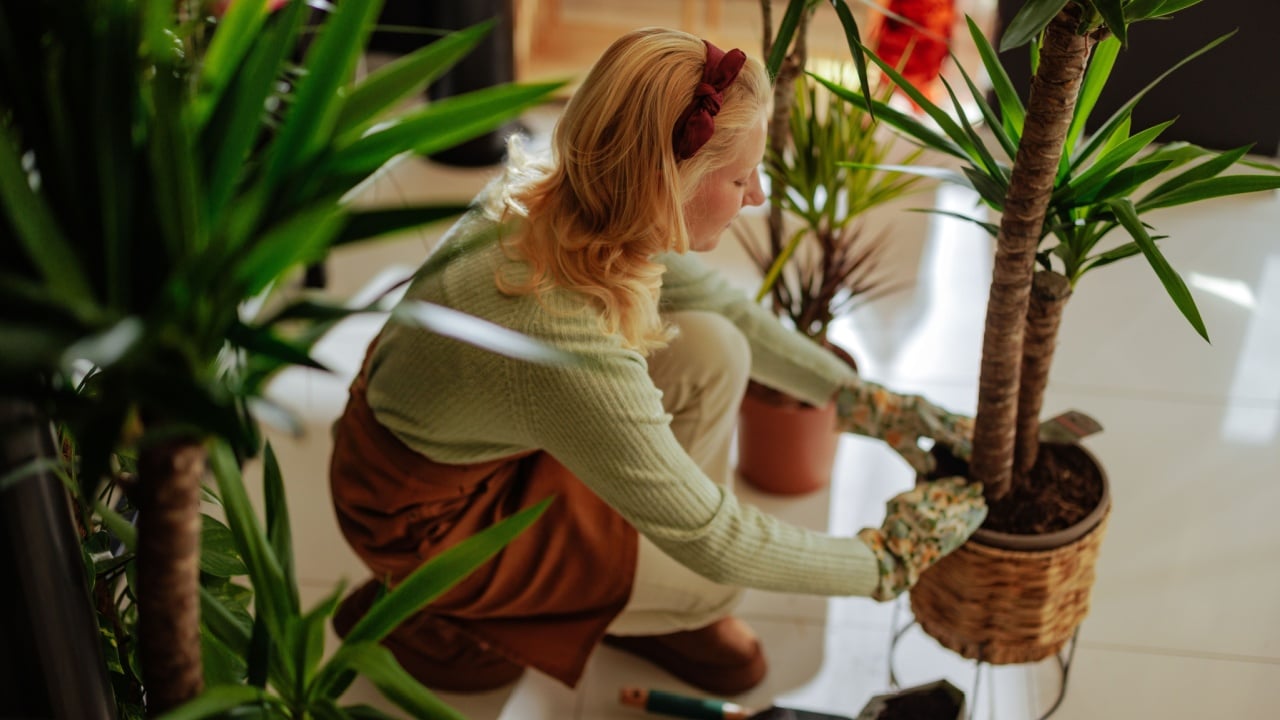
A simple layer of orchid bark, pebbles, or even decorative stones on top of the soil can slow evaporation.
For especially thirsty plants, like ferns or calatheas, moisture-retaining gel crystals can help maintain consistent hydration. Small changes like this often buy you several extra days.
5. Use Self-Watering Solutions for Thirsty Plants
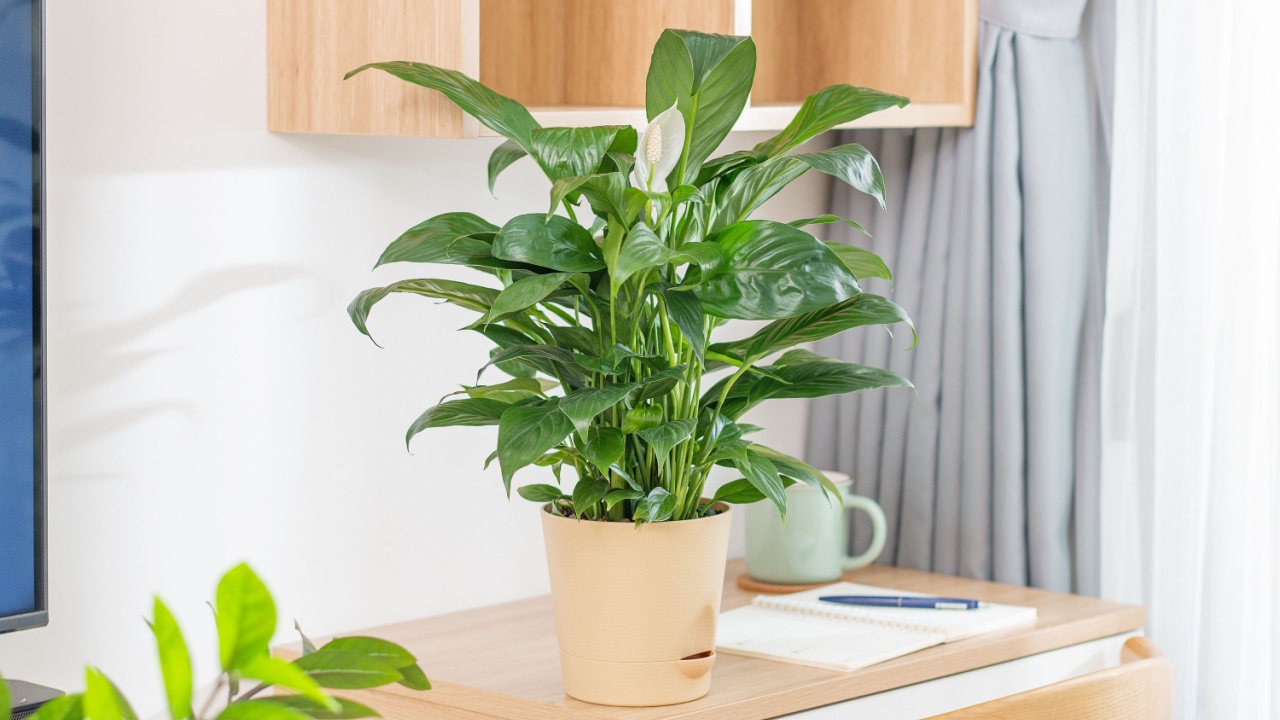
If you’ll be gone longer than a week, or you have finicky tropicals, consider a controlled watering system.
Terracotta spikes release water gradually from an inverted bottle. Watering globes provide a slow drip. Cotton wick systems draw moisture from a nearby reservoir. Self-watering planters with built-in reservoirs allow plants to “drink” as needed.
6. Consider a Simple Irrigation Backup
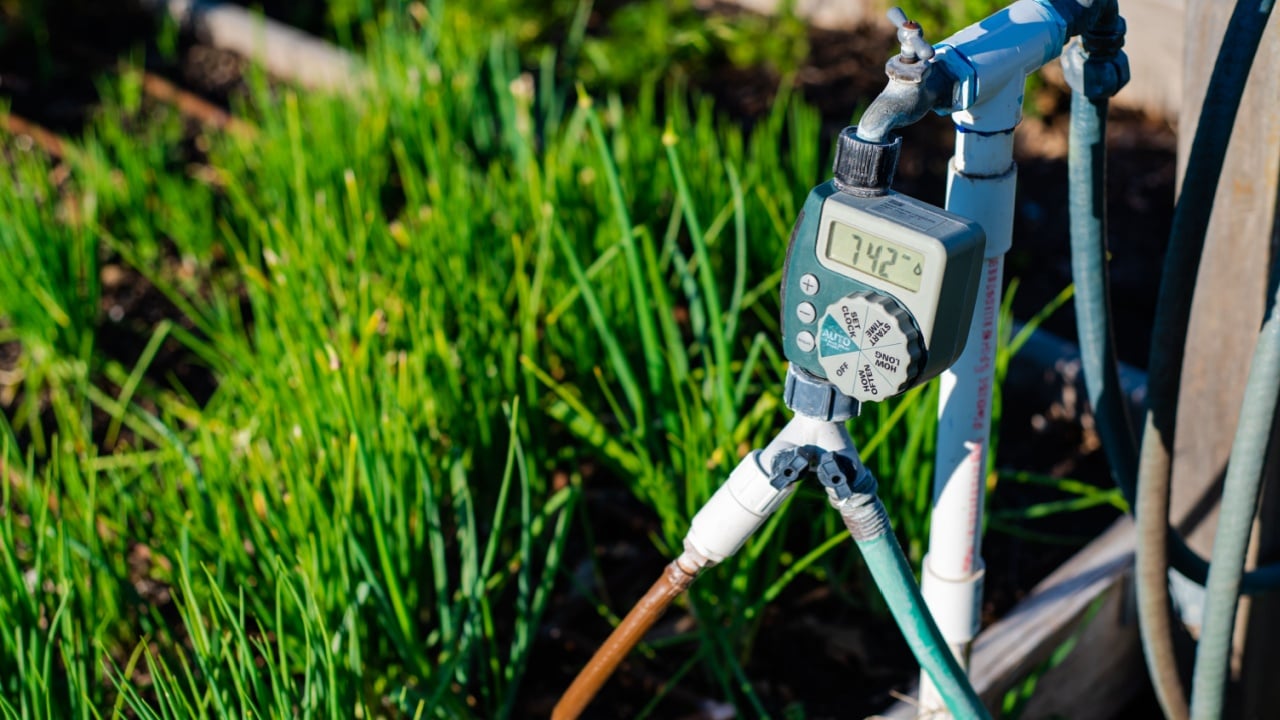
For larger collections or outdoor plants, a basic drip irrigation system with a timer can offer peace of mind. If you go this route, install it at least a week before travel to test timing and flow.
Mechanical systems can fail. A backup plan, like grouping plants in lower light, adds security.
7. Prepare a Plant Sitter the Right Way
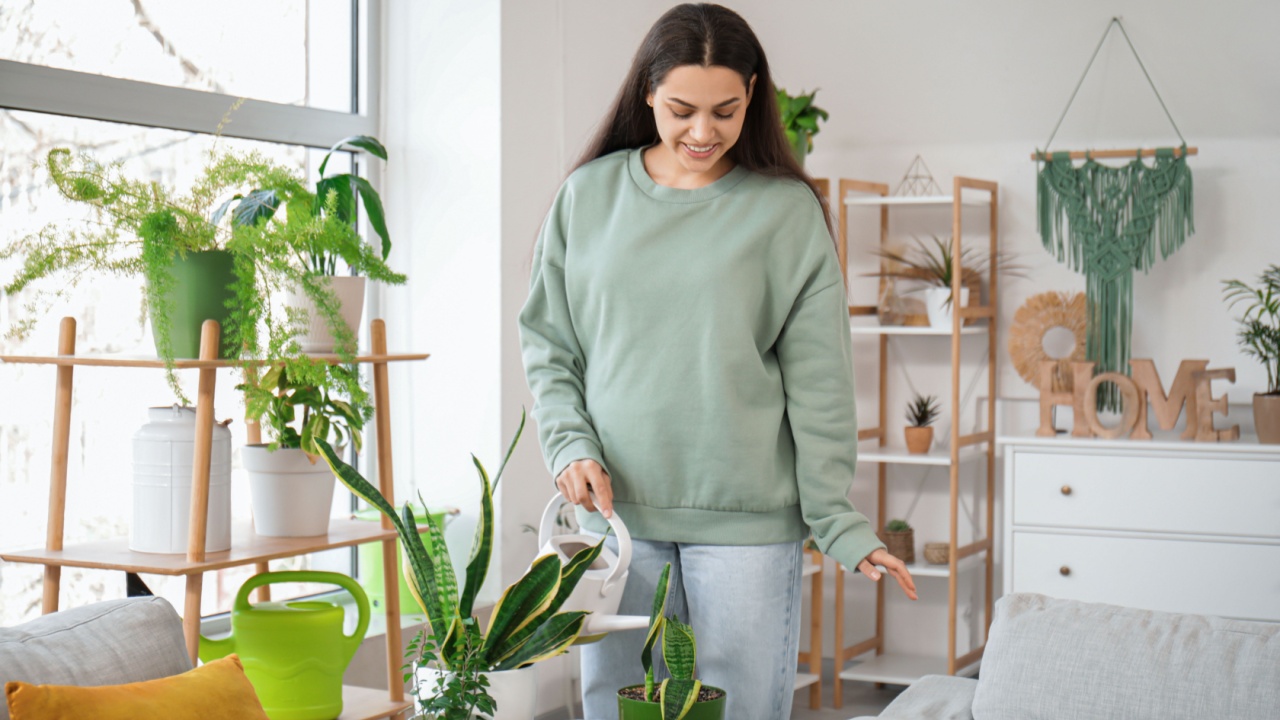
If you plan to be gone more than 10–14 days, enlist help. But don’t leave vague instructions – even plant sitters can make mistakes.
It’s a good idea to pre-measure water into labeled bottles, group plants by needs, and provide simple written instructions. Clarity prevents well-meaning mistakes.
What to Do Instead of Panicking the Night Before

If you’re 24 hours from departure and feeling anxious, focus on three things:
- Deep water properly.
- Reduce light slightly.
- Group plants together.
That alone will carry most common houseplants safely through a week. Many will tolerate two.
Plants are tougher than we think. Even if you return to a few crispy leaves, recovery is usually simple with pruning and a return to routine care.
Read more:
7 perennial planting mistakes to stop making right now
How to Grow Zucchini Vertically: 7 Steps That Save Space and Double Your Harvest