
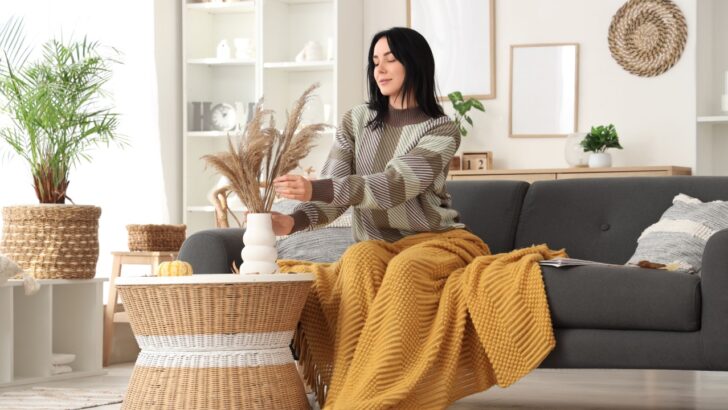
You don’t need to bulldoze your living room or drop a small fortune to make your place feel like a cozy retreat your socks never want to leave. The feel of your space is influenced a lot by the material you use. Incorporating elements from the natural world introduces texture, warmth, and a sense of calm that synthetic materials often struggle to replicate.
From the soft feel of wool to the rustic charm of reclaimed wood, these materials ground a space, making it feel more personal and comfortable. Here are sixteen natural materials that can instantly transform a room from sterile to welcoming, bringing the outdoors inside in a beautiful, tactile way.
1. Woven Rattan

Image Credit: Shutterstock.
Woven rattan brings an immediate sense of relaxed, bohemian style to any interior. Derived from a species of palm, its lightweight and flexible nature allows it to be crafted into furniture, light fixtures, and decorative objects. The open weave adds visual interest and texture without appearing heavy, making it suitable for both small and large rooms. Its natural, light-brown hue pairs well with a variety of color palettes, from bright whites to deep, moody tones.
Quick Scan:
- Why it works: Introduces organic texture and a light, airy feeling.
- How to use it: Headboards, accent chairs, pendant lights, and decorative trays.
- Good to know: Rattan is best for indoor use as it can be damaged by moisture.
2. Solid Wood
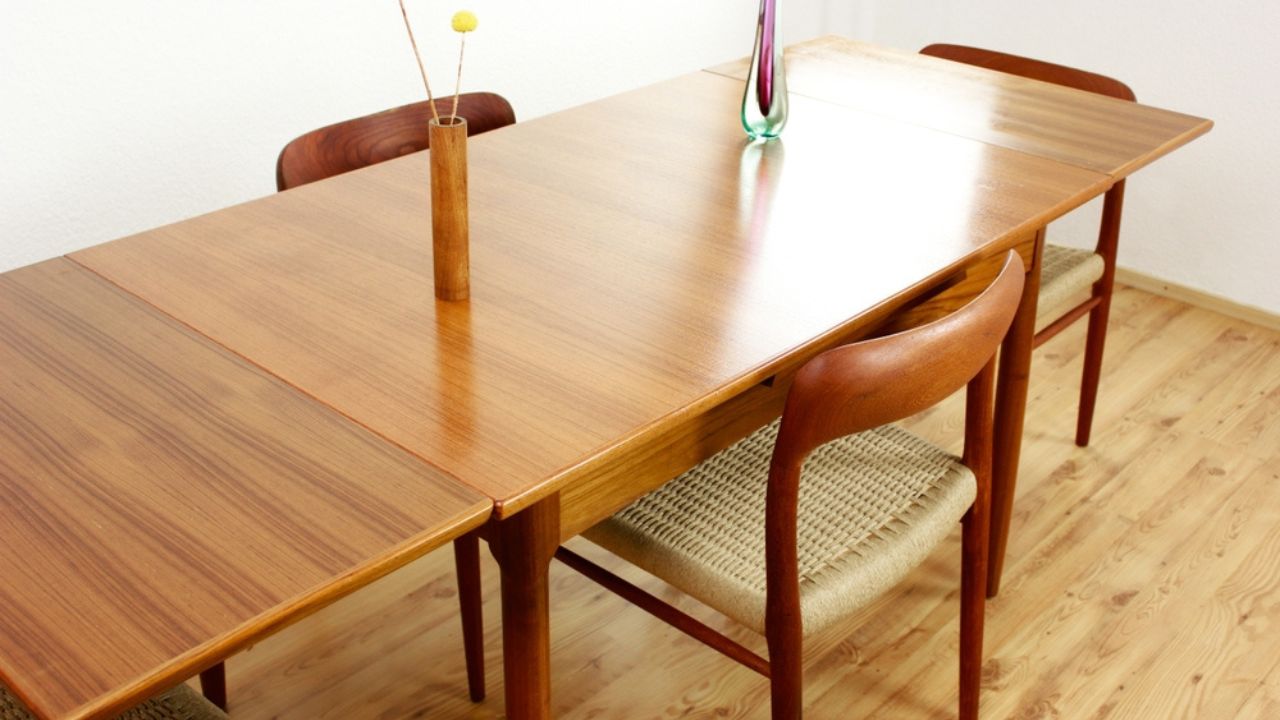
Image Credit: Shutterstock.
Solid wood is a foundational element for creating a warm interior. Unlike manufactured wood products, solid wood displays natural grains, knots, and imperfections that give each piece a unique character. Its substantial and sturdy presence adds a sense of permanence and quality. From a dark walnut dining table to a light pine bookshelf, wood introduces a timeless, grounding element that connects a home to the natural world.
Quick Scan:
- Why it works: Provides warmth, character, and a sense of stability.
- How to use it: Furniture like tables, chairs, and bed frames; shelving; and cutting boards.
- Good to know: Finishes vary widely, from raw and rustic to polished and modern.
3. Wool Textiles
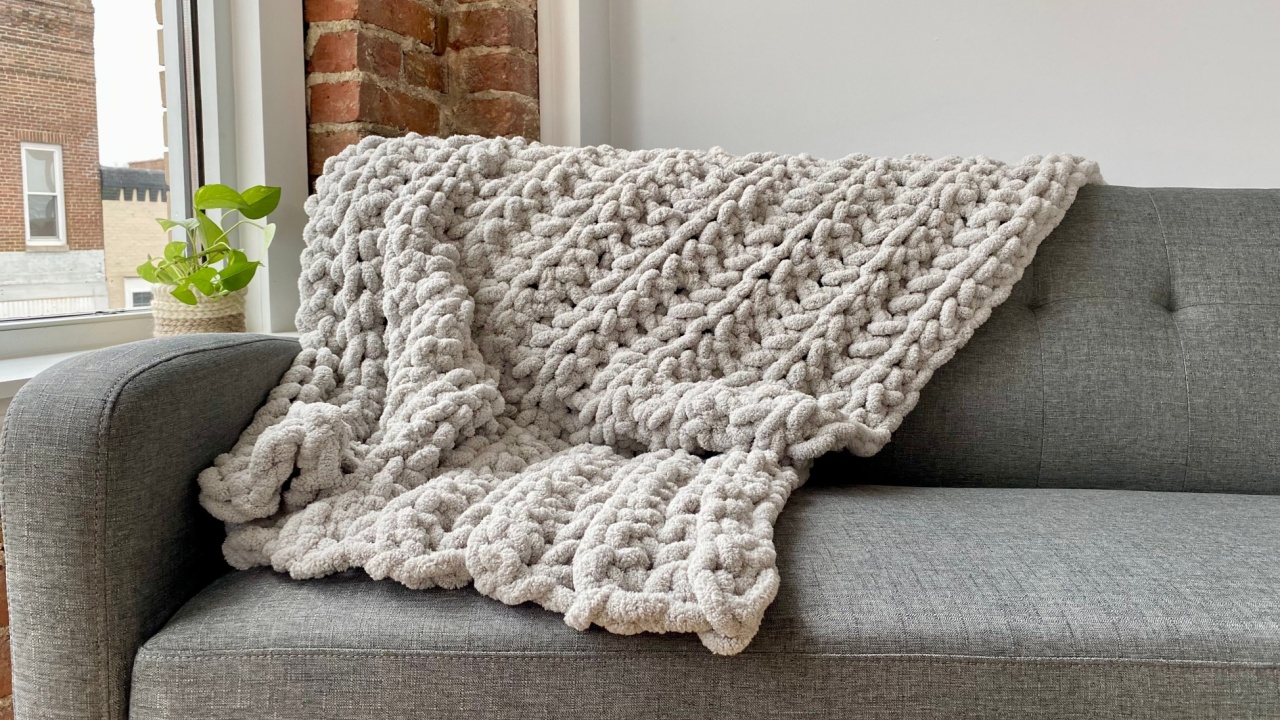
Image Credit: Shutterstock.
Wool is a classic material known for its softness, warmth, and durability. As a natural fiber, it is an excellent insulator, making wool blankets and rugs particularly comforting during cooler months. The texture of wool can range from chunky and rustic to fine and smooth, offering a wide array of options for adding textural layers to a room. It also absorbs dye beautifully, available in a spectrum of rich colors.
Quick Scan:
- Why it works: Adds physical warmth, softness, and sound-dampening qualities.
- How to use it: Area rugs, throw blankets, pillows, and upholstery.
- Good to know: Wool is naturally flame-resistant and helps regulate humidity.
4. Clay Ceramics
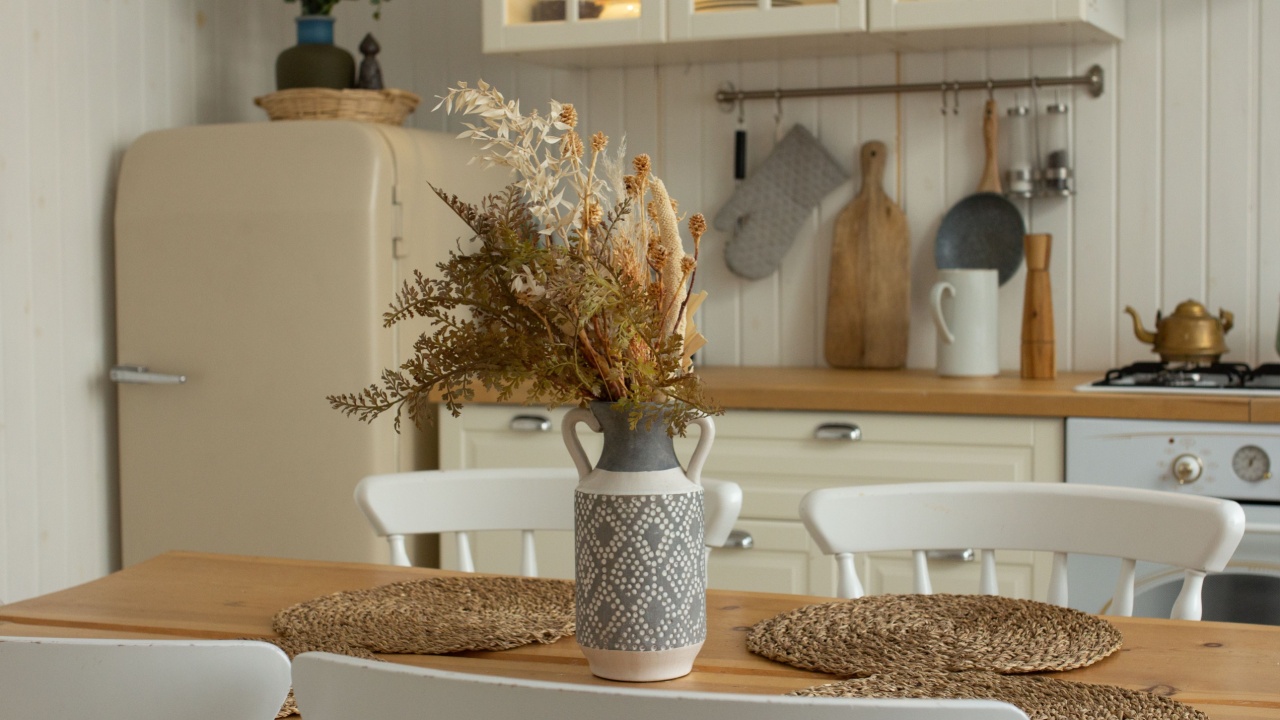
Image Credit: Shutterstock.
Handmade or wheel-thrown clay ceramics bring an earthy, artistic touch to a space. The slight irregularities and unique glazes found in these pieces celebrate the maker’s hand and add a dose of personality. It may be used as a vase for fresh flowers, a bowl for fruit, or simply as a decorative object. Ceramics connect a room to the ancient tradition of pottery and the raw element of earth.
Quick Scan:
- Why it works: Introduces artisanal, one-of-a-kind character and texture.
- How to use it: Vases, bowls, planters, and decorative sculptures.
- Good to know: Look for pieces with matte or unglazed finishes for a more rustic feel.
5. Linen Fabric
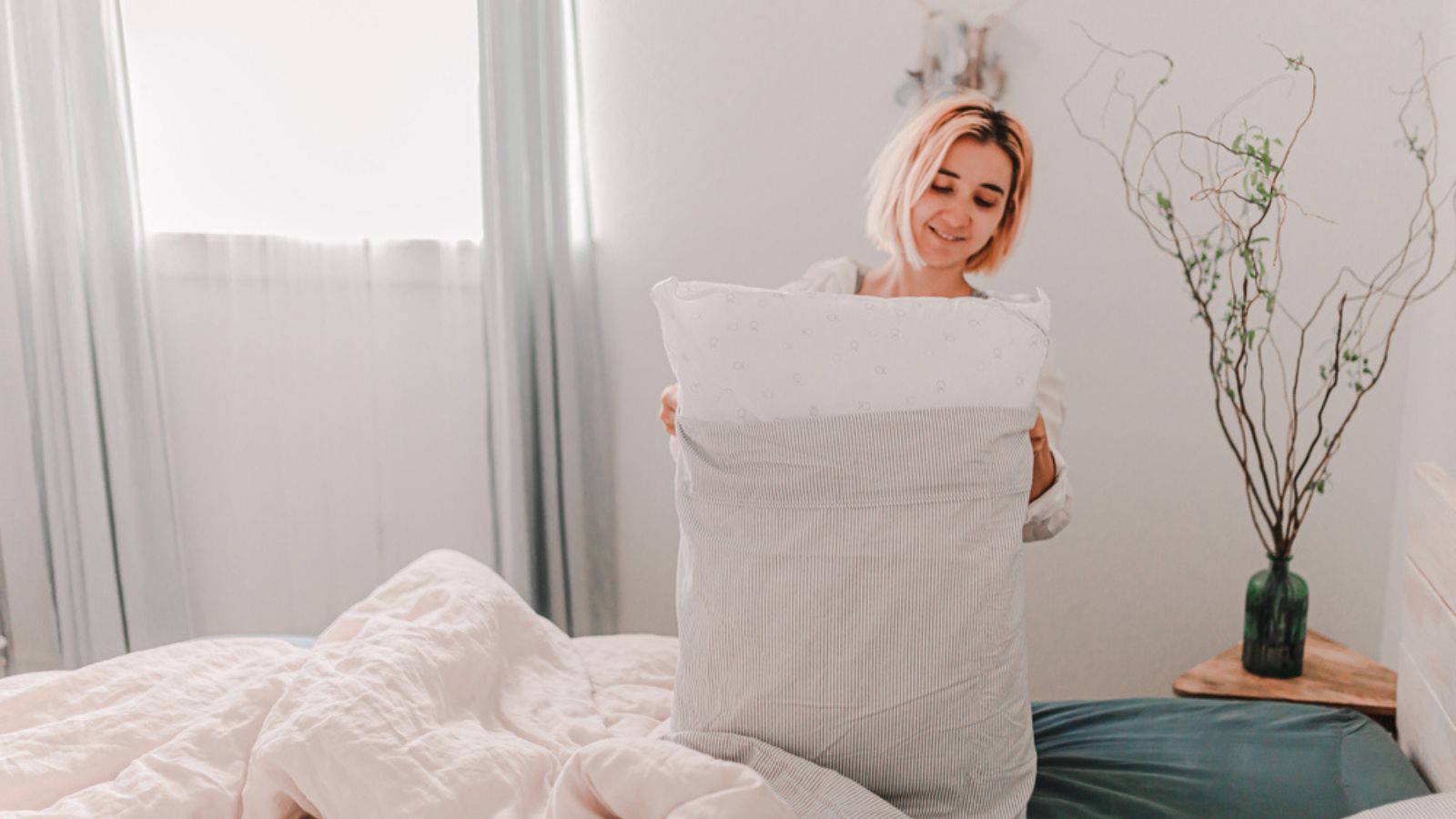
Image Credit: Deposit Photos.
Linen fabric, made from the fibers of the flax plant, is prized for its breathability, softness, and elegantly rumpled look. Its relaxed texture provides a sense of casual comfort that feels lived-in and inviting. Linen drapes diffuse light beautifully, while linen bedding gets softer with every wash.
Quick Scan:
- Why it works: Creates a relaxed, breathable, and effortlessly sophisticated atmosphere.
- How to use it: Curtains, bedding, tablecloths, and accent pillows.
- Good to know: Linen is highly durable and absorbent, making it practical for daily use.
6. Jute Rugs
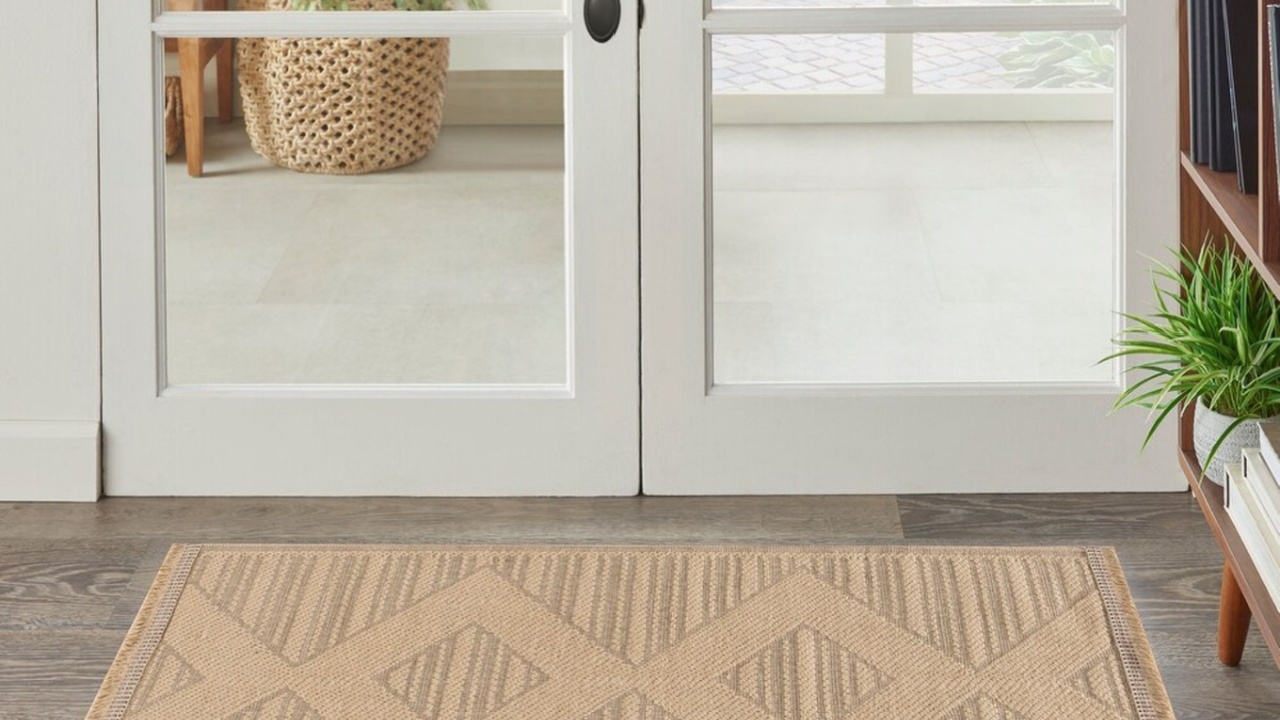
Image Credit: Shutterstock.
Jute rugs are woven from the fibers of the jute plant, offering a chunky, natural texture that feels great underfoot. Their golden-brown color is a perfect neutral base for any room, complementing both minimalist and maximalist decor. A jute rug defines a space and adds a layer of organic warmth, grounding furniture and bringing a touch of the outdoors inside.
Quick Scan:
- Why it works: Adds significant texture and a warm, neutral foundation to a room.
- How to use it: Area rugs in living rooms, dining rooms, and bedrooms.
- Good to know: Jute is relatively soft for a natural fiber rug, but it can shed and is best for low-moisture areas.
7. Bamboo Accents
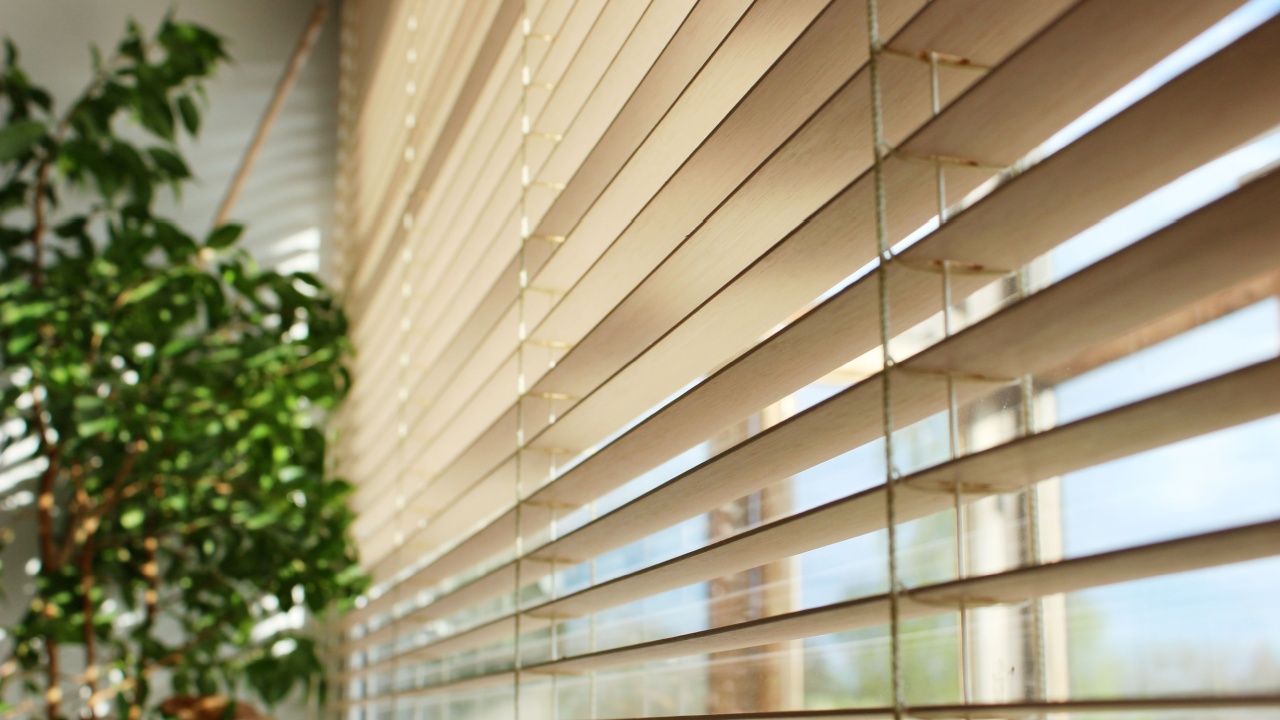
Image Credit: Shutterstock.
Bamboo is a fast-growing grass that has the strength and appearance of wood. Its inclusion in decor adds a hint of Zen-like tranquility and organic structure. Bamboo can be used for anything from furniture to window shades. Its clean lines and light color make it a fitting choice for modern and minimalist spaces, where it introduces warmth without adding visual clutter.
Quick Scan:
- Why it works: Offers a clean, modern, and sustainable natural element.
- How to use it: Window blinds, decorative ladders, serving trays, and small furniture.
- Good to know: Bamboo is a highly renewable resource, making it an eco-conscious choice.
8. Leather Touches
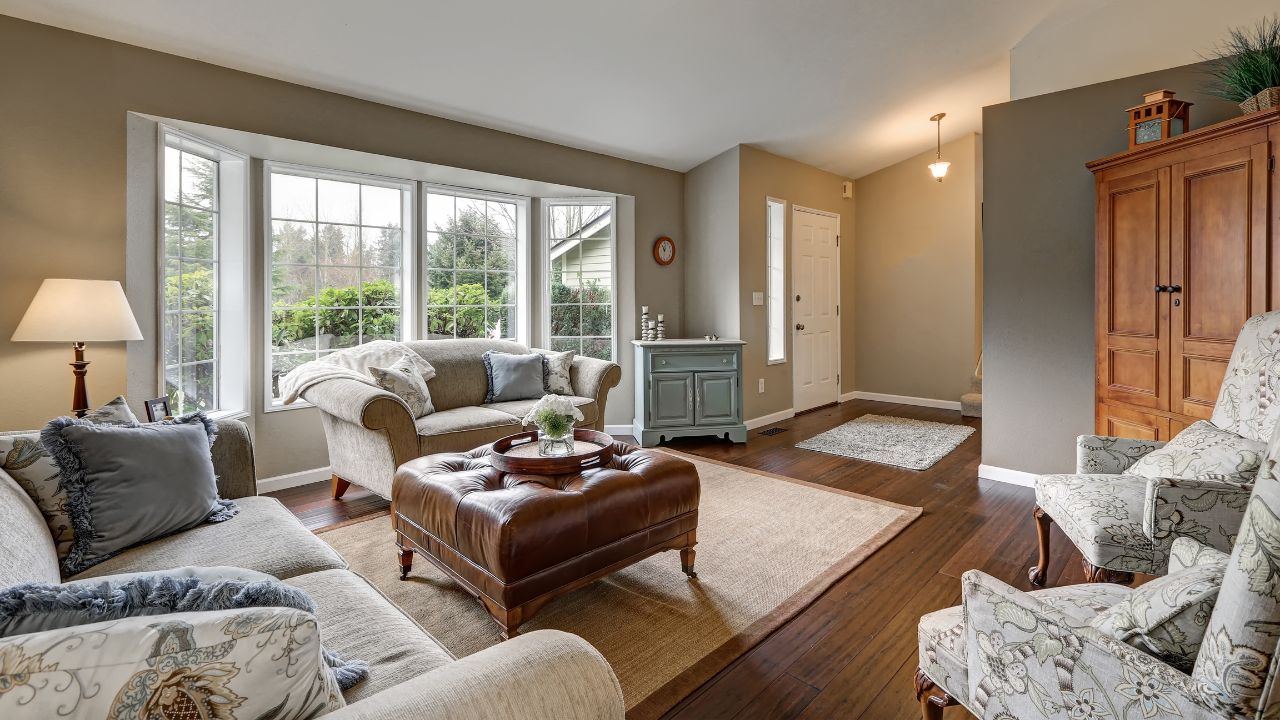
Image Credit: Shutterstock.
Leather, in moderation, introduces a sense of richness, comfort, and timelessness. A well-worn leather armchair or a few leather throw pillows can add a layer of sophisticated warmth. The material develops a beautiful patina as it ages, telling a story and adding character to the room. Its smooth yet tactile surface provides a pleasing contrast to softer fabrics like wool or cotton.
Quick Scan:
- Why it works: Adds a rich texture, durability, and a classic, sophisticated feel.
- How to use it: Accent chairs, ottomans, pillows, and drawer pulls.
- Good to know: Vegan and faux leather options are available that offer a similar look and feel.
9. Cotton Throws

Image Credit: Deposit Photos.
Cotton is a soft, breathable, and approachable natural fiber. A simple cotton throw blanket draped over a sofa or the foot of a bed is an easy way to add a layer of comfort and a pop of color or pattern. From chunky cable-knits to lightweight gauzes, cotton textiles are available in a huge variety of styles to suit any decor.
Quick Scan:
- Why it works: Provides soft, breathable comfort and an easy way to add layers.
- How to use it: Throw blankets, accent pillows, and casual bedding.
- Good to know: Cotton is machine washable, making it a practical choice for homes with kids or pets.
10. Stoneware Pieces
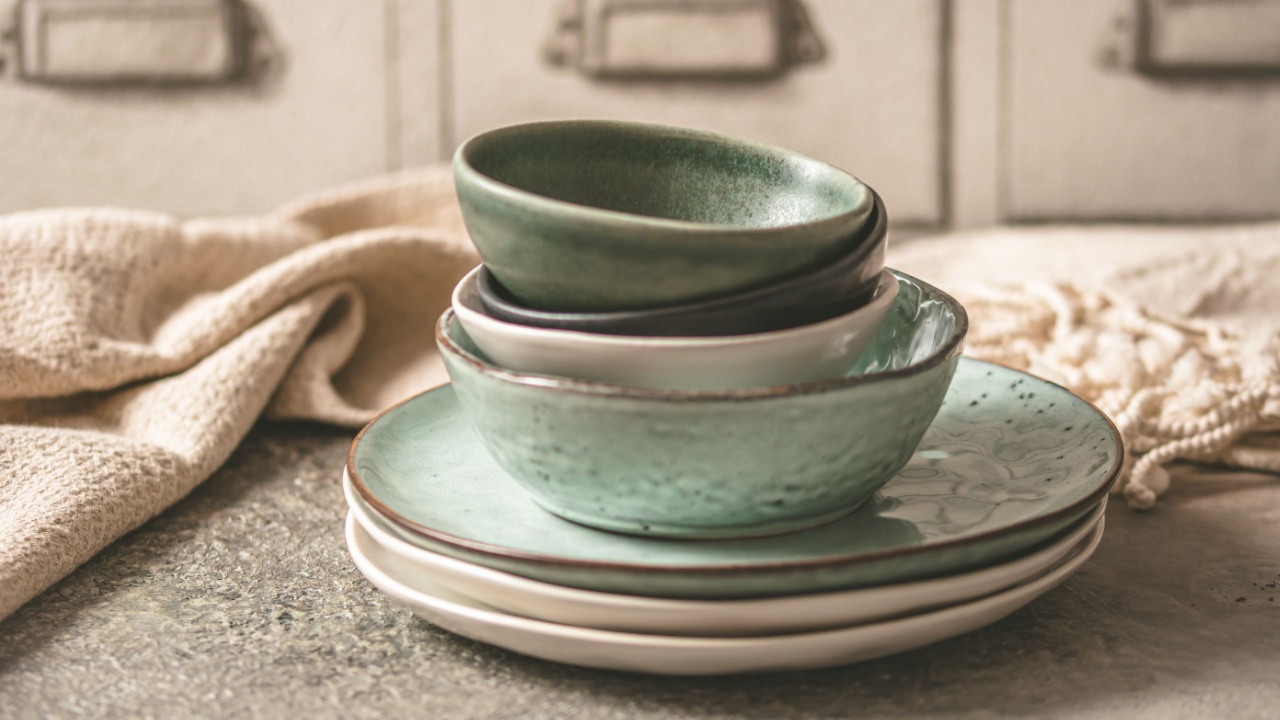
Image Credit: Shutterstock.
Similar to ceramics but fired at a higher temperature, stoneware is dense, durable, and non-porous. It often has a speckled, earthy appearance that feels substantial and grounded. Stoneware mugs, plates, and bowls bring a rustic yet refined quality to a kitchen or dining area. The weight and texture of these pieces make everyday moments, like sipping coffee, feel a little more special.
Quick Scan:
- Why it works: Adds a durable, earthy, and substantial feel to everyday objects.
- How to use it: Dinnerware, mugs, serving platters, and bakeware.
- Good to know: Stoneware is typically dishwasher and microwave-safe, making it functional for modern life.
11. Cork Details
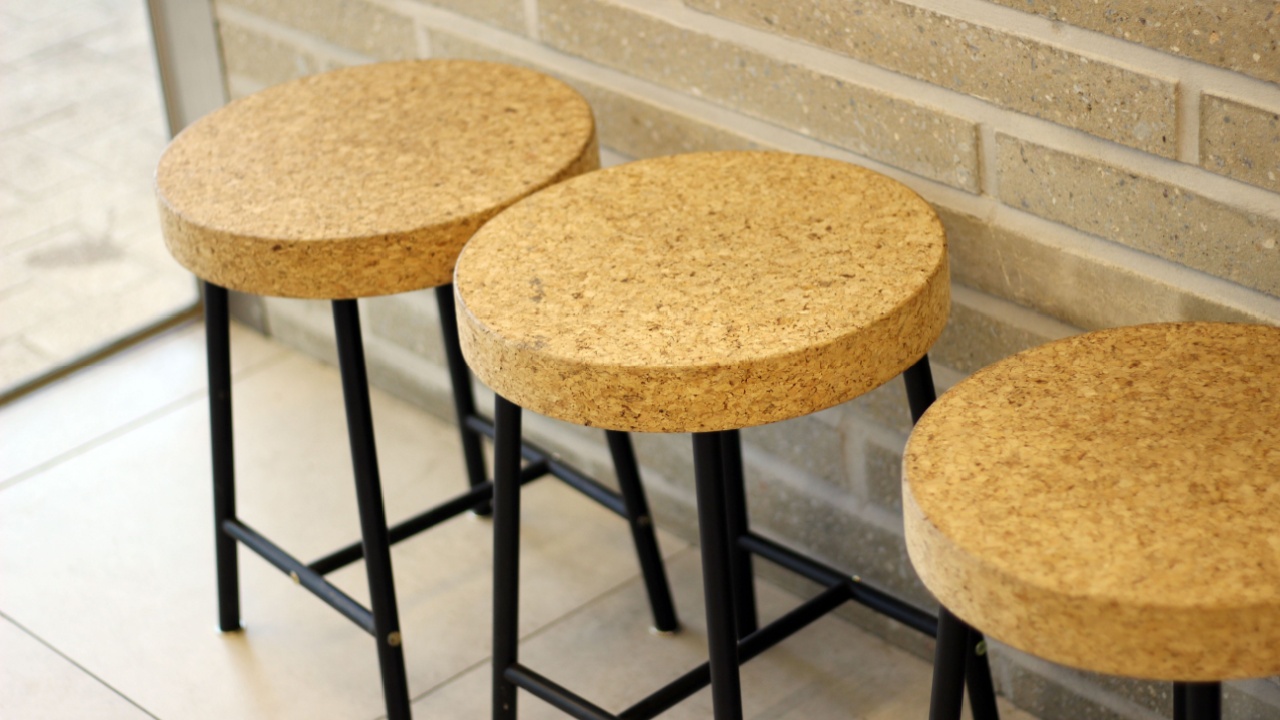
Image Credit: Shutterstock.
Cork, harvested from the bark of the cork oak tree, is a warm, textural, and sound-absorbent material. Its unique, speckled appearance adds visual interest wherever it is used. While a full cork wall makes a bold statement, smaller applications like coasters, placemats, or a simple bulletin board can introduce its warm, natural properties on a smaller scale.
Quick Scan:
- Why it works: Offers unique texture, warmth, and sound-dampening qualities.
- How to use it: Bulletin boards, coasters, placemats, and small furniture like stools.
- Good to know: Cork is a sustainable and renewable material, as it is harvested without harming the tree.
12. Terracotta Pots
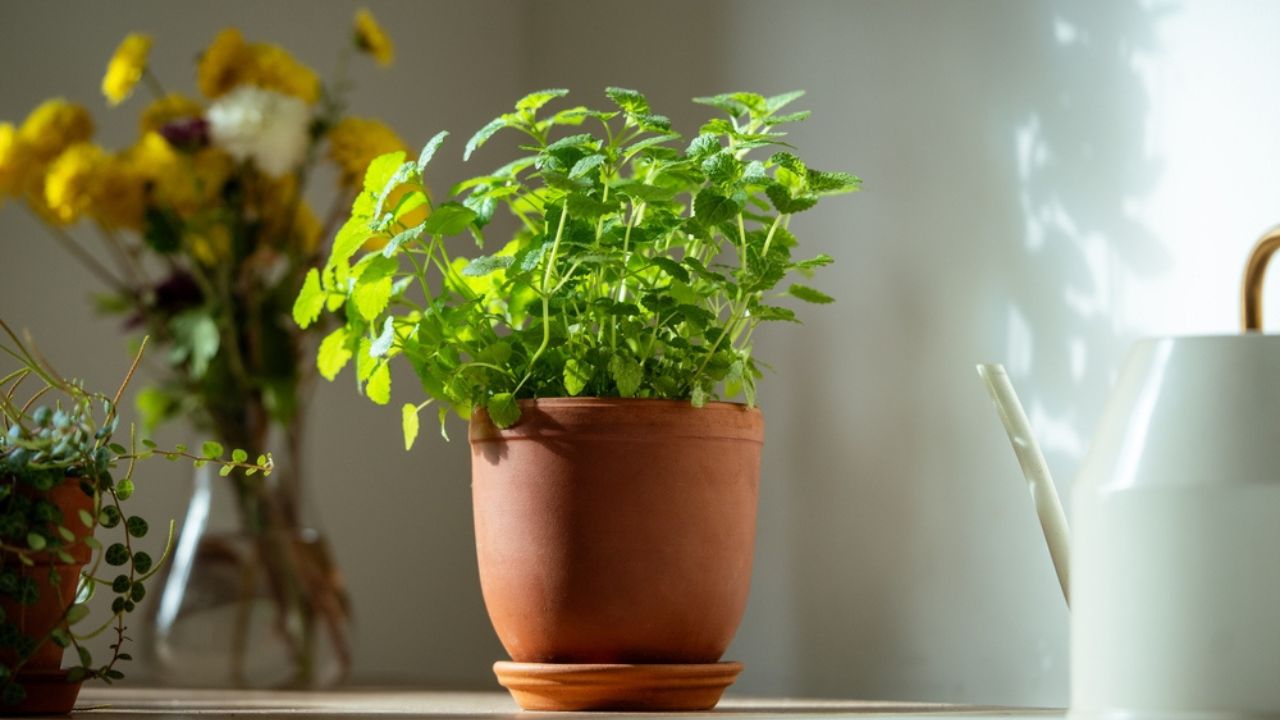
Image Credit: Shutterstock.
Terracotta, which translates to “baked earth,” is a type of unglazed clay with a distinctive reddish-brown color. Its porous nature makes it ideal for plant pots, as it allows soil to breathe. Grouping several terracotta pots with lush green plants instantly enlivens a space, bringing in both natural color and texture. The rustic, earthy tone of the pots provides a warm, Mediterranean feel.
Quick Scan:
- Why it works: Adds earthy color, a rustic feel, and a perfect home for plants.
- How to use it: Indoor and outdoor plant pots, decorative urns.
- Good to know: Terracotta develops a unique patina over the years, enhancing its aged appearance.
13. Sheepskin Accents
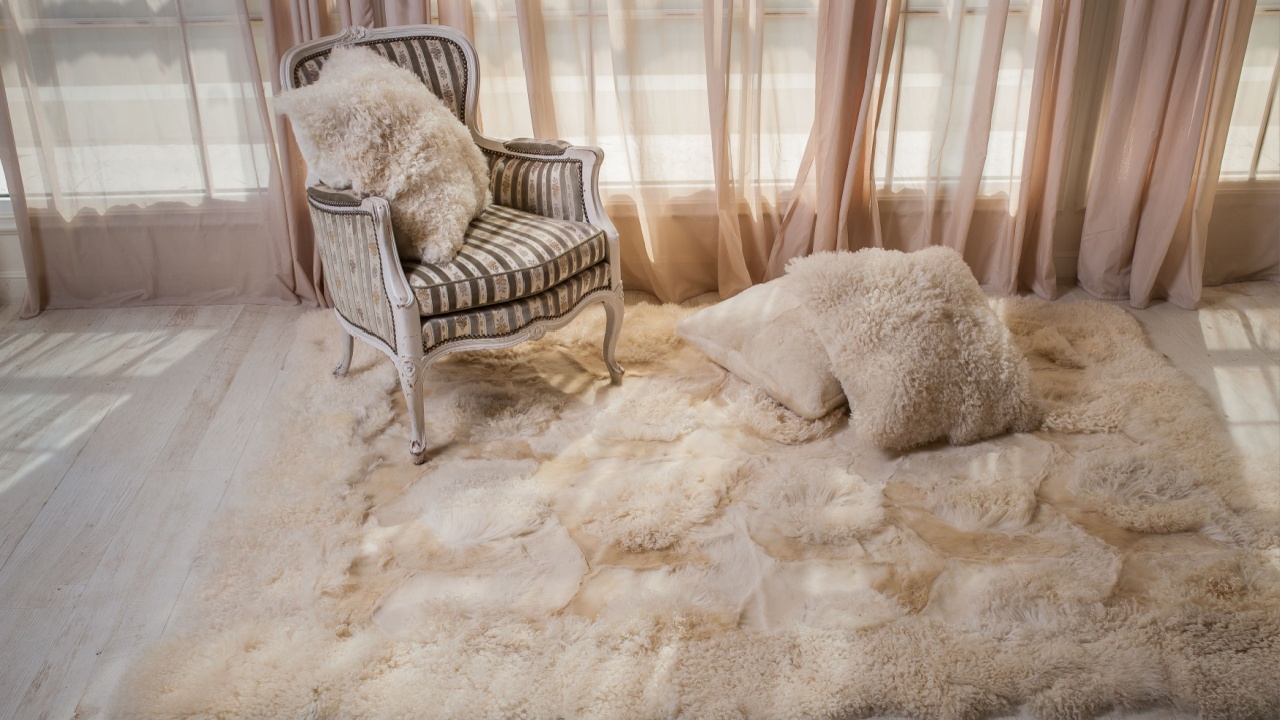
Image Credit: Shutterstock.
Nothing says comfort quite like the plush, deep pile of a sheepskin. Draped over a hard-backed dining chair, placed at the side of a bed, or used as a small accent rug, sheepskin provides instant softness and luxurious texture. It invites you to touch and feel it, adding a tactile experience to the room that is both visually and physically warming.
Quick Scan:
- Why it works: Delivers unparalleled softness, luxurious texture, and visual warmth.
- How to use it: Small rugs, throws for chairs or sofas, and pillow covers.
- Good to know: Cruelty-free faux sheepskin options are widely available and offer a similar level of softness.
14. Natural Fiber Baskets
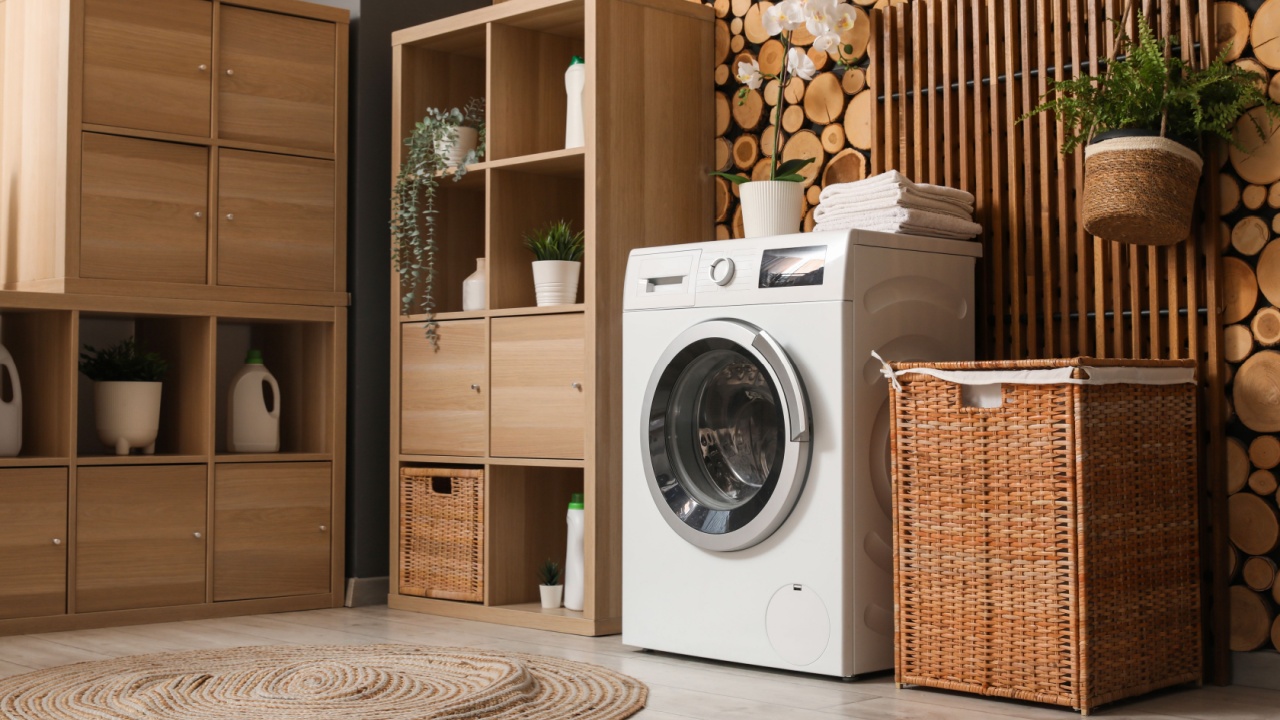
Image Credit: Shutterstock.
Baskets woven from materials like seagrass, palm, or raffia are functional and decorative. They are perfect for stashing away clutter, from blankets and magazines to toys and laundry. Beyond their utility, these baskets add a significant dose of natural texture. Placing a large woven basket in a corner to hold a fiddle-leaf fig tree is a classic designer trick for adding height, greenery, and texture.
Quick Scan:
- Why it works: Provides textural storage solutions that help reduce clutter.
- How to use it: Storage for blankets and pillows, laundry hampers, and planters.
- Good to know: The color of natural fibers can vary, adding to their unique, handmade appeal.
15. Reclaimed Wood
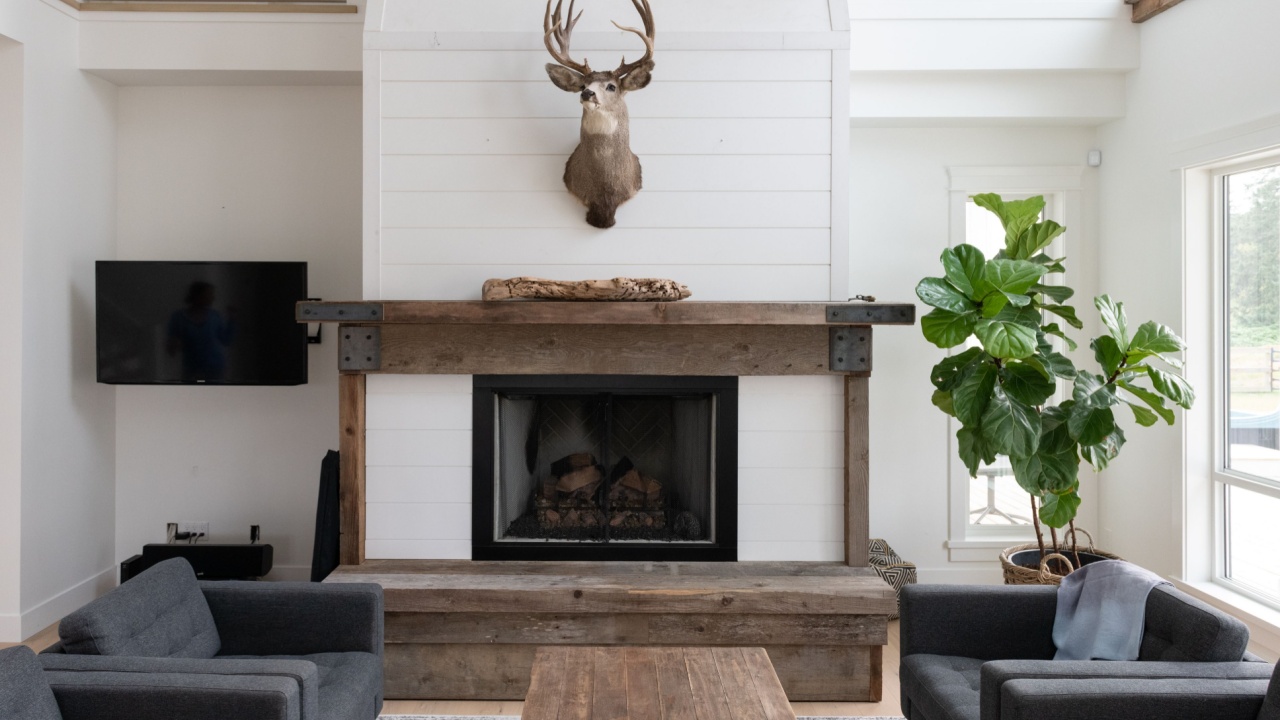
Image Credit: Shutterstock.
Reclaimed wood is salvaged from old structures like barns, factories, and warehouses. It carries a history that new wood lacks, with nail holes, weathering, and a rich patina that tells a story. Using reclaimed wood for a feature wall, a mantelpiece, or a piece of furniture adds immense character and rustic warmth. Each plank is different, creating a truly unique and soulful element in a room.
Quick Scan:
- Why it works: Infuses a space with history, character, and rustic texture.
- How to use it: Accent walls, fireplace mantels, shelving, and custom furniture.
- Good to know: Reclaimed wood is an environmentally friendly option that repurposes old materials.
16. Live Plants
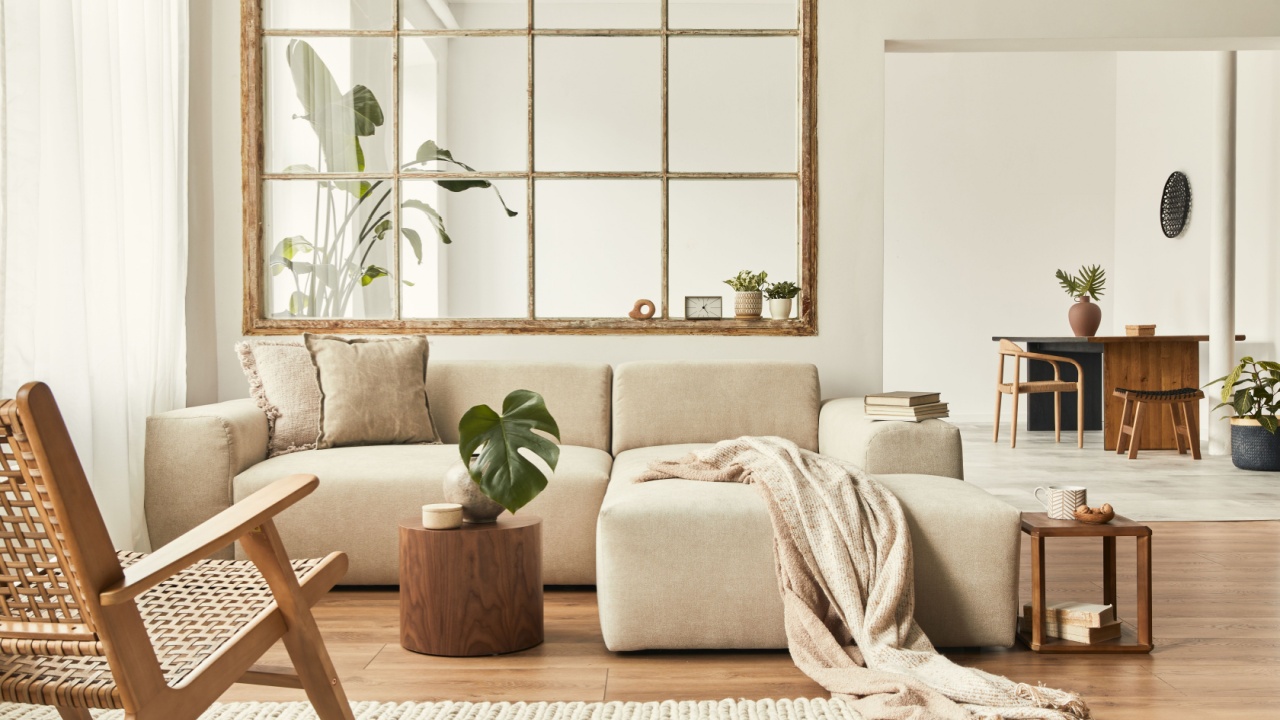
Image Credit: Shutterstock.
While not a “material” in the traditional sense, no list of natural elements would be complete without live plants. Greenery is one of the most effective ways to make a space feel alive and connected to nature. Plants purify the air, add vibrant color, and introduce organic shapes. From a small succulent on a windowsill to a large monstera in the living room, plants breathe life into an interior.
Quick Scan:
- Why it works: Adds life, color, organic shapes, and improves air quality.
- How to use it: Potted plants of various sizes, hanging planters, and fresh-cut branches in a vase.
- Good to know: Select plants based on the light conditions in your room to help them thrive.
Embrace the Cozy Natural Feel
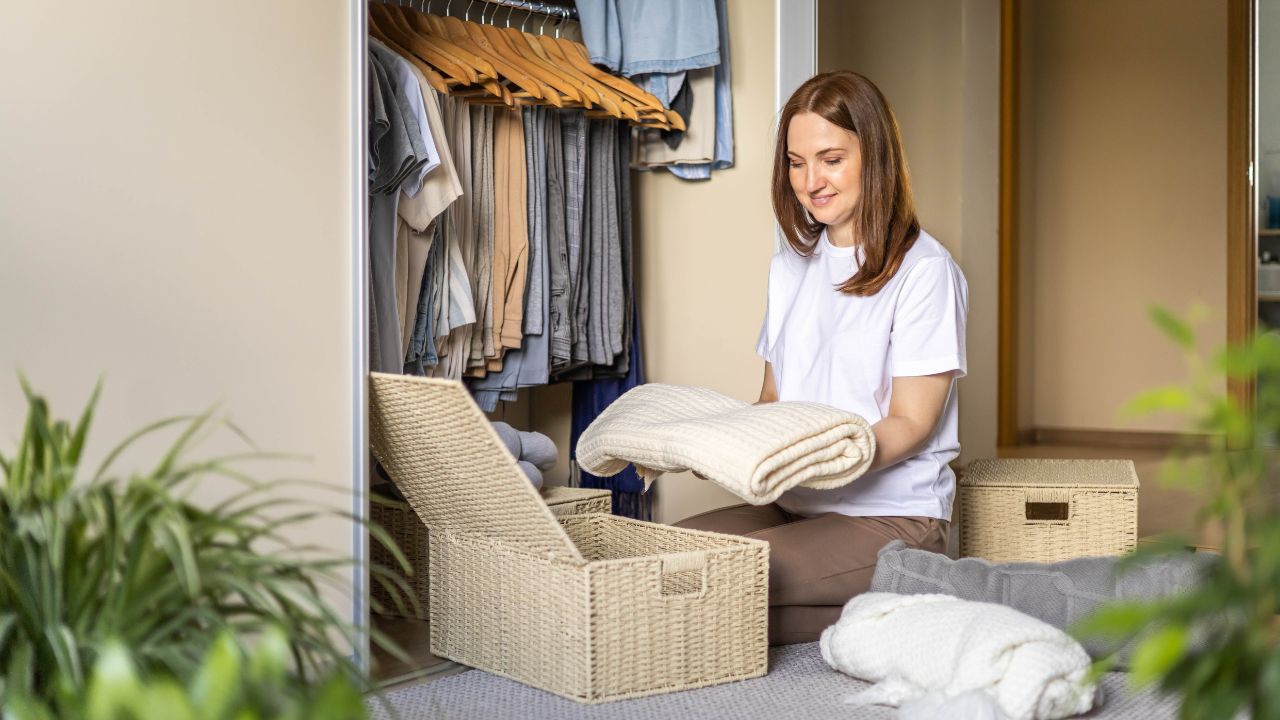
Image Credit: Shutterstock.
You can set your space up like a TV star and still make it look cozy. The most effective approach is to layer thoughtfully. Try pairing different textures together, like a smooth leather pillow on a woven rattan chair, or a wool rug beneath a solid wood coffee table. Create a balanced environment that stimulates the senses in a gentle way. Begin by assessing a room and identifying what it lacks. Is it texture? Warmth? A connection to the outdoors? Then add it. This simple act can re-energize a space and make it a more comfortable and personal haven.