

A well-stocked homesteading kitchen is more than just a place to cook; it is the center of self-sufficiency. From preserving harvests to baking from scratch and preparing hearty meals, the right tools make every task smoother. Reliable food storage solutions and adaptable utensils help you stay prepared for canning season and everyday cooking alike. Choosing long-lasting, practical items reduces dependence on store-bought conveniences and builds confidence in creating nourishing meals at home.
Here are 15 must-have kitchen supplies that every homesteader should keep close at hand.
1. Cast Iron Pans
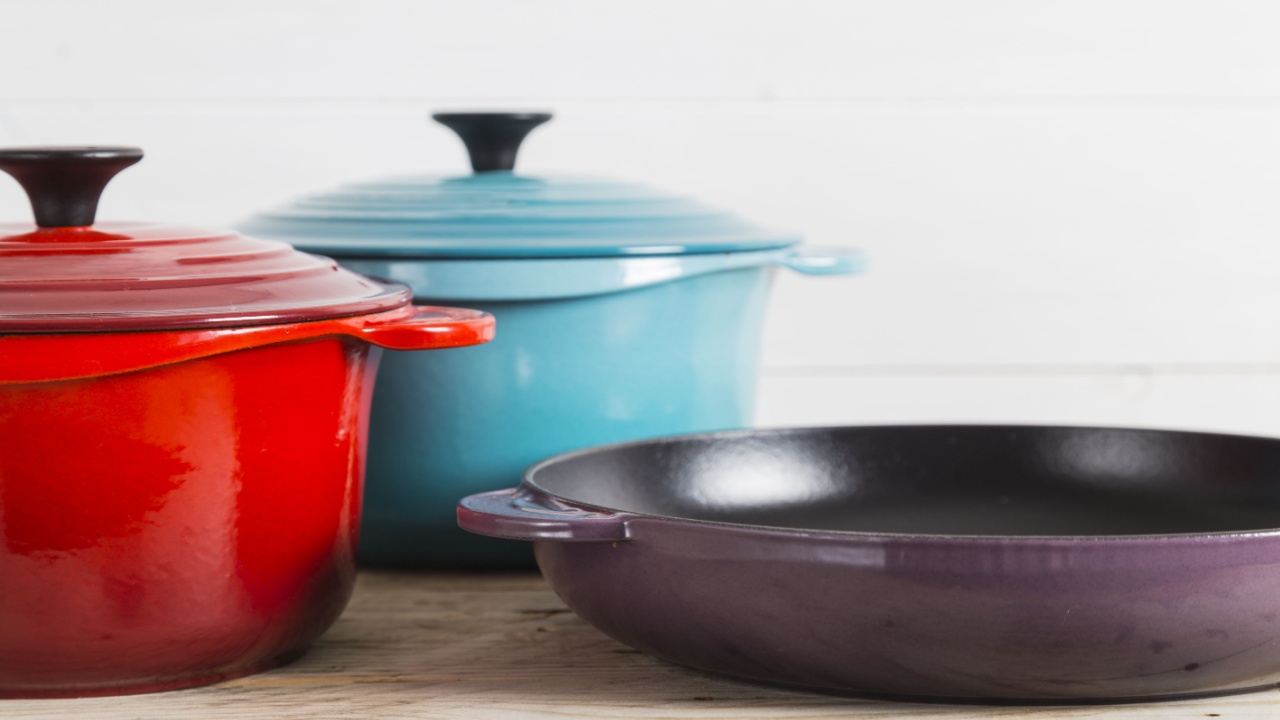
Image Credit: Shutterstock.
A good cast-iron pan is a kitchen staple that only gets better with age. These pans are incredibly versatile, handling everything from searing steaks to baking cornbread. They distribute heat evenly and can move from the stovetop directly into the oven, making them perfect for a wide range of recipes. With proper care, a cast-iron pan can last for generations, becoming a treasured family heirloom. They are a solid investment for any kitchen, especially one focused on durability and long-term use.
Quick Glance:
- Best For: Searing, frying, baking, and sautéing.
- Why It’s Useful: Excellent heat retention and even cooking.
- Good to Know: Requires seasoning to maintain its non-stick surface.
2. Food Dehydrator
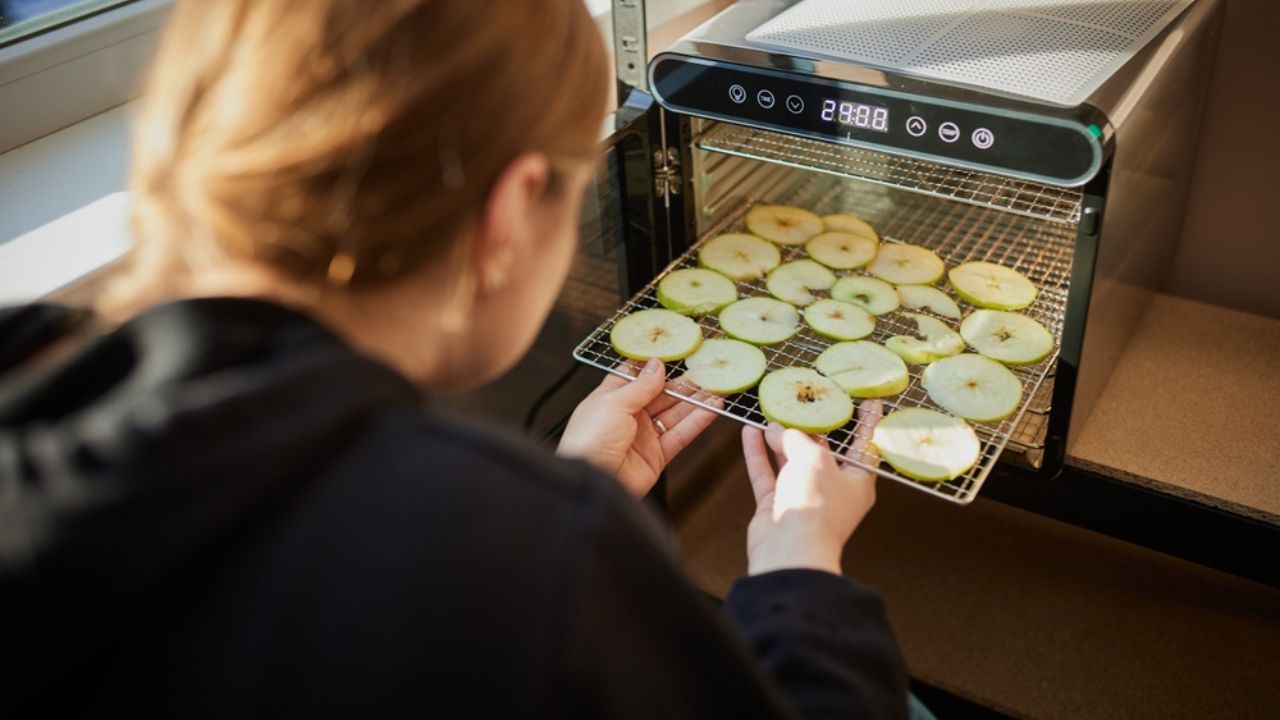
Image Credit: Shutterstock.
A food dehydrator is a game-changer for preserving your harvest. It uses low, consistent heat and a fan to remove moisture from food, extending its shelf life significantly. This tool is perfect for making fruit leathers, dried herbs, jerky, and dried vegetables. Dehydrating helps you lock in nutrients and flavor without taking up precious freezer space. It’s a straightforward way to turn an abundant harvest into shelf-stable snacks and ingredients for later use.
Quick Glance:
- Best For: Preserving fruits, vegetables, herbs, and meats.
- Why It’s Useful: Creates long-lasting, nutrient-dense food storage.
- Good to Know: Models with multiple trays and temperature controls offer more flexibility.
3. Dutch Oven
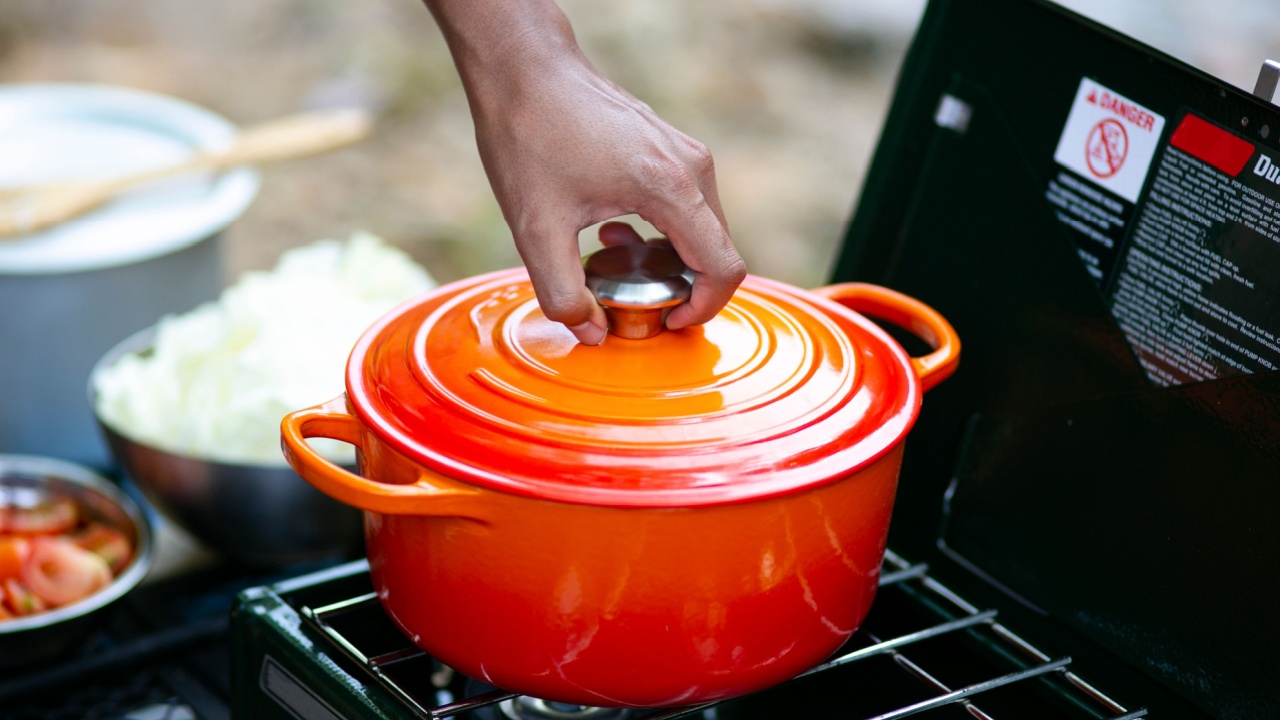
Image Credit: Shutterstock.
The Dutch oven is the definition of a multipurpose cooking vessel. This heavy, lidded pot, often made of enameled cast iron, excels at slow-cooking. It’s ideal for making soups, stews, braised meats, and even baking crusty artisan bread. Its ability to retain and distribute heat evenly makes it perfect for dishes that require long, gentle cooking. A Dutch oven can be used on the stovetop or in the oven, making it a flexible and indispensable tool.
Quick Glance:
- Best For: Stews, roasts, soups, and baking bread.
- Why It’s Useful: Superior heat retention for slow, even cooking.
- Good to Know: Enameled versions are easier to clean and don’t require seasoning.
4. Pressure Canner
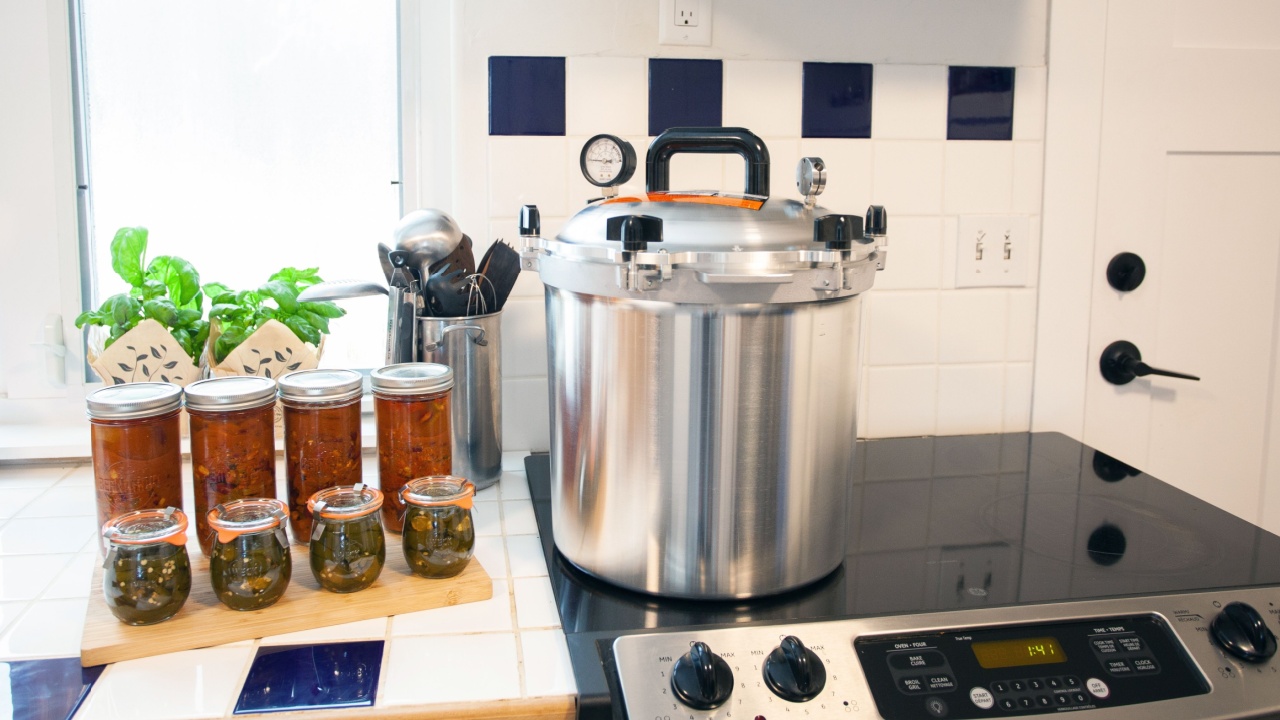
Image Credit: Shutterstock.
For anyone serious about food preservation, a pressure canner is non-negotiable. It’s the only method recommended by the USDA for safely canning low-acid foods like vegetables, meats, and broths. The canner uses steam pressure to reach temperatures higher than boiling water, which is necessary to eliminate harmful bacteria. This tool unlocks a world of shelf-stable possibilities, allowing you to safely store your garden’s bounty all year long.
Quick Glance:
- Best For: Safely canning low-acid foods like vegetables, meats, and soups.
- Why It’s Useful: Reaches high temperatures needed to prevent foodborne illness.
- Good to Know: Always follow tested recipes and processing times for safety.
5. Quality Knives

Image Credit: Deposit Photos.
A set of quality knives can transform your experience in the kitchen. Sharp, well-made knives make chopping, dicing, and slicing safer and more efficient. Instead of a massive block of a dozen blades you’ll never use, focus on a few essentials: a chef’s knife for general tasks, a paring knife for smaller, detailed work, and a serrated knife for bread and tomatoes. Investing in good steel that holds an edge means less frustration and better results.
Quick Glance:
- Best For: All cutting, chopping, and slicing tasks.
- Why It’s Useful: Increases safety and efficiency in food prep.
- Good to Know: Learn how to sharpen and hone them regularly to maintain performance.
6. Mason Jars
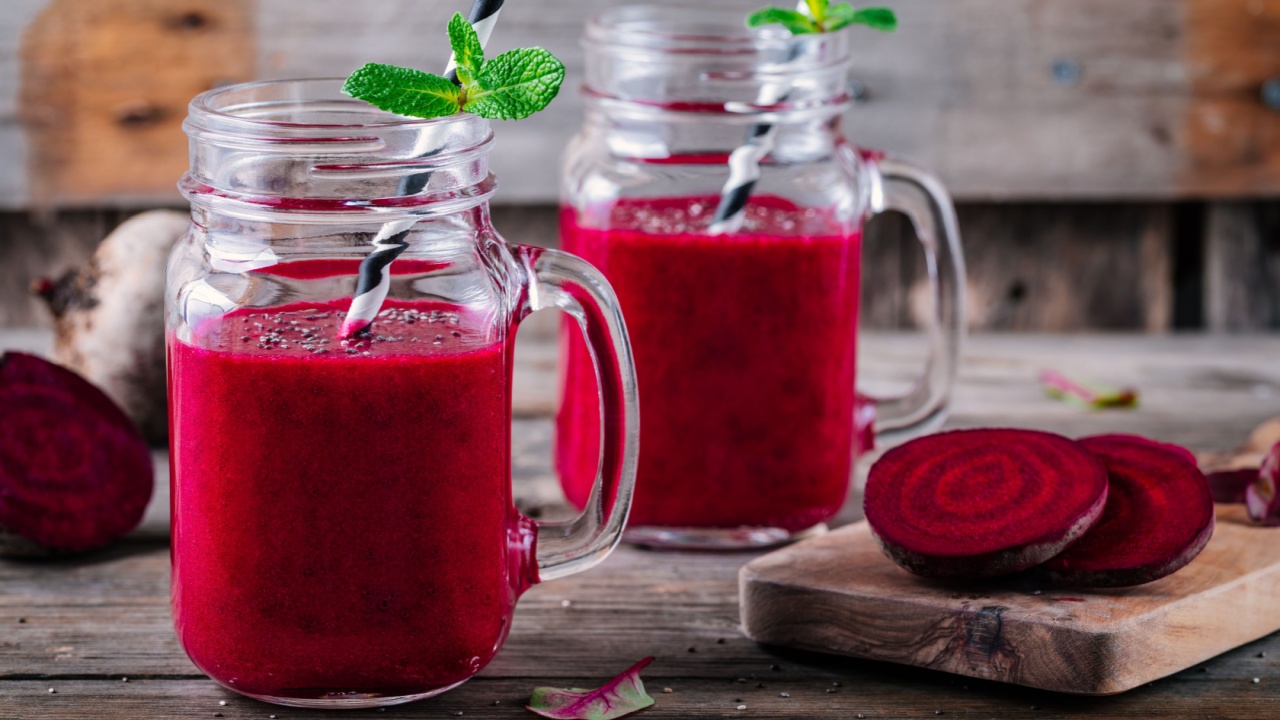
Image Credit: Shutterstock.
Mason jars are the iconic containers of homesteading for good reason. They are incredibly versatile, serving as vessels for canning, fermenting, and storing dry goods. You can use them for everything from homemade jams and pickles to storing flour, sugar, and dried beans. They also work as drinking glasses or simple food storage containers in the fridge. Their reusability and durability make them an economical and sustainable choice.
Quick Glance:
- Best For: Canning, pickling, fermenting, and dry goods storage.
- Why It’s Useful: Airtight and reusable for a multitude of purposes.
- Good to Know: Available in various sizes with different lid options for specific needs.
7. Wooden Cutting Board
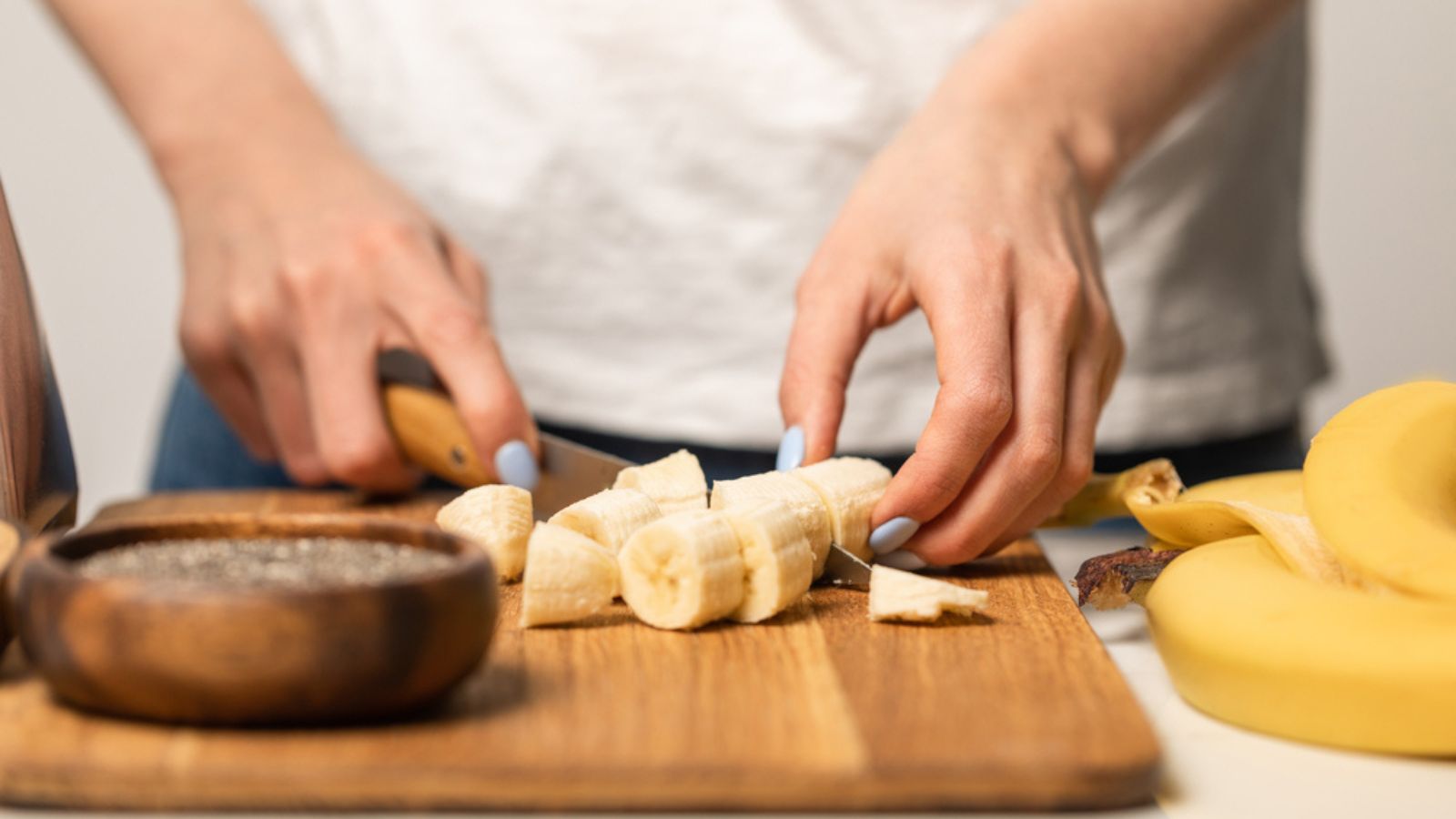
Image Credit: Deposit Photos.
A large, sturdy wooden cutting board provides a reliable and forgiving surface for all your chopping needs. Wood is naturally gentler on knife blades compared to plastic or glass, helping them stay sharp longer. End-grain boards are particularly good at this. With proper care, including regular oiling, a wooden board can last for many years. It also doubles as a beautiful serving platter for bread, cheese, or charcuterie.
Quick Glance:
- Best For: Chopping vegetables, butchering meat, and preparing dough.
- Why It’s Useful: Protects knife edges and provides a stable work surface.
- Good to Know: Should be hand-washed and oiled periodically to prevent cracking.
8. Stainless Steel Measuring Cups and Spoons
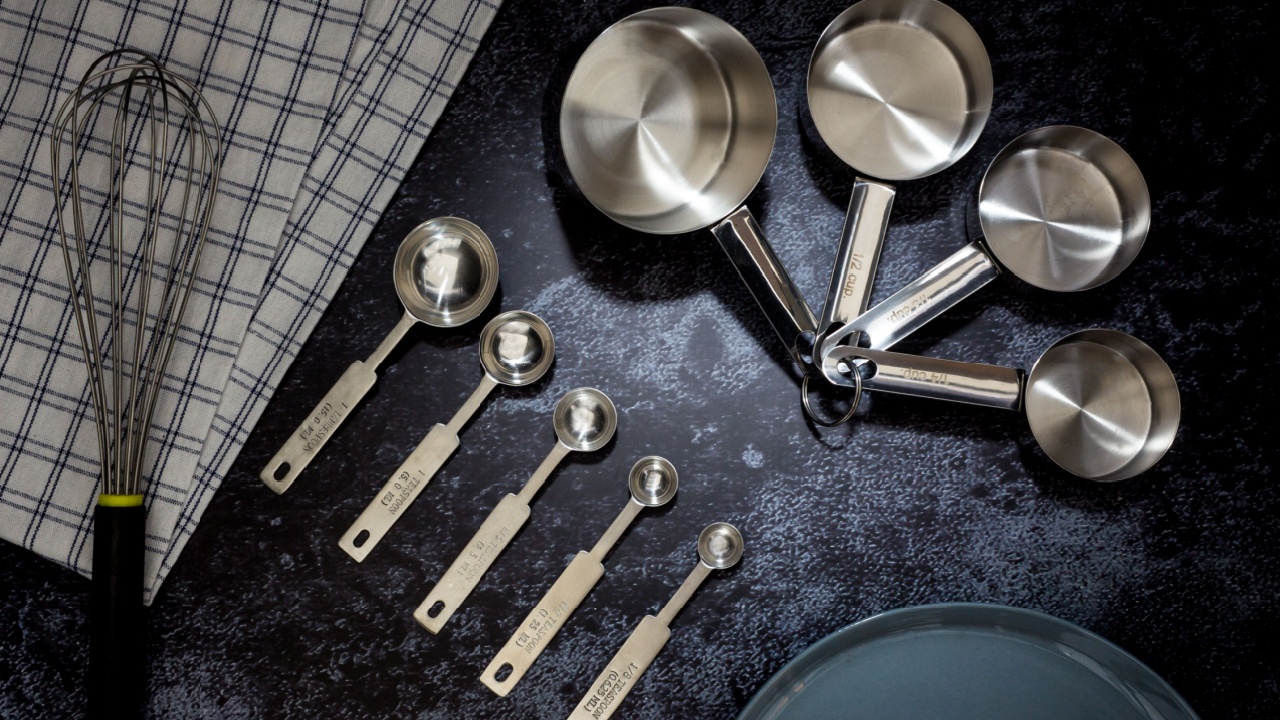
Image Credit: Shutterstock.
Accuracy is important in both baking and preserving, and a durable set of stainless steel measuring cups and spoons provides just that. Unlike plastic, stainless steel won’t stain, warp, or absorb odors over time. The measurement markings are often engraved, so they won’t wear off after repeated washings. This is a simple but essential tool for consistent results in your recipes.
Quick Glance:
- Best For: Accurate measurement of wet and dry ingredients.
- Why It’s Useful: Durable, long-lasting, and won’t retain odors or stains.
- Good to Know: Look for sets with standard and less-common measurements for versatility.
9. Mortar and Pestle
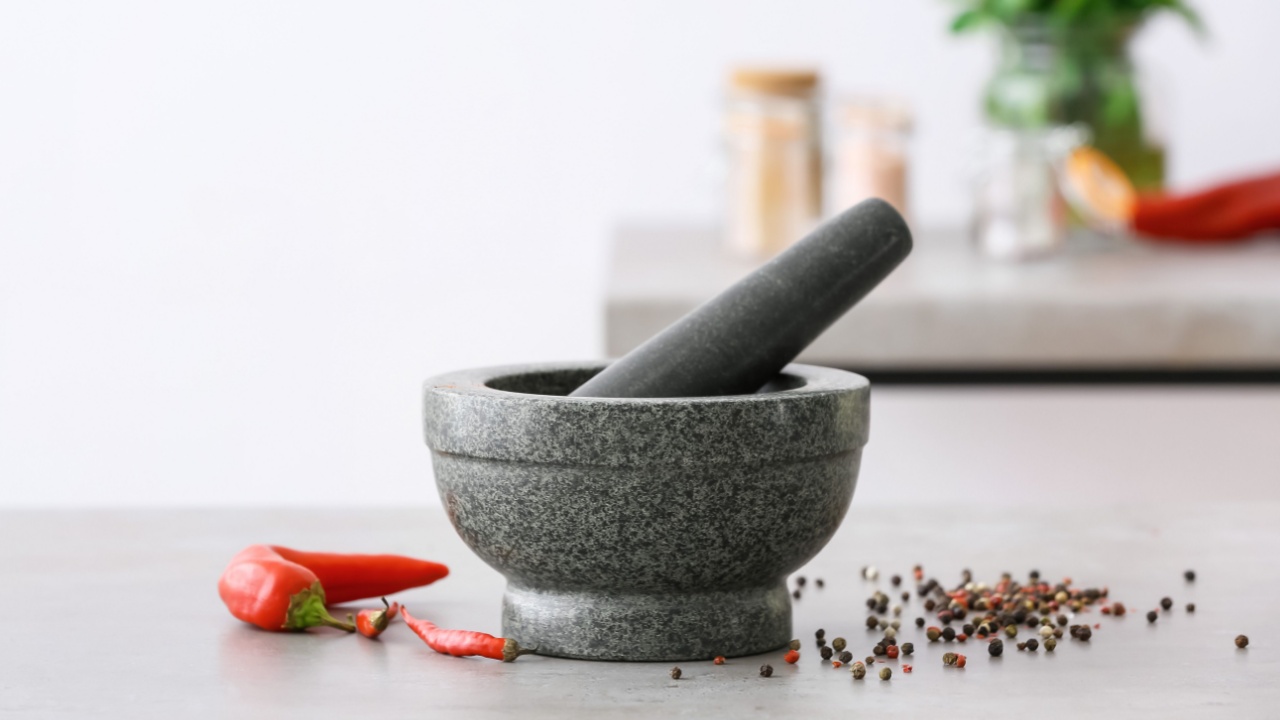
Image Credit: Shutterstock.
A mortar and pestle is a timeless tool for grinding fresh spices, herbs, and garlic. It allows you to release the full flavor and aroma of ingredients in a way that an electric grinder cannot. It’s perfect for making custom spice blends, pesto, or pastes for marinades. The manual process gives you complete control over the texture, from coarse to fine. It’s a simple piece of equipment that connects you more deeply to your cooking.
Quick Glance:
- Best For: Grinding spices, making pastes, and crushing herbs.
- Why It’s Useful: Unlocks potent flavors and aromas from fresh ingredients.
- Good to Know: Materials like granite or basalt are heavy and effective for grinding.
10. Sheet Pans
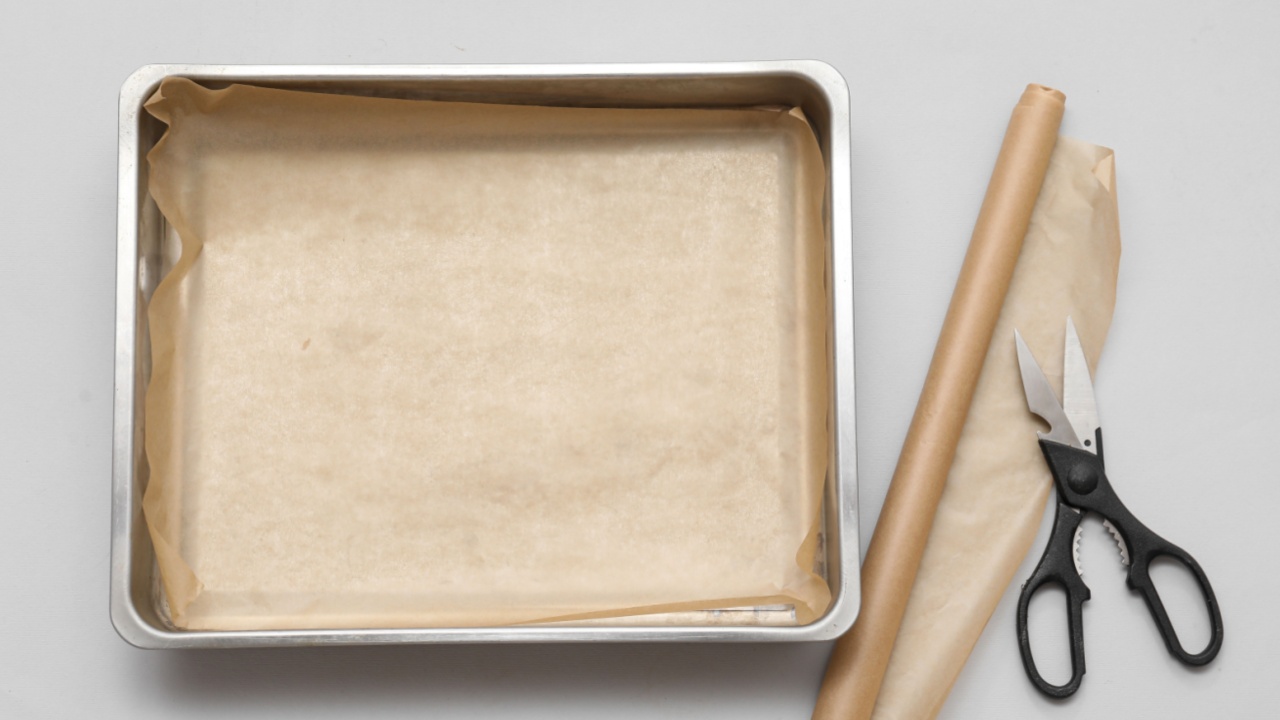
Image Credit: Shutterstock.
Sheet pans, or baking sheets, are workhorses in any kitchen. They are essential for roasting vegetables, baking cookies, and making sheet pan dinners. A heavy-duty, rimmed sheet pan will resist warping at high temperatures and contain any juices or oils, keeping your oven clean. Having a few in different sizes provides flexibility for both small and large batches of food.
Quick Glance:
- Best For: Roasting, baking, and one-pan meals.
- Why It’s Useful: Versatile surface for a wide variety of oven-based cooking.
- Good to Know: Commercial-grade aluminum pans conduct heat well and are very durable.
11. Box Grater
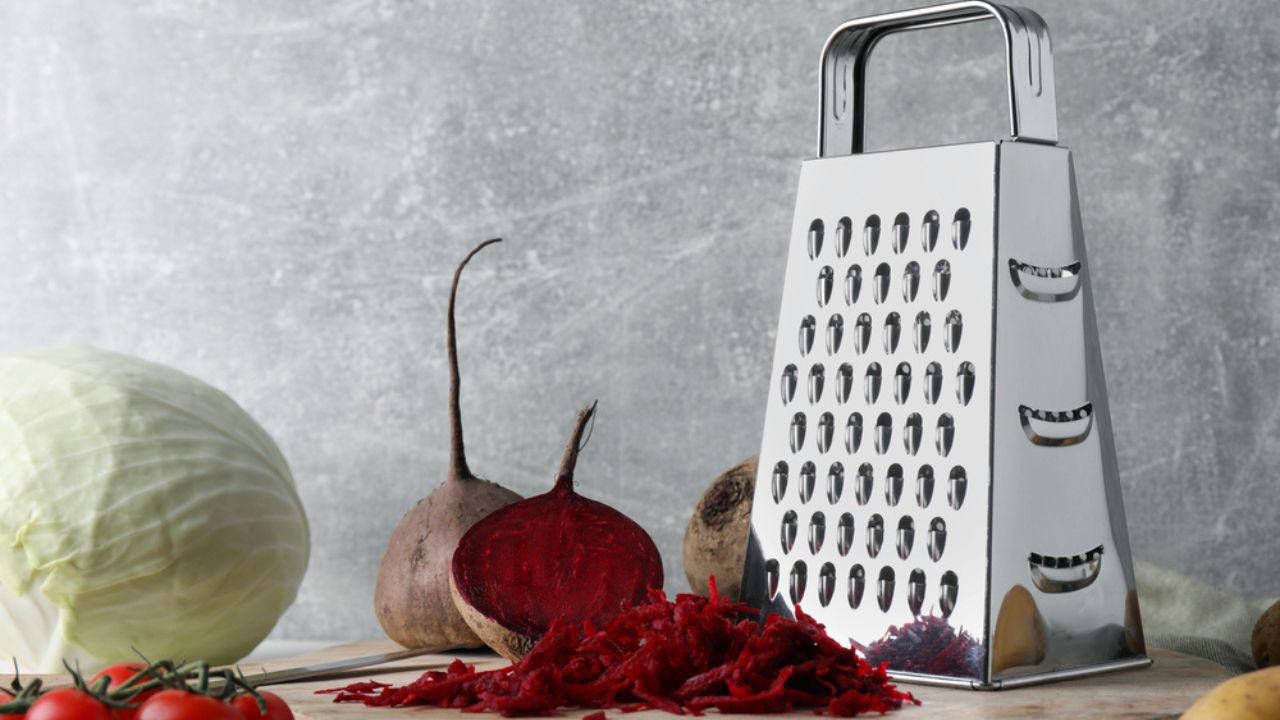
Image Credit: Deposit Photos.
A simple box grater is a surprisingly useful and versatile tool. With four different sides, it can handle a variety of tasks: shredding cheese, grating vegetables like zucchini and carrots, zesting citrus, and even shaving chocolate. It’s a low-tech solution that is easy to use and clean. It takes up little space but offers a lot of functionality for everyday food preparation.
Quick Glance:
- Best For: Shredding cheese, grating vegetables, and zesting citrus.
- Why It’s Useful: Multiple grating surfaces in one compact tool.
- Good to Know: A sturdy handle and non-slip base make it safer and easier to use.
12. Vacuum Sealer
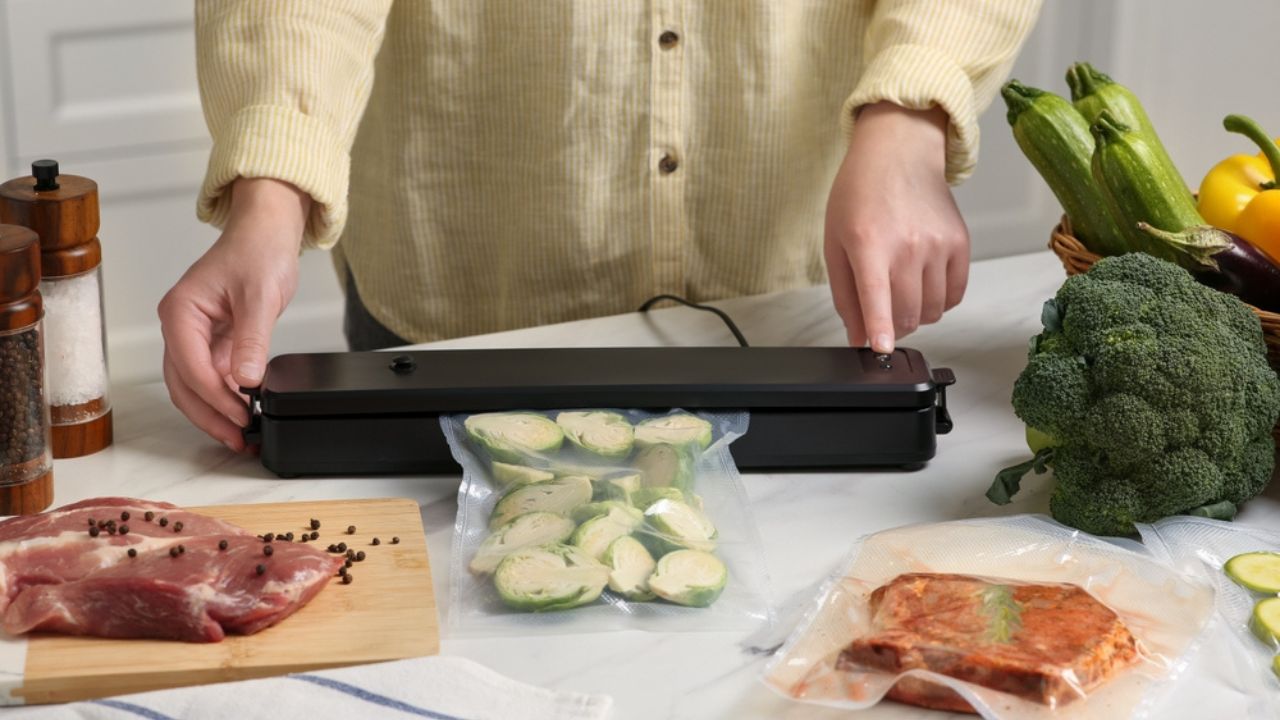
Image Credit: Shutterstock.
A vacuum sealer is another powerful tool for long-term food storage. It removes air from a specially designed bag before sealing it, which helps prevent freezer burn and extends the freshness of food in the freezer for months, or even years. It’s excellent for preserving cuts of meat, fish, and portions of seasonal vegetables. It can also be used for sous vide cooking or for marinating foods quickly.
Quick Glance:
- Best For: Long-term freezer storage and preventing freezer burn.
- Why It’s Useful: Extends the life of frozen foods significantly.
- Good to Know: Useful for portioning bulk purchases to save money.
13. Grain Mill
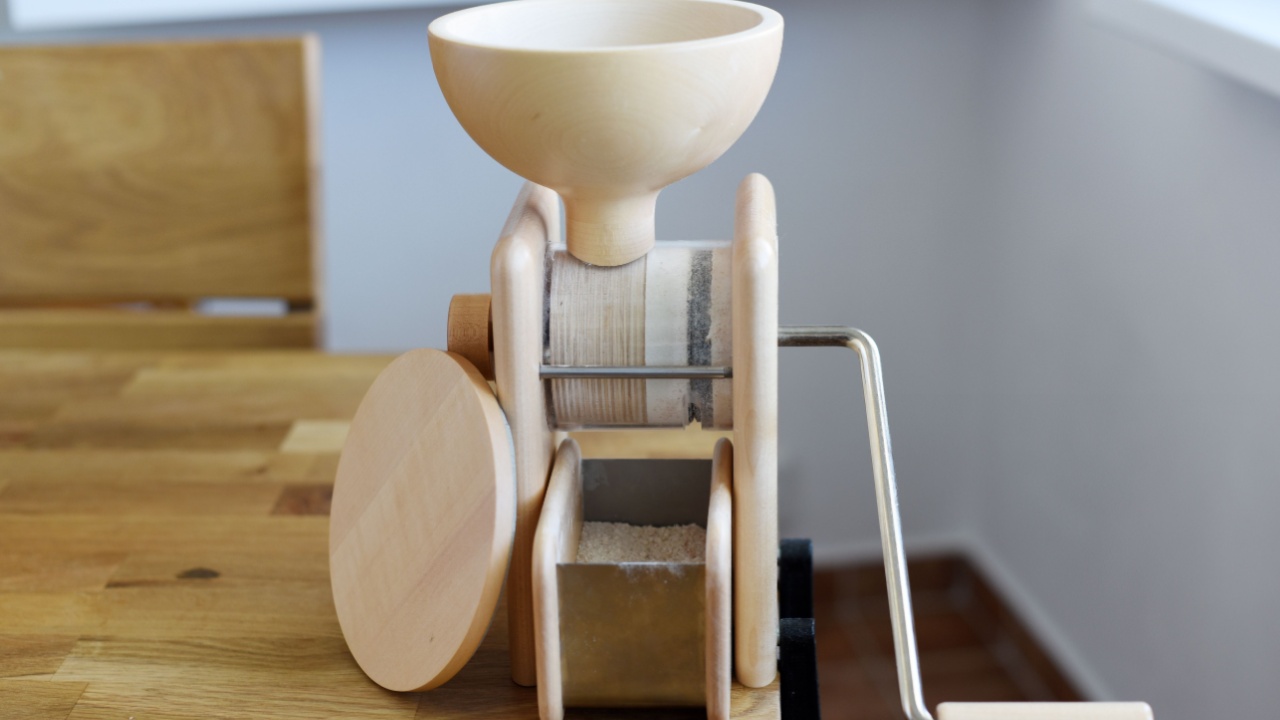
Image Credit: Shutterstock.
For those who enjoy baking, a grain mill can elevate your bread, muffins, and other baked goods. Milling your own flour from whole grains like wheat, spelt, or rye right before you bake gives you the freshest possible flour with maximum nutrients and flavor. Manual and electric versions are available, allowing you to choose based on your needs and preferences. Freshly milled flour can make a noticeable difference in the quality of your baking.
Quick Glance:
- Best For: Grinding whole grains into fresh flour.
- Why It’s Useful: Provides superior flavor and nutrition in baked goods.
- Good to Know: Different mills can produce different textures, from fine flour to cracked grains.
14. Manual Can Opener
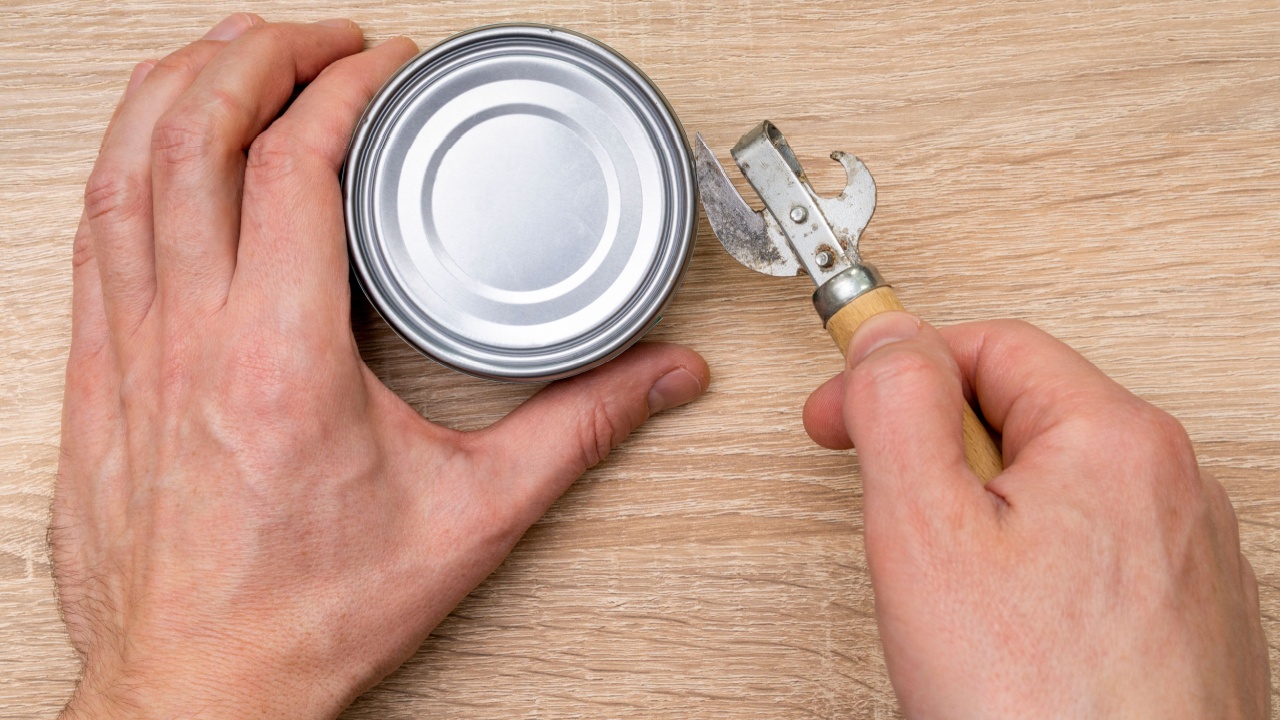
Image Credit: Shutterstock.
While electric can openers are convenient, a reliable manual can opener is a must-have. It doesn’t rely on electricity, making it dependable during power outages or for off-grid living. A good manual opener is also small, easy to store, and simple to clean. It’s a basic but fundamental tool for accessing commercially canned goods that supplement your home-canned supplies.
Quick Glance:
- Best For: Opening canned goods without electricity.
- Why It’s Useful: A reliable backup that works anywhere, anytime.
- Good to Know: Look for a model with comfortable grips and a sharp cutting wheel.
15. Large Mixing Bowls
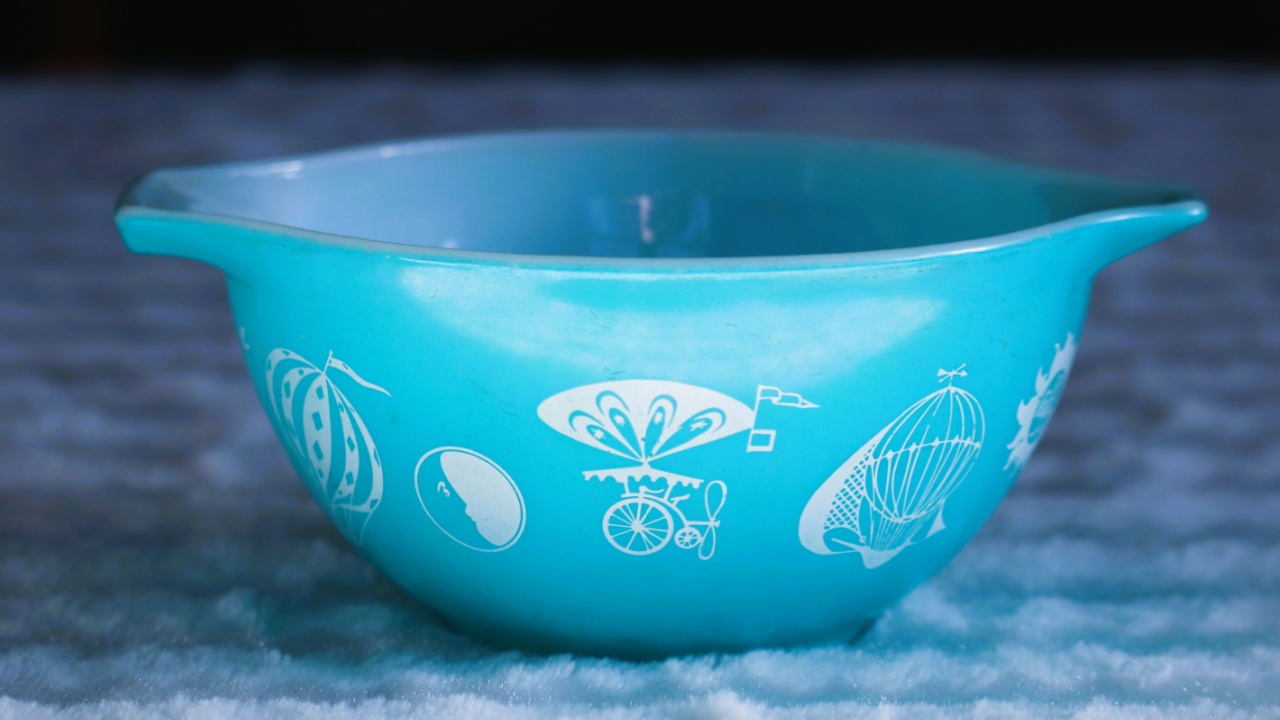
Image Credit: Shutterstock.
You can never have too many mixing bowls, especially in a homestead kitchen. A set of large bowls is indispensable for tasks like mixing dough, tossing large salads, or combining ingredients for canning projects. Stainless steel bowls are lightweight, durable, and won’t react with acidic ingredients. Having a variety of sizes means you’ll always have the right bowl for the job, big or small.
Quick Glance:
- Best For: Mixing ingredients, kneading dough, and general food prep.
- Why It’s Useful: Accommodates large batches for baking or preserving.
- Good to Know: Nesting bowls are great for saving cabinet space.
Feel Confident in the Kitchen
Image Credit: Shutterstock.
Building a homestead kitchen is a series of small, practical decisions. Look around your kitchen and pinpoint which tasks slow you down or drive you a little nuts. If your knives squish more than they slice, maybe it’s time for an upgrade. If the mountain of cucumbers on your counter is starting to look like a green avalanche, a pressure canner or food dehydrator could actually make your life easier.
Match tools to your real needs and the types of food you actually grow or buy in bulk. Tackle the must-haves that will save you time, cut down on food waste, or help you put meals on the table a little faster. You’ll end up with a kitchen that doesn’t just look the part, but genuinely keeps you prepped and ready for whatever your garden, or grocery haul, throws your way. Happy homesteading, and may your kitchen be as hardworking as you are.