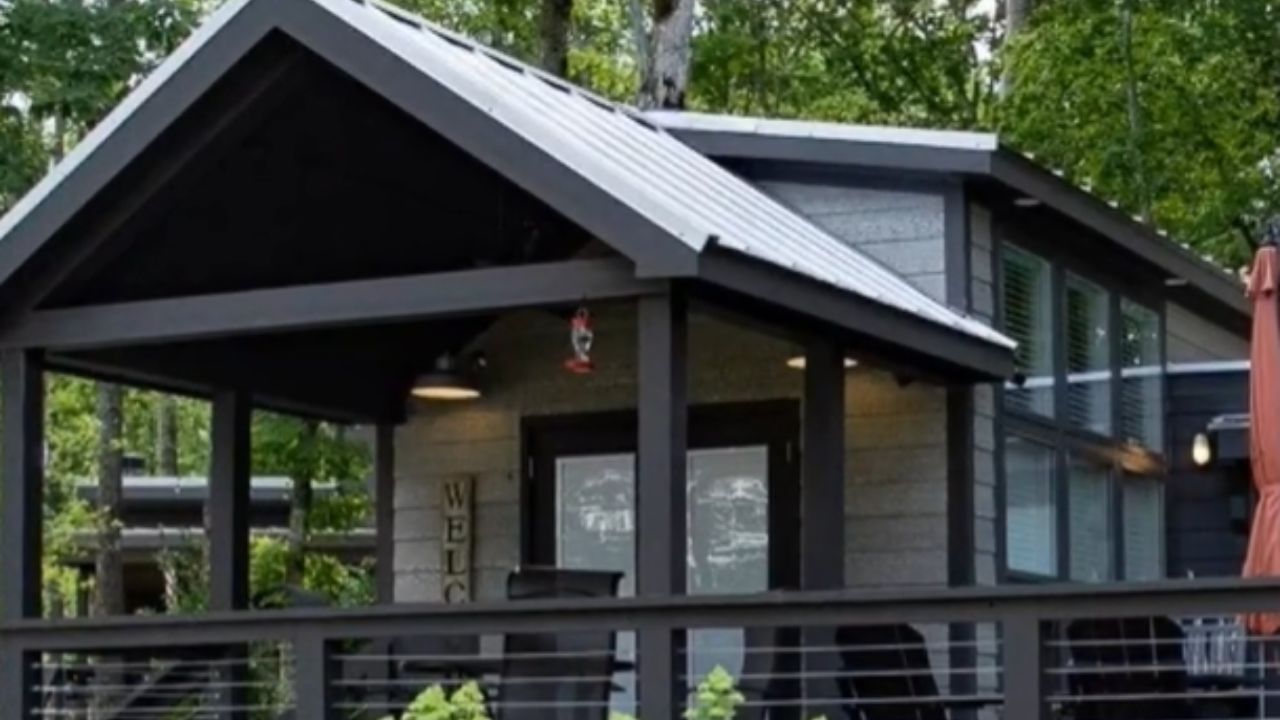
More Than 40 Tiny-Home Owners Sue Developer Over Unbuilt Amenities and HOA Funds
More than 40 Tennessee homeowners are suing the developer behind a tiny-home vacation community, claiming promised amenities, HOA records, and common-area finances did not match what buyers were led to expect.
The lawsuit was filed June 29 in Grundy County Chancery Court and centers on The Retreat at Water’s Edge, a 202-lot community on Fiery Gizzard Lake.
According to The Lynchburg Times, the complaint names Chip Hayes, Retreat at Water’s Edge LLC, Retreat Vacations LLC, and Oakstone Land and Capital LLC as defendants.
The homeowners are seeking up to $5 million in damages, along with attorneys’ fees, treble damages, and a court order over association records, funds, and control.
The Lawsuit Says Promised Amenities Were Not Built
The complaint alleges Water’s Edge lots were marketed with access to a private lake, hiking trails, docks, kayak access, a pool, a pool house, cabanas, and other community features.
Homeowners say several of those features never arrived. The lawsuit claims the pool was not built, trails were not completed, and the promised pool house and cabana did not materialize.
For buyers looking at tiny-home resorts, lake communities, or short-term-rental developments, amenities should be verified through recorded documents, budgets, permits, plats, and construction timelines instead of relying only on sales materials.
Common-Area Taxes Became a Flashpoint
The complaint also alleges Hayes and his companies collected annual assessments but did not pay property taxes on certain common areas owned by the development.
The Lynchburg Times reported that tax records attached to the complaint showed back taxes remained owed for common areas in two of the development’s five phases for tax years 2022 through 2024.
The lawsuit says those unpaid taxes nearly led to a court-ordered tax sale before homeowners worked with the property management company to pay them the day before auction.
Homeowners Also Want Records and Control
The filing asks the court to decide when the developer-control period legally ended and whether later changes to the community’s governing documents are valid.
The suit also claims homeowners repeatedly requested financial records and an accounting of how assessments were spent.
A separate Cedar Management summary described similar allegations in a 2024 lawsuit involving another Hayes-developed Tennessee tiny-home community, though The Lynchburg Times said it had not yet independently reviewed that case docket.
The Case Is Still at the Allegation Stage
Hayes had not filed a response in the Water’s Edge case as of The Lynchburg Times report. The claims should be treated as allegations unless or until the court makes findings or the defendants respond publicly.
Buyers should review developer-control language, HOA budgets, reserve accounts, common-area tax obligations, rental-management rules, amenity deadlines, and owner rights to inspect association records before closing.
When a community is sold around shared amenities, the most important promises should appear in enforceable documents, not just brochures, websites, renderings, or sales conversations.