More People Claim They’re Seeing Nessie, Nearly 100 Years After Famous Photo
Delicate, rippling waves hiding unseen mysteries. Legends that spread like wildfire. Murky yet towering silhouettes that inspire childlike wonder. These are just a few hallmarks of the enduring Loch Ness monster myth—and despite the passage of time, sightings and debates have enjoyed more fervor than ever.
Nearly a century after a mysterious creature supposedly emerged from the waters of Scotland’s Loch Ness, people are still peering into the lake hoping to catch a glimpse of the legendary Nessie. And this year, quite a few believe they’ve succeeded.
The Official Loch Ness Monster Sightings Register has accepted 15 eyewitness reports in 2026, more than double the six recorded throughout 2025. It’s the highest annual total on the register’s listings since at least 2021.
The latest recorded sighting came on Aug. 21, when German visitor Felix Tiekemeier reported seeing a dark object roughly 20 feet long surface about 1,000 feet away. He said it remained visible for around 20 seconds before disappearing beneath the water.
Nobody has established that these sightings involve a previously unknown creature; however, the reports are giving one of the world’s most persistent mysteries another moment in the spotlight.
How a Scottish Legend Became a Worldwide Obsession
Embedded media follows. Please allow a moment for it to load.
Stories of something strange lurking in the waters around Loch Ness go back much further than the photographs that made Nessie famous. One account, recorded in a seventh-century biography of St. Columba, describes the saint confronting a dangerous water beast in the nearby River Ness in the year 565.
The modern craze began in 1933. As HISTORY recounts, the Inverness Courier published a couple’s account of a large creature rolling and plunging through the lake. Newspapers seized on the mystery, and visitors began arriving in hopes of seeing the animal for themselves.
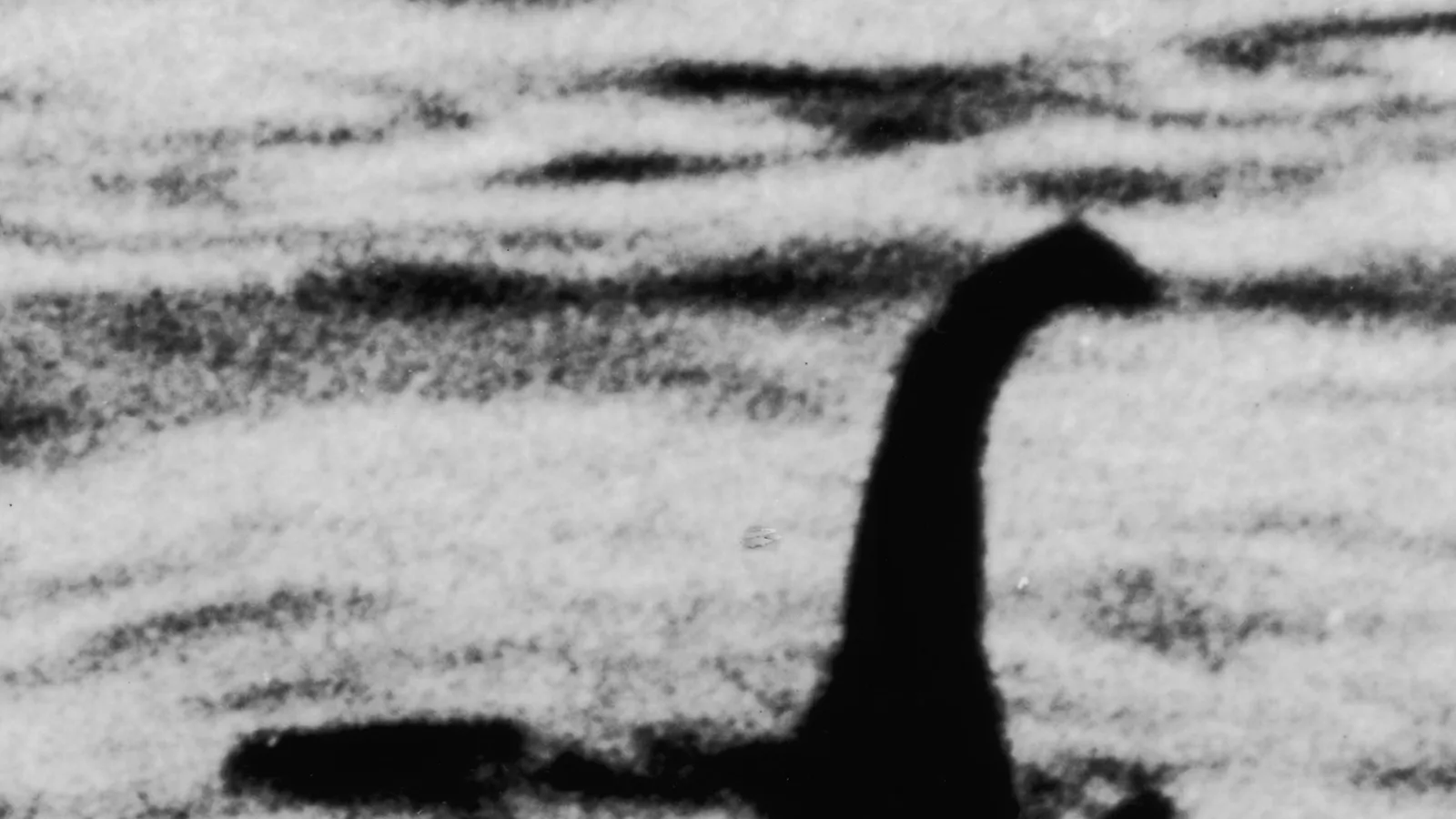
Then came the photograph that would define Nessie for generations. Published in 1934, the famous “Surgeon’s Photograph” appeared to show a small head and long neck rising from the water. The image became synonymous with the monster, although it was exposed as a hoax decades later. According to National Geographic, the supposed creature was a model attached to a toy submarine.
The revelation hardly ended the fascination. Amateur monster hunters continued watching the loch, while researchers used sonar and underwater cameras to investigate unusual readings and photographs. None produced conclusive proof of the legendary creature.
Modern Sightings Keep the Mystery Alive
Today’s witnesses aren’t all describing the same thing. The official register includes an August report from a visitor who filmed a dark mound near Urquhart Castle. Another tourist described a creature at least 23 feet long moving through the water like an enormous eel.
The variety of descriptions raises an obvious question: Could people be mistaking ordinary animals or unusual movements in the water for something mysterious?
Scientists have tried to answer that. In 2019, researchers from the University of Otago analyzed environmental DNA from 250 water samples collected throughout Loch Ness. They found no evidence supporting the theory that a prehistoric marine reptile lives there, but they did detect widespread eel DNA.
Lead researcher Neil Gemmell suggested unusually large eels could explain some reported encounters, although the DNA findings couldn’t establish how big those eels might be.
For believers, the absence of definitive proof hasn’t settled the question. The register now contains 1,180 reported sightings stretching back through centuries of folklore, and the latest accounts continue to attract attention. Whether those witnesses encountered unusual wildlife, misunderstood what they saw, or glimpsed something genuinely unexplained remains an open question.