
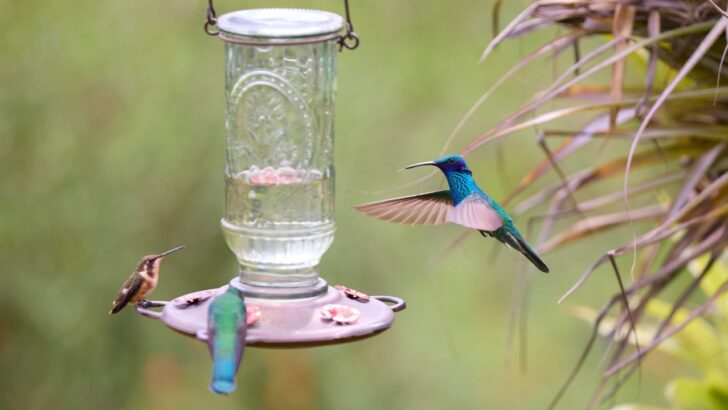
Watching a hummingbird zip through your garden is a truly magical experience. These tiny, jewel-toned birds bring a sense of wonder and life to any backyard. But what happens when they suddenly stop visiting? It can be disheartening to set up feeders and plant flowers, only to be met with silence. Often, the reasons hummingbirds stay away are simple, unintentional mistakes in how we manage our yards.
If you’re wondering where your feathered friends have gone, you’re in the right place. We’ll explore the common pitfalls that can make a garden uninviting for these energetic flyers. By understanding what hummingbirds need to feel safe and welcome, you can transform your yard into a haven they’ll return to year after year.
Let’s dive into 12 mistakes that might be keeping them away and how to fix them.
1. Using Pesticides and Herbicides

Image Credit: Shutterstock.
Many gardeners reach for chemical solutions to handle pests and weeds, but these products can have a devastating impact on your local ecosystem. Hummingbirds have an incredibly high metabolism and need more than just nectar to survive; they rely on small insects like gnats, spiders, and aphids as a vital source of protein. When you spray your yard with pesticides, you eliminate this crucial food source. Herbicides can also destroy native plants that hummingbirds and their insect prey depend on.
Furthermore, these chemicals can directly harm the birds if they ingest contaminated insects or nectar from a treated flower. Creating a healthy, balanced environment is the best way to support all wildlife, including hummingbirds.
How to Fix It:
- Embrace Integrated Pest Management (IPM): Introduce beneficial insects like ladybugs and lacewings to control aphid populations naturally.
- Use Natural Alternatives: Opt for insecticidal soaps or neem oil for targeted pest problems.
- Hand-Weed: Pulling weeds by hand is a safe and effective way to manage your garden beds without chemicals.
Quick Fix: Ditch the chemical sprays. Encourage natural predators like ladybugs and choose organic pest control methods to protect the hummingbirds’ food supply.
2. Placing Feeders in the Wrong Spot
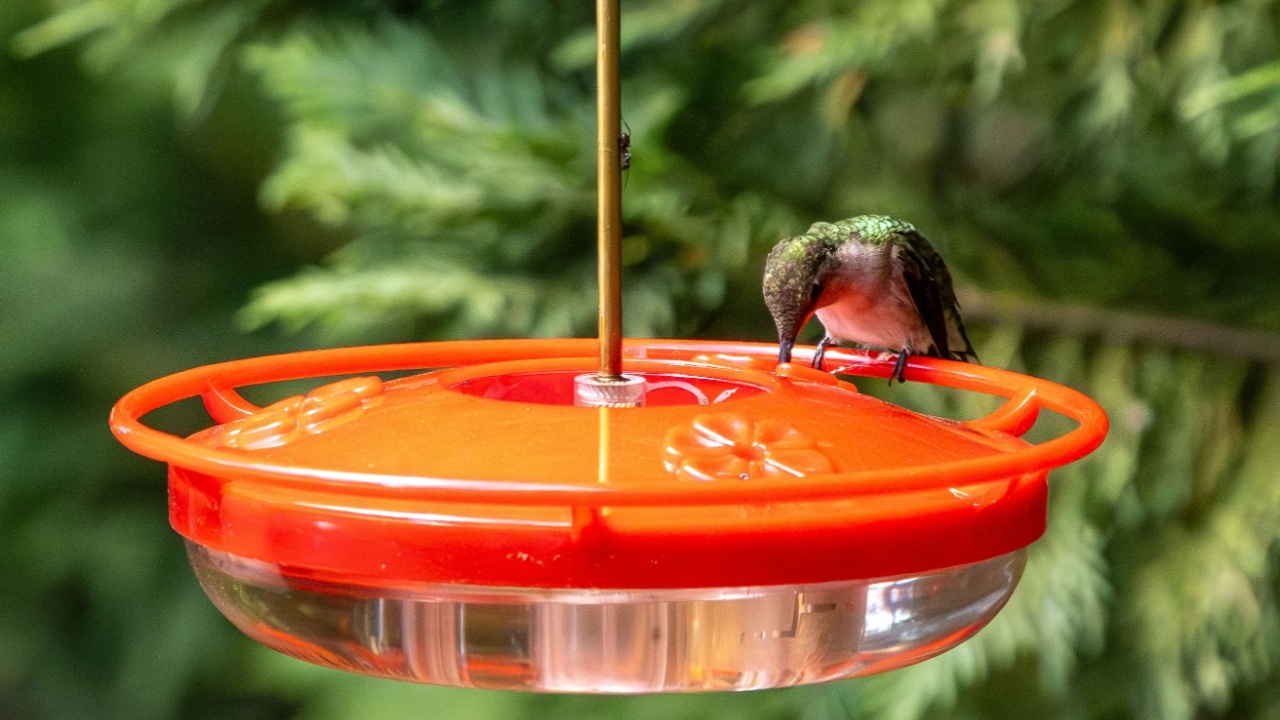
Image Credit: Shutterstock.com.
Where you hang your hummingbird feeder is just as important as what you put inside it. Hummingbirds are small and vulnerable, so they are constantly on the lookout for danger. If a feeder is placed in a wide-open area without any cover, they may feel too exposed to stop for a drink. Likewise, placing it in a high-traffic zone like right next to a busy patio door or a play area can be stressful for these timid birds.
They prefer a quiet, sheltered spot where they can feed peacefully but still have a clear line of sight to watch for predators. A good location offers a quick escape route to nearby trees or shrubs should they feel threatened.
How to Fix It:
- Provide Cover: Hang feeders near a tree or large shrub, about 10-15 feet away. This gives them a safe place to perch and observe their surroundings.
- Avoid High-Traffic Areas: Choose a calmer section of your yard, away from constant human and pet activity.
- Consider Window Placement: If you want to watch them up close, place a feeder very close (within 3 feet) to a window. This helps prevent window collisions, as birds are less likely to build up enough speed to get injured.
Quick Fix: Move feeders to quiet, sheltered locations near trees or shrubs. This provides a sense of security and a quick escape from potential threats.
3. Offering a Dirty or Moldy Feeder
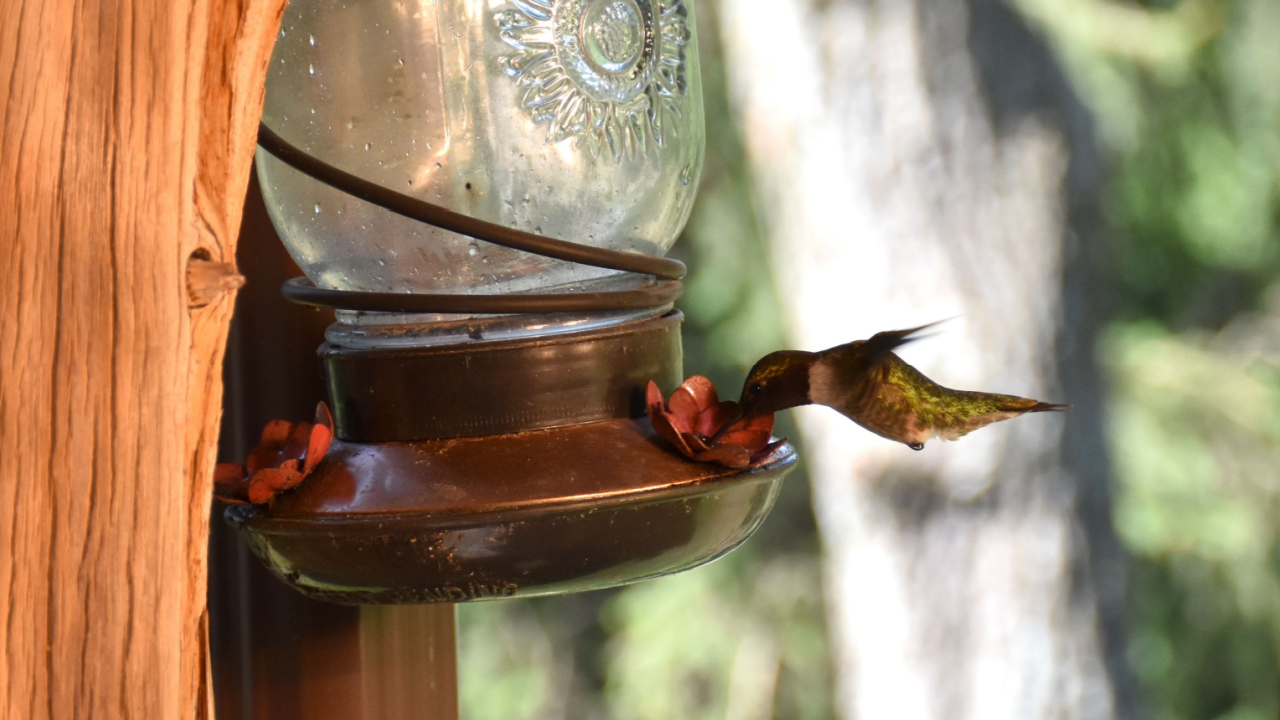
Image Credit: Shutterstock.
A dirty feeder isn’t just unappealing; it’s dangerous. The sugar water in feeders can ferment quickly, especially in warm weather, leading to the growth of harmful mold and bacteria. When a hummingbird drinks from a contaminated feeder, it can develop a fatal fungal infection on its tongue, making it unable to eat.
Black mold is a common and serious threat. Once a bird sees that a feeder is moldy, it will likely avoid it and may not return. Maintaining a clean feeder is one of the most critical responsibilities of feeding hummingbirds.
How to Fix It:
- Clean Regularly: Clean your feeders every 2-3 days in hot weather and at least once a week in cooler temperatures.
- Use the Right Cleaning Solution: Use a solution of hot water and white vinegar (or just hot water) to scrub the feeder. Avoid dish soap, as any residue can be harmful.
- Don’t Forget the Ports: Use a small brush, like a bottle brush or pipe cleaner, to thoroughly clean the feeding ports where mold can hide.
Quick Fix: Clean feeders every 2-3 days with hot water and a brush. Never let nectar become cloudy or moldy, as this can be lethal to hummingbirds.
4. Using the Wrong Nectar Recipe

Image Credit: Shutterstock.com.
While store-bought nectar mixes are convenient, many contain red dye and other preservatives that are unnecessary and potentially harmful to hummingbirds. There is no scientific evidence that red dye helps attract birds; the red color of the feeder itself is more than enough to catch their eye. More importantly, the long-term effects of these dyes on their tiny bodies are unknown.
The best and safest nectar is the one you make yourself. It’s simple, cheap, and perfectly mimics the sugar content of natural flower nectar.
How to Fix It:
- Stick to the Classic Ratio: The ideal recipe is 1 part plain white sugar to 4 parts water.
- Boil the Water: Boil the water first to dissolve the sugar completely and help slow down fermentation. Let it cool completely before filling the feeders.
- Avoid Additives: Never use honey (it promotes fungal growth), brown sugar, or artificial sweeteners, as these can be harmful or even deadly. And absolutely no red dye!
Quick Fix: Make your own nectar with 1 part white sugar and 4 parts water. Never use red dye, honey, or artificial sweeteners.
5. Having Too Few Feeders
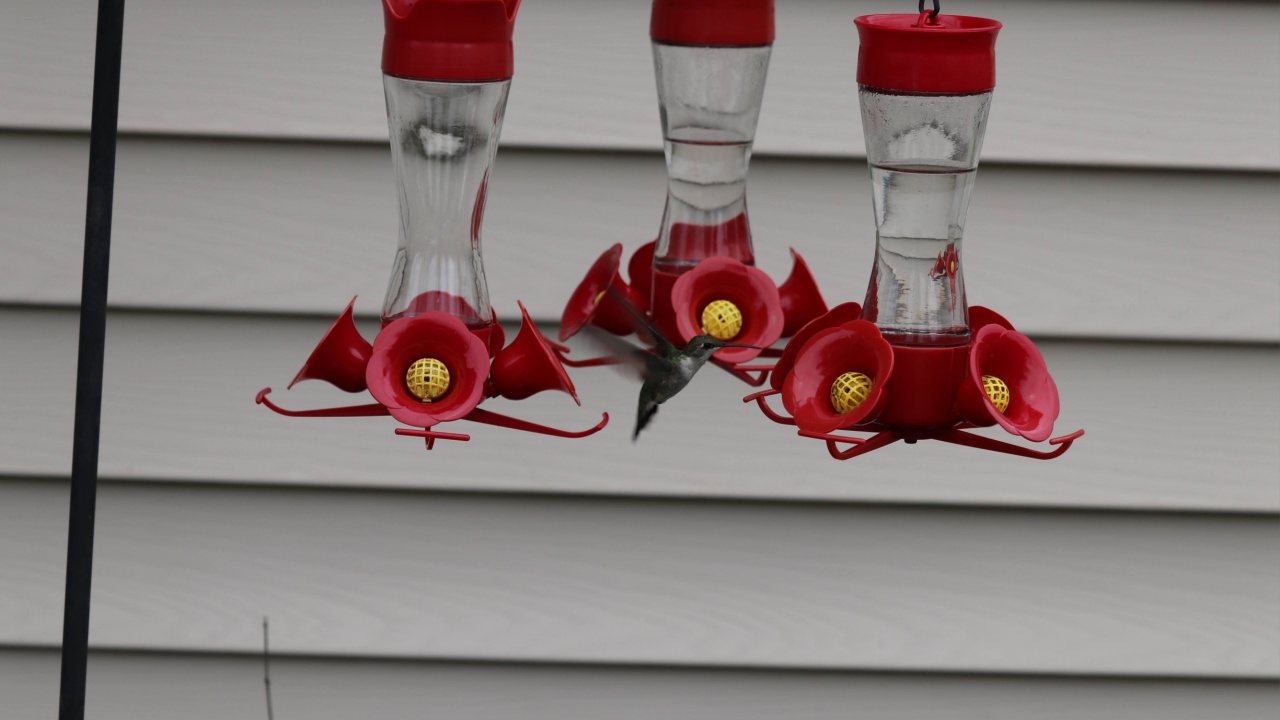
Image Credit: Shutterstock.com.
Hummingbirds are notoriously territorial. A dominant male will often guard a feeder, aggressively chasing away any other hummingbirds that try to drink. If you only have one feeder, you may notice that it’s controlled by a single bully, preventing other, more timid birds from getting a meal. This can create a stressful environment and discourage others from visiting your yard at all.
By providing multiple food sources, you can help reduce competition and create a more peaceful feeding environment for a larger number of birds.
How to Fix It:
- Add More Feeders: Place several feeders around your yard. A good rule of thumb is to have at least two or three.
- Break the Line of Sight: Position the feeders so that a single hummingbird cannot see and guard all of them at once. Place them on opposite sides of the house or behind a large shrub.
- Create Zones: This strategy allows multiple birds, including females and juveniles, to feed without being harassed.
Quick Fix: Hang multiple feeders in different parts of your yard, out of sight from one another, to prevent a single territorial hummingbird from scaring others away.
6. Lacking Natural Food Sources
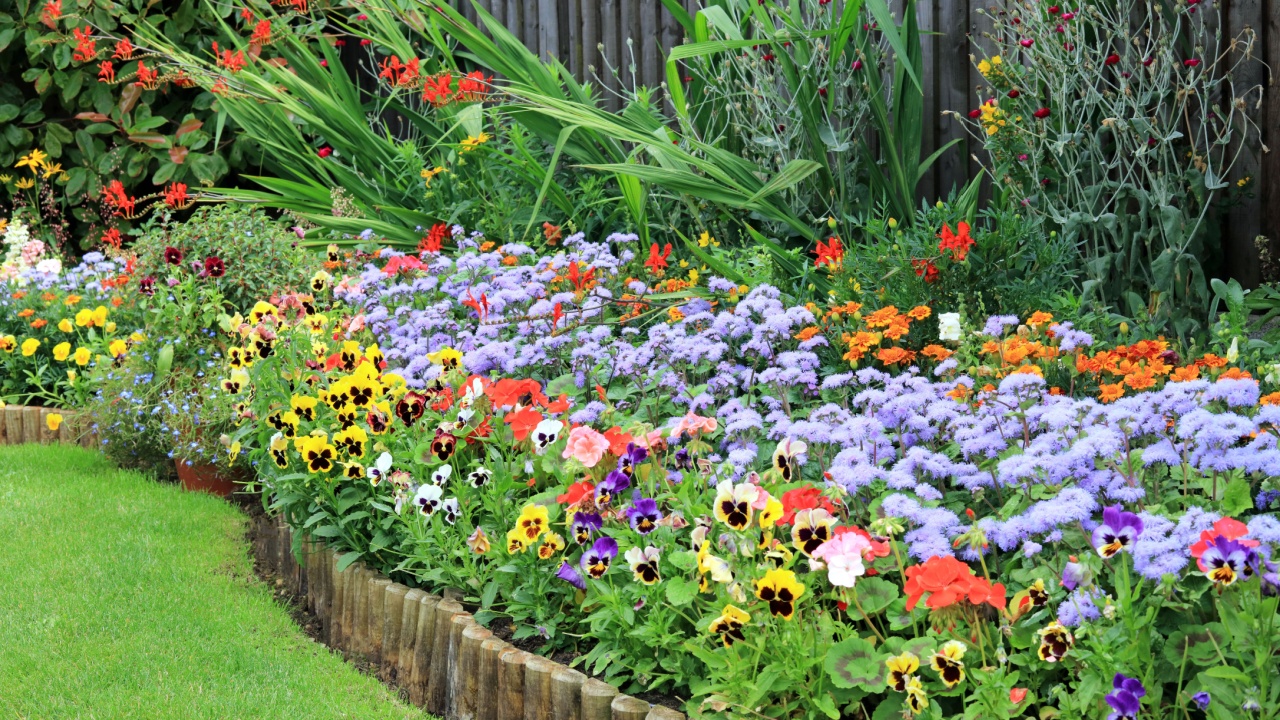
Image Credit: Shutterstock.
Feeders are a great supplement, but they shouldn’t be the only food source in your yard. A garden filled with nectar-rich flowers provides a more complete and natural diet for hummingbirds. Flowers not only offer nectar with varying nutritional profiles but also attract the small insects that hummingbirds need for protein.
A yard that mimics a natural habitat is far more attractive than one with just a plastic feeder. By planting their favorite flowers, you create a self-sustaining buffet that will keep them coming back all season long.
How to Fix It:
- Plant Tubular Flowers: Hummingbirds are especially drawn to long, tubular-shaped flowers that fit their beaks. Good choices include salvia, bee balm (monarda), trumpet vine, fuchsia, and penstemon.
- Choose Red and Orange: While they visit flowers of all colors, they are particularly attracted to red, orange, and pink blooms.
- Plant for Continuous Blooms: Select a variety of plants that bloom at different times from spring through fall to provide a consistent food source.
Quick Fix: Plant a variety of nectar-rich, tubular flowers like salvia and bee balm. A diverse garden provides a reliable food source beyond just feeders.
7. Ignoring the Threat of Predators
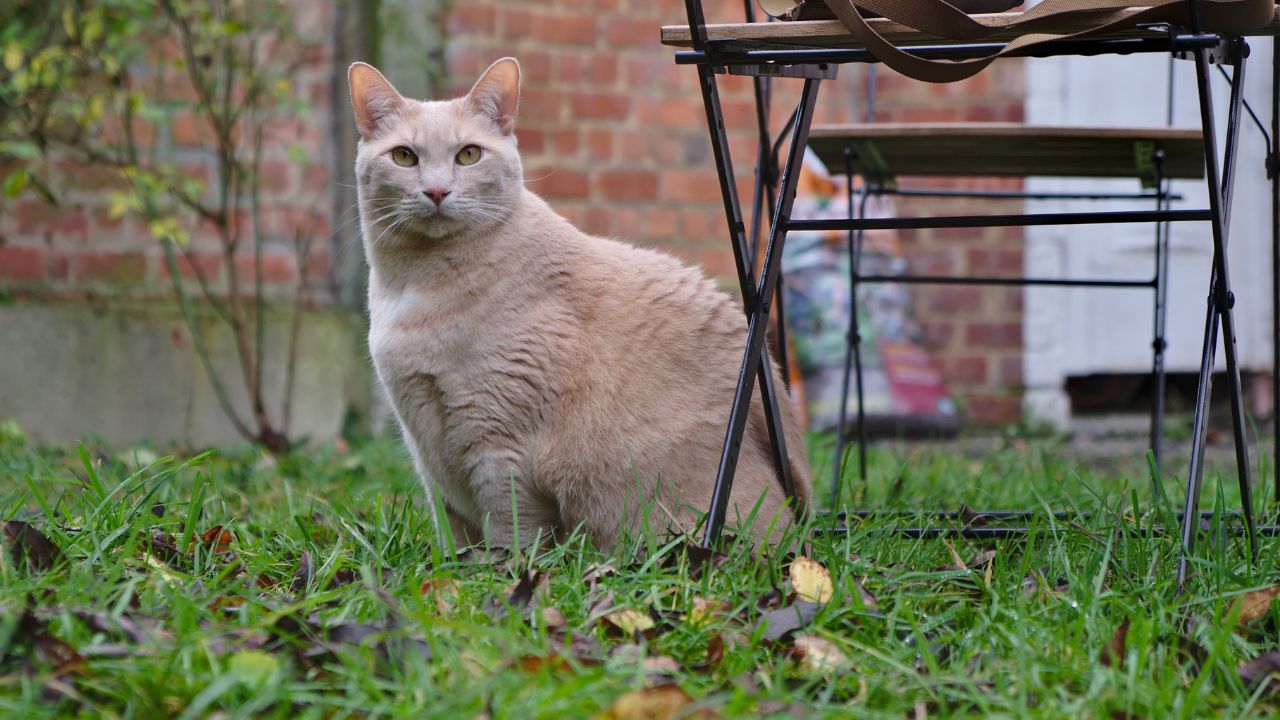
Image Credit: Trougnouf – Own work, CC BY 4.0/Wiki Commons.
Hummingbirds are prey for a surprising number of animals. Outdoor and feral cats are among the most significant threats, but larger birds like sharp-shinned hawks, praying mantises, and even large spiders can also hunt them. If a hummingbird perceives your yard as dangerous, it will not stick around.
Feeders placed too low to the ground or near dense shrubbery where a cat can hide make hummingbirds easy targets. Ensuring your feeding stations are safe is essential to making them feel secure.
How to Fix It:
- Elevate Your Feeders: Hang feeders at least 5 feet off the ground.
- Keep Cats Indoors: The single most effective way to protect hummingbirds (and other birds) is to keep cats inside.
- Create Open Space: Position feeders away from dense bushes where predators can lurk unseen. A spot with nearby perches but open space directly below the feeder is ideal.
Quick Fix: Hang feeders high off the ground and away from dense shrubs where cats can hide. The safest yard is one free of outdoor cats.
8. Not Providing Perching Spots
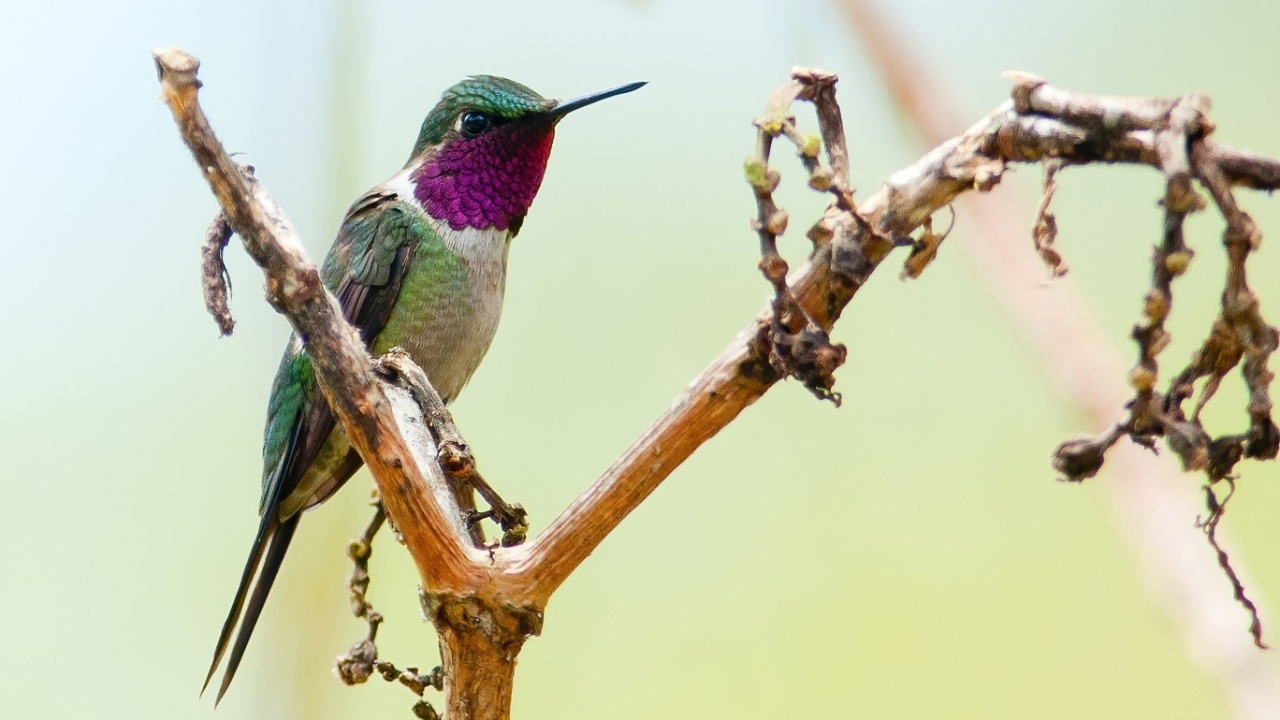
Image Credit: Shutterstock.com.
For an animal that beats its wings up to 80 times per second, rest is crucial. Hummingbirds spend a significant portion of their day perched, conserving energy and surveying their territory. A yard without adequate perching spots can be less appealing, as it offers no place for them to rest between feedings or to watch for intruders.
They prefer small, thin branches with a clear view. Often, a dominant male will find a high perch to stand guard over his food sources. Providing these spots makes your yard a much more functional habitat.
How to Fix It:
- Leave Some Small Branches: When pruning trees and shrubs, leave some small, bare twigs exposed.
- Use Hummingbird Swings: You can buy or make a “hummingbird swing” a simple wire frame with a perch and hang it near your feeders.
- Plant Wisely: Trees and shrubs with thin branches naturally provide these resting areas.
Quick Fix: Ensure there are small, thin branches on nearby trees or shrubs for hummingbirds to rest on. Adding a hummingbird swing near a feeder also works well.
9. Forgetting to Offer a Water Source
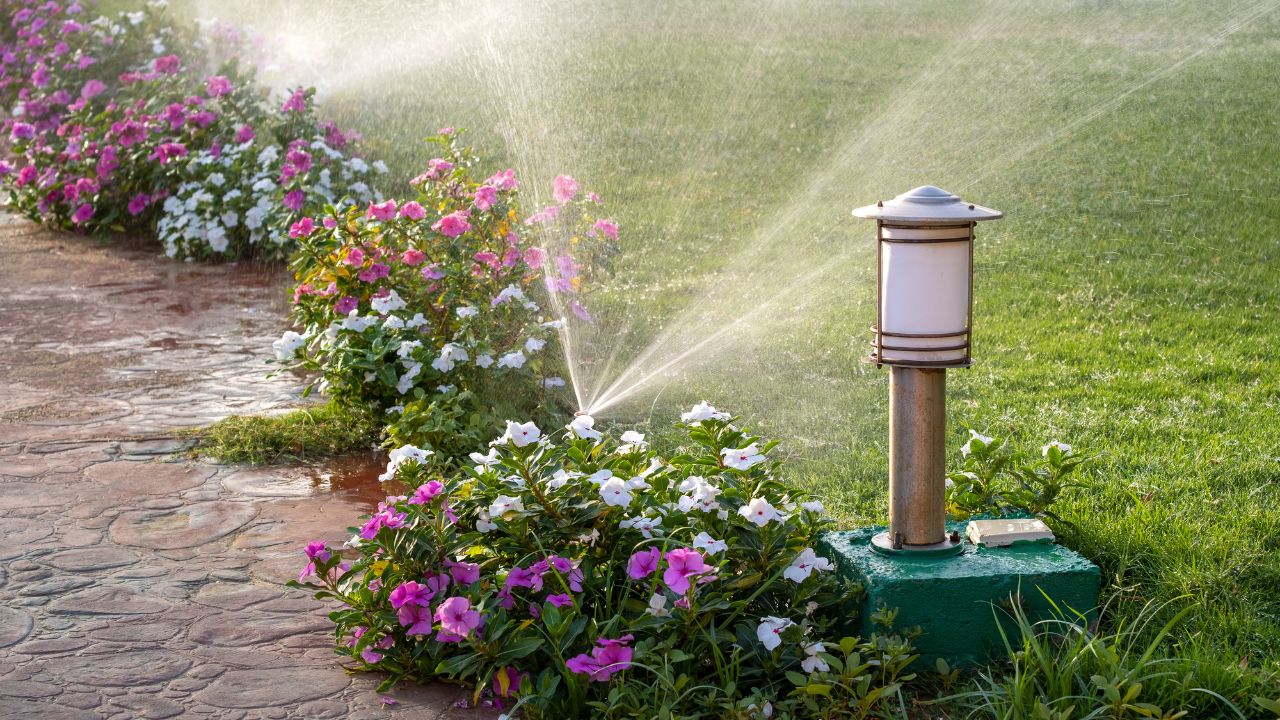
Image Credit: Shutterstock.
Hummingbirds need water for drinking and bathing, but they don’t use traditional birdbaths. The water is often too deep for them. Instead, they prefer to fly through a fine mist or splash in very shallow, moving water. Bathing helps them clean their feathers, which is essential for proper flight and insulation.
A water feature not only helps hummingbirds but will also attract a wide variety of other birds to your garden. The sound of moving water is a powerful attractant for wildlife.
How to Fix It:
-
- Set up a Mister: Attach a mister to your garden hose and drape it over a plant or fence. Hummingbirds love to fly through the fine spray.
- Use a Water Wiggler or Fountain: A small solar-powered fountain or a “water wiggler” in a birdbath creates ripples that make the water more attractive and keep it shallow enough for them to use.
- Create a Shallow Puddle: Placing a few pebbles or stones in a shallow saucer of water gives them a safe place to splash.
Quick Fix: Provide a source of moving, shallow water. A mister, dripper, or a birdbath with a small fountain is perfect for hummingbirds to drink and bathe.
10. Neglecting Seasonal Needs
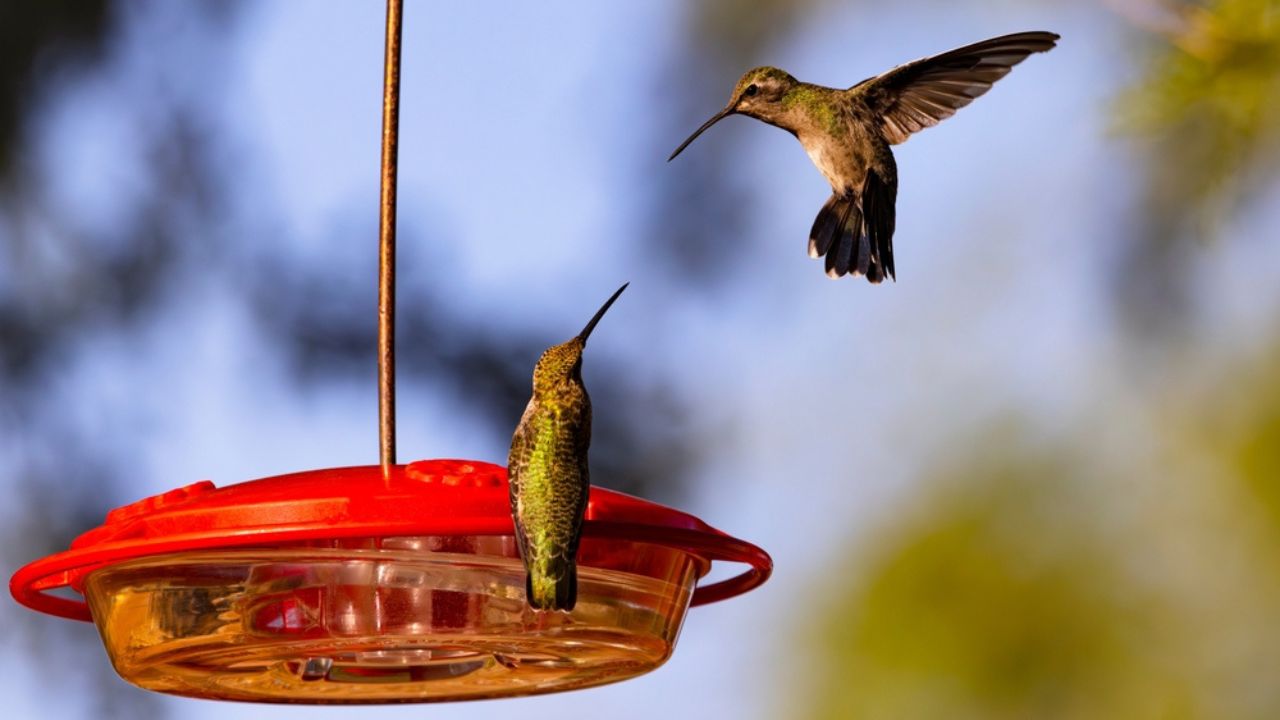
Image Credit: Shutterstock.
Many people make the mistake of taking their feeders down too early in the fall. Hummingbirds undergo a long and arduous migration, and they rely on feeders along their route to fuel their journey. Removing your feeders as soon as your local birds leave could deprive late migrants of a desperately needed energy boost.
Similarly, putting feeders out too late in the spring may cause the first arrivals to pass over your yard in search of a more reliable food source.
How to Fix It:
- Keep Feeders Up Late: In the fall, leave your feeders up for at least two weeks after you see your last hummingbird. This will not prevent them from migrating; their instinct is too strong.
- Put Feeders Out Early: In the spring, have your feeders clean and ready about two weeks before you expect them to arrive in your area. You can check online migration maps for timing.
Quick Fix: In the fall, leave feeders out for two weeks after your last sighting to help migrants. In the spring, put them out two weeks before their expected arrival.
11. Ignoring Spider Webs
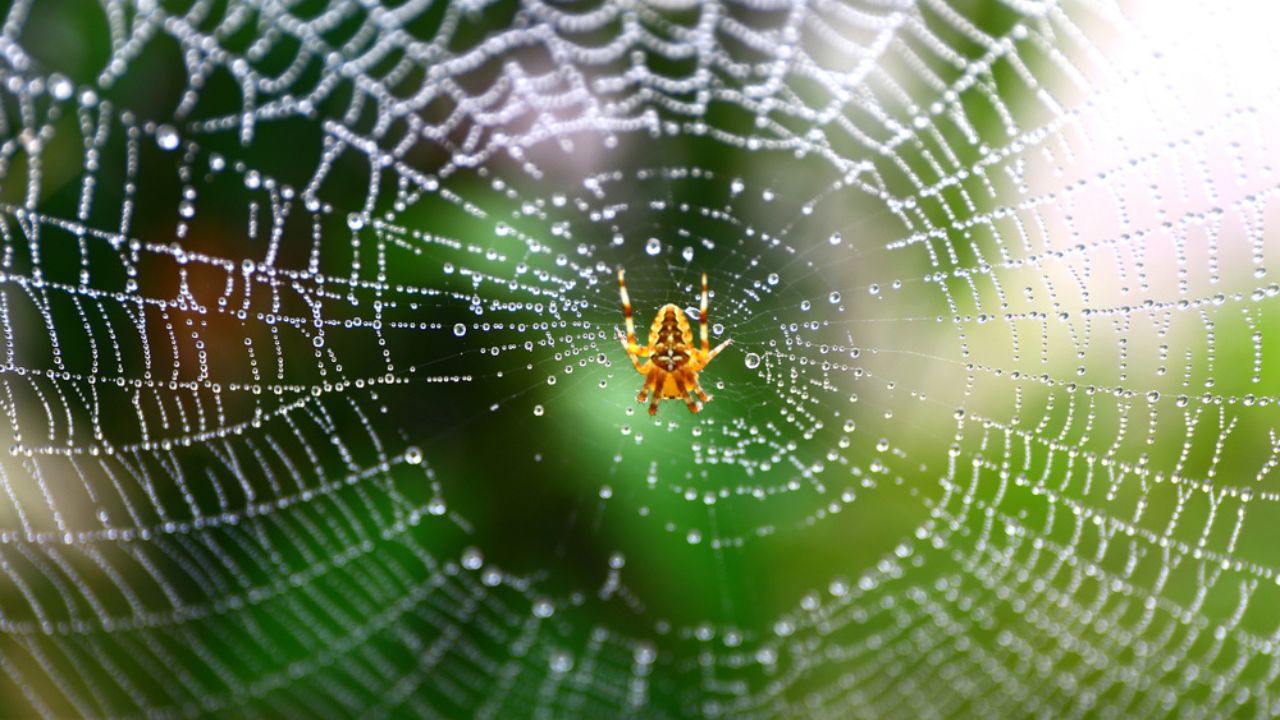
Image Credit: Shutterstock.
While hummingbirds eat small spiders, they can become fatally trapped in large, sticky spider webs. Orb-weaver spiders, in particular, can build webs strong enough to ensnare a hummingbird. Finding a bird tangled in a web is a horrifying sight, and it’s a danger that is easy to overlook.
It’s important to be mindful of where you hang your feeders and to regularly check the area for large webs. While spiders are a valuable part of the garden ecosystem, their webs can pose a direct threat in the wrong location.
How to Fix It:
- Check Feeder Areas Regularly: Before you refill your feeder, take a moment to look for and remove any large spider webs on or near it.
- Relocate Feeders if Needed: If you notice a large spider consistently rebuilding its web near a feeder, consider moving the feeder to a different spot.
- Be Mindful of Eaves and Porches: These are common places for spiders to build webs, so be extra vigilant if your feeder is hanging from a porch roof.
Quick Fix: Regularly check for and clear away large spider webs from around your feeders. Move feeders if a large web is consistently being built in the same spot.
12. Not Creating a Layered Garden

Image Credit: Shutterstock.com
A flat, one-dimensional garden is less attractive to hummingbirds than a landscape with varying heights. Hummingbirds, like most wildlife, feel safer in an environment that offers multiple layers of vegetation. This includes tall trees, medium-sized shrubs, and low-growing flowers and groundcovers.
This “layered” effect mimics a natural woodland edge, providing everything a hummingbird needs: high perches for surveying territory, mid-level shrubs for shelter and nesting, and low flowers for feeding. A manicured lawn with a few flower beds on the border doesn’t offer the same sense of security or diversity.
How to Fix It:
- Think in Layers: Design your garden with a background of taller trees, a middle layer of shrubs of various sizes, and a foreground of perennials and annuals.
- Add Vertical Elements: Incorporate trellises with climbing vines like trumpet vine or cypress vine to add height and valuable nectar sources.
- Let It Be a Little Wild: Don’t over-manicure your yard. A few “wild” corners with native plants can provide excellent shelter and food for hummingbirds and other wildlife.
Quick Fix: Create a multi-layered garden with tall trees, shrubs, and low-growing flowers to provide food, shelter, and perching spots at different heights.
Next Steps for a Hummingbird-Friendly Yard
Image Credit: Shutterstock.
Creating a backyard that hummingbirds love is a rewarding journey that connects you more deeply with nature. Start by choosing one or two of these mistakes to correct. You could begin by making your own nectar and committing to a regular cleaning schedule. Next, take a walk through your garden and identify the perfect spot for a new feeder or a patch of red salvia.
With a few simple changes, you can roll out the welcome mat for these amazing little birds. Before you know it, your garden will be buzzing with activity, and you’ll have a front-row seat to one of nature’s most dazzling shows.