Make The Effort Count: How to Maximize Fireplace Heating Efficiency
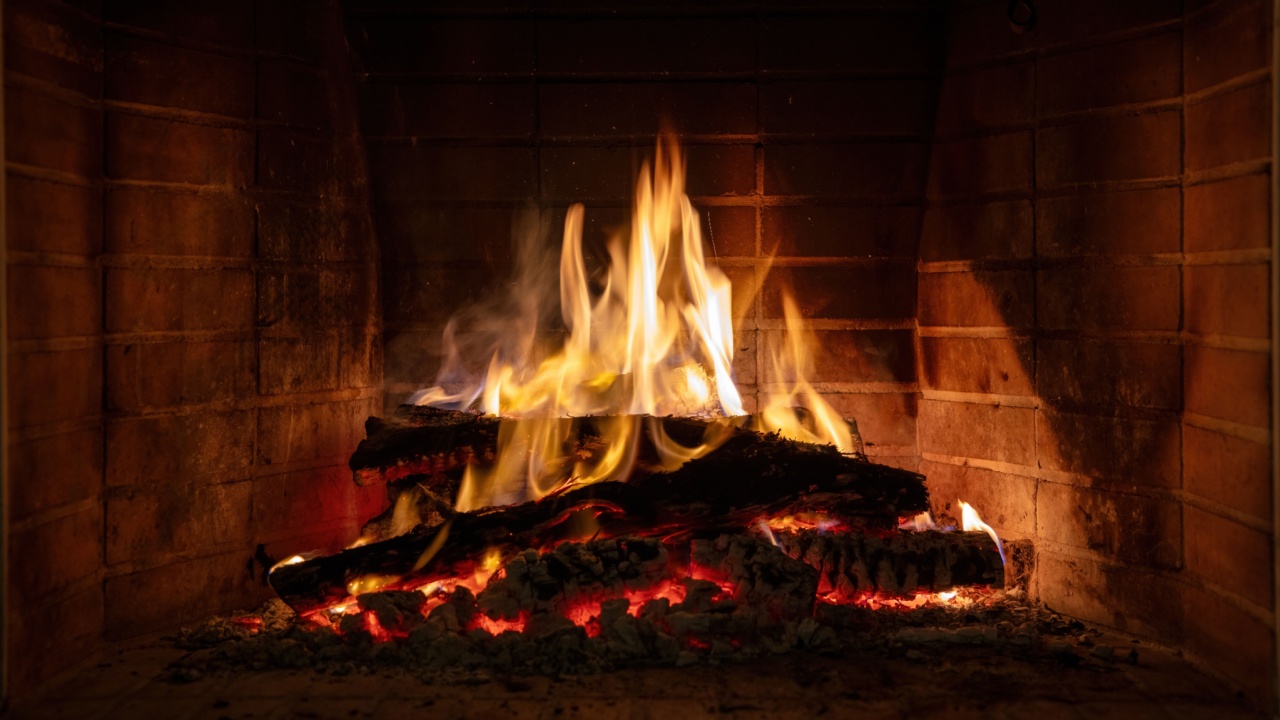
Don’t you just love a roaring fire? It sets a mood, smells amazing, and gives you a reason to ignore the laundry piling up on the couch. But sometimes it feels like the fire is doing more for the local squirrel population on your roof than for the freezing people inside your living room. You burn log after log, yet you still need three blankets and a hot cocoa IV drip to stay warm.
That is because traditional fireplaces are notorious energy hogs. They often suck warm air out of your house and shoot it straight up the flue. Essentially, you might be paying to heat the sky. This article breaks down five practical methods to turn that heat-wasting hole in the wall into a legitimate source of warmth.
You will find tips on everything from structural upgrades to simple habits that change how your fire burns. By the end, you should have a solid plan to stop the shivering and start actually feeling the burn (in a good way).
1. Install Glass Fireplace Doors
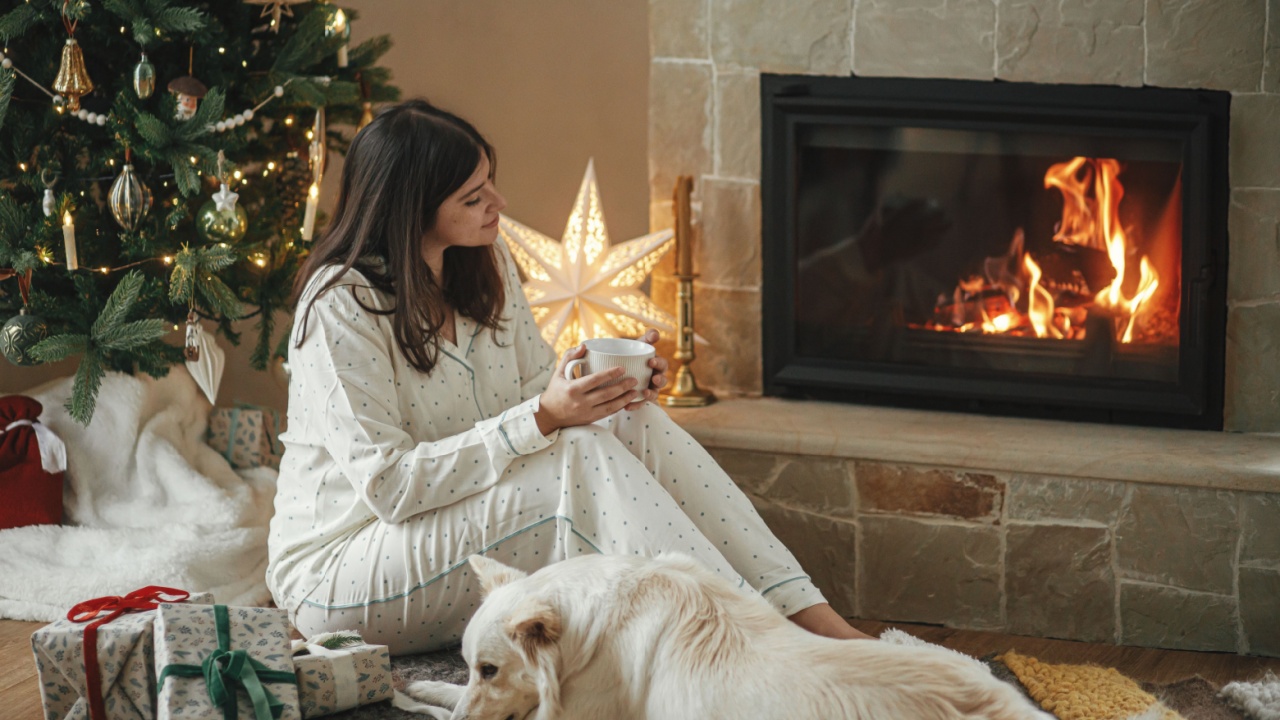
An open hearth looks lovely and rustic, like something out of a Dickens novel. Unfortunately, it also functions like an open window. When you have a fire going, your chimney acts like a giant vacuum. It pulls air from your room, feeds it into the fire, and sends it outside.
Glass doors are the barrier you need. They create a seal that reduces the amount of warm indoor air getting sucked into the combustion process. When you close those doors, you are creating a radiating surface. The fire heats the glass, and the glass radiates warmth into the room. It stops the “stack effect” where your home’s warm air rushes up the chimney, replaced by cold air sucked in through cracks in your windows and doors.
2. Use a Fireplace Insert
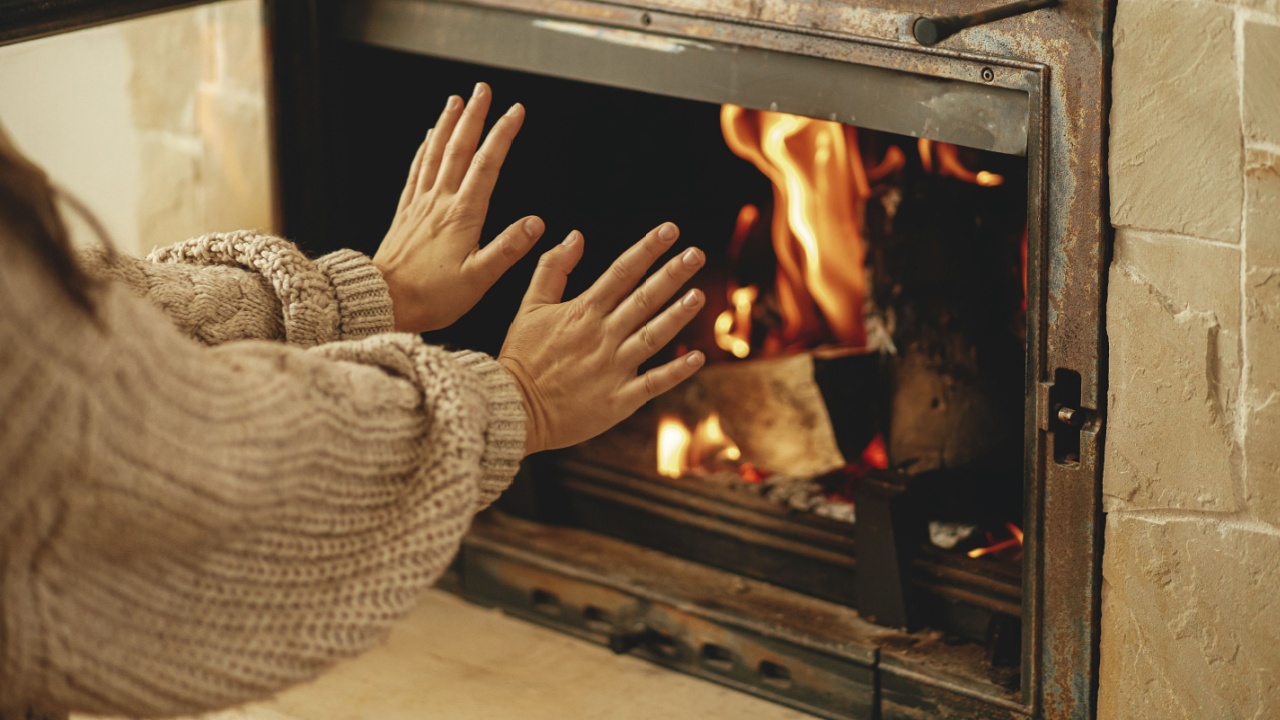
If you really want to get serious about heat, an insert is the way to go. Most masonry fireplaces are terrible at heating. They are mostly decorative. An insert is essentially a wood stove designed to slide right into your existing fireplace opening. Inserts are engineered boxes (usually steel or cast iron) that have their own venting system.
They are designed to burn wood more completely and push that heat out into the room rather than letting it drift upward. An open fireplace might be 10% efficient (meaning 90% of the heat is lost). An insert can push that number up to 70% or 80%. Many come with blowers that actively circulate air around the hot firebox and push it back into your living space.
3. Insulate the Chimney and Install a Liner
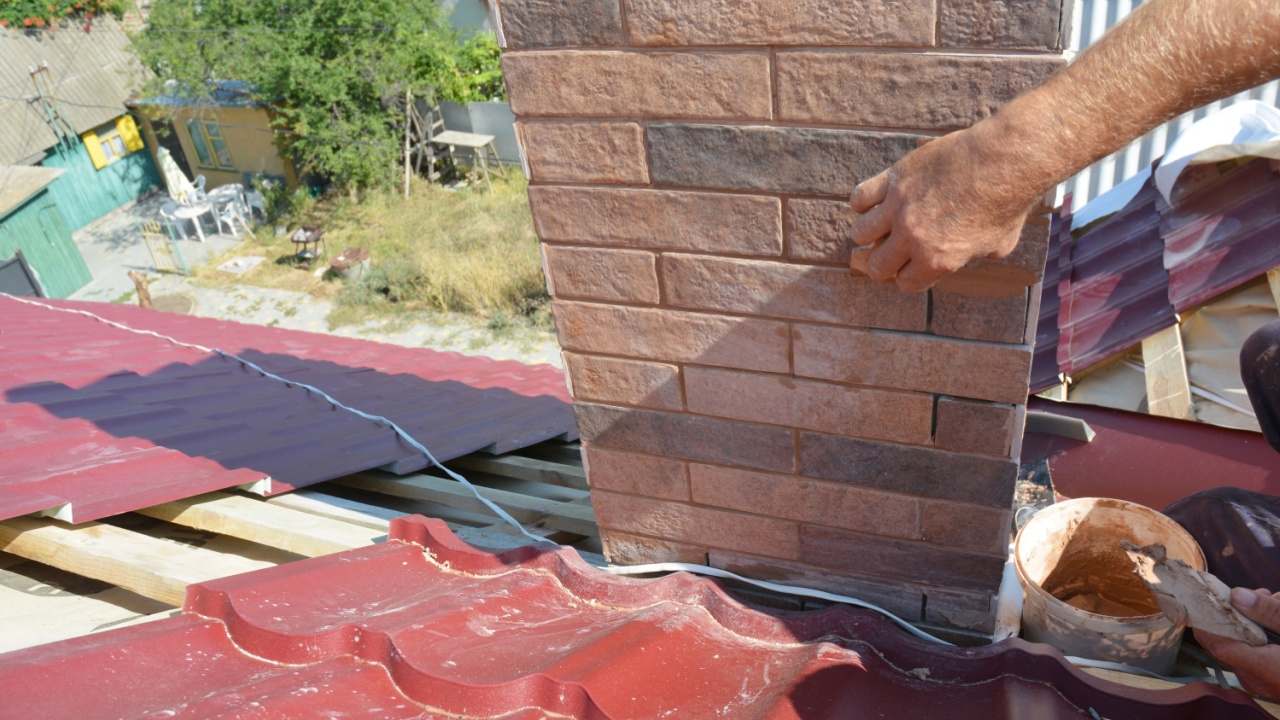
We spend so much time worrying about the firebox that we forget about the big tunnel above it. If your chimney is uninsulated or lacks a proper liner, you are fighting a losing battle against physics. Cold air lingers in the flue, pushing smoke back into the room when you start a fire.
As the fire burns, smoke cools too quickly against the cold walls, promoting creosote buildup, a sticky, flammable residue, and a major fire hazard. Insulating the chimney keeps the flue gases hot. Hot air rises faster. This creates a strong draft, which pulls air through the fire more efficiently. A strong draft means a hotter, cleaner burn.
4. Master the Damper
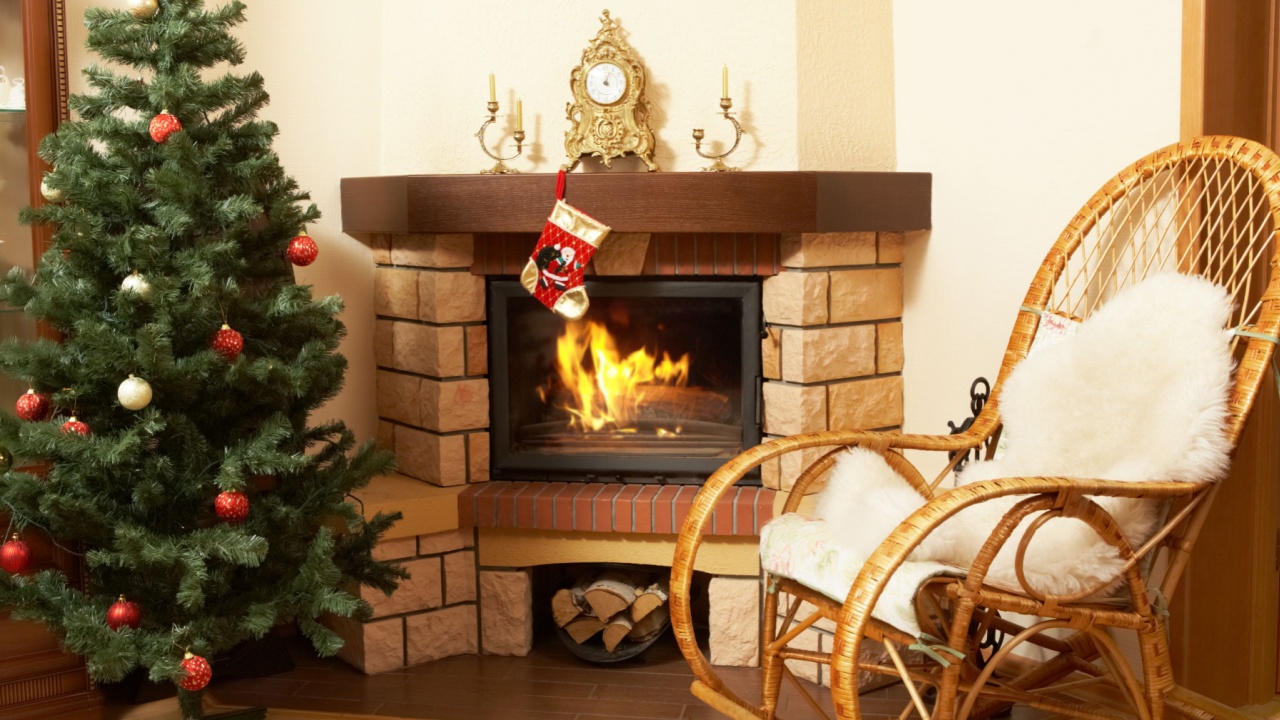
The damper is that little metal plate inside the chimney that opens and closes. It sounds simple, but so many people get this wrong. First, you have to open it when you light a fire (obviously). But the real efficiency trick is knowing when to close it. If you leave the damper open after the fire has died down, you are basically leaving a 12-inch hole in your ceiling. All the heat your furnace generates overnight will drift right up and out.
Closing the damper tightly when the fireplace is not in use stops the “chimney siphon.” It preserves the ambient temperature of your home. Also, check the seal on your damper. If it’s warped or rusted, it might not be closing all the way. A leaky damper is like trying to heat your house with a window cracked open. If yours is old and crusty, consider getting a top-sealing damper installed at the top of the chimney.
5. Seal the Drafts in the Room
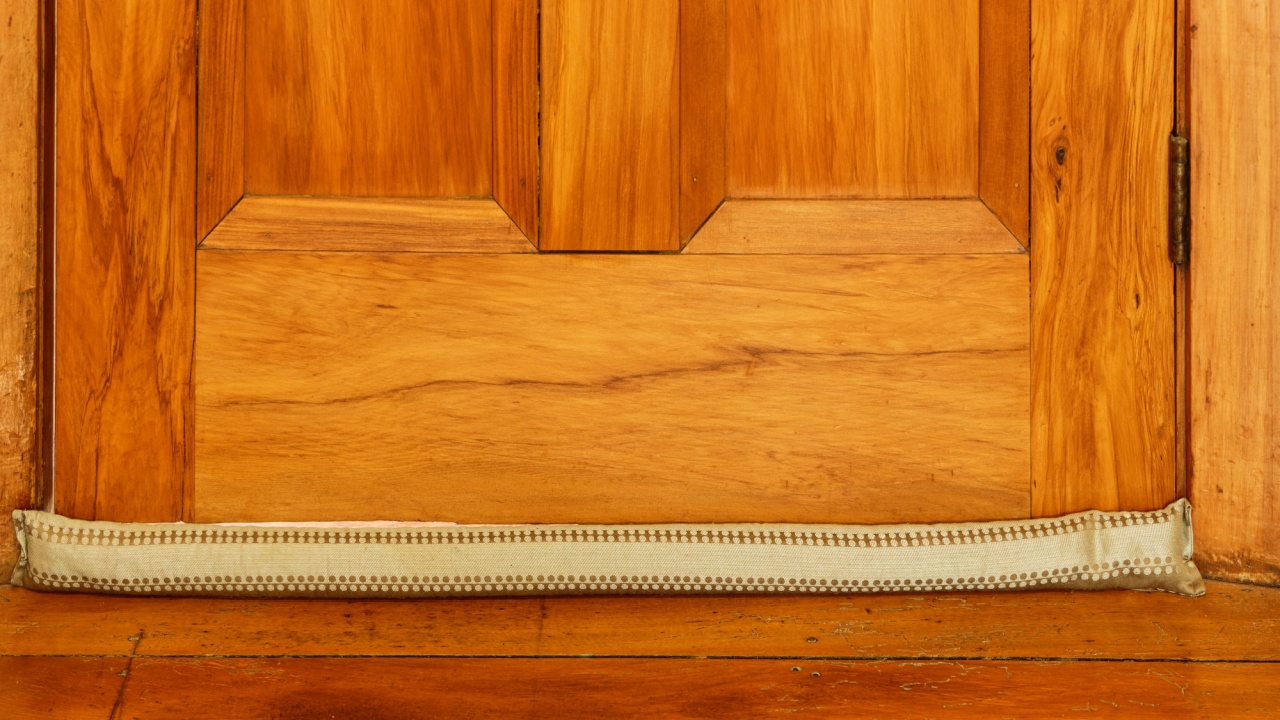
Sometimes the problem isn’t the fireplace itself; it’s the room the fireplace lives in. Fireplaces need air to burn. As they consume oxygen, they pull air from the rest of the house to replace it. This creates negative pressure.
If your windows and doors are drafty, the fireplace will pull freezing cold air in from the outside through those gaps to feed the flames. You end up with a hot face and a freezing cold back.
Your Fireplace, Your Rules
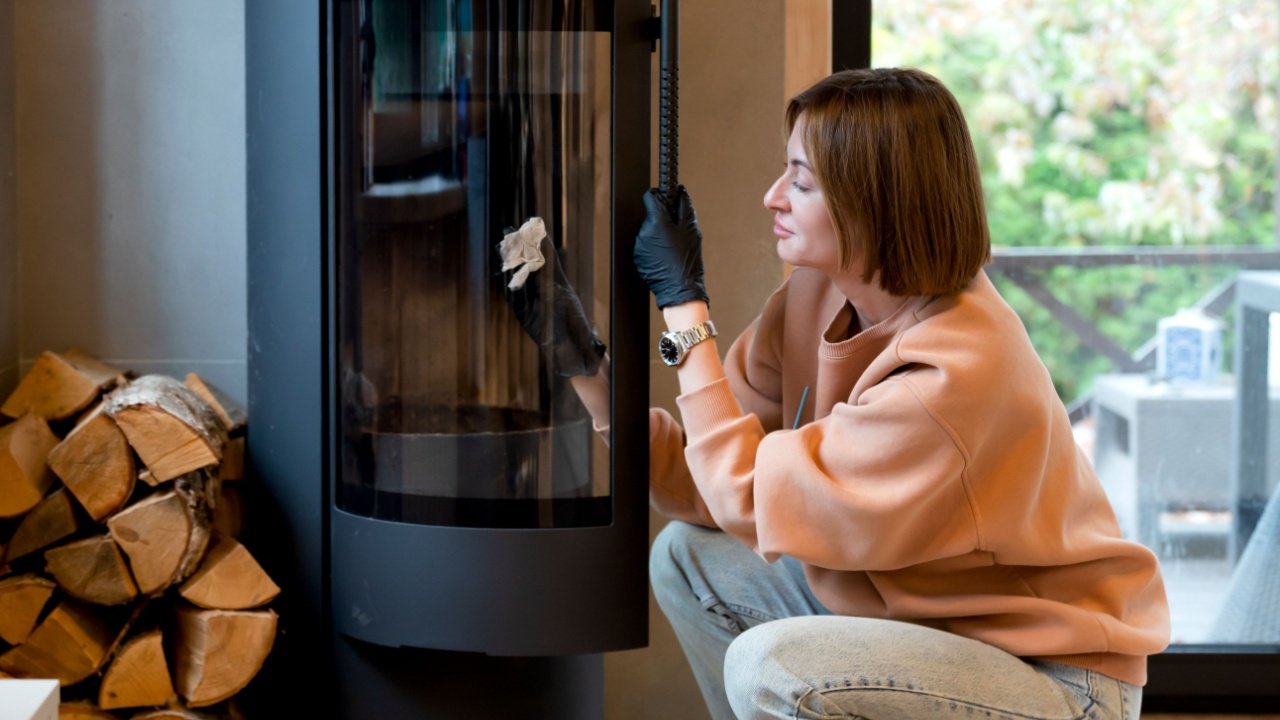
Don’t settle for a fireplace that works harder for your neighborhood than for your own family. Pull out your phone, snap a few photos of your setup, and jot down the tweaks you want to tackle this weekend, big or small. If you’re handy, add insulation to your chimney or weatherstrip those sneaky window gaps. If you’re more “supervise and sip coffee,” call in a local pro for a damper tune-up or insert installation. Every adjustment means more comfort and less wasted wood—or guilt when the heating bill arrives.