Lightning Is Believed To Have Sparked Two St. Johns County House Fires During Afternoon Storms
Afternoon storms kept St. Johns County firefighters busy after two homes caught fire and crews handled other weather-related calls, including downed power lines.
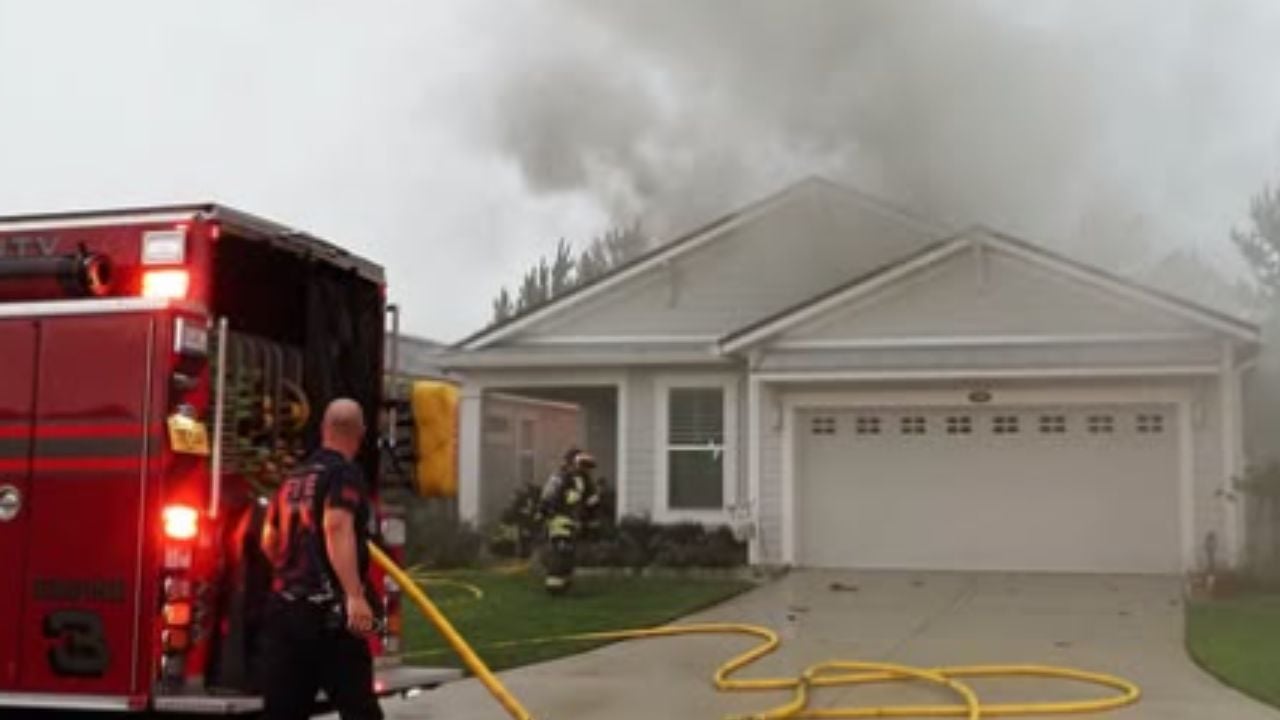
St. Johns County Fire Rescue responded to house fires on Kellet Way in the Rivertown community and on Silver Pine Drive in the SilverLeaf community, according to News4JAX.
Both fires were extinguished, and no injuries were reported. Officials said they believe lightning caused both fires.
For homeowners in summer storm areas, the St. Johns County response is a sharp reminder to treat thunder as a house risk, not just an outdoor warning. A strike can affect wiring, plumbing, electronics, attic spaces, roofs, porches, garages, and power lines before the damage is obvious.
Crews Responded to Fires in Two Communities
The Rivertown fire happened on Kellet Way. The SilverLeaf fire happened on Silver Pine Drive. News4JAX reported that Jacksonville Fire and Rescue Department assisted at the SilverLeaf fire through mutual aid.
The house fires were part of a wider storm response across the county as firefighters also handled service calls tied to the weather.
Lightning Can Reach Home Systems
The National Weather Service says lightning can enter a structure through a direct strike, wires or pipes that extend outside, or through the ground.
Once inside, lightning can travel through electrical, phone, plumbing, and radio or television reception systems. NWS advises people indoors during lightning to avoid corded phones, electrical equipment, plumbing, exterior windows, exterior doors, balconies, porches, open garages, carports, and concrete floors or walls with metal components.
NWS also says lightning can generate electrical surges that damage electronics some distance from the actual strike.
Downed Lines and Burning Smells Need Fast Attention
The CDC says homes are safer than open outdoor areas during a lightning storm, but indoor injuries can happen when lightning travels through plumbing, electrical systems, or wired devices.
The agency advises people to avoid water, electronics connected to outlets, windows, doors, porches, and corded phones during thunderstorms. It also recommends whole-house surge protectors to help protect appliances.
After a suspected lightning strike, homeowners should stay away from downed lines, avoid touching damaged electrical equipment, and call emergency services if they notice smoke, a burning smell, sparks, or fire damage.