
A lush, green lawn is the pride of any homeowner, but achieving and maintaining it can often feel like walking through a maze of conflicting advice. Over the years, countless lawn care tips have taken root—some helpful and others flat-out misleading. These myths, if followed blindly, can harm your lawn, drain your wallet, or waste your time. It’s time to set the record straight.
Here are 15 common lawn care myths debunked, with expert-backed truths to help you cultivate a healthier lawn without unnecessary effort or expense.
1. Mowing Wet Grass is Fine

Image Credit: Depositphotos.com.
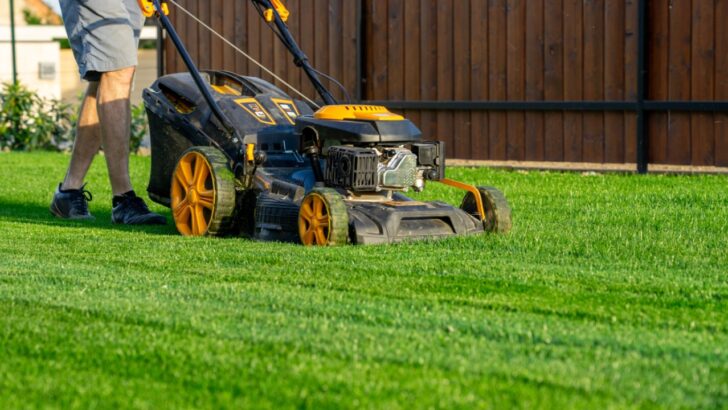
Mowing wet grass may seem harmless, but it compacts the soil and increases the likelihood of uneven cuts. Worse, wet clippings clump together, which can suffocate healthy turf.
Best Practice: Wait until the grass is dry to mow for cleaner results and better lawn health.
2. More Fertilizer Means a Greener Lawn
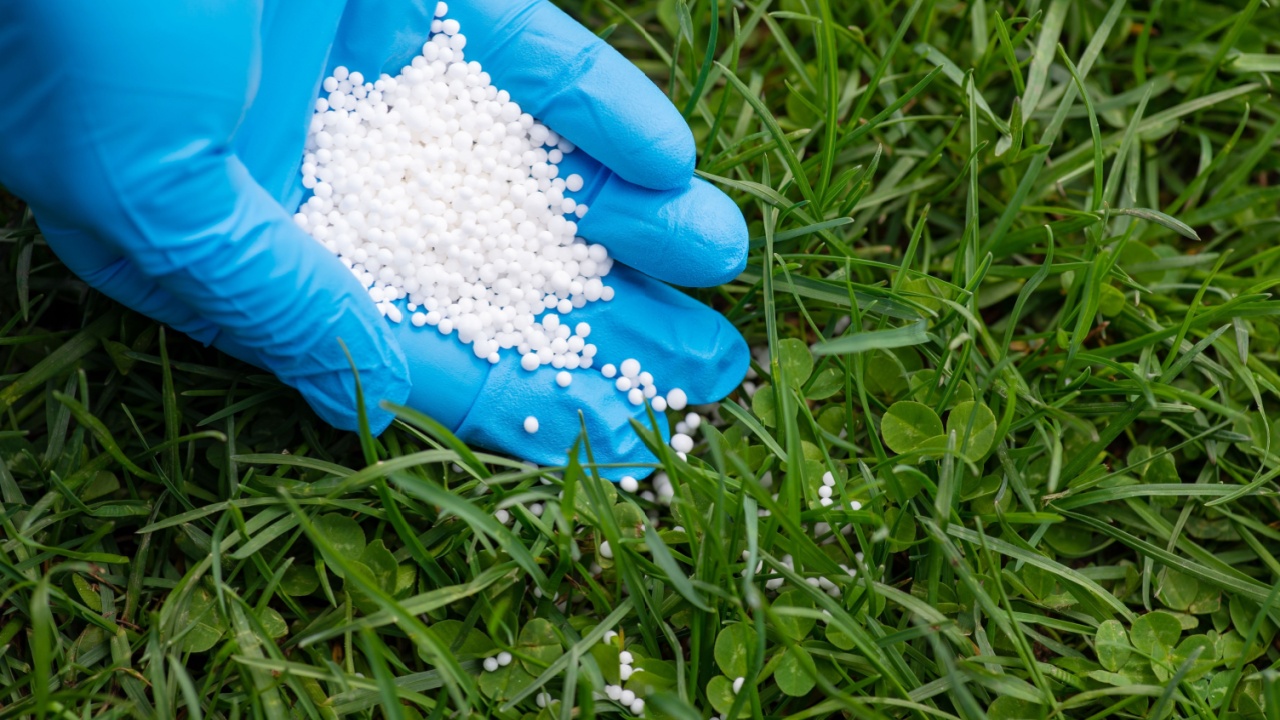
Image Credit: Shutterstock.
Over-fertilization not only burns your grass but also pollutes nearby waterways. It’s better to fertilize sparingly and according to your lawn’s actual nutrient needs.
Actionable Advice: Follow the recommended application rates on the fertilizer packaging and avoid doubling up.
3. You Need to Water Every Day
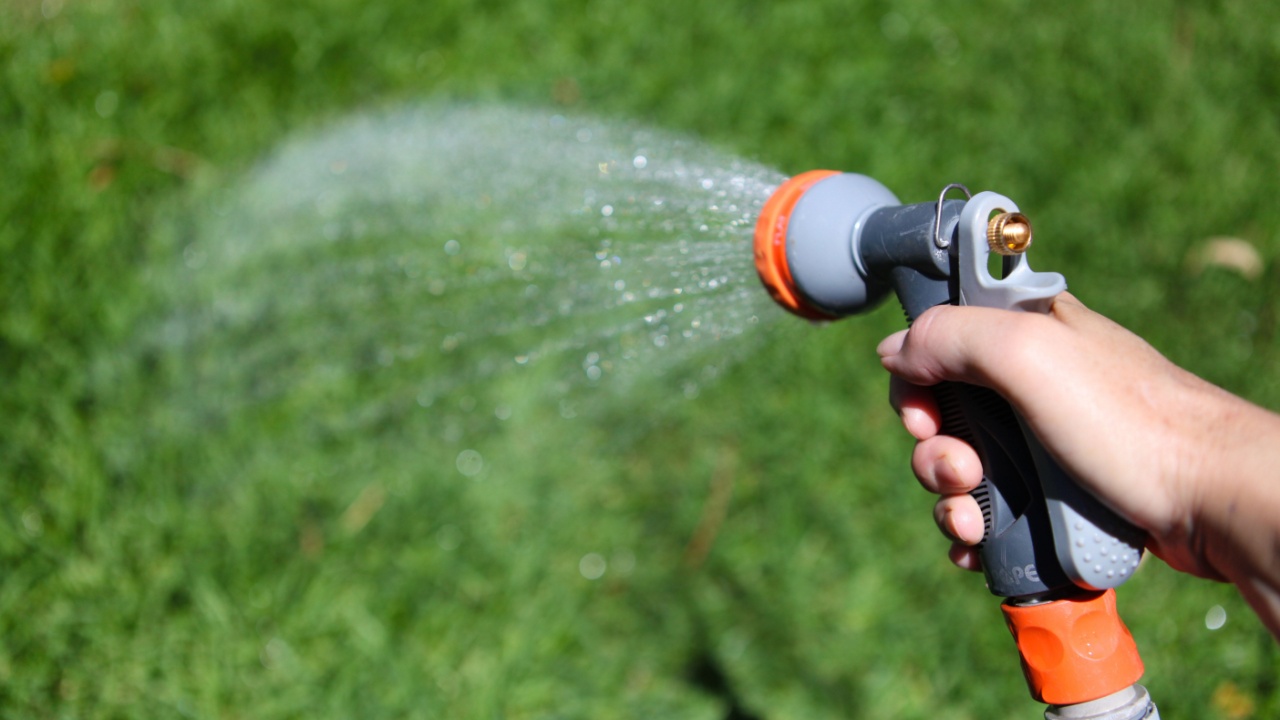
Image Credit: Shutterstock.
Daily watering might sound like a surefire way to keep your lawn healthy, but it does more harm than good if you’re overwatering. Frequent, shallow watering causes grass roots to stay close to the surface, making your lawn susceptible to drought and disease. Instead, water deeply once or twice a week for an hour. This promotes deeper, more resilient root systems.
Tip: Water your lawn early in the morning for the best results!
4. You Should Fertilize in the Spring
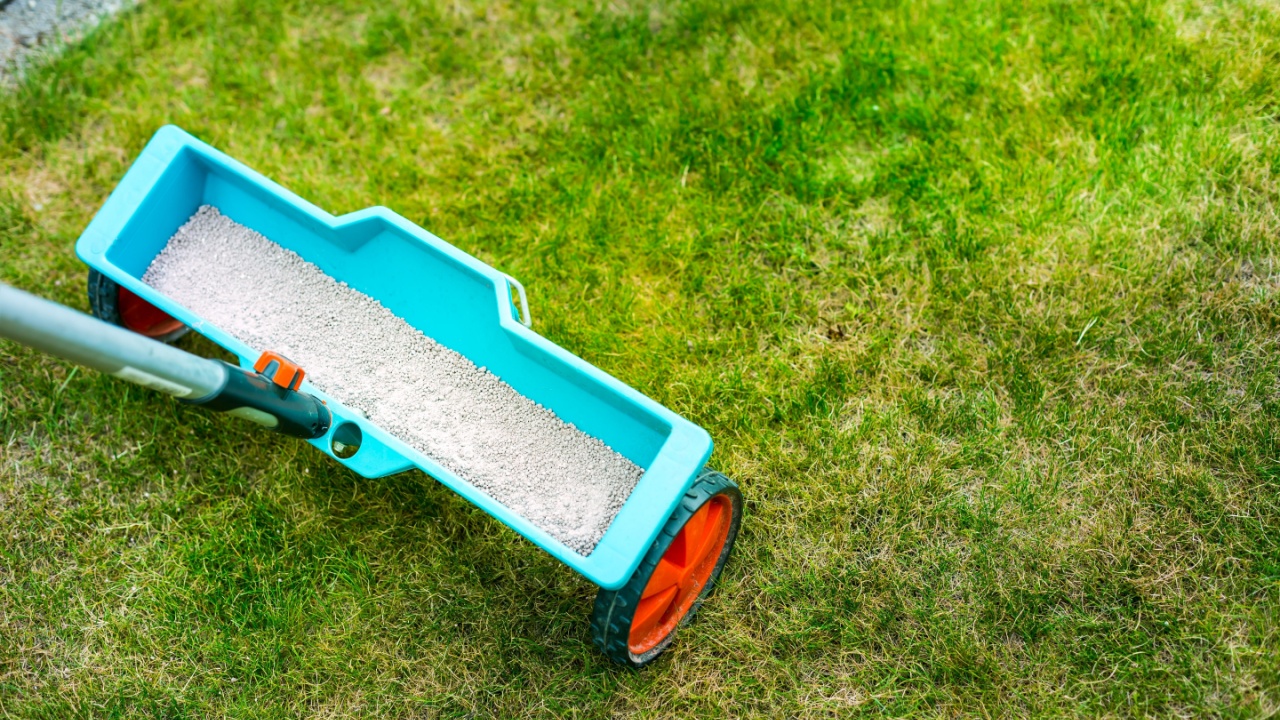
Image Credit: Shutterstock.
Spring might seem like fertilizer season, but this can lead to rapid top growth at the expense of root development. For warm-season grasses, fertilize in late spring or summer, while cool-season grasses benefit from fall fertilization.
Pro Tip: Look at fertilizer labels for a formula suited to your grass type and climate.
5. Watering in the Evening is Best
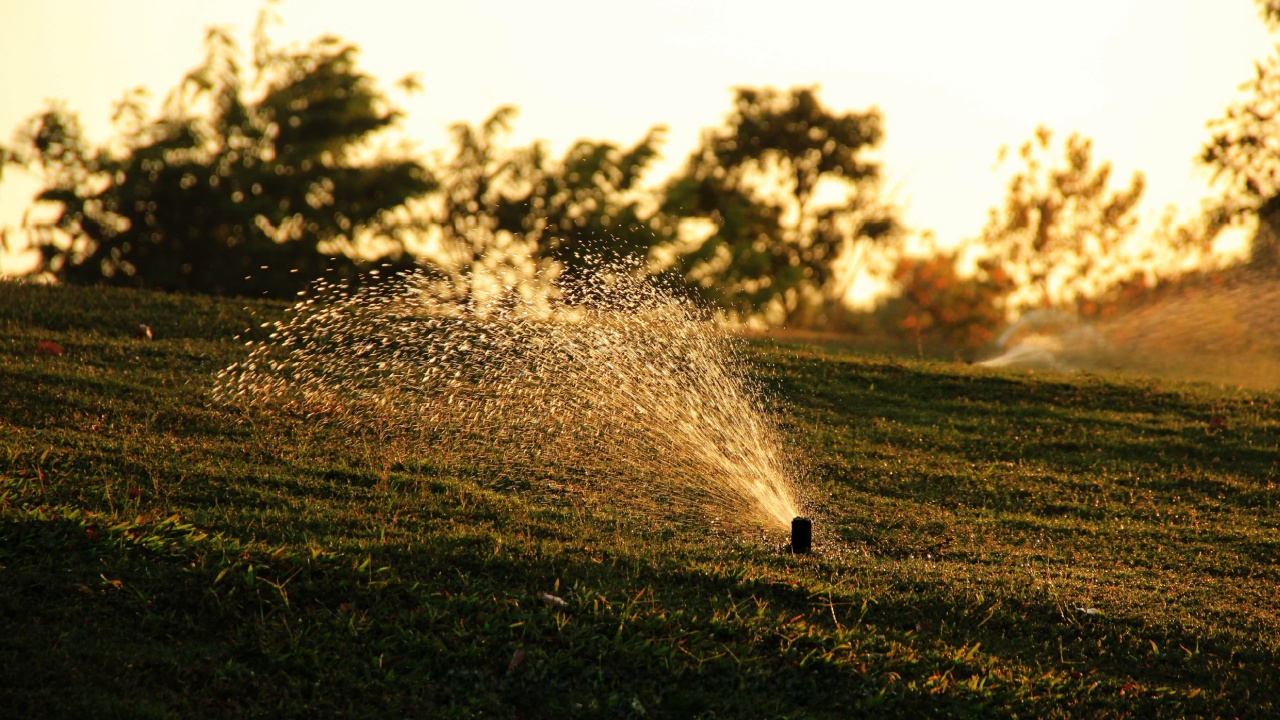
Image Credit: Shutterstock.
Evening watering seems practical, but it traps moisture on grass blades overnight, encouraging fungus and disease. Morning watering, between 4 a.m. and 10 a.m., is optimal, as the cooler air allows water to seep into the soil without excessive evaporation.
Remember: Never water during the heat of the day—it evaporates too quickly!
6. Leaves Smother Lawns
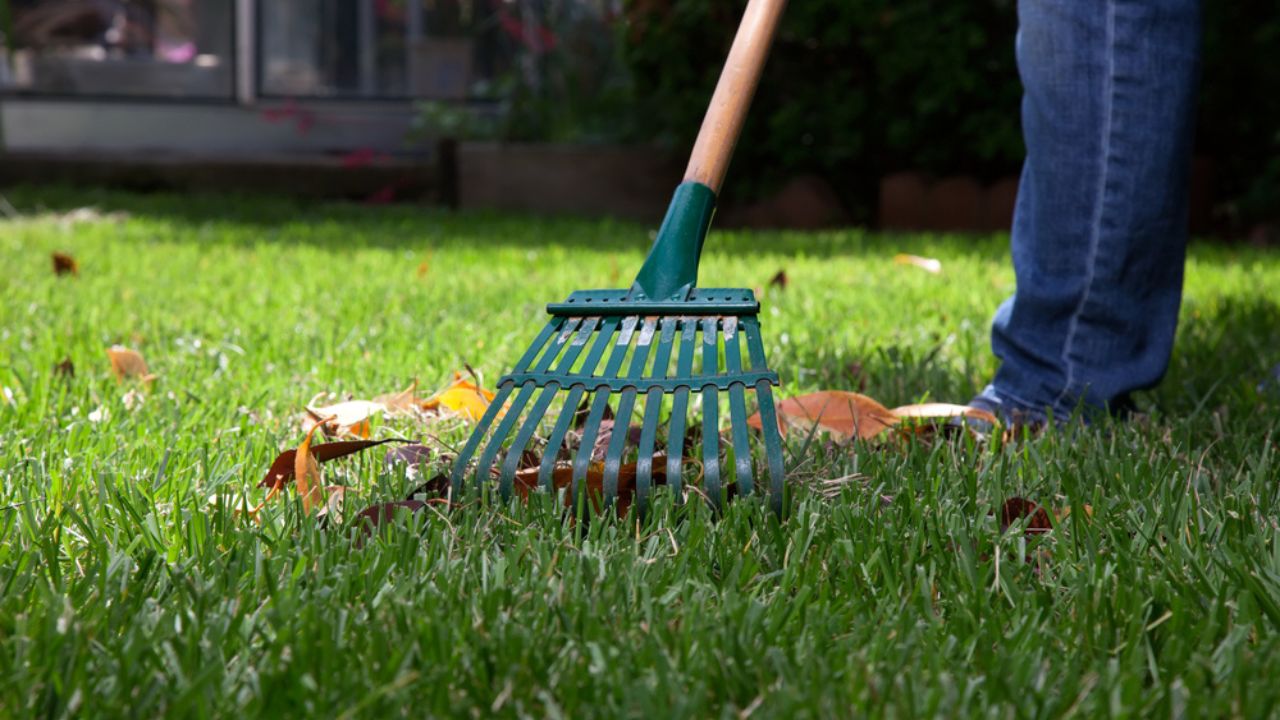
Image Credit: Shutterstock.
While large piles of leaves can harm grass if left unattended, mulched leaves are a different story. Shredded leaves are an excellent source of organic matter, doubling as natural fertilizer and weed control.
Easy Fix: Use a mulching mower to break leaves into fine bits and spread them evenly over the lawn.
7. Lawn Tonics Like Beer or Dish Soap Work Wonders

Image Credit: Depositphotos.com.
DIY lawn tonics, often containing beer, dish soap, or similar household products, get plenty of hype online. While they might boost microbial activity temporarily, these concoctions won’t magically solve lawn problems. Stick to proper fertilization and soil care instead.
What Works: Conduct a soil test and apply amendments based on actual deficiencies.
8. Aerator Shoes Do the Job
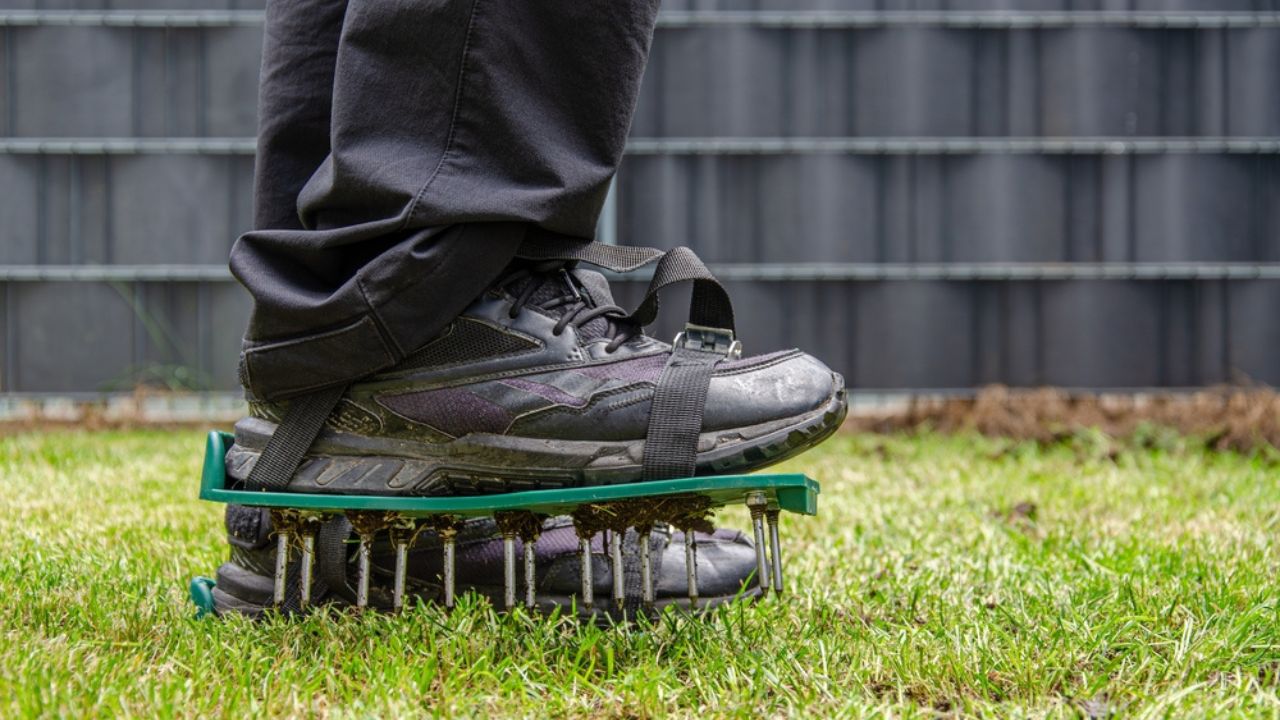
Image Credit: Shutterstock.
Aerator shoes promise a convenient shortcut, but the truth is they don’t provide enough soil penetration. Proper aeration requires removing plugs of soil, not just puncturing the surface. Rent or hire a core aerator to ensure adequate coverage.
Tip: Aerate in spring or fall to reduce soil compaction and improve nutrient absorption.
9. Using a Hose is Cheaper than a Sprinkler System
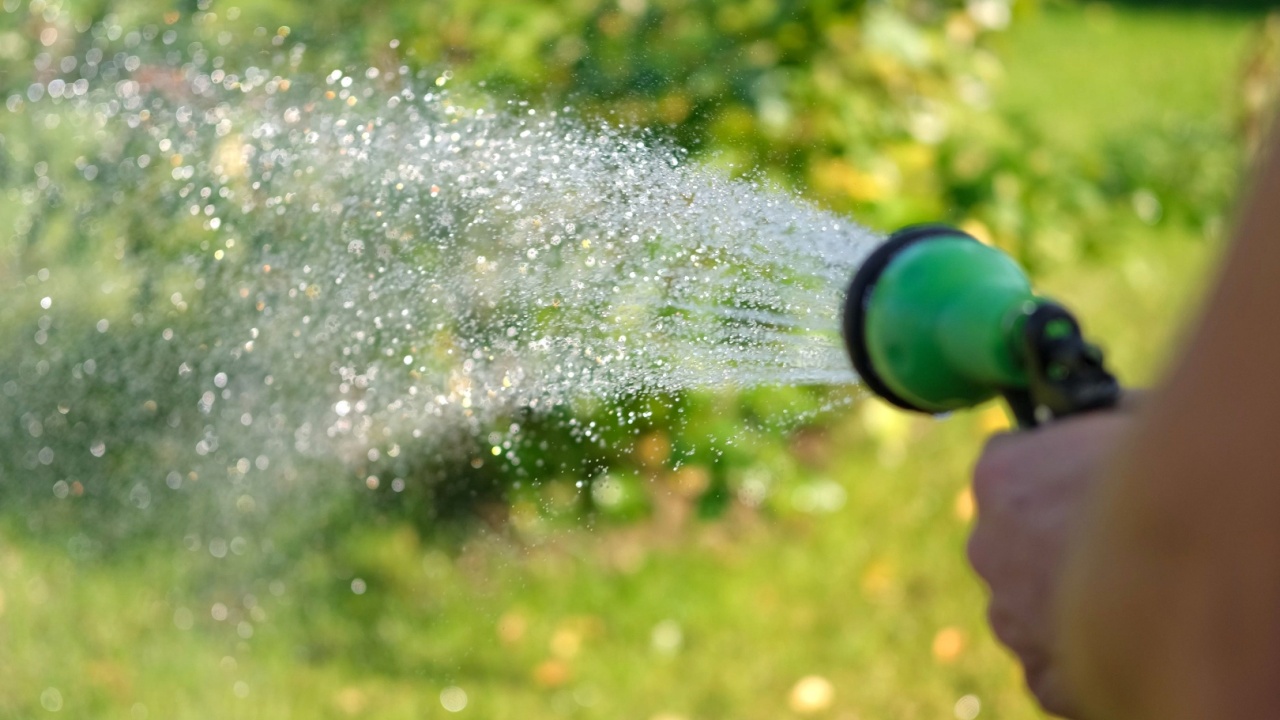
Image Credit: Shutterstock.
Sure, a garden hose might save on upfront costs, but it often results in uneven watering and overuse. Today’s sprinkler systems with timers and sensors are far more water-efficient in the long run.
Solution: Invest in a smart sprinkler system to ensure proper coverage while conserving water.
10. Chewing Gum Gets Rid of Moles
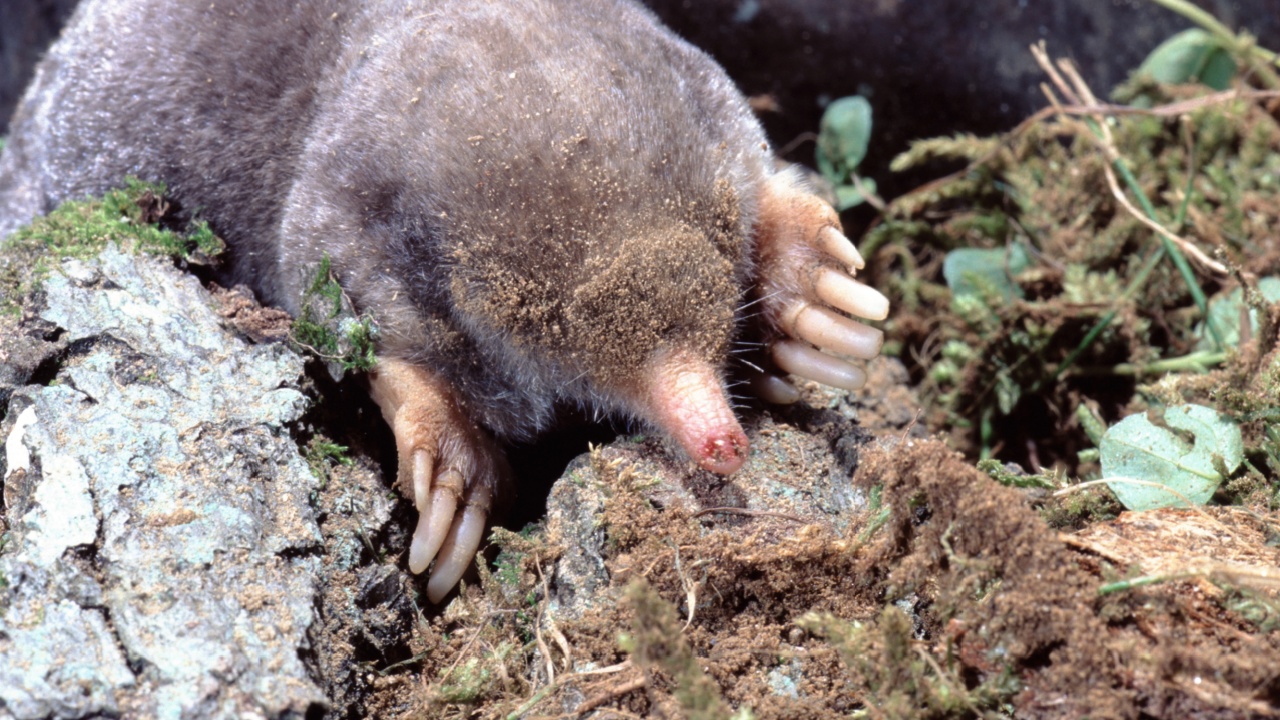
Image Credit: Shutterstock.
The idea that moles eat gum and choke is an urban myth. Instead, focus on their food source—grubs and insects. Organic grub control or traps are far more effective.
Pro Tip: Regular aeration and lawn maintenance can make your yard less inviting to moles.
11. Cutting Grass Shorter Means Less Mowing
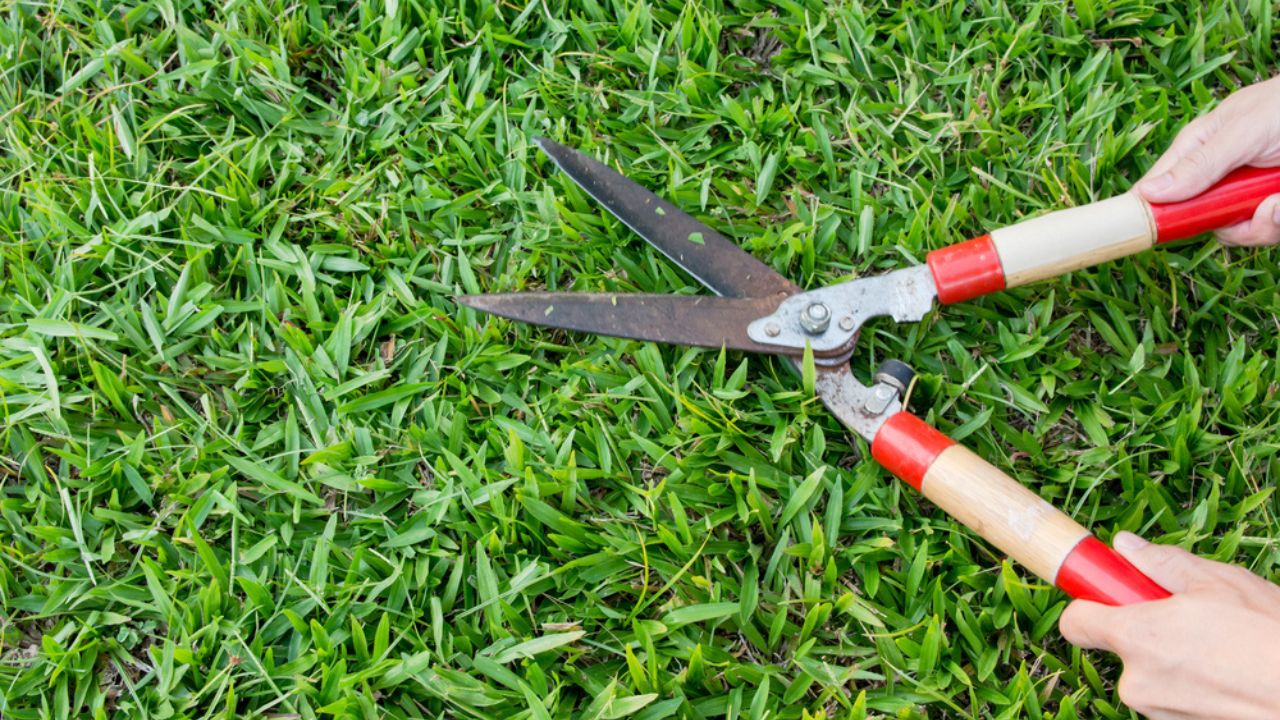
Image Credit: Shutterstock.
It’s tempting to give your lawn a super-short trim to reduce mowing frequency. However, scalping your grass exposes the soil to more sunlight, increasing the chances of weed growth, disease, and browning. Aim to trim only one-third of the height of your grass at a time to keep it healthy and strong.
Takeaway: Taller grass shades the soil, helping it retain moisture and suppress weeds.
12. Grass Clippings Cause Thatch Buildup

Image Credit: Shutterstock.
Thatch develops from an overabundance of roots and stems, not from leaving clippings on the lawn. Grass clippings decompose and return nutrients like nitrogen back to the soil, acting as a natural fertilizer.
Actionable Advice: Skip the bagging attachment on your mower and leave clippings on the lawn for a nutrient boost.
13. All Brown Grass is Dead
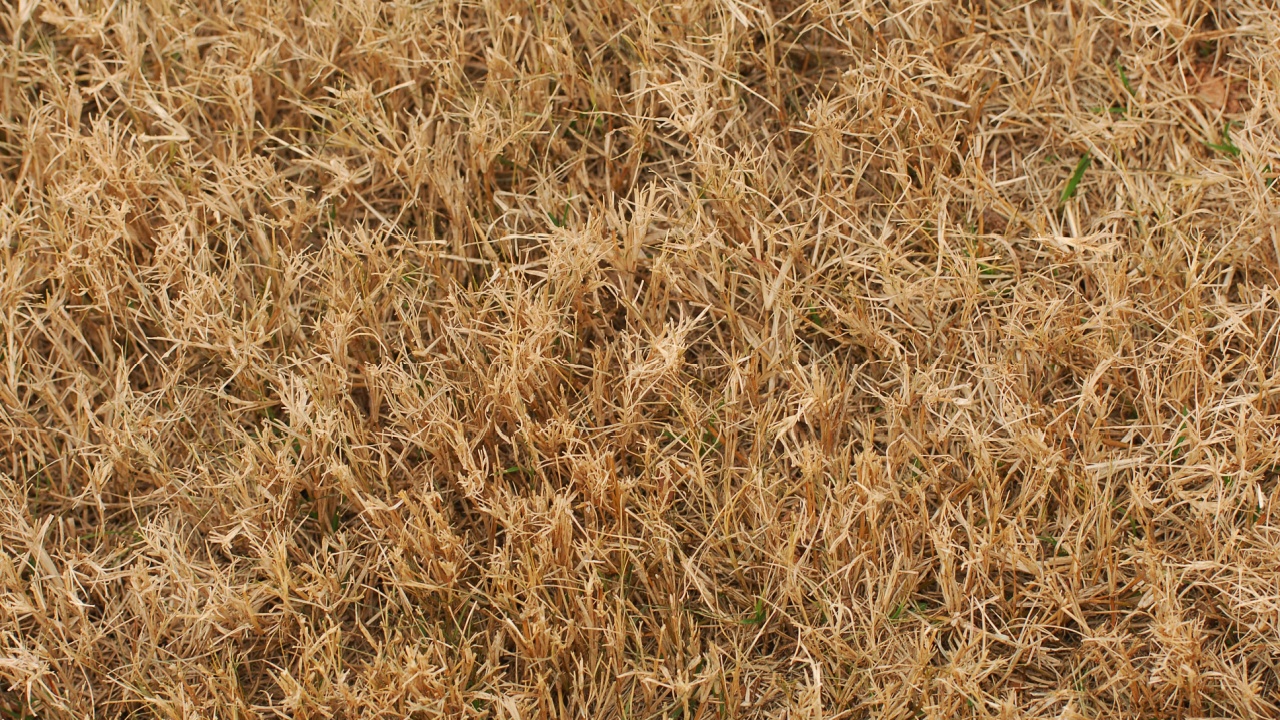
Image Credit: Shutterstock.
Don’t assume a brown lawn is doomed. Grass naturally goes dormant during stressful periods like extreme heat or cold. If the crown of the grass (at soil level) is still alive, it will bounce back once conditions improve.
What to Do: Water dormant grass during prolonged dry spells to prevent permanent damage.
14. Spring is the Only Time to Seed Your Lawn
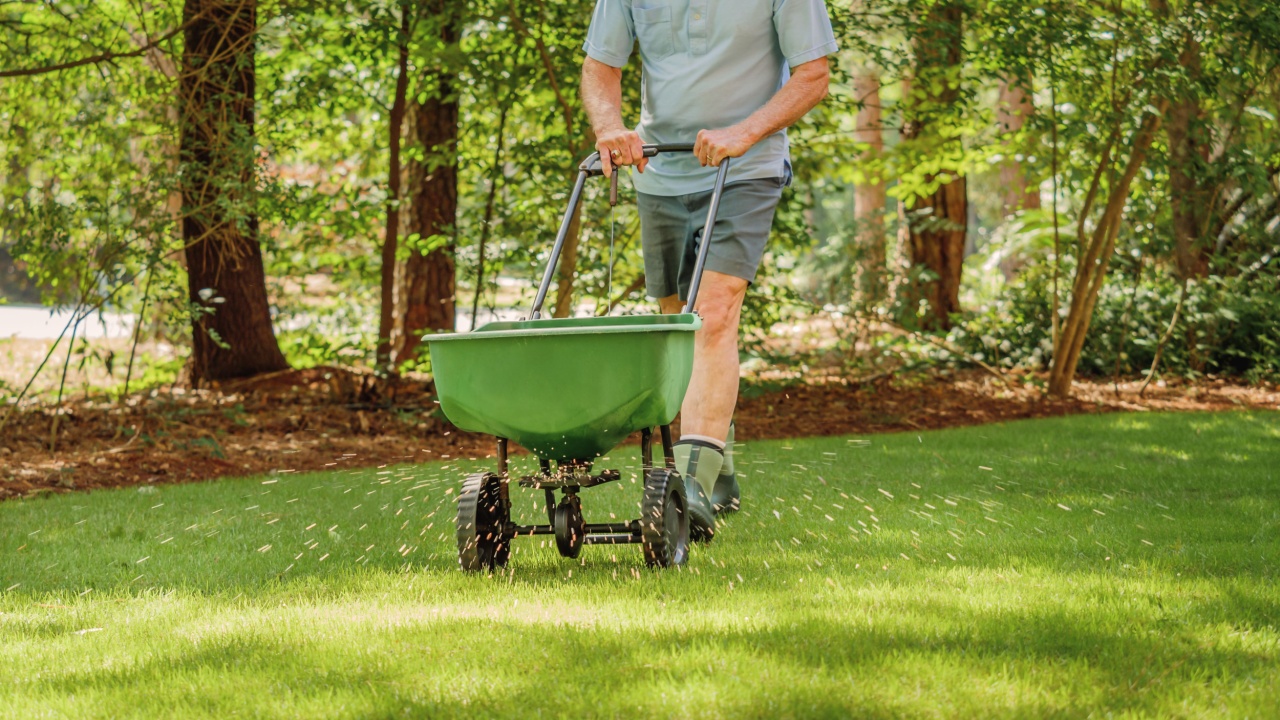
Image Credit: Shutterstock.
While spring seeding works for warm-season grasses, cool-season grasses thrive when seeded in the fall. Cooler air but warm soil conditions during autumn are perfect for establishing a strong root system with minimal weeds.
Tip: Choose a seed mix that matches your climate for optimal germination.
15. Chemical Fertilizers are Always Necessary
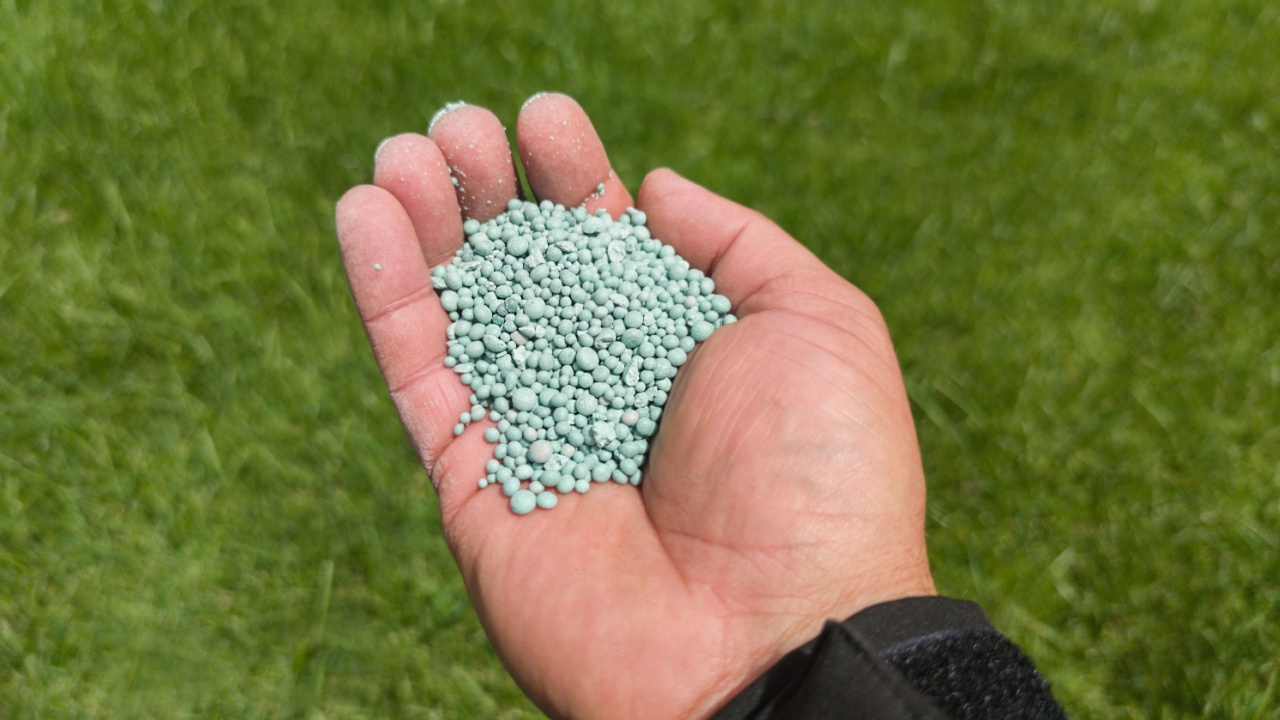
Image Credit: Shutterstock.
Many lawns grow perfectly fine without synthetic fertilizers. Compost, grass clippings, and other organic materials can supply nutrients while promoting healthy soil biology.
Sustainability Hack: Compost your kitchen scraps and yard waste to create free, eco-friendly fertilizer.
Work Smarter, Not Harder

Image Credit: Shutterstock.
Armed with these myth-busting insights, you can manage your lawn more effectively—and with less frustration. Focus on sustainable practices, such as watering deeply, using organic matter, and aerating regularly, to cultivate a lawn that’s as healthy as it is beautiful.
Your lawn doesn’t need miracle cures or outdated tips to thrive. With the right knowledge and care, you’ll be the envy of your neighborhood!