12 Natural Remedies to Get Rid of Pesky Biting Bugs
Summer is the ideal time to enjoy the great outdoors, going for strolls or tinkering in the garden. But nothing can ruin a good time faster than a swarm of pesky bugs. Mosquitoes, flies, and other insects not only cause discomfort but can also create potential health risks. Instead of turning to chemical repellents, there are various natural methods you can try to keep these pesky intruders at bay.
Natural bug repellents are not only effective but also friendly to the environment. They help maintain the balance of your local ecosystem and reduce the risk of exposure to harmful chemicals, all while safeguarding you from buzzing bugs.
Whether you’re planning a backyard get-together or just a quiet evening on the front porch, these natural solutions can help ensure your summer remains bug-free. Here are ways you can get rid of the pesky bugs without harming the planet in the process.
1. Grow Plants That Repel Bugs

Many plants have natural bug-repelling properties. Basil, lavender, mint, and marigolds are just a few examples of plants that can deter mosquitoes, flies, and other insects. Plant them around your garden or in pots on your patio to create a natural barrier against bugs.
These plants not only keep bugs away but also add beauty and fragrance to your outdoor space. Plus, many of them, like basil and mint, can be used in your culinary endeavors, making them a double win.
2. Start a Smoky Fire

Bugs, especially mosquitoes, are not fond of smoke. Starting a smoky fire in a pit or a barbecue can help keep them at bay. Adding herbs like sage or rosemary to the fire can enhance its bug-repelling properties.
A smoky fire creates an atmosphere that is unpleasant for bugs but enjoyable for humans. It adds a rustic charm to your outdoor gatherings while ensuring that you remain bite-free.
3. Use Talcum Baby Powder

While baby powder may not be used for diaper rash anymore, it still has a valuable use—repelling bugs. Sprinkling talcum baby powder around your picnic area or on your skin can deter ants and other crawling insects. The powder’s fine particles disrupt their ability to move and deter them from the area.
Talcum powder is a simple and affordable solution that can be easily carried in your bag. It’s especially useful for keeping ants away from food during outdoor picnics.
4. Use LED Lights

Bugs love light, but did you know not all lights attract bugs? Traditional incandescent bulbs attract bugs, but LED lights do not. Replace your outdoor lighting with LED bulbs to reduce the number of insects attracted to your home.
LED lights are energy-efficient and provide bright, clear illumination without drawing bugs. They are a practical investment for anyone looking to reduce insect activity around their home.
5. Make Homemade Repellent

We’re living in an era where you can DIY almost anything—so why not make your own bug repellent? You can create effective homemade bug repellents using natural ingredients. To keep bugs away, spray a mixture of water, witch hazel, and essential oils like eucalyptus, citronella, and lavender on your skin and clothes.
Homemade repellents are customizable, allowing you to choose scents you prefer while avoiding harsh chemicals. They are easy to make and can be stored in spray bottles for convenient use.
6. Use Essential Oils

There’s an oil for everything, even for repelling bugs. Essential oils like tea tree, eucalyptus, and peppermint have strong bug-repelling properties. Dilute them with a carrier oil and apply to your skin or diffuse them in the air to keep bugs at bay.
Essential oils are versatile and can be used in various forms—diffusers, sprays, or even candles. They also offer additional benefits like relaxation and improved mood. It’s a fantastic way to keep your home free of bugs and smelling awesome!
7. Seal Off Entry Points

Ensure that your home is well-sealed to prevent bugs from entering. Check doors, windows, and any other potential entry points for gaps or cracks and seal them with caulk or weather stripping.
Sealing off entry points not only keeps bugs out but also improves your home’s energy efficiency. It’s a preventative measure that provides long-term benefits. You’ll definitely keep away more than just bugs.
8. Drain Stagnant Water
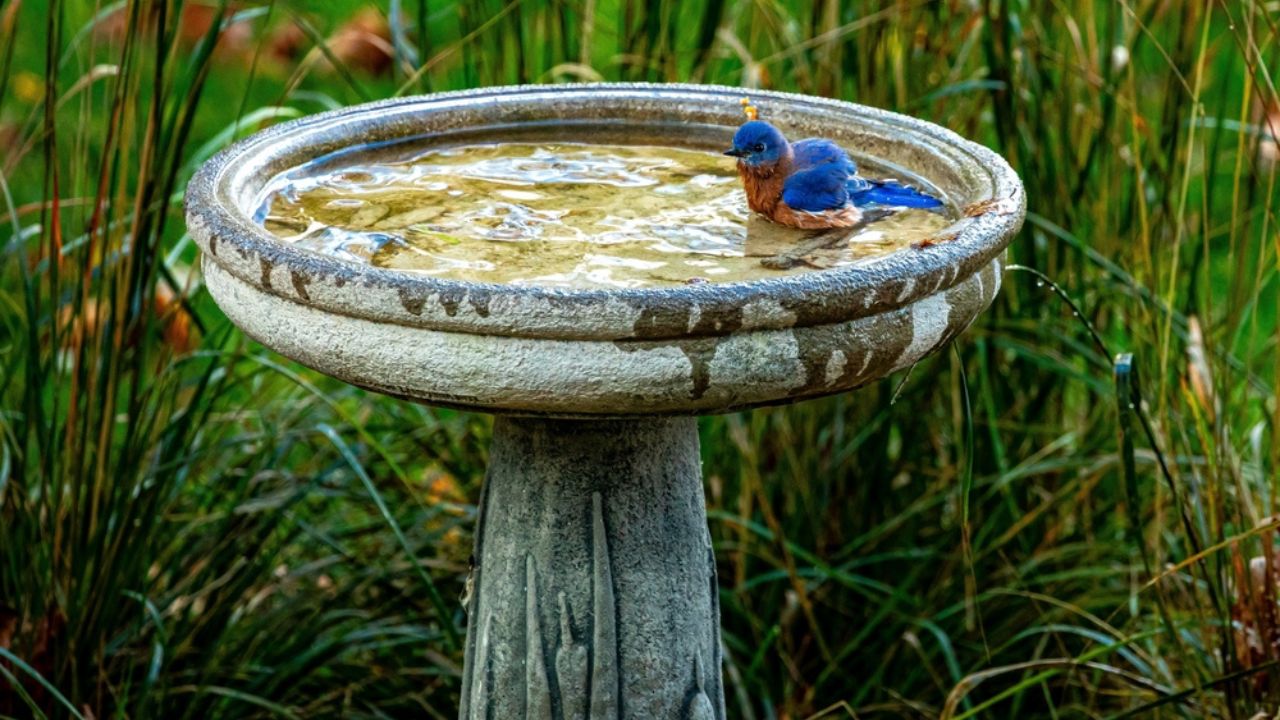
If the buzzing of mosquitoes in or around your home has increased, check for any nearby standing water. Mosquitoes breed in stagnant water, so it’s crucial to eliminate any standing water around your home. Regularly check and drain water from bird baths, flowerpots, and gutters.
By removing breeding grounds for mosquitoes, you can significantly reduce their population around your home. This proactive approach is essential for maintaining a bug-free environment. This may also be an opportune time to consider thorough decluttering and landscaping to eliminate unsightly areas and debris.
9. Proper Garbage Disposal

Food waste attracts flies and other insects, so proper disposal is key to keeping them at bay. Ensure that your garbage bins are tightly sealed and regularly emptied.
Maintaining clean and sealed garbage bins prevents bugs from being attracted to your home. It’s a simple yet effective way to reduce insect activity. It’s also a good way to ensure you don’t receive a visit from the neighborhood raccoons.
10. Have a Professional Pest Inspection
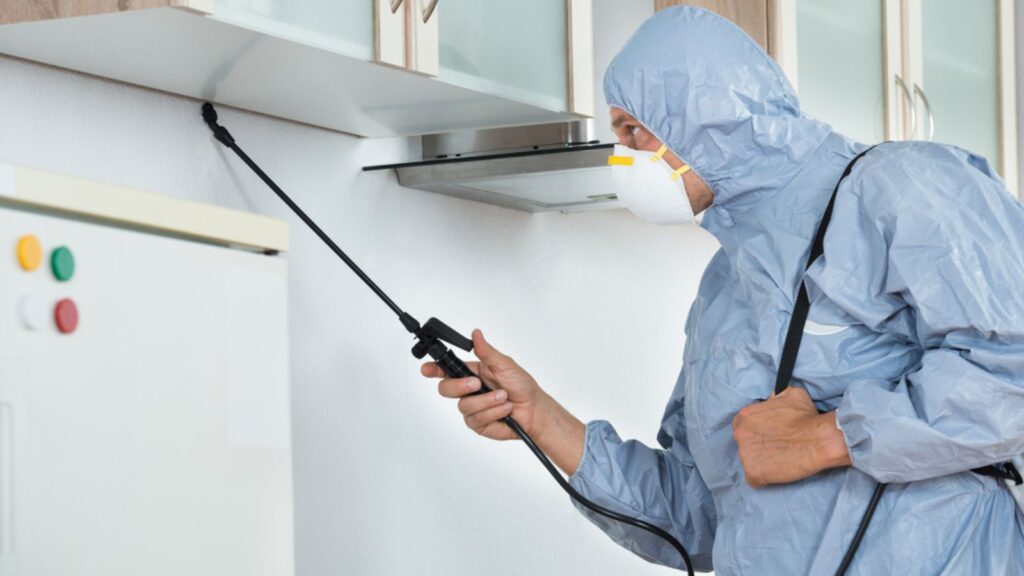
Schedule regular pest inspections to identify and address potential bug problems before they escalate. Professional pest control services can provide targeted solutions to keep your home bug-free. Search for professionals who utilize natural pest control methods, such as non-toxic ways to kill ants.
Professional inspections offer peace of mind and expert advice on maintaining a bug-free home. They can identify issues that may not be visible to the untrained eye. Prevention is always better than treatment, even for bugs.
11. Use Garlic Spray

Garlic spray is a natural repellent that can be used in your garden to keep pests away. Crush a few garlic cloves, mix with water, and spray the mixture on plants. The strong smell of garlic will deter many insects, including aphids and ants.
Garlic spray is non-toxic and does not harm beneficial insects. Even better, it’s an affordable solution for gardeners looking to keep their plants healthy without the use of toxic chemicals. It’s also probably lying in your pantry right now.
12. Incorporate Diatomaceous Earth

Have you heard of diatomaceous earth? This powder is derived from crushing a naturally occurring rock. Sprinkle food-grade diatomaceous earth around your home and garden. This natural powder dehydrates and kills insects without harming humans or pets.
Diatomaceous earth is a non-toxic alternative to conventional insecticides. It’s effective against a wide range of pests and can be safely used indoors and outdoors.