

Many of us spend a lot of effort cultivating healthy, organic food, carefully avoiding pesticides and chemicals (from the garden and/or store). But what happens once that food gets inside? Unseen culprits might be working against your best efforts. They could be adding tiny plastic particles, known as microplastics, into the very meals you’ve worked so hard to grow.
These particles come from everyday kitchen items we often use without a second thought. Well, what’s so bad about microplastics anyway? Health experts say microplastics can infiltrate your bloodstream, organs, and tissues, potentially increasing the risk of inflammation, hormonal disruption, and chronic disease. We may not rid the world of microplastics yet, but we can reduce our consumption of them in our homes.
Here are some of the most common sources of microplastics in your house.
1. Nonstick Cookware
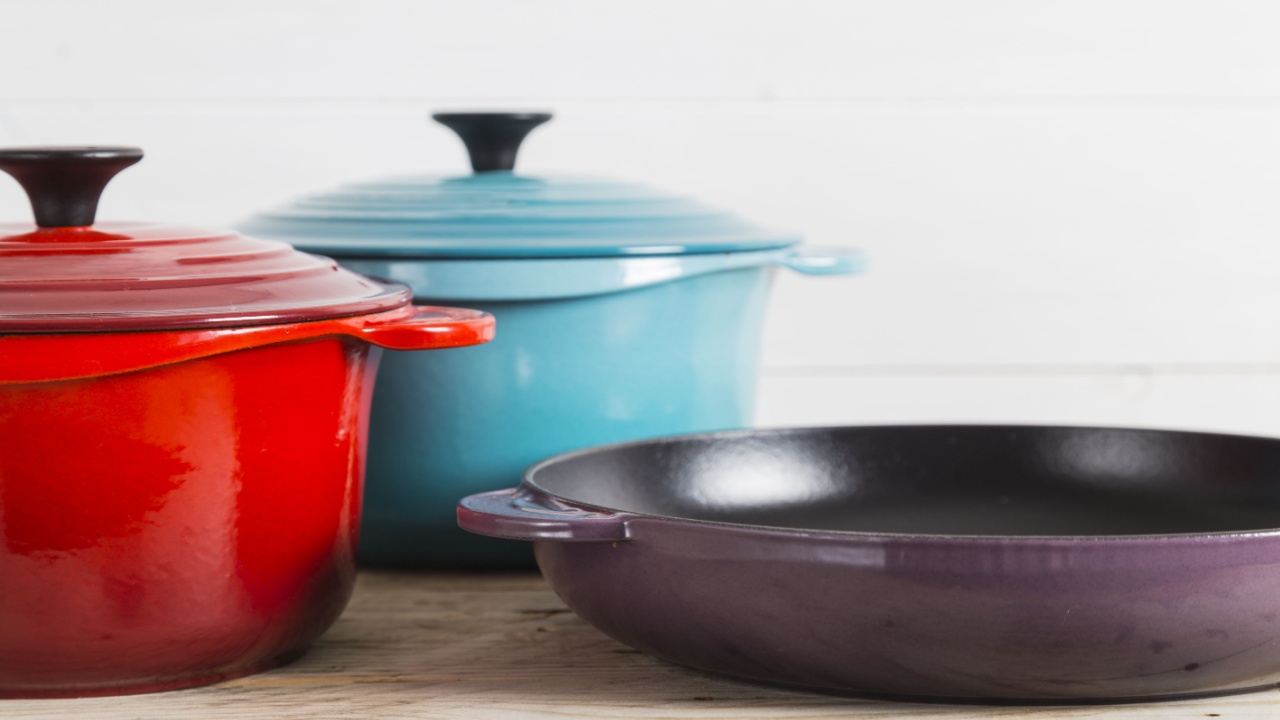
Image Credit: Shutterstock.
Your favorite nonstick pan makes flipping pancakes a breeze, but its coating could be shedding in your breakfast. Many nonstick surfaces are made with polytetrafluoroethylene (PTFE), a type of plastic. When these pans are overheated or scratched with metal utensils, the coating can degrade and release microplastics directly into your meal.
These tiny particles can flake off during cooking, especially as the pan ages and the surface becomes worn. The convenience of easy cleanup might come with an unintended side of plastic.
Quick Scan:
- The Issue: High heat and scratches can break down nonstick coatings, releasing microplastics.
- Simple Swaps: Cast iron, stainless steel, and ceramic cookware are durable alternatives.
- Care Tip: If you keep your nonstick pans, use only wood or silicone utensils and avoid cooking on high heat to preserve the surface.
2. Plastic Cutting Boards

Image credit: Depositphotos.
A well-used plastic cutting board often shows its history with countless knife marks and grooves. Each one of those cuts is a tiny piece of plastic that has been scraped away. Studies have shown that chopping vegetables on a plastic board can generate a significant amount of microplastics, which then mix with your food.
The very act of preparing your healthy ingredients can introduce these particles. The softer the plastic and the more worn the board, the more particles it’s likely to release.
Quick Scan:
- The Issue: Knife cuts on plastic boards create and release microplastic particles into your food.
- Simple Swaps: Wood, bamboo, or glass cutting boards are excellent alternatives that don’t shed plastic.
- Care Tip: Regularly oil wooden boards to keep them in top condition and prevent them from drying out or cracking.
3. Plastic Utensils and Spatulas
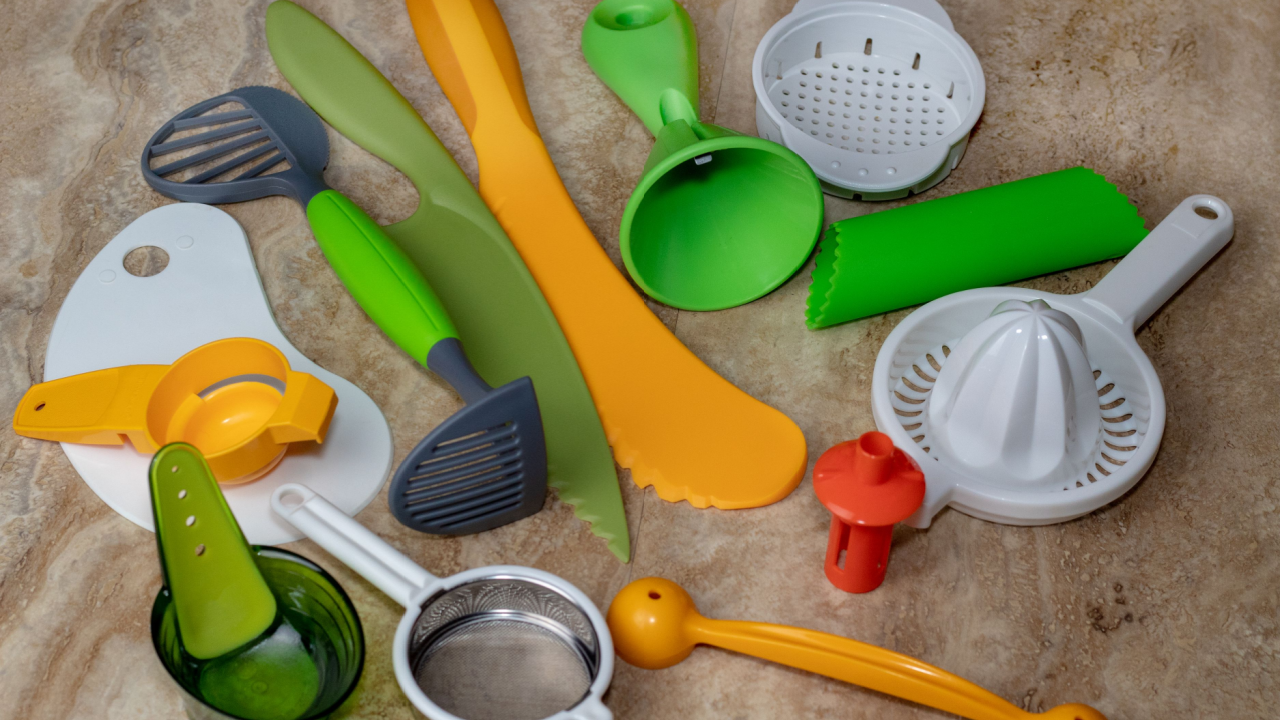
Image Credit: Shutterstock.
Those plastic spoons and spatulas you use to stir hot soups and sauces are constantly exposed to heat and abrasion. This combination can cause the plastic to break down and leach particles into your food. A spatula scraping against the bottom of a hot pan is a perfect scenario for creating microplastics.
Single-use plastic cutlery presents a similar problem, especially when used with hot or acidic foods. The material can degrade, leaving behind tiny fragments.
Quick Scan:
- The Issue: Heat and friction cause plastic utensils to degrade and shed particles into food.
- Simple Swaps: Opt for utensils made from stainless steel, wood, or bamboo for cooking and serving.
- Care Tip: If you use plastic utensils, avoid using them in very hot pans or for scraping.
4. Plastic Food Containers
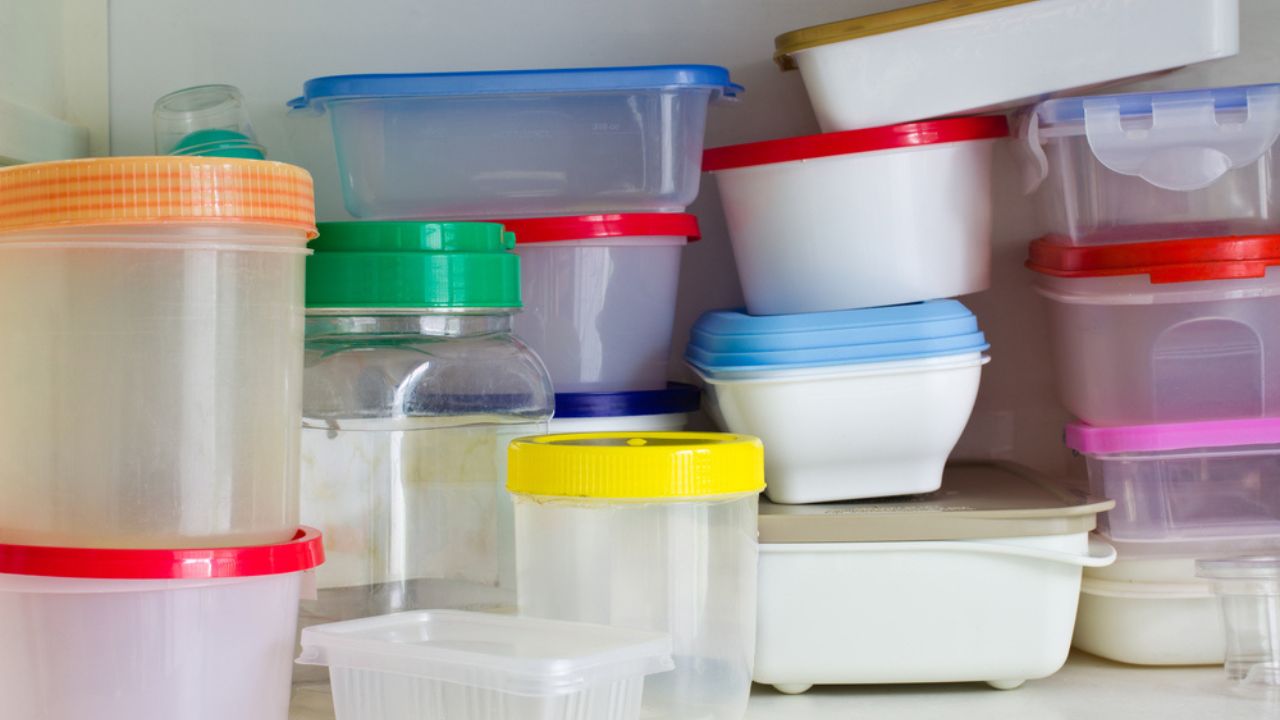
Image Credit: Shutterstock.
Storing leftovers in plastic containers is common, but it’s another potential source of microplastics. This is particularly true when you microwave food in them. The heat from the microwave can cause chemicals and microplastics to leach from the container into your food.
Even without heat, storing oily or acidic foods in plastic can accelerate the breakdown of the material over time. Scratches and wear from repeated use also increase the likelihood of particle release. Plastic tools are some of the kitchen items that you should consider getting rid of.
Quick Scan:
- The Issue: Microwaving and general wear-and-tear can cause plastic containers to release microplastics into stored food.
- Simple Swaps: Glass or stainless steel containers are ideal for food storage, especially for reheating.
- Care Tip: If using plastic, avoid the microwave. Hand-wash them to prevent the high heat of a dishwasher from degrading the material.
5. Plastic-Based Water Filters
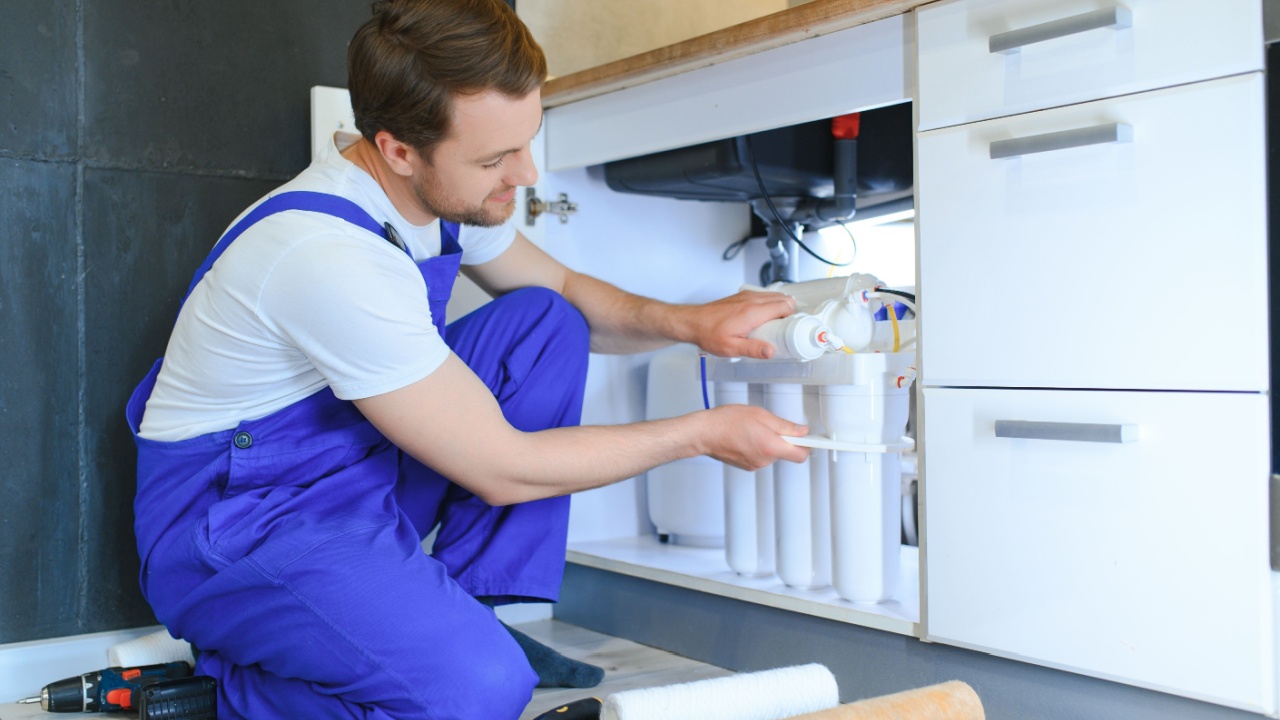
Image Credit: Shutterstock.
Water filters are designed to make your water cleaner, but many popular pitcher and faucet-mounted filters are housed in plastic and use plastic components. While they effectively remove some contaminants, there is a concern that the filter cartridges themselves, often containing plastic resins and activated carbon, can shed microplastics into the very water they are supposed to be purifying.
The constant flow of water through these plastic systems can contribute to gradual erosion, releasing tiny particles along with your filtered water.
Quick Scan:
- The Issue: The plastic housing and filter media in many water filters can shed microplastics into drinking water.
- Simple Swaps: Look for water filters made with glass and stainless steel components, or consider an under-sink reverse osmosis system.
- Care Tip: Always follow the manufacturer’s instructions for replacing filter cartridges to minimize potential breakdown.
6. Plastic Blenders and Food Processors

Image Credit: Shutterstock.
High-speed blending and processing create a powerful, abrasive environment inside your appliance. If your blender pitcher or food processor bowl is made of plastic, the friction from spinning blades and hard ingredients like ice or nuts can scrape microplastics from the container’s inner walls.
These particles then get blended directly into your smoothies, sauces, and dips. The convenience of these powerful tools might come with an unseen addition to your recipes.
Quick Scan:
- The Issue: The high-speed, abrasive action inside plastic blenders and food processors can generate microplastics.
- Simple Swaps: Choose models with glass pitchers or stainless steel bowls.
- Care Tip: For plastic models, avoid blending very hard or frozen ingredients for extended periods to reduce wear.
7. Plastic Tea Bags
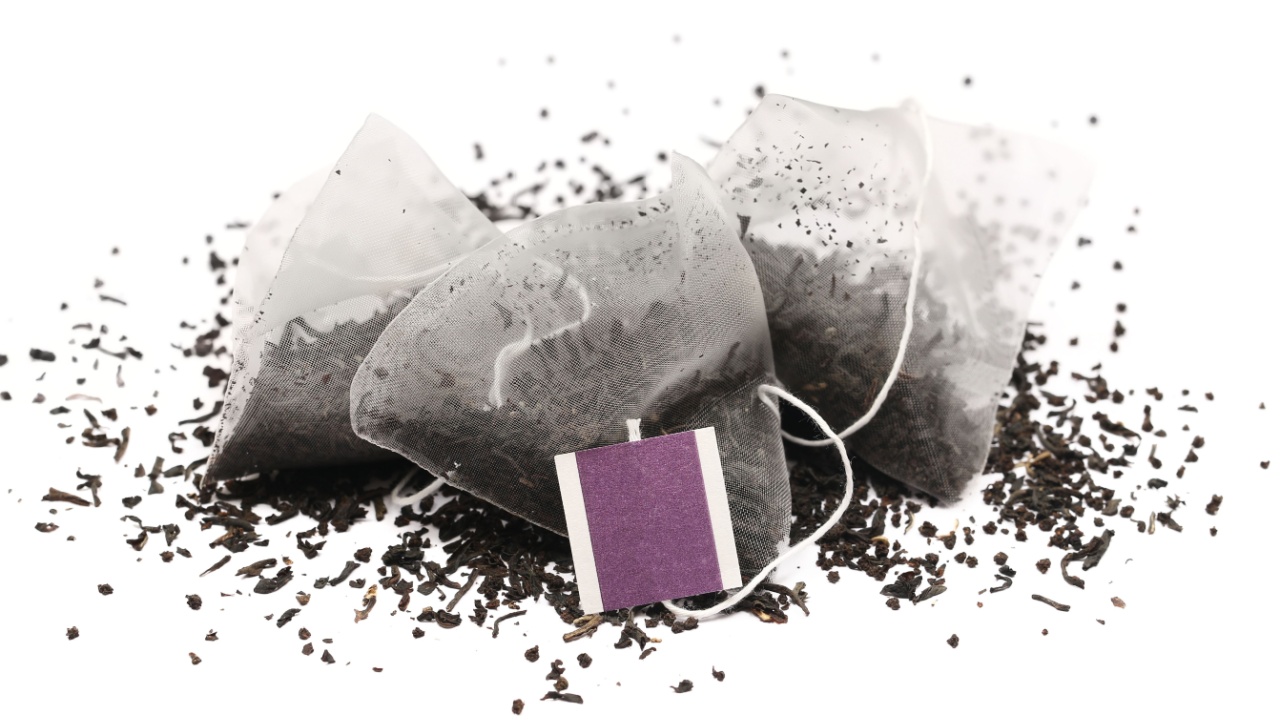
Image Credit: Shutterstock.
A relaxing cup of tea might be delivering more than just herbal comfort. Many tea bags, especially the “silky” pyramid-shaped ones, are made from plastics like polyethylene terephthalate (PET) or nylon. When steeped in hot water, a single bag can release billions of microplastic and nanoplastic particles into your cup.
Paper tea bags are a better option, but even some of those are sealed with a small amount of polypropylene to keep them from falling apart in hot water.
Quick Scan:
- The Issue: Plastic tea bags release a huge number of microplastics when steeped in hot water.
- Simple Swaps: Use loose-leaf tea with a metal or silicone infuser. Alternatively, look for brands that specify their bags are 100% plastic-free.
- Care Tip: When buying tea bags, check the packaging for information about the bag’s material.
8. Pre-Packaged Spices in Plastic Jars
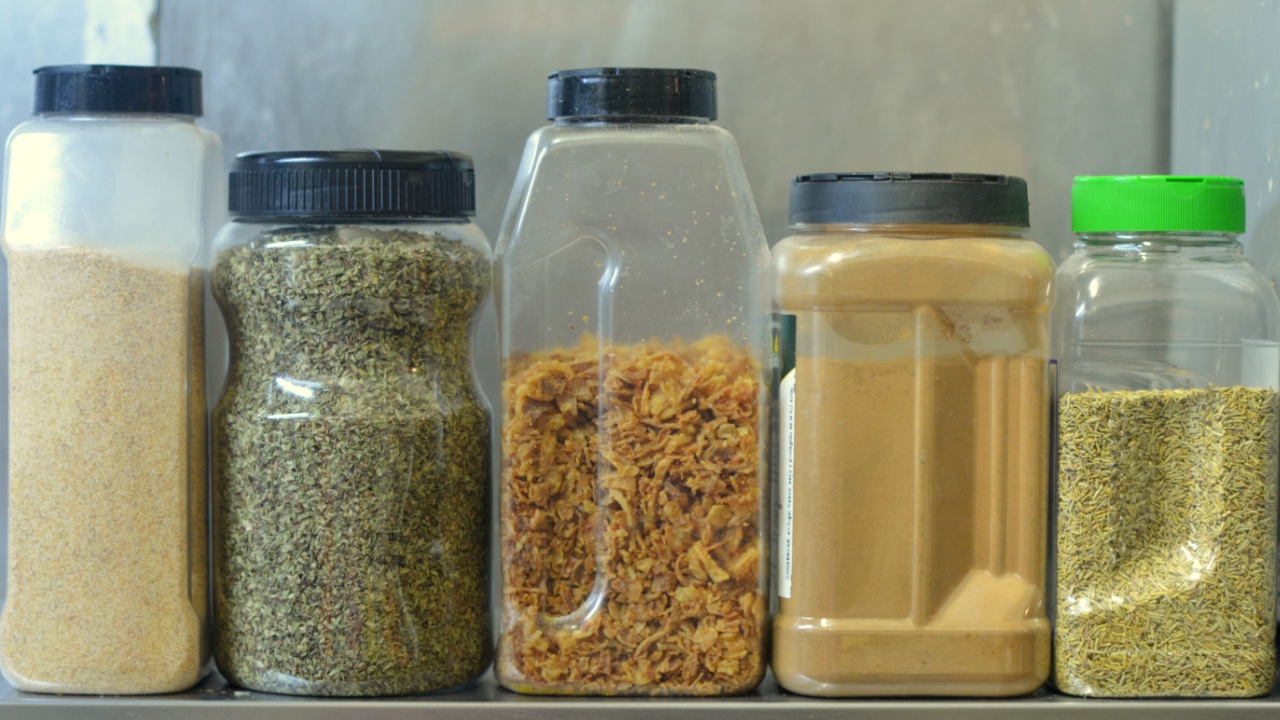
Image Credit: Shutterstock.
Those convenient plastic jars of spices lining your pantry could be another source. While the spices themselves are fine, the plastic packaging can be a problem. When you sprinkle spices from a plastic shaker, friction can be generated between the spice granules and the plastic, potentially scraping off tiny particles.
This is a more subtle source, but the cumulative effect from daily use can add up. The issue is magnified if the spices are stored for long periods, as the plastic can degrade.
Quick Scan:
- The Issue: Friction and long-term storage can cause plastic spice jars to shed microplastics into the contents.
- Simple Swaps: Buy spices in glass jars or purchase them from bulk bins and store them in your own glass containers at home.
- Care Tip: Refilling glass spice jars is a great way to reduce both plastic exposure and packaging waste.
9. Sealants Around Sinks and Countertops
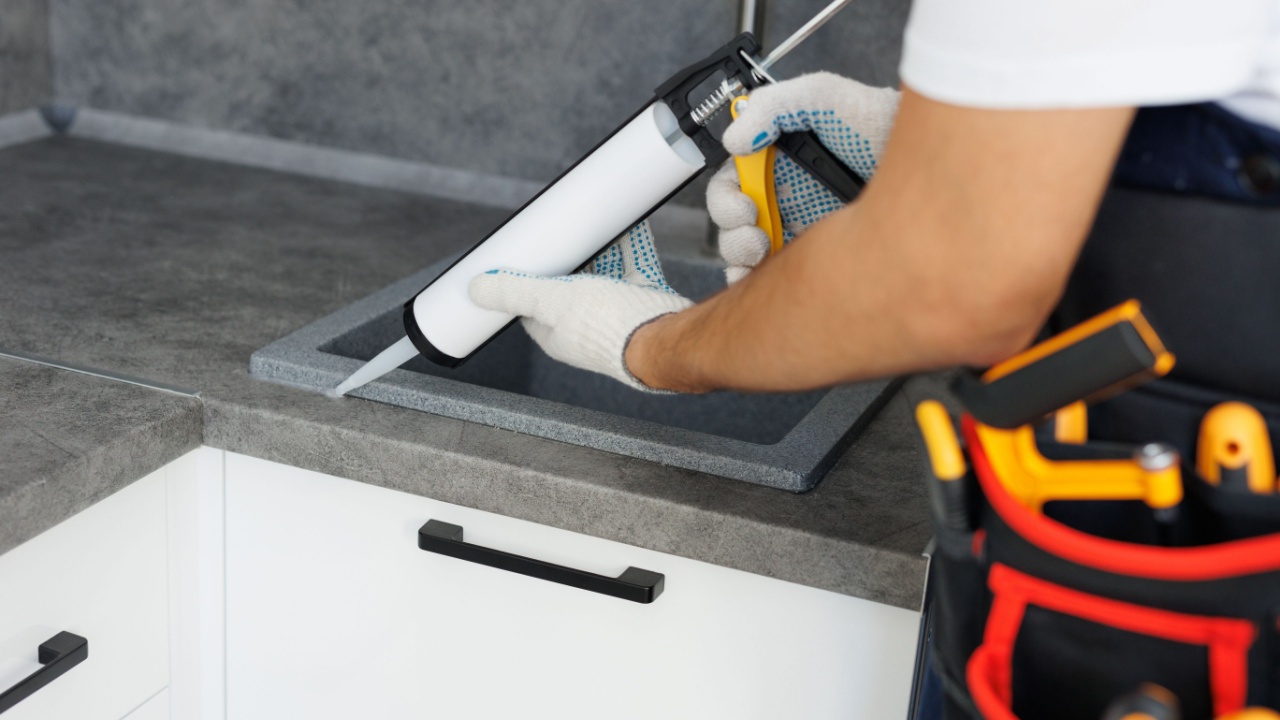
Image Credit: Shutterstock.
The flexible sealant used to caulk the edges of your sink and countertops is often made of silicone or acrylic. While it’s great for keeping water out of crevices, this material can degrade with age, heat, and exposure to cleaning chemicals.
Small fragments can break off and land on your countertops, where they can easily get mixed into food during meal prep. While you’re not eating the sealant directly, it can find its way onto surfaces where you place food.
Quick Scan:
- The Issue: Old or degrading sealant can crumble, leaving plastic-based particles on food prep surfaces.
- Simple Swaps: There are no direct swaps, but regular maintenance is effective.
- Care Tip: Regularly inspect the sealant in your kitchen. If it’s cracking or peeling, have it removed and replaced to maintain a solid, intact surface.
10. Single-Use Plastic Bags and Wrap

Image Credit: Shutterstock.
Using plastic bags for marinating meat or plastic wrap to cover a bowl might seem harmless, but these thin films can leach particles, especially when they come into contact with fatty, acidic, or hot foods. The direct contact and the chemicals used to make these plastics flexible increase the chance of transfer.
These items are designed for convenience, but their single-use nature contributes to both environmental waste and potential microplastic exposure in our kitchens.
Quick Scan:
- The Issue: Plastic wrap and bags can leach microplastics into food, particularly when in contact with acidic or oily items.
- Simple Swaps: Use glass containers with lids, beeswax wraps, or silicone bowl covers for storing and covering food.
- Care Tip: If you must use plastic wrap, try to keep it from directly touching the surface of the food.
Steps to a Less Plastic Kitchen
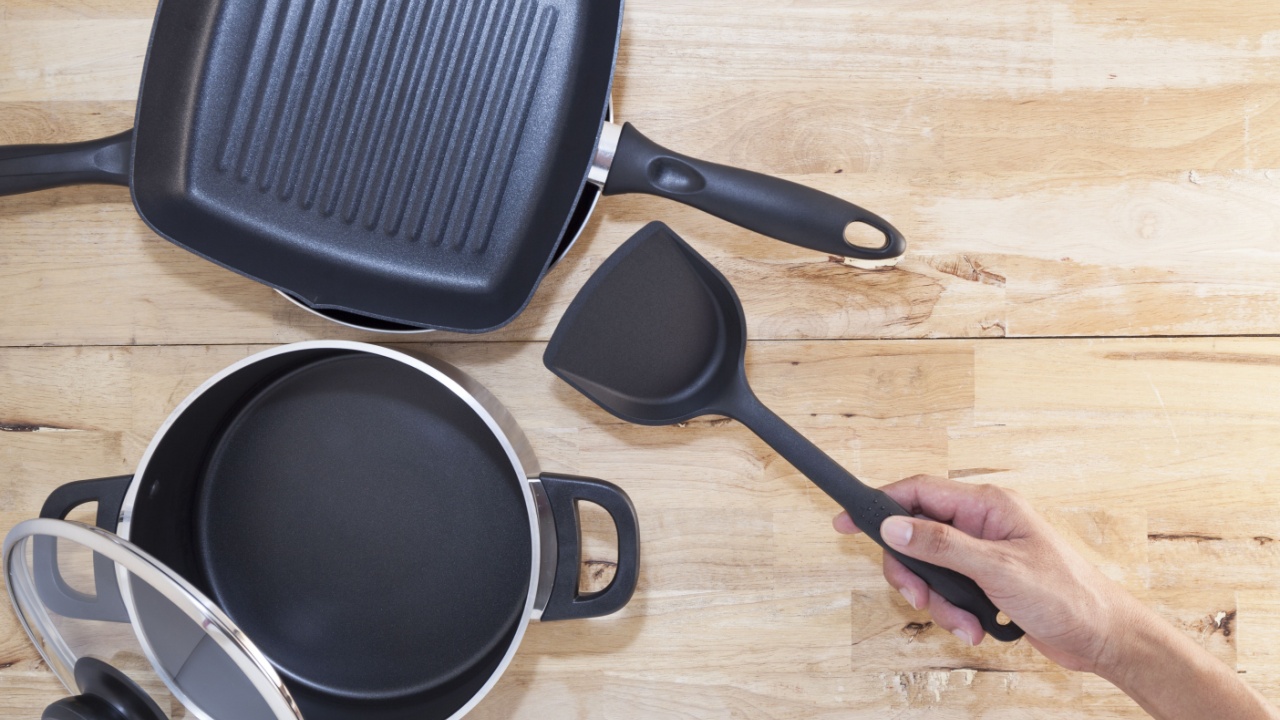
Image Credit: Shutterstock.
You’ve put real effort into growing and choosing good food. Don’t let your kitchen tools undo that work. When your pan wears out, reach for cast iron. When the plastic wrap runs low, try beeswax. These aren’t sweeping changes, just smarter swaps that keep microplastics off your plate. They help your kitchen reflect the same care you put into your ingredients.
Each choice protects the meals you make, the health you value, and the intention behind it all.