

Your kitchen serves as the heart of the home and a place where nourishment begins. Most people take great care to wash vegetables and choose fresh ingredients. However, the tools used to prepare those meals might introduce unwanted guests like microplastics and hidden chemicals.
Identifying these culprits allows for safer cooking environments without needing a degree in chemistry. Making a few strategic swaps can significantly reduce your daily exposure to toxins.
1. Nonstick Cookware
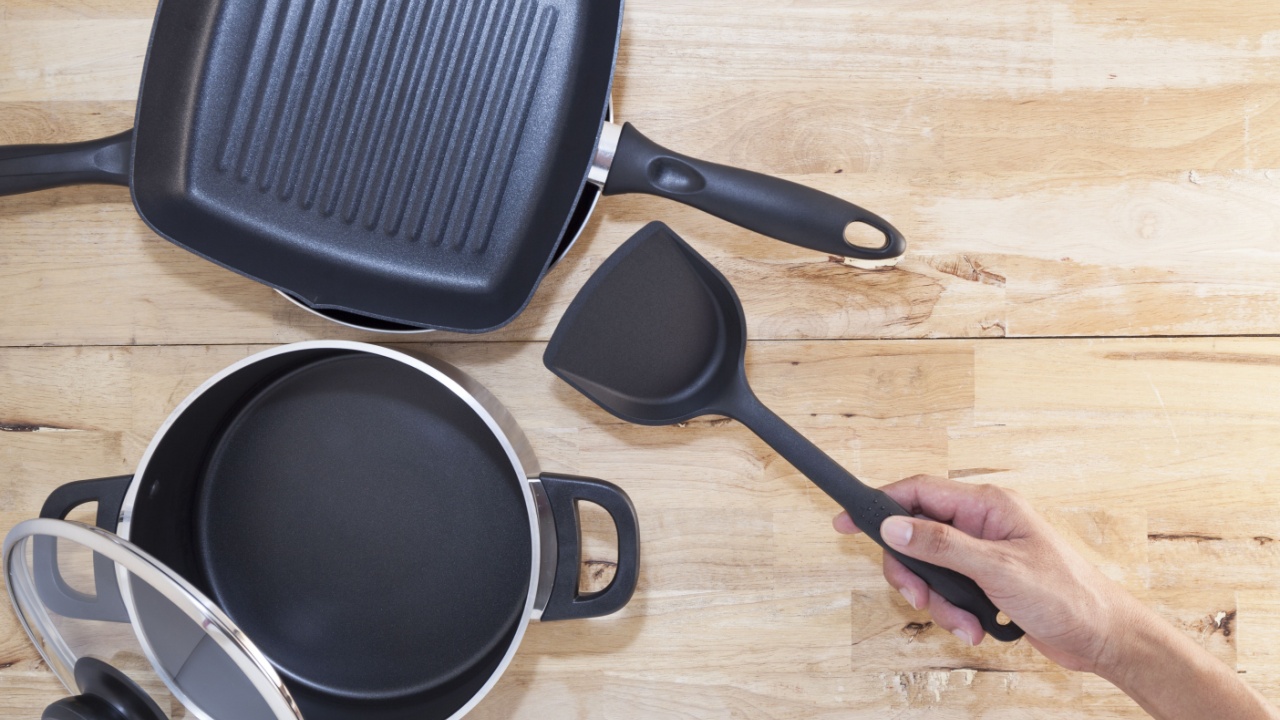
Image Credit: Shutterstock.
Nonstick pans are convenient but often contain PTFE (Teflon), which can release toxic fumes at high temperatures and flake into food when scratched. Many also contain PFAS, harmful “forever chemicals.” Safer alternatives include cast iron, stainless steel, and ceramic-coated pans.
If your nonstick pan is peeling or scratched, replace it with a durable, non-toxic option like stainless steel or cast iron.
2. Coffee Pods
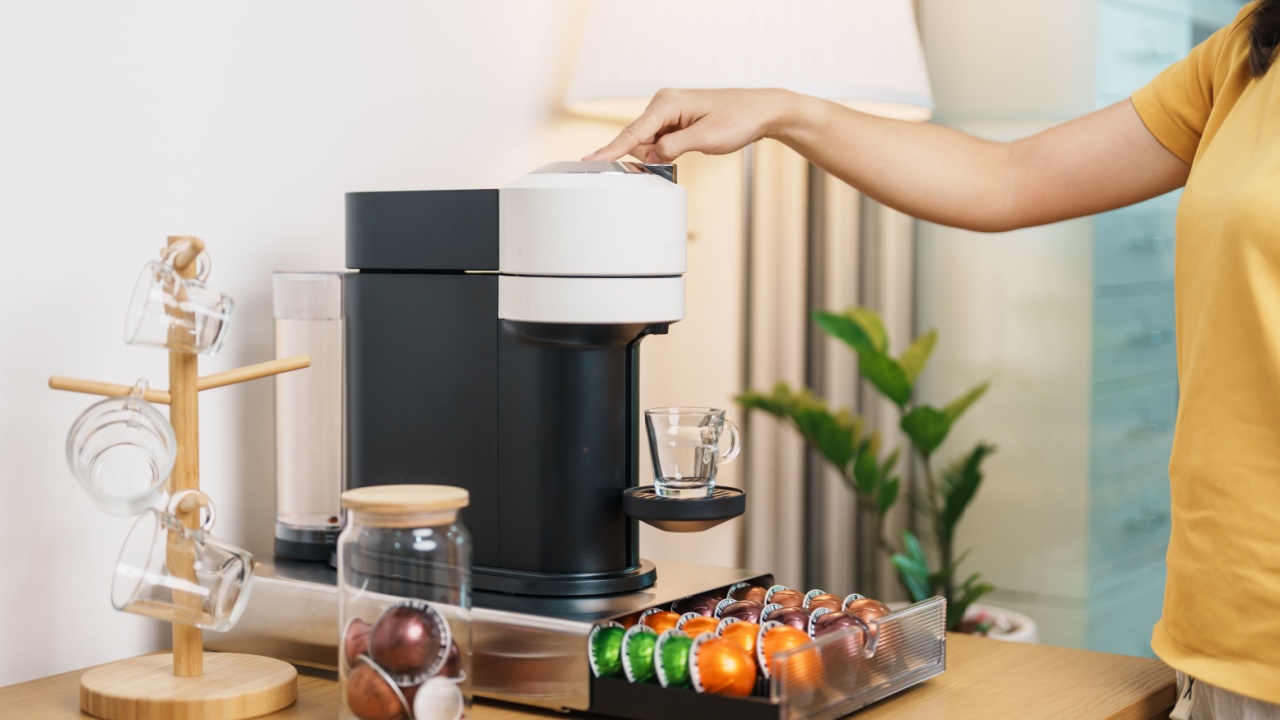
Image Credit: Shutterstock.
Convenience often comes at a cost. Single-use coffee pods are a prime example. These small containers are typically made of plastic or aluminum. When hot water shoots through them under high pressure, the materials can leach into your brew. Plastic pods may release xenoestrogens, chemicals that mimic estrogen and can disrupt hormonal balance.
Aluminum-lined pods risk leaching aluminum, a metal linked to neurodegenerative issues when accumulated in the body. A French press, pour-over carafe, or drip coffee maker with an unbleached paper filter brews great coffee without plastic exposure. These methods also enhance the flavor of your beans.
3. Plastic Spice Grinders
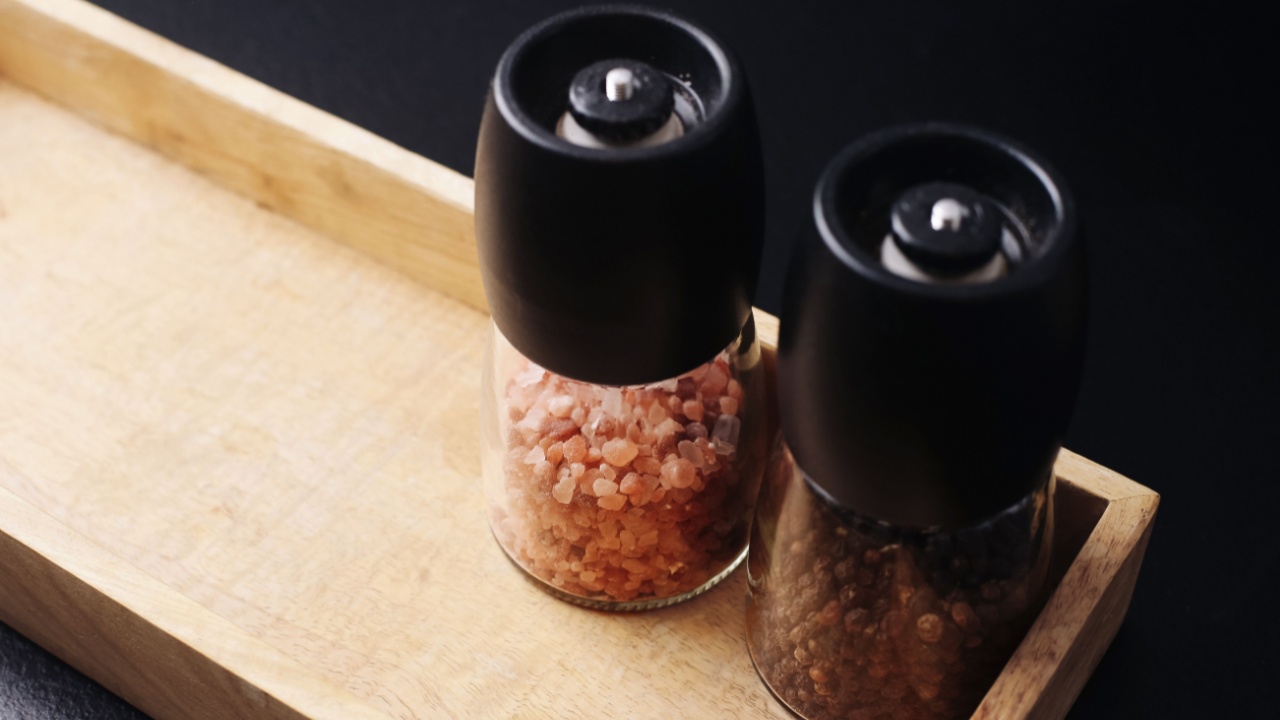
Image Credit: Shutterstock.
You likely have a few of these in your pantry right now. Disposable glass jars with plastic grinding mechanisms on top shed microplastics onto your food. The friction from grinding hard spices wears down the plastic gears, releasing tiny particles along with your seasoning. Ingesting these microplastics can potentially disrupt the gut microbiome and cause inflammation.
For safer seasoning, use a mortar and pestle, a stainless steel grinder, or a refillable wooden mill with a ceramic or metal mechanism. You can also buy whole spices and grind them in a dedicated electric coffee grinder with a stainless steel chamber.
4. Plastic Food Storage Containers
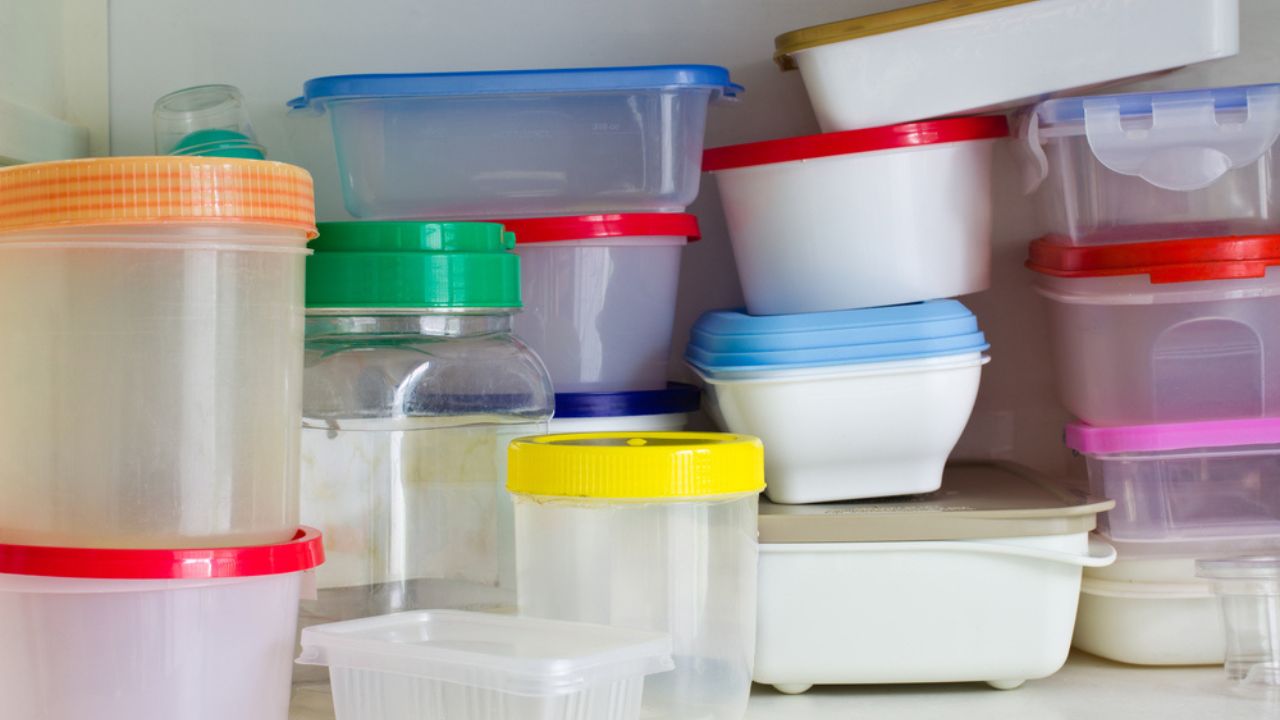
Image Credit: Shutterstock.
Leftovers are great, but storing them in the wrong material can be problematic. Plastic containers, particularly those labeled with recycling codes 3, 6, and 7, can harbor harmful substances.
Code 3 (PVC) often contains phthalates, while code 6 (polystyrene) can leach styrene, especially when heated. Even “BPA-free” plastics in category 7 may contain substitute chemicals like BPS, which can still act as endocrine disruptors. The risk intensifies when you put these containers in the microwave or dishwasher, as heat breaks down the plastic matrix.
Glass storage containers are the gold standard. They do not stain, absorb odors, or leach chemicals. Silicone bags are another safe option for freezing or storing snacks.
5. Cutting Boards
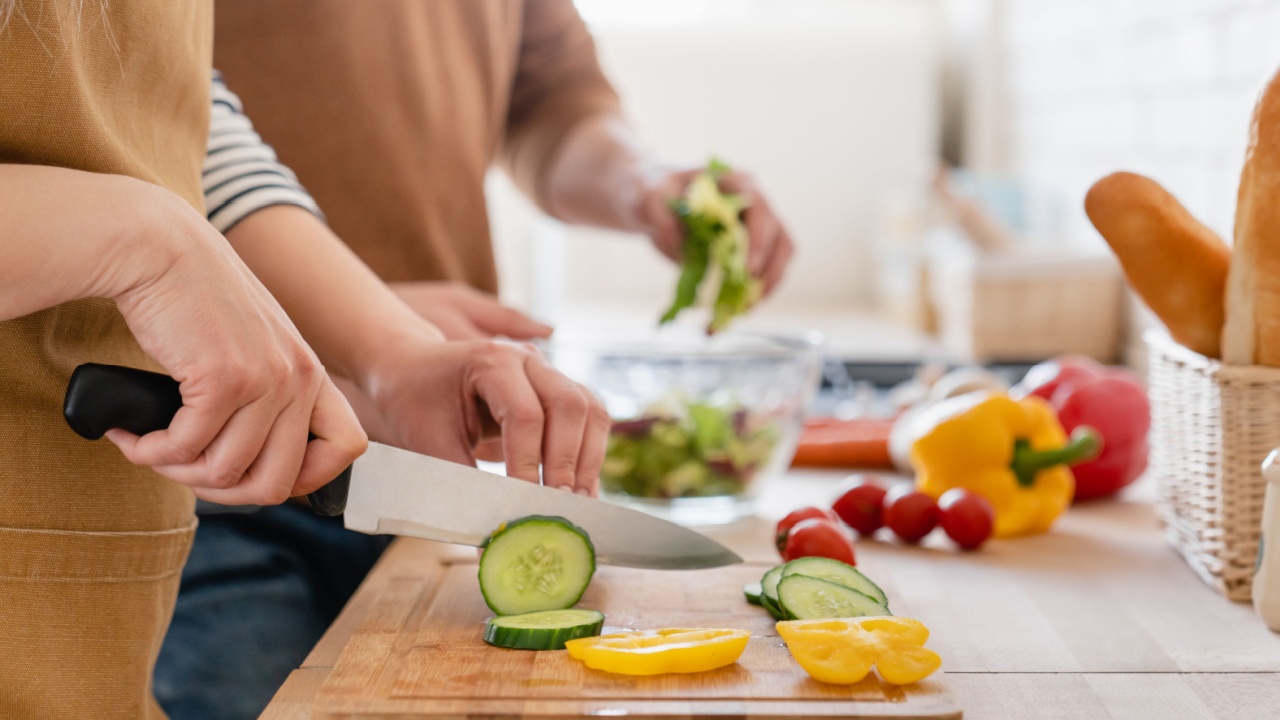
Image Credit: Shutterstock.
The surface you chop on matters. Plastic cutting boards get scarred by knives, creating grooves that harbor bacteria and release microplastics into your food. Composite wood boards can use glues containing formaldehyde.
Solid wood boards made from maple or walnut are naturally antimicrobial and durable. Bamboo is another sustainable, though harder, option. Regularly sand and treat wooden boards with food-grade mineral oil to keep them sealed and sanitary.
6. Aluminum Foil
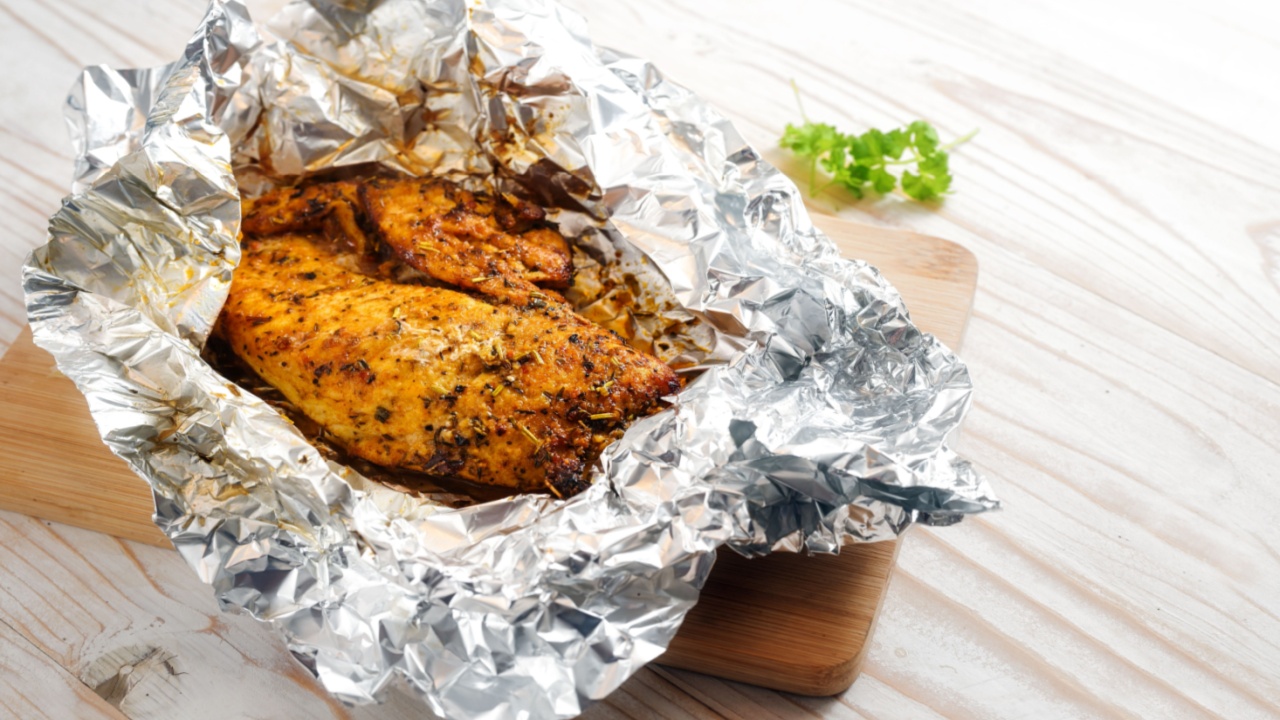
Image Credit: Shutterstock.
foil is a staple for roasting and wrapping, but aluminum it’s a reactive metal. When used with acidic foods like tomatoes or lemons, aluminum can leach into your meal. While the body can handle small amounts, high levels have been linked to bone and neurological issues.
Use parchment paper on baking sheets and oven-safe lids for covering dishes. For leftovers, switch to glass storage containers.
7. Cooking Utensils

Image Credit: Shutterstock.
Your black plastic spatula could be risky; many are made from recycled e-waste and may release harmful chemicals when heated. Plastic utensils can melt, while low-quality metal ones may leach heavy metals.
Safer options? Go for wooden spoons, stainless steel, or food-grade silicone. Time to check your utensil drawer and upgrade to durable, safe tools!
Are You Ready to Detoxify Your Home?

Image Credit: Shutterstock.
Create a healthier, more sustainable kitchen by making smart choices: invest in stainless steel, cast iron, or ceramic-coated cookware instead of harmful non-stick options; ditch single-use plastics like plastic wrap and ziplock bags for reusable alternatives such as beeswax wraps or silicone food bags; and opt for eco-friendly, non-toxic cleaning products to protect both your health and the environment.