Should You Walk Barefoot at Home?
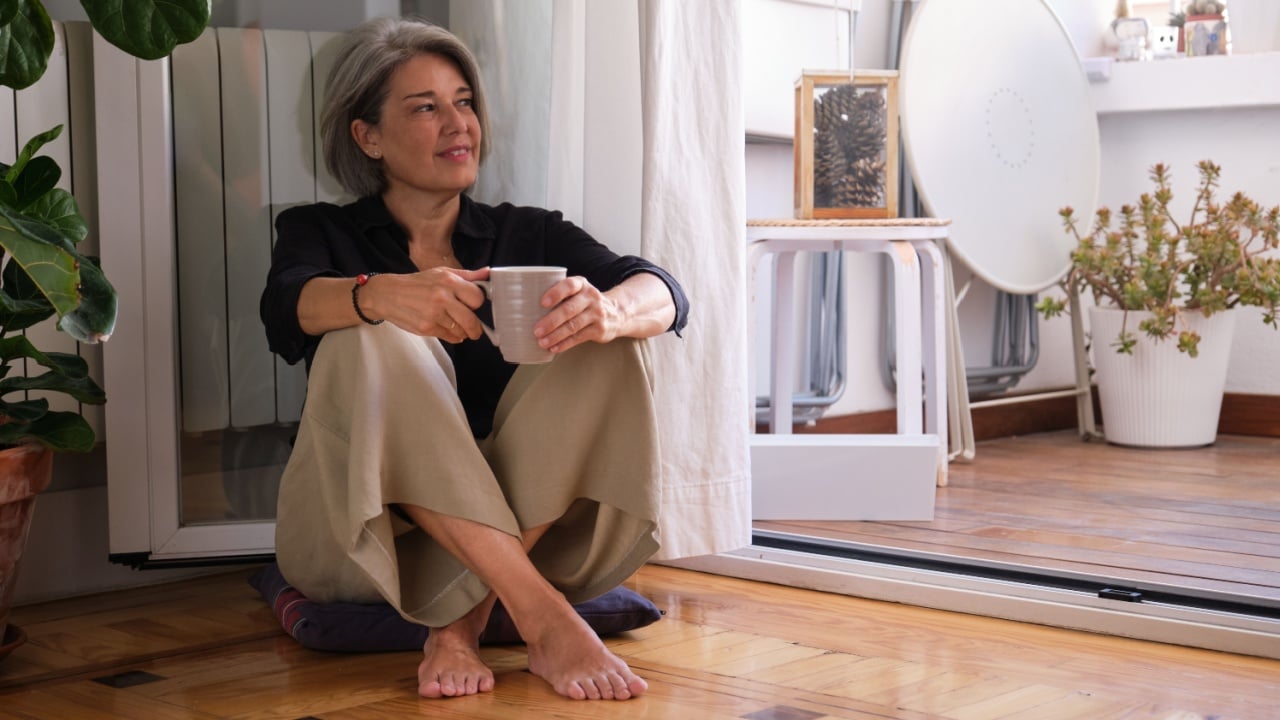
It feels amazing to kick off your shoes after a long day. That moment of release when your toes finally wiggle free is universally understood.
But beyond the immediate comfort, is ditching your footwear actually good for your health?
You might be surprised to learn that going shoeless inside can have genuine physical benefits. Podiatrists and dermatologists suggest that shedding your socks and shoes can strengthen your feet and improve balance. However, like most things in life, there are exceptions to the rule.
Below, we explore the real perks of walking barefoot at home, along with a few reasons why you might want to keep those slippers nearby.
1. Strengthening Foot Muscles
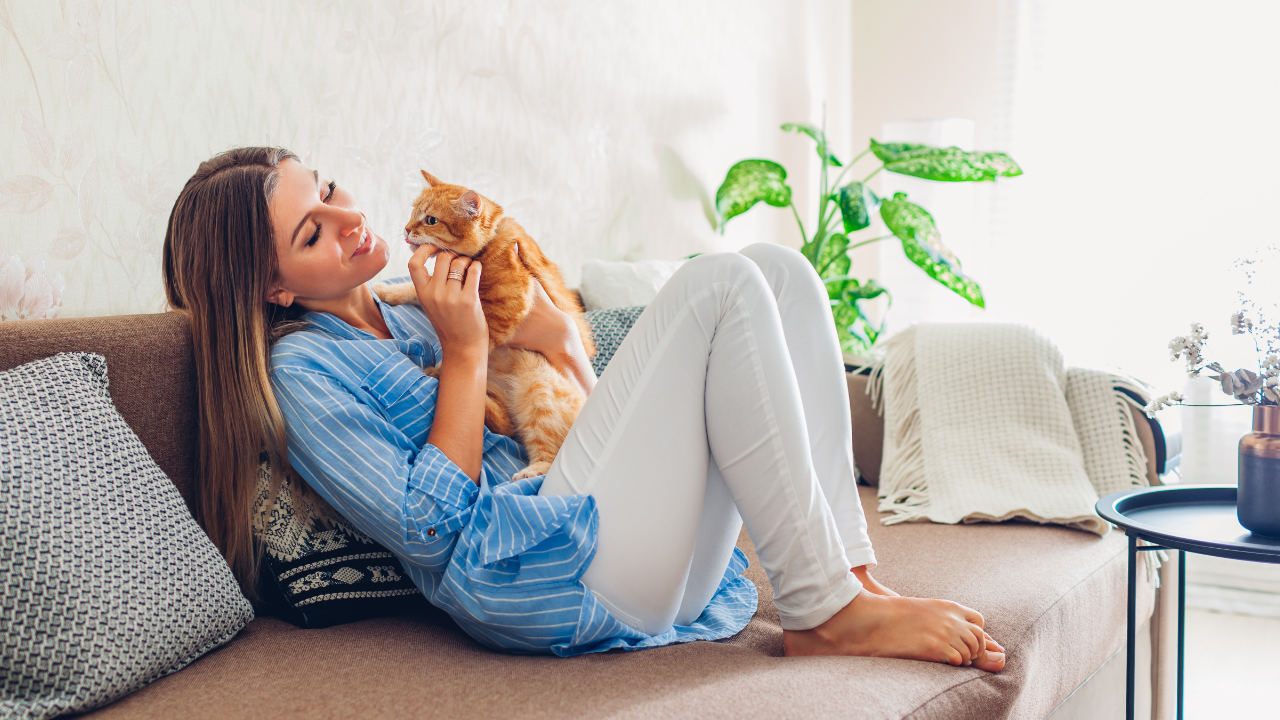
Modern shoes often do the hard work for you, providing so much support that your natural foot muscles can get a bit lazy. Going barefoot increases “intrinsic muscular strength” within your feet.
By walking without the crutch of supportive soles, you force the small muscles in your feet to engage and work harder. This helps you counteract the weakening that often happens as you age, leading to better overall foot health.
2. Improving Balance and Mobility
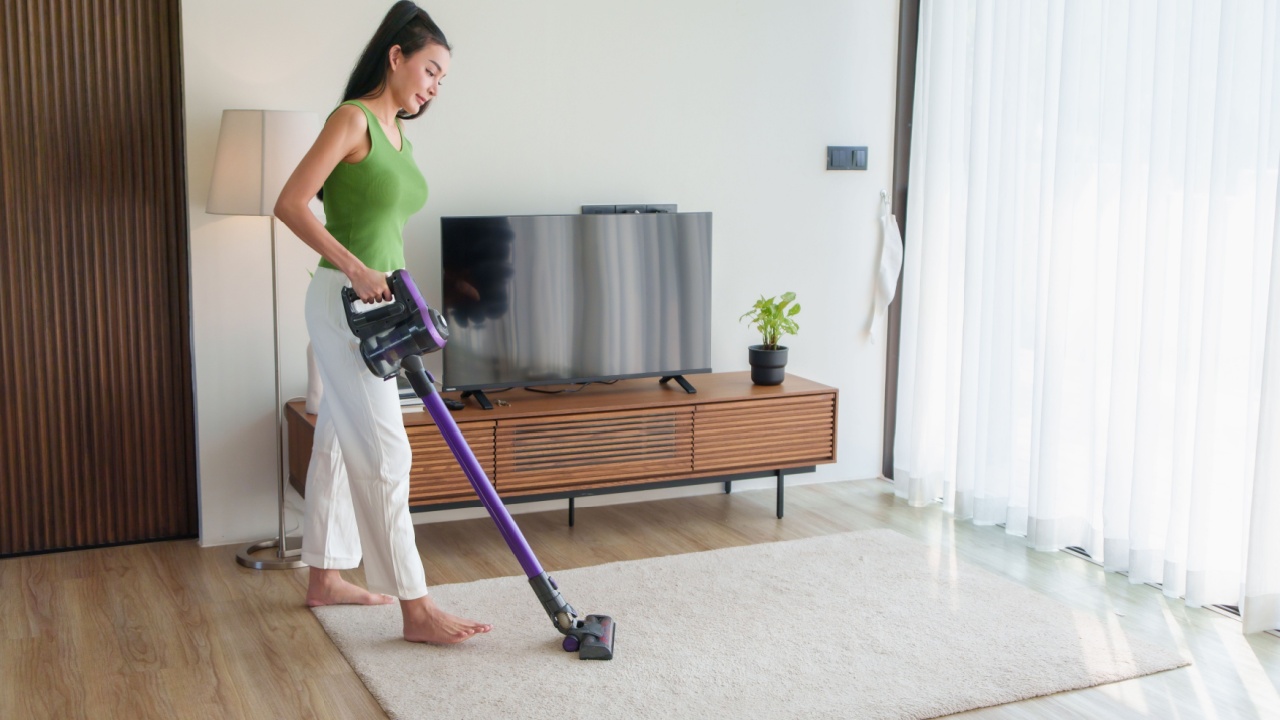
Stronger feet lead to a sturdier foundation for the rest of your body. Because the muscles in your feet are closely linked to overall mobility, keeping them active is essential for maintaining movement as you get older.
When you walk barefoot, you improve your proprioception (the body’s ability to sense its position in space). This heightened sensory feedback helps with balance and stability, reducing the risk of falls and injuries in the long run.
3. Letting Skin Breathe
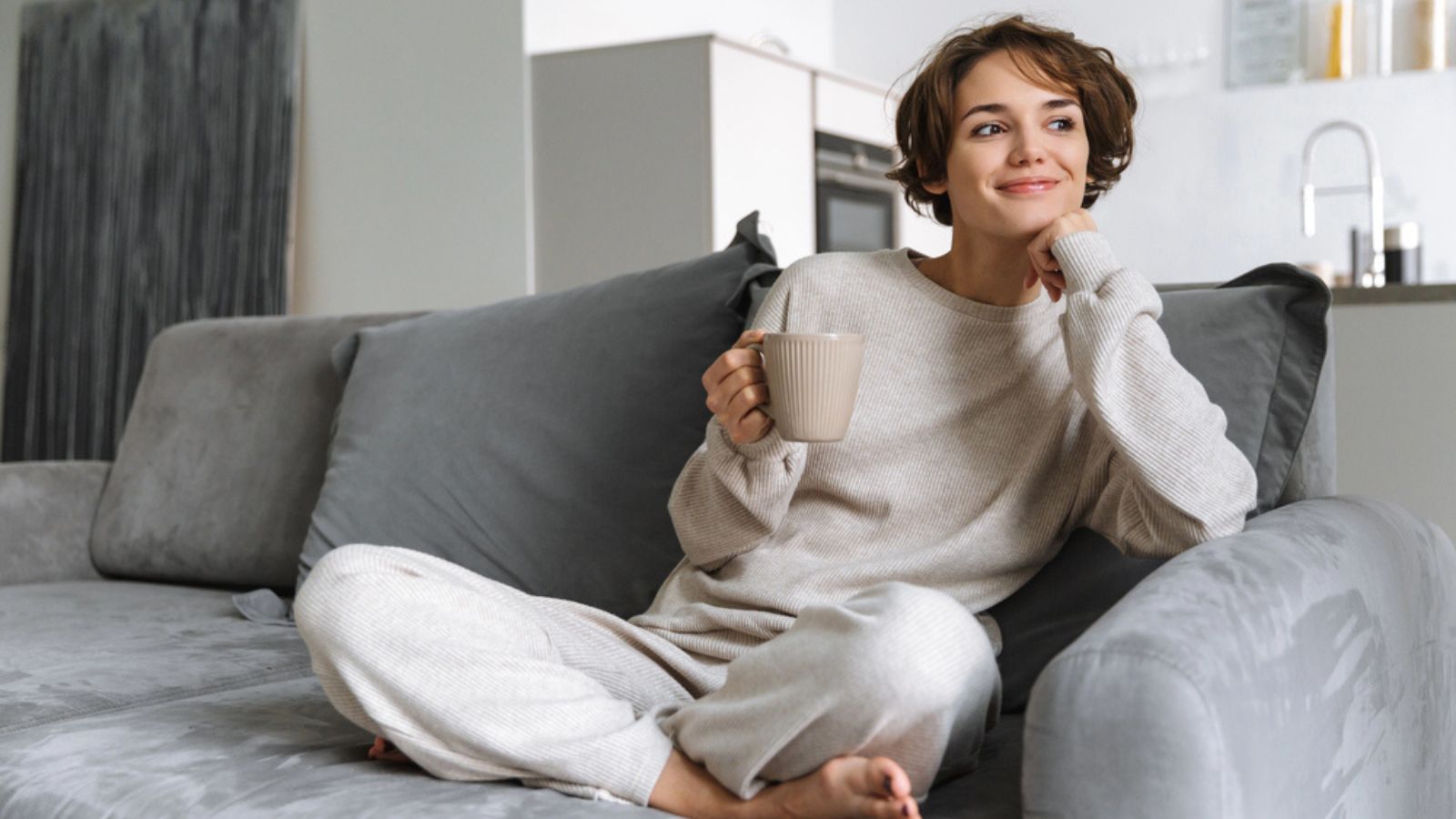
Your feet spend a significant portion of the day trapped in dark, warm, and often damp environments (thanks, socks and shoes). Walking barefoot allows the skin to breathe.
This simple habit can prevent moisture buildup, which is a major culprit behind common fungal infections like athlete’s foot. Letting your feet air out is a proactive way to maintain better hygiene and skin health.
4. Providing a Natural Massage
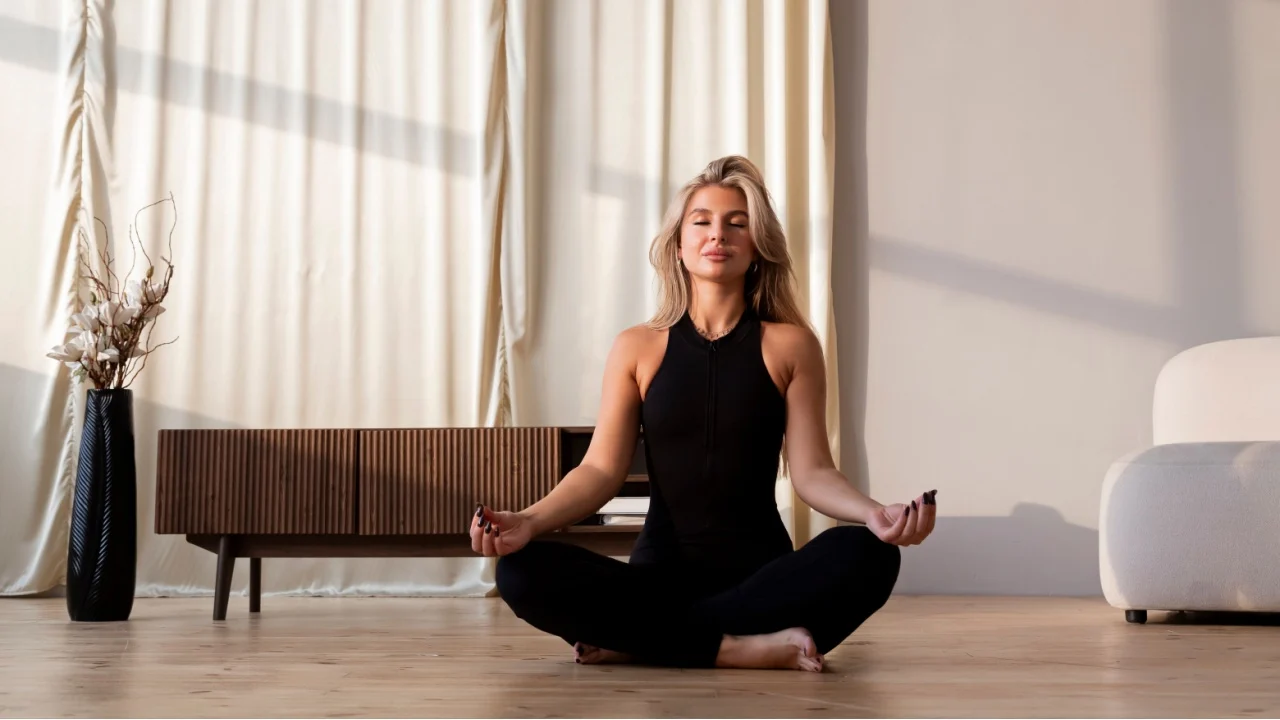
Stepping onto different surfaces, like cool tile, soft rugs, or smooth wood, stimulates your senses. It’s like a mini massage for your feet that helps you feel more grounded.
For most people, this physical connection to the floor is a great way to practice mindfulness and lower stress during a busy day.
5. Better Foot Mechanics

Shoes alter the way you move. A heavy heel or a rigid sole changes your natural gait. Walking “skin to ground” allows your feet to move as nature intended. This natural movement promotes better alignment and can help correct the structural issues that arise from years of wearing restrictive footwear.
It encourages a more natural stride, which can have positive ripple effects up through your ankles, knees, and hips.
6. Improved Circulation
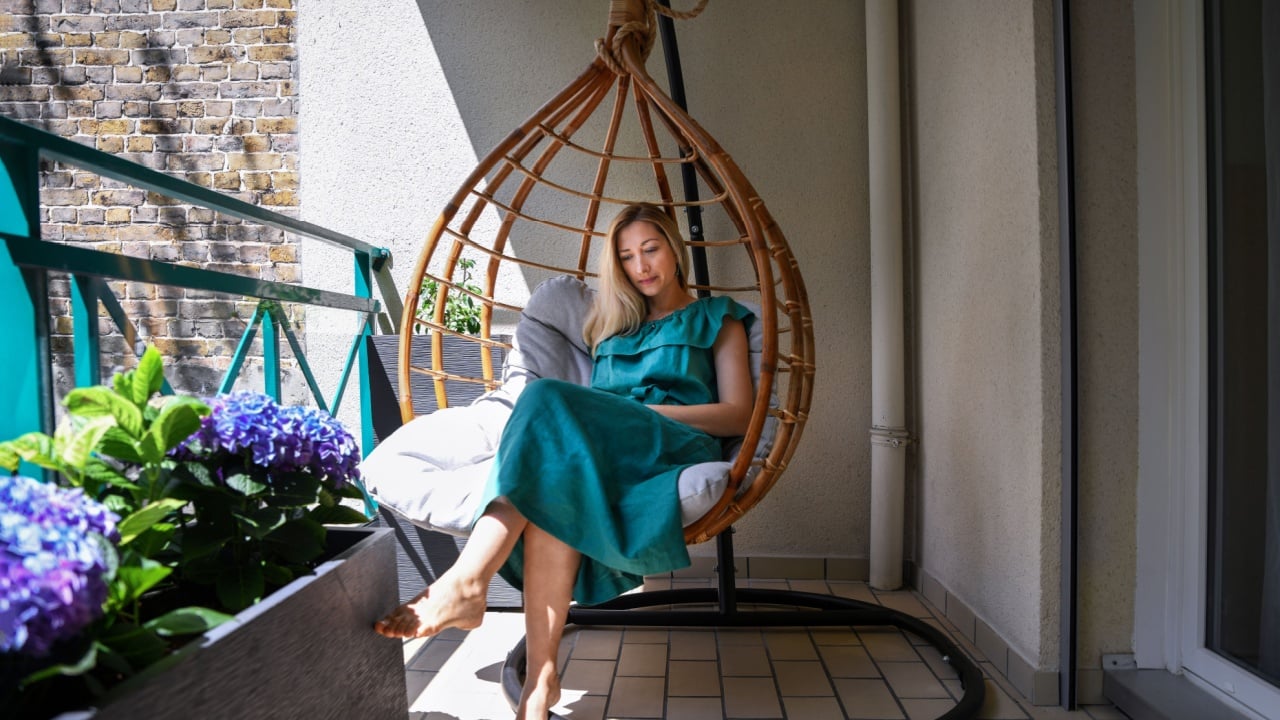
When your feet are confined in tight shoes, blood flow can sometimes be restricted. Being barefoot allows for unencumbered circulation.
The movement and engagement of the foot muscles also act as a pump, helping to push blood back up toward the heart. Improved circulation can lead to warmer feet (ironically) and healthier tissue overall.
Potential Downsides to Consider
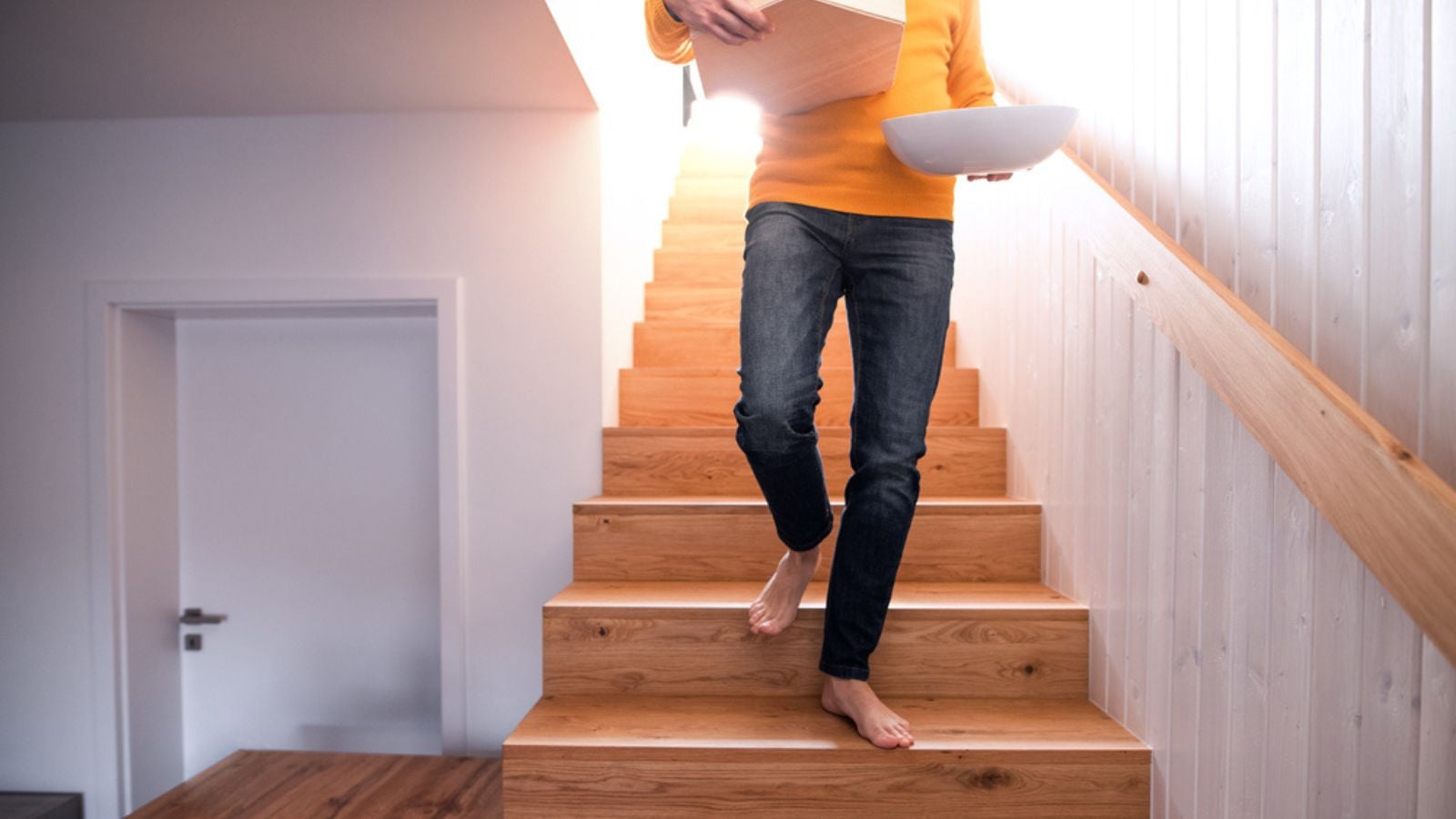
While the benefits are compelling, going barefoot isn’t a one-size-fits-all solution. Without a protective barrier, your feet are more vulnerable to injuries from sharp objects, stubbed toes, and slippery surfaces.
Walking barefoot also increases exposure to dust and other allergens, which can be an issue for those with sensitive skin. Furthermore, the lack of arch support can cause foot fatigue, particularly for those with plantar fasciitis.
Finally, People with diabetes or neuropathy should avoid going barefoot due to the risk of unnoticed cuts leading to serious issues.
Step Into a Healthier You
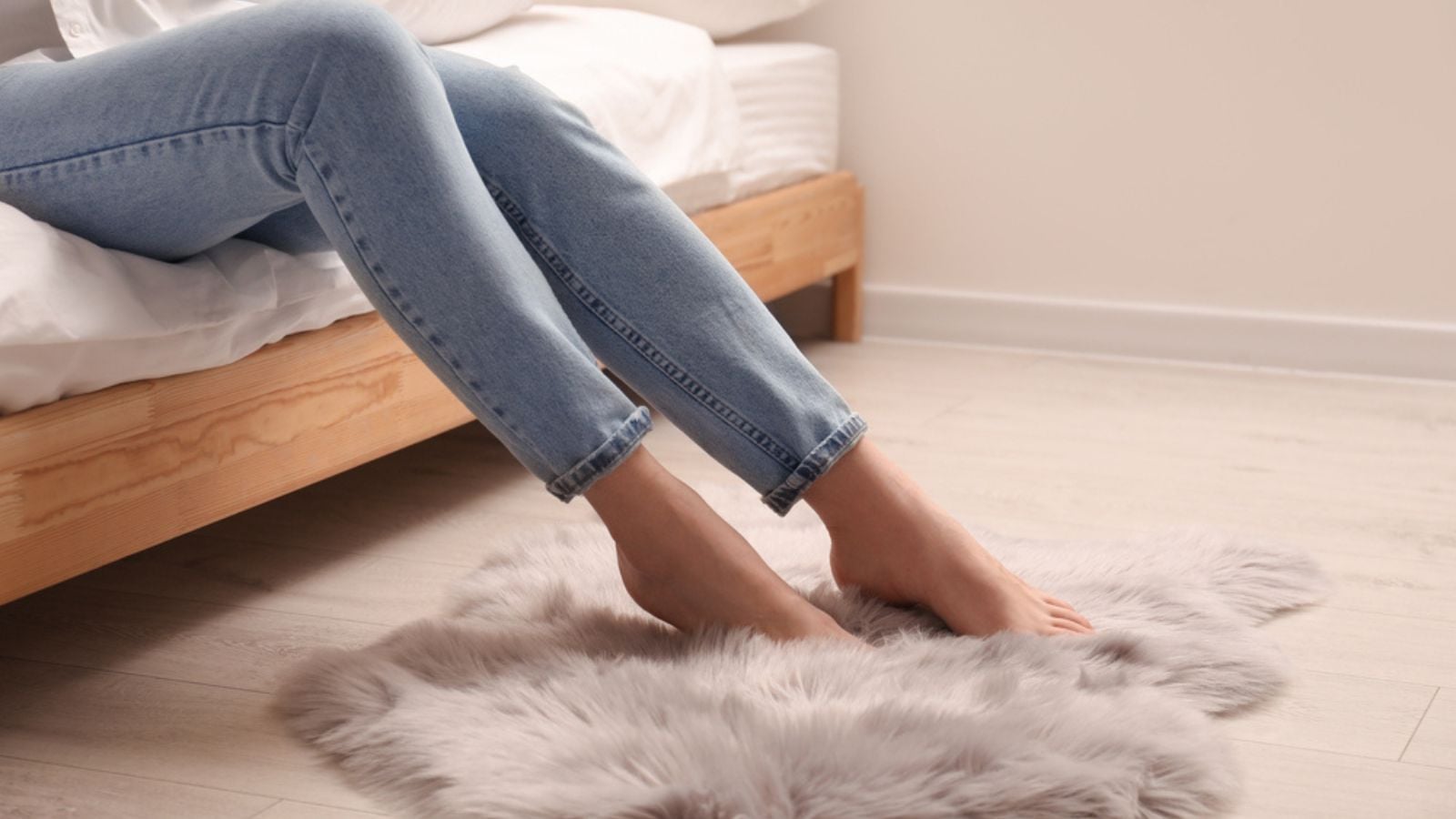
Walking barefoot at home offers a fantastic way to strengthen your feet, improve balance, and even relax. It’s a simple, natural habit that can pay dividends for your mobility and foot health. However, moderation is usually the best approach. If you plan on standing for hours or if you have specific health concerns, slipping on a supportive pair of indoor shoes or socks might be the wiser choice.
Ready to give your feet a break? Start by going shoeless for short periods on clean, safe surfaces to see how your body responds.