
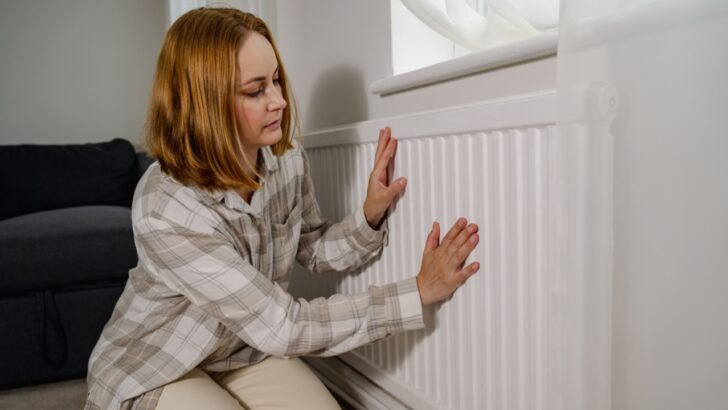
Ever had one of those winter mornings where the furnace seems to be working fine, but your house still feels like a walk-in freezer? It’s surprisingly common, and most people assume their furnace is dying when the real problem is one or two tiny issues hiding in plain sight. Heating systems are a bit like people; one small imbalance can mess up the whole vibe.
Airflow blockages, thermostat settings, and dirty filters are among the top causes of poor furnace performance in U.S. homes. These issues build up quietly, sometimes for months, before homeowners realize something is off, so it is better to run through a few checks before assuming your furnace has given up on life
1. The Air Filter Is Dirty (or Completely Clogged)
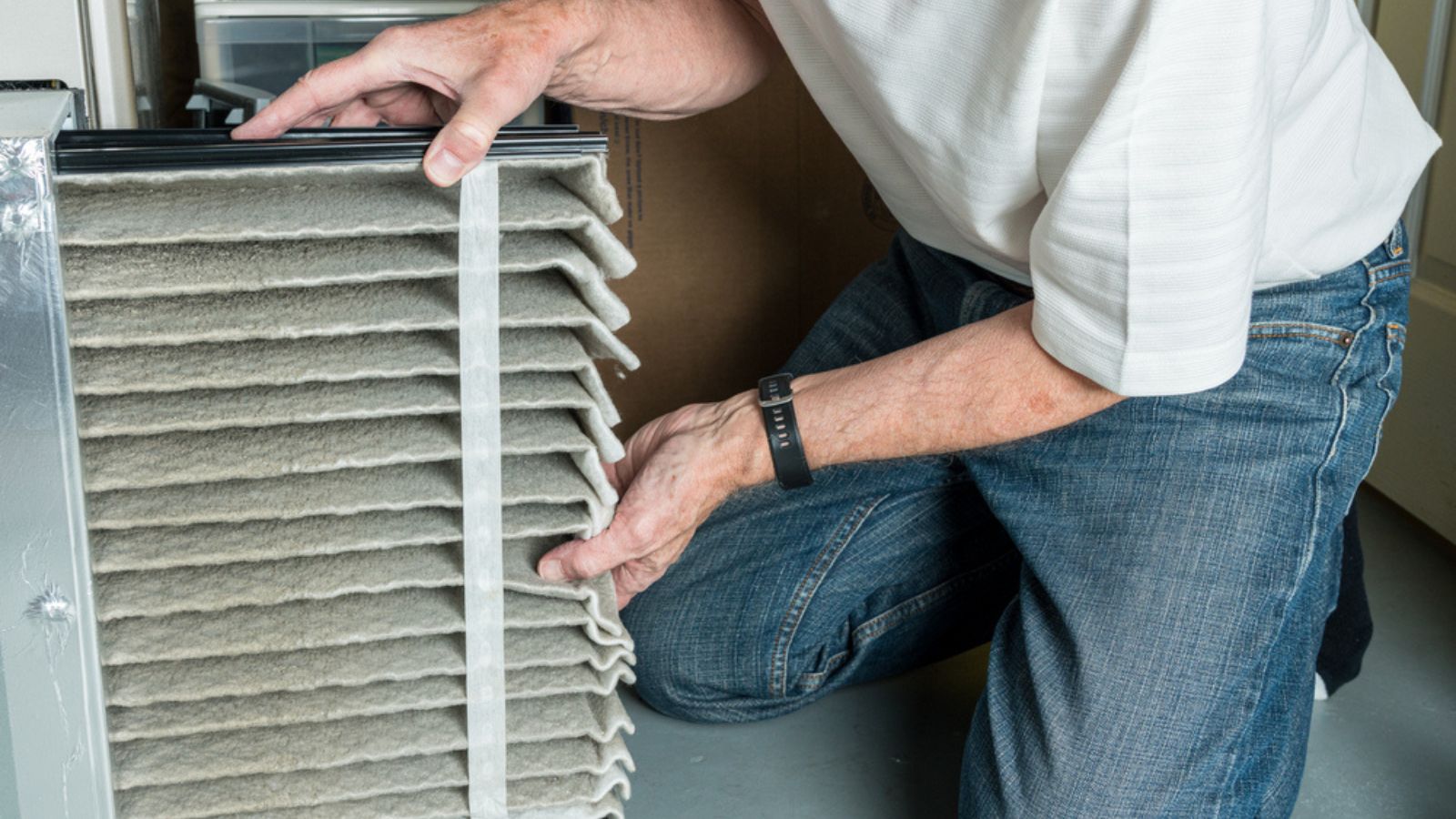
Image Credit: Deposit Photos.
A dirty air filter is easily the primary reason a furnace runs but doesn’t heat well. According to a HVAC experts, clogged filters can reduce efficiency by up to 15% or more, making your furnace work harder while heating less effectively.
When filters get packed with dust, pet hair, lint, and who-knows-what, the furnace can overheat or short-cycle, meaning it turns on and off without warming the home properly. Manufacturers recommend replacing standard filters every 30–90 days, but homes with pets or high dust levels often need them even sooner.
2. The Thermostat Isn’t Communicating Properly

Image Credit: Shutterstock.
Thermostats are tiny but powerful; if they stop working correctly, the whole furnace gets confused. Mostly, thermostats malfunction because of a glitch in the programming, a loose wire, or even just batteries that have run out.
A miscalibrated or outdated thermostat might read the wrong temperature or fail to trigger the furnace at the right time. If you recently installed a smart thermostat, double-check compatibility as certain older furnaces need a C-wire or a specific wiring setup.
3. Blocked or Leaky Air Ducts
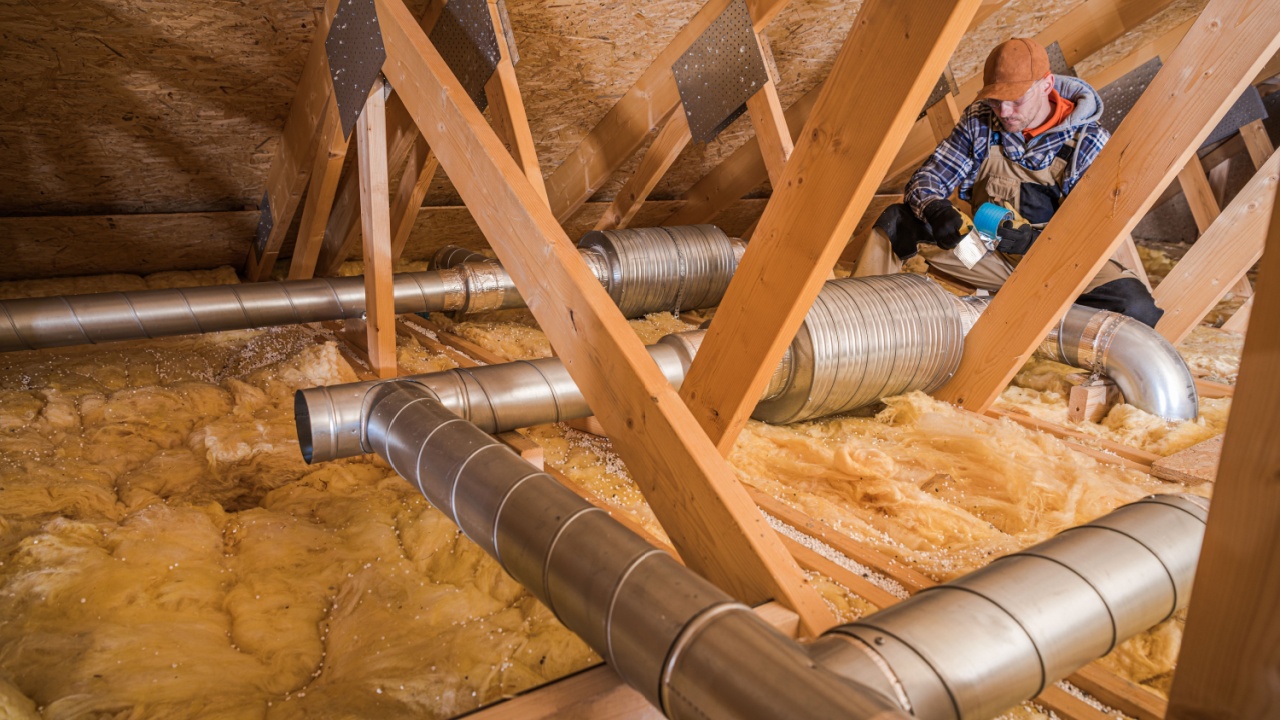
Image Credit: Shutterstock.
Even if the furnace is making perfectly warm air, that heat may never reach you if the ducts are blocked, crushed, or leaking. At least 20–30% of heated air is often lost through duct leaks, and that’s before accounting for blockages like debris or closed vents.
Homes that haven’t had ductwork inspected in years often suffer from disconnected joints, gaps, or buildup inside the duct runs. If your furnace seems to heat some rooms fine and ignores others, duct issues are a major suspect.
Don’t Let the Cold Win
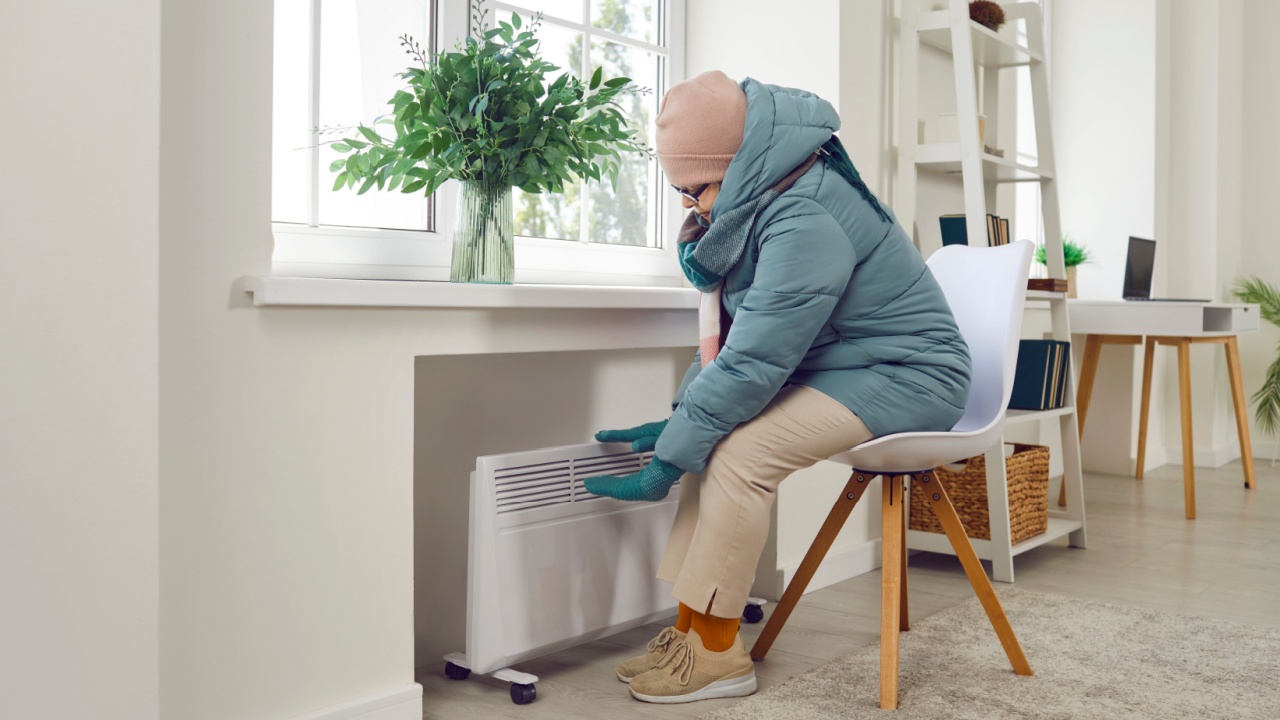
Image Credit: Shutterstock.
When your furnace slips into “barely trying” mode, it’s easy to panic, but the fix is often way simpler than it feels at the moment. By checking the filter, giving the thermostat some attention, and making sure your ducts aren’t leaking away precious heat, you’re already tackling the top issues that leave homes colder than they should be. These small steps go a long way toward keeping energy bills down and comfort levels up.