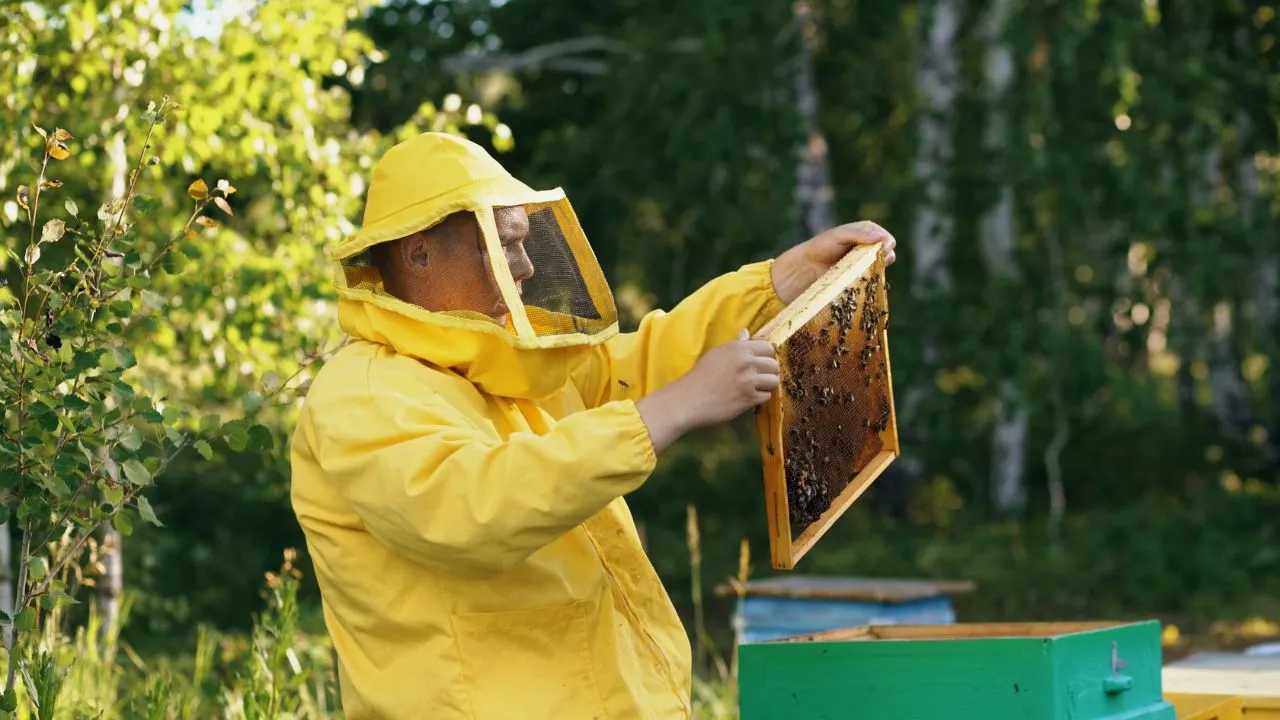
Is Keeping Bees Worth It? 8 Hard Truths to Know Before You Spend $1,000 on a Backyard Hive
A backyard beehive will not save the bees, it will rarely save you money on honey, and, in several states, you are out of compliance with the law the moment you set up a single unregistered colony.
That is not what the glossy starter kits promise. They sell a daydream: a humming garden, jars of golden honey lined up in the pantry, the quiet satisfaction of doing your part. The reality is tougher. The U.S. Beekeeping Survey, led by Auburn University, estimated that American beekeepers lost 55.6% of their managed colonies between April 2024 and April 2025, the highest rate since the survey began. Entomologists at Iowa State University go further, arguing that keeping honey bees to rescue wild bees makes about as much sense as raising backyard chickens to rescue peregrine falcons.
So is keeping bees worth it? For some people, absolutely. But finding out is expensive. Longtime beekeeper Claire Jones estimates about $500 per hive and urges beginners to start with two, which puts your first season near $1,000. Timing matters too: Jones notes that most bee suppliers sell out by early March, which means this October and the winter that follows are when the real decision gets made.
1. Stop Thinking of Bees as a Way to Save Money on Honey

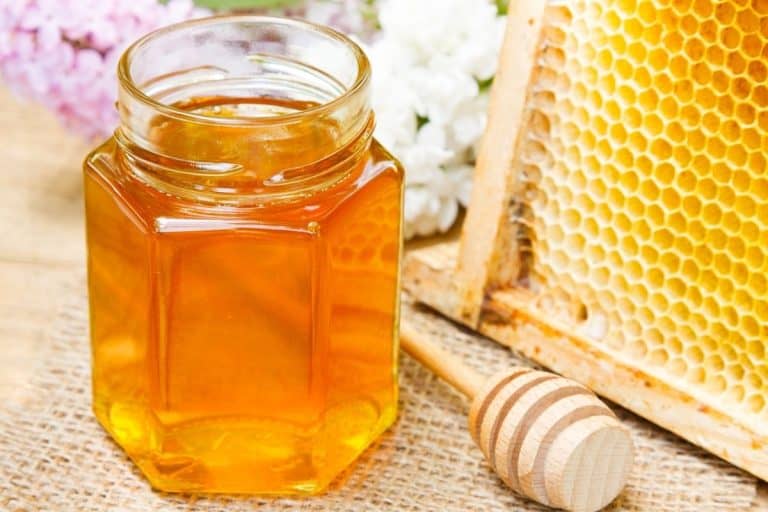
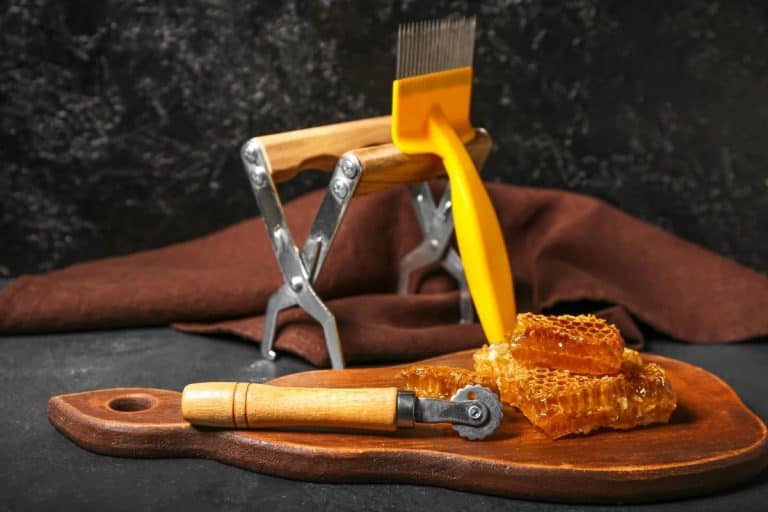
The Old Farmer’s Almanac, a trusted guide for American gardeners since 1792, itemizes the startup costs plainly: about $200 for a hive, $160 for clothing and gear, and $180 to $200 for a package of bees. Then the costs keep coming, from extra boxes to replacement queens. Hilary Kearney, who manages some ninety colonies, warns that anyone getting bees to save on honey is “in for a rude surprise.” Even an average hive in a good year, producing the national average of 48 pounds and sold at the USDA‘s 2025 direct-to-consumer price of $7.15 a pound, brings in roughly $340 worth of honey before feed, mite treatments, and jars.
2. Don’t Expect a Single Jar of Honey the First Year
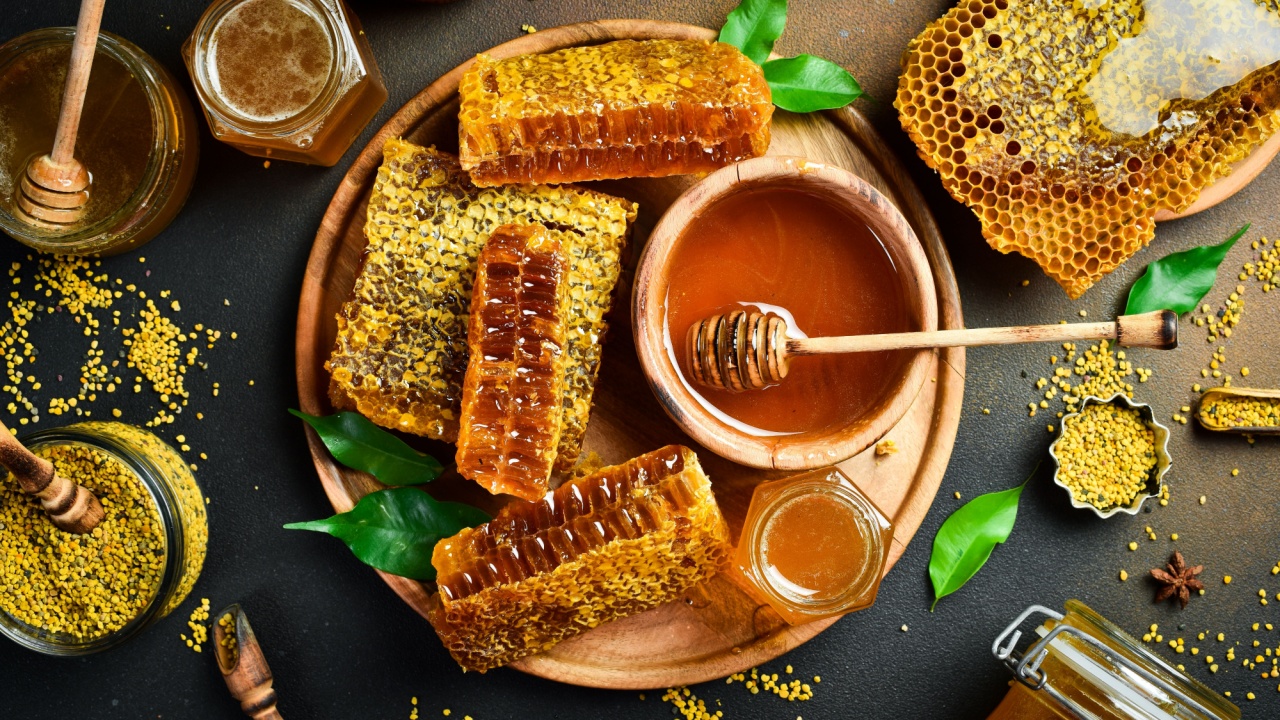
A new colony spends its first season building comb, raising young bees, and storing food for winter. The Almanac cautions that in year one “you may not get any honey for yourself.” At the University of Georgia, entomologist Jennifer Berry, who has studied honey bee health for more than 28 years, tells new keepers the first-year goal is survival, not honey. Budget for a full year of spending with nothing to spread on your toast.
3. Don’t Assume One Hive Is Too Small for the Law to Notice
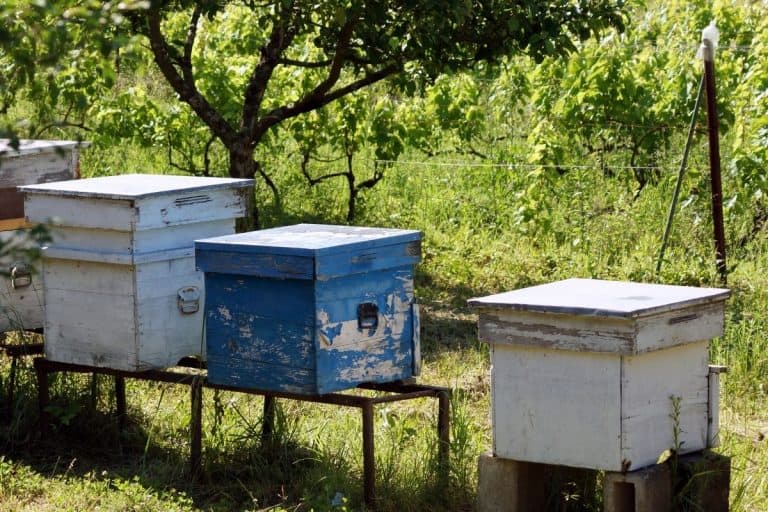
Most homeowners don’t realize that bees are regulated much like livestock, and you may already be breaking a rule you have never heard of. The Pennsylvania State Beekeepers Association puts it plainly: “Pennsylvania requires that every beekeeper in the Commonwealth be registered.” Washington requires every beekeeper, backyard hobbyists included, to register hives each year, and Florida mandates registration under state statute. Some cities ban hives outright, according to Iowa State, and HOAs can be just as strict; one Colorado HOA approved backyard bees, then reversed itself. Check your state agriculture department, city code, and covenants before you buy a single frame. Registration is often cheap, like Pennsylvania’s $10 for two years.
4. Never Let a Neighbor’s Pool Become Your Bees’ Watering Hole
Bees need water, and they will happily claim a neighbor’s pool, birdbath, or hummingbird feeder if you don’t give them something closer. Lappe’s Bee Supply advises beekeepers to “provide a reliable water source before bees begin using a neighbor’s pool.” A six-foot fence or dense hedge in front of the hive forces bees to fly up and over people. Friction happens anyway: writing in Saveur, Maureen Petrosky recalled that an elderly neighbor forgot about her hives and hired a company to spray for what she thought was a bee problem. Have the conversation with the people next door before the bees arrive, not after.
5. Never Ignore a Sting Reaction, Yours or Anyone Else’s
About one percent of Americans are allergic to bee and wasp venom, and stings kill roughly 50 to 100 people a year, according to Illinois Department of Public Health figures shared by the University of Illinois. Many people assume it takes a swarm to trigger anaphylaxis, but as UVA Health puts it, “you only need one.” Adults tend to react more severely than children, and a past reaction raises the odds of a worse one. Talk to your doctor before you start, and site hives well away from where dogs, visitors, and grandchildren play.
6. Don’t Skip Mite Checks, or Your Colony Will Likely Die
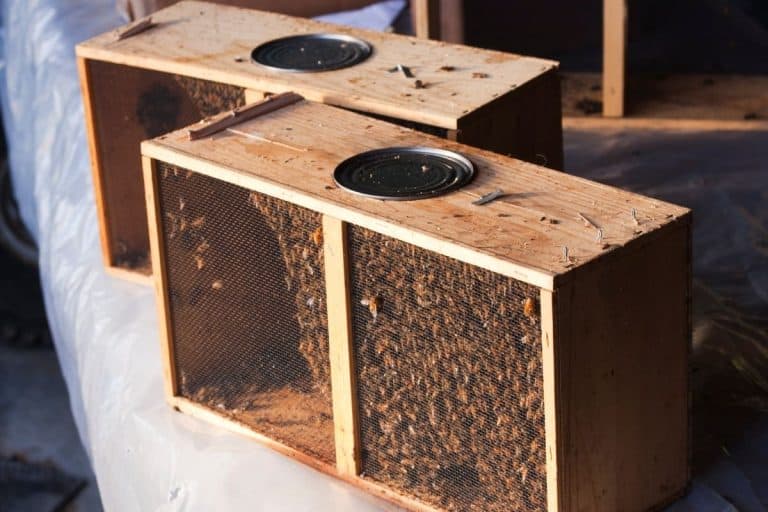
The varroa mite is the quiet killer in most backyard hives. The University of Georgia Bee Program notes that most infested colonies die within one to two years if the beekeeper takes no action. National losses eased to 39.9% for 2025 to 2026, but “it’s been a very challenging time for beekeepers,” says Geoff Williams, director of the Auburn University Bee Center. Every colony you lose means buying another package of bees, which averaged $110 in 2025, according to the USDA.
7. Stop Believing Your Hive Will Save the Bees
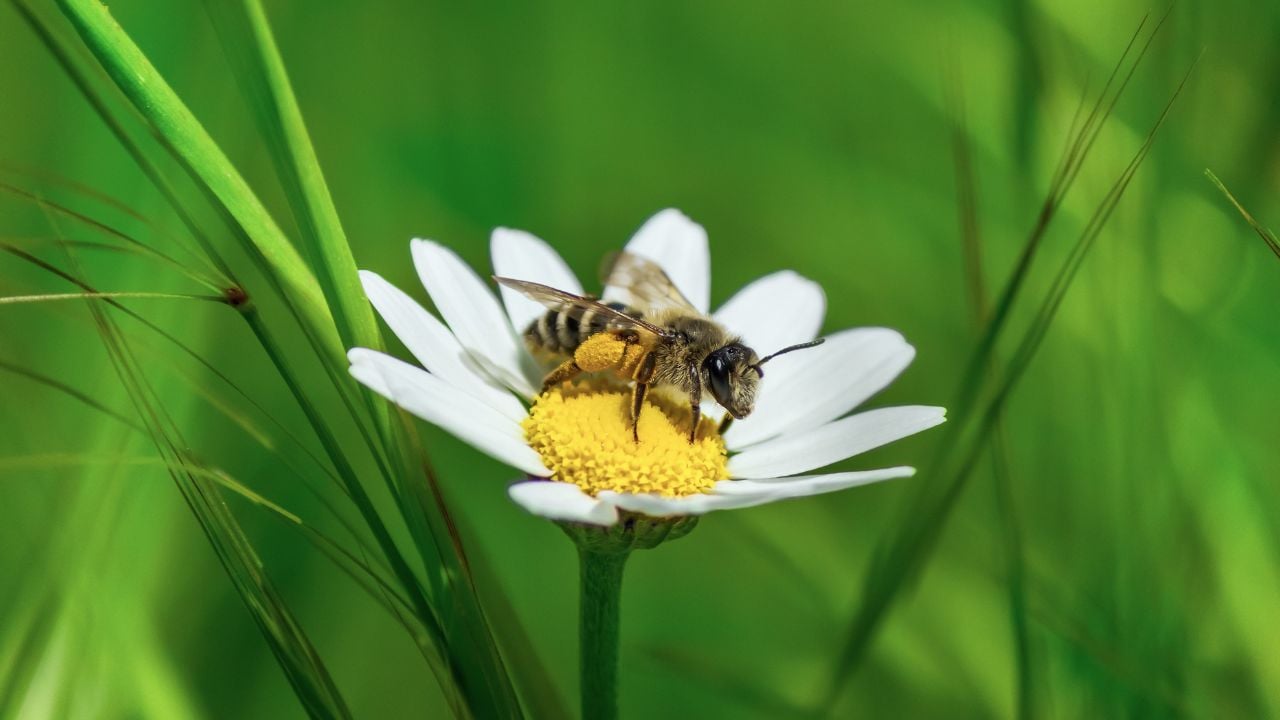
This is the truth that stops people in their tracks. Honey bees arrived in North America with European settlers, and they are not endangered; the species in real trouble are native bees such as the rusty patched bumble bee, which is on the endangered species list. Iowa State’s Bee Program is blunt that keeping a hive “will not help ‘save the bees.'” The Almanac adds that there is some concern that honey bees out-compete wild bees for the same flowers. If conservation is your motivation, a hive may be exactly the wrong tool.
8. Don’t Underestimate the Heavy Lifting, Especially After 50
Beekeeping, as the University of Georgia’s field report puts it, “isn’t decorative gardening with wings.” Michigan State University Extension notes that references cite 40 to 50 hours per colony each year, and those hours bunch up in the busiest weeks. Kearney points out that honey-filled boxes are heavy and that back trouble is common among lifelong beekeepers. Gardeners in their 50s and 60s can lighten the load with smaller medium boxes, eight-frame hives, or top-bar hives, which largely avoid heavy lifting.
What to Do Instead: Help Pollinators for Almost Nothing
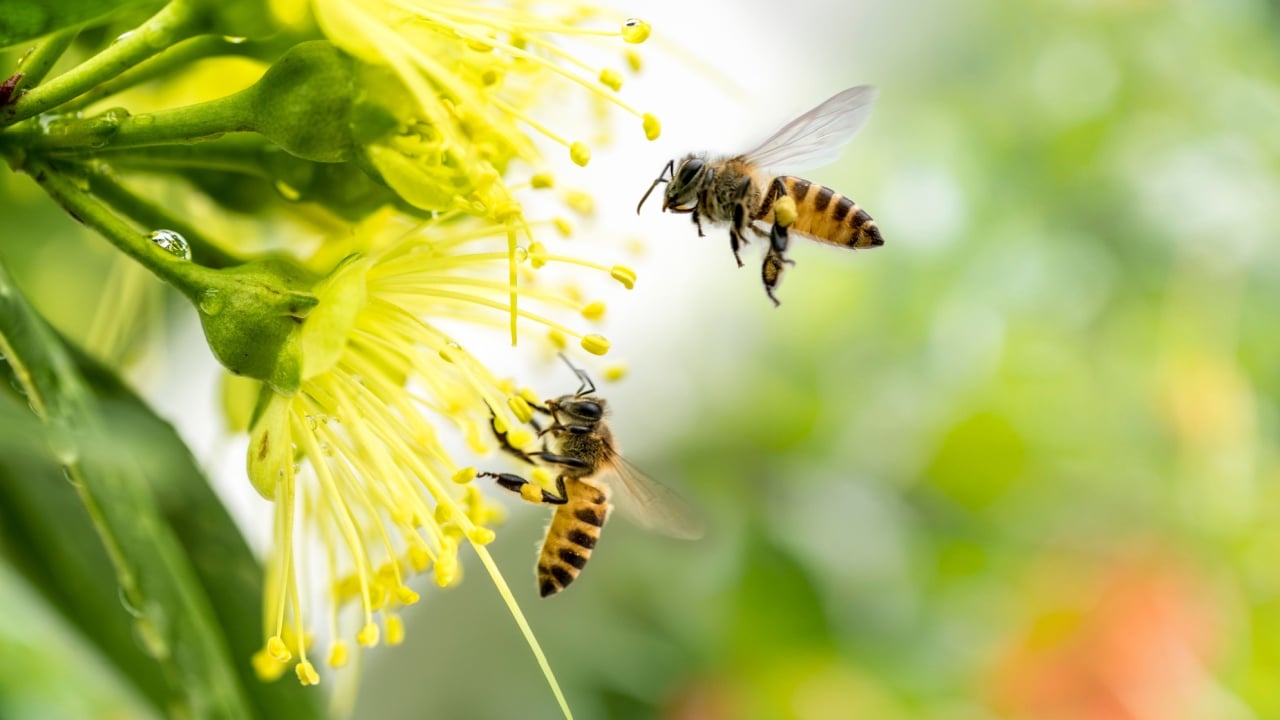
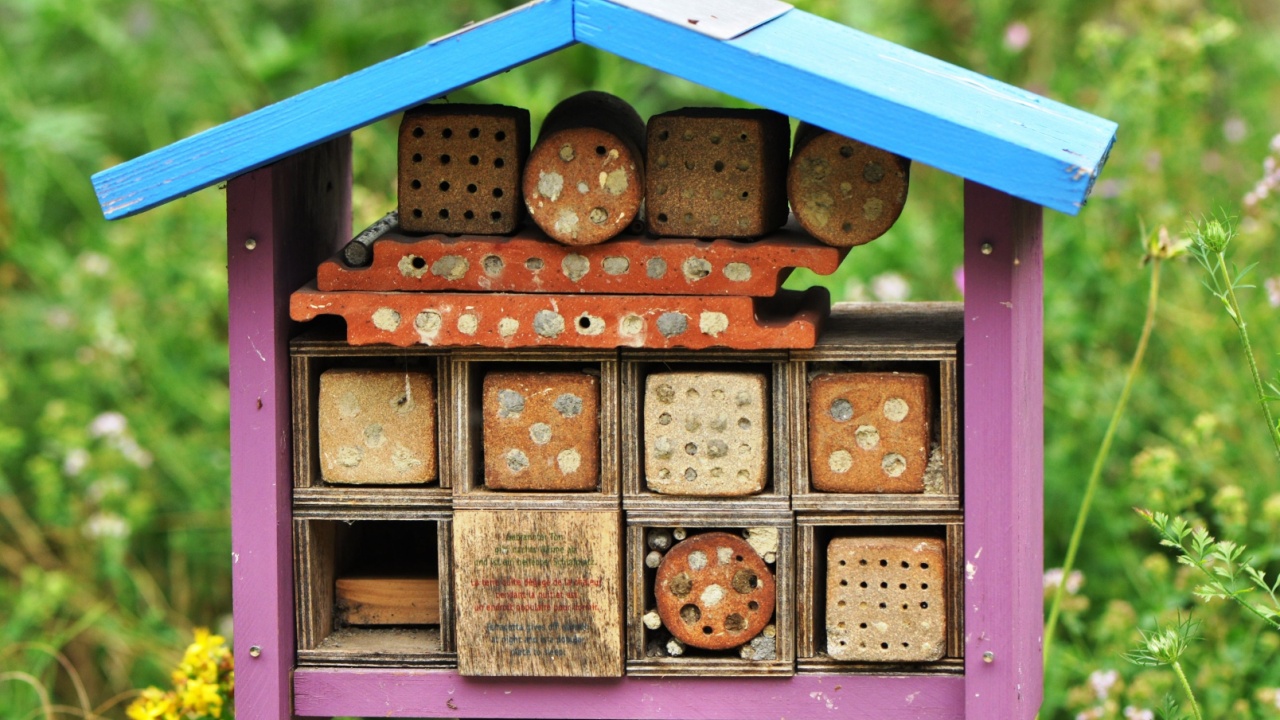
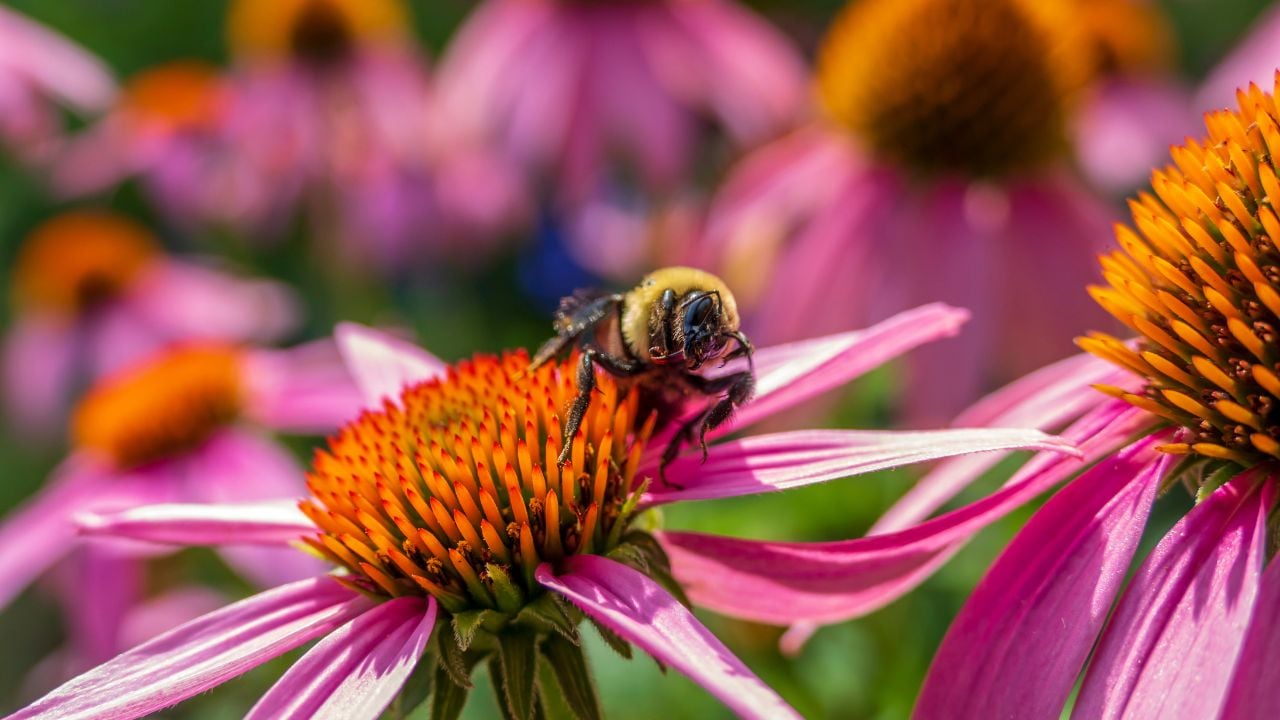
Here is your permission slip: you don’t need a hive to help bees. Iowa State says restoring habitat helps native bees and honey bees alike, and a patch of flowers costs far less than a hive. The Almanac suggests a solitary bee house for gardeners who mainly want better pollination. If you still want honey bees, spend this October and the winter ahead at local club meetings; Michigan State University Extension found that “having a network of beekeeping buddies can help.” Clubs can even lead you to free bees. A University of Kentucky Cooperative Extension agent helped one beekeeper catch a swarm worth about $220.
So, Is Keeping Bees Worth It?
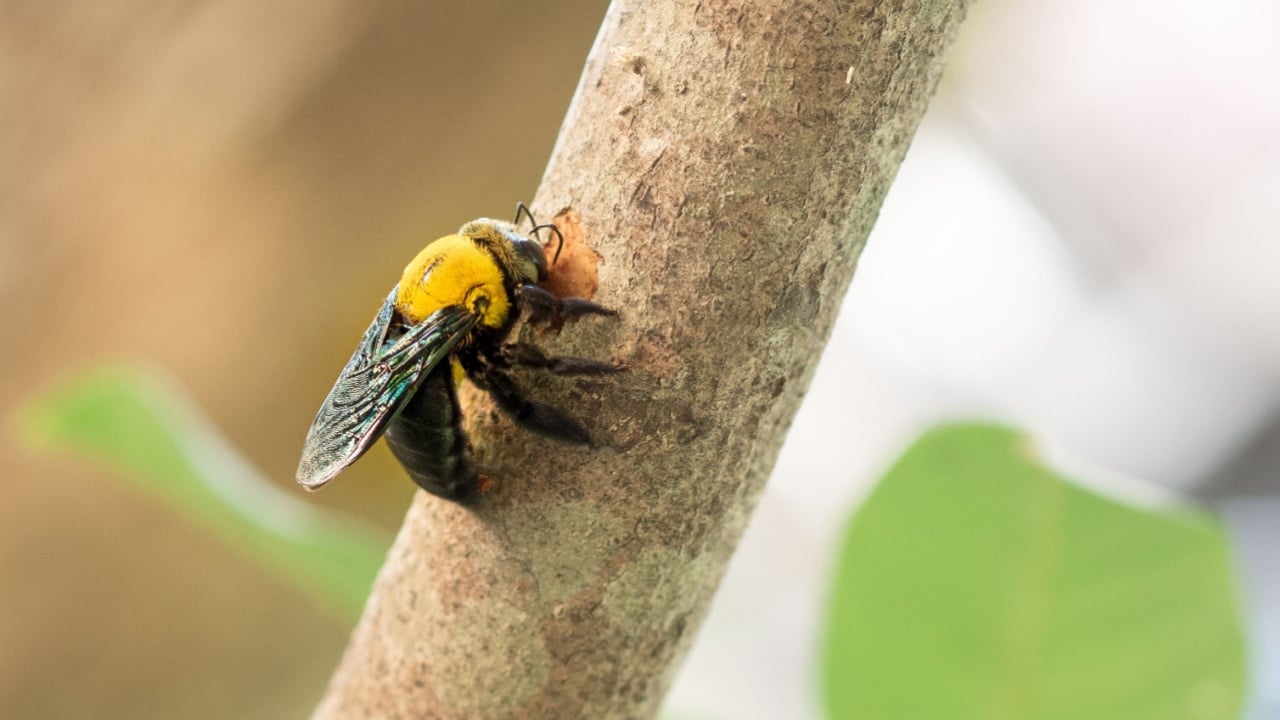
For the right person, yes. The French priest Émile Warré wrote decades ago in Beekeeping for All that beekeeping “rests both mind and body,” and anyone who has stood beside a busy hive on a warm afternoon knows he was right. But the honey-savings myth is the villain that sends most beginners home disappointed. Keep bees because you can’t stop thinking about them, not because you want cheap honey or a clear conscience. Start small, check the rules, talk to your neighbors, and a few careful choices this fall can mean a hive that is still humming years from now.
Read More
Is Your Garden Hurting You? 9 Tools Doctors Say Could Save Your Joints
Ten Companion Plants Your Peppers Need For A Successful Growing Season