
Is a New Car Worth It? 12 Expenses That Make Car Ownership Costly
Ever catch yourself daydreaming about riding along in your dream car, only to be shaken back to reality by its outrageous price tag? The cost of owning a car is on the rise, and it’s not just the price of the car itself that’s causing sticker shock.
Sure, cars have always been a sizeable investment, but the extra expenses seem to be piling up faster than ever. From soaring insurance premiums to excessive repair bills, the costs associated with car ownership are taking a bigger bite out of our wallets than initially intended.
So, what’s behind this upward trend in expenses? Let’s consider 12 factors that are making car ownership less affordable than ever before.
1. Skyrocketing Car Prices

It’s no secret that the average price of a new car has been steadily climbing in recent years. Supply chain disruptions caused by the pandemic, a global semiconductor shortage, and increased demand for high-tech features have all contributed to this price surge.
If you’re in the market for a new vehicle, be prepared to dig deeper into your pockets. The average transaction price for a new vehicle in the U.S. has risen to over $48,000, according to Kelley Blue Book. Consider exploring used car options or alternative modes of transportation to save money.
2. Rising Insurance Premiums

Insurance rates have been on the rise due to a multitude of factors, including increased accident frequency, severe weather events, and the escalating cost of repairs with advanced vehicle technology. This adds a significant recurring expense to the already hefty cost of car ownership.
To mitigate this expense, shop around for the best insurance rates and consider bundling your auto insurance with other policies to secure potential discounts. Inquire about additional discounts for safe driving, low mileage, or good students.
3. Costly Repairs and Maintenance

Modern cars are complex machines with intricate systems that can be expensive to repair. Even regular maintenance, while essential for the longevity of your vehicle, can quickly accumulate over time.
To prepare for unexpected repairs, set aside a designated monthly amount specifically for car maintenance. Consider purchasing an extended warranty, as it can offer peace of mind and potential cost savings on major repairs down the road.
4. Fuel Costs
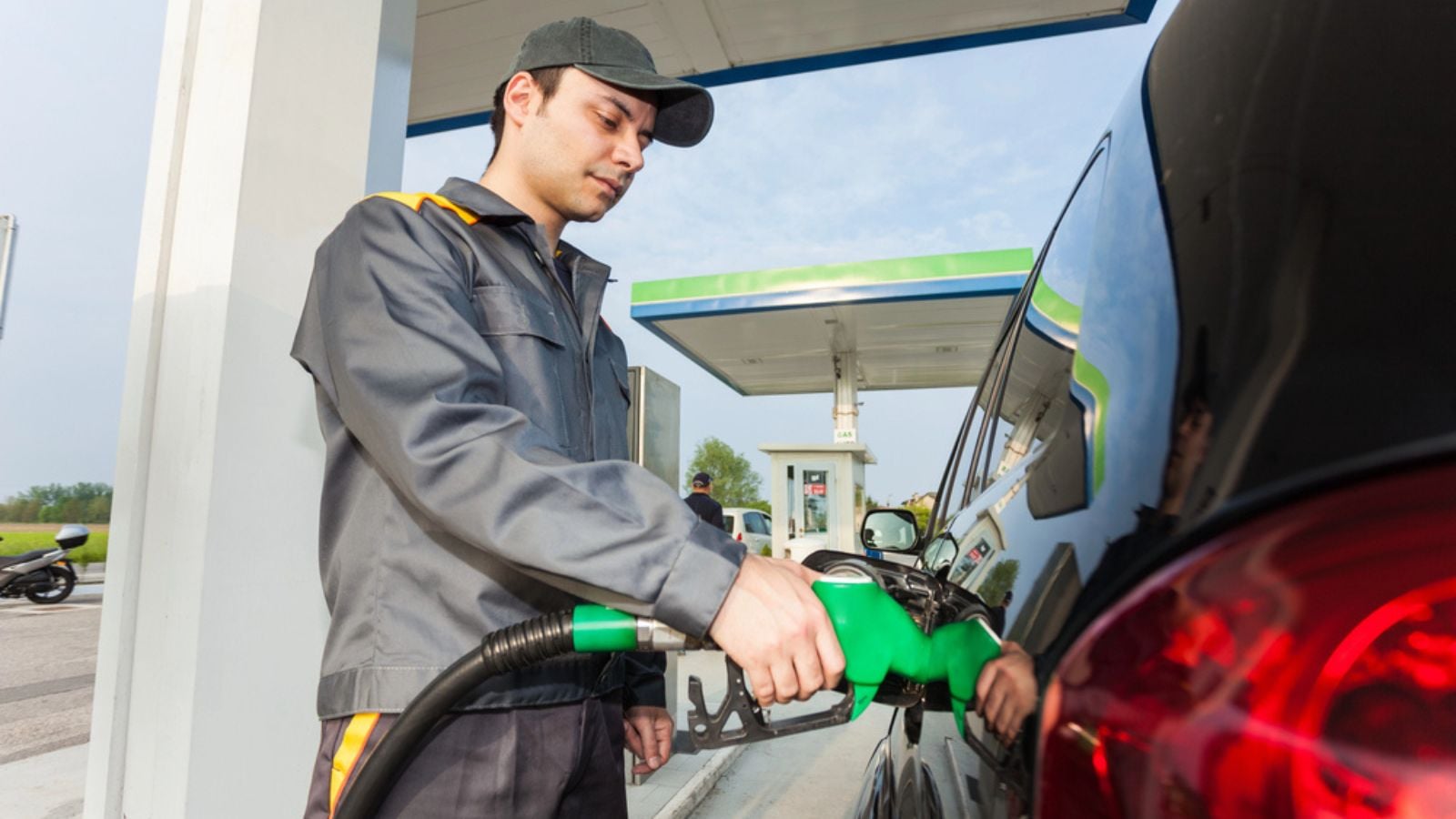
While gas prices may fluctuate, the overall trend has been on an upward trajectory. Filling up your tank is becoming an increasingly expensive endeavor, particularly for larger vehicles or those with poor fuel economy. The increasing global demand for oil and geopolitical tensions exacerbate these rising costs.
Opt for a fuel-efficient car, explore public transportation options, or embrace carpooling to reduce your gas expenses. Additionally, numerous apps are available that track gas prices, enabling you to find the most affordable options in your area.
5. Depreciation

Cars, unfortunately, are depreciating assets. The moment you drive a new car off the lot, its value begins to decline. This depreciation is a high cost of car ownership that’s often overlooked.
To minimize this expense, choose a car model known for holding its value well, and consider buying used to avoid the steepest depreciation in the initial years of ownership. Thoroughly research resale values before purchasing a car to make an informed and financially savvy decision.
6. Financing Costs

If you’re not paying cash for a car, you’ll be shouldering the burden of interest on your car loan. These financing costs can inflate the total cost of ownership over the life of the loan, adding thousands of dollars to the overall expense.
Shop around for the best interest rates, make a larger down payment to reduce the loan amount, and consider paying off your loan early to save on interest charges. These strategies can help you minimize the financial burden of financing your vehicle.
7. Registration and Licensing Fees

Don’t forget the annual sting of registration and licensing fees. These government-imposed charges can vary significantly depending on your location and vehicle type, but are an unavoidable part of car ownership.
Research the fees associated with your specific vehicle and location to budget accordingly. Some states offer discounts for electric or hybrid vehicles, so explore those options if you’re looking to save.
8. Parking Costs

If you live or work in a busy urban area, parking costs can quickly add up. Daily parking fees, monthly garage rentals, and even the occasional parking ticket can put a serious dent in your wallet.
Look for free or discounted parking options, consider carpooling or using public transportation, or factor parking costs into your budget to avoid surprises. Some employers offer subsidized parking for their employees, so inquire about that possibility as well.
9. Toll Roads and Congestion Charges

In many areas, toll roads and congestion charges are becoming more prevalent. These fees can significantly increase the cost of your daily commute or road trips.
Plan your routes to avoid toll roads when possible, or consider using electronic toll payment systems for discounts and convenience. If you live in an area with congestion charges, explore alternative modes of transportation or adjust your travel times to avoid peak hours.
10. Car Washing and Detailing

Keeping your car clean and well-maintained is important for both aesthetic and practical reasons. However, regular car washes and detailing can quickly become a costly expense.
Consider washing your car yourself to save money, or look for discounts and deals at local car washes. If you opt for professional detailing, do so less frequently to manage costs.
11. Tires and Tire Maintenance

Tires are a crucial component of your vehicle, and they don’t last forever. The cost of replacing tires, as well as regular maintenance like rotations and balancing, can add up over time.
Shop around for the best deals on tires, and consider purchasing a road hazard warranty for added protection. Properly inflated tires can improve fuel efficiency and extend their lifespan, so check your tire pressure regularly.
12. Unexpected Expenses

Car ownership is rife with unexpected expenses, from flat tires and dead batteries to fender benders and stolen catalytic converters. These unforeseen costs can quickly derail your budget.
It’s crucial to have an emergency fund set aside for unexpected car repairs or replacements. Consider roadside assistance programs that can help you in case of breakdowns or accidents.