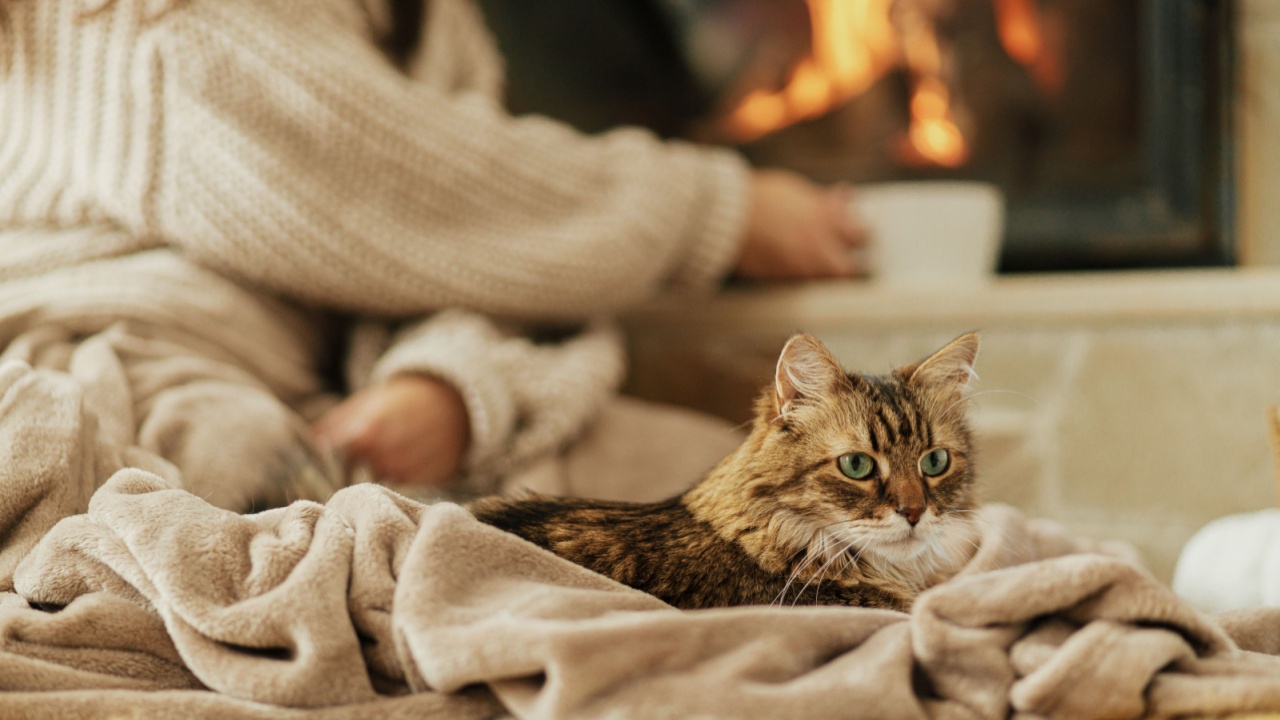
Guardians of the House: 8 Interesting Insights About Cats
Have you ever noticed your cat staring intently at a seemingly empty corner of the room or placing themselves strategically between you and the delivery person? It’s easy to dismiss these actions as just another feline peculiarity. But what if there’s more to it? For centuries, cultures around the world have viewed cats as more than just pets.
They’ve been seen as protectors, spiritual guides, and sentinels of the home. Here are eight fascinating reasons behind this belief, blending ancient wisdom with modern science to reveal why your cat might just be your most dedicated, albeit furry, guardian.
1. They Are Natural Territorial Protectors
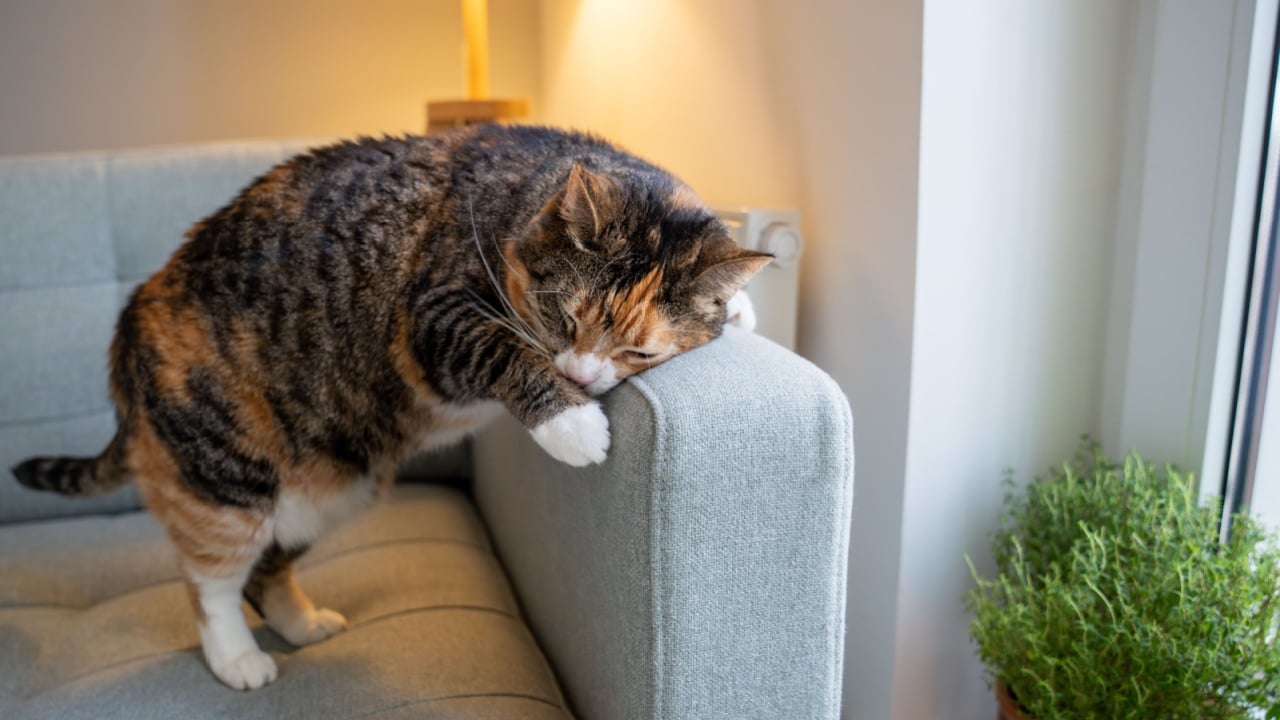
At their core, cats are territorial animals. This instinct is a holdover from their wild ancestors, who needed to defend their hunting grounds to survive. Your home is your cat’s entire world, and they view it as a territory worth defending. This protective behavior isn’t about aggression; it’s about maintaining a safe and stable environment for their family, which includes you. They patrol their domain, mark it with their scent by rubbing against furniture, and keep a close watch on any changes.
This instinct means they are keenly aware of who and what belongs in their space. When a stranger enters, your cat’s immediate alertness is a sign of them evaluating a potential disruption to their established territory. They are not just being nosy; they are performing a security check.
Quick Look:
- Provide vertical spaces like cat trees or shelves. This allows your cat to survey their territory from a safe vantage point, fulfilling their need to watch over their domain.
- Respect their space. If a cat retreats to a specific spot, it’s often their designated “safe zone.” Allowing them to have these areas helps them feel secure.
- When introducing new people, let the cat approach on their own terms. This shows them that you recognize their role as a gatekeeper and that the newcomer is not a threat.
2. Their Senses Are a Built-In Alarm System
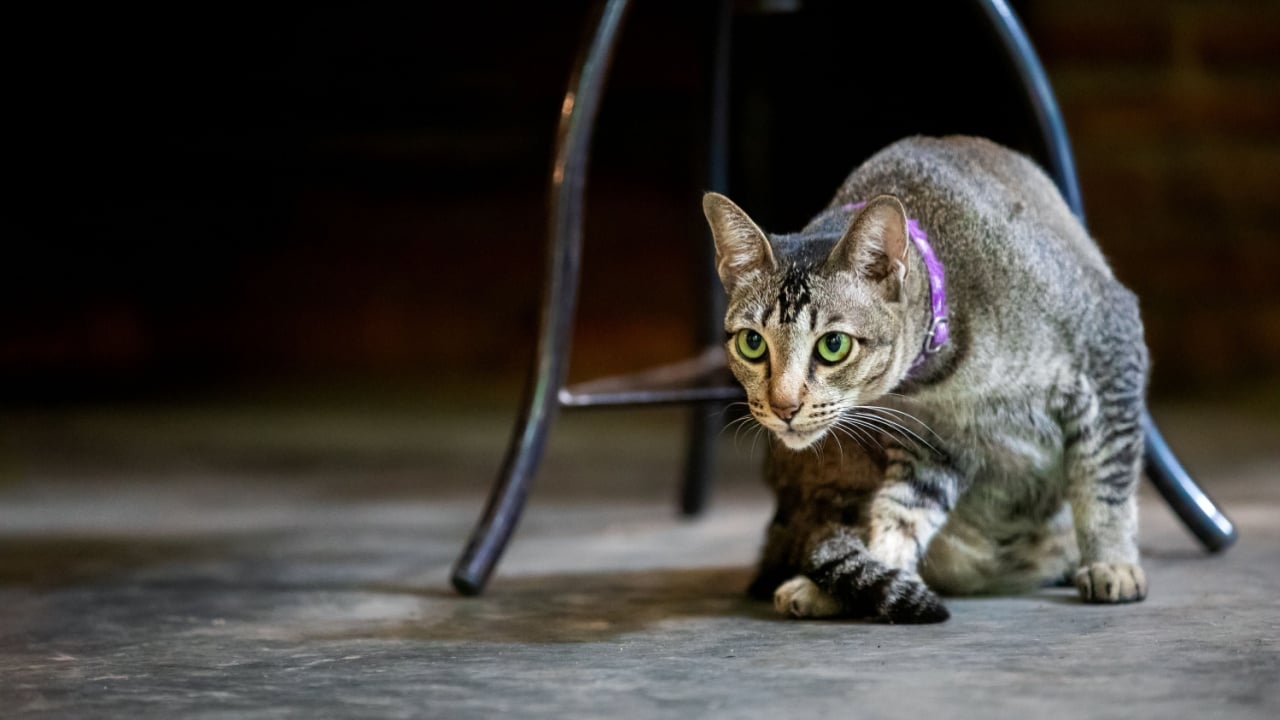
Cats possess sensory abilities that far surpass our own. Their hearing is exceptionally acute, capable of picking up frequencies well beyond the range of human ears. They can detect the faintest rustle of leaves outside or the high-pitched hum of an electronic device that we might completely miss. Their ears, which can rotate 180 degrees, act like sophisticated satellite dishes, pinpointing the exact source of a sound.
Their vision is also optimized for detecting movement, especially in low light. This makes them excellent at noticing subtle shifts in the environment that could signal an intruder or another change. When your cat suddenly freezes and stares at something you cannot see or hear, they are likely processing sensory information that is entirely invisible to you. They are your first line of defense against the unexpected.
Quick Look:
- Avoid using loud, high-frequency noises that can be stressful for a cat’s sensitive ears.
- Play with toys that mimic prey, like feather wands or laser pointers, to help them exercise these powerful senses in a positive way.
- Acknowledge their alerts. If your cat seems fixated on something, take a moment to look. It reinforces your bond and shows you trust their instincts.
3. They Are Emotionally Attuned to Their People
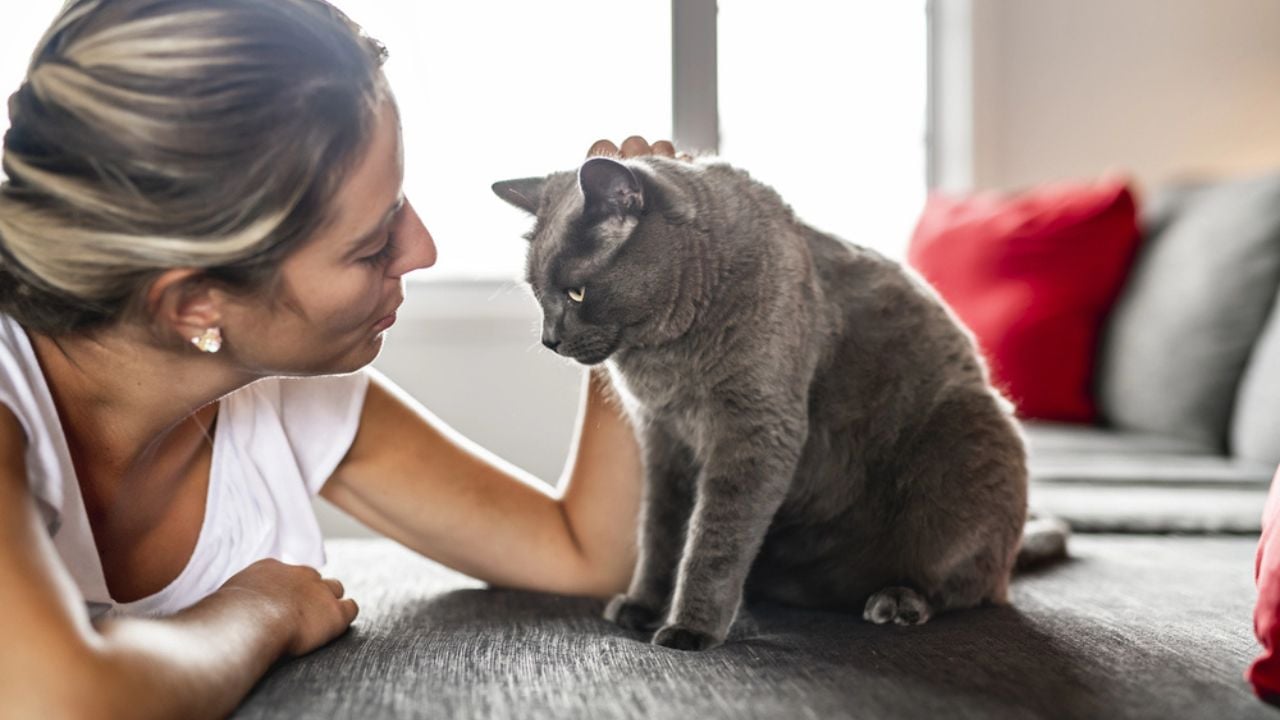
While often stereotyped as aloof, cats form deep emotional bonds with their human companions, and this makes them feel like silent guardians. They watch body language, pick up on subtle vocal shifts, and sense changes in daily routine long before anyone explains what’s going on. When someone in the home is stressed, grieving, or anxious, a cat often becomes more attentive; hovering nearby, lying close, or monitoring the room from a strategic spot.
This emotional attunement is a form of protection. By staying close to you when you are vulnerable, they offer comfort and a watchful presence. A cat that follows you from room to room, a behavior sometimes called “shadowing,” is not just seeking attention. They are actively monitoring your well-being and positioning themselves to be near the person they consider a vital part of their social group.
Quick Look:
- Spend quality time with your cat daily through petting, grooming, or quiet companionship. This strengthens your emotional connection.
- Talk to your cat in a calm, soothing voice. They may not understand the words, but they respond to the tone and emotion behind them.
- Reciprocate their affection. When they come to you for comfort, offering a gentle pat reinforces that the bond is mutual.
4. They Have Historical Roots as Sacred Protectors

The idea of cats as guardians is not a modern invention. In ancient Egypt, cats were revered and considered sacred animals associated with the goddess Bastet. She was a deity of protection, fertility, and the home. Egyptians believed that having a cat in the house invoked Bastet’s blessings and would ward off evil spirits and disease. This belief was so strong that harming a cat was a severe crime.
This reverence wasn’t limited to Egypt. In Norse mythology, the goddess Freya’s chariot was pulled by two large cats, linking them to power and fortune. Celtic legends viewed cats as guardians of the Otherworld, beings capable of moving between the physical and spiritual realms. These ancient beliefs show a long-standing human recognition of a cat’s special, protective qualities.
Quick Look:
- Japan: The “Maneki-Neko” or beckoning cat is a famous symbol believed to bring good luck and prosperity.
- Sailors: For centuries, sailors brought cats on voyages to control pests and as good luck charms to protect the ship from misfortune.
5. Their Purr May Have Healing Properties
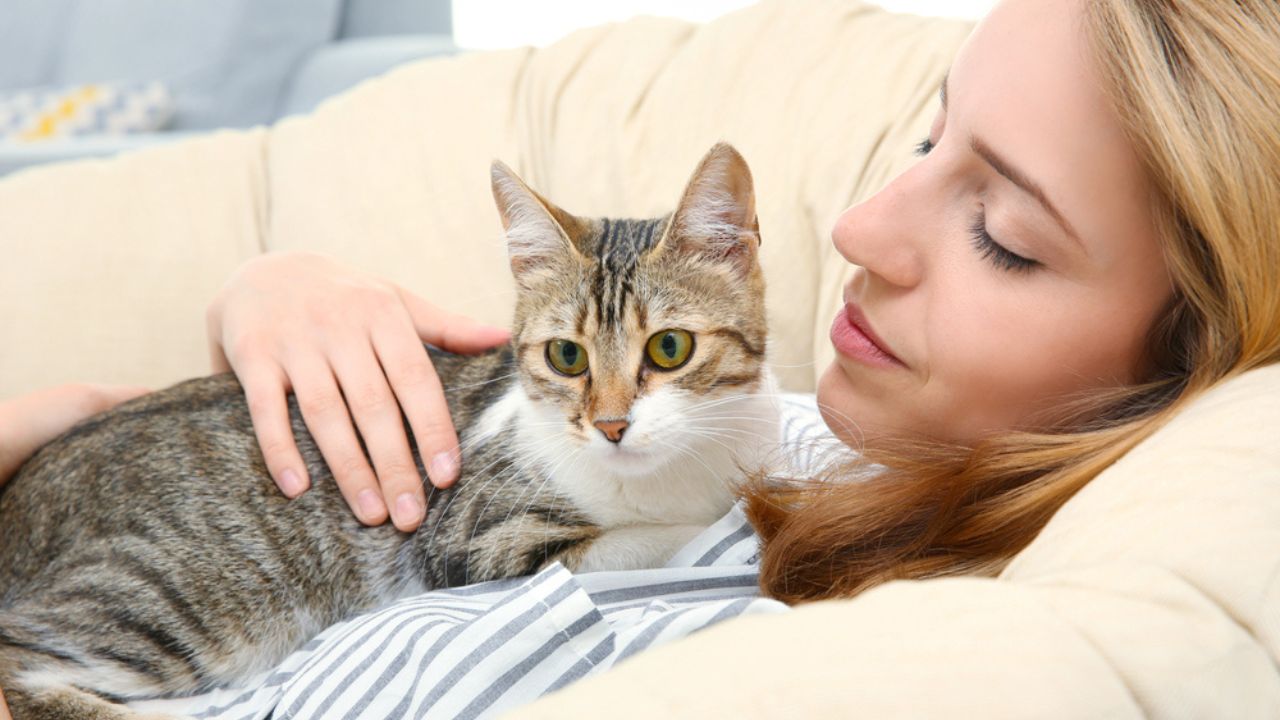
A cat’s purr is one of the most comforting sounds in the world. Beyond its calming effect, some research suggests it may have tangible health benefits. Cat purrs vibrate at a frequency between 25 and 150 Hz. Studies have shown that frequencies in this range can promote bone density and healing. This might explain why cats often purr when they are injured, as it could be a form of self-soothing and self-healing.
When a cat purrs while resting on you, it is sharing that vibrational frequency. Many spiritual traditions believe that cats can absorb and neutralize negative energy. Whether you subscribe to the scientific or spiritual view, the physical effect is undeniable. The presence of a purring cat can lower stress, reduce blood pressure, and provide a profound sense of peace and security.
Quick Look:
- Create a comfortable and safe environment where your cat feels relaxed enough to purr frequently.
- Enjoy quiet moments with your cat. Let them curl up on your lap and simply enjoy the shared calm. This is beneficial for both of you.
6. Cats are Purifiers and Shields of Energy

Ancient traditions and folklore often described cats as beings capable of cleansing and guarding a home’s spiritual energy. Unlike emotional sensing, this idea places them in the role of protectors who interact with subtle, unseen forces. People believed cats could absorb negative vibrations, interfere with harmful spiritual entities, and restore harmony to a space simply through their presence.
This belief was reinforced by how cats choose quiet corners, windowsills, doorways, or high vantage points, places many cultures viewed as energy gateways. Their natural stillness and intense focus created the impression that they were buffering the home from invisible disturbances. In this sense, cats became more than companions; they were protectors who kept the household’s spiritual atmosphere pure and balanced.
Quick Look:
- They notice changes in your routine, which can be an early indicator that something is amiss.
- They watch the interactions between people, assessing the social dynamics of the room.
- A protective cat may place itself physically between its owner and a person they are unsure about.
7. They are Symbols of Good Luck
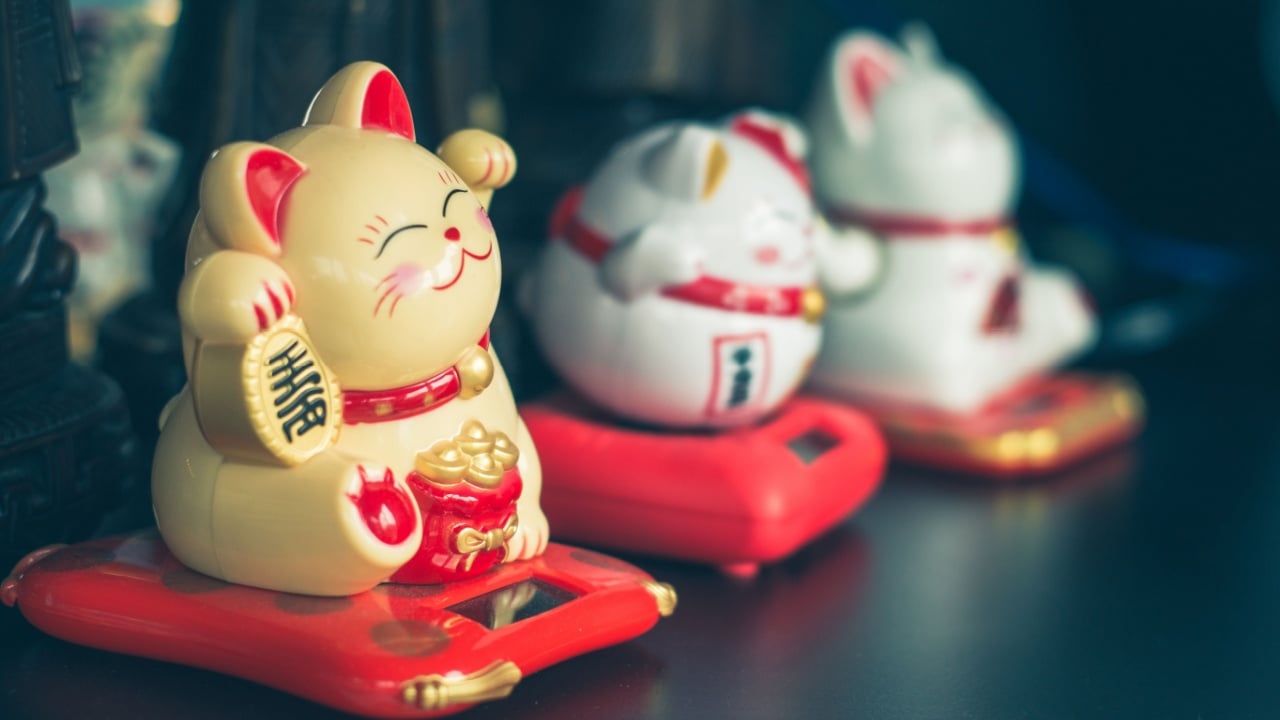
The reverence for cats in human culture extends far beyond companionship, often highlighting their symbolic role as bringers of good fortune. In Japan, the iconic Maneki-Neko, or “beckoning cat,” embodies this tradition. Depicted with one paw raised, the Maneki-Neko is believed to attract prosperity, positive energy, and protection to the home or business it occupies.
This cultural symbol reflects a long-standing belief that cats can influence the material well-being of a household. Across the East and in other global traditions, cats are celebrated as mystical guardians whose presence invites luck.
Quick Scan:
- Display a Maneki-Neko figurine in a safe, prominent place to honor cultural tradition.
- Learn about its symbolism: left paw raised for welcoming people, right paw for attracting wealth, and colors conveying different protective meanings.
- Appreciate your cat as both a companion and a living symbol of the same protective energy.
8. Over-Protective Behavior Can Signify Stress
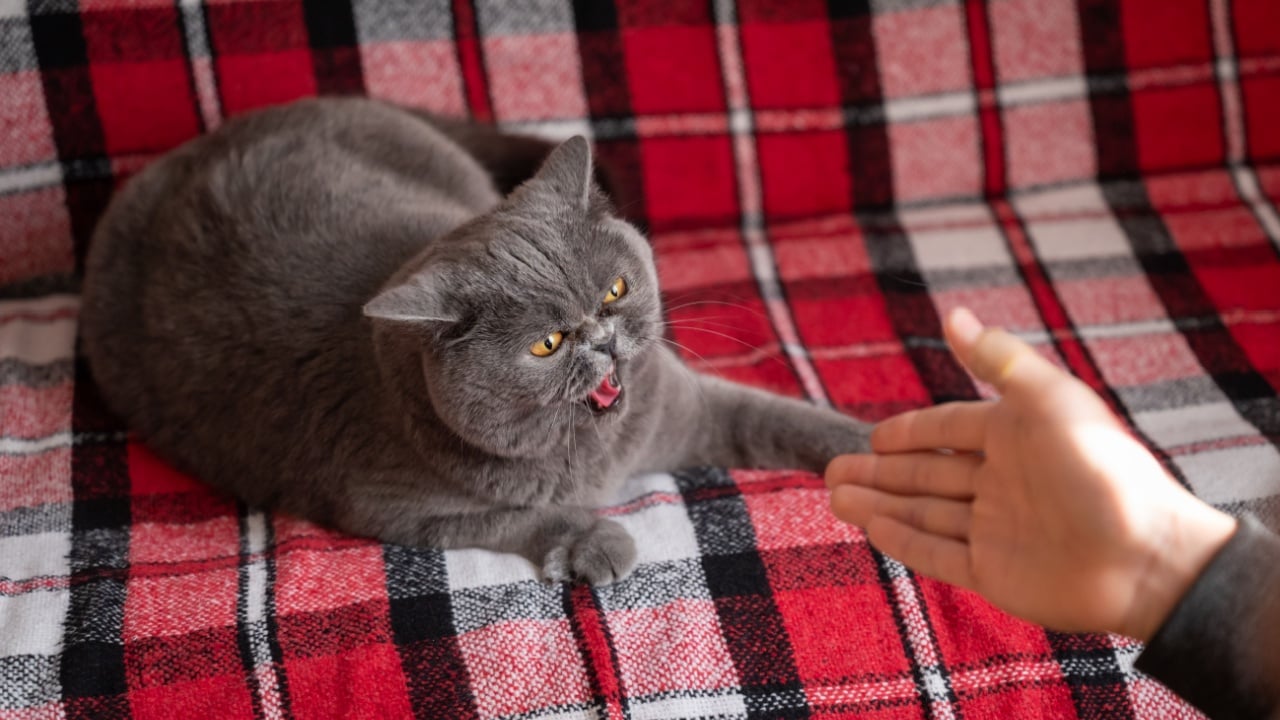
While a protective cat is a wonderful companion, this instinct can sometimes become problematic if it escalates into overprotectiveness or aggression. A cat that feels its owner is threatened may hiss, swat, or even bite visitors, other pets, or even family members. This behavior often stems from stress.
Recognizing the signs of overprotectiveness is essential. If your cat consistently tries to block people from getting near you or reacts aggressively to normal interactions, it may be a sign of underlying anxiety. It’s important not to reinforce this behavior by consoling the cat during an aggressive episode, as this can be misinterpreted as praise.
Quick Look:
- Consult a veterinarian to rule out any medical issues that could be causing the behavior.
- Work on positive associations. Have guests offer your cat a favorite treat to help them see newcomers as a source of good things.
- Never punish a cat for aggressive behavior, as this can increase fear and make the problem worse. Instead, redirect their attention and manage the situation to prevent escalation.
Cats Are Amazing
Your relationship with your cat is a partnership. To honor their role as a guardian, the best thing you can do is foster an environment of trust and security. Observe your cat’s unique behaviors. Learn their specific signals for alertness, contentment, and stress.
When you understand their language, you can better respond to their needs and acknowledge the subtle ways they care for you. Reinforce your bond through positive interactions, consistent routines, and by providing a home where they feel safe enough to let their guard down. By doing so, you are not just caring for a pet; you are respecting a devoted and ancient guardian of your home.