If Society Becomes Unbearable: Let’s Move to One of These 7 U.S. Places
We have all had those evenings when you watch the news, see how the world is going, and you suddenly find yourself looking up remote cabins in the woods. While I mostly joke that I would not last three days without streaming services, the thought of having a backup plan keeps nagging at me. It makes sense to look for a spot where a person could actually survive if things went sideways.
You are here because you want to know where to go when the grocery stores sit empty. This post covers seven regions in the United States that offer the resources you need to live independently. We will look at water access, growing seasons, and community resilience.
1. Alaska
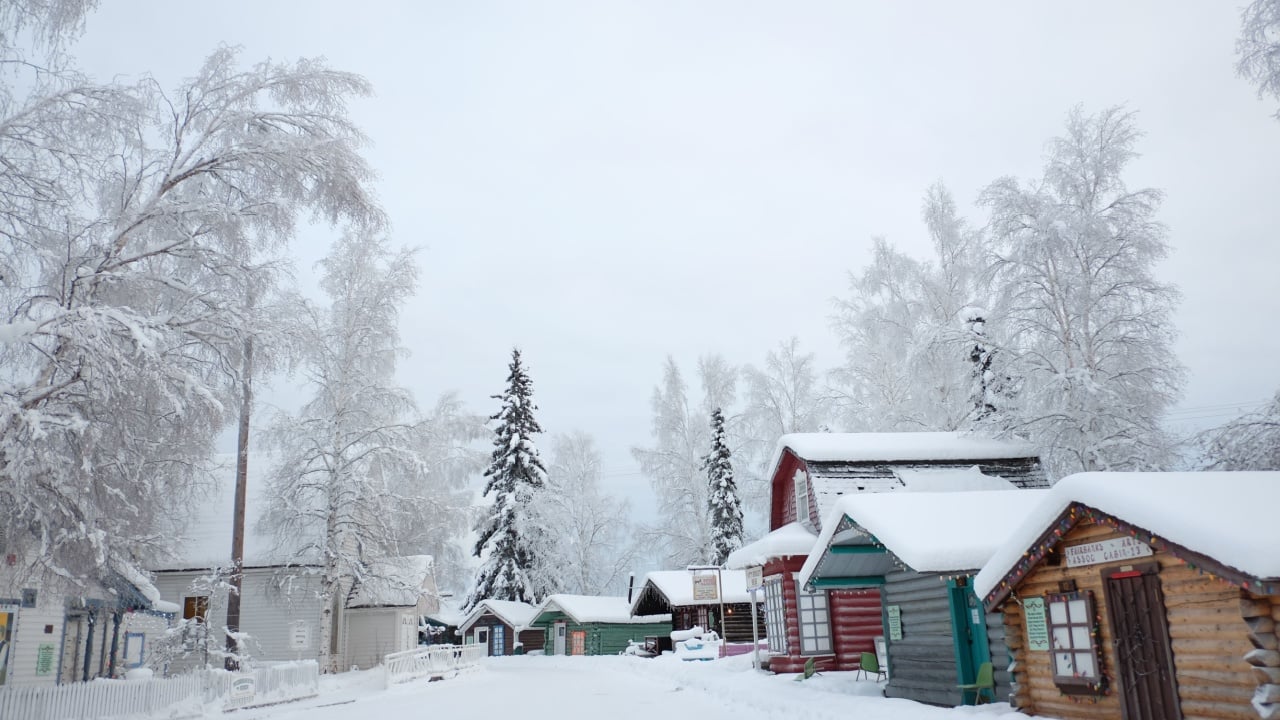
If you really want to disappear, Alaska stands alone. Specifically, the Kenai Peninsula offers a balance between isolation and survivability that is hard to find elsewhere. While the winters remain brutal, the access to resources is unmatched for those willing to work for it. The state has the lowest population density in the nation, with roughly 1.3 people per square mile. You will not have to worry about crowded neighbors here.
The Kenai Peninsula provides incredible fishing opportunities, particularly for salmon, which can serve as a primary food source. Freshwater is abundant, meaning you will not struggle to hydrate your crops or livestock. Land is affordable compared to the lower 48 states. However, the growing season is short. You must learn to use greenhouses and high tunnels to produce enough vegetables.
2. Vermont
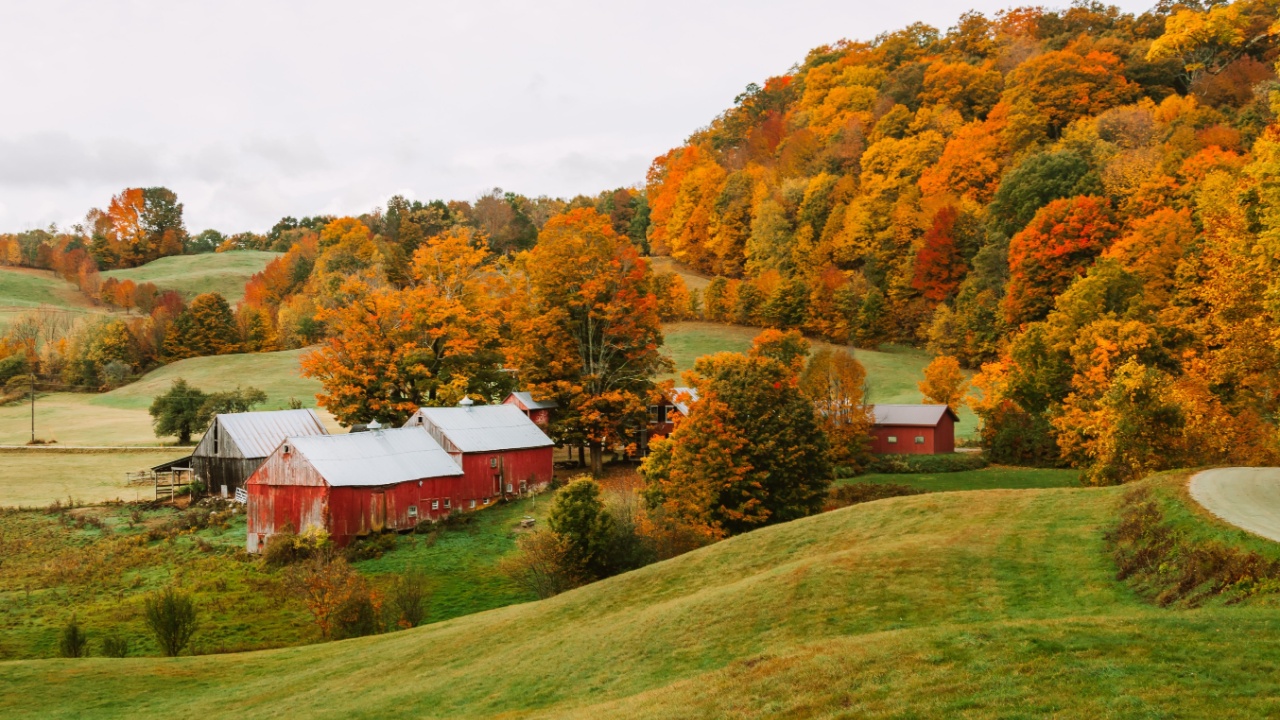
Vermont might seem like a vacation spot for leaf-peepers, but the Northeast Kingdom region is rugged and ready for anything. This area has a long history of farming and self-reliance. The culture here values independence, which becomes vital when you need to rely on your community rather than a supply chain. The Green Mountains offer natural protection and plenty of wood for heating and building.
Vermont has strict development laws, which have kept the population density low and the land pristine. You will find fertile soil in the valleys, perfect for growing root vegetables, corn, and hardy greens. Water is everywhere. Small streams, rivers, and lakes dot the landscape, making irrigation simple. The winters are harsh, similar to other northern spots, but the established agricultural knowledge in the region is a huge asset.
3. The Ozarks
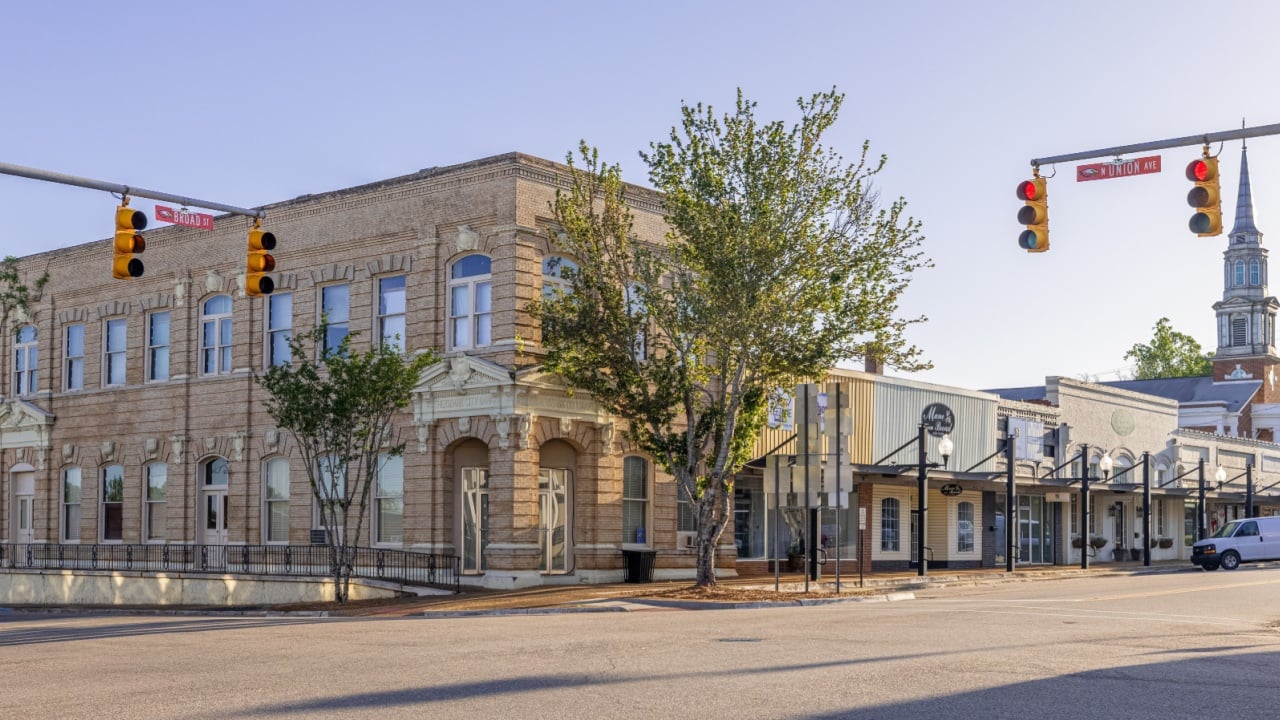
Spanning Arkansas and southern Missouri, the Ozarks offer a compelling mix of mild weather and defensive geography. The terrain is hilly and thick with forests, making it difficult for outsiders to navigate but excellent for those who know the land. One of the biggest draws is the abundance of natural springs and caves. A fresh water source that comes directly out of the ground is invaluable. The caves can provide natural refrigeration or shelter in extreme weather.
Land prices in this region remain among the lowest in the country, allowing you to buy more acreage for your budget. The growing season lasts longer here than in the northern options. You can garden well into the autumn. While the soil can be rocky, livestock thrives in the hills. Goats and chickens do particularly well in this environment. It is a practical choice for those who want isolation without freezing temperatures for six months of the year.
4. Western North Carolina
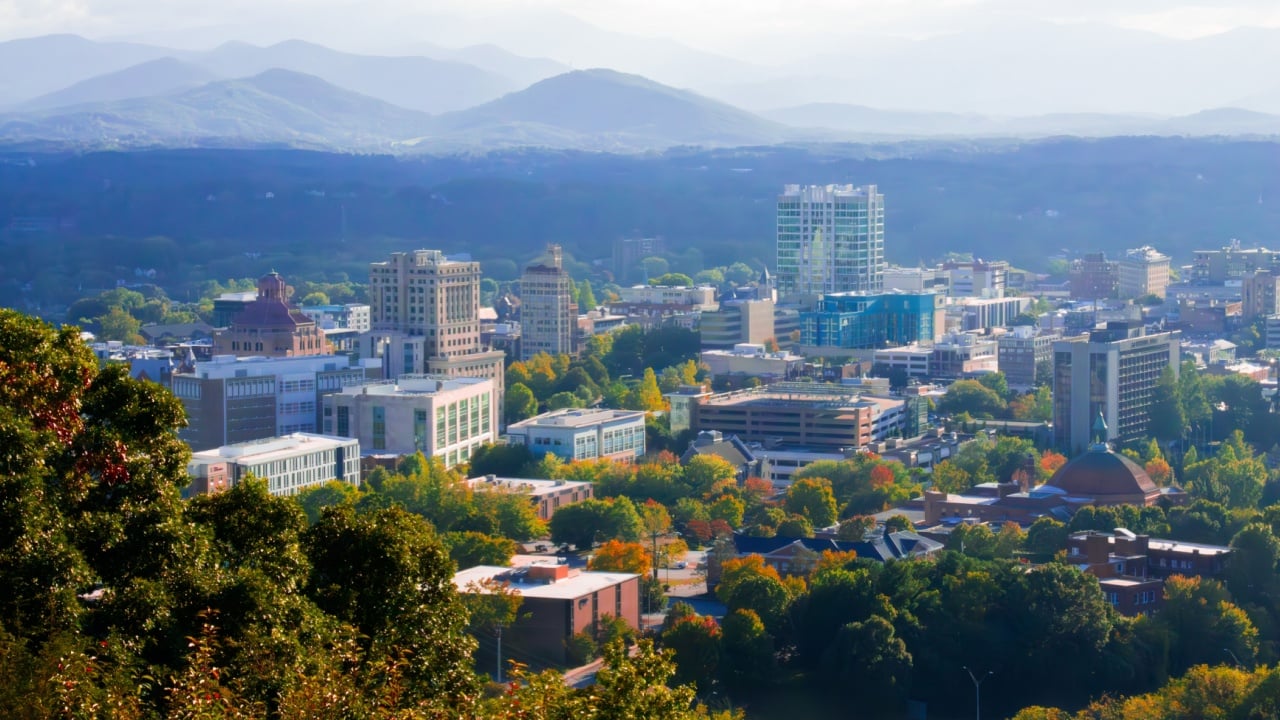
The Appalachian foothills offer a unique microclimate that protects against extreme weather patterns. This area sits high enough to avoid flooding but stays temperate enough to support a massive variety of crops. Biodiversity is the strength of this region. The forests are full of medicinal plants, mushrooms, and wild game. If your garden fails, the woods can provide.
The Blue Ridge Mountains create a natural barrier, yet the communities nestled within them are tight-knit. Water flows freely from the mountains, providing clean sources for drinking and hydro-power potential. You do need to watch out for the tourist areas, but plenty of secluded hollows exist where you can establish a quiet homestead. The soil is rich and dark, ideal for permaculture projects.
5. Central Utah

When it comes to preparedness, few places compare to Central Utah. The culture here is deeply rooted in food storage and self-sufficiency. In the Sanpete or Sevier Valleys, having a year’s supply of wheat in your basement is considered normal, not strange. The community aspect here is strong. If society crumbles, you want neighbors who know how to can vegetables and mend fences.
The high desert climate presents challenges with water, but the area has developed sophisticated irrigation systems over the last century. Snowmelt from the mountains fills the reservoirs and aquifers. You will enjoy ample sunlight, which is perfect for solar power setups. The growing season is decent, though you must account for cold nights. The area is defensible due to the surrounding mountain ranges, keeping the valleys isolated from major urban chaos.
6. Northern Idaho

The Panhandle region of Idaho has become a magnet for people seeking freedom and distance from city life. It is rugged country, dominated by deep forests and deep lakes. The mindset here is fiercely independent. Kootenai and Bonner counties offer immense natural resources. You have timber for building and heat, along with game for hunting. Elk, deer, and turkey are plentiful. Lake Pend Oreille and its surrounding waterways guarantee you will never run dry.
The winters bring heavy snow, so you need to be prepared for isolation during the colder months. However, the soil in the river valleys is surprisingly productive. This area is far removed from major population centers and interstate targets. If you want to be left alone to tend your garden, this is the place.
7. The Upper Peninsula of Michigan
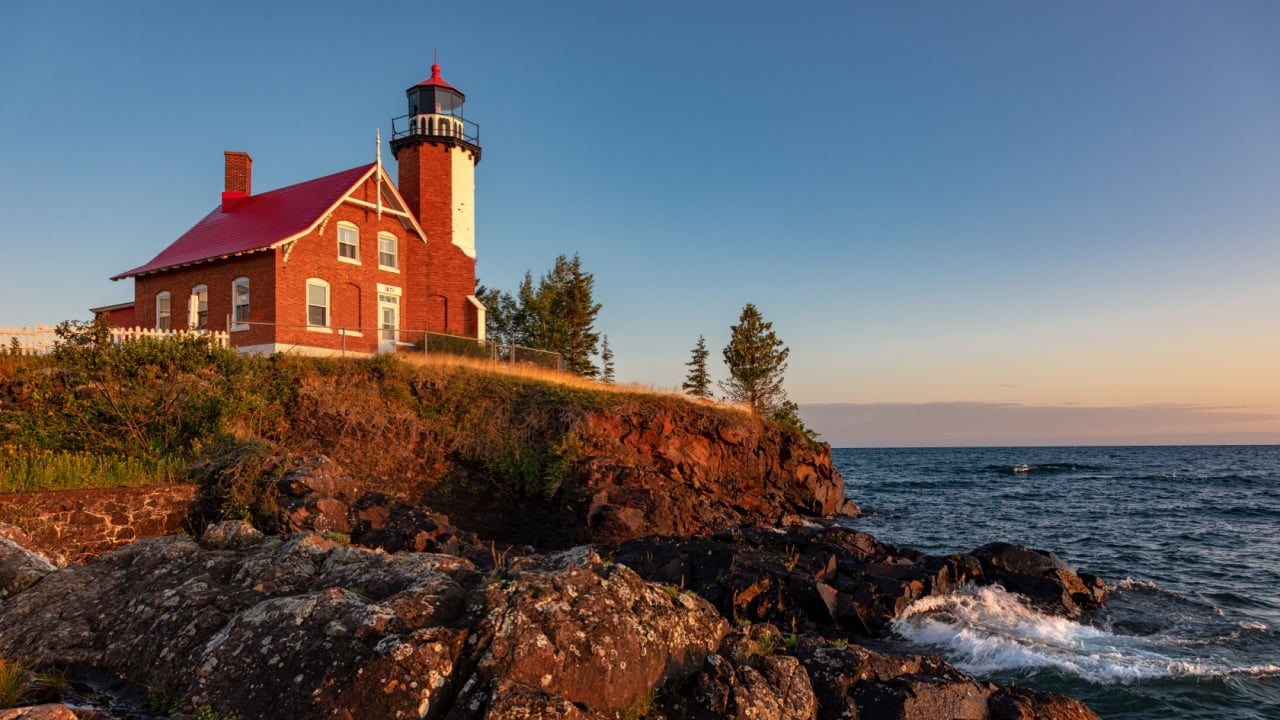
Locals call it the “U.P.,” and it is practically a different country from the rest of the state. Surrounded by Lake Superior, Lake Michigan, and Lake Huron, you have access to the largest freshwater system on earth. Thirst will never be an issue here; no wonder it is among the top places Americans want to live. The population is incredibly sparse. You can drive for miles without seeing another house.
While the winters are legendary for their snowfall, the summer months are mild and pleasant. Farming here focuses on cold-hardy crops like potatoes, cabbage, and kale. Fishing is a year-round food source, even through the ice. Isolation is the main defense. Few people will venture this far north unless they are already acclimated to the harsh conditions. It is a rugged paradise for the prepared individual.
Preparing for the Move

We often joke about the end of the world, but having a plan brings genuine peace of mind. These seven locations offer resources that give you a fighting chance when modern conveniences fail. Do not try to buy land tomorrow. Start by looking at maps and checking property taxes in these counties.
Take a road trip to visit one of these areas and see if the local atmosphere suits you. Learn a single primitive skill this month, like purifying water or identifying edible weeds in your own backyard. Action cures anxiety. You might not move today, but knowing where you would go is the first step toward true independence.