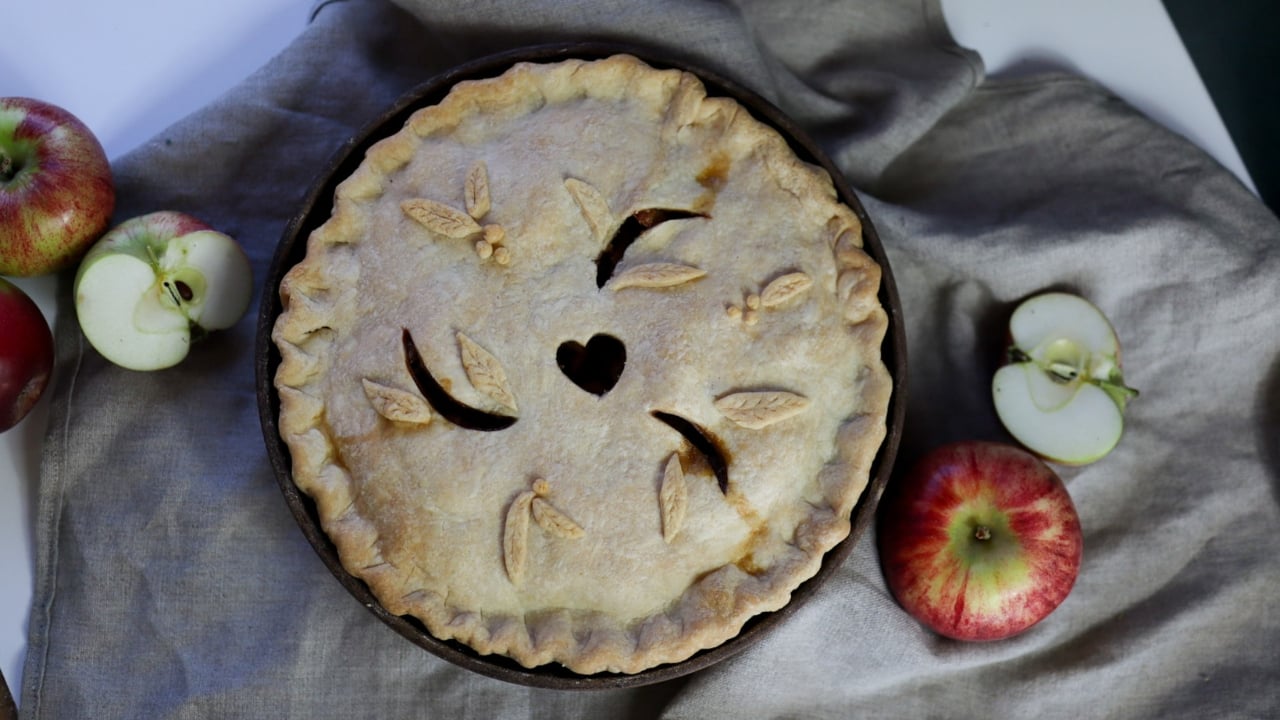
I Tried This 1845 Apple Pie Recipe and Now It’s Our Thanksgiving Favorite
Every family has its Thanksgiving traditions, from treasured rituals like watching the Macy’s parade, to favorite family dishes that show up on the table year after year. In my own quest to create meaningful traditions with my children, I stumbled upon a recipe that is now indispensable to my family’s holiday baking: an apple pie from 1845.
This recipe comes from The New England Economical Housekeeper, a cookbook that offered a suggested menu for Thanksgiving Day in the mid-19th century. I was intrigued. The ingredient list was simple, almost vague, but one component gave me pause: molasses. I had never considered adding it to an apple pie, but my curiosity won.
After one bite, I understood why this pie was a staple on Thanksgiving tables nearly two centuries ago. It was comforting, familiar, yet wonderfully different. It’s now the only apple pie I make, and it has become a cherished part of my family’s holiday celebration.
A Taste of History
What makes this recipe so special is its delightful simplicity and the way it connects us to the past. The original instructions are wonderfully brief:
“Peel the apples, slice them thin, pour a little molasses, and sprinkle some sugar over them; grate on some lemon-peel, or nutmeg. If you wish to make them richer, put a little butter on the top.”
There are no exact measurements, inviting the baker to rely on instinct and taste, much like a grandmother passing down a recipe over the phone.
That freedom is part of its charm. The molasses provides an earthy depth that perfectly complements the tartness of the apples, creating a flavor profile that feels both rustic and refined. It’s a departure from modern, cinnamon-heavy pies, offering a taste that is subtly complex and deeply satisfying.
How to Make the 1845 Apple Pie
While the original recipe encourages a bit of guesswork, I’ve worked out some measurements that deliver a perfect pie every time. You will need a standard 9-inch double pie crust for this, and if you’ve got a favorite family crust recipe, this is a great time to use it!
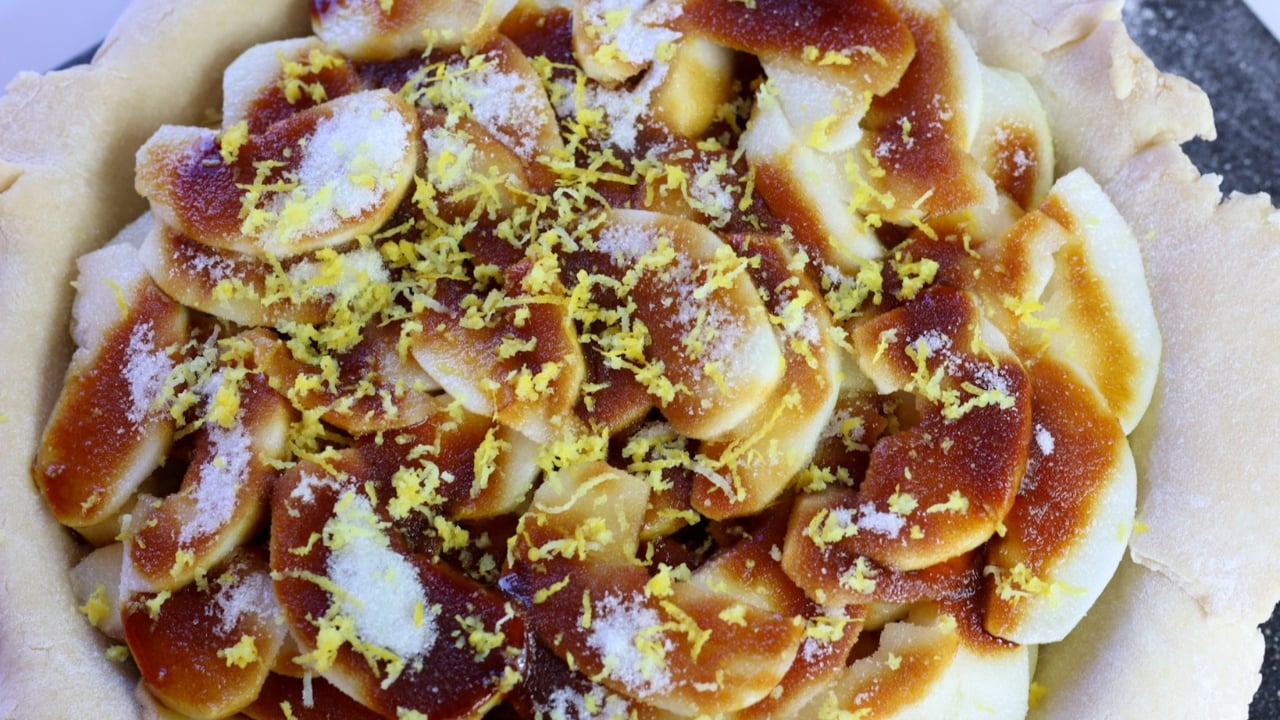
For the filling, start with about six to eight tart, crisp apples. A mix of Granny Smith, McIntosh, and Cortland works beautifully. Peel, core, and slice them thinly. In a large bowl, combine the apple slices with one-third cup of white sugar and one-quarter cup of molasses.
For the spice, you have a choice. I prefer using the zest of one lemon, which adds a bright, subtle note that I find more interesting than the common nutmeg. Mix everything together until the apples are evenly coated. Pour the filling into your bottom pie crust.
You can add a tablespoon of butter, cut into small pieces and dotted over the apples, for extra richness. Place the top crust over the filling, crimp the edges, and be sure to cut a few vents to allow steam to escape. .
Baking Your Pie
Bake the pie in an oven preheated to 350°F. The original recipe is silent on baking time, so you’ll need to watch it closely. I find it takes around 70 to 75 minutes for the filling to become bubbly and the crust to turn a beautiful golden brown. Depending on the apples you use, it might take less than this though, so I suggest starting to check it around the 45-minute mark.
Once it’s done, let the pie cool for at least a few hours before slicing. This allows the filling to set, ensuring you get clean, beautiful slices.
More Than Just a Dessert
The first time I served this pie, my family was captivated. It wasn’t just another dessert; it was a conversation starter. We talked about how different life must have been in 1845 and imagined a family gathering around a table, sharing this very same pie over their own Thanksgiving celebration.
Baking it has become a treasured ritual, a way to slow down and connect with a simpler time. Every year, as the rich, sweet scent fills my kitchen, I’m reminded that some things truly are timeless. This pie isn’t just food, it’s a little taste of history, and a new tradition I’ll pass down for years to come.