How to Make Chores Fun with Psychology Tricks
Are dirty socks multiplying behind the couch? Or is the lawn taking on a wild, rebellious streak?
If chores seem about as exciting as watching grass grow, you’re not alone. Luckily, there are clever brain hacks for those garden-weeding, patio-scrubbing, and laundry-wrangling moments.
We will look at four surprisingly doable steps that use a bit of psychology to turn even the most groan-worthy tasks into something almost, dare it be said, fun.
You’ll learn how to mix in just enough reward, structure, and connection to finally tame your to-do list.
First, Pair the Pain with Pleasure

The foundation of this whole strategy is simple: combine something you hate with something you love. It’s called temptation bundling or dopamine pairing. You’re essentially tricking your brain. By linking a tedious chore with an activity that gives you a hit of dopamine, the feel-good chemical, you start to associate the chore itself with that positive feeling. Your brain begins to anticipate the reward, making the task itself more palatable.
For this to work, the enjoyable extra must be something you genuinely look forward to but reserve only for chore time.
Do you have a podcast you’re dying to listen to? Save it for when you’re pulling weeds. Is there a trashy reality show that is your secret guilty pleasure? It now becomes your “patio-scrubbing” show. The rule is strict: no treat without the chore. This exclusivity creates a powerful incentive.
But, Make Sure the Fun Activity Isn’t Distracting
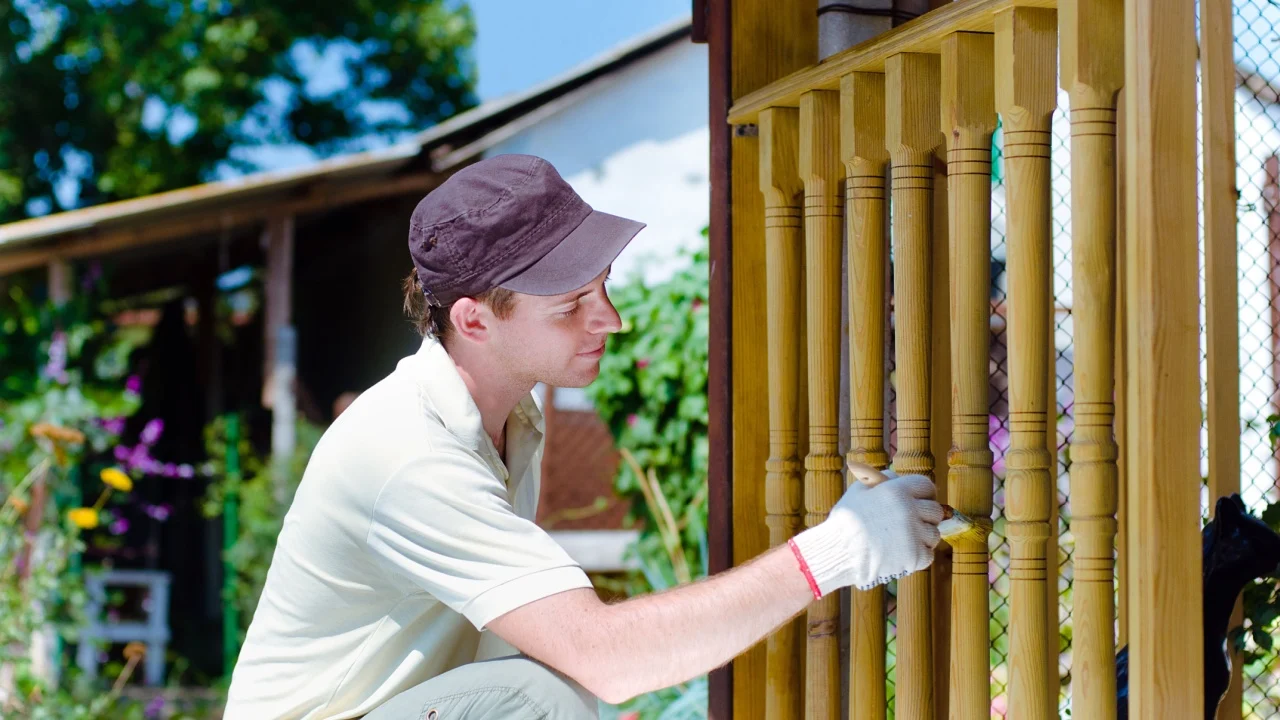
Now, before you try to read a novel while power-washing the deck, a word of caution. The enjoyable activity you choose should complement the chore, not complicate it. The goal is to make the work less boring, not to create a chaotic, multi-tasking disaster where you end up doing both things poorly. You need an extra that occupies a different part of your brain than the chore does.
For physical but mindless tasks like raking leaves, mowing the lawn, or painting a fence, audio-based entertainment is perfect. This includes music playlists, audiobooks, and podcasts. Your hands are busy, but your mind is free to be entertained. If you’re doing something that requires a bit more visual focus, like carefully pruning rose bushes, a high-energy music playlist might be better than a complex audiobook that could break your concentration. The idea is to find a pairing that allows you to work efficiently while still getting that mental reward.
Still Overwhelmed or Unmotivated? Break It Down into Bite-Sized Pieces

Staring at an overgrown garden that looks like it might swallow your house whole is overwhelming. The sheer scale of a big project can lead to paralysis, causing you to avoid it entirely. According to psychologists, the solution is to chop that monster task into small, manageable chunks. Instead of telling yourself, “I have to clean the entire backyard today,” reframe it as, “I’m going to spend 25 minutes weeding just one flower bed.”
This approach, often called the Pomodoro Technique, works wonders. Set a timer for a short period, like 25 or 30 minutes, and work with focus until it goes off. Then, take a short break. This method does two things. First, it makes the task feel less intimidating. Anyone can do almost anything for just 25 minutes. Second, it provides a clear finish line, which gives you a sense of accomplishment with each completed interval.
Finally, Bring in Help and Make It a Social Affair

There’s a reason barn raisings were a thing. Doing a tedious job with other people makes it go faster and feel less like work. Turning chores into a social activity can be a powerful motivator. The shared experience, conversation, and mutual encouragement can transform a solo slog into a collaborative and even fun event.
You can recruit family members, roommates, or friends to join in. You can also try body doubling, where someone else is in the room working on their own task while you do yours. It creates a sense of accountability and support, making it harder to give up or get distracted. When you’re done with your tasks, you can reward yourself with some well-deserved social time together.
Have Fun with Work

The secret to a less-chore-filled life isn’t a magical cleaning fairy; it’s a bit of brain chemistry and clever planning. Another way to make chores more fun is by turning them into a game. Challenge each other to see who can finish their list first, or set a timer and try to beat your previous best time.
You can also add some friendly competition by assigning points for completing certain tasks or doing them in creative ways. For example, folding laundry while dancing around the living room earns extra points for style and efficiency.
Read More: