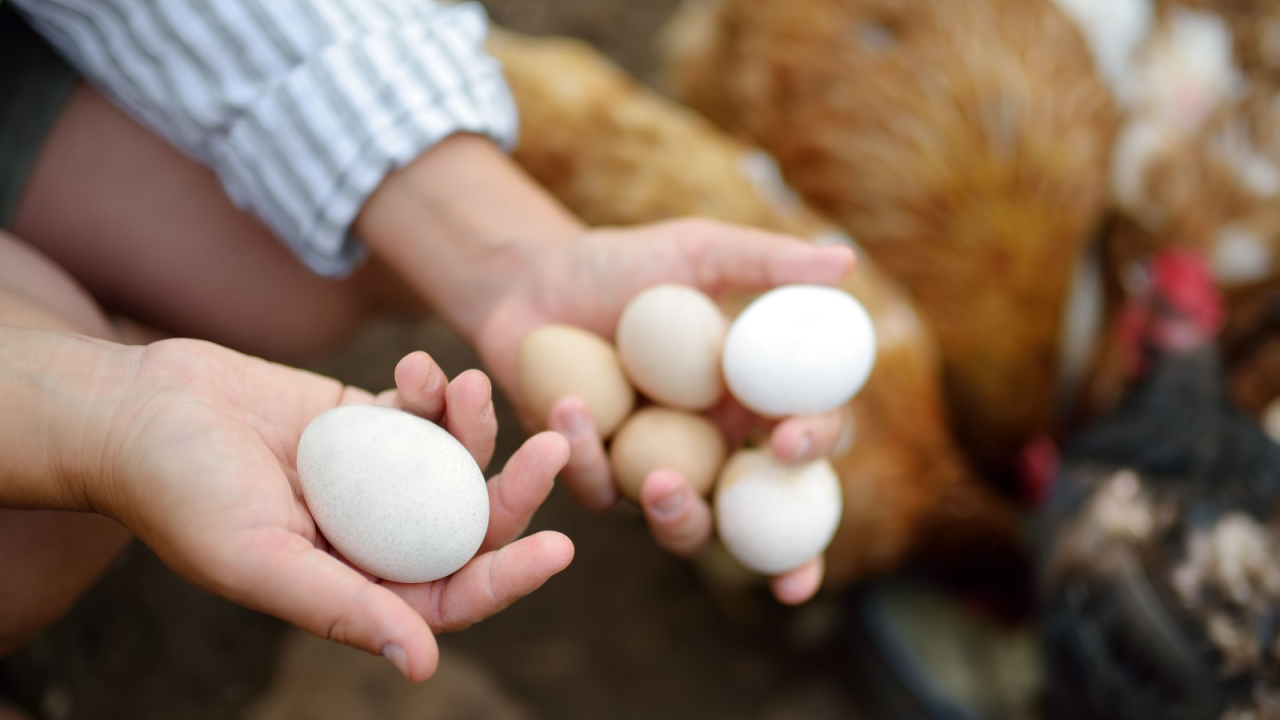
The Key to Farm-Fresh Eggs With Incredible Flavor
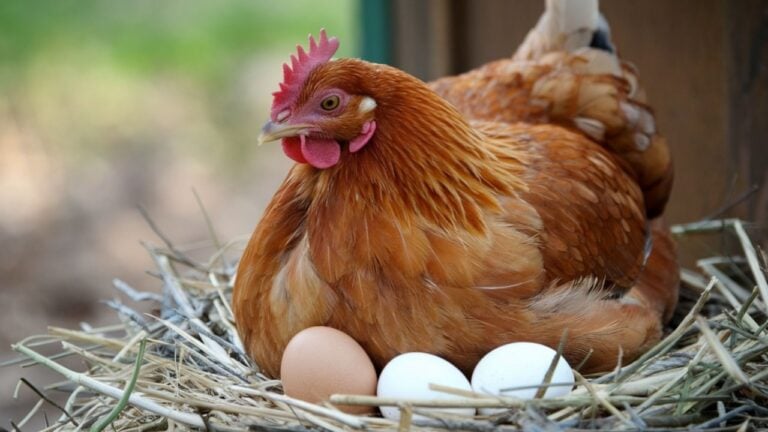
What qualifies as a great egg? It’s not size, and it’s not how white the shell looks. A great egg has a yolk so rich it leans orange, not yellow. The shell doesn’t crumble—it snaps. And when you crack it open, it holds its shape like it’s posing for a portrait.
If your chickens are laying eggs with yolks that look more like pale ping-pong balls than golden orbs of goodness, the problem probably isn’t the bird—it’s the buffet. Don’t start sourcing new chickens just yet. Change how you’re feeding the ones you’ve got. Or if you are buying eggs from the store, it might be time to find a trustworthy local source to buy them fresh.
YouTuber @LifeByMikeG swears his chickens produce the best eggs on earth—and when you see them hit a hot pan, your opposition gets stuck in your throat. Here’s how he achieves that mustard creaminess and nutrition gold.
1. Ferment the Feed for a Nutrient Upgrade
If you usually just toss dry feed into the run, ask yourself, “What would Mike do?” He dumps organic grains into a bucket, covers them with water, and lets them sit overnight. The sugars in the grains begin to ferment, which breaks down tough-to-digest starches and unlocks more usable nutrients.
When chickens feed on fermented feed, they digest more, waste less, and get a solid dose of natural probiotics in the process. The feed swells, so you use less, too.
2. Feed the Garden to the Birds
When your lettuce bolts, your fennel flops, or your cabbage starts looking like it’s ready for a horror movie, don’t compost it—feed it to your chickens. Mike throws in any clean, chemical-free green scraps straight from the garden. The variety is what matters. Chickens aren’t salad snobs—they’ll happily eat what you’d never touch.
Those plant pigments and minerals work their way into the yolks, and that’s how you start getting eggs with that deep, almost orange glow.
3. Add Mealworms for Protein and Obedience
Dried mealworms are the high-value currency in the chicken world. Mike sprinkles them in sparingly, and not just for protein. They give the eggs a boost in nutrition, but more importantly, they turn your chickens into loyal minions.
When it’s time to get them back in the coop, you don’t chase. You shake the mealworm container, and they come running like it’s Black Friday. It’s part supplement, part mind control.
4. Boost Shell Strength with Oyster Shells
If you’ve ever reached for an egg and felt it crumble in your hand like a sad cookie, your chickens need more calcium. Use ground oyster shells—clean, safe, and rich in slow-release calcium.
This helps hens lay eggs with strong shells and protects their bones from depletion. It’s not a fancy step, but if you’re serious about quality, it’s non-negotiable.
5. Let Them Hunt the Backyard Buffet
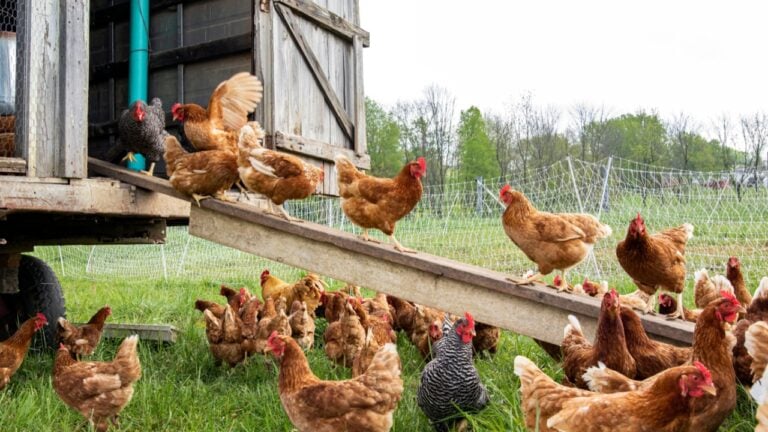
No feed in the world can replicate what a chicken finds in a yard full of bugs, weeds, and mystery greens. Let your birds forage safely. That means a secure fence, cover from hawks, and enough space to scratch and explore. When chickens get to act like chickens, they get to exercise and be healthier. And healthier hens lay better eggs.
Free ranging is also a great opportunity for the little cluckers to help you in pest control. All those ticks, spiders, and small mice will be history with your chicken on the loose.
Supplement the Food Source
If you’re putting time into your chickens but still buying supplements for yourself, rethink your rearing choices. The better your eggs, the less you need to fix your diet elsewhere. Rich, nutrient-packed eggs aren’t just good for your chickens—they’re an investment in your own health, straight from the backyard.
And if you don’t have your own chickens, these are all great things to ask your own source about!