
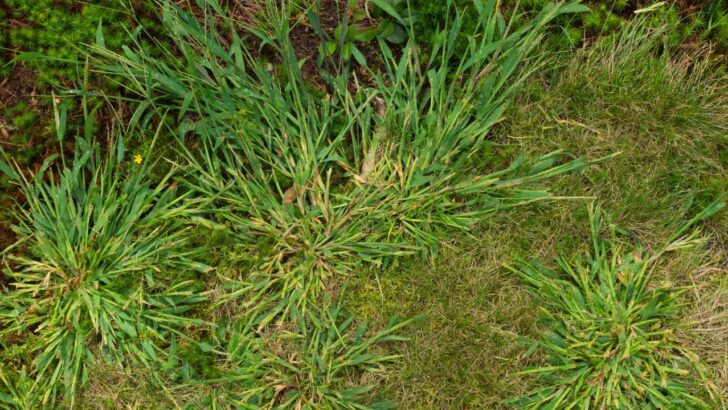
With broad, yellowish stems radiating out from a central point like crab legs, crabgrass can be an eyesore in a well-manicured lawn, as well as in walkways and garden beds. This common weed was introduced to the United States from Europe as a potential forage crop and has since spread throughout the continent. It thrives in hot, dry, sunny conditions that cause stress for turf grass and many other cultivated plants, giving it a competitive edge.
Learn how to get rid of crabgrass on the lawn (and garden!) easily and effectively and end the frustrating fight with this annoying weed.
How to Get Rid of Crabgrass on the Lawn
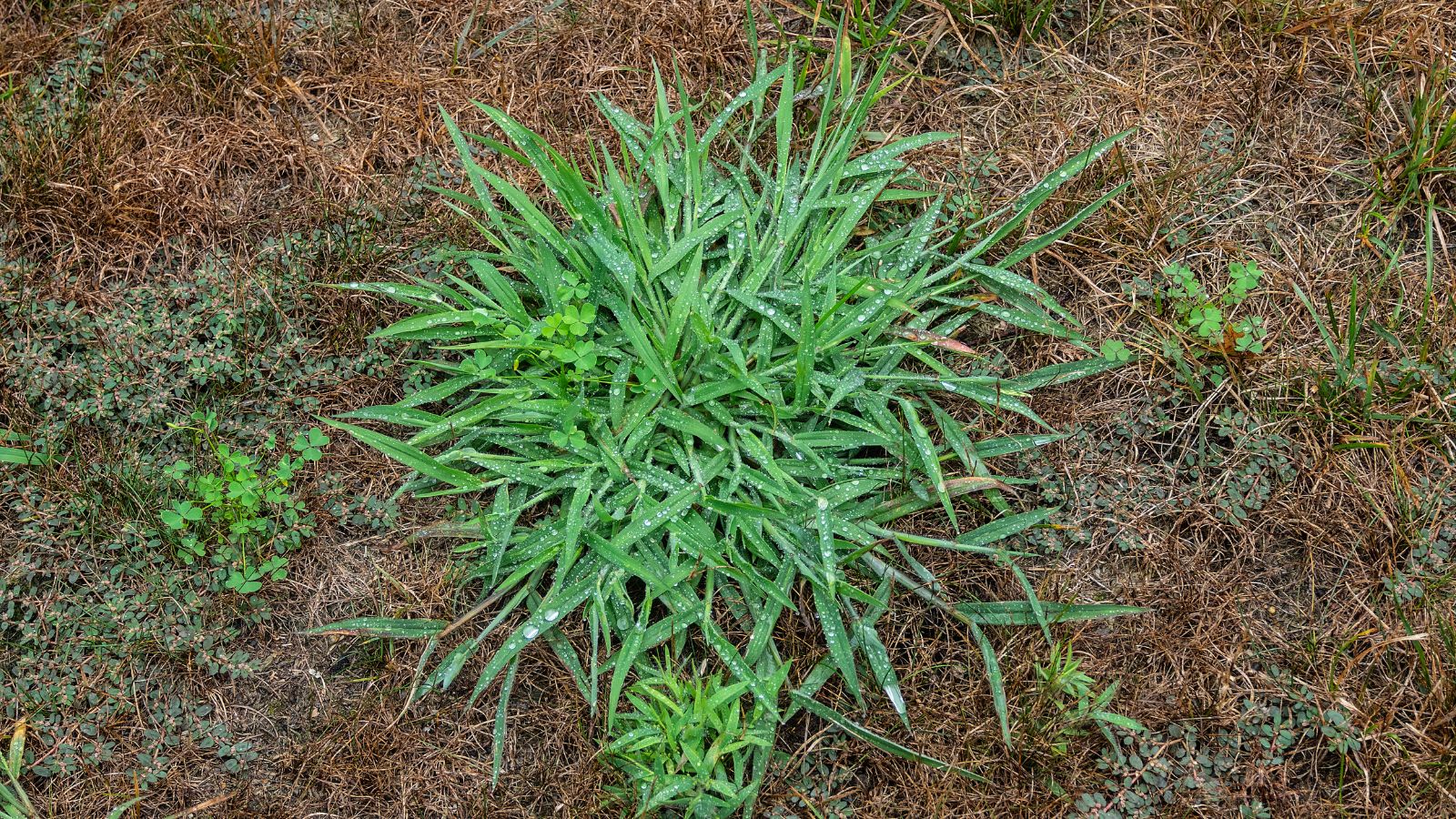
Image Credit: Depositphotos.com.
A summer annual, crabgrass reproduces by seeds and segmented shoots that sprawl across the soil and root at the nodes. Just one plant can produce dozens of these shoots, called “tillers,” and thousands of seeds, the latter of which mature in mid to late summer. Although the first hard frost will kill crabgrass, its many seeds lie dormant until spring, when they begin to sprout.
Therefore, spring and early summer are the ideal times to implement control methods for crabgrass, before it goes to seed. In addition to tackling the crabgrass directly, you will see the best results if you also take steps to ensure healthy lawn growth. A lush, healthy lawn often has fewer weeds in general.
1. Hand pull
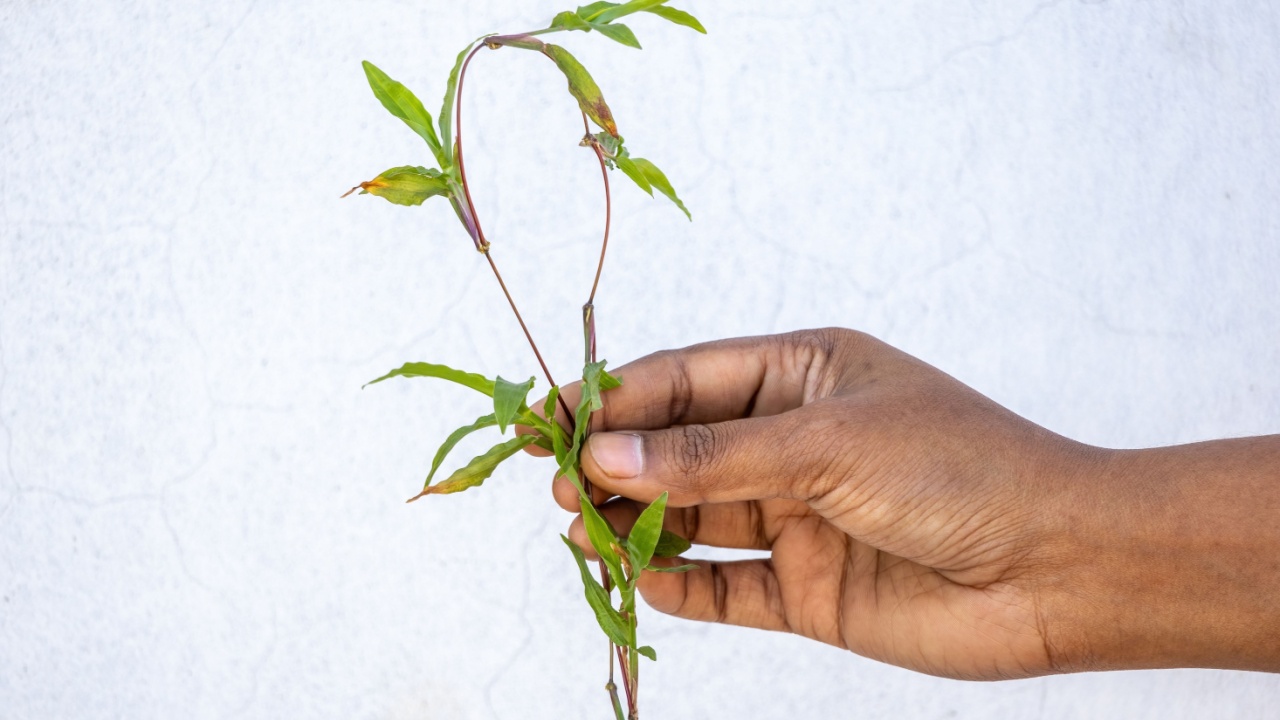
Image Credit: Shutterstock.
Thankfully, crabgrass is pretty easy to pull by hand (than say, tree of heaven). In the spring or early summer, on a day when the ground is moist from a good rain, grab your favorite weeding tool and head out to tackle the crabgrass. The roots should pull free with a good tug, but the weeding tool can facilitate the process if you encounter an especially stubborn plant. If you have a dry spell and want to weed, water the area to moisten and loosen the soil about 30 minutes before you begin.
2. Raise the mower deck

Image Credit: Depositphotos.com.
Because crabgrass is a low-growing, sun-loving weed, it is easily shaded out by taller, denser foliage. As such, raising the mower deck might be the most effective cultural practice against crabgrass. Mow the lawn to a height of three inches or taller to not only shade the soil and discourage weed seeds from sprouting but also improve the health and resiliency of the turf grass. A taller, healthier lawn also needs less babying, which means less irrigating and fertilizing. And less work means more time to relax on the lawn!
3. Water deeply
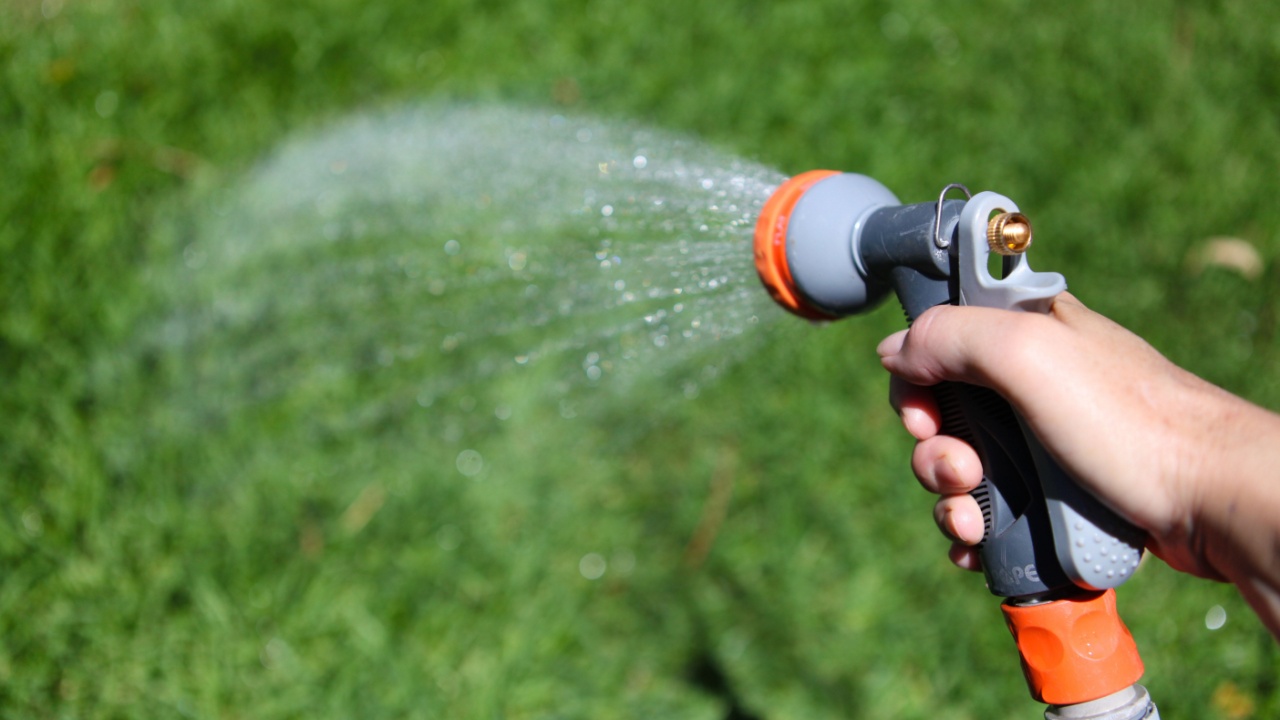
Image Credit: Shutterstock.
While irrigation may be necessary in the hot summer months to keep a lawn lush and green, it should not be done every day. Instead, water just once or twice a week, applying a total of one inch of water (adjusting, of course, to account for any rainfall). Watering deeply like this encourages the turf grass to develop deep roots and become more resistant to drought. Remember, too, that irrigation is most effective in the evening or early morning, as the midday sun will quickly evaporate the water, and the grass will get less of it.
4. Fertilize sparingly
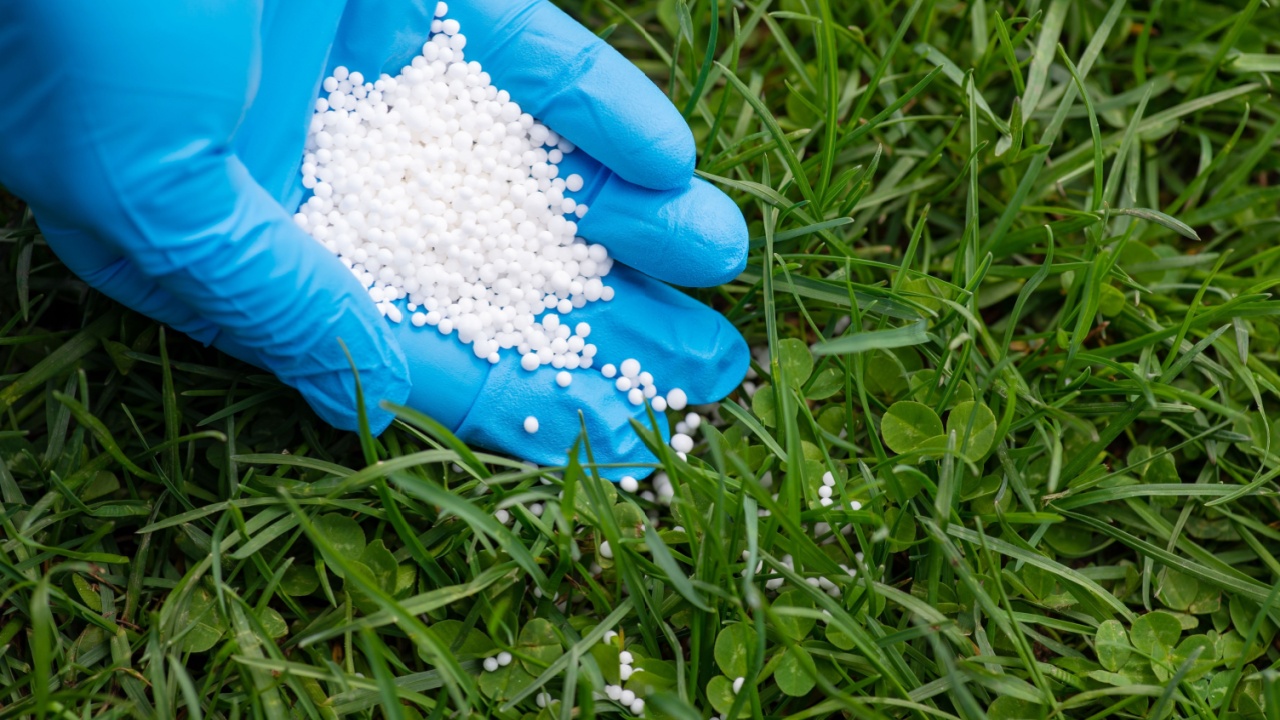
Image Credit: Shutterstock.
Only apply as much fertilizer to the lawn as necessary, and never during the heat of the summer, when crabgrass already has a competitive advantage. Instead, fertilize the lawn in the spring or fall, when cool-season turf grasses actively grow. Most lawns really don’t need fertilizer, so consider not using it at all.
5. Seed bare spots
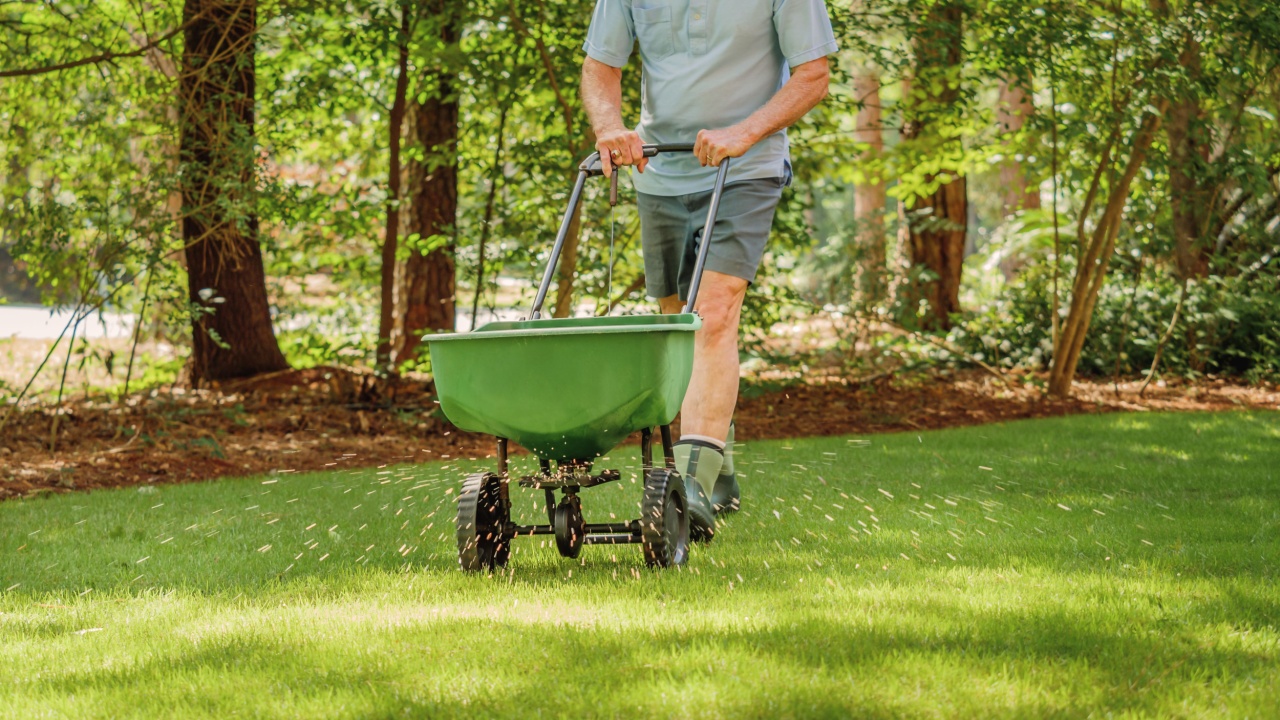
Image Credit: Shutterstock.
If you have any bare spots in your lawn, as a result of removing crabgrass or for other reasons, seed them in the late summer or early fall. Alternatively, overseeding the entire lawn can also be helpful at this time, especially when your lawn is looking thin or patchy. This will help make the lawn full and lush, reducing opportunities for weeds like crabgrass to grow.
What about herbicides for crabgrass?
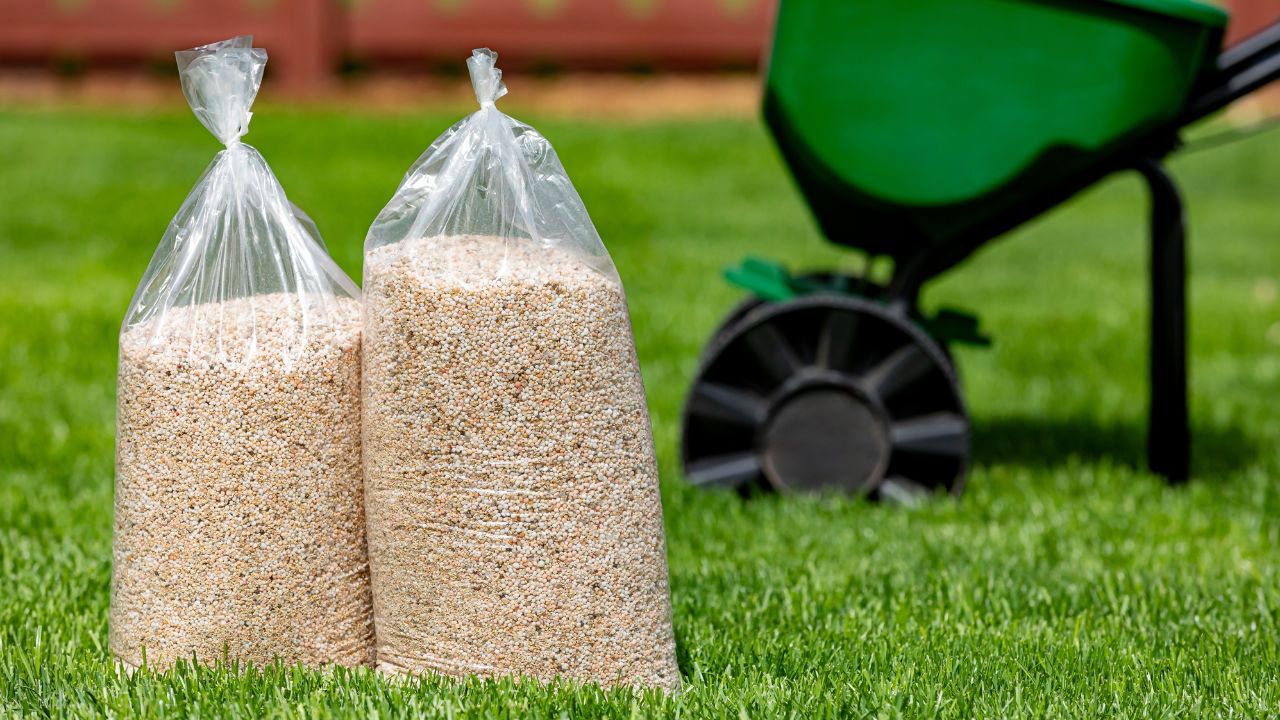
Image Credit: Shutterstock.
Only use herbicides as a last resort, especially for this purely cosmetic weed. The steps above are probably your best bet to get rid of crabgrass in the lawn, but if you choose to go the chemical route, pre-emergent herbicides are far more effective than post-emergent. This means you’ll want to apply herbicide in the spring, before the crabgrass has sprouted. Blooming forsythia is a good indicator that it’s time to apply pre-emergent herbicide for crabgrass. Make sure to choose an herbicide that works for crabgrass, and always carefully follow the label instructions.
A final thought before you start
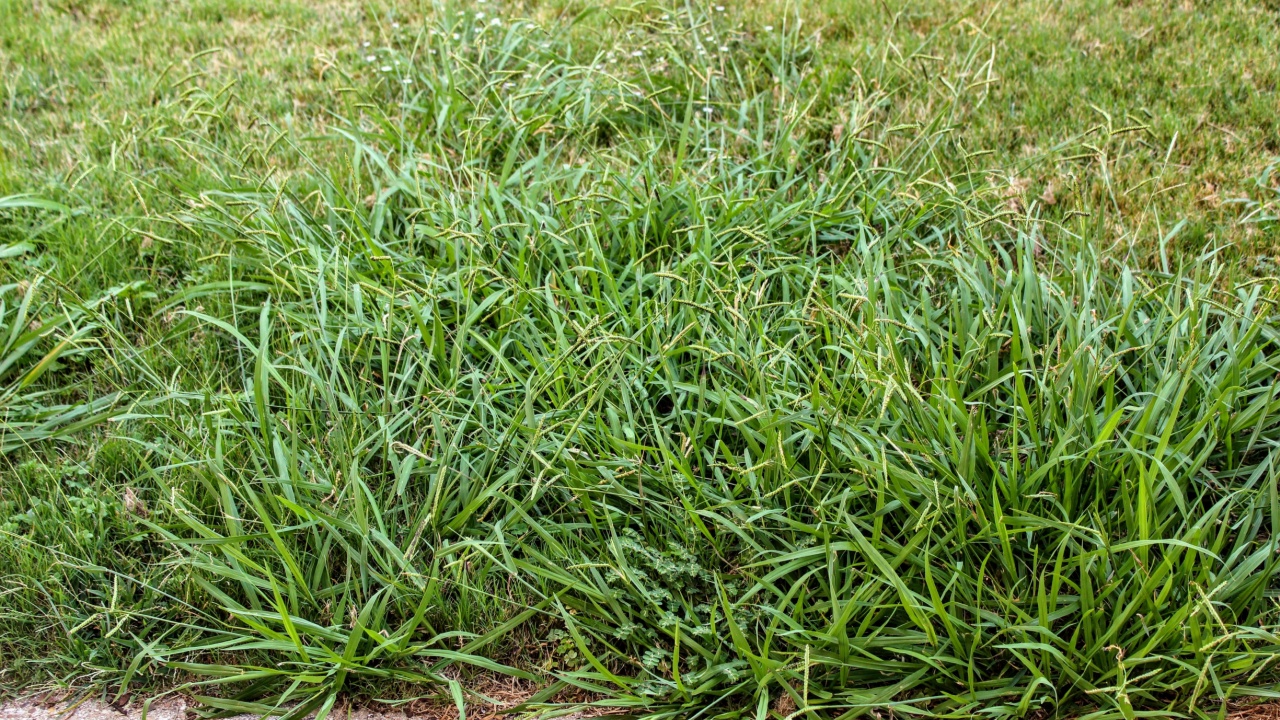
Image Credit: Shutterstock.
Before you go to all the effort to control crabgrass, consider whether you can learn to coexist. Crabgrass is, after all, grass in a lawn full of, well, grass. And a lawn doesn’t have to be uniform! In fact, I enjoy seeing the different textures in my lawn created by different species of grass and what some might call “weeds,” as well as the flowers that bloom there, like dandelion and speedwell. There is beauty in diversity.
If you do choose to tackle the crabgrass growing in your lawn, know that it will take a bit of patience, but the process isn’t difficult. In fact, it mostly involves simply adjusting some of your lawn care. Raise the mower deck, water less frequently but deeply, and your perennial turf grasses will do a lot of the work for you. Then, kick back and enjoy your beautiful lawn!