How to Find the Source of a Roof Leak
A roof leak can be frustrating because the place where water appears inside the home is often not where the problem begins. Water can travel along rafters, insulation, and other building materials before it becomes visible on a ceiling or wall.
Finding the true source of a leak requires a systematic approach. Learning where leaks commonly start can help homeowners identify problems earlier and make informed repair decisions.
Start With the Interior Signs
The first clue is usually found inside the home. Water stains on ceilings, peeling paint, damp drywall, or mold growth can indicate that moisture is entering from above. Take note of the location and size of any stains.
While these spots may not point directly to the source, they can help narrow the search area. Attics can provide additional clues. Look for damp insulation, water marks on wood framing, or visible daylight coming through the roof structure.
Check Roof Penetrations
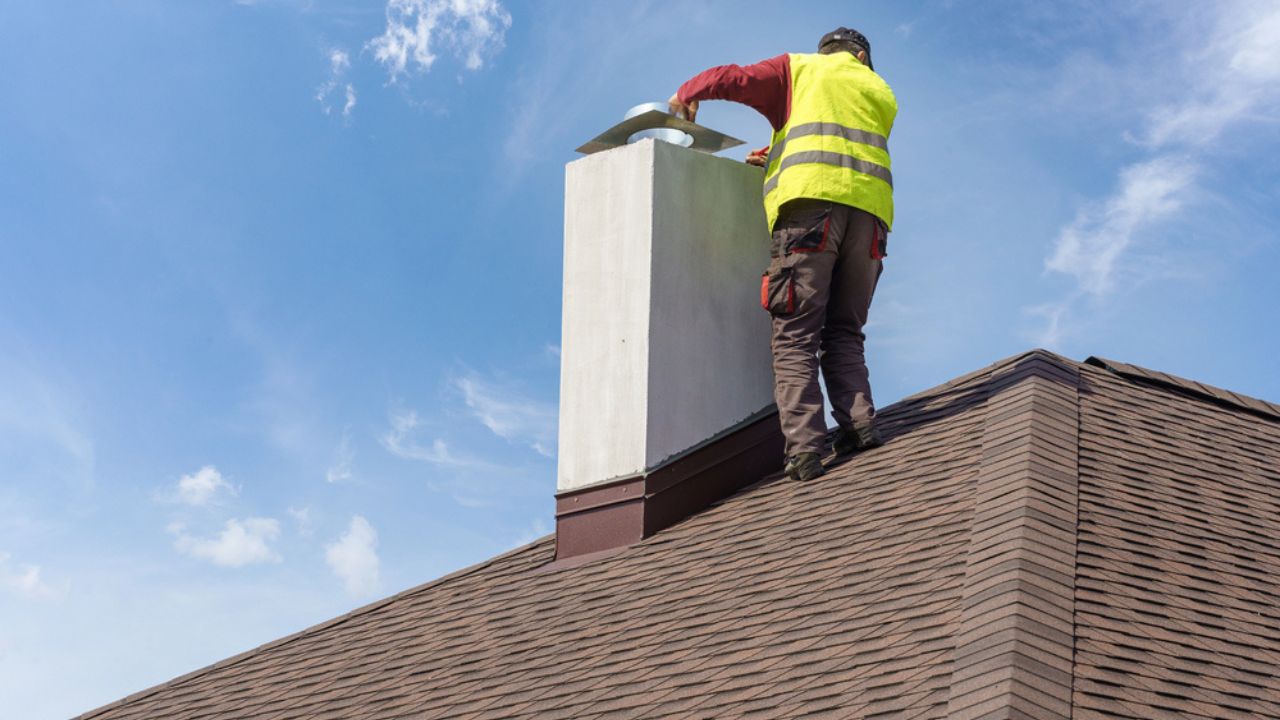
Many roof leaks begin around openings that pass through the roof surface. Vents, chimneys, skylights, and plumbing stacks all require flashing and seals to keep water out. Over time, these materials can crack, loosen, or wear down due to weather exposure.
If a leak appears near one of these features, it is often worth inspecting that area first.
Examine Shingles and Roofing Materials
Damaged roofing materials are another common source of leaks. Missing shingles, cracked shingles, lifted edges, and worn surfaces can create pathways for water to enter the roof system. Strong winds, hail, and aging materials can all contribute to this type of damage.
A visual inspection from the ground may reveal obvious issues, though some problems may require a closer look from a qualified professional.
Pay Attention to Valleys and Roof Edges
Certain parts of a roof naturally collect more water than others. Roof valleys, where two roof slopes meet, direct large amounts of rainwater during storms. If materials in these areas become damaged, water can enter quickly. Roof edges and gutters can also contribute to leaks if drainage is blocked or improperly directed. Keeping gutters clear may help reduce excess water buildup near vulnerable areas.
Know When to Call a Professional
Some roof problems are difficult to identify without specialized knowledge. A professional roof inspection can help locate hidden damage and identify issues before they become larger repairs. Experienced inspectors often spot signs of wear that homeowners may overlook during a visual check.
Finding the source of a roof leak is often like following a map. Interior stains, roof penetrations, damaged materials, and drainage areas all provide important clues. Taking a systematic approach can help homeowners identify potential trouble spots and address roofing issues before they lead to more extensive damage. For more information, feel free to look over the infographic below.