How to Finally Get Rid of the Stubborn Hard Water Toilet Ring
You scrub your toilet every week. You use the good cleaner, you put in the effort, and yet that brown or grey ring just sits there at the waterline like it owns the place. It does not matter how much you spray or brush. Standard bathroom cleaners are not built to tackle the chemistry behind what you are actually dealing with, so they leave the ring completely untouched.
Hard water stains are deposits that form in areas where water has high levels of dissolved minerals like calcium and magnesium. As water evaporates from the toilet bowl, those minerals are left behind. They then accumulate to form the visible ring or crusty buildup you see at the waterline. The longer the deposits sit, the more layers they build up, and the harder they become to shift with anything gentle.
This article walks you through methods for removing hard water toilet rings, from pantry staples to heavy-duty tools. Some methods work fast on fresh stains, while others are built for the kind of ring that has been there for months. By the end, you will know exactly which approach fits your situation and how to stop the ring from coming back.
What Each Color Means
The color of the ring can tell you a lot about what you are up against. Dark, black, or brown rings come from hard water and mineral deposits. Pink rings point to a bacterium called Serratia marcescens.
Yellow rings are usually from mold or mildew. Bleach can actually darken rust stains rather than remove them, which is why many people scrub harder with the wrong product and end up making the problem worse.
1. White Vinegar and Baking Soda
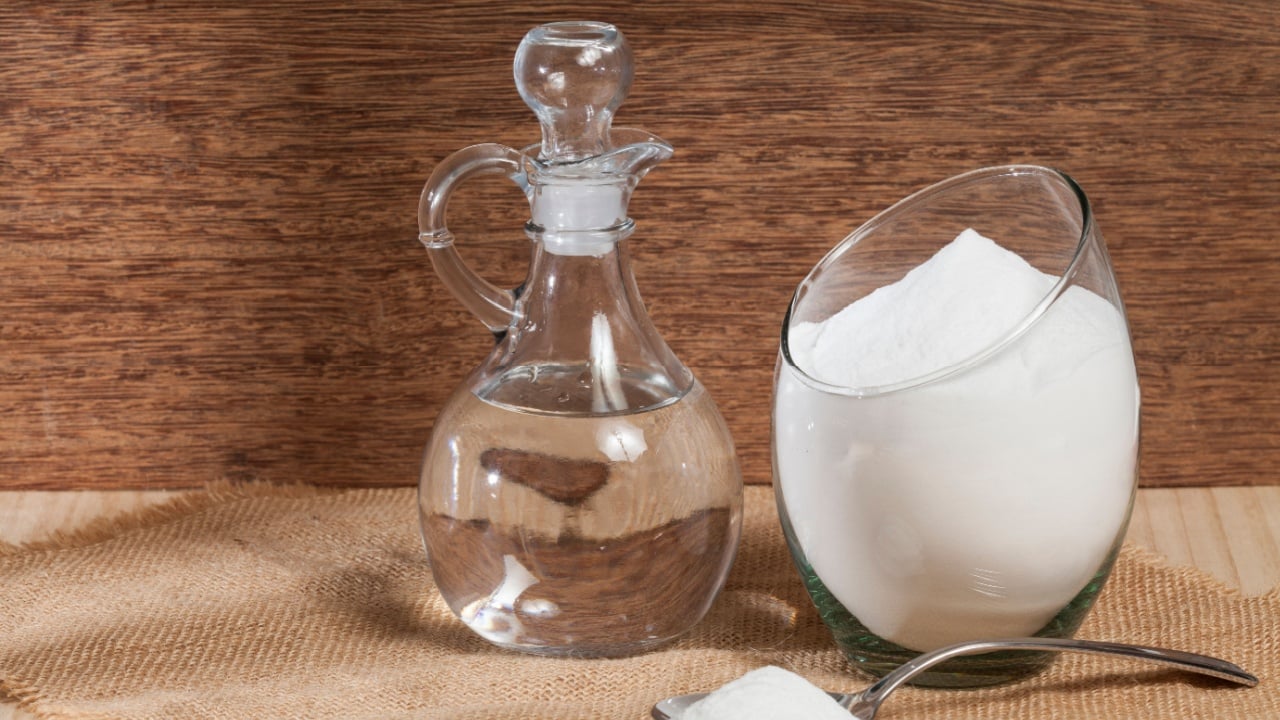
Pour one cup of distilled white vinegar into the toilet bowl and swish it around with a brush, then add one cup of baking soda, followed by two more cups of vinegar. The mixture will fizz aggressively, which is exactly what you want, because that reaction is working to lift and loosen the mineral deposits from the porcelain surface.
Let the solution sit for 10 to 15 minutes, then scrub the ring with your toilet brush, getting under the rim as well, and let it sit for another 30 minutes before flushing.
This combination works well for rings that are relatively fresh or moderate in severity. Vinegar kills 82 percent of mold species. If your ring has any mold or bacterial element alongside the mineral buildup, this method addresses both at the same time.
For deeper stains, let the vinegar sit in the bowl for an hour before adding the baking soda, giving the acetic acid more time to break down the calcium bonds before scrubbing begins.
2. Borax
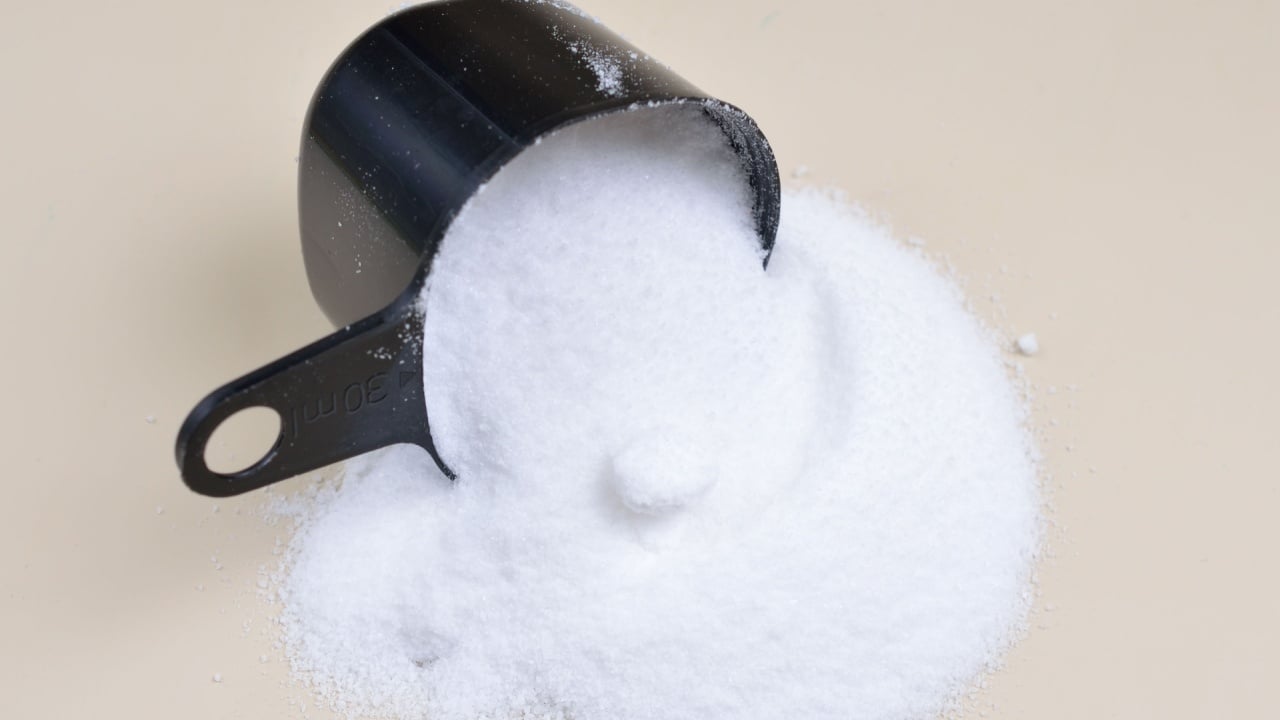
Borax is a naturally occurring mineral compound that works as a powerful cleaner for hard water toilet rings. To use it, sprinkle a quarter cup directly into the toilet bowl and use your brush to dissolve it into the water.
Let it sit for about twenty minutes before scrubbing the ring. The abrasive quality of borax helps break down mineral deposits, making it a reliable option for stains that resist lighter treatments.
For tougher rings, increase the borax to half a cup and allow it to sit for up to an hour before scrubbing. If you want to boost its effectiveness, you can dampen the ring with a little warm water before applying the borax, which helps it cling to the stain. This method is safe for septic systems and provides a strong, mineral-focused cleaning solution without relying on harsher chemicals.
3. Citric Acid Powder
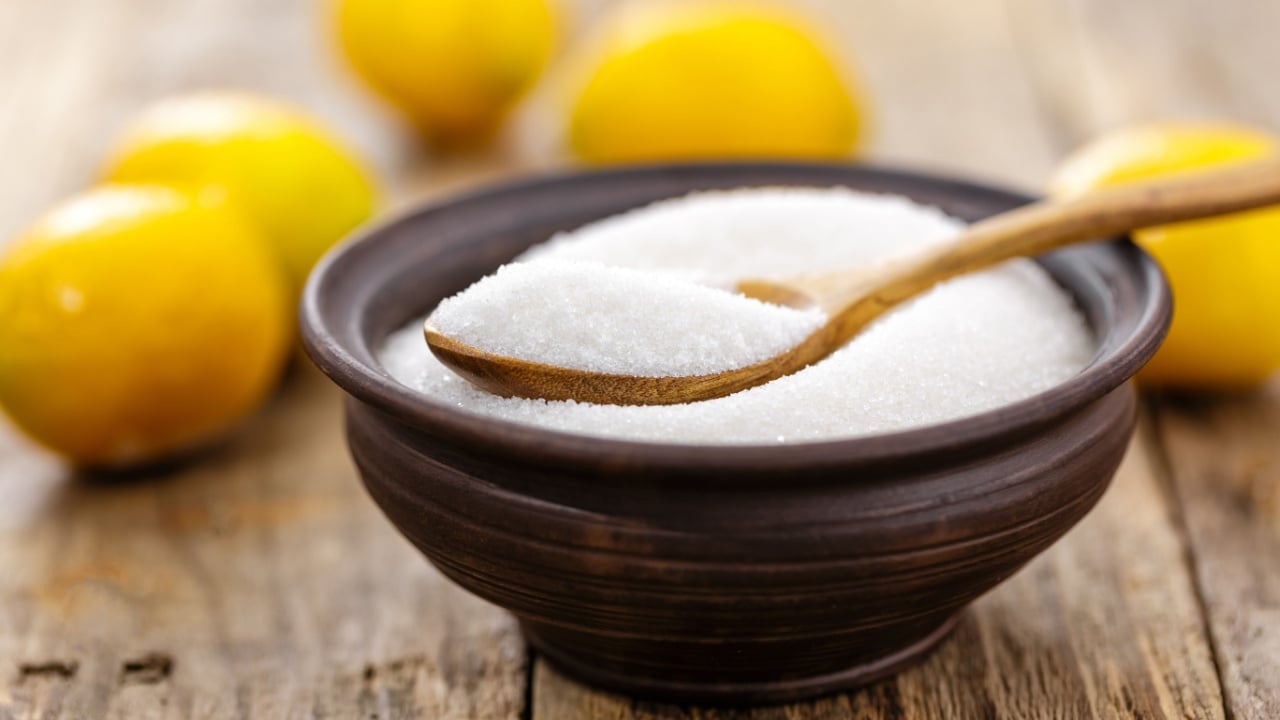
Citric acid powder is a concentrated cleaner that works well on hard-water toilet rings. To use it, dissolve 1 to 2 tablespoons in a cup of warm water, then pour the solution directly onto the stained areas.
Allow it to sit for at least thirty minutes, or overnight if the ring is especially stubborn. The acid breaks down mineral bonds, making scrubbing far more effective once the waiting period is over.
This powder is inexpensive, widely available, and more potent than lemon juice. For ongoing maintenance, you can use a teaspoon of citric acid mixed with a teaspoon of baking soda on a regular basis to stop new deposits from forming.
4. Pumice Stone
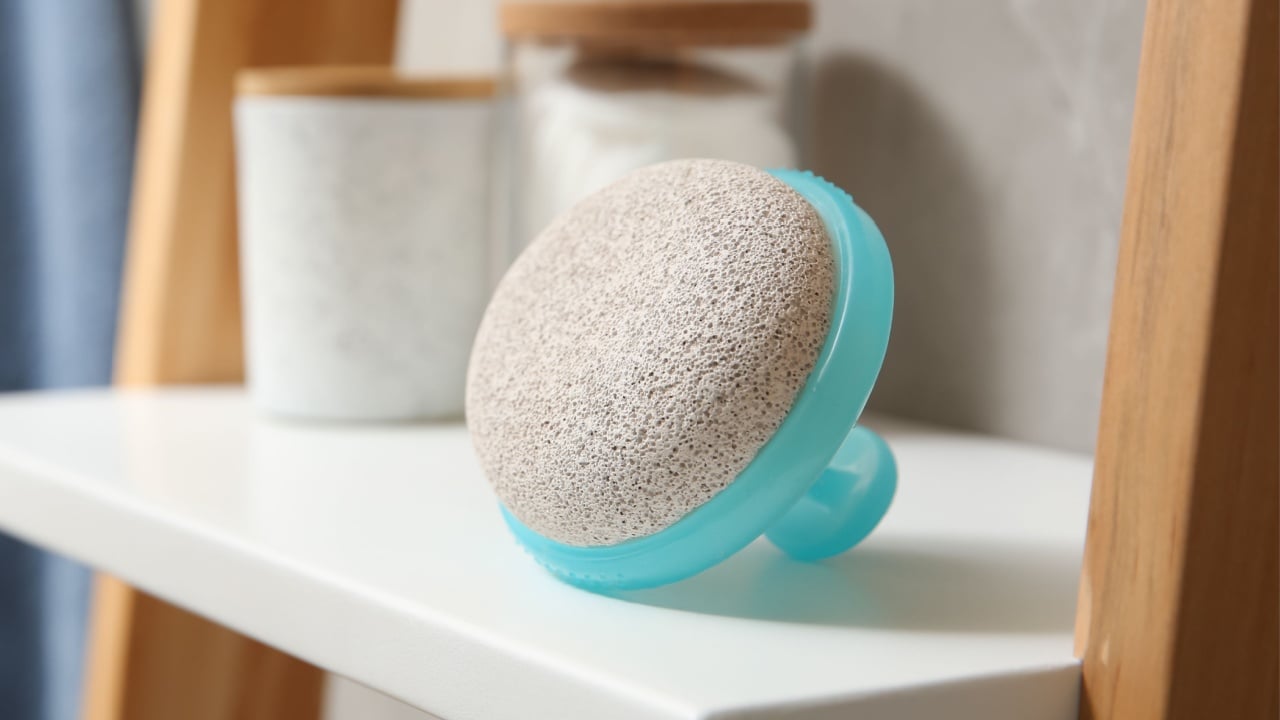
A pumice stone is one of the most effective tools for removing hard water toilet rings that resist liquid cleaners. To use it safely, dip the stone in water to wet it thoroughly before scrubbing.
A dry pumice stone can scratch porcelain, but when wet, it glides smoothly across the surface. Gently rub the stone back and forth on the ring, and as it wears down, it creates a fine paste that helps lift the stain without the need for harsh chemicals or excessive force.
For easier handling, choose a pumice stone with a built-in handle. This design makes it simpler to angle the stone correctly and keeps your hands out of the bowl. A wet pumice stone is safe for standard porcelain, but it should not be used on colored porcelain, marble, or plastic components, since those surfaces can scratch. Flush occasionally while scrubbing to rinse away the paste and check progress, giving extra attention to areas where the ring is most stubborn.
5. CLR or a Commercial Mineral Remover
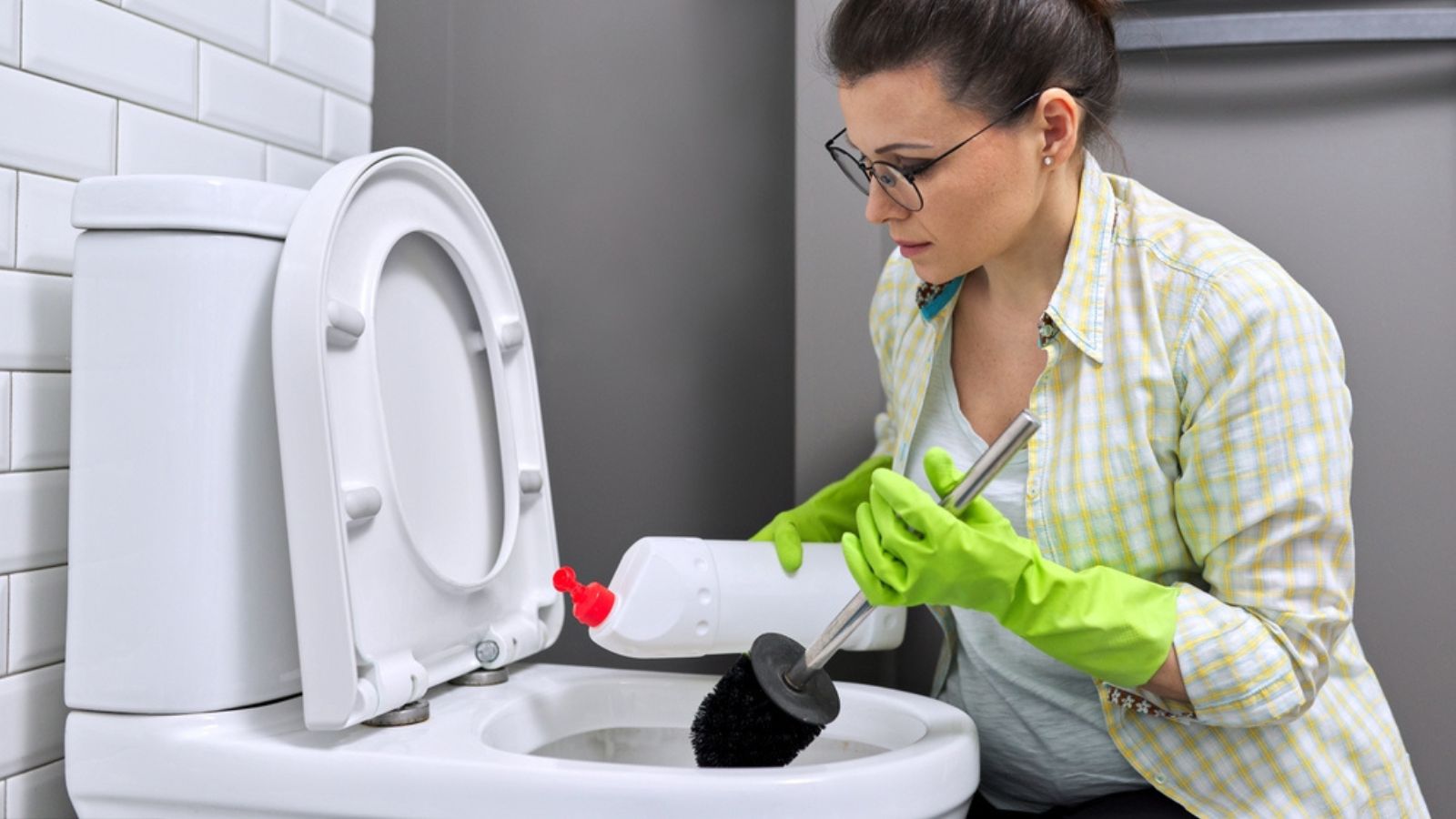
Hard water leaves calcium and magnesium deposits that standard bathroom products cannot break down. Commercial cleaners such as CLR use hydrochloric acid to dissolve these minerals, and the gel formula clings to the bowl for stronger results.
Apply the cleaner directly to the ring, let it sit according to the instructions, then scrub and flush thoroughly. Always wear gloves, keep the bathroom ventilated, and never mix acid-based cleaners with bleach or ammonia.
For lasting results, repeat the process every few months rather than waiting for heavy buildup. If natural methods fail, a commercial mineral remover is often the fastest way to restore a clean bowl, especially for stains that have been accumulating for a long time.
Keep the Tank Clean Too
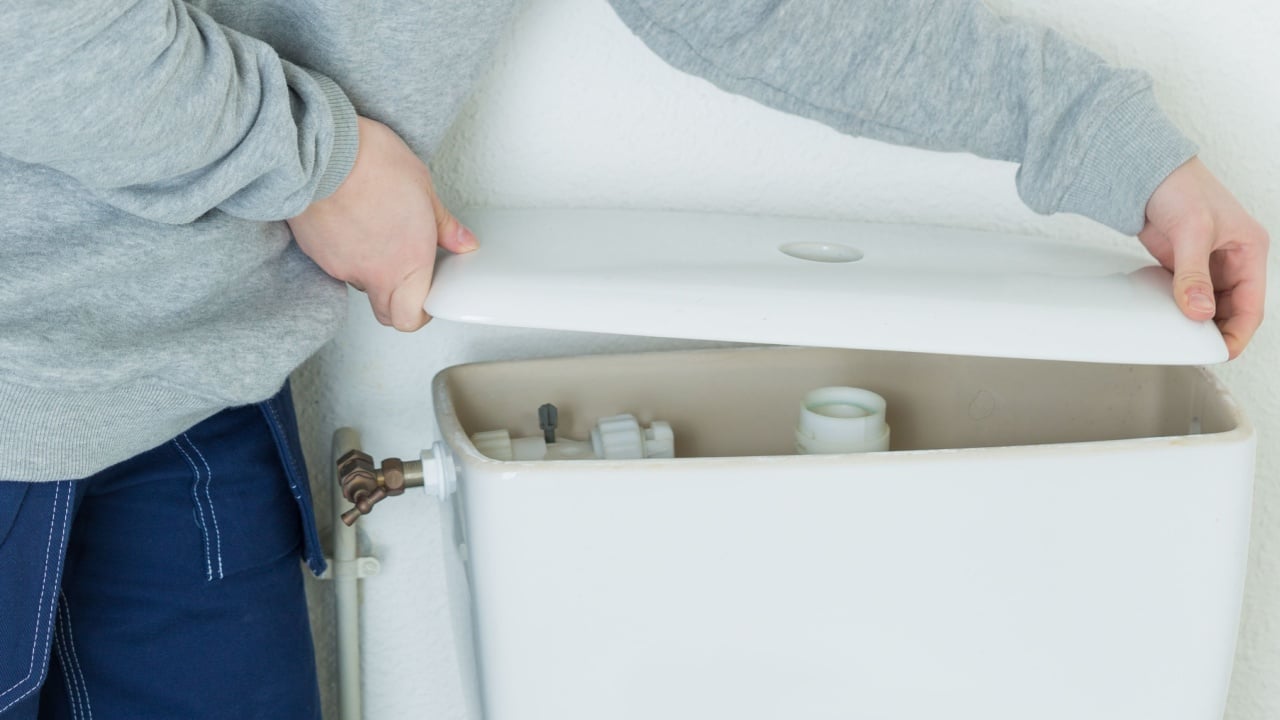
Most people focus on the toilet bowl, but the toilet tank is where mineral deposits, rust, and bacteria begin. Over time, these particles flow into the bowl, creating new rings that are difficult to remove.
To clean the tank, remove the cover and pour in white vinegar until it reaches about an inch below the rim. Let it sit for twelve hours, then flush several times to dissolve lingering deposits before they reach the bowl.
Plumbing experts recommend deep-cleaning the tank twice a year to reduce buildup and extend the life of pipes and components. Adding a cup of vinegar to the overflow tube for thirty minutes also helps break down calcium deposits in the pipes.
Prevent the Ring from Returning
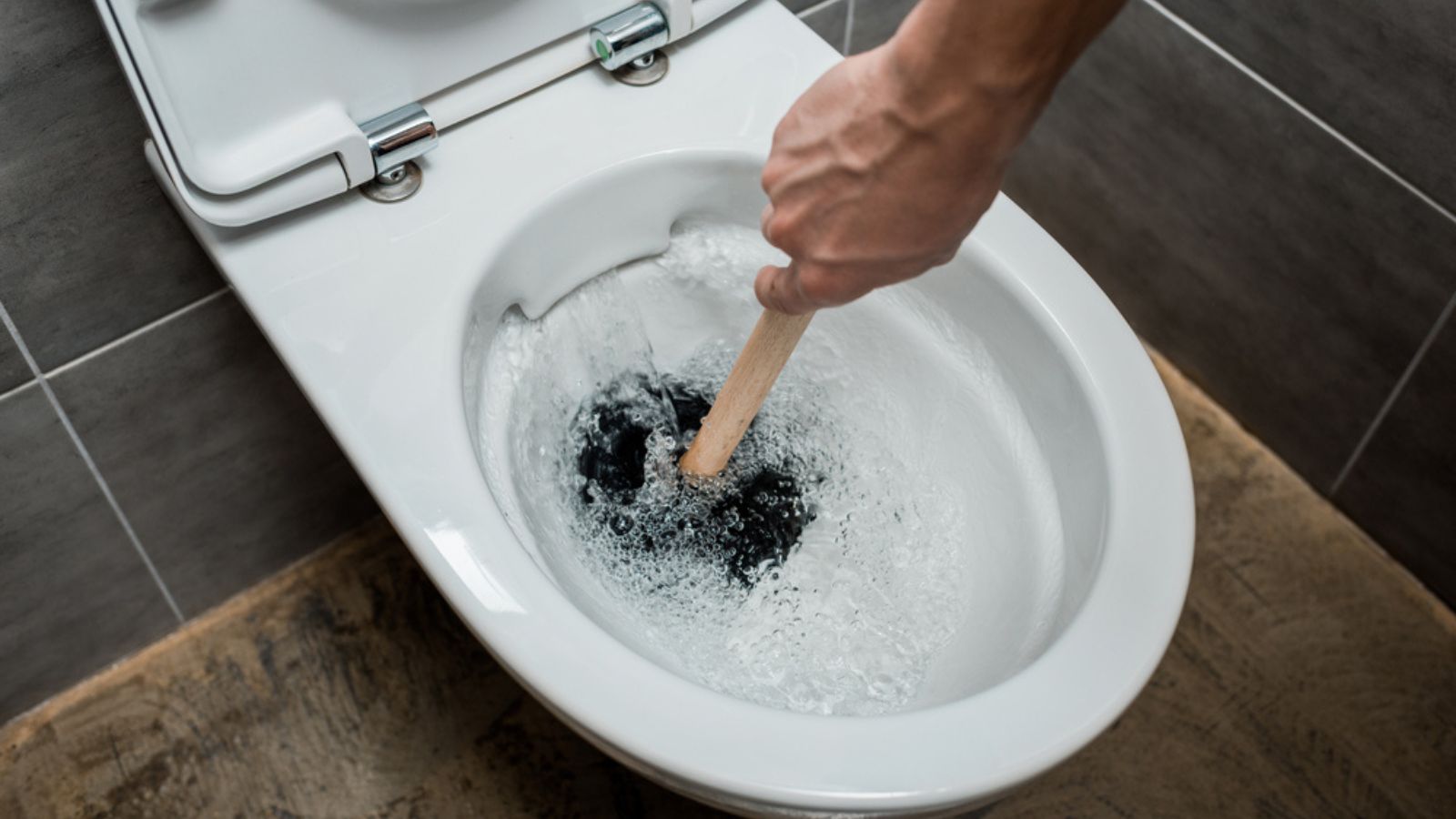
Removing a toilet ring is satisfying, but keeping it gone requires a consistent routine. Pouring one cup of vinegar into the bowl once a week, letting it sit for an hour, and then scrubbing lightly helps stop new deposits from forming.
Cleaning the toilet twice a week with a quick brush scrub is another effective habit. This removes fresh mineral film before it hardens into a stain that is more difficult to tackle.
For households with very hard water, a water softener can be a long-term solution. Removing calcium and magnesium from the supply prevents mineral buildup in toilets, sinks, showers, and appliances, addressing the root cause rather than just the symptom.
Keep Your Toilet Ring‑Free
A clean bowl does not have to be something you fight for every few weeks. Hard water toilet rings are frustrating precisely because scrubbing harder with the wrong product does absolutely nothing. The deposits are mineral compounds bonded to porcelain, and they respond to acid and abrasion, not to disinfectant sprays. Once you match the right method to the type of stain you have, the ring comes off far more easily than you expect.
The methods in this article cover everything from the mildest natural solutions to heavy-duty commercial removers and physical abrasion with a pumice stone. A fresh ring may respond to nothing more than vinegar and baking soda. A ring that has been building for months may need citric acid left overnight, a pumice stone, or a commercial mineral remover to fully clear. Starting with the gentler options and moving up the scale saves time and protects your porcelain.