
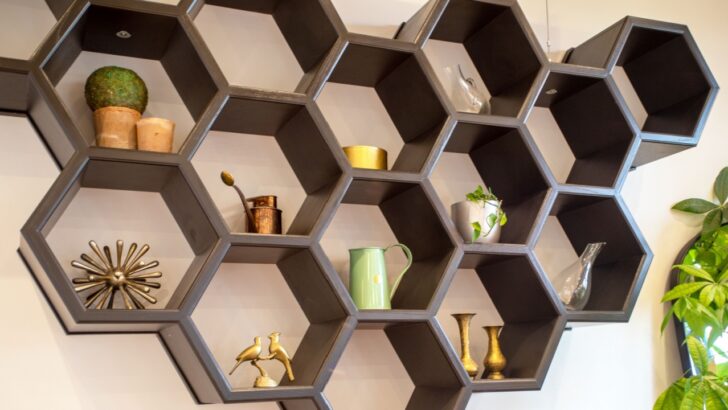
Your home is a treasure chest of items that, with a little creativity, can find a new purpose in your backyard. Before you toss out that old piece of furniture or those dated decorations, think about how they might enhance your garden. Repurposing household goods is not only a fantastic way to save money and reduce waste, but it also adds a unique, personal touch to your outdoor space. From creating whimsical planters to building practical garden structures, the possibilities are endless.
This guide explores 18 common household items that are perfect for a second life among your plants and flowers. We will show you how to transform these everyday objects into functional and beautiful garden features. Get ready to see your old belongings in a new light and bring a fresh wave of creativity to your backyard oasis.
1. Bulky Entertainment Centers

Image Credit: Depositphotos.com.
That old, oversized entertainment center taking up space in your living room is a powerhouse of potential for the garden. Its sturdy construction and multiple compartments make it an ideal structure for a vertical garden or a potting bench.
Why it’s a good option: These units are built to be durable and often have a variety of shelves, drawers, and cabinets. This built-in organization is perfect for storing tools, pots, and bags of soil. The vertical space they offer is excellent for gardeners with limited ground area, allowing you to grow more in a smaller footprint.
Care and implementation: To prepare it for the outdoors, sand the unit down and apply several coats of weatherproof paint or sealant. If you plan to plant directly into it, drill drainage holes in the bottom of each compartment. You can also use it to display a collection of potted plants, creating a stunning living wall effect.
Quick Takeaway: Transform an old entertainment center into a multi-level planter or an all-in-one potting station to maximize your garden’s vertical space and organization.
2. Ruffled Bed Skirts
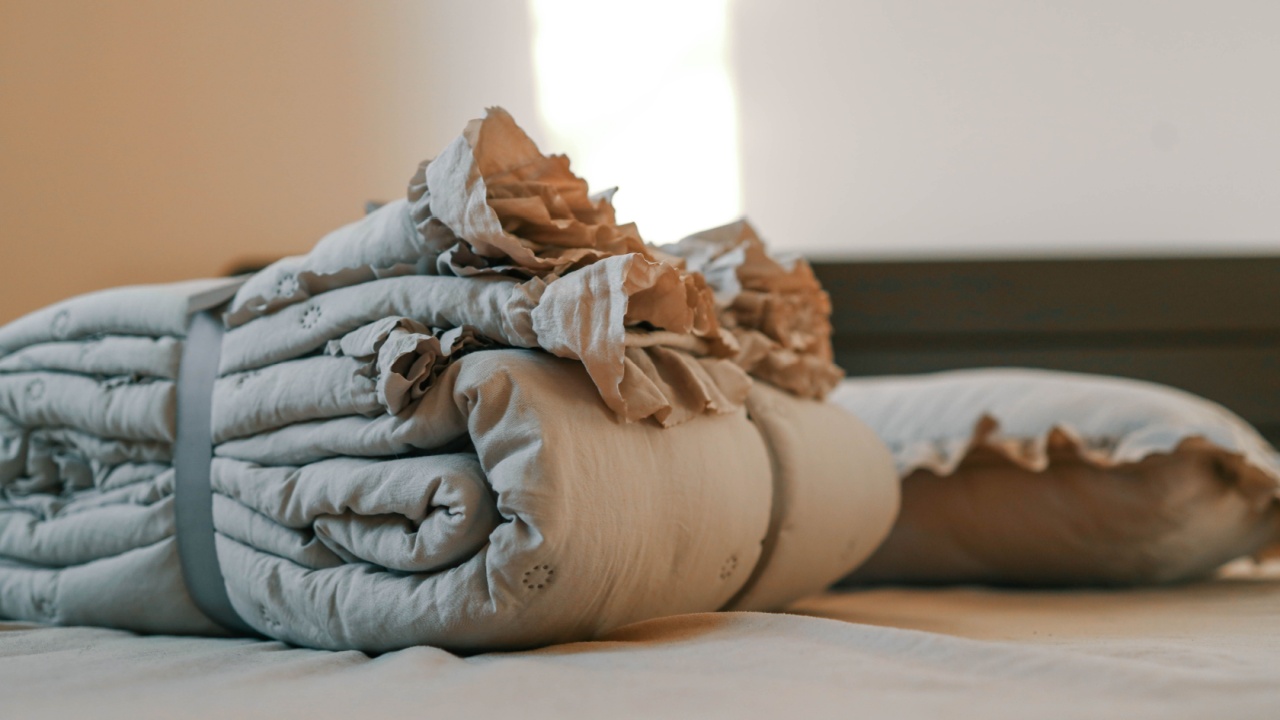
Image Credit: Shutterstock.com.
While ruffled bed skirts may no longer suit modern bedroom decor, their fabric is a valuable resource for the garden. These items provide a surprising amount of material that can be repurposed in creative and practical ways.
Why it’s a good option: The fabric from a bed skirt can be used to protect your plants. In the spring, use it as a lightweight frost blanket for tender seedlings. In the summer, drape it over a frame to create a shade cloth that shields delicate plants like lettuce from the intense afternoon sun. The ruffles themselves can be used as decorative ties for bundling herbs or securing climbing plants to a trellis.
Care and implementation: Wash the bed skirt thoroughly before using it in the garden. When using it as a frost or shade cover, ensure it is secured so it doesn’t blow away in the wind. The lightweight fabric allows air and some light to pass through, preventing your plants from overheating.
Quick Takeaway: Repurpose the fabric from old bed skirts as a versatile plant protector, offering a shield from both frost and harsh sunlight.
3. Doilies

Image Credit: Shutterstock.com.
Those intricate doilies inherited from your grandmother can add a touch of vintage charm to your garden. Instead of letting them collect dust in a drawer, use them to create beautiful and unique garden art.
Why it’s a good option: Doilies have beautiful, delicate patterns that can be transferred onto other surfaces. They make perfect stencils for decorating stepping stones, terracotta pots, or wooden planters. This is an easy way to add a personalized, artistic flair to your garden accessories.
Care and implementation: To create a stenciled pot, simply place a doily on the surface and use spray paint to apply the pattern. For stepping stones, press a doily into the wet concrete before it sets. You can also dip doilies in a concrete mix and drape them over a mold to create hardened, lace-like bowls for holding succulents or serving as a bird bath.
Quick Takeaway: Use doilies as stencils to imprint elegant patterns on pots and stepping stones, or harden them with concrete to create unique garden sculptures.
4. Plastic-Wrapped Furniture Covers

Image Credit: Shutterstock.com.
The clear, durable plastic used to cover furniture has many practical applications in the garden. While it may be out of place on your sofa, it’s a perfect material for building a small greenhouse or cold frame.
Why it’s a good option: This thick plastic is designed to be tough and is excellent at trapping heat and moisture. This creates the perfect microclimate for starting seeds early in the spring or extending your growing season into the fall. It’s a cost-effective alternative to purchasing expensive greenhouse kits.
Care and implementation: Build a simple wooden or PVC pipe frame and stretch the plastic tightly over it. Secure it with staples or clips. Ensure your structure has a way to be vented on warm, sunny days to prevent your plants from getting too hot. This simple setup can protect your plants from pests, frost, and heavy rain.
Quick Takeaway: Use old plastic furniture covers to build an inexpensive and effective mini-greenhouse or cold frame for seed starting and season extension.
5. Overstuffed Furniture

Image Credit: Shutterstock.
An old, overstuffed chair or sofa might seem destined for the landfill, but it can become a show-stopping, whimsical planter in your garden. This unexpected feature is sure to be a conversation starter.
Why it’s a good option: The frame of the furniture provides a large, sturdy container. The “overstuffed” quality means there’s plenty of room to fill with soil. Planting directly into a piece of furniture creates a memorable piece of living art that blends the indoors with the outdoors.
Care and implementation: Remove the fabric cushions and lining from the areas you want to plant, leaving the frame intact. Line the cavities with landscape fabric to hold the soil in place while allowing for drainage. Fill with a good quality potting mix and choose plants that will spill over the sides, like trailing petunias, sweet potato vine, or creeping thyme. Succulents also work wonderfully.
Quick Takeaway: Turn an old armchair or sofa into a unique and eye-catching garden planter by filling its frame with soil and cascading plants.
6. Popcorn Ceilings (Scrapings)
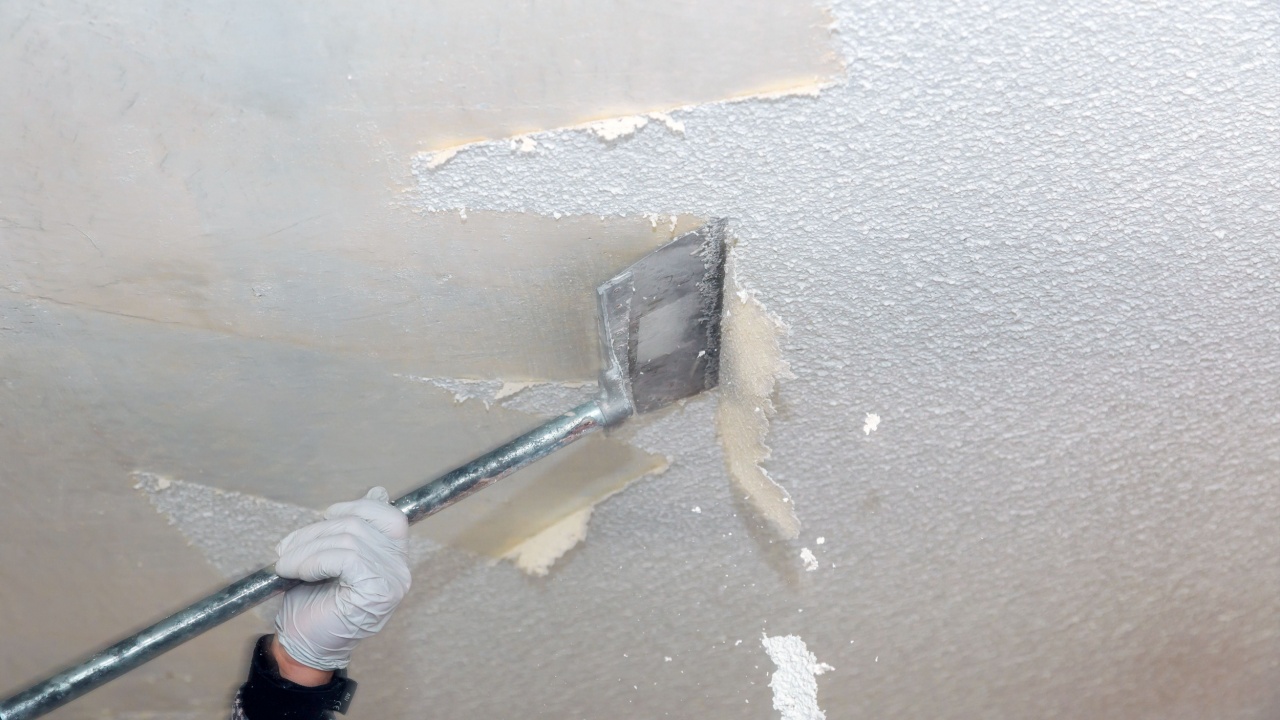
Image Credit: Shutterstock.com.
If you’re renovating and scraping off old popcorn ceilings, don’t just throw the material away. The texture, which is often a mix of paper or styrofoam and paint, can be used to improve the drainage in your container pots.
Why it’s a good option: The light, airy texture of popcorn ceiling material can function similarly to perlite or vermiculite. When mixed into the bottom layer of a large planter, it helps create air pockets, preventing the soil from becoming compacted and waterlogged. This is especially useful for very large containers where the weight of the soil can be an issue.
Care and implementation: Before using, ensure your ceiling material does not contain asbestos, which was common in installations before the 1980s. If it’s safe, place a layer of the scraped material at the bottom of your pot before adding soil. This reduces the amount of soil needed and improves drainage, promoting healthier roots.
Quick Takeaway: Use non-asbestos popcorn ceiling scrapings as a lightweight filler at the bottom of large planters to improve drainage and reduce soil compaction. (We recommend using it in non-edible plant pots just to be safe.)
7. Heavy Curtains and Drapes

Image Credit: Shutterstock.com.
Thick, heavy drapes that once blocked out light are perfect for more rugged tasks in the garden. Their durable fabric can be repurposed as a tough, effective weed barrier.
Why it’s a good option: Unlike flimsy plastic sheeting, the thick fabric of heavy curtains allows water and air to penetrate the soil while effectively smothering weeds. This helps maintain soil health while keeping your garden beds tidy. It’s a durable, long-lasting solution that biodegrades slowly over many years.
Care and implementation: Lay the curtain fabric directly on the soil in your garden beds or paths where you want to suppress weeds. Cut holes where you want to place your plants. Cover the fabric with a layer of mulch, wood chips, or gravel to weigh it down and give it a finished look.
Quick Takeaway: Repurpose old, heavy curtains as a durable and permeable weed block in your garden beds, promoting healthy soil while keeping weeds at bay.
8. China Cabinets
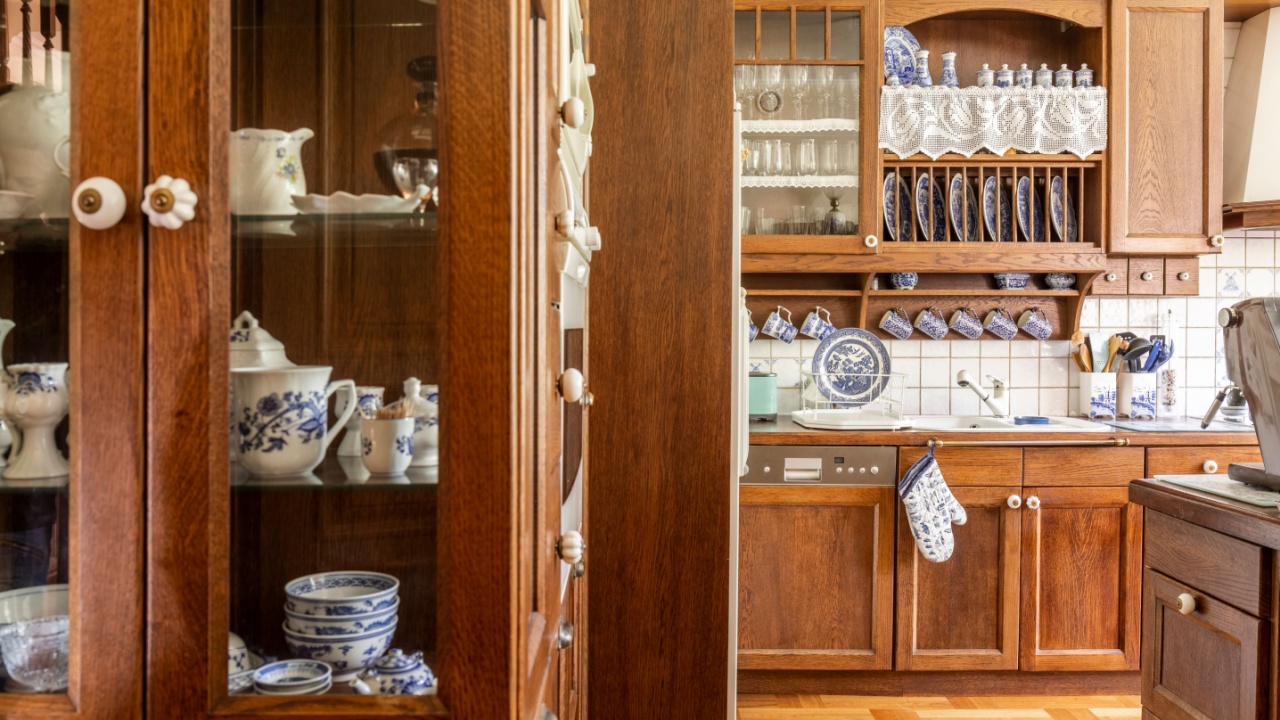
Image Credit: Shutterstock.com.
A glass-fronted china cabinet can be beautifully transformed into a miniature greenhouse or a display case for your most prized plants. Its elegant structure offers protection and a touch of class to your garden or patio.
Why it’s a good option: The glass doors and sides of a china cabinet are perfect for creating a greenhouse effect, trapping warmth and humidity for tropical plants or seedlings. It provides protection from pests, wind, and cool temperatures. The shelves are ideal for organizing smaller pots and tools.
Care and implementation: Weatherproof the cabinet by sealing all wooden parts with an outdoor-grade varnish or paint. You may want to replace the back panel with a more weather-resistant material or drill ventilation holes. Position it in a spot that receives the right amount of sunlight for the plants you plan to house inside.
Quick Takeaway: Convert an old china cabinet into an elegant mini-greenhouse to protect delicate plants and start seeds in a beautiful, enclosed environment.
9. Knick-Knack Shelves
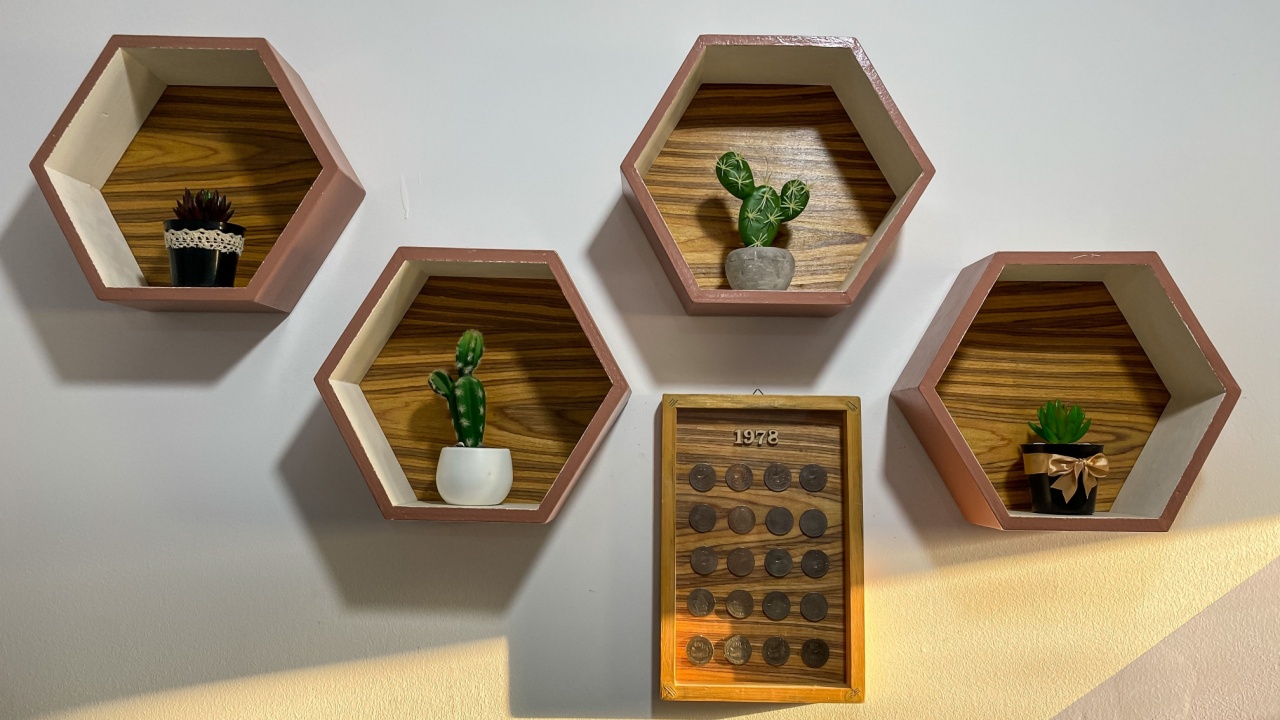
Image Credit: Shutterstock.com.
Small, multi-compartment knick-knack shelves are perfect for creating a vertical succulent or herb garden. These shelves, often shaped like hearts or houses, add a charming and organized display to a fence or patio wall.
Why it’s a good option: The small compartments are the perfect size for individual succulents, air plants, or small herb cuttings. Mounting the shelf vertically saves space and turns your plants into a living piece of wall art.
Care and implementation: First, weatherproof the shelf with paint or sealant. To plant it, lay the shelf flat and add a small amount of soil to each compartment. Place your plants inside and gently pack more soil around them. You may need to add a wire mesh front to hold the soil in place initially. Keep it flat for a week or two to allow the roots to establish before hanging it vertically.
Quick Takeaway: Mount a knick-knack shelf on a wall to create a beautiful and space-saving vertical garden for succulents or herbs.
10. Wood Paneled Walls

Image Credit: Shutterstock.
If you’re tearing out old wood paneling, save the planks! This wood, even if it’s a veneer, can be repurposed for various garden construction projects.
Why it’s a good option: Wood panels can be used to build compost bins, create raised garden bed borders, or serve as backing for a vertical garden. The panels are often large and relatively uniform, making them easy to work with for simple construction projects.
Care and implementation: While not as durable as solid timber, wood paneling can last for a few seasons, especially if treated with a garden-safe sealant. Use the planks to construct the sides of a compost bin or to create a low border around a flower bed. They can also be used as dividers within a larger raised bed to separate different types of plants.
Quick Takeaway: Salvage old wood paneling to build simple garden structures like compost bins, raised bed borders, or vertical garden backings.
11. Grandfather Clocks

Image Credit: Shutterstock.com.
The empty case of a non-functional grandfather clock is a unique and elegant structure that can be repurposed into a stunning vertical planter or a garden tool caddy.
Why it’s a good option: The tall, narrow shape of a grandfather clock case is ideal for a space-saving garden feature. Its height draws the eye upward, and its hollow interior is perfect for housing plants or tools. The ornate woodworking adds a touch of classic elegance to any garden.
Care and implementation: Remove the clock mechanism and gut the interior. Add shelves inside to hold a series of small pots. You can plant trailing vines at the top that will cascade down the sides. Alternatively, add hooks and small shelves to the interior to create a stylish and hidden storage area for hand trowels, gloves, and twine. Be sure to anchor the case securely so it won’t tip over.
Quick Takeaway: Transform a grandfather clock case into a striking vertical planter or a clever, concealed storage unit for your garden tools.
12. Shag Carpets

Image Credit: Depositphotos.com.
Old shag carpets, while not suitable for your living room floor anymore, can be highly effective at suppressing weeds on garden paths.
Why it’s a good option: The thick, dense pile of a shag carpet is an excellent light blocker, preventing weed seeds from germinating. When laid upside down, the durable backing provides a long-lasting barrier. Water can still slowly seep through, which is better for the underlying soil than impermeable plastic.
Care and implementation: Cut the carpet into strips to fit your garden paths. Lay it down with the shag side facing the ground. This helps it grip the soil and provides a flatter surface to walk on. Cover the carpet backing with a layer of wood chips or gravel for a more attractive and stable walkway.
Quick Takeaway: Use strips of old shag carpet (pile-down) as a durable and effective weed mat for garden pathways.
13. Floral Couch Patterns (Fabric)
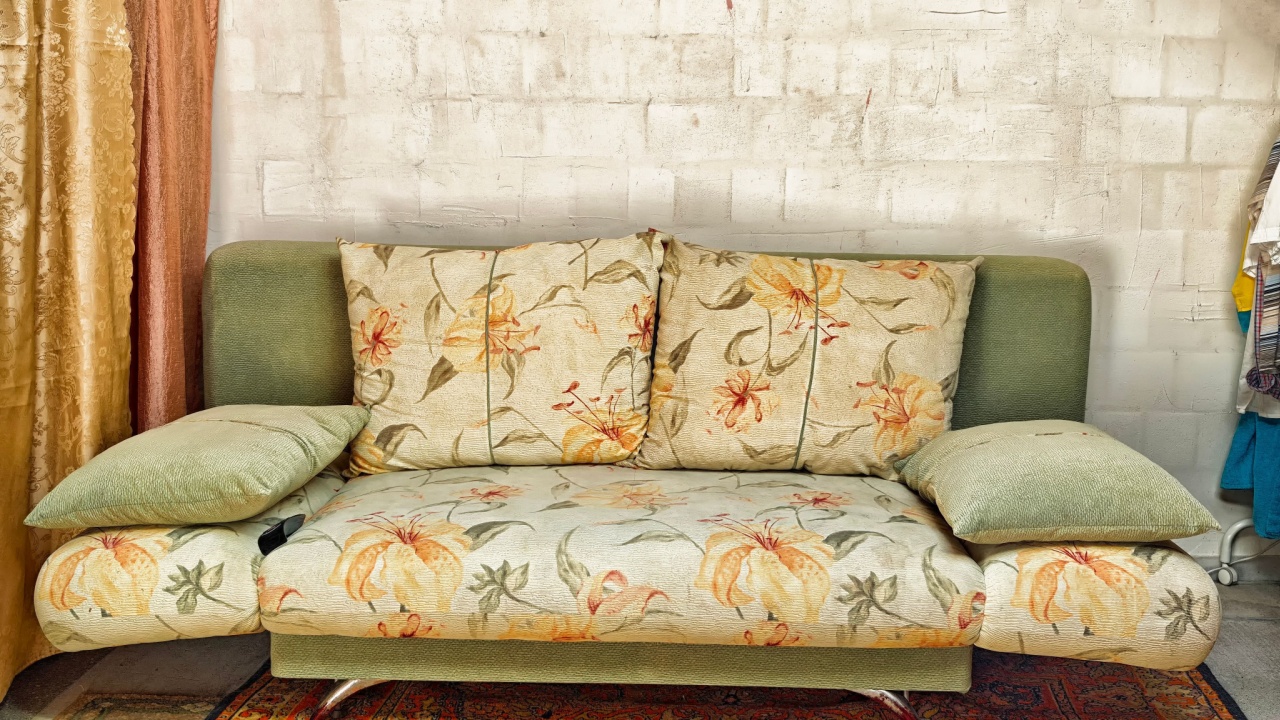
Image Credit: Shutterstock.com.
The fabric from a floral couch can find new life as decorative and functional items in your garden space. The bold patterns can add a splash of color and personality.
Why it’s a good option: Upholstery fabric is designed to be tough and weather-resistant, making it suitable for outdoor use. The vibrant floral patterns can be used to create custom outdoor cushion covers, garden flags, or decorative bunting to hang over a patio.
Care and implementation: Salvage the largest, cleanest sections of fabric from the old couch. Wash it thoroughly. Use a sewing machine to craft simple envelope-style cushion covers for your patio furniture. You can also cut the fabric into triangles and sew them onto a string to create festive bunting for garden parties.
Quick Takeaway: Repurpose the durable and colorful fabric from an old floral couch to create custom outdoor pillows, flags, or festive garden bunting.
14. Wall-to-Wall Carpeting

Image Credit: Shutterstock.com.
When you pull up old wall-to-wall carpeting, you’re left with a large amount of material that can be incredibly useful in the garden. Its most practical use is for sheet mulching or creating new garden beds.
Why it’s a good option: Carpeting (especially natural fiber carpets like wool) acts as an excellent weed suppressant. When you want to convert a section of lawn into a garden bed, laying down carpet is the first step in a “lasagna gardening” or sheet mulching method. It smothers the grass and weeds below, which then decompose and enrich the soil.
Care and implementation: Lay the carpet (pile-down) over the area you wish to convert. Wet it thoroughly, then layer it with organic materials like cardboard, newspaper, compost, leaves, and straw. Top with a final layer of soil or compost. You can plant directly into this new bed. Avoid using carpets with rubber backings, as they won’t break down and can leach chemicals.
Quick Takeaway: Use old natural-fiber carpeting as the base layer for sheet mulching to smother grass and create new, fertile garden beds with minimal digging.
15. Frilly Bathroom Accessories
Image Credit: Shutterstock.
Frilly fabric toilet seat covers and tank covers may be a thing of the past, but the stretchy, soft material is perfect for creating gentle plant ties.
Why it’s a good option: Traditional plant ties made of wire or hard plastic can cut into the stems of delicate plants like tomatoes or vining flowers. The soft, pliable fabric from these bathroom accessories provides a gentle but firm support that stretches as the plant grows, preventing damage.
Care and implementation: Cut the fabric into thin strips. Use these strips to loosely tie your plant stems to stakes, trellises, or cages. The “give” in the fabric ensures that as the stem thickens, it won’t be girdled or choked by the tie. It’s an ideal solution for supporting your most valuable climbers.
Quick Takeaway: Cut up old fabric bathroom accessories to make soft, stretchy plant ties that support climbing plants without damaging their stems.
16. Lace Curtains
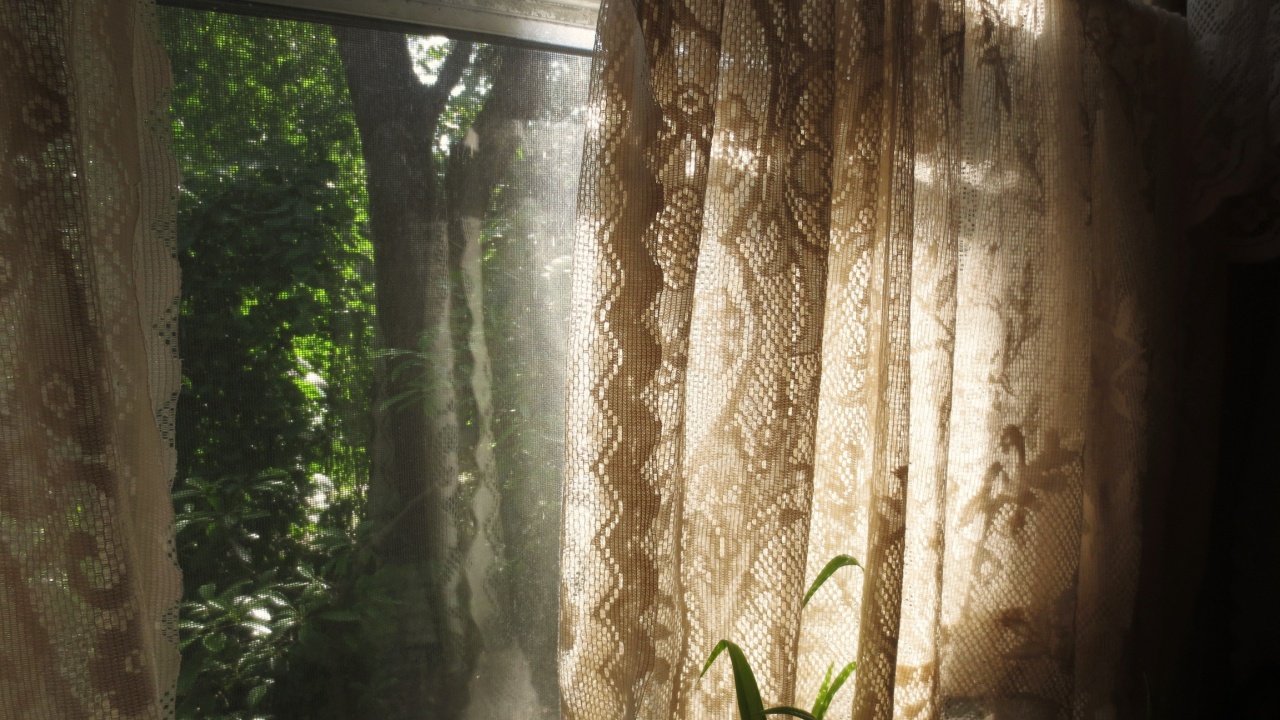
Image Credit: Shutterstock.com
Delicate lace curtains can serve as a beautiful and functional barrier in the garden, protecting your crops from pests while still allowing light and air to circulate.
Why it’s a good option: The fine mesh of lace is perfect for creating an insect barrier over your vegetable beds. It’s particularly effective at keeping cabbage moths off brassicas and preventing birds from pecking at your ripening berries. It’s a more attractive alternative to standard agricultural netting.
Care and implementation: Drape the lace curtains over hoops or a simple frame built around your garden bed. Ensure the edges are secured to the ground to prevent pests from getting underneath. The decorative patterns will cast beautiful shadows while your plants stay safe and healthy.
Quick Takeaway: Use old lace curtains as a decorative and effective insect netting to protect vegetable and berry patches from common garden pests.
17. Mirrored Walls (Pieces)

Image Credit: Shutterstock.com.
If you’re removing a mirrored wall, the broken pieces can be repurposed into a dazzling garden mosaic or used to deter certain pests.
Why it’s a good option: Mirror fragments catch the sunlight and create dancing reflections, adding a magical quality to the garden. These flashes of light can also confuse and deter birds from your fruit trees or vegetable patches. Incorporating them into art projects adds sparkle and visual interest.
Care and implementation: Carefully handle the broken mirror pieces, wearing gloves to protect your hands. You can embed them into stepping stones, the surface of a bird bath, or a decorative gazing ball. To deter birds, hang small pieces from strings in your fruit trees so they spin and flash in the breeze.
Quick Takeaway: Repurpose pieces of a broken mirror to create sparkling garden mosaics or to hang in trees as a humane bird deterrent.
18. Brass Fixtures
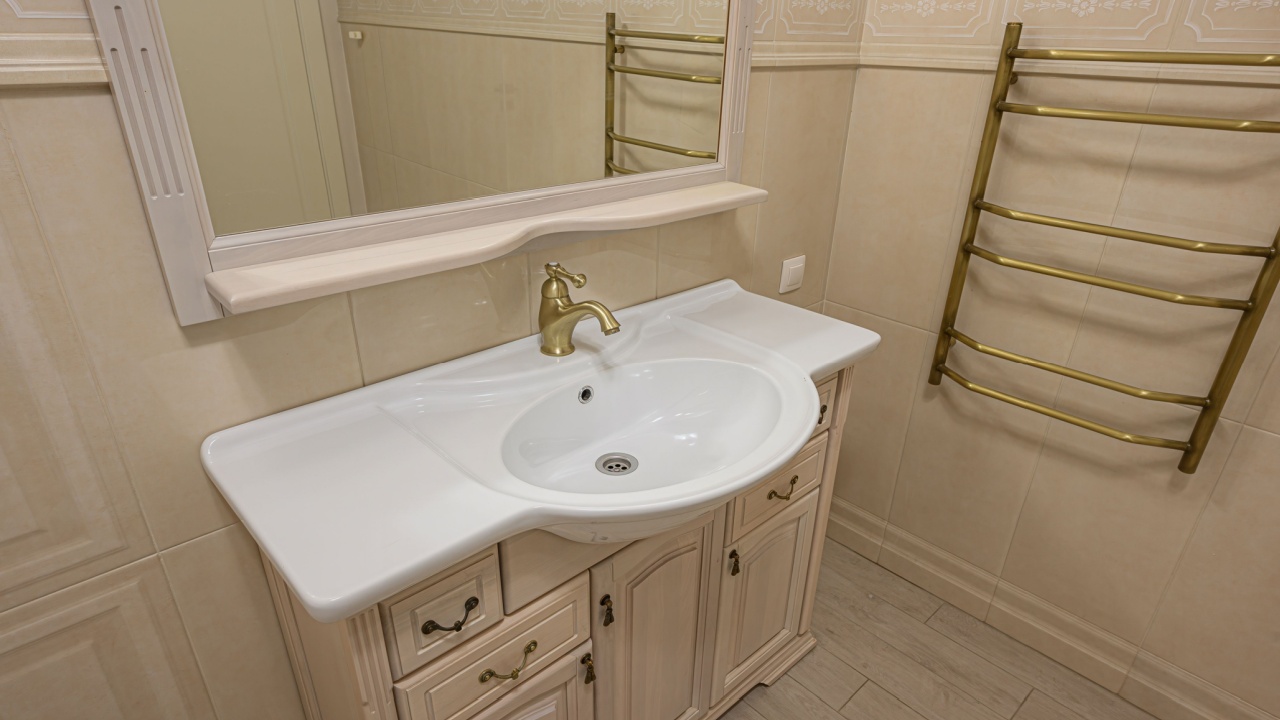
Image Credit: Shutterstock.com
Old, tarnished brass fixtures like faucets, knobs, and handles can be turned into charming and functional garden decorations.
Why it’s a good option: Brass develops a beautiful greenish patina over time that complements the natural colors of a garden. These sturdy metal pieces can be repurposed in whimsical ways. An old faucet can be mounted on a fence post above a planter, creating the illusion of watering the plants. Brass knobs can be used as decorative tops for garden stakes or as hooks on a potting bench.
Care and implementation: Simply attach the fixtures wherever you want to add a touch of vintage charm. A drill and some screws are all you need. There’s no need to polish the brass; let it age naturally in the elements to enhance its character.
Quick Takeaway: Mount old brass faucets and knobs in your garden as whimsical, decorative accents that gain a beautiful, natural patina over time.
A Creative Garden Transformation
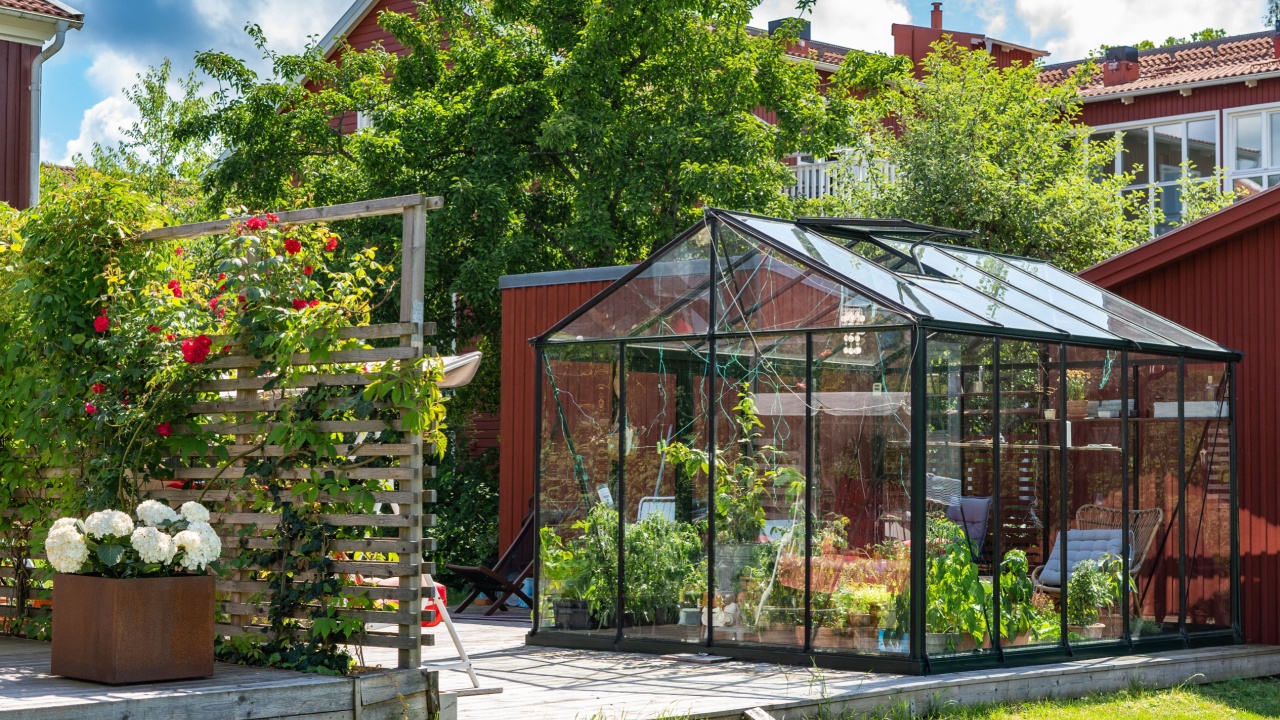
Image Credit: Shutterstock.
As you can see, your home is full of potential garden treasures. The next time you’re decluttering, pause and look at each item with a gardener’s eye. Could that old shelf become a vertical planter? Could that worn-out fabric protect your seedlings?
Start by choosing one or two items from this list that you already have on hand. Your next step is to begin the transformation. Head out to your garage or shed, grab your tools, and start creating. By giving your old household goods a new purpose, you are not just decorating your garden—you are building a space that is sustainable, resourceful, and uniquely yours. Happy repurposing.