

We’ve all been on the receiving end of a gift that made us say, “Oh, you shouldn’t have.” And we meant it. Deeply. Sometimes, the most well-intentioned presents end up as clutter, collecting dust in a closet or becoming a re-gift for an unsuspecting cousin next year. The pressure to find the perfect item can lead us down a strange path.
Giving a gift for someone’s home feels like a safe bet, but it can be a minefield of personal taste, practicality, and hidden work. We know it counts, but before you put that puppy in a box with a bow, let’s stop the thought.
Where We Got Our Data
We gathered our insights from a mix of gift shop experts and from real people sharing their hilarious and sometimes cringeworthy experiences on online forums. Research also shows that being afraid of gifting the wrong thing leads you to gifting the wrong gift. Givers will be thinking about how the gift will be received, while the receiver’s worry is how the gift will be owned and used.
Here are 11 household gifts that might be better left on the shelf.
1. Wall Art and Decor

Image Credit: Shutterstock.
Imagine receiving an abstract painting featuring a lot of angry-looking orange squiggles. Every time you walk into your living room, you feel like you are being judged by a confused sunset. I did. Home decor is intensely personal. What one person finds beautiful, another finds baffling. A gift of art forces the recipient to either display something that doesn’t match their style or feel guilty for tucking it away.
Instead of guessing their aesthetic, give something that allows for personal choice. A gift card to a home goods store or a local art gallery lets them find a piece they truly love. If you want a more personal touch, consider a high-quality picture frame with a photo of a shared memory.
Quick Look:
- Why it’s a risky gift: Decor is subjective and can clash with existing styles.
- The hidden burden: Creates an obligation to display the item.
- A better approach: Gift cards, photo frames, or a joint shopping trip.
2. Single-use Kitchen Gadgets
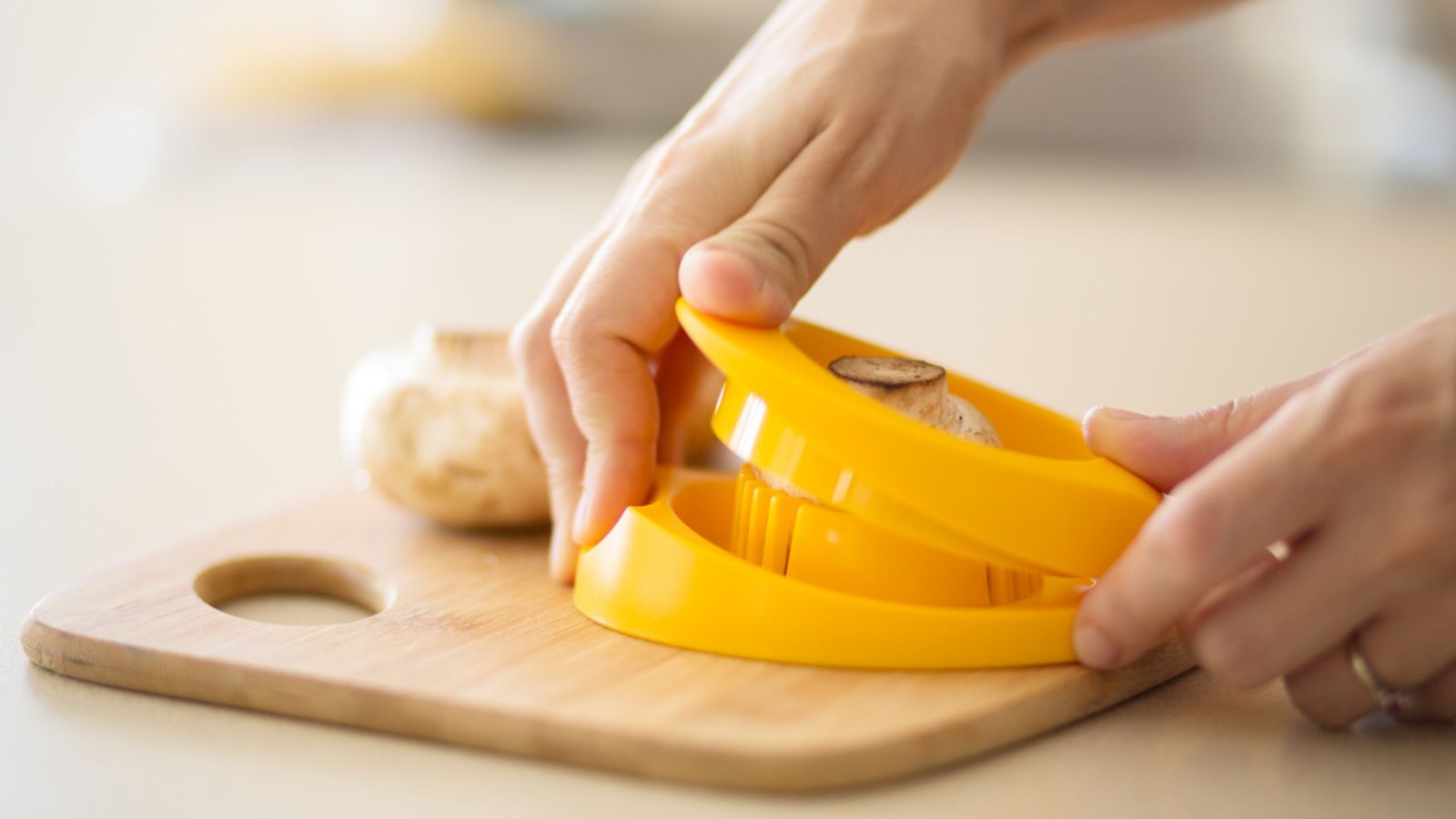
Image Credit: Depositphotos.com
I have a banana slicer. I’m not proud of it. It was a gift, and it perfectly slices a banana into uniform pieces. It also takes longer to clean than it does just to slice a banana with a knife. Single-use kitchen gadgets often promise to solve a problem that doesn’t really exist. They end up taking valuable drawer or counter space, only to be used once a year, if ever.
These gadgets can feel more like a novelty than a genuinely useful tool. Unless you know for a fact that your friend has been lamenting their lack of an avocado pitter or a strawberry huller, it’s best to steer clear. A high-quality chef’s knife, a durable cutting board, or a beautiful set of mixing bowls are far more practical.
Quick Look:
- Why it’s a risky gift: Often solves a non-existent problem and creates clutter.
- The hidden burden: Takes up precious kitchen space for minimal use.
- A better approach: A versatile, high-quality kitchen staple or a gift certificate to a cooking class.
3. Scented Candles
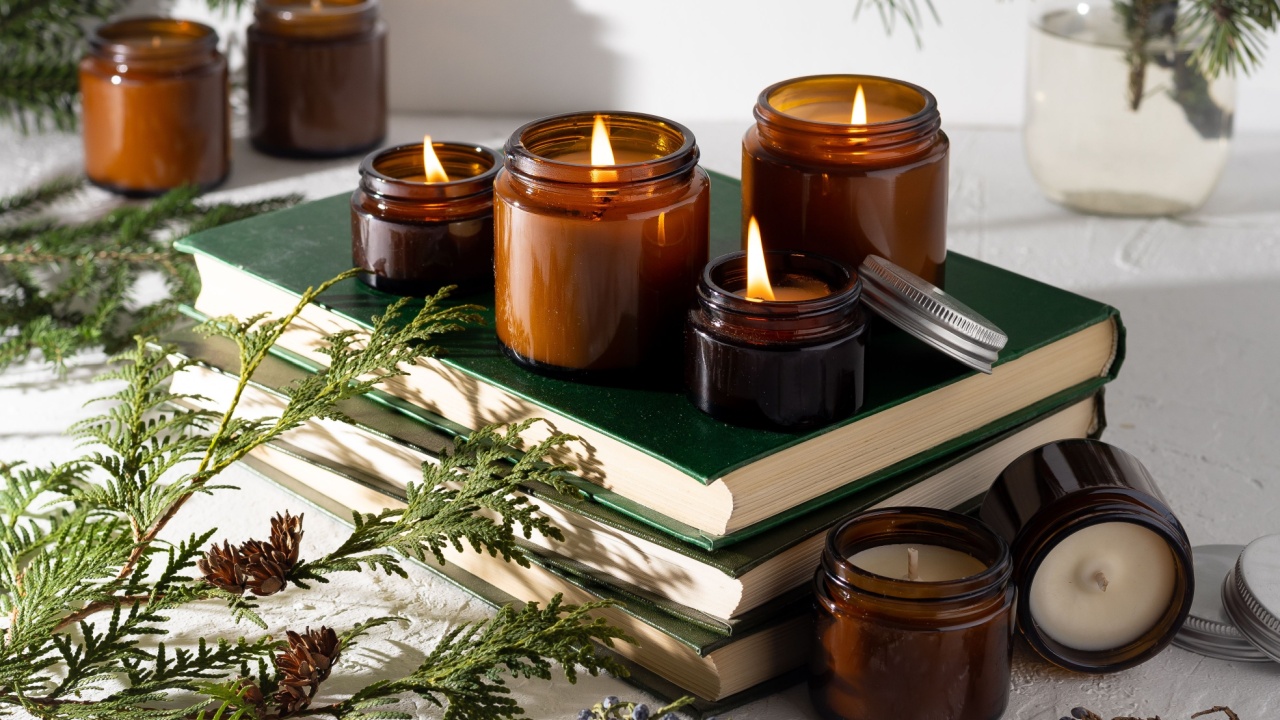
Image Credit: Shutterstock.
A scented candle seems like a simple, elegant gift. But scent is a powerful and personal thing. A fragrance that you find calming might be headache-inducing for someone else. Many people have sensitivities or allergies to artificial fragrances found in paraffin wax candles. These can release chemicals into the air that irritate the respiratory system.
You may love the smell of “Ocean Breeze,” while to someone else, it smells like a public bathroom air freshener. If you’re set on giving a candle, opt for unscented beeswax or soy candles. They burn cleanly and provide a lovely ambiance without the risk of an olfactory assault.
Quick Look:
- Why it’s a risky gift: Scents are subjective and can trigger allergies or headaches.
- The hidden burden: Some candles contain toxins that affect indoor air quality.
- A better approach: Unscented beeswax or soy candles, or a stylish candle holder.
4. Live Plants

Image Credit: Shutterstock.
As a garden lover who’d appreciate even a cactus, this one hurts my soul a little. But gifting a plant is like gifting a pet, albeit a very quiet, leafy one. You are giving someone a responsibility. You have to consider their home’s light conditions, their watering habits, and whether they even want to be a plant parent.
A beautiful orchid might be doomed in a low-light apartment, and an enthusiastic novice could easily overwater a succulent. If you want to give a plant, have a conversation first. Or, better yet, give a gift certificate to a local nursery so they can choose their own green companion.
Quick Look:
- Why it’s a risky gift: A plant is a living thing that requires specific care and commitment.
- The hidden burden: It can cause stress and guilt if the plant doesn’t thrive.
- A better approach: A gift card to a nursery, a beautiful pot, or a book on houseplant care.
5. Cleaning Supplies or Appliances

Image Credit: Shutterstock.
Giving someone a vacuum cleaner, a mop, or a set of cleaning sprays is like saying, “I’ve noticed your house could be cleaner, and I’d like you to do something about it.” Even if it’s a top-of-the-line, fancy vacuum, the underlying message can be insulting. These items are necessities, not luxuries. They are associated with chores and work.
A gift should be something that brings joy, relaxation, or a bit of indulgence. Gifting cleaning supplies is the opposite of that. If you know they desperately want a specific appliance, that’s a different story. Otherwise, avoid the entire cleaning aisle.
Quick Look:
- Why it’s a risky gift: It implies the recipient’s home is not clean enough.
- The hidden burden: Associates your gift with labor and chores.
- A better approach: A gift certificate for a professional house cleaning service.
6. Clothes

Image Credit: Shutterstock.
There’s always that moment when you open a nicely wrapped box, spot a sweater, and immediately start doing mental gymnastics about how to work it into your wardrobe. Clothes are personal in a way that few other gifts can match. Size, style, color preferences, material sensitivities, it’s a real juggling act.
Gifting clothes often means the recipient ends up with something that doesn’t fit or suit their taste. It’s not just about fashion, either. Washing instructions, care labels, and the occasional dry-clean-only tag can turn a hopeful gift into a mild hassle.
Quick Look:
- Why it’s a risky gift: Clothing is highly individual, difficult to size, and tastes differ.
- The hidden burden: Items may need to be returned, sit unworn, or require special care.
- A better approach: Let them pick out what suits them best with a gift card to their favorite shop, or go for a handmade accessory that comes with a gift receipt.
7. Mugs with Sayings
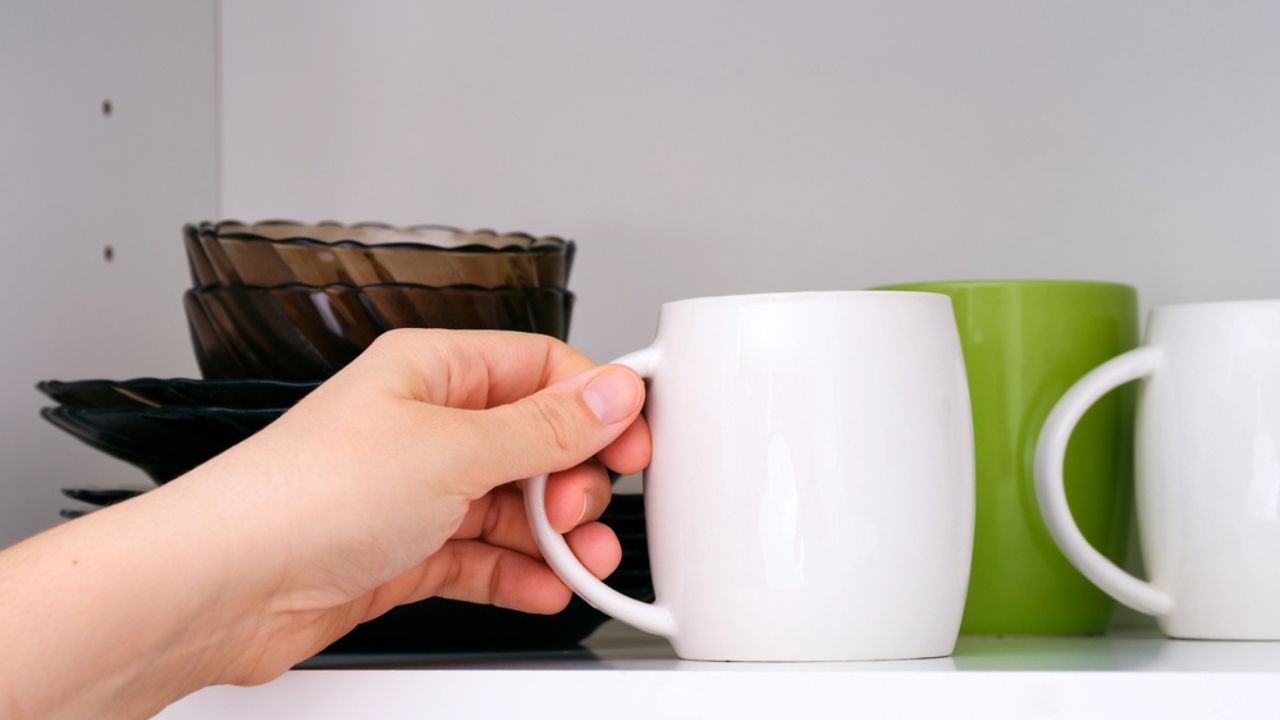
Image Credit: Shutterstock.
The “World’s Best Dad” or “But First, Coffee” mug is a staple of last-minute gift shopping. The issue is that most kitchens have a finite amount of cupboard space. A person who drinks coffee or tea likely already has a favorite mug. A novelty mug often gets pushed to the back of the cabinet, reserved for guests or forgotten entirely.
I have received at least five mugs with vaguely inspirational quotes on them. They live in a box in my garage (although I should probably toss them). Unless the mug is truly unique, handmade by a local artist, or tied to a special shared memory, it’s probably best to skip it.
Quick Look:
- Why it’s a risky gift: People have limited cabinet space and often have a favorite mug.
- The hidden burden: Becomes kitchen clutter.
- A better approach: A bag of high-quality, locally roasted coffee beans or a selection of premium teas.
8. Cookbooks

Image Credit: Depositphotos.com.
Cookbooks can be beautiful and inspiring. They can also be aspirational clutter. Gifting a cookbook assumes a lot about someone’s diet, cooking skills, and available time. That gorgeous book on French pastry techniques might be useless to your gluten-free friend who hates baking. A book on 30-minute meals might be insulting to your gourmet-chef brother.
Many people now find recipes online, tailoring searches to their exact dietary needs and preferences. A physical cookbook, unless specifically requested, can end up as a heavy, unused decoration on a shelf.
Quick Look:
- Why it’s a risky gift: May not align with the recipient’s diet, skill level, or interests.
- The hidden burden: Becomes another book to dust.
- A better approach: A subscription to a meal kit service or a high-quality ingredient like gourmet olive oil or aged balsamic vinegar.
9. Bath and Body Sets

Image Credit: Shutterstock.
That pre-packaged basket of lotion, bath bombs, and body wash is a common holiday gift. Unfortunately, they are often filled with generic, low-quality products in scents that few people actually enjoy. Like candles, fragrance is personal, and skin sensitivities are common.
The mystery ingredients in a generic bath set can cause reactions. I’m convinced these sets are passed from person to person, a never-ending chain of re-gifted floral-scented soaps. If you want to give the gift of pampering, choose one high-quality item, like a luxurious body oil from a known brand or a bath soak with simple, natural ingredients.
Quick Look:
- Why it’s a risky gift: Products are often generic, and scents can be off-putting or cause skin irritation.
- The hidden burden: The recipient is stuck with products they will never use.
- A better approach: A single, high-end bath product or a plush bathrobe.
10. Knives and Sharp Objects

Image Credit: Depositphotos.com.
A shiny chef’s knife might look impressive, and fancy kitchen tools catch the eye in any culinary shop. But gifting knives, scissors, or anything sharp can actually stir up some seriously awkward feelings. In several cultures, knives and sharp objects symbolize severing relationships or bringing bad luck to the home.
It can be an uncomfortable surprise to someone who knows the superstition or feels uneasy with a sharp object wrapped up as a gift. If the recipient does appreciate high-quality kitchen tools, there’s a workaround: some people attach a coin to the gift, which the recipient can “pay back” to avoid any superstition. Still, it’s usually safer to go for something less pointy.
Quick Look:
- Why it’s a risky gift: It can have negative cultural meanings and superstitions attached.
- The hidden burden: Could create discomfort or bad feelings instead of joy.
- A better approach: Choose a gift card to a quality kitchen supply store or let them pick their own kitchen gear.
11. Subscription Boxes

Image Credit: Meanwell Packaging, WikiCommons.
A subscription box seems like the gift that keeps on giving. But it can also be the gift that keeps on creating clutter and waste. Whether it’s for snacks, beauty products, or coffee, these boxes can be hit-or-miss. The recipient may only like a fraction of what they receive each month.
Soon, they have a pantry full of snacks they don’t like or a bathroom drawer overflowing with sample-sized moisturizers. It also creates a recurring delivery that they may forget to cancel. Unless you are certain they will love every item, a one-time curated gift box that you assemble yourself is a much more thoughtful option.
Quick Look:
- Why it’s a risky gift: The contents can be inconsistent and lead to waste.
- The hidden burden: It can create clutter and an unwanted recurring charge.
- A better approach: A hand-picked gift basket of their favorite things.
Finding the Perfect Gift for the Home

Image Credit: Depositphotos.com.
The best gifts are thoughtful and personal. They show you understand the recipient’s tastes and lifestyle. Instead of guessing, focus on experiences or consumables you know they will enjoy. A trip to a botanical garden, tickets to a concert, or a bottle of their favorite wine won’t add to household clutter.
If you want to give a physical item, make it something that enhances their life without adding a burden. A beautiful garden hose holder for the avid gardener, a set of heirloom seeds for a unique plant they mentioned, or a high-quality tool they’ll use for years are all wonderful options. The goal is to give a gift that says, “I see you and I appreciate you,” not “Here is another thing to dust.”