Homeowners Say Construction Dust From Next Door Is Covering Their Homes
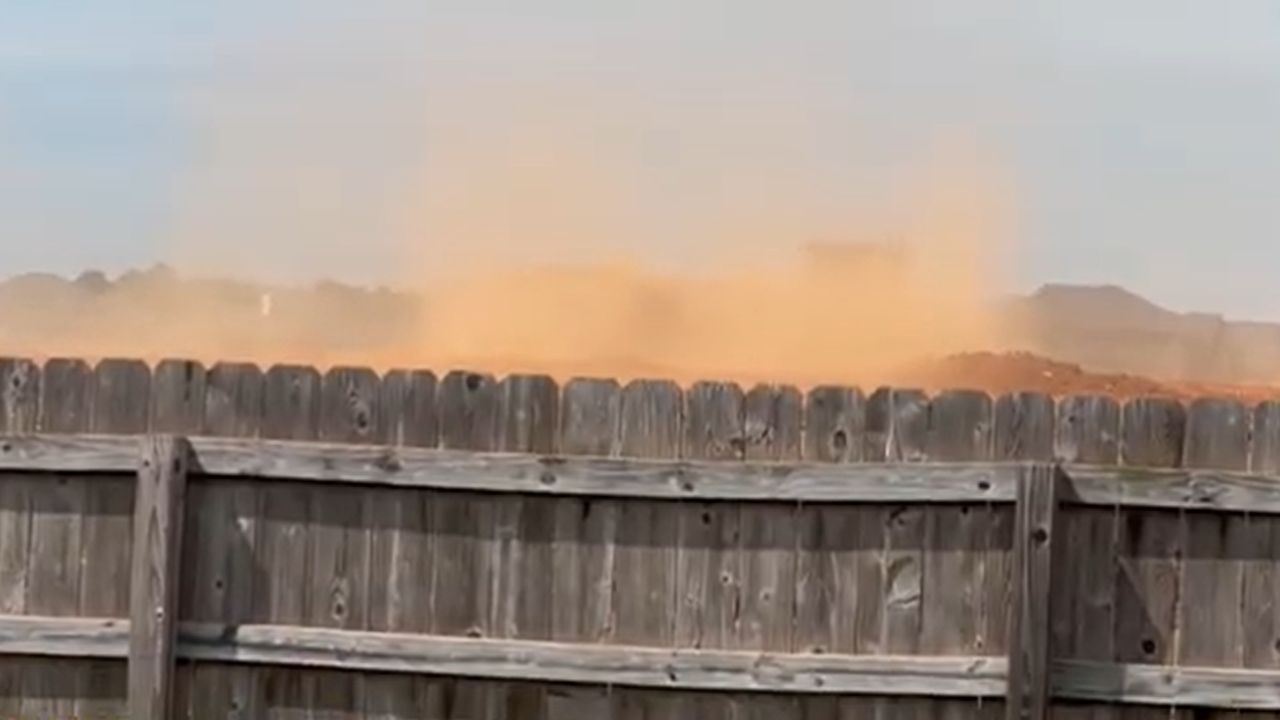
Homeowners in Harvest, Alabama, say construction next door has turned into a daily dust problem around their properties.
The complaint was featured in a WHNT News 19 report shared by AOL, which described construction dust affecting homes in the area.
The station’s YouTube description says what started as nearby construction has become a daily headache for some Harvest homeowners.
For people who live beside active building sites, the issue is familiar. Dry soil, grading, truck traffic, wind, and uncovered material piles can send dust beyond a construction fence and onto nearby homes, cars, patios, landscaping, and outdoor equipment.
Neighbors Say the Dust Is Reaching Their Homes
The WHNT report centers on homeowners who say dust from nearby construction has been moving onto their properties.
The station framed the issue as a daily nuisance, not a one-time mess after a single windy afternoon.
Construction dust can collect on siding, windows, patios, cars, outdoor furniture, landscaping, and HVAC filters. When work continues for weeks or months, residents may end up cleaning the same surfaces repeatedly while trying to figure out who is responsible.
Alabama Rules Address Dust Crossing Property Lines
Alabama’s fugitive-dust rule says no person may cause or permit visible fugitive dust emissions to move beyond the lot line of the property where the emissions originate.
That does not automatically prove a violation in the Harvest dispute.
It does give homeowners a specific issue to document: whether visible dust is leaving the construction property and landing on surrounding homes, yards, vehicles, or outdoor spaces.
Dust Control Usually Starts at the Job Site
The EPA lists common dust-control practices for construction and industrial sites, including water application, wind barriers, surface stabilization, and controls around heavily trafficked construction roads.
Those measures give nearby residents clearer questions to ask. Is the site watering dusty areas? Are trucks dragging dirt onto the road? Are stockpiles covered or stabilized? Is work continuing during dry, windy conditions without added controls?
Builders, developers, and site managers are usually in the best position to reduce dust before it reaches neighboring homes.
Homeowners Should Document More Than Dirty Windows
Anyone dealing with repeated construction dust should take dated photos and videos, save cleaning receipts, track windy days, photograph dust on outdoor furniture or HVAC vents, and keep written records of calls or emails to the builder, developer, city, county, or state agency.
If dust is visibly crossing property lines, homeowners can file a complaint with the Alabama Department of Environmental Management.
ADEM’s complaint form says people are not required to submit their name, address, phone number, or email, though contact details can help the agency follow up.