
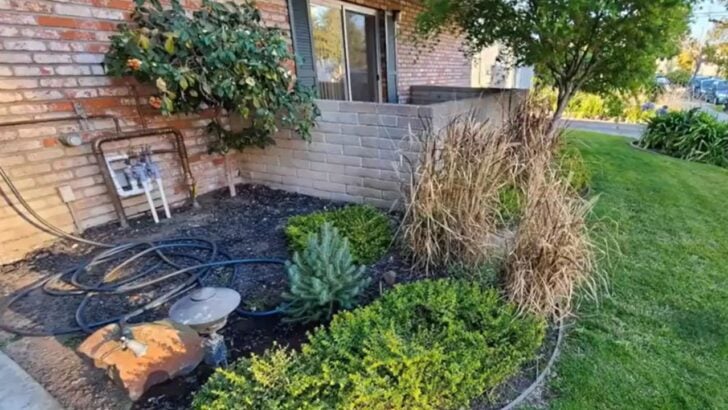
Homeowners who want to replace grass with clover, native plants, wildflowers, or water-saving landscaping may still need HOA approval before the first shovel hits the soil.
A The Cool Down report pointed to growing tension in HOA neighborhoods as more residents question whether a well-kept yard has to mean closely cut turf and clipped shrubs.
Traditional lawns can be expensive to water, mow, fertilize, and maintain. Clover lawns, native plant beds, pollinator gardens, and xeriscaping can reduce routine upkeep and support bees, butterflies, and birds.
The problem starts when older HOA rules still treat anything outside the traditional lawn look as messy, unapproved, or incompatible with neighborhood standards. A homeowner can spend money on plants and soil work, then face warning letters, architectural-review delays, fines, or pressure to remove the project.
State Laws Can Protect Water-Wise Yards, but Not Every Design
Some states limit how far HOAs can go when homeowners choose drought-tolerant or low-impact landscaping. Colorado law says an association may not prohibit xeriscape, nonvegetative turf grass, or drought-tolerant vegetative landscapes, though associations may still adopt design and aesthetic rules.
Texas law says a property owners’ association may not unreasonably deny or withhold approval for drought-resistant landscaping or water-conserving natural turf. Maryland law protects low-impact landscaping, including techniques that conserve water, lower maintenance costs, prevent pollution, and create wildlife habitat.
Those protections do not give every homeowner a free pass to remove the front lawn overnight. State laws vary, and many associations can still require applications, drawings, plant lists, borders, maintenance plans, placement limits, and height rules.
HOAs Can Still Require Plans, Borders, and Maintenance
A native or clover yard is easier to defend when it looks planned from the start. Clean edges, paths, mulch, low borders, mowed strips, plant labels, and clear separation from sidewalks can help a pollinator bed or native planting read as a maintained landscape instead of an abandoned patch.
Homegrown National Park recommends understanding HOA guidelines, designing intentional beds, adding borders or paths, educating neighbors and board members, and starting small before expanding. Wild Ones gives similar guidance, including asking for clarification on specific violations and suggesting updates to HOA landscaping rules.
Clover lawns may be easier for some boards to accept than a full front-yard meadow because clover can stay low and still read as a lawn alternative. Homeowners should still check whether the community rules require turf grass, ban certain ground covers, restrict flowering lawns, or require a uniform front-yard appearance.
Get Written Approval Before Removing Grass
The financial risk is not only the cost of plants. It is the cost of removing or reworking a landscape after an HOA says the project does not comply.
Before replacing grass, homeowners should save the current CC&Rs, architectural guidelines, plant lists, enforcement rules, and state-law language that may apply. The written request should include a drawing, plant species, borders, maintenance schedule, photos of the current yard, and a clear description of how the finished landscape will be kept neat.
HOA boards can also reduce fights by updating older lawn rules before disputes start. Approved native plant lists, maintained borders, height limits near sidewalks, rain garden standards, seasonal maintenance rules, and example designs can give residents a path to use less water without turning every front-yard change into a violation.
Before buying plants or removing turf, homeowners should get the approval decision in writing and keep copies of every form, plan, photo, email, and board response.