Homeowners Pushed Back After an HOA Planned To Euthanize Neighborhood Geese. The Board Just Reversed Course
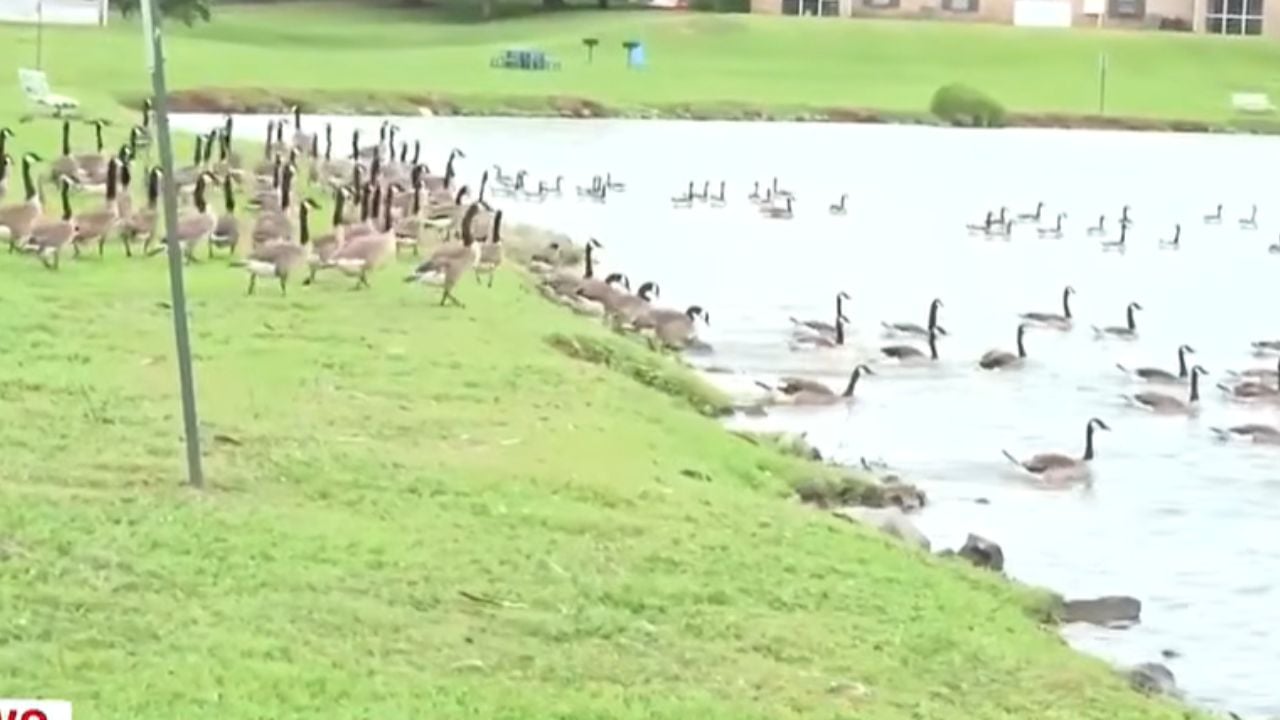
A homeowners association in Madison, Alabama, has reversed its plan to euthanize neighborhood geese after residents pushed back against the decision.
The Edgewater Owners Association board voted to stop working with the USDA on the plan for geese at Lady Ann Lake, according to WAFF.
The board said residents raised concerns through emails, phone calls, and direct conversations with board members. Board leaders said they wanted residents to have a stronger role in decisions affecting the neighborhood.
The earlier plan involved geese around Lady Ann Lake, a neighborhood lake tied to common areas, trails, sanitation, lake health, and shared amenities.
The Board Is Creating A Wildlife Subcommittee
The board now plans to create a Wildlife and Environmental Impact Subcommittee under its Lake and Grounds Committee. The group will research best practices, evaluate humane wildlife management options, and make recommendations on future goose and wildlife issues, WAFF reported.
Board President Brian Goodman said the board had heard residents’ voices and encouraged volunteers to work with the board on responsible, humane, and sustainable approaches. The board said it will spend the next 12 months working with residents and the new subcommittee before any future proposals are brought forward.
The Goose Dispute Reached Beyond One Lake
HOA neighborhoods often share ponds, lakes, trails, turf, and landscaped common areas. When wildlife becomes part of that space, the issue can move quickly from maintenance to governance.
The Edgewater board said many alternatives discussed by residents would require steady volunteer involvement, including monitoring geese, maintaining the lake area, and helping keep common spaces clean.
Similar efforts had been difficult to sustain in the past because of limited participation, according to the board. The recent response, however, brought more residents into the discussion.
Federal Rules Still Shape Goose Management
Canada geese are federally regulated, and USDA APHIS says homeowners associations are among the groups that may be authorized to manage resident Canada goose nests and eggs on property under their jurisdiction when needed to prevent injury to people, property, crops, or other interests.
USDA APHIS also says a Migratory Bird Depredation permit or other authorization must be obtained before removing waterfowl or handling nests and eggs, and state laws must be followed.
The U.S. Fish and Wildlife Service says HOA officers may register common areas under their jurisdiction for resident Canada goose nest and egg work, but the agency also says the nest and egg depredation order does not authorize killing birds.
Any future plan at Lady Ann Lake will now move through more resident input, more research, and the new subcommittee before the board considers another proposal.