Homeowner Reclaimed His House After Friends Renovated It and Claimed Ownership, But He Might Owe Them for the Updates
What began as a friendship and a potential home sale in Ohio eventually morphed into a monstrous legal battle over who had the right to a house. After moving into the property in question, a couple spent tens of thousands of dollars renovating it, believing they would eventually become its owners.
When the purchase fell apart, however, the original homeowners wanted their property back. The couple refused to give up their claim, arguing that their improvements and an earlier agreement entitled them to buy the house.
The disagreement found its way to court, where the couple initially won the right to purchase the property for $215,000. The homeowners challenged that decision, setting up a second legal battle over the validity of their arrangement.
On Oct. 16, an Ohio appeals court reversed the forced-sale ruling, although the dispute over the renovations is far from settled.
Friendship Turns Into a Feud Over $215,000 Home Sale

To understand how things ended up this tense, it’s important to wind back the clock.
According to the Ohio First District Court of Appeals, James Lupinetti and Carl Claxton became friends after meeting at a YMCA around 2010 or 2011.
Years later, Lupinetti experienced financial difficulties after his dump truck business failed. Claxton had loaned him $10,000, and the two subsequently discussed the possibility of Claxton and his wife, Lane, purchasing the Lupinettis’ home. James and his wife, Beverly Lupinetti, had moved out of the house and into a condominium in 2020, leaving the property vacant.
The Claxtons moved into the property in October 2020, and at first, they lived there without making monthly payments. In May 2021, they began covering the Lupinettis’ mortgage payments as they worked toward purchasing the house.
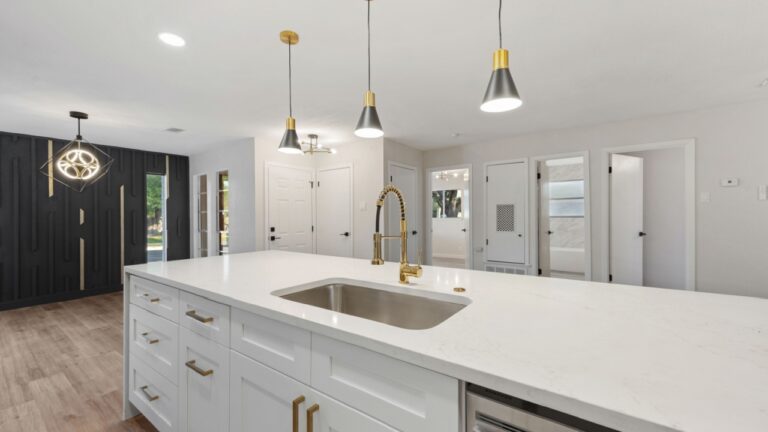
While preparing to formally purchase the home, the couple undertook extensive renovations, including a kitchen remodel costing $30,000. They also made other repairs on the house and installed a deck.
The prospective buyers obtained mortgage pre-approval, but their purchase of a Yukon truck had increased their debt-to-income ratio, preventing them from securing the financing needed to close the $215,000 sale in December 2021. They subsequently sold the vehicle in hopes of qualifying for a mortgage. However, on top of everything else, disagreements over the purchase price further complicated the deal.
In April 2022, James Lupinetti filed a lawsuit seeking to evict the Claxtons, alleging they owed more than $8,300 in unpaid rent. The Claxtons responded with counterclaims, arguing that an oral purchase agreement, their renovations, and signed letters of intent entitled them to buy the property.
Court Says Renovations Did Not Establish Purchase Rights
In September 2025, a trial court sided with the Claxtons, ordering the homeowners to sell them the property for $215,000.
The appeals court reached a very different conclusion, however.
Although the parties had signed a letter outlining the proposed $215,000 sale, it expressly stated that they would not be legally bound until they entered into a formal written purchase agreement. A second letter of intent was also nonbinding.
The judges also rejected the argument that renovating the home made the oral agreement enforceable. They determined that the mortgage payments were effectively rent rather than payments toward the purchase price.
The court further ruled that the Claxtons were tenants who had failed to make required payments, concluding, “Therefore, James Lupinetti is entitled to evict the Claxtons.” The case was sent back to the lower court to determine the appropriate relief.
However, the Claxtons maintained some victory, specifically regarding their separate claim of unjust enrichment. Because the Lupinettis had not challenged that finding on appeal, the judges upheld it and sent the case back to determine how much the homeowners must pay for the improvements.
The amount remains undecided. Although both sides acknowledged the $30,000 kitchen renovation, the lower court must now determine how much the homeowners owe for the work performed on their property.