
14 Home Fixtures That Are More High Maintenance Than Expected
Some home features look utterly incredible in interior design websites. They whisper promises of a life brimming with effortless elegance and undeniable style. Who hasn’t scrolled through Pinterest, sighing over a perfectly pristine kitchen or a bathroom that looks like it belongs in a five-star hotel? Behind that gleaming, picture-perfect finish often lies a rather demanding upkeep routine.
Before you leap into committing to that stunning design element you absolutely had to have after seeing it on a home renovation show, understand what kind of relationship you’re signing up for. Are you prepared for a high-maintenance affair, or are you hoping for something a little more low-key?
Here are 14 popular home fixtures that, while undeniably gorgeous, require a significant amount of care to keep them looking their absolute best.
1. Marble Countertops

Marble is the definition of luxury in a kitchen or bathroom. Its veined, cool surface is undeniably beautiful and has been a symbol of sophistication for centuries. Each slab is unique, offering a one-of-a-kind look. However, this classic beauty comes with a high price in terms of maintenance. Marble is a porous, soft stone, making it extremely susceptible to staining, scratching, and etching from acidic substances like lemon juice, wine, or even just water. Keeping it pristine requires constant vigilance.
Quick Care Guide:
- Sealing is mandatory: Seal your marble countertops upon installation and then re-seal them every 6-12 months.
- Clean spills immediately: Do not let any liquid, especially acidic ones, sit on the surface.
- Use gentle cleaners: Clean with a pH-neutral stone cleaner and a soft cloth. Avoid abrasive sponges or harsh chemicals.
- Always use protection: Place coasters, trivets, and cutting boards on the surface to prevent scratches and stains.
2. Chandeliers with Crystals

A crystal chandelier can transform a dining room or foyer into a grand space. It reflects light beautifully, creating a dazzling, dramatic effect that few other fixtures can match. The sparkle adds a layer of glamour and sophistication. The problem is that each of those individual crystals is a magnet for dust, grease, and grime, quickly turning your brilliant centerpiece into a dull, cloudy mess. Cleaning it is a delicate and time-consuming task.
Quick Care Guide:
- Regular dusting: Use a feather duster or a microfiber cloth weekly to manage surface dust.
- Deep clean annually: This involves carefully cleaning each crystal. You can use a gentle glass cleaner sprayed onto a cloth (never directly on the fixture).
- Consider professional help: For very large or intricate chandeliers, hiring a professional cleaner once a year might be the best option to avoid damage.
3. Stainless Steel Appliances
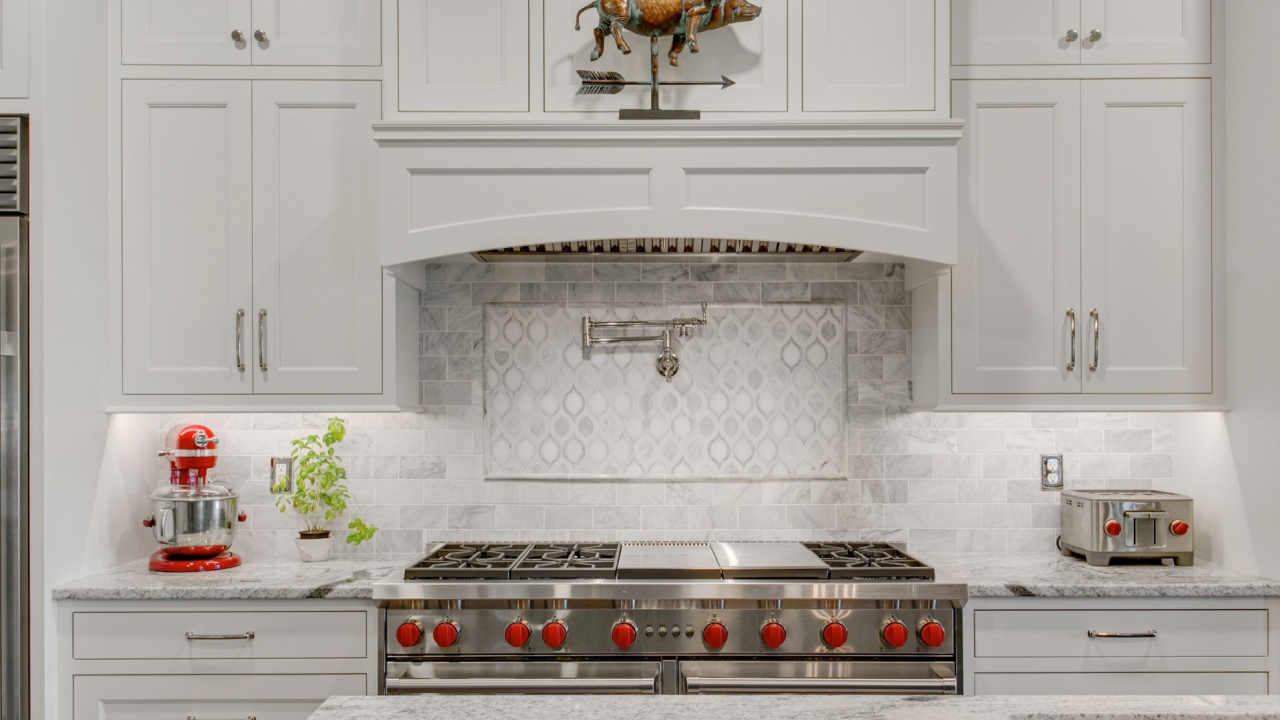
Stainless steel appliances provide a sleek, professional appearance that complements modern kitchens perfectly. They are durable and match almost any cabinet color or design style. Their non-porous surface is also hygienic. Unfortunately, their name is a bit misleading. “Stainless” does not mean “smudge-proof.” These surfaces are notorious for showing every fingerprint, water spot, and streak, requiring constant wiping to maintain their clean appearance.
Quick Care Guide:
- Wipe with the grain: Use a soft microfiber cloth and wipe in the direction of the steel’s grain to avoid small scratches and streaks.
- Use a specialized cleaner: Stainless steel cleaners can help repel fingerprints and leave a protective shine.
- DIY solution: A small amount of white vinegar on a cloth can cut through grease, followed by a wipe with a damp cloth and then a dry one.
4. Glass Shower Doors

Frameless glass shower doors make a bathroom feel larger and more open than a shower curtain ever could. They provide a clean, minimalist look that showcases beautiful tile work. The trade-off for this spa-like aesthetic is the relentless battle against soap scum, hard water stains, and mildew. If not cleaned after every single use, the glass quickly becomes cloudy and streaked, negating its clean and airy purpose.
Quick Care Guide:
- Squeegee after every shower: This is the most effective way to prevent buildup. Keep a squeegee in the shower and make it a habit.
- Weekly cleaning: Use a mixture of white vinegar and water or a dedicated shower glass cleaner to tackle any film.
- Ventilate the bathroom: Run the exhaust fan during and after showers to reduce moisture and inhibit mildew growth.
5. Hardwood Floors
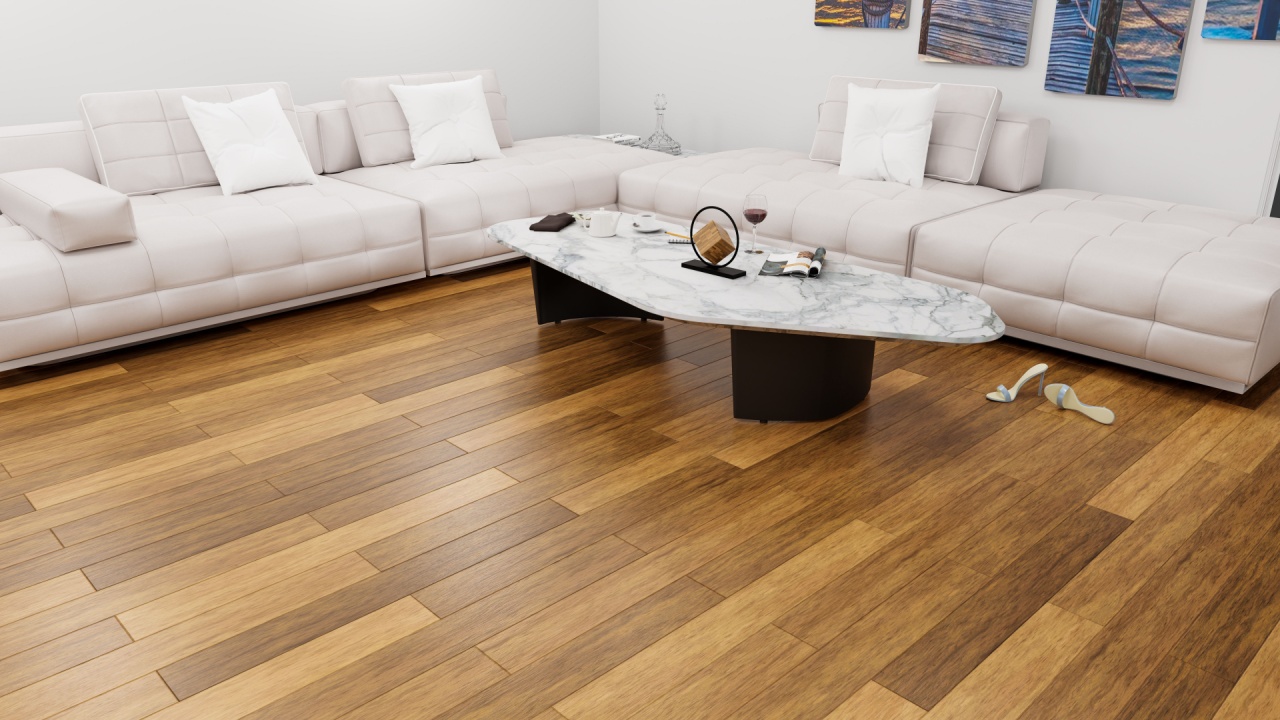
Hardwood floors are warm, timeless, and can increase a home’s value. They come in a wide variety of species and finishes, offering versatility for any interior design. While durable in many ways, they are also vulnerable to scratches from pets, furniture, and even small rocks tracked in on shoes. They are also susceptible to water damage, which can cause boards to warp and discolor. Protecting them is an ongoing effort.
Quick Care Guide:
- Use furniture pads: Place felt pads under the legs of all furniture to prevent scratches.
- No shoes inside: A no-shoes policy is the best defense against scratches and dirt.
- Clean spills quickly: Water is the enemy. Wipe up any spills immediately with a dry cloth.
- Sweep or vacuum regularly: Remove dirt and grit before they have a chance to scratch the surface.
6. Copper Sinks

A copper sink is a stunning statement piece, adding rustic warmth and character to a kitchen or bar area. Many have natural antimicrobial properties, which is a definite bonus. The challenge with copper is its living finish. It reacts to its environment and develops a patina, which means its color and pattern will change. While some embrace this evolving look, those who prefer a consistent, shiny copper finish will find themselves polishing constantly.
Quick Care Guide:
- Rinse and dry after use: To slow the patination process, rinse the sink with water and wipe it dry with a soft cloth after each use.
- Avoid harsh chemicals: Abrasive cleaners and acidic substances will strip the patina and can damage the surface. Use mild soap and water.
- Polish as desired: If you prefer the shiny look, use a specialized copper polish, but be prepared to do this regularly.
7. Intricate Wallpaper
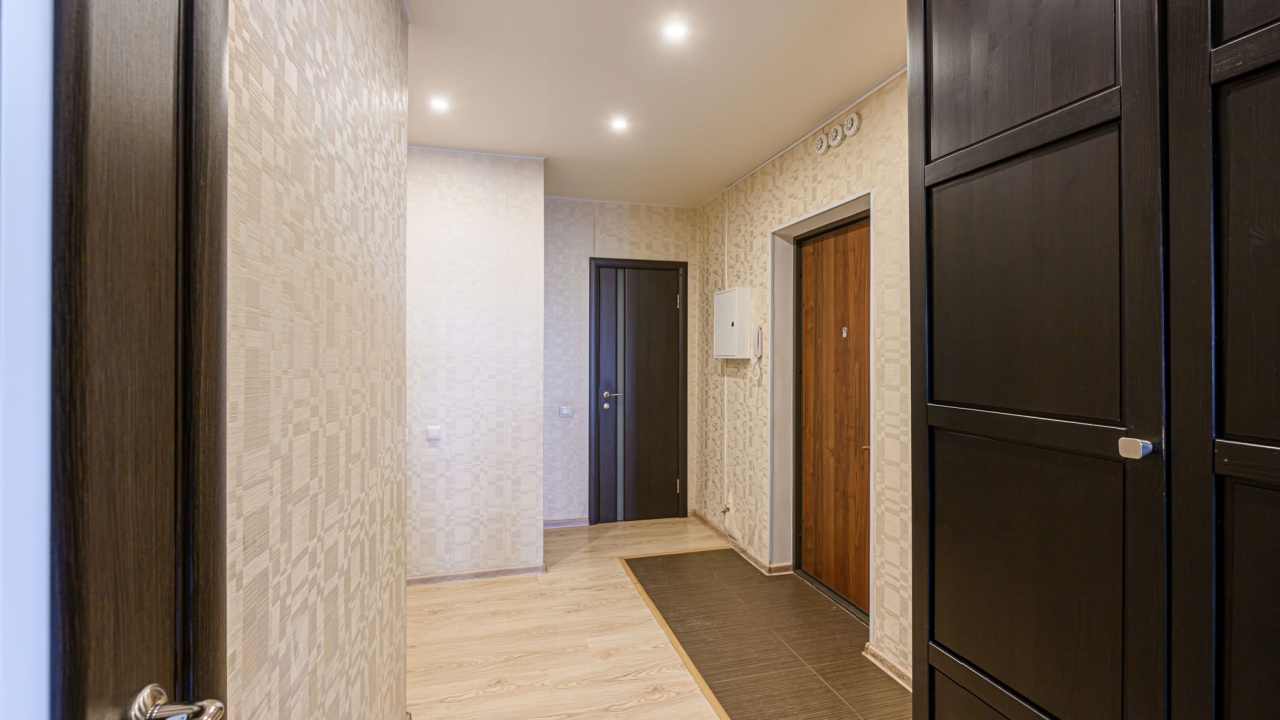
Wallpaper with a detailed or textured pattern can bring personality, depth, and artistry to a room in a way paint simply cannot. It can be a focal point or a subtle backdrop. However, complex patterns are difficult to install perfectly, as seams and repeats must align exactly. It is also challenging to clean, especially textured varieties that trap dust. Repairing a small tear or stain is nearly impossible without it being noticeable.
Quick Care Guide:
- Dust regularly: Use a vacuum with a soft brush attachment or a dry microfiber cloth to remove dust, especially from textured papers.
- Check cleaning instructions: Some wallpapers are “scrubbable,” while others are delicate. Always follow the manufacturer’s cleaning guide.
- Spot clean carefully: For washable papers, dab stains gently with a damp sponge and mild detergent. Do not rub.
8. High-Pile Carpets

A deep, plush carpet feels wonderfully luxurious underfoot. It adds warmth, texture, and excellent sound insulation to a room, creating a very comfortable atmosphere. The downside is that those long fibers are a trap for dust, dirt, pet hair, and allergens. They are much harder to vacuum thoroughly than low-pile carpets, and spills can sink deep into the fibers, making them incredibly difficult to remove completely.
Quick Care Guide:
- Vacuum frequently and slowly: Use a vacuum with a beater bar and good suction. Go over areas multiple times from different directions to lift dirt from the base of the fibers.
- Professional cleaning: Plan for professional deep cleaning at least once a year to extract embedded grime.
- Address spills instantly: Blot spills immediately with a clean, dry cloth. Never rub, as this will push the stain deeper.
9. Granite Tiles

Granite is a popular choice for countertops and floors because of its durability and natural beauty. When used as tiles instead of a solid slab, it can be a more affordable way to get the look. The maintenance issue arises not from the granite itself, but from the extensive grout lines between the tiles. Grout is porous and easily absorbs spills, leading to stains and mildew. Keeping dozens of grout lines clean is a laborious and never-ending chore.
Quick Care Guide:
- Seal the grout: Grout sealant is essential to prevent stains. It should be reapplied every year or two.
- Clean spills quickly: Wipe up anything that falls on the grout to stop it from soaking in.
- Scrub the grout lines: Use a specialized grout cleaner and a stiff brush for regular cleaning. A steam cleaner can also be very effective.
10. Velvet Furniture

Velvet furniture is opulent and inviting. Its soft texture and rich appearance add a touch of glamour and comfort to any living space. It feels as good as it looks. The issue is that velvet is delicate. It can be crushed, marked, or bruised easily, leaving behind pressure marks. It also acts like a magnet for pet hair and lint, and cleaning spills requires a very gentle touch to avoid damaging the pile.
Quick Care Guide:
- Vacuum regularly: Use a soft brush attachment to gently lift dust and pet hair.
- Blot, do not rub: For spills, blot immediately with a dry, absorbent cloth. Check the care tag before using any water or cleaning solution.
- Steam to restore pile: A gentle steaming can help lift crushed pile and remove pressure marks.
11. Slate Flooring

Slate floors offer a beautiful, natural, and rustic look. The dark, earthy tones and unique texture of each tile can ground a room’s design. The tiles are durable and slip-resistant. However, natural slate is layered and can flake or chip, a process called “spalling.” It is also porous and must be sealed to protect against stains. The uneven, cleft surface can make it difficult to mop effectively, as dirt gets trapped in the crevices.
Quick Care Guide:
- Seal it properly: Apply a good-quality stone sealer after installation and reapply as needed to prevent stains.
- Sweep or vacuum often: Remove grit and dirt that can scratch the surface or get stuck in the texture.
- Use pH-neutral cleaners: Clean with a cleaner designed for natural stone to avoid damaging the slate or its sealant.
12. Composite Decking

Composite decking is often marketed as a low-maintenance alternative to wood. It is made from a mix of wood fibers and plastics, and it resists rot and insects. The high-maintenance aspect comes from its susceptibility to mold, mildew, and staining, especially in shaded or damp areas. Some lighter-colored composites can show stains from leaves, berries, or grease. They can also get extremely hot in direct sun and are prone to scratching.
Quick Care Guide:
- Clean regularly: Wash the deck twice a year with a composite deck cleaner to prevent mold and mildew growth.
- Address stains quickly: Use cleaners recommended by the manufacturer to remove grease, rust, or other stains.
- Be careful with furniture: Use mats under grills and furniture to prevent scratches and stains.
13. Concrete Countertops

Concrete countertops provide a unique, industrial-chic look that is highly customizable in terms of color, shape, and finish. They are durable and heat-resistant. The maintenance headache stems from their porous nature. Like marble, concrete must be meticulously sealed to resist stains from oil, wine, and acidic foods. If the sealant is compromised, the stain can be permanent. They are also prone to developing small cracks, and refinishing them can be a dusty, labor-intensive process.
Quick Care Guide:
- Maintain the sealant: Check the sealant regularly and reapply as recommended by the installer, which could be every 1-3 years.
- Clean with gentle soap: Avoid abrasive scrubbers and harsh chemical cleaners.
- Use cutting boards: Chopping directly on the concrete can damage knives and the sealant.
14. Stucco Exteriors

Stucco gives a home’s exterior a beautiful, textured, and solid appearance, popular in Spanish, Mediterranean, and modern designs. It is durable and provides good insulation. The maintenance comes from its rigid nature. Stucco can develop cracks as a house settles or from moisture intrusion. These cracks must be repaired promptly to prevent water from getting behind the stucco, which can lead to serious water damage and mold problems within the walls.
Quick Care Guide:
- Inspect for cracks regularly: Walk around your home a few times a year, specifically looking for cracks, especially after seasonal temperature shifts.
- Clean carefully: Wash stucco with a garden hose and a soft-bristled brush. High pressure from a power washer can damage the surface and force water into cracks.
- Repair cracks immediately: Fill small cracks with a quality acrylic caulk designed for stucco. Larger repairs may require professional help.
Choosing Your Battles
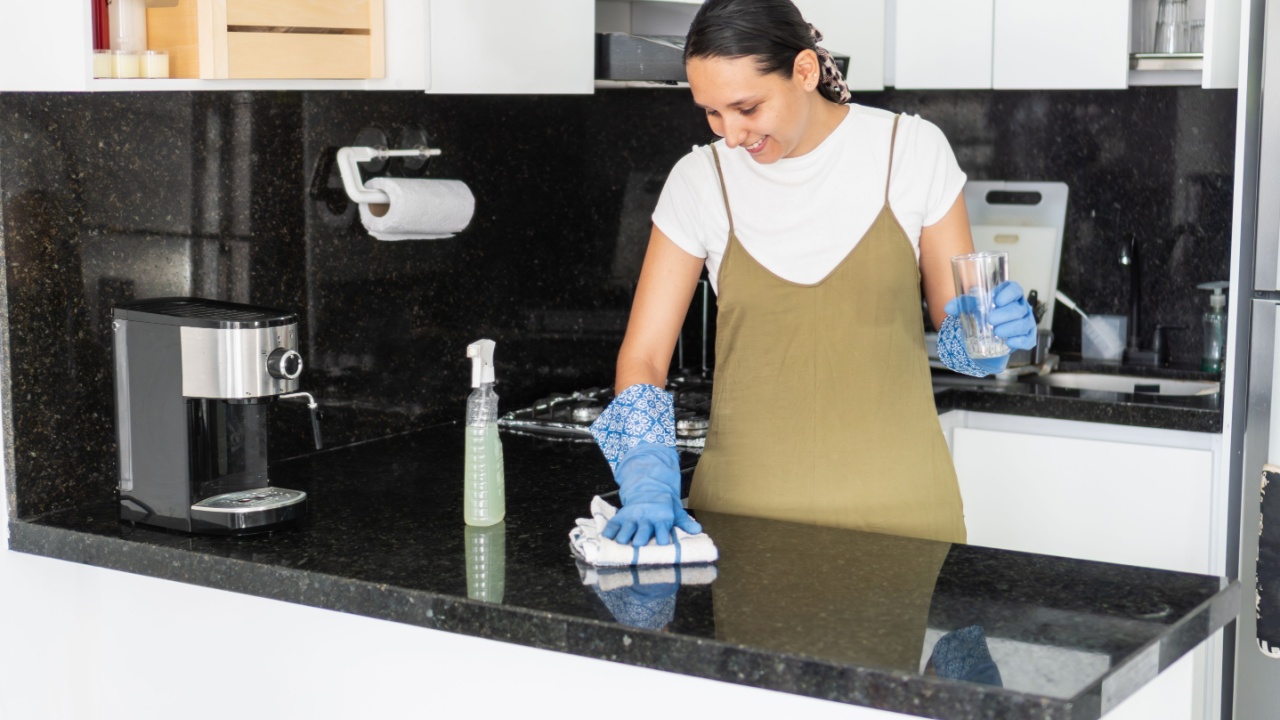
Knowing the upkeep required for these fixtures allows you to make an informed decision. For some, the beauty of a marble countertop or the luxury of a velvet sofa is well worth the extra effort. For others, a lower-maintenance alternative is a better fit for their lifestyle.
If you already own one of these items, establishing a consistent cleaning routine is the best path forward. A few minutes of daily or weekly care can prevent hours of difficult restoration work later. Decide which features you love enough to care for and which you would rather admire from a distance.