
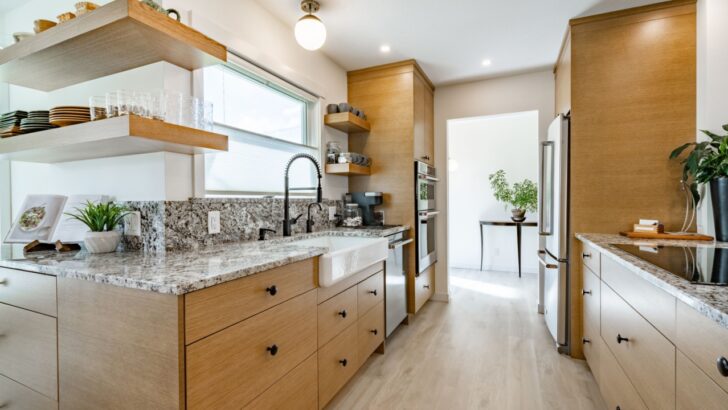
Creating a home that feels like a true sanctuary is about more than just following the latest fads. It’s about building a space that is both beautiful and functional for your everyday life (and each individual’s personal tastes, of course).
While design magazines and social media are full of stunning inspiration, some popular trends don’t always translate well into a practical, lived-in home. Understanding these common design pitfalls can help you create a space you’ll love for years to come, avoiding choices that might look good in a photo but cause frustration down the road.
This guide explores 34 home design trends that real people have found to be impractical, annoying, or simply not worth the hype, according to forums, along with smarter alternatives for your home and garden.
1. Open Shelving in Kitchens
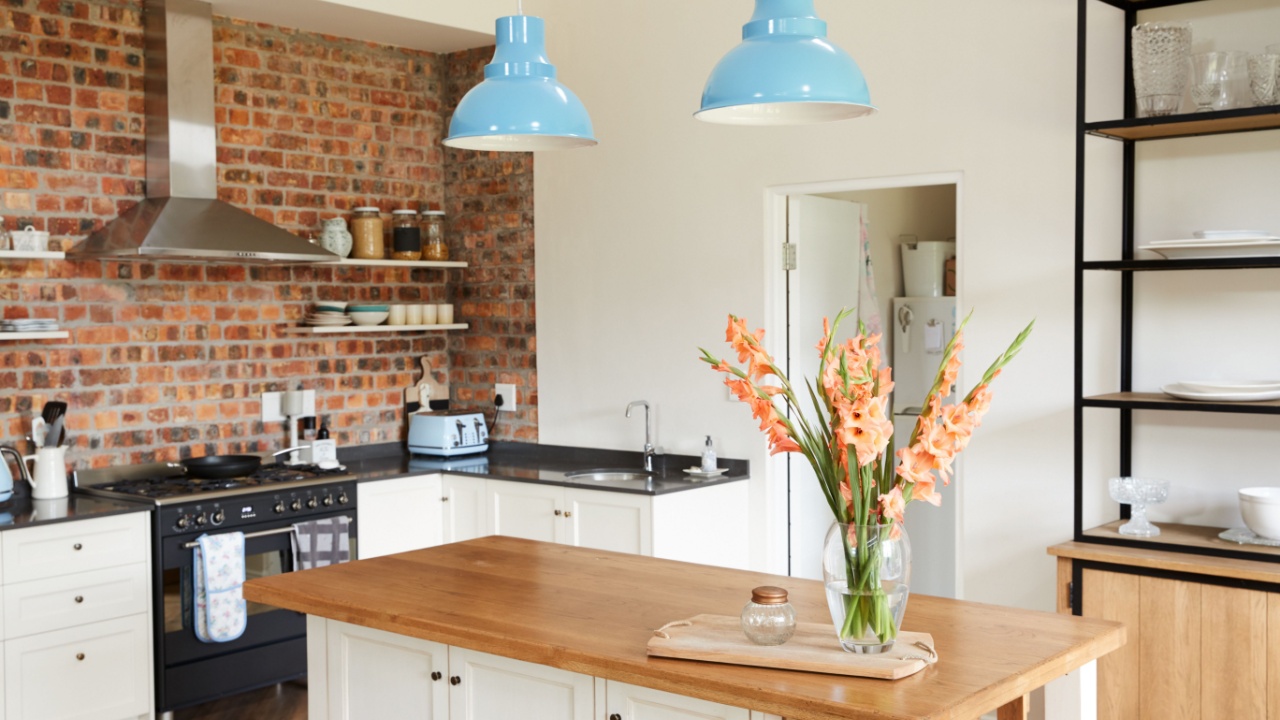
Image Credit: Shutterstock.
Open shelving looks airy and beautiful in staged photos, allowing homeowners to display curated collections of matching dishware. However, in a real, working kitchen, the reality is often less glamorous. Shelves can quickly look cluttered with mismatched mugs and plates. They also collect dust and cooking grease, meaning everything on display requires frequent washing, even if it hasn’t been used. For households with pets, especially curious cats, open shelves can become a tempting and disastrous playground.
What to do instead: Opt for glass-front cabinets. They provide a similar light, open feel, and allow you to display your favorite pieces without exposing them to dust and grime. You can even add interior cabinet lighting to highlight your collection. For a touch of open-concept, consider installing a single floating shelf for items you use daily, like coffee mugs or everyday glasses.
Quick Look:
- Problem: Clutter, dust, grease, impractical for mismatched items.
- Alternative: Glass-front cabinets, or a single shelf for daily-use items.
- Next Step: Assess your dishware. If it’s not a matching set, stick to closed storage to keep your kitchen looking tidy.
2. Lack of Entryway Storage

Image Credit: Shutterstock.
Some modern homes are being built without a proper entryway closet or storage space (although there are plenty of older ones that are like this too!). This oversight leaves you with nowhere to put jackets, shoes, backpacks, and mail. The result is a perpetually cluttered entrance that makes a poor first impression and creates daily frustration. A functional entryway is crucial for keeping the rest of your home organized.
What to do instead: If you don’t have a built-in closet, create your own storage solution. Add a stylish hall tree with hooks and a bench, a console table with baskets underneath for shoes, or a standalone wardrobe. Even a simple wall-mounted coat rack and a boot tray can make a world of difference.
Quick Look:
- Problem: Clutter at the front door, no place for coats and shoes.
- Alternative: Hall tree, console table with baskets, or a freestanding wardrobe.
- Next Step: Measure your entryway and find a storage solution that fits the space without blocking traffic flow.
3. Overly Bright Edison Bulb Fixtures
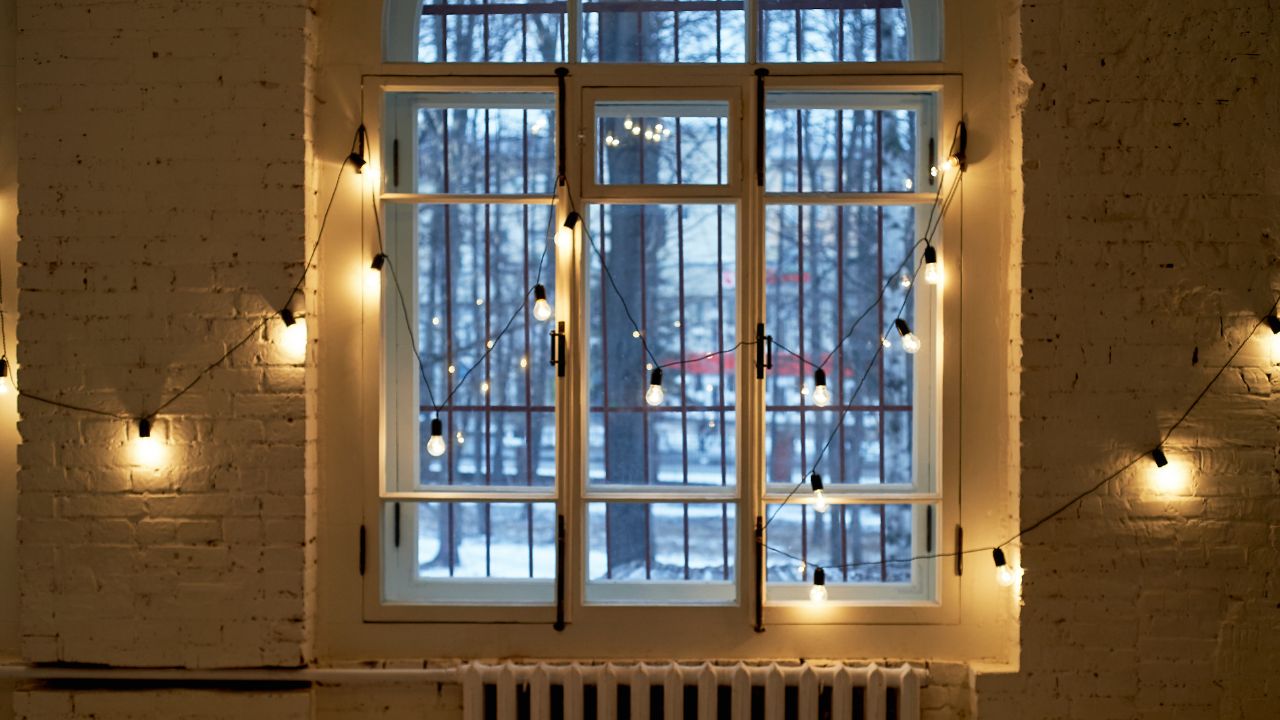
Image Credit: Shutterstock.
Edison-style bulbs became popular for their vintage, industrial appeal. However, when used in large fixtures with multiple exposed bulbs, they can create a light that is harsh, glaring, and uncomfortable. Many people find the bright, unfiltered light hurts their eyes. Adding a dimmer switch can sometimes cause flickering if the bulbs aren’t compatible.
What to do instead: Use Edison bulbs sparingly in fixtures with shaded or frosted glass to diffuse the light. For main lighting, choose fixtures that provide indirect or ambient light. If you love the look, select lower-wattage or amber-tinted Edison bulbs that offer a warmer, softer glow.
Quick Look:
- Problem: Harsh, glaring light that is uncomfortable on the eyes.
- Alternative: Shaded fixtures, amber-tinted bulbs, or fixtures that use standard bulbs.
- Next Step: Install dimmer switches that are compatible with your chosen bulbs to gain full control over your lighting levels.
4. Microwaves in Lower Cabinets

Image Credit: Depositphotos.com.
Placing a microwave below the counter might create a sleek, uninterrupted sightline in the kitchen, but it’s highly impractical. This placement is inconvenient for anyone with mobility issues, as it requires constant bending and stooping. It’s also a safety concern in homes with young children, who can easily access the appliance and put things inside that don’t belong.
What to do instead: The best placement for a microwave is at a comfortable, ergonomic height. An over-the-range microwave is a classic space-saver. Alternatively, you can place it on a dedicated shelf within your cabinetry or on an unused section of your countertop.
Quick Look:
- Problem: Poor accessibility, safety risk for children.
- Alternative: Over-the-range, on a built-in shelf, or on the countertop.
- Next Step: When remodeling, plan for a microwave location that is between waist and shoulder height for the easiest access.
5. Shower Rooms with a Tub Inside
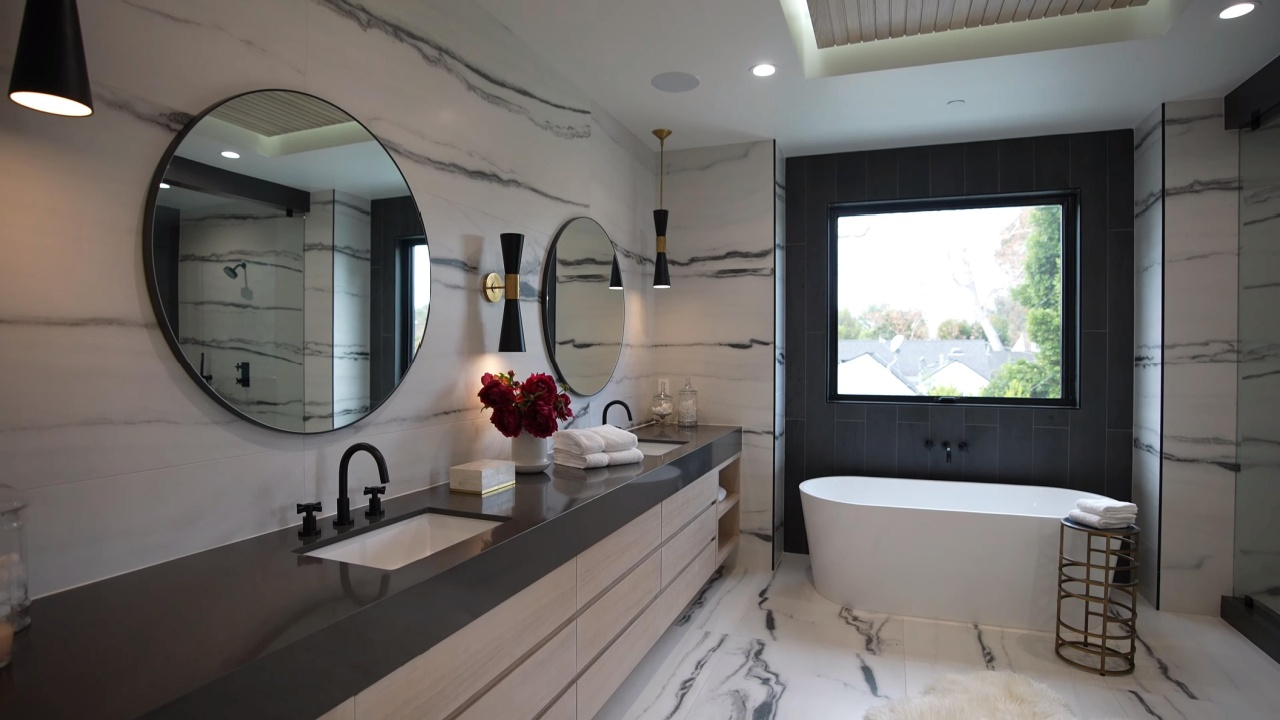
Image Credit: Shutterstock.
The “wet room” concept, where a freestanding bathtub is placed inside a large glass-enclosed shower, is a bold design statement. However, it creates a cleaning nightmare. The tub is constantly exposed to soap scum and water spots from the shower, meaning you have to clean the entire tub every time you clean the shower, even if you rarely take baths. The small gap between the tub and the wall is also a prime spot for mold and mildew growth.
What to do instead: Keep the tub and shower separate. If you are short on space, a traditional alcove tub with a shower combo is a far more practical and easy-to-clean option. If you have the room for both, a freestanding tub looks best when it has ample space around it.
Quick Look:
- Problem: Difficult to clean, promotes mold growth behind the tub.
- Alternative: Separate shower and tub, or a classic tub/shower combination.
- Next Step: Prioritize ease of maintenance in your bathroom design. A clean space is always more relaxing.
6. Outlets Inside Drawers
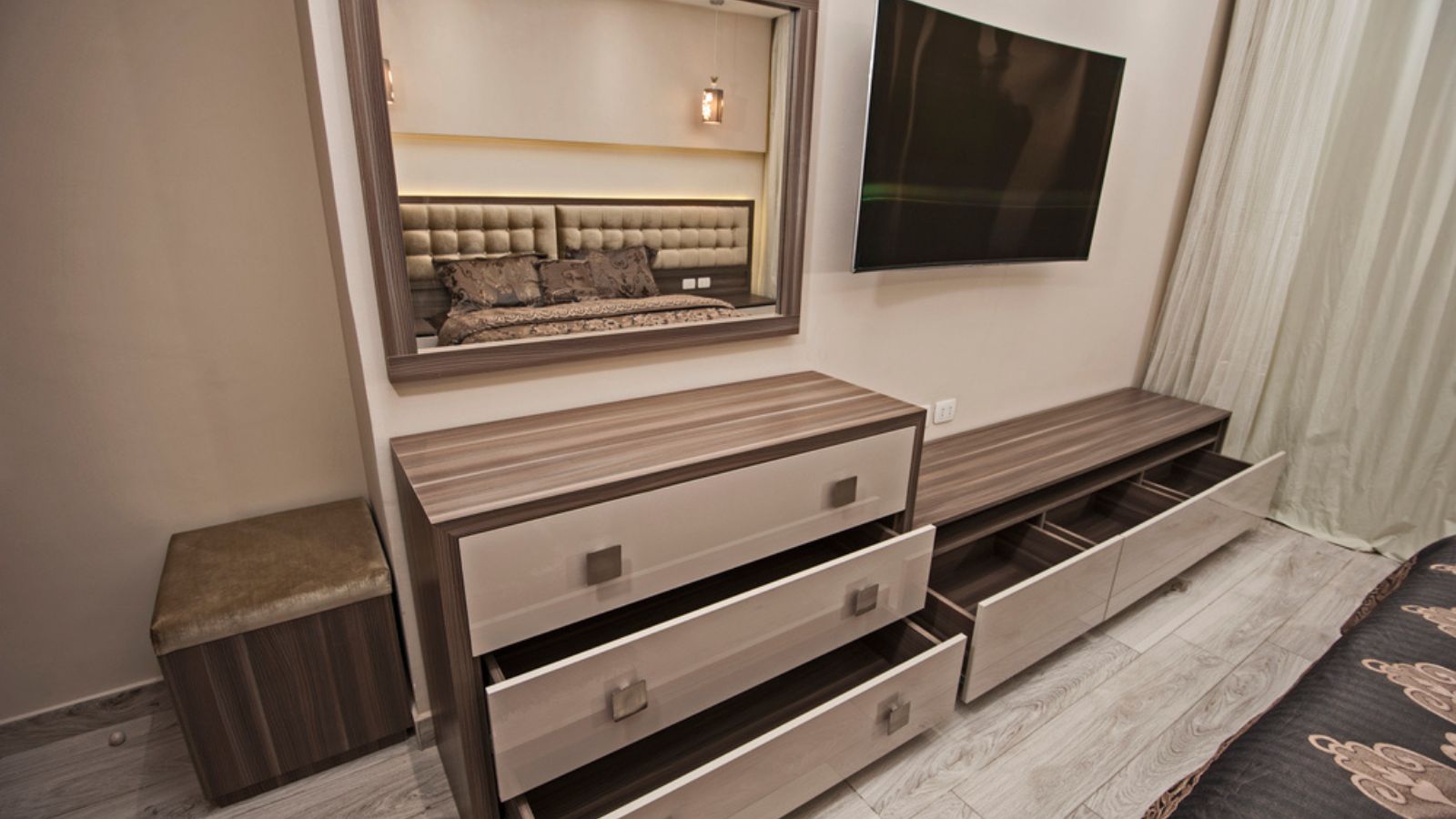
Image Credit: Depositphotos.com.
An outlet hidden inside a drawer seems like a clever way to hide clutter, and it can be for a dedicated charging station. However, it’s not practical for powering countertop appliances. If you want to use a blender or mixer, you have to leave the drawer open, which gets in the way and creates a risk of spilling ingredients into the drawer and the outlet itself.
What to do instead: For charging small electronics, a drawer outlet is fine. For kitchen appliances, stick to strategically placed outlets on the wall or a pop-up outlet on the island. This keeps your appliances safely on the counter and cords out of the way.
Quick Look:
- Problem: Impractical for appliances, creates spill hazards.
- Alternative: Use drawer outlets only for charging, and install pop-up or wall outlets for appliances.
- Next Step: Think about how you use your kitchen and place outlets where you actually need them.
7. Open Floor Plans

Image Credit: Shutterstock.
Open floor plans have dominated home design for decades, but many people are discovering their downsides. Cooking smells like fish or bacon can permeate the entire living space and linger on soft furnishings. It’s also difficult to contain noise, making it hard for family members to engage in separate activities, like watching TV while someone else is on a phone call.
What to do instead: If you dislike a fully open concept, look for homes with “broken-plan” layouts. These designs use features like half-walls, wide doorways, or glass partitions to create distinct zones while maintaining a sense of openness. This gives you the best of both worlds: defined spaces and a connection between rooms.
Quick Look:
- Problem: Lingering smells, lack of noise control, and privacy.
- Alternative: Broken-plan layouts with distinct zones.
- Next Step: Consider using large rugs, furniture grouping, and different wall colors to visually separate spaces in an existing open-plan home.
8. Laundry in the Kitchen
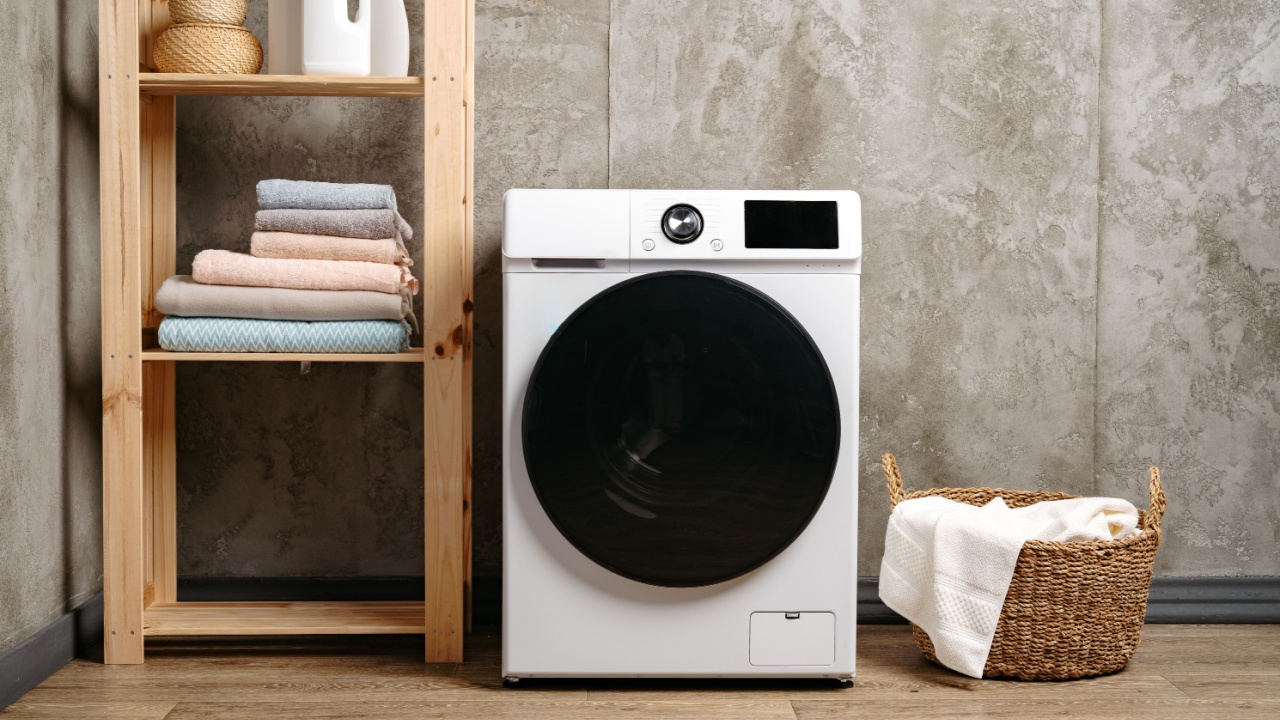
Image Credit: Shutterstock.
In smaller homes or apartments, placing the laundry closet in the kitchen can seem like a practical use of space. However, it’s an unsanitary and inconvenient arrangement. Bringing piles of dirty laundry into the area where you prepare food is not ideal. The noise from the washer and dryer can also be disruptive.
What to do instead: The best location for a laundry area is near the bedrooms, where most laundry is generated. If that’s not possible, a dedicated laundry room, a closet in a hallway, or even a finished basement or garage space is preferable to the kitchen.
Quick Look:
- Problem: Unsanitary, noisy, and inconvenient.
- Alternative: A dedicated laundry room, hallway closet, or basement.
- Next Step: If your laundry is stuck in the kitchen, conceal it behind well-fitted cabinet doors to reduce noise and keep it out of sight.
9. Fake Fireplace Chimneys

Image Credit: Shutterstock.
An electric fireplace can add ambiance to a room without the need for a real chimney. However, the trend of building a large, fake chimney breast above it, often covered in siding or faux stone, can look awkward and inauthentic. It’s a feature that pretends to be something it’s not, which often cheapens the look of a room.
What to do instead: Embrace the electric fireplace for what it is. A sleek, modern electric fireplace can be recessed into a wall with a simple, clean frame. If you prefer a more traditional look, choose a mantel that complements your home’s style without adding a fake chimney.
Quick Look:
- Problem: Looks inauthentic and often tacky.
- Alternative: A simple recessed fireplace or a traditional mantel.
- Next Step: Let your design choices be honest. A well-designed electric fireplace doesn’t need to pretend it’s a wood-burning one.
10. Too Many Pot Lights
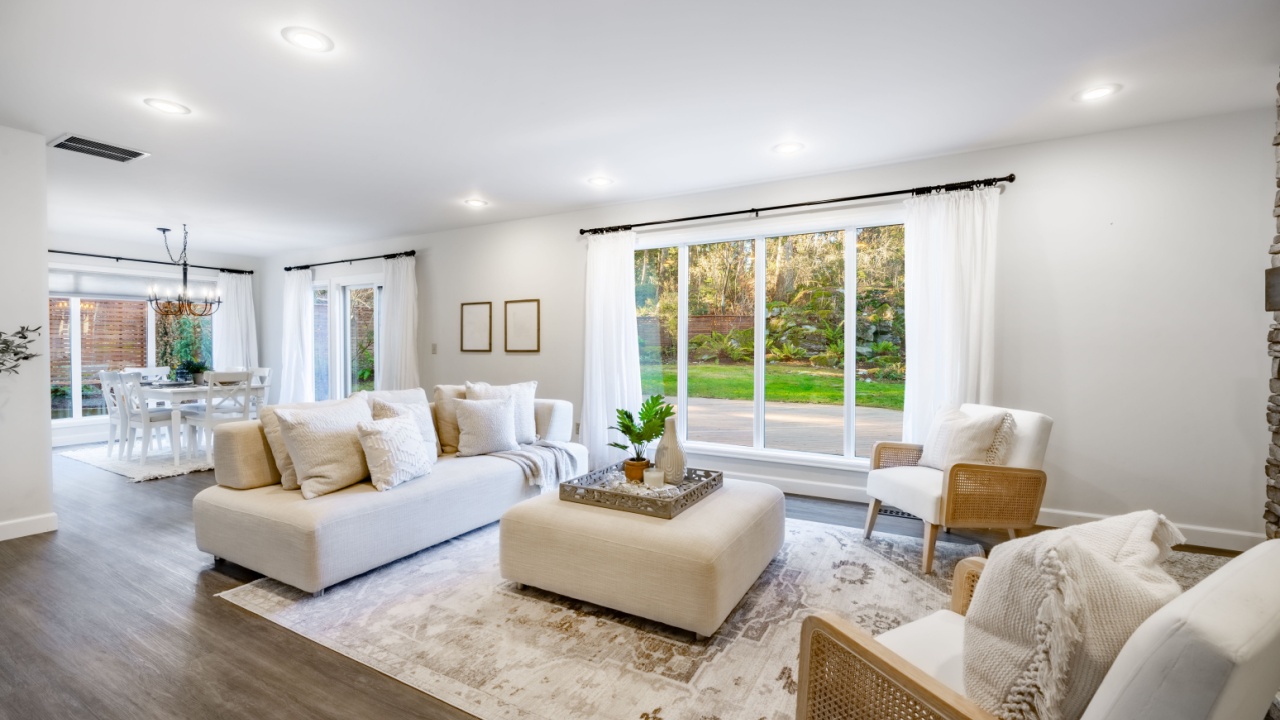
Image Credit: Shutterstock.
Recessed lighting, or pot lights, can provide excellent ambient light. But when a ceiling is covered in a grid-like pattern of too many pot lights, it can look busy and clinical, like an office building or airport runway. Often, a single, beautiful light fixture could illuminate the space more effectively and with more style.
What to do instead: Use pot lights strategically to highlight specific areas, like artwork or kitchen workspaces. For general room lighting, combine them with other light sources, such as a central chandelier, pendant lights, floor lamps, and table lamps, to create layers of light.
Quick Look:
- Problem: Creates a busy, clinical look on the ceiling.
- Alternative: Use a mix of lighting sources, including pendants, lamps, and chandeliers.
- Next Step: Create a layered lighting plan for each room that includes ambient, task, and accent lighting.
11. Farmhouse Sinks
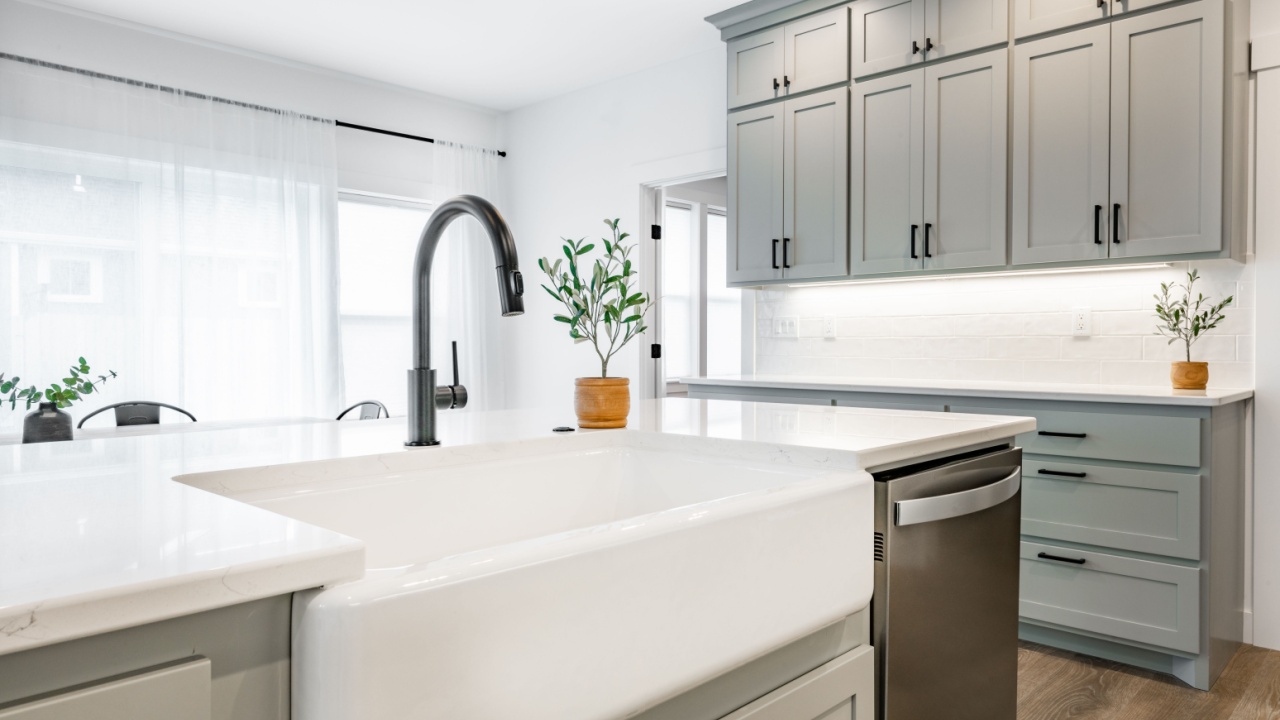
Image Credit: Shutterstock.
Farmhouse or apron-front sinks are a cornerstone of the modern farmhouse aesthetic. While their large size is great for washing big pots, many people find their flat bottoms don’t drain well. This means you have to chase food particles around with the faucet to get them to go down the drain, wasting water and time.
What to do instead: Look for a farmhouse sink with a gently sloped bottom that directs water and debris toward the drain. Alternatively, consider a large, single-basin undermount sink. It offers the same generous size for washing large items but typically has better drainage and a more streamlined look.
Quick Look:
- Problem: Poor drainage due to flat bottoms.
- Alternative: A farmhouse sink with a sloped base or a large single-basin undermount sink.
- Next Step: Before buying any sink, check reviews for comments on drainage and ease of cleaning.
12. Two-Toned Kitchens
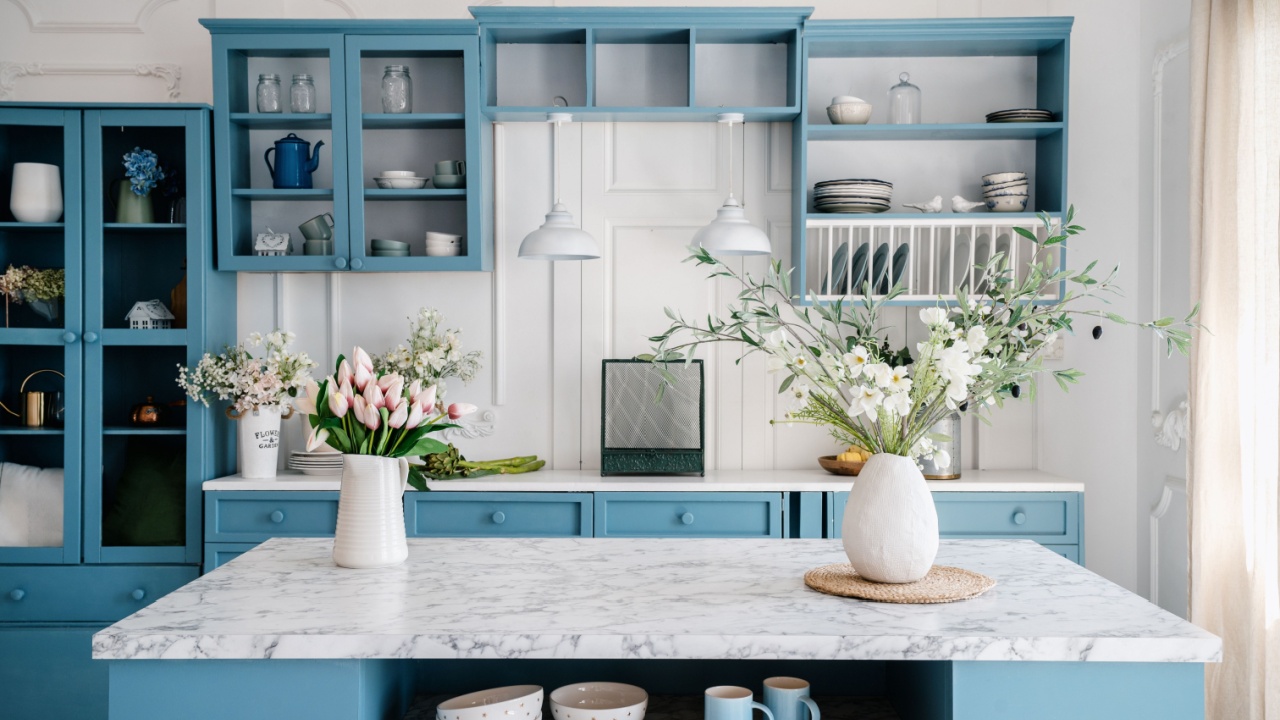
Image Credit: Shutterstock.
A kitchen with upper and lower cabinets in different colors, or an island that contrasts with the perimeter cabinets, can look stylish. However, some feel this trend can make a kitchen look disjointed or as if it were assembled from leftover parts. When not done carefully, the look can lack cohesion.
What to do instead: If you want to add visual interest, choose a single cabinet color and use a contrasting color for the backsplash, countertops, or wall paint. If you are set on two-toned cabinets, ensure the colors have a unifying element, such as matching hardware or a countertop that ties both shades together.
Quick Look:
- Problem: Can look disjointed and lacking cohesion.
- Alternative: Use a single cabinet color and add contrast with other kitchen elements.
- Next Step: Create a mood board with all your kitchen finishes to see how they work together before making a final decision.
13. Tall Shower Niches Without Shelves
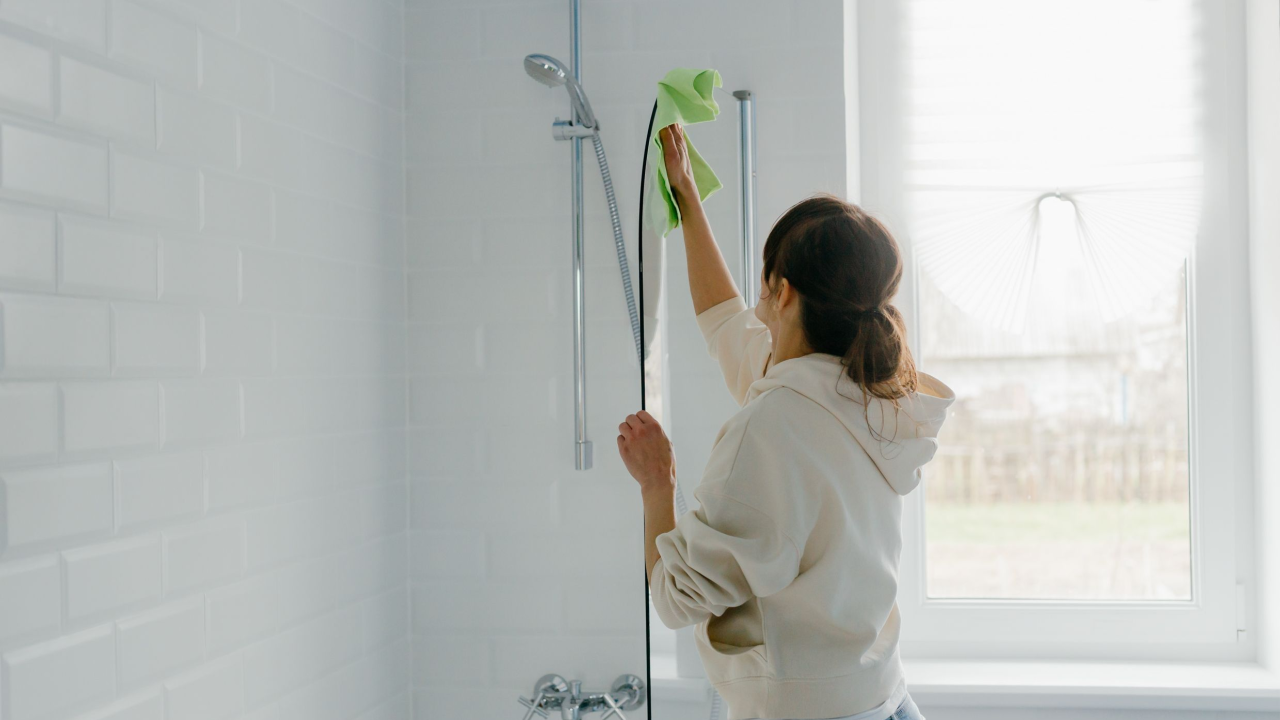
Image Credit: Shutterstock.
A recessed shower niche is a great place to store shampoo bottles and soap. But a recent trend of creating very tall niches without adding any shelves inside is baffling. A three-foot-tall niche is mostly wasted vertical space, as you can only use the very bottom for your products.
What to do instead: Design a shower niche that is practical. Install one or two glass or tile shelves within the niche to create multiple levels of storage. Alternatively, build two or three shorter, separate niches stacked vertically. This provides ample storage in an organized and accessible way.
Quick Look:
- Problem: Wasted vertical space, inefficient storage.
- Alternative: Add shelves to the niche or create multiple smaller niches.
- Next Step: Measure your largest shampoo bottles to ensure your niche shelves are tall enough to be useful.
14. Decorating for a Future Buyer

Image Credit: Shutterstock.
Many people are so concerned with resale value that they decorate their homes in a palette of bland, neutral colors like gray and beige. They avoid personal touches or bold colors out of fear that a potential buyer someday might not like them. This approach means you’re not living in a home that you truly love.
What to do instead: Decorate for yourself! Your home is your sanctuary, and it should reflect your personality. Paint the walls your favorite color, hang meaningful art, and choose furniture that makes you happy. Most cosmetic choices, like paint color, are easy and inexpensive to change if you decide to sell in the future.
Quick Look:
- Problem: Creates a boring, impersonal living space.
- Alternative: Decorate your home to please yourself, not a hypothetical future owner.
- Next Step: Start with one room and inject some personality into it. Paint an accent wall or buy that vibrant rug you’ve been eyeing.
15. New Builds Without Trees
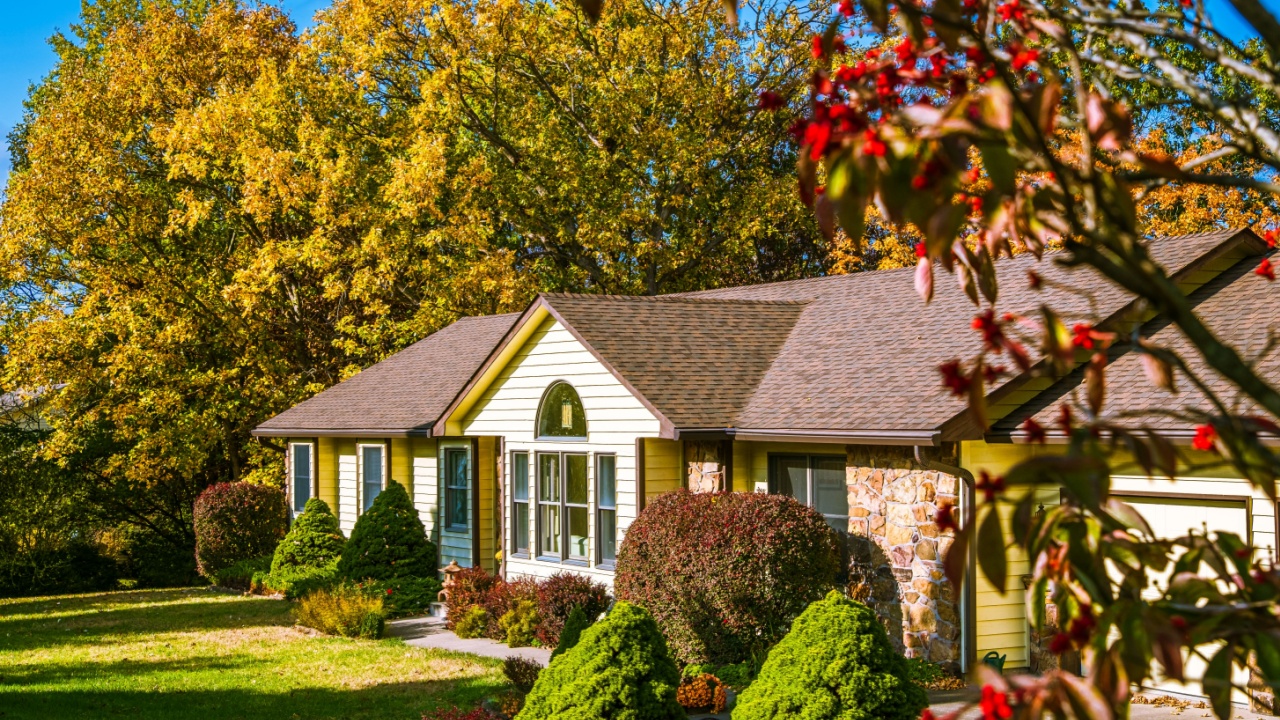
Image Credit: Shutterstock.
A common practice in new housing developments is to clear-cut the entire area, leaving neighborhoods barren and devoid of mature trees. This not only looks sad and sterile but also has environmental consequences. Trees provide shade, which helps cool homes and reduce energy costs. They also improve air quality and provide habitats for wildlife.
What to do instead: If you’re building a home, talk to your builder about preserving any existing mature trees on your lot. If you’re buying in a treeless neighborhood, make it a priority to plant new trees. Choose native species that will thrive in your climate and provide long-term benefits.
Quick Look:
- Problem: Sterile look, higher energy bills, negative environmental impact.
- Alternative: Preserve existing trees or plant new ones.
- Next Step: Visit your local nursery or consult with an arborist to choose the right trees for your yard and planting location.
16. Two-Handle Faucets
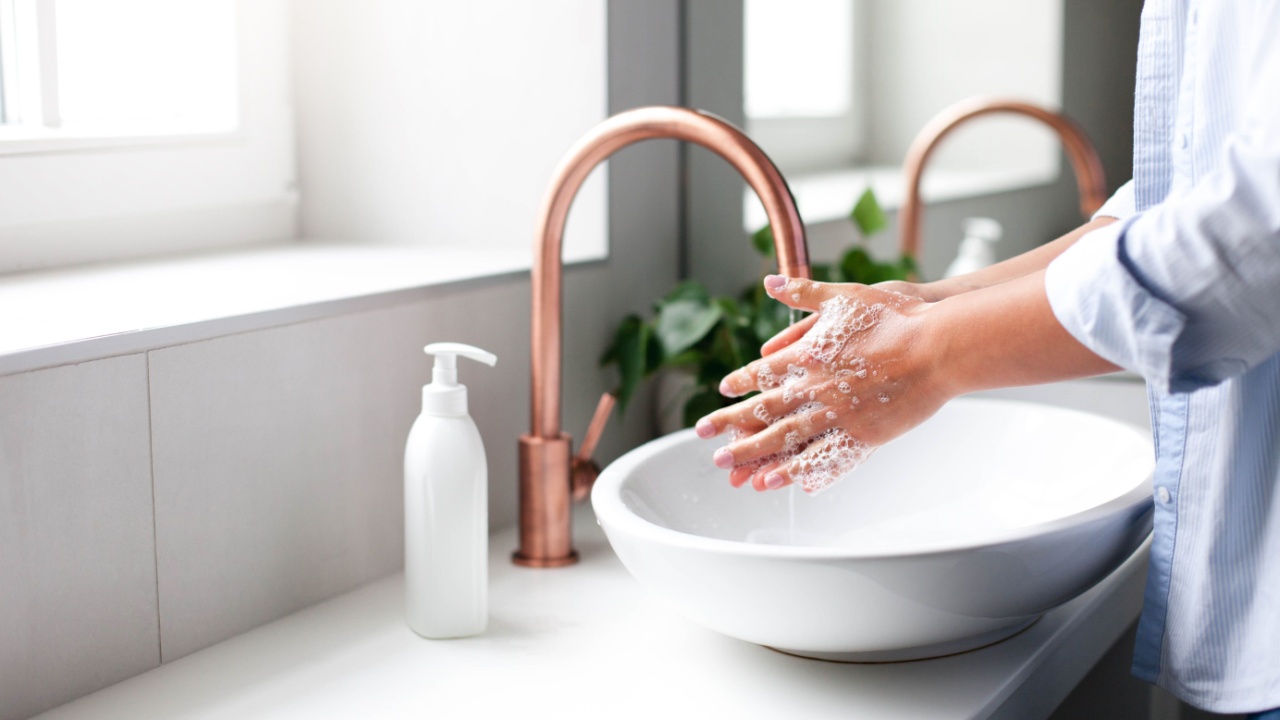
Image Credit: Shutterstock.
Faucets with two separate handles for hot and cold water may have a classic look, but they are less convenient than single-handle models (duh). Adjusting the temperature requires two hands, which is cumbersome when you’re holding a pot or have soapy hands.
What to do instead: Choose a single-handle faucet. They allow you to control both temperature and flow with one hand, making them far more practical for everyday use in both kitchens and bathrooms. They are available in a wide range of styles to suit any decor.
Quick Look:
- Problem: Requires two hands to operate, less convenient.
- Alternative: Single-handle faucets.
- Next Step: Look for faucets with features like pull-down sprayers for added functionality in the kitchen.
17. All-Black Modern Farmhouses in Hot Climates
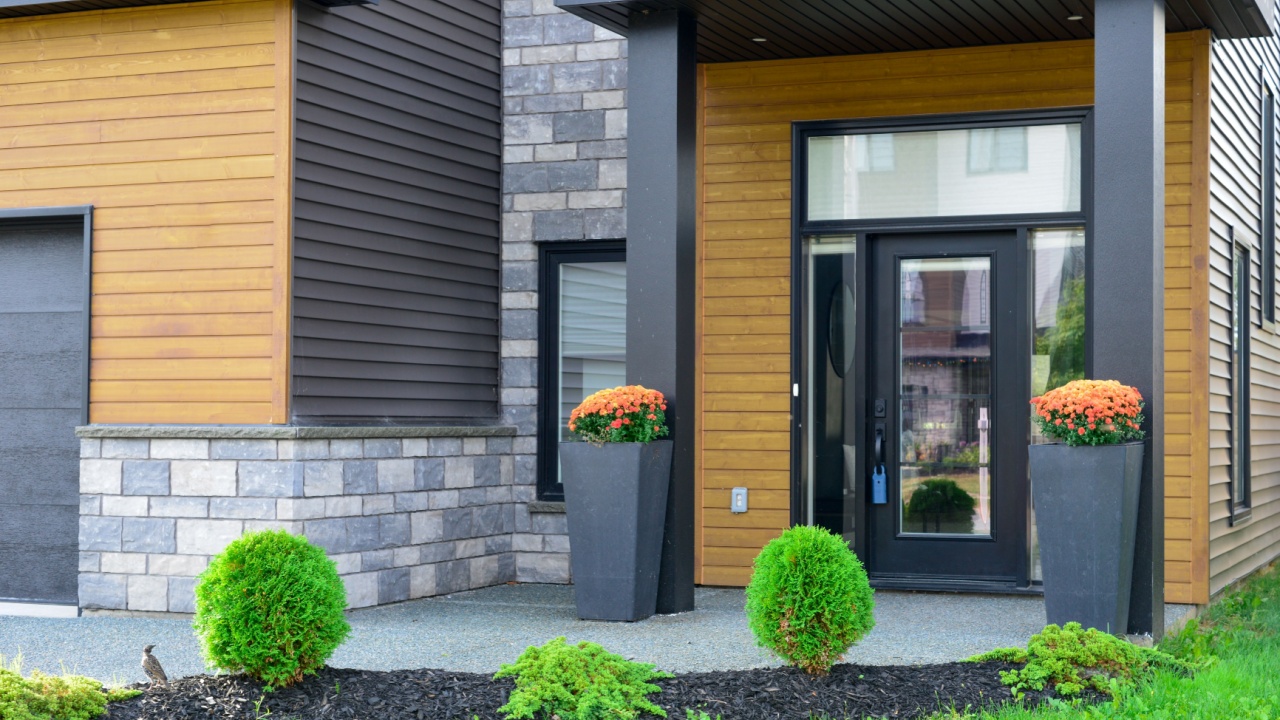
Image Credit: Shutterstock.
The all-black modern farmhouse is a dramatic and trendy exterior look. However, in hot, sunny climates, it’s an impractical choice. Dark colors absorb heat, which means a black house will get significantly hotter than a light-colored one. This can lead to soaring air conditioning bills in the summer.
What to do instead: If you live in a warm climate, stick with lighter exterior colors like white, cream, or pale gray. These colors reflect sunlight and help keep your home cooler. If you love the look of a dark house, use black as an accent color for trim, shutters, or the front door.
Quick Look:
- Problem: Absorbs heat, leading to higher cooling costs.
- Alternative: Light-colored exteriors that reflect sunlight.
- Next Step: Consider your local climate when choosing an exterior paint color. Functionality should be as important as aesthetics.
18. Textured Kitchen Backsplash Tiles

Image credit: Depositphotos.com.
Rough, textured backsplash tiles, like split-face stone or stacked slate, can add a beautiful, rustic element to a kitchen. However, if you actually cook, they are a nightmare to clean. The uneven surfaces and porous materials trap cooking grease, food splatters, and dust, making them incredibly difficult to wipe down.
What to do instead: Choose a smooth, non-porous material for your backsplash. Glossy subway tiles, glass, or a solid slab of quartz or marble are all easy to clean. If you love the textured look, use it on a feature wall away from the main cooking area.
Quick Look:
- Problem: Traps grease and grime, difficult to clean.
- Alternative: Smooth, easy-to-wipe surfaces like glass or glazed tile.
- Next Step: Choose a backsplash material that can withstand frequent wiping and won’t stain easily.
19. Ventless Range Hoods
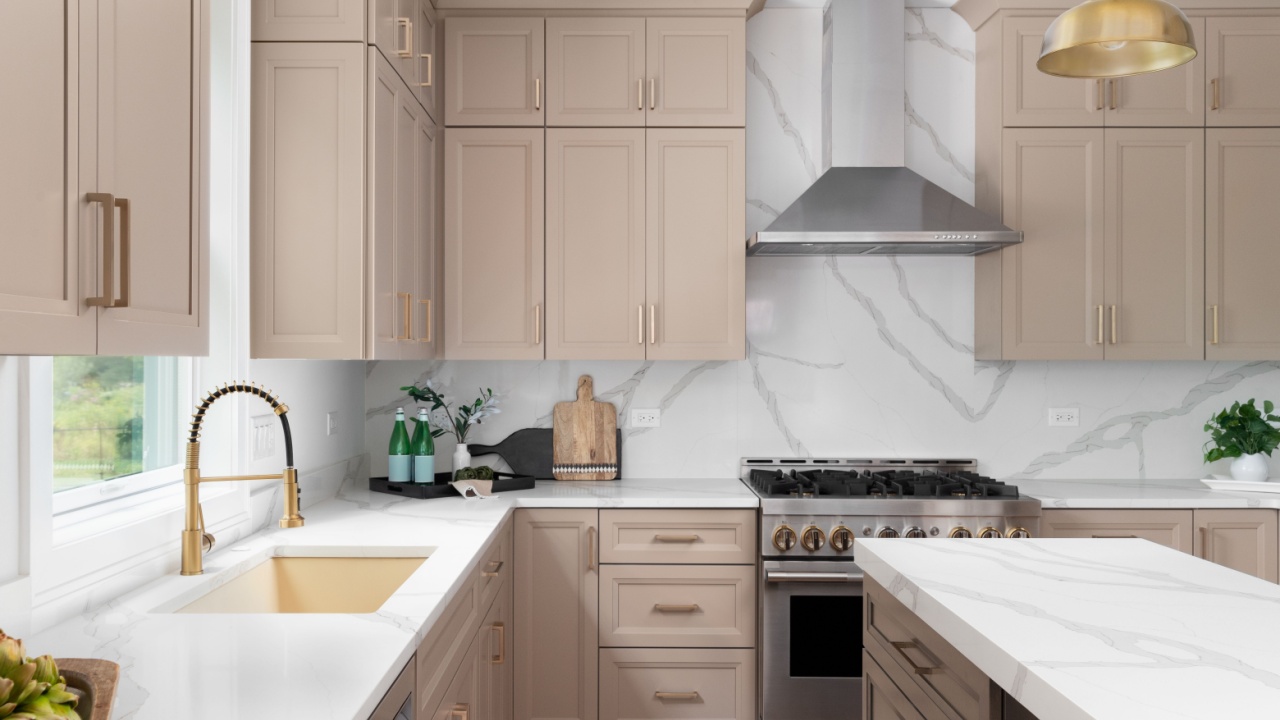
Image Credit: Joseph Hendrickson / Shutterstock.com
A range hood is supposed to vent steam, smoke, and cooking odors out of your kitchen. However, many homes are equipped with ventless (or ductless) hoods that simply filter the air through charcoal filters and recirculate it back into the room. These are largely ineffective at removing moisture, heat, and strong smells.
What to do instead: Whenever possible, install a range hood that is vented to the exterior. This is the only way to truly remove cooking byproducts from your home. A properly vented hood improves indoor air quality and keeps your kitchen smelling fresh.
Quick Look:
- Problem: Ineffective at removing smoke, steam, and odors.
- Alternative: A range hood that is vented to the outside.
- Next Step: If you’re remodeling, make venting your range hood a top priority, even if it requires more complex ductwork.
20. Kitchen Base Cabinets Without Drawers

Image credit: Depositphotos.com.
While not specifically a design trend, this is a popular issue in peope’s kitchnes. Base cabinets with simple shelves inside are an inefficient use of space. To reach anything in the back, you have to get on your hands and knees and pull everything else out first. This is especially frustrating for older adults or anyone with limited mobility.
What to do instead: Opt for deep drawers in your base cabinets instead of shelves. Drawers allow you to see and access everything inside easily, from pots and pans to small appliances. For existing cabinets, you can install pull-out shelving to achieve a similar level of accessibility.
Quick Look:
- Problem: Hard to access items in the back, inefficient storage.
- Alternative: Base cabinets with deep drawers or retrofitted pull-out shelves.
- Next Step: Organize your kitchen so the most frequently used items are in the most accessible drawers.
21. Pot Fillers Over the Stove
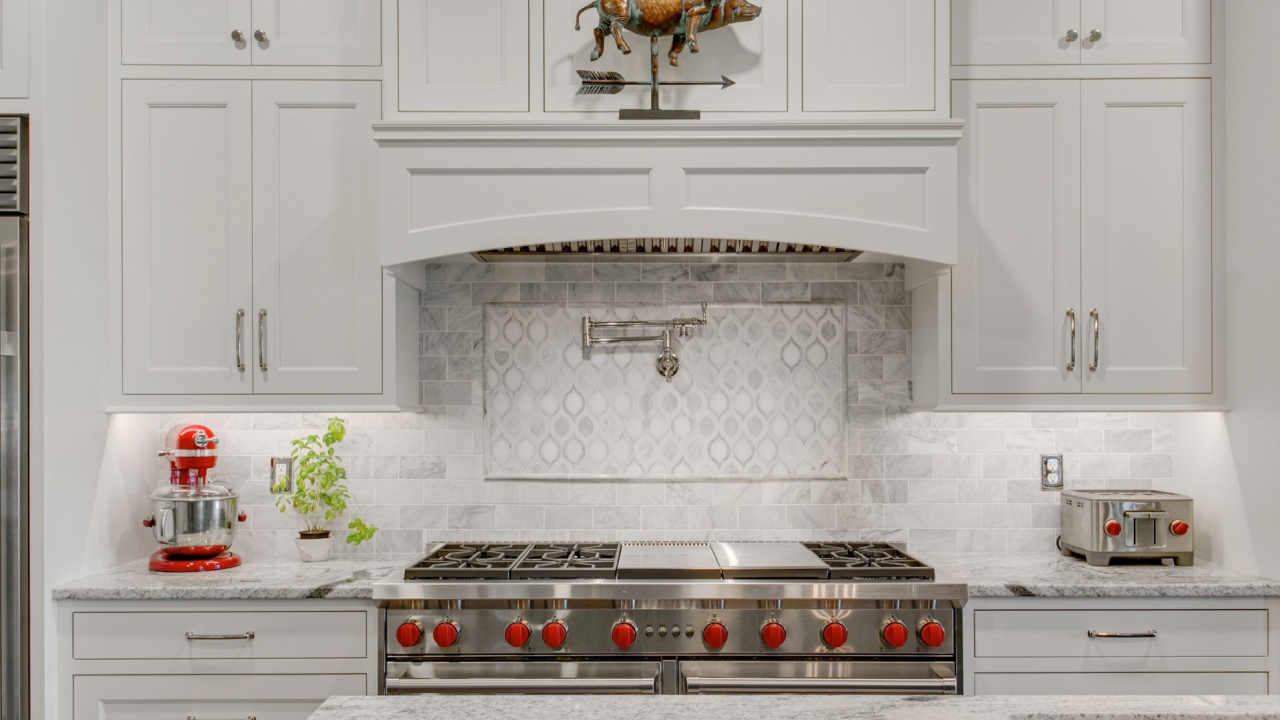
Image Credit: Shutterstock.
A pot filler, a faucet installed on the wall over the stove, seems like a luxury. It allows you to fill a large pot with water without carrying it from the sink. However, you still have to carry that same heavy, boiling pot back to the sink to drain it. It’s an expensive plumbing addition that only solves half of the problem and introduces another potential leak point.
What to do instead: Invest in a kitchen faucet with a high-arc spout and a pull-down sprayer. This makes it easier to fill large pots in the sink. The money you save on the extra plumbing for a pot filler can be put toward a higher-quality sink or faucet.
Quick Look:
- Problem: Expensive, only solves half the problem of moving heavy pots.
- Alternative: A high-arc faucet with a pull-down sprayer.
- Next Step: If you have a pot filler, make sure to check it for drips regularly, as a leak over the stove can be a disaster.
22. Monster Houses on Tiny Lots

Image Credit: Shutterstock.
The trend of building massive houses on lots that are too small for them results in homes that feel cramped and have little to no yard space. This leaves no room for gardens, trees, or for children to play. The houses often loom over their neighbors, blocking light and creating a lack of privacy.
What to do instead: Choose a home that is proportional to its lot. A smaller, well-designed house with a beautiful yard is often more enjoyable than a massive house with no outdoor space. Look for homes that prioritize a connection between indoor and outdoor living.
Quick Look:
- Problem: Lack of outdoor space, privacy, and natural light.
- Alternative: A home that is well-balanced with its lot size.
- Next Step: When house hunting, pay as much attention to the yard and outdoor space as you do to the interior.
23. Walls Without a Single Window
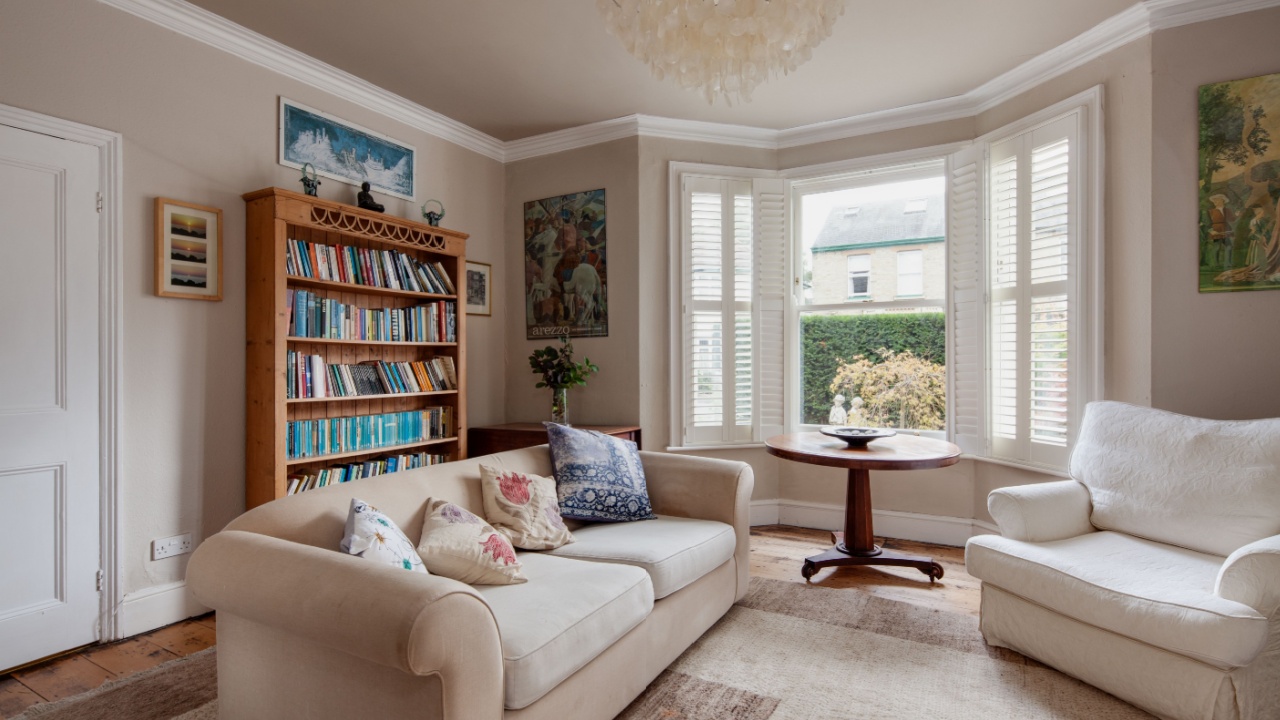
Image Credits: Mike Higginson / Shutterstock.
In an effort to maximize privacy or due to building code restrictions on closely built homes, some new houses are being constructed with entire walls that have no windows. This creates dark, tomb-like interior spaces that feel disconnected from the outdoors and require constant artificial lighting.
What to do instead: Natural light is essential for a happy and healthy home. If privacy is a concern, use high windows, frosted glass, or strategically planted trees and shrubs to block views without sacrificing light. Skylights or solar tubes are also excellent options for bringing light into windowless rooms or hallways.
Quick Look:
- Problem: Dark interiors, disconnected from the outdoors.
- Alternative: High windows, frosted glass, skylights, or solar tubes.
- Next Step: Identify the darkest spots in your home and explore ways to bring in more natural light.
24. Mini-Split Air Conditioners
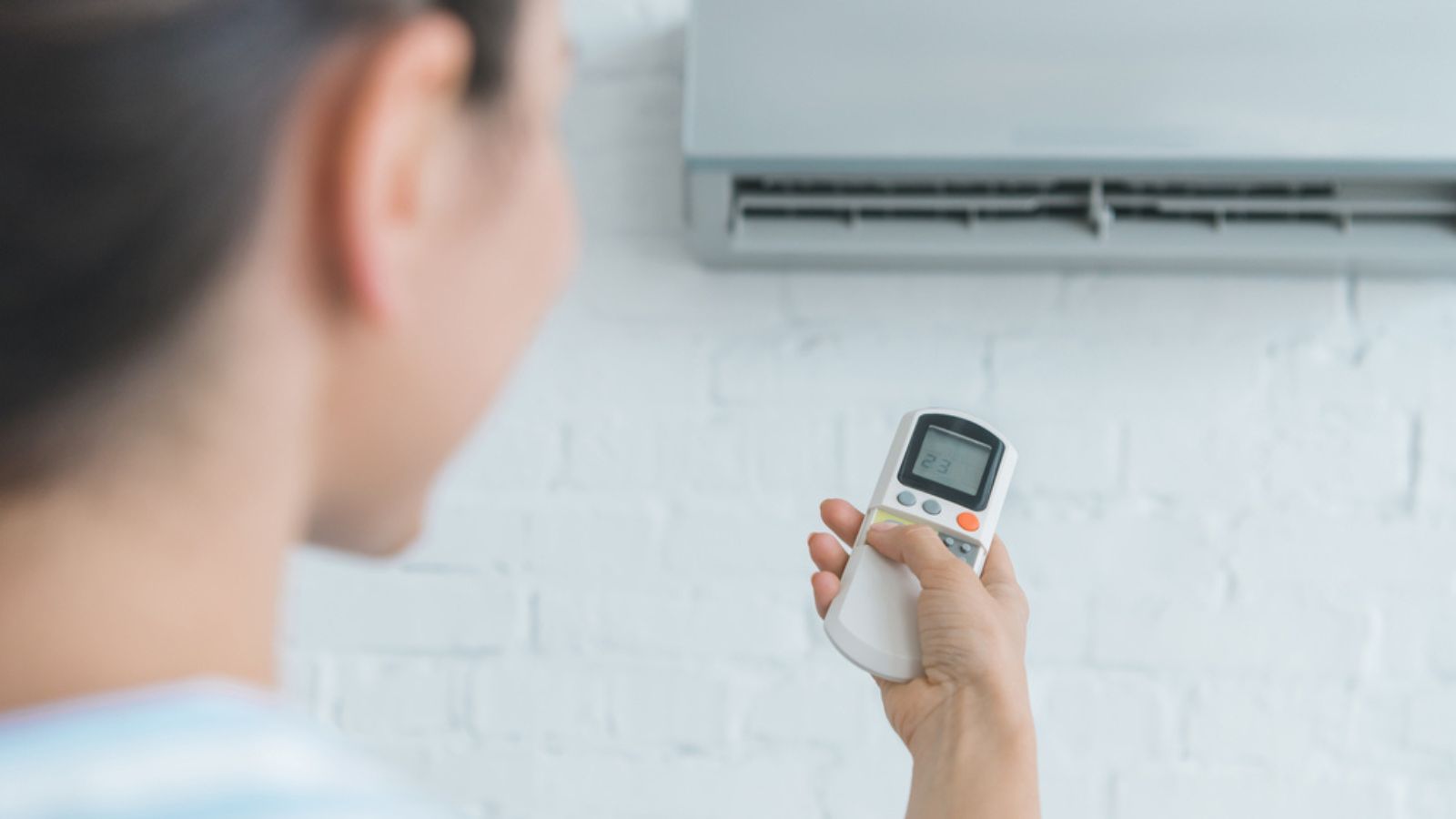
Image Credit: Depositphotos.com.
Mini-split systems are an efficient way to add air conditioning to homes without existing ductwork. However, many people find the indoor wall-mounted units to be bulky and unsightly. The exterior ductwork can also look like an industrial appendage on the side of a house, detracting from its curb appeal.
What to do instead: If possible, installing conventional central air is the most seamless option. If a mini-split is your only choice, look for newer, more streamlined models. Some companies now offer recessed ceiling cassettes or slim floor-mounted units that are less obtrusive. Work with your installer to find the most discreet placement for both the interior and exterior components.
Quick Look:
- Problem: Bulky, unattractive indoor and outdoor units.
- Alternative: Conventional central air, or newer, more discreet mini-split models.
- Next Step: Research different types of mini-split units to find a design that integrates better with your home’s aesthetic.
25. Deck Railings with Horizontal Balusters

Image Credit: Shutterstock.
Deck railings with horizontal cables or balusters have a sleek, modern look. However, they are a major safety concern for families with young children. The horizontal design essentially creates a ladder, making it easy for a toddler to climb up and potentially fall.
What to do instead: For safety, stick with traditional vertical balusters for your deck railing. Building codes in most areas specify that the gaps between balusters should be no more than four inches to prevent a child from squeezing through. Glass panels are another safe and modern-looking alternative.
Quick Look:
- Problem: Creates a climbing hazard for small children.
- Alternative: Vertical balusters or solid glass panels.
- Next Step: Always check your local building codes before building or updating a deck to ensure it meets all safety requirements.
26. Painting Exterior Brick White
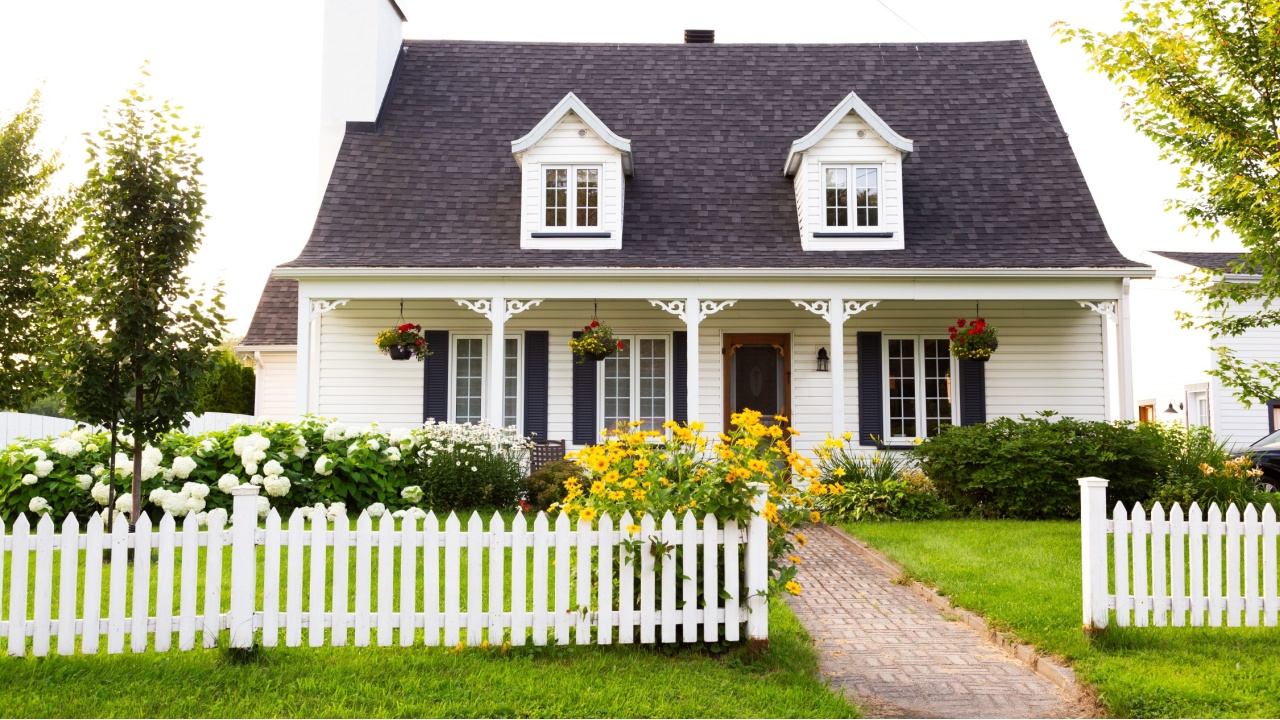
Image Credit: Shutterstock.
Painting over the natural brick on a mid-century or historic home is a trend that many design purists hate. While it can instantly update a home’s look, it’s also a high-maintenance choice. Painted brick can chip and peel over time and may need to be repainted every few years. It also seals the brick, which can sometimes trap moisture and cause damage.
What to do instead: If you dislike the color of your brick, consider limewashing or staining it instead of painting. These treatments penetrate the brick rather than coating it, creating a more durable and breathable finish with a softer, more timeless look.
Quick Look:
- Problem: High maintenance, can damage the brick.
- Alternative: Limewashing or staining the brick.
- Next Step: Before altering your brick, clean it thoroughly to see if its natural beauty can be restored.
27. Gray Flooring
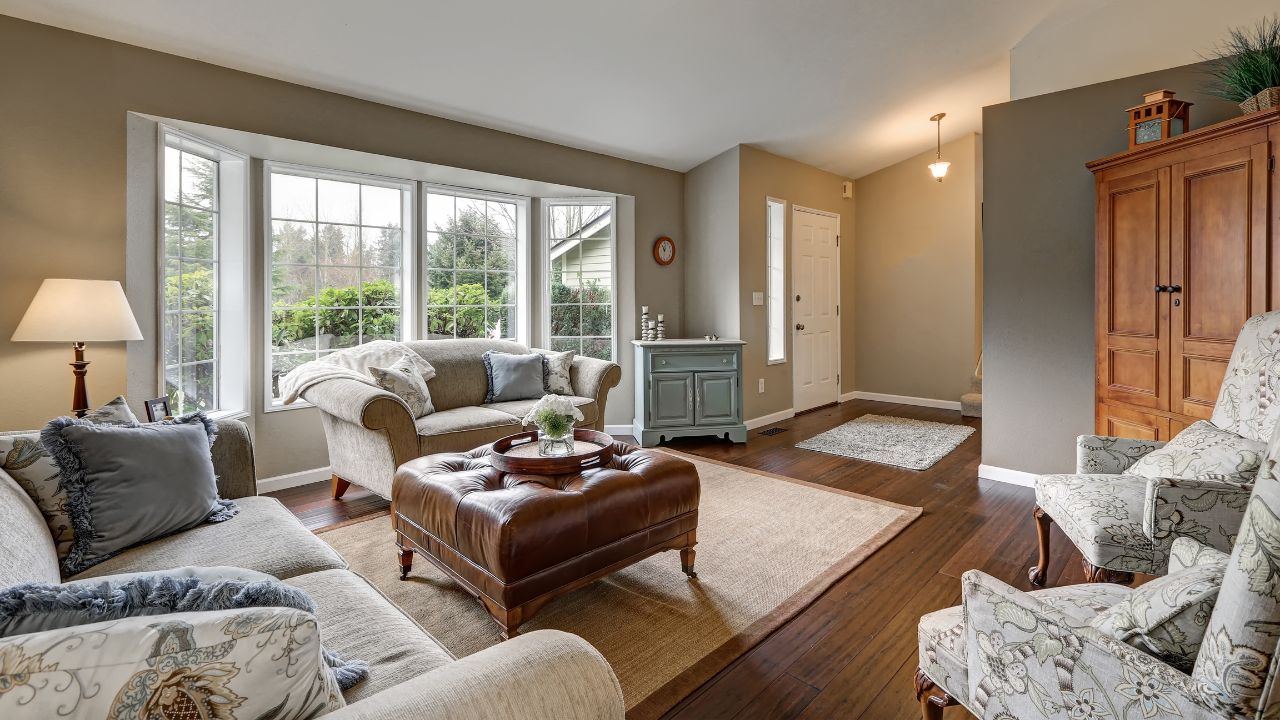
Image Credit: Shutterstock.
For several years, gray-toned laminate and luxury vinyl plank (LVP) flooring were everywhere. While it provided a neutral backdrop, this trend is already starting to look dated. The cool, monochromatic look can make a home feel sterile and unwelcoming.
What to do instead: Choose flooring in classic, warm, natural wood tones. These timeless finishes never go out of style and create a cozy, inviting atmosphere. If you prefer a lighter look, choose a pale natural oak or maple instead of a flat, cool gray.
Quick Look:
- Problem: Already looks dated, can feel cold and sterile.
- Alternative: Classic, warm wood tones.
- Next Step: Bring flooring samples home to see how they look in your space with your lighting and wall colors.
28. Fake Stone Siding
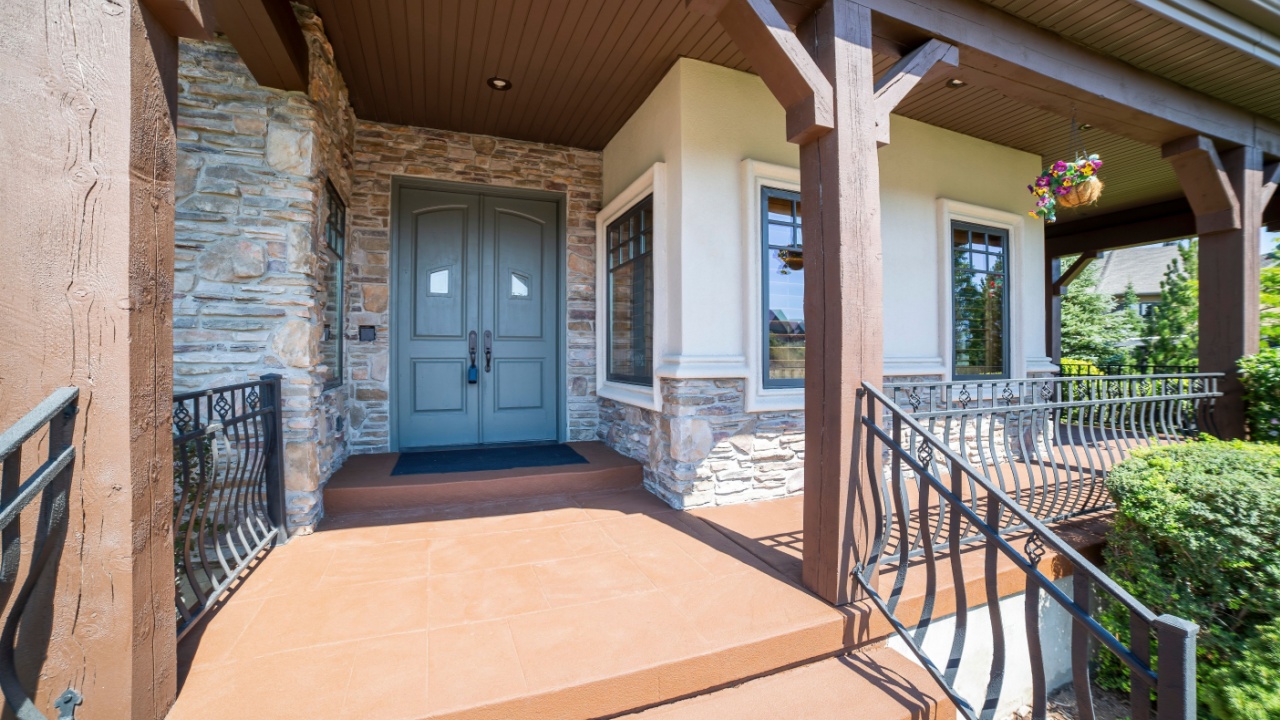
Image Credit: Shutterstock.
Faux stone veneer can be a cost-effective way to add texture and interest to a home’s exterior. However, many of the cheaper products look obviously fake and plastic-like. Poor installation can make it look even worse, with unnatural patterns and visible seams.
What to do instead: If you’re going to use stone, invest in a high-quality product, whether it’s natural thin-cut stone or a more convincing manufactured version. Use it thoughtfully as an accent, such as on a foundation, chimney, or entryway, rather than covering entire walls.
Quick Look:
- Problem: Often looks cheap and obviously fake.
- Alternative: Invest in high-quality materials and use them as a targeted accent.
- Next Step: Get samples of different stone veneers to compare their texture and color variations in natural light.
29. Walking Through the Bathroom to Get to the Closet
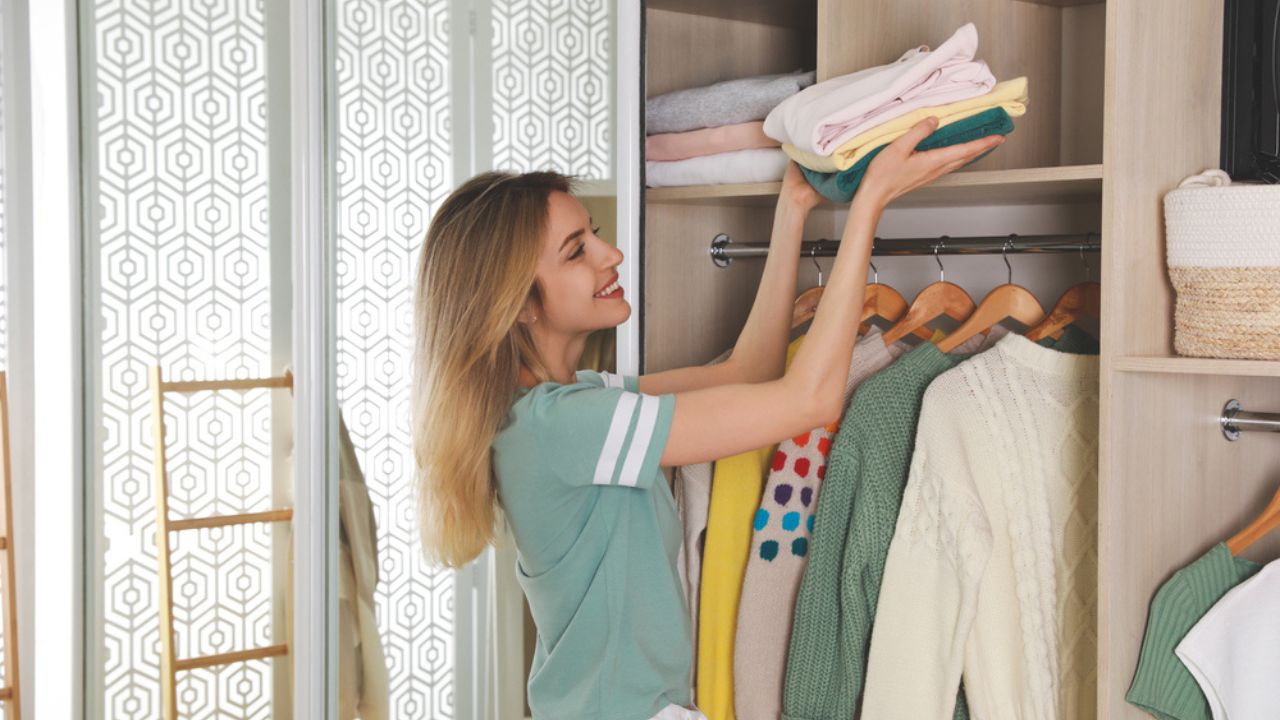
Image Credit: Depositphotos.com.
A primary suite layout where the only entrance to the walk-in closet is through the bathroom is a common but flawed design. It creates a traffic jam if one person is using the bathroom while another needs to get dressed. The steam and moisture from the shower can also lead to mildew issues in the closet.
What to do instead: The ideal layout has separate entrances to both the bathroom and the closet from the main bedroom. This allows two people to get ready at the same time without getting in each other’s way.
Quick Look:
- Problem: Inconvenient for couples, can cause moisture issues in the closet.
- Alternative: Separate entrances to the bathroom and closet from the bedroom.
- Next Step: Ensure your bathroom has a powerful exhaust fan to control moisture, especially if your closet is attached.
30. Clear Glass Shower Doors
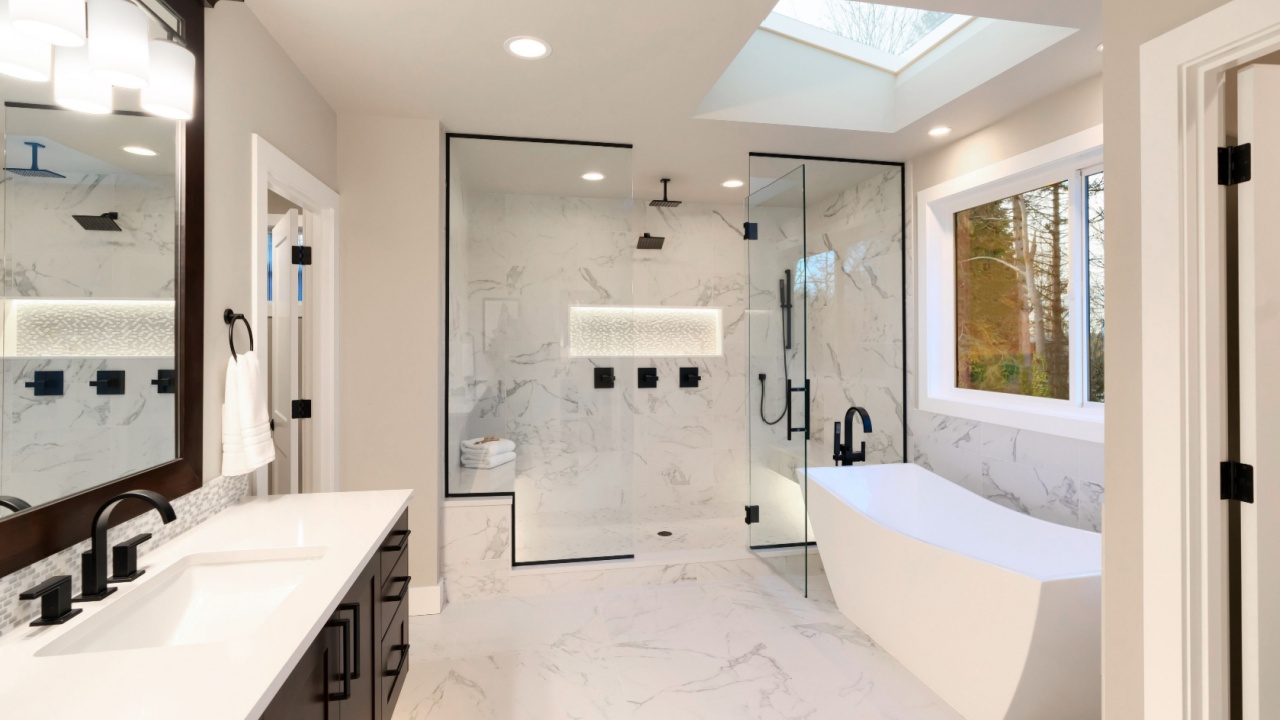
Image Credit: Shutterstock.
Clear glass shower doors make a bathroom feel larger and more open, but they offer zero privacy. This can be awkward in a shared family bathroom where multiple people might need to use the space at the same time. They also show every single water spot and soap streak, requiring constant squeegeeing to look clean.
What to do instead: Opt for frosted or textured glass for your shower door. It provides privacy while still allowing light to pass through. If you prefer a shower curtain, a curved shower rod can make the shower feel more spacious.
Quick Look:
- Problem: Lack of privacy, high maintenance to keep clean.
- Alternative: Frosted or textured glass, or a shower curtain.
- Next Step: Keep a squeegee in your shower and use it after every use to prevent water spot buildup on glass doors.
31. Quartz Countertops
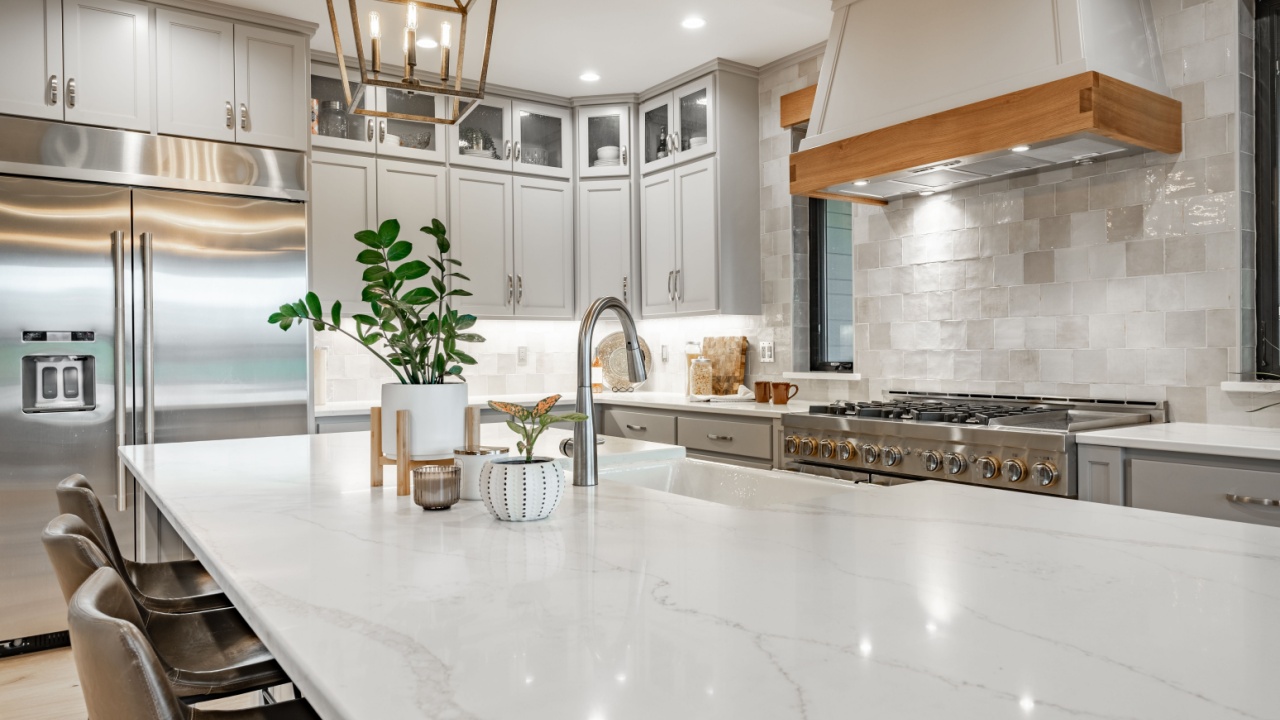
Image Credit: Shutterstock.
Quartz countertops are praised for being durable and low-maintenance. However, some people feel they look fake and plastic-like, lacking the natural veining and depth of real stone. As a manufactured product, it can’t replicate the unique, one-of-a-kind beauty of materials like marble or quartzite.
What to do instead: If you dislike the look of standard quartz, explore other options. Natural stone, like granite or quartzite, offers incredible durability and unique beauty. Other materials like butcher block, concrete, or soapstone can also add character and warmth to a kitchen.
Quick Look:
- Problem: Can look manufactured and lack character.
- Alternative: Natural stone, butcher block, or concrete countertops.
- Next Step: Visit a stone yard to see full slabs of different materials in person, as small samples can be misleading.
32. Small Garages

Image Credit: Shutterstock.
Many new homes come with garages that are too small to comfortably fit modern vehicles, which are wider and longer than ever. This is especially frustrating in neighborhoods with homeowners’ associations (HOAs) that prohibit parking in the driveway. A small garage also leaves no room for essential storage for things like lawn equipment, bikes, and tools.
What to do instead: When buying or building, look for a home with a generously sized garage. A two-and-a-half or three-car garage provides ample room for both vehicles and storage. If you have a small garage, maximize its space with smart storage solutions like overhead racks and wall-mounted shelving systems.
Quick Look:
- Problem: Can’t fit modern cars, no room for storage.
- Alternative: A larger garage or smart vertical storage solutions.
- Next Step: Before buying a home, measure the garage to ensure your vehicles will actually fit.
33. Sliding Barn Doors
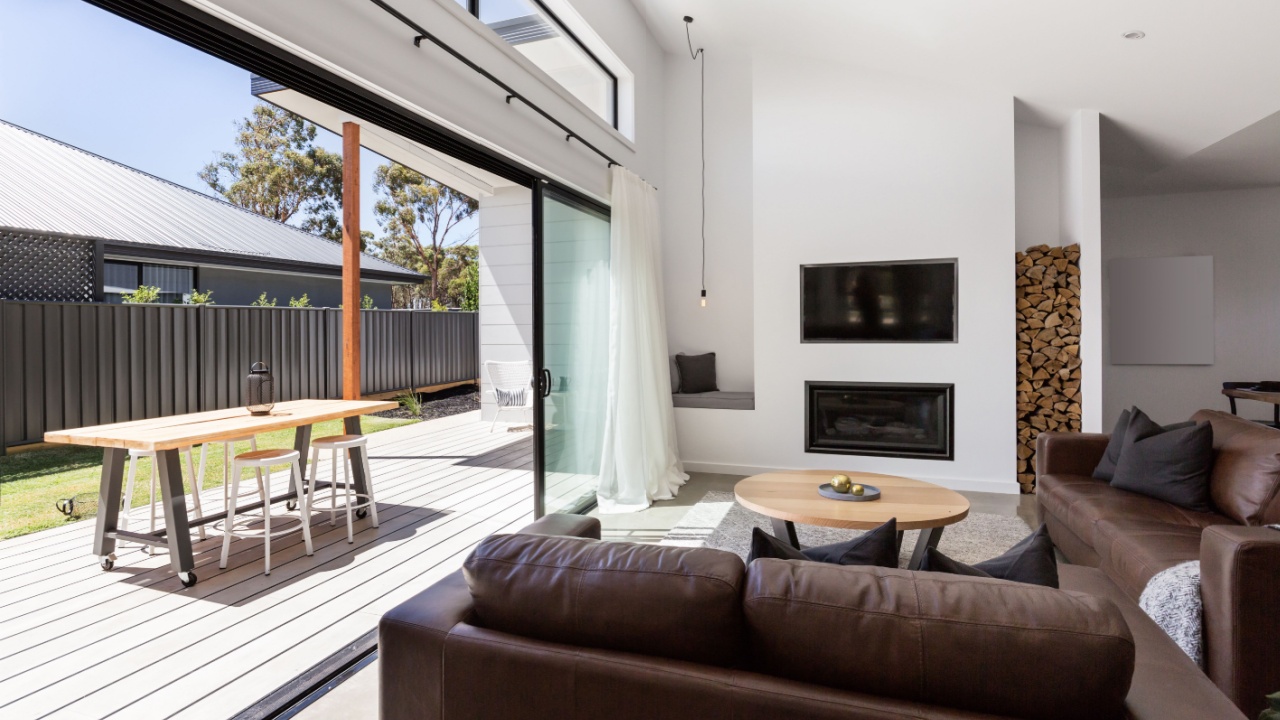
Image Credit: Shutterstock.
Sliding barn doors became a ubiquitous feature of the farmhouse trend. While they can be a space-saving solution in some situations, they are often used purely for aesthetics where a regular door would be more practical. They don’t seal well, offering very little privacy for sound or light, making them a poor choice for bathrooms or bedrooms.
What to do instead: Use barn doors sparingly and only where they make sense, such as for a pantry or closet in a low-traffic area. For rooms that require privacy, a traditional hinged door or a pocket door (which slides into the wall) is a far better choice.
Quick Look:
- Problem: Poor privacy, doesn’t block sound or light.
- Alternative: A traditional door or a pocket door.
- Next Step: Assess the function of the room before choosing a door. Prioritize privacy and sound insulation for bedrooms and bathrooms.
Your Home, Your Rules
Image Credit: Shutterstock.
Ultimately, the most important design rule is to create a space that you love and that works for your lifestyle. While it’s helpful to be aware of the practical downsides of certain trends, your personal preference is what matters most.
Use this guide not as a list of rules, but as a tool to help you think critically about your design choices. Your next step is to look around your own space, or the space you dream of creating, and decide which elements will bring you the most joy and function for years to come.