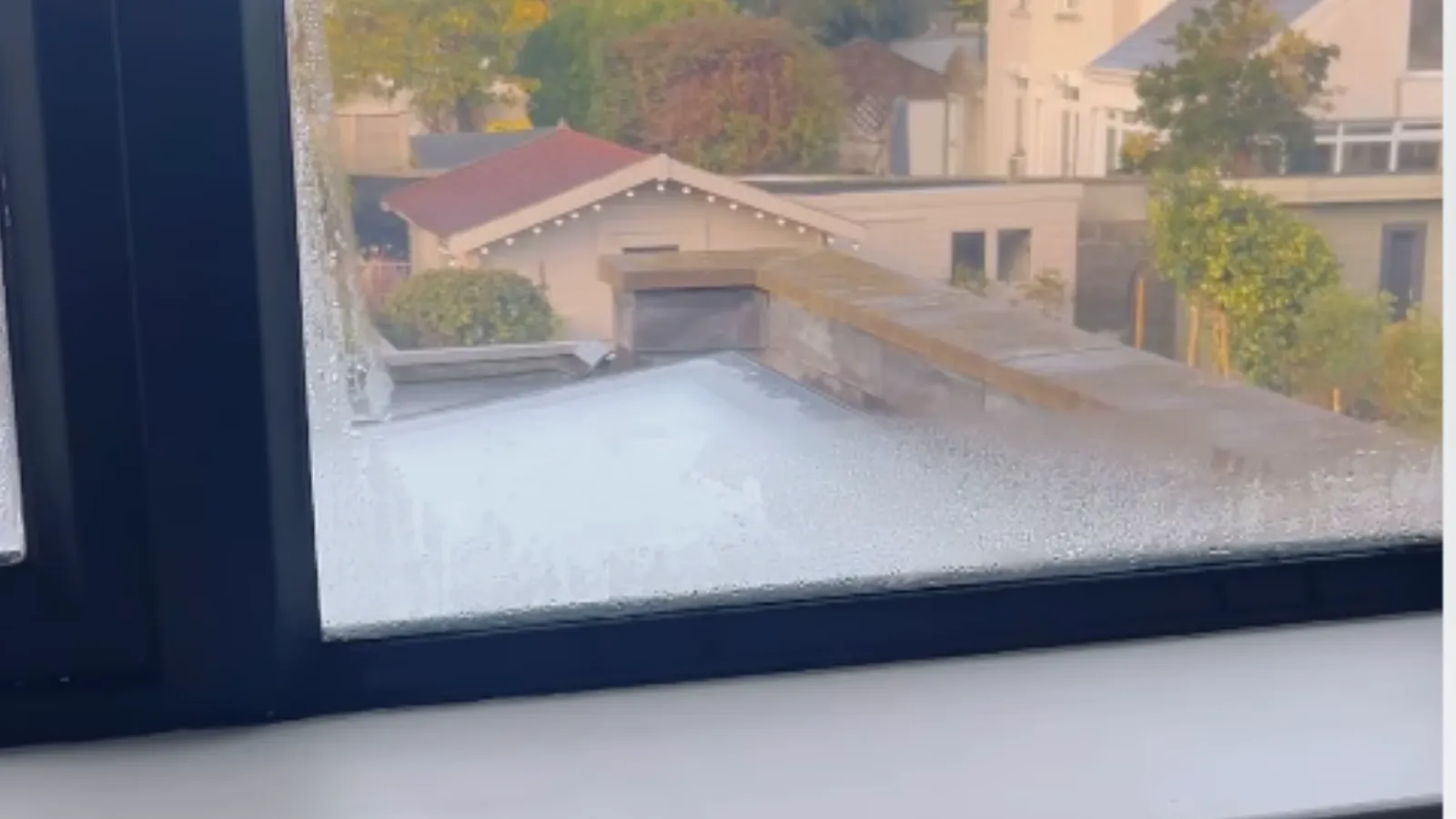
Have Condensation on Your Windows? These Simple Fixes Could Help
As the weather starts to turn cooler, some people find themselves facing some seasonal issues around the home, including the arrival of condensation on the inside of their windows.
According to Pella Windows and Doors, this happens because of the difference between the temperature of the air and the glass. When the glass is cold and dry, and the indoor air is warm and humid, these little droplets can form.
The extra moisture can be a minor nuisance for some, but it can cause bigger issues for others, including the potential growth of mold or mildew.
While excessive moisture can mean that it’s time to replace your windows (and in extreme cases, address other insulation issues around the house), minor condensation can usually be fixed in a few different ways.
Simple Fixes for Window Condensation
View this post on Instagram
If you’re looking for a super simple fix to this problem, Good Housekeeping says something as small as “burping” your house may work. According to the outlet, opening your windows and doors for 10 minutes a day can help lower indoor moisture levels. That’s especially true when you’ve been doing something that increases indoor moisture, like showering or boiling water.
Another easy and temporary option is to use liquid dish soap and a microfiber cloth on your windows. Instagrammer @doingupmyhome says this trick involves putting a few drops on a cloth, then buffing the window with the solution (no rinsing required). She does note that it only lasts about two weeks.
Homes&Gardens also notes that keeping blinds closed at night can also lead to more moisture on your windows due to a lack of airflow, so the outlet suggests leaving those items cracked or open while you sleep.
More Advanced Ways to Prevent Window Condensation
Some moisture issues may require a bit more action, according to Pella Windows and Doors. The company says this may involve running kitchen and bathroom exhaust fans or using a portable or whole-house dehumidifier.
The website says that excessive window condensation should be addressed, since the added moisture could lead to other problems, such as mold and mildew, which thrive in those damp environments. Anyone concerned about moisture levels may want to consider investing in new windows that come with double or triple glazing, which Home&Gardens says can help provide an insulating barrier between cold exterior air and the warm and moist air circulating inside homes during the winter months.
Energy-efficient windows can also offer similar results, according to an expert who spoke with the outlet, so homeowners looking to upgrade their windows have a few different options to consider when it comes to keeping window condensation at bay.